Choosing a medical school is one of the first real decisions of a medical career. This guide covers what prospective students need to know about the MD program at Charles R. Drew University of Medicine and Science (CDU) College of Medicine in Los Angeles: admission requirements and deadlines, the curriculum, clinical training, costs, campus life, the people who lead the school, and the history behind the name.
CDU is a private, nonprofit university founded in 1966 in the Watts-Willowbrook area of South Los Angeles. Its College of Medicine runs an independent four-year Doctor of Medicine program. The program received preliminary accreditation from the Liaison Committee on Medical Education (LCME) in October 2022, welcomed its charter class of 60 students in July 2023 and earned provisional LCME accreditation in July 2025. It is one of only four MD programs at a historically Black institution in the United States, and its mission centers on serving underrepresented and underserved communities.
This guide is written for the 2026-2027 application cycle, which is for students who plan to start medical school in June 2027. It explains the 2026 cycle dates, the MCAT screening score, the six current secondary questions (with full illustrative examples and analysis for each), the virtual interview, the $69,000 flat-rate tuition and the clinical partners where students train. It also gives the 2025 entering class numbers: 6,639 verified applications, 452 interviews and a median MCAT of 505. Facts were checked on October 17 and 18, 2026.
Key Takeaways
- CDU runs its own MD program now. The four-year MD is solely accredited at CDU and is not affiliated with another university. The older joint CDU/UCLA Medical Education Program took its final class in July 2023 and no longer accepts applications.
- The MCAT screen is real. Only applicants with an MCAT score of 500 or higher advance to the next stage of review. CDU considers your highest score, and the MCAT must be taken by September 12, 2026.
- Key dates for the 2026 cycle: AMCAS opened May 1, 2026; the primary deadline is November 15, 2026 (CDU strongly recommends November 1); transcripts are due December 29, 2026; offers begin after February 15, 2027; classes start June 14, 2027.
- The secondary is by invitation and free. CDU screens applicants before sending the supplemental application, charges no fee and asks you to submit within the time your invitation gives.
- The class is small. Each cohort has 60 students, and total MD enrollment reached 240 with the Class of 2030.
- Competition is steep. For the 2025 entering class, CDU received 6,639 verified applications, interviewed 452 applicants and enrolled 60. Accepted applicants had a median MCAT of 505 and a median GPA of 3.56.
- Who can apply: out-of-state applicants are accepted, but international, Canadian and DACA status applicants are not. There is no early decision program.
- Tuition is the same for everyone. Tuition is a flat $69,000 per year for in-state and out-of-state students. Total estimated budgets run from about $123,000 to $137,000 per year, depending on year and length.
- Training happens in the community. Required clinical experiences take place at Martin Luther King Jr. Community Hospital, the MLK Outpatient Center, Dignity Health Saint Mary’s Medical Center Long Beach, Children’s Hospital of Los Angeles, Harbor-UCLA Medical Center and Sutter Health.
- Next step: check your MCAT against the 500 screen, submit AMCAS before November 1 if you can, and start drafting the six secondary answers now so you can return them quickly.
Key Statistics About Charles R. Drew University of Medicine and Science College of Medicine
The snapshot below shows the figures applicants ask about first. Median MCAT and GPA are for all accepted applicants to the 2025 entering class, and the application and interview counts are for the same cohort. Class size is for the Class of 2030, the 60 students who entered in summer 2026. Tuition is the current posted flat rate. Cost figures are labeled by year. The table that follows gives the year, cohort and source for each figure.

| Metric | Value | Year or cohort | Source and definition |
|---|---|---|---|
| School and degree | Charles R. Drew University of Medicine and Science College of Medicine; four-year MD (no dual degrees currently) | Current | CDU MD program page and Admission FAQs; private nonprofit university, Los Angeles (Watts-Willowbrook) |
| Class size | 60 students per cohort | Class of 2030, entered 2026 | CDU Admission FAQs; CDU news, July 13, 2026 |
| Total MD enrollment | 240 students | 2026-2027 (four cohorts) | CDU Admission FAQs; CDU news, July 13, 2026 |
| Class of 2030 profile | 36 women and 24 men; proficiency in 16 languages other than English | Entered 2026 | CDU news, July 13, 2026; matriculants |
| Class of 2029 profile | 33 women and 27 men; Spanish spoken by 66%; about 60% reported family income under $50,000 | Entered 2025 | CDU news, July 12, 2025; matriculants |
| MCAT | 500 or higher required to advance in review; highest score considered | 2026-2027 cycle | CDU MD Admissions Process page; a screening threshold, not a class average |
| Median MCAT | 505 (mean 505.2); section medians 126 CPBS, 125 CARS, 127 BBLS, 128 PSBB | 2025 entering class | AAMC MSAR, 2026 edition; all accepted applicants |
| Median GPA | 3.56 total; 3.45 science | 2025 entering class | AAMC MSAR, 2026 edition; all accepted applicants |
| Verified applications | 6,639 (2,464 in-state, 4,104 out-of-state, 71 international) | 2025 entering class | AAMC MSAR, 2026 edition |
| Interviewed | 452 (326 in-state, 126 out-of-state, 0 international); 6.8% of verified applications | 2025 entering class | AAMC MSAR, 2026 edition; interviewed divided by verified applications, not an acceptance rate |
| Matriculated | 60 (43 in-state, 17 out-of-state) | 2025 entering class | AAMC MSAR, 2026 edition |
| Acceptance rate | Not published | 2025 entering class | Offer counts are not reported by CDU or in AAMC MSAR, so offers divided by applications cannot be calculated |
| Applicant eligibility | Out-of-state applicants accepted; international, Canadian and DACA status applicants not accepted | 2026-2027 cycle | AAMC MSAR, 2026 edition |
| Tuition | $69,000 per year, flat rate, same for all students | Current posted rate | CDU College of Medicine Financial Aid page |
| Cost of attendance | $122,893 (first year, Class of 2027 budget) | 2024-2025, MS1 | CDU MD Admissions Process page; includes tuition, living, transportation, books, personal costs, medical insurance and loan fees |
| Current estimated budgets | $125,932 to $137,117, by year and length of enrollment | Current posted estimate (year not labeled) | CDU College of Medicine Financial Aid page |
| Total cost of attendance | $137,117, same for in-state and out-of-state | 2025-2026 | AAMC MSAR, 2026 edition (AAMC Tuition and Student Fees Survey) |
| Students receiving financial aid | 98% | 2024-2025 | AAMC MSAR, 2026 edition (LCME Part I-B) |
| Average graduate debt | Not available; the independent MD program has no graduating class yet | 2024-2025 | AAMC MSAR, 2026 edition (LCME Part I-B) |
| Accreditation | LCME provisional accreditation (July 2025); full-accreditation survey visit February 1-3, 2027 | Current | CDU accreditation pages; CDU news, October 14, 2025 |
| Secondary application | Sent after screening; no fee | 2026-2027 cycle | CDU Admission FAQs |
| Early decision | Not offered | 2026-2027 cycle | AAMC MSAR, 2026 edition |
For the 2025 entering class, CDU received 6,639 verified applications and interviewed 452 applicants, about 6.8% of those who applied, and 60 students enrolled. The number of acceptance offers is not reported, so no true acceptance rate (offers divided by applications) can be calculated. Accepted applicants had a median MCAT of 505 and a median GPA of 3.56, which puts the typical admitted applicant well above the 500 screen. What the numbers also show is scale and focus: 60 seats a year, an MCAT screen of 500, and classes in which most students speak a second language and many come from low-income or first-generation backgrounds. For a side-by-side view of class numbers at other schools, see our list of average GPA and MCAT scores for every U.S. medical school.
Mission and Educational Priorities
For applicants, the mission and vision of CDU are the key to understanding the school’s educational philosophy. The College of Medicine states its mission this way: “to provide education, research and clinical service in the context of community engagement in order to train physician leaders who promote wellness, who provide care with excellence and compassion, and who are committed to transforming the health of diverse and underserved communities” (see the College of Medicine page).
The university’s mission describes CDU as “a private non-profit student centered University that is committed to cultivating diverse health professional leaders who are dedicated to social justice and health equity for underserved populations through outstanding education, research, clinical service, and community engagement.” Its vision is short: “Excellent health and wellness for all in a world without health disparities.” CDU lists six values: Community, Leadership, Excellence, Diversity, Integrity and Compassion (see the mission, vision and values page).
History Behind the Mission
The mission comes from the school’s origins. In August 1965, civil unrest broke out in Watts, and the McCone Commission that studied it cited poor health and limited access to care as major contributing factors. In August 1966, the Charles R. Drew Postgraduate Medical School was incorporated as a private, nonprofit institution. CDU credits its Founding Mothers, Nola M. Carter, Mary B. Henry, Caffie Greene, Lillian H. Mobley and Johnnie Tillmon, as community leaders who demanded justice, equity and access for residents of Watts-Willowbrook and South Los Angeles. CDU began as a graduate medical institution with residents at the Los Angeles County King Hospital, which opened in 1972. This shared history of advocacy and resilience is still a cornerstone of the CDU experience.
The university is named for Dr. Charles R. Drew, the African American surgeon and researcher known for his pioneering work in blood preservation. His story is told in full in the people section below.
Academic Excellence in Health Sciences
CDU is best known for training physicians and other clinicians to serve urban and underserved communities. Beyond the MD, it has a College of Science and Health and the Mervyn M. Dymally College of Nursing, with programs in nursing, physician assistant studies, public health, biomedical sciences and radiologic technology. California recognized CDU as a historically Black college or university (HBCU) through a 2017 state Senate resolution, and CDU describes itself as a Historically Black Graduate Institution and a charter member of the Hispanic Association of Colleges and Universities. At CDU, students are not only preparing for careers in healthcare. They are being trained to address health disparities and to advocate for justice in healthcare.
What the Mission Means for Your Application
The mission shows up in concrete ways that should shape how you apply.
First, community service is expected, not decorative. CDU says it wants physicians who will treat, care for and advocate for medically underserved communities, particularly communities of color. Your activities should show sustained work with underserved patients or neighbors, not a single weekend.
Second, the secondary questions test the mission directly. Every 2026-2027 question asks about health disparities, underserved communities, discrimination, poverty or your future role in a specific community. Generic answers will not hold up.
Third, advocacy and leadership count. The four-year Medicine and Society course covers leadership, advocacy and health policy. Applicants who can describe a time they changed a process, organized people or spoke up will find natural material for both the essays and the interview.
Fourth, language and lived experience matter. CDU recommends Spanish verbal proficiency and coursework in ethnic studies or social justice, and its recent classes report proficiency in many languages. If you speak another language or grew up in a community like South Los Angeles, that is relevant, and you can say so plainly.
Accreditation and Institutional Identity
Accreditation Status
CDU received provisional accreditation from the LCME for its Doctor of Medicine program in July 2025. The LCME is the body recognized by the U.S. Department of Education to accredit programs leading to the MD degree. Provisional accreditation is the second of three stages for a new medical school, and CDU is working toward full accreditation (see the CDU accreditation page).
Accreditation Journey
The path to an independent MD program was long and deliberate. CDU’s 2016-2020 Strategic Plan made it a formal objective to “develop and complete the establishment of CDU’s independent medical education program,” and the 2021-2026 Strategic Plan carried that goal forward. The steps since then:
- October 15, 2021: The WASC Senior College and University Commission (WSCUC) approved CDU to offer the new Doctor of Medicine degree. CDU itself has held WSCUC regional accreditation since 1995.
- October 2022: The LCME granted preliminary accreditation. This made CDU’s MD the first new medical degree program at a historically Black university in the United States since 1981.
- July 10, 2023: The charter class of 60 students started classes.
- July 2025: The LCME granted provisional accreditation.
- October 2025: The Robert Wood Johnson Foundation awarded CDU $1 million to support its progress toward full LCME accreditation, focused on student success and teaching excellence.
- February 1-3, 2027: CDU’s LCME survey visit for full accreditation is scheduled (see the RWJF award announcement).
The charter class is scheduled to graduate in 2027. Students in programs with provisional accreditation are treated the same as students in fully accredited programs for licensing and residency eligibility, but it is reasonable to follow the 2027 survey outcome as you decide.
Independent CDU MD Versus the CDU/UCLA Program
This distinction matters, because older articles and many alumni stories describe a different program.
From 1981 to 2023, CDU partnered with UCLA on the CDU/UCLA Medical Education Program (MEP). That program grew out of a 1978 affiliation agreement. Its students were UCLA MD students who received part of their training from CDU faculty with joint appointments. The first class of 24 entered in 1981, and the final class entered in July 2023. The MEP no longer accepts applications. The students who remain will finish their training, and CDU says its partnership with UCLA continues through the Partnership Health Equity Pathway at the David Geffen School of Medicine.
If you apply to CDU’s College of Medicine today, you are applying to the independent four-year CDU MD. CDU states plainly that the program “is solely accredited at CDU” and is not affiliated with another university. It is listed in AMCAS as Charles R Drew University of Medicine and Science College of Medicine (AAMC ID 876).
Institutional Identity at a Glance
- Name: Charles R. Drew University of Medicine and Science, College of Medicine
- Type: Private, nonprofit university; a Historically Black Graduate Institution recognized by California as an HBCU, with an HBCU status profile from the NAACP
- Campus: 1731 E. 120th St., Los Angeles, CA 90059, in the Watts-Willowbrook area of South Los Angeles
- Degree: Four-year MD, 120 credit hours, on-campus format
- Distinction: One of only four MD programs at a historically Black institution in the United States, and the only one on the West Coast
- Home of the College of Medicine: The Health Professions Education Building, opened July 2026
Because CDU sits in Service Planning Area 6, the most medically underserved region of Los Angeles County, much of what you will learn about care access will come from the neighborhood around campus. If you want to prepare for that kind of setting before medical school, clinical internships for pre-med students in clinics with limited resources can give you hands-on patient contact to reflect on.
Medical Programs and Affiliations
Educational Programs and Collaborations
CDU’s College of Medicine offers a curriculum that pairs conventional medical training with a strong emphasis on community engagement and health disparities. The college currently confers one medical degree: the Doctor of Medicine. There is no joint baccalaureate-MD program and no dual degree (such as MD-PhD, MD/MPH or MD/MBA) at this time. CDU answers the question directly in its FAQ: “No, not currently.”
The College of Medicine houses three educational efforts: the four-year CDU MD, the final years of the CDU/UCLA MEP and its graduate medical education (residency) programs.
Charles R. Drew University of Medicine and Science College of Medicine (CDU-COM) Doctor of Medicine Program Overview
CDU’s four-year MD program is one of only four MD-granting programs at a historically Black institution in the United States. In CDU’s words, the program “trains future physicians how to treat, care for, and advocate for medically underserved communities, particularly communities of color.” It provides leadership training in research and community engagement so that graduates are “poised to become change agents toward an equitable and just American Healthcare System” (see the CDU MD program page).
The curriculum starts with the fundamentals of medicine, then moves to an organ-based approach to disease. At the same time, students build clinical skills, learn their role in addressing the social determinants of health and conduct health services or clinical research.
Program Highlights
- Total credit hours: 120
- Duration: Four-year completion time
- Format: On campus
- Distinction: One of only four historically Black MD programs in the U.S.
- Class size: 60 students per cohort; 240 students enrolled across four classes in 2026-2027
- Start: A mandatory, in-person Gateway course in mid-June (June 14, 2027 for the next entering class)
Career Options
CDU lists the careers its MD graduates are expected to pursue: general internal medicine and family medicine, internal medicine subspecialties, pediatrics, general surgery, orthopedics, urology, radiology, physical medicine and rehabilitation, psychiatry, neurology, emergency medicine, other surgical and medical subspecialties, and administration and health policy roles “as physician change agents.” If you already lean toward primary care, our guide on how to become a family medicine physician explains the training path.
Clinical Affiliations
Required clinical experiences take place at CDU’s clinical partners:
- Martin Luther King Jr. Community Hospital
- Martin Luther King Jr. Outpatient Center
- Dignity Health, Saint Mary’s Medical Center Long Beach
- Children’s Hospital of Los Angeles
- Harbor-UCLA Medical Center
- Sutter Health
CDU does not own a hospital. Its main teaching relationships are with these partner hospitals and clinics, which serve South Los Angeles, Long Beach and the wider county. Details on rotations are in the clinical training section below.
Graduate Medical Education
CDU also trains residents. Its Accreditation Council for Graduate Medical Education (ACGME) programs include Family Medicine (first cohort in 2018), Psychiatry (first cohort in 2018), Internal Medicine (started in 2021) and Physical Medicine and Rehabilitation, plus fellowships in Child and Adolescent Psychiatry and Addiction Medicine. The Family Medicine residency’s primary site is the MLK Jr. Outpatient Center. For medical students, this means residents and faculty who teach on the same clinical floors, and a local residency option for graduates who want to stay. CDU’s College of Medicine faculty has grown to more than 350 members appointed in nine basic science and clinical departments.
Pathway and Pipeline Programs
CDU runs programs that help students reach medical school, though none is a guaranteed route into the MD:
- Postbaccalaureate Leadership Program (PLP) in Pre-Medicine. A 12-month program for up to 16 students a year, for reapplicants and for first-time applicants who need to strengthen their academic record. It includes upper-division science courses, a leadership series, MCAT preparation and advising. PLP students must earn an official MCAT of 500 or more during the program. Current PLP tuition is $25,800 (flat rate), with estimated 12-month budgets of $70,108 living with family or $90,108 living off campus (see the PLP page).
- California Medicine Scholars Program (CMSP HEAL-LA). CDU leads one of the state’s Regional Hubs of Healthcare Opportunity, a pathway that supports community college students through transfer and toward CDU’s College of Medicine or another participating medical school.
- Saturday Science Academy II. A K-12 pipeline program; students who complete three consecutive sessions earn a junior white coat. Several CDU physicians, including alumnus Dr. Rasheed Ivey, started here.
Undergraduate and Certificate Programs
CDU offers a range of programs across its three colleges. These are separate from the MD and have their own applications. Current offerings include:
- Bachelor of Science in Nursing (BSN): Prepares students for nursing careers with theory and clinical practice.
- Bachelor of Science, Biomedical Sciences: A foundation for graduate study or careers in healthcare and research.
- Psychology: An undergraduate psychology program focused on mental health needs in diverse communities.
- Associate of Science, Radiologic Technology, and a Bachelor of Science, Radiologic Sciences: Training in diagnostic imaging.
- Post-graduate APRN certificates for nurses, including psychiatric mental health and family nurse practitioner tracks.
- Postbaccalaureate Leadership Program certificate in pre-medicine (described above).
Graduate and Doctoral Programs
- Master of Health Science, Physician Assistant: Founded in 1971 as the first PA program in California (see below).
- Master of Science, Biomedical Sciences, and a PhD in Translational Biomedical Sciences.
- Entry-Level Master of Science in Nursing, plus MSN tracks for Family Nurse Practitioner and Psychiatric Mental Health Nurse Practitioner.
- Master of Public Health in Urban Health Disparities.
- Master of Science, Genetic Counseling.
- Doctor of Nursing Practice (DNP).
- Doctor of Medicine: CDU’s MD program, focused on serving underserved communities and reducing health disparities.
- CDU/UCLA Medical Education Program: Historical. The final class entered in July 2023, and the program no longer accepts applications.
Through these programs, CDU trains health professionals across disciplines, and MD students work alongside PA, nursing and public health students on the same campus.
Charles R. Drew University PA Program
The Master of Health Science, Physician Assistant program is an intensive, 27-month curriculum (110 credit hours, hybrid format) that blends academic work with clinical experience. CDU established it in 1971, and it is the oldest PA program in California. Social medicine modules run through the curriculum to build awareness of the social determinants of health, every student completes at least one rotation in a medically underserved or health professional shortage area, and students take part in service learning around Los Angeles.
PA students rotate at sites that include California Hospital Medical Center, Cedars-Sinai Medical Center, Children’s Hospital Los Angeles, the West Los Angeles VA, Harbor-UCLA Medical Center, Hubert Humphrey Comprehensive Health Center, Kaiser Permanente South Bay and the Martin Luther King Jr. Outpatient Center (see the CDU PA program page). The program is accredited by the ARC-PA. For a broader comparison, our list of PA Schools in California covers the state’s other programs, and students weighing PA school can build patient-care hours through pre-PA internships.
Preparing for Medical and PA Careers in California
CDU’s MD and PA programs both give students a foundation for careers in healthcare, with training in one of the most diverse patient populations in the country. If you are still deciding between paths, our explainer on DO and MD pathways compares the degrees, and our overview of medical schools in California compares CDU with the state’s other MD and DO programs.
Curriculum Overview
CDU’s MD curriculum is structured in three phases. It was inspired by Dr. Glenda Lindsey, a pediatrician and CDU faculty member whom the school calls a visionary in medical education (see the MD curriculum page). The design starts with foundational science, moves to organ systems and then to clinical rotations, while three courses run through all four years.
Phase One: Pre-Clerkship (22 months)
First nine months. Students study the foundational sciences, including anatomy, pathology and related disciplines, to build a base for understanding human organ systems. The 2026-2027 calendar for the Class of 2030 shows how this works in practice. The year begins with a three-week Gateway course, followed by Fundamentals of Medicine blocks: Anatomy and Embryology; Genetics, Biochemistry and Metabolism; Immunology and Microbiology; Physiology; Pharmacology; and Histology and Pathology, with short intersessions in between.
Second nine months. Students study the pathophysiology, pharmacology and clinical applications of each organ system, such as the renal and urologic, gastrointestinal, endocrine and nervous systems. This content prepares them to care for patients on clinical rotations and to take National Board of Medical Examiners exams.
The Three Longitudinal Courses
Phase One also launches three four-year courses that CDU describes as the backbone of its curriculum:
- Medicine and Society: The physician’s role in modern U.S. society, with emphasis on leadership, advocacy and health policy.
- Clinical Skills: Small-group teaching focused on essential clinical skills, from history taking to physical exam.
- Foundations of Research: Students are introduced to research mentors and develop projects that end in a research proposal and final presentation.
Phase Two: Clerkship (12 months)
In the third year, students complete core clinical rotations at affiliated hospitals and clinics:
| Clerkship | Length |
|---|---|
| Internal Medicine | 12 weeks |
| Surgery | 9 weeks |
| Pediatrics | 6 weeks |
| Obstetrics and Gynecology | 6 weeks |
| Family Medicine | 4 weeks |
| Psychiatry | 4 weeks |
| Neurology | 4 weeks |
| Emergency Medicine | 2 weeks |
| Procedures Course | 1 week |
Students are also paired with preceptors in their subspecialty interests so they can explore career paths during the clerkship year.
Phase Three: Residency Preparation (12 months)
The final phase focuses on career readiness. Students complete sub-internships, senior electives and advanced rotations, at least 20 weeks in total, mainly in their intended specialty and in critical care and acute care medicine. The phase ends with the Capstone Research Presentation in the fourth year. To graduate, students must pass USMLE Step 1 and Step 2 and complete the program within four years unless the promotions committee approves an exception.
Learning Communities
Every student belongs to one of four Learning Communities named for distinguished physician-advocates. Through these communities, students get academic coaching and mentoring and take part in social and professional development activities. For a new school with 60 students per class, this structure gives each student a small, consistent group of peers and faculty.
Background Checks and Vaccine Requirements
Before matriculation, admitted students must complete a background check, because CDU’s clinical partners require one for clerkships. They must also complete a physical exam and tuberculosis screening by a licensed healthcare professional, attest to their vaccination status and receive required vaccinations, including COVID-19 vaccines, in line with CDC adult immunization guidance. All full-time MD students must carry comprehensive health insurance; students can waive CDU’s plan with proof of comparable coverage or are enrolled automatically.
What the Curriculum Means for Applicants
Three practical points follow from this structure. First, research is required, not optional, so a research experience of any kind (community-based, clinical or bench) gives you something concrete to discuss. Second, the Medicine and Society course rewards applicants who already think about policy and advocacy. Third, the clerkship sites are community hospitals and clinics, so comfort with patients who face language barriers, housing problems or long waits is directly relevant.
Admissions Requirements and Application Process
CDU’s MD program uses the American Medical College Application Service (AMCAS). Search for “Charles R Drew University of Medicine and Science College of Medicine” (AAMC ID 876). If you are new to the primary application, our AMCAS application guide walks through each section. All requirements below come from CDU’s MD admissions process page and admission FAQs for the 2026 cycle.
Who Can Apply
- Degree: You must hold a bachelor’s degree from an accredited college or university in the United States or Canada before you start.
- Transfers: CDU does not accept transfer students from other medical programs or previous matriculants.
- Visiting students: CDU does not accept visiting medical students through VSLO.
- Residency: Tuition is the same for California residents and nonresidents, and out-of-state applicants can be accepted. CDU’s MD pages do not state an in-state preference, but California residents made up most of the 2025 entering class: 43 of 60 matriculants were in-state and 17 were from out of state. In-state applicants were also interviewed at a higher rate (326 of 2,464 verified in-state applications, compared with 126 of 4,104 out-of-state).
- International, Canadian and DACA applicants: CDU does not accept applications from international applicants, Canadian applicants or applicants with DACA status for the MD program. If you have questions about your status, contact the admissions office at [email protected] before you apply.
- Early decision: CDU does not offer an Early Decision Program.
Program Prerequisites
CDU requires the following courses. Prerequisite coursework must have been completed within the past 10 years.
| Course | Requirement | Notes |
|---|---|---|
| Biology | 1 year | With in-person lab |
| General Chemistry | 1 year | With in-person lab |
| Organic Chemistry | 1 year | With in-person lab |
| Physics | 1 year | With in-person lab |
| Biochemistry | 1 semester or quarter | |
| Calculus | 1 semester or quarter | AP credit accepted |
| English | 1 year | AP credit not accepted |
Two details catch applicants off guard. Labs must be in person, so online-only lab courses may not count. And AP credit is accepted for calculus but not for English, so plan a year of college English if you skipped it with AP scores.
CDU also recommends, but does not require: introductory sociology, psychology, philosophy or ethics, Spanish (verbal proficiency), humanities in ethnic studies or social justice, scientific writing and introductory statistics. The Spanish recommendation is practical. Many patients at CDU’s clinical sites speak Spanish, and 66% of the Class of 2029 reported Spanish proficiency.
MCAT Requirements
- Deadline: The MCAT must be taken by September 12, 2026 for this cycle. More generally, CDU requires you to attempt the MCAT no later than September of the year before you would start.
- Screening score: Only applicants with a score of 500 or higher advance to the next stage of review.
- Multiple attempts: All attempts must be reported in your application, and the admissions committee considers your highest score.
- Score age: For 2027 matriculation, the earliest acceptable MCAT test date is July 2023.
- Class scores: Accepted applicants to the 2025 entering class had a median MCAT of 505 (mean 505.2). Section medians were 126 in Chemical and Physical Foundations, 125 in Critical Analysis and Reasoning Skills, 127 in Biological and Biochemical Foundations and 128 in Psychological, Social and Biological Foundations.
If your best score is below 500, CDU’s MD application is unlikely to move forward this cycle, and a retake before September or a stronger application next cycle may be the better plan. Our article on the MCAT score requirement at different schools can help you set a target.
GPA
CDU’s MD admissions pages do not list a GPA cutoff. The admissions team reviews your verified AMCAS record, and strong grades in biology, chemistry, physics and math still carry weight, especially for a school that requires in-person labs and screens on the MCAT.
For the 2025 entering class, accepted applicants had a median total GPA of 3.56 (mean 3.54) and a median science GPA of 3.45 (mean 3.41). If your undergraduate GPA is lower, CDU considers postbaccalaureate or graduate coursework, provided your undergraduate GPA is at least 3.0 and you have completed at least 20 credit hours of that coursework.
Other Assessments
CASPer is not required, and the AAMC PREview exam is not required. Our guide to medical schools that require CASPer lists the schools that do.
Letters of Recommendation
Submit at least three and no more than five letters. CDU accepts both committee letters and individual letters. A strong set for CDU usually includes at least one science faculty member who taught you, plus a supervisor who has seen your work with patients or with an underserved community.
Clinical and Community Experience
CDU does not publish a minimum number of clinical, shadowing or service hours. Its mission, curriculum and essays make clear that sustained work with underserved patients matters. Aim for experiences where you had real responsibility, such as working as a medical assistant, scribe, community health worker, interpreter or clinic volunteer, and keep notes on specific patients and problems so you can write about them later. If you have summers free before applying, pre-med summer internships that place you in hands-on clinical roles are one way to add patient contact.
Admissions Process
- Submit AMCAS. The earliest submission date was May 28, 2026, and AMCAS began sending applications to schools on June 26, 2026.
- Screening. CDU screens completed applications from July through November 2026. The MCAT score of 500 is the first gate.
- Supplemental application. Applicants who pass screening receive a supplemental (secondary) application. It is not sent to all applicants, and there is no fee. Submit it within the time your invitation gives; follow the deadline in your invitation letter.
- Interview. Selected applicants are invited, from July through December 2026, to virtual interview sessions with CDU faculty. The format is virtual multiple mini interviews with faculty, and the interview day consists of two virtual interviews.
- Offers. Offers of admission begin after February 15, 2027 and continue until all 60 seats are filled.
- Plan to Enroll and Commit to Enroll. Admitted applicants must select “Plan to Enroll” by February 19, 2027 and “Commit to Enroll” by May 15, 2027 to keep a seat. You have a maximum of two weeks to respond to an offer.
- Deposit. Admitted applicants pay a $50 deposit, due April 29, 2027. It is not refundable and is applied to tuition.
- Waitlist and deferral. CDU typically holds about 90 waitlist positions per cycle, and about 10 waitlisted applicants receive acceptance offers. When a seat opens, the next person in line by rank receives a call and an email. Requests to defer entrance are considered case by case.
You can send updates, such as new grades, as PDFs to [email protected], and CDU adds them to your file. You will receive an email confirming that CDU has received your AMCAS application.
Application Timeline at a Glance (2026-2027 Cycle)
| Step | Date |
|---|---|
| AMCAS application opens | May 1, 2026 |
| Earliest AMCAS submission | May 28, 2026 |
| AMCAS begins sending applications to schools | June 26, 2026 |
| Screening of completed applications | July through November 2026 |
| Interview invitations | July through December 2026 |
| Interviews (virtual) | August through December 2026 |
| MCAT deadline | September 12, 2026 |
| Recommended AMCAS submission | By November 1, 2026 |
| AMCAS primary deadline | November 15, 2026 |
| Transcript deadline | December 29, 2026 |
| Supplemental application | Within the time stated in your invitation letter |
| Offers of admission | After February 15, 2027, until 60 seats are filled |
| Plan to Enroll | February 19, 2027 |
| Commit to Enroll | May 15, 2027 |
| Response to an offer | Within two weeks |
| Acceptance deposit ($50, nonrefundable) | April 29, 2027 |
| Classes begin (Gateway course, in person) | Monday, June 14, 2027 |
Connect with CDU-COM
Prospective students can request program information, ask about a campus tour and find application details on CDU’s website. CDU also hosts information events for prospective students, and the College of Medicine’s accreditation website posts updates as the program moves toward full accreditation.
Tuition, Cost of Attendance and Financial Aid
Charles R. Drew University of Medicine and Science (CDU) Tuition
MD tuition at CDU is a flat rate of $69,000 per year. It is the same for California residents and nonresidents. The 2026-2027 university catalog breaks this into $65,000 in tuition and $4,000 in fees per year, and CDU notes that tuition and fees can change each year.
Cost of Attendance
CDU posts two sets of budgets. The labeled 2024-2025 budget, which is the most recent budget CDU marks with a year, shows what a first-year student should plan for:
| Item | Amount |
|---|---|
| Tuition (flat rate) | $69,000 |
| Living expenses | $31,500 |
| Transportation | $3,600 |
| Books and supplies | $2,593 |
| Personal expenses | $11,400 |
| Medical insurance | $3,638 |
| Loan fees (only if a loan is accepted) | $1,162 |
| Total budget | $122,893 |
The same 2024-2025 page shows second-year budgets of $124,393 for a 10-month year and $133,388 for a 12-month year with a summer elective, including $1,500 in licensure fees.
CDU’s College of Medicine Financial Aid page now shows a newer estimate, which does not state its academic year. Its three budgets are $125,932, $128,017 and $137,117, depending on the year and whether the year runs 10, 11 or 12 months. In those budgets, tuition stays at $69,000, medical insurance rises to $5,066, and living expenses range from $33,400 to $40,000 (see the College of Medicine Financial Aid page). These figures cover year-round attendance (fall, spring and summer terms). For the 2025-2026 academic year, the total cost of attendance for the MD program is $137,117 for both in-state and out-of-state students, including $5,066 for health insurance.
A practical takeaway: plan on roughly $123,000 to $137,000 per year in total cost, or about $500,000 or more over four years before any grants or scholarships. L.A. Care’s scholarship program puts the full cost of a CDU medical education at nearly $500,000 per student.
Financial Aid
CDU offers need-based and merit-based aid and federal work-study. All prospective MD students should complete the Free Application for Federal Student Aid (FAFSA) to be considered for federal aid, California state programs and CDU grants and scholarships. CDU links MD students to resources that include residency and relocation loans, the AAMC MedLoans Organizer and Calculator, HRSA health workforce scholarships, the National Health Service Corps Loan Repayment Program and American Medical Women’s Association scholarships. Admitted students receive a CDU scholarship application, and students can apply for outside scholarships throughout the year. Aid is close to universal: 98% of CDU medical students received financial aid in 2024-2025. Average graduate debt is not yet available, because the independent MD program has not graduated a class. Financial aid counselors work inside the College of Medicine and hold drop-in hours before and after the school day.
Two scholarships are worth knowing about:
- L.A. Care Elevating the Safety Net (ESN) Medical School Scholarship. L.A. Care Health Plan awards four full-ride scholarships to CDU medical students each year, covering the nearly $500,000 cost of medical school for each recipient. Since 2018, L.A. Care has awarded 64 ESN scholarships to students at CDU and the David Geffen School of Medicine at UCLA. The program aims to grow the primary care workforce in underserved parts of Los Angeles County (see the L.A. Care scholarship announcement).
- Service-linked federal programs. NHSC and HRSA programs trade scholarship or loan repayment for service in shortage areas, which fits CDU’s mission and the careers many students plan.
Health Insurance
All full-time MD students must have comprehensive health insurance. Students either waive CDU’s plan with proof of comparable coverage or are enrolled automatically, with the premium added to the tuition bill. CDU’s plan is administered through Gallagher with WellFleet CIGNA, and students can also insure a spouse, domestic partner or dependent children under 26.
Resources
- CDU Financial Aid website
- CDU Cost of Attendance: the College of Medicine Financial Aid page above, plus the U.S. News CDU cost of attendance website profile for the university as a whole
Costs for Other CDU Programs
The Postbaccalaureate Leadership Program charges a flat $25,800 in tuition, with estimated 12-month budgets of $70,108 (living with family) or $90,108 (living off campus). Nursing and other program costs are set by each program and posted on its own cost of attendance page.
Campus Facilities and Student Life
Campus Life at Charles R. Drew University of Medicine and Science
CDU is a proud Historically Black Graduate Institution and an HBCU recognized by California. It was founded in 1966 in response to the critical need for medical care and education in the Watts-Willowbrook area of South Los Angeles after the 1965 Watts uprising. In 2026, CDU marked its 60th anniversary.
The Health Professions Education Building
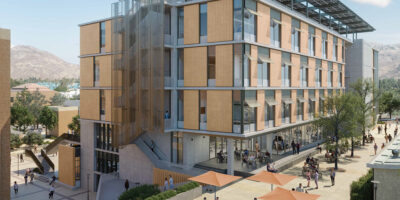
On July 11, 2026, CDU opened its Health Professions Education Building, a four-story, 60,000-square-foot facility that is now the home of the College of Medicine and a learning hub for students in all three colleges. It has adaptive, technology-enabled classrooms, anatomy laboratories, simulation spaces and shared study areas designed for interprofessional learning. The State of California contributed $50 million toward the building and the four-year MD program (see the CDU announcement).
Housing
CDU’s campus does not include student housing. The university partners with Off Campus Partners on a housing portal where students with a cdrewu.edu email can search local listings and find verified CDU roommates. CDU scholarships, federal aid and state aid can be applied to housing and living costs. CDU does not provide transportation for students who live off campus, and it suggests using apartment searches with transit overlays and applying for a discounted Metro student fare card (see the CDU housing page). Budget for a car or a long transit commute if you live far from campus. A car becomes essential once clinical work starts: MD students are required to have a vehicle because they drive to preceptorships and clerkships.
Location and Campus Life
CDU sits in Willowbrook, in South Los Angeles near Watts and Compton, close to major freeways and Metro lines. Students live across the Los Angeles area and have easy access to the region’s beaches, hiking trails and food, from local favorites like In-N-Out Burger to the restaurants of Little Tokyo and Historic Filipinotown.
Cultural and Entertainment Opportunities
Los Angeles offers movie premieres, historic theaters and cultural institutions such as the Getty Center and the Natural History Museum of Los Angeles County. Sports fans can follow the Dodgers, Lakers and the region’s other professional teams. On campus, CDU hosts community events such as Jazz at Drew.
Student Programs and Organizations
Student Government. The Charles R. Drew University Student Government (CDUSG) is made up of representatives from the three colleges, and all enrolled students are automatically members. CDUSG represents student voices to the administration, promotes unity within the student body and develops student leaders who carry on Dr. Drew’s legacy.
Medical student organizations. MD students have founded chapters of national groups on campus. Examples include:
- Student National Medical Association (SNMA). Selom Gbewonyo, a member of the charter MD class, chartered CDU’s SNMA chapter and was appointed SNMA Region I Director for 2025-2026, representing medical students across California and nine other Western states.
- Coalition of Black Men Physicians (CBMP). CDU students launched a CBMP chapter focused on mentorship, scholarship, service and professional development. Its campus-wide “King Wednesdays” gathering is held the first Wednesday of each month.
CDU lists its full set of clubs on the clubs and organizations page. Students can also join orientation programs, volunteer projects and campus events through Student Services.
Student Services and Support
CDU’s Student Services offices provide tutoring and academic advising, library and technology support, approved disability accommodations, career services, and confidential, culturally responsive medical care, counseling and wellness services. In the MD program, the four Learning Communities add academic coaching and mentoring. Students in the CDU plan can find local mental health and primary care providers who accept the plan through the MD program’s health providers list, and those providers do not teach or assess medical students.
Service in the Community
CDU’s community programs give students many chances to serve close to campus. They include free rapid HIV testing and daily mobile testing across Los Angeles County, the CDU Kedren Street Medicine Team (which offers free screenings, vaccinations and limited health services in the community), and K-12 pipeline programs. APLA Health operates a clinic on the CDU campus that offers low- and no-cost primary care, dental care, behavioral health services and HIV and STD screening (see CDU’s community resources page).
Upcoming Events
CDU holds a White Coat Ceremony each July for the entering class, where students recite the D.R.E.W. Legacy Oath. The Class of 2029 were the first to recite it; student leaders from the Classes of 2027 and 2028 drafted it together. Other recurring events include Match Day for CDU/UCLA students in March, commencement and end-of-year celebrations.
Clinical Rotations and Research Opportunities
Clinical Experience and Affiliations
CDU has built partnerships with hospitals and health systems across Los Angeles County for clinical training. Required clinical experiences take place at:
- Martin Luther King Jr. Community Hospital. A community hospital in Willowbrook, close to campus, that serves South Los Angeles.
- Martin Luther King Jr. Outpatient Center. A multi-specialty ambulatory care center serving South Los Angeles. It is also the primary site of CDU’s Family Medicine residency, and CDU’s chair of internal medicine is its lead endocrinologist.
- Dignity Health, Saint Mary’s Medical Center Long Beach.
- Children’s Hospital of Los Angeles.
- Harbor-UCLA Medical Center.
- Sutter Health.
This network gives students a wide range of clinical settings, from community primary care to a large county hospital and a major children’s hospital.
CDU Clinics and Community Programs
CDU does not own or operate a hospital. Required rotations follow the clinical partner list above. Several clinics and programs connected to CDU also serve the neighborhood around campus:
- OASIS Clinic. CDU’s OASIS Clinic was founded by Dr. Wilbert C. Jordan, a CDU professor emeritus who joined CDU in 1984 and became known for his work in the AIDS epidemic. OASIS is an HIV care program, not a general mental health clinic.
- APLA Health on the CDU campus. A community clinic offering primary care, dental care, behavioral health services and HIV and STD screening, open to local residents and accepting Medi-Cal and Medicare.
- CDU Kedren Street Medicine Team. A street medicine team that brings screenings, vaccinations and other limited services directly to people where they live.
- Family Medicine residency sites. CDU’s Family Medicine residency trains at the MLK Jr. Outpatient Center and offers rotations that include Rancho Los Amigos National Rehabilitation Center.
Medical students should expect to hear about these programs and may volunteer with them, but required rotations follow the clinical partner list above.
Behavioral Health Training
Psychiatry is a required four-week clerkship, and CDU’s own Psychiatry residency and Child and Adolescent Psychiatry fellowship give students local mentors in behavioral health. CDU’s College of Medicine also has a Department of Psychiatry and Human Behavior. Applicants drawn to this field can build relevant experience before medical school through mental health internships abroad or local crisis and counseling work.
Research
Research is built into the MD. The four-year Foundations of Research course introduces every student to research mentors and guides them to a research proposal and final presentation. The Capstone Research Presentation comes in the fourth year. CDU’s research centers include the Center for Accelerating Excellence in Translational Science (AXIS), the Clinical and Translational Science Institute, the Urban Health Institute, Drew C.A.R.E.S. (HIV/AIDS research) and a Black Maternal Health Center of Excellence. Faculty research includes substance use, cardiometabolic disease, e-cigarettes, fatty liver disease, maternal health and community-partnered primary care research. In fiscal year 2024, the College of Medicine held $6,218,164 in direct federal research grants and contracts, and research opportunities are available in the summer between the first and second years. A research thesis is a graduation requirement.
Students also find research through CDU’s training programs, such as the NIH-funded Next Generation Substance Abuse Research Training program at CDU and UCLA, directed by Dr. Theodore Friedman.
Global Health
CDU’s College of Medicine runs a program in Zambia for HIV prevention and treatment among girls and young women. For applicants, this shows that CDU’s interest in health equity reaches beyond Los Angeles. Students who want global health experience before medical school can look for supervised pre-health internships in settings with limited resources.
Match Results
The independent CDU MD has not graduated a class yet. Its charter class is scheduled to graduate in 2027, so there are no CDU MD match results to report. Match data so far come from the CDU/UCLA program:
- 2026 Match: 24 CDU/UCLA students matched, a 100% match rate. Half matched into primary care specialties (family medicine, internal medicine, psychiatry, obstetrics and gynecology and pediatrics). The rest matched into specialties including anesthesiology, emergency medicine, general surgery, ophthalmology, otolaryngology, PM&R, plastic surgery and radiation oncology. 83% matched in California, and 58% stayed in Southern California (see the 2026 Match announcement).
- 2025 Match: 26 CDU/UCLA students matched; 67% matched into primary care specialties, and 59% stayed in California.
Students matched into programs such as CDU’s own psychiatry residency, pediatrics at UC San Diego Medical Center, psychiatry at Stanford Health Care and urology at UC Davis Medical Center. These results describe UCLA MD graduates trained partly at CDU. They are useful context, but they are not results of the independent CDU MD.
Notable Alumni, Faculty, Leadership and Admissions Staff
Background of Charles Richard Drew
Charles Richard Drew: Pioneering the Future of Blood Banking
Charles Richard Drew was born on June 3, 1904, in Washington, D.C., and died on April 1, 1950. He was a surgeon and medical researcher, widely called the “father of the blood bank.” His work on preserving blood plasma and organizing large-scale blood banking during World War II changed how blood is collected, stored and transfused.
Early Life and Education
Drew grew up in Washington, D.C., and attended Dunbar High School. He was not a standout student in his early years, but he excelled in athletics and went to Amherst College in Massachusetts in 1922 on an athletic scholarship. At Amherst, his track and football achievements earned him the Mossman Trophy. After college, he taught biology and coached at Morgan College (now Morgan State University) in Baltimore. Racial segregation limited where Black students could train in medicine, and Drew entered McGill University’s medical school in Montreal. There he became an Alpha Omega Alpha scholar, won several prizes and graduated second in a class of 137 in 1933.
Medical Career and Innovations
During his internship and surgical residency at Montreal General Hospital from 1933 to 1935, Drew worked with bacteriology professor John Beattie on treating shock with transfusion and other fluid replacement. He then joined Howard University as a faculty instructor in pathology and later became an instructor in surgery and assistant surgeon at Freedmen’s Hospital. In 1938 he won a Rockefeller fellowship in surgery and earned his Doctor of Science in Surgery at Columbia University. His doctoral thesis, “Banked Blood,” was based on an exhaustive study of blood preservation, and his research at Columbia’s Presbyterian Hospital included an experimental blood bank.
In September 1940, Drew was called back to New York to direct the Blood for Britain project, which shipped plasma to treat casualties in Britain. He then served as assistant director of a pilot national blood banking program sponsored by the National Research Council and the American Red Cross, where his innovations included mobile blood donation stations later called “bloodmobiles.” The NAACP awarded him the Spingarn Medal in 1944 for this work.
Legacy and Impact
Drew faced racial prejudice even in the programs he helped build. The armed forces first told the Red Cross to exclude Black donors, which meant Drew himself could not give blood to the program he helped establish. The policy was later changed to accept Black donors’ blood but keep it segregated, and Drew criticized these rules as unscientific and insulting. At Howard University and Freedmen’s Hospital, where he became chair of surgery and served as a surgeon and professor from 1942 to 1950, he focused on training African American surgeons to the highest standards, which he considered his most lasting contribution.
Drew died after a car accident in North Carolina on April 1, 1950, while driving with colleagues to a medical meeting in Tuskegee, Alabama. In 1981, the U.S. Postal Service honored him with a stamp in its Great Americans series. One of his daughters, Sylvia Drew Ivie, works at CDU as Senior Special Assistant to the President and CEO for External Affairs. The university says it honors his legacy by working to eliminate health disparities through inclusive and innovative health professions education (see CDU’s Charles R. Drew biography and the National Library of Medicine’s Profiles in Science).
Prominent Figures at Charles R. Drew University of Medicine and Science
The people below hold verified roles at CDU or are CDU graduates named by the university. Titles are as CDU lists them on its MD program pages, directory or 2026-2027 catalog.
School Leadership
Deborah B. Prothrow-Stith, MD
Dr. Deborah Prothrow-Stith is Dean of the College of Medicine, Professor of Medicine and the founding dean of CDU’s four-year MD program. CDU credits her with building the team and leading the planning, faculty development and fundraising needed to start the program, which fulfilled a decades-old CDU goal of having its own medical school. She also led the restart of CDU’s residency programs in South Los Angeles after a 12-year gap that followed the 2007 closure of the former Los Angeles County King Hospital. Under her leadership, College of Medicine faculty grew from about 100 to more than 350.
Before CDU, she was a principal at the executive search firm Spencer Stuart and the Henry Pickering Walcott Professor of Public Health Practice and Associate Dean for Diversity at the Harvard School of Public Health. At Harvard, she created the Division of Public Health Practice and broke new ground by defining youth violence as a public health problem, a subject she has written about widely. In 1987, she was appointed Commissioner of Public Health for Massachusetts. She is a graduate of Spelman College and Harvard Medical School, a diplomate of the American Board of Internal Medicine and a member of the National Academy of Medicine since 2003 (see her CDU directory profile).
Why it matters to applicants: The dean’s career sits where medicine meets public health and violence prevention. Her view that trust between patients and physicians depends on “having people who look like you, who have authentic experiences growing up the way you grew up” explains much of what CDU looks for.
David M. Carlisle, MD, PhD
Dr. David M. Carlisle has been President and CEO of CDU since 2011. A board-certified internist, he earned his bachelor’s degree in chemistry at Wesleyan University, his MD at Brown University and his MPH and PhD in health services research at the UCLA Fielding School of Public Health, and he completed a Robert Wood Johnson Foundation Clinical Scholars fellowship at UCLA. He is Professor of Medicine and Public Health at CDU and Adjunct Professor of Medicine at UCLA. He was elected to the National Academy of Medicine in 2025, recognized for uniting CDU’s medicine, health sciences and nursing colleges into one university and for leading the College of Medicine to accreditation as an independent four-year program (see the president’s page).
Why it matters: Dr. Carlisle speaks at each White Coat Ceremony about CDU’s founding after the Watts uprising. His message to the Class of 2030, “you’re here for this community, because this community is here for you,” is a fair summary of the school’s expectations.
Arthur Gomez, MD
Dr. Arthur Gomez is Associate Dean and Ambulatory Faculty in the College of Medicine and one of the MD program’s listed contacts for prospective students. His role connects the curriculum to outpatient and community care, where much of CDU’s clinical teaching happens.
Shanika Boyce, MD, MPH
Dr. Shanika Boyce is Assistant Dean of Undergraduate Medical Education and another listed MD program contact. Undergraduate medical education is the four-year MD itself, so her office oversees the curriculum that applicants will experience.
Ronald Edelstein, EdD
Dr. Ronald Edelstein is Senior Associate Dean for Academic Affairs in the College of Medicine.
Admissions Leadership and Staff
Margarita Loeza, MD, MPH
Dr. Margarita Loeza is Assistant Dean of Student Affairs and Admissions and a listed contact for MD applicants. She speaks often about the students CDU recruits. On the four 2025 L.A. Care scholars, she noted that all are Angelenos and Pell Grant recipients who will be the first physicians in their families. On National Latino Physician Day, she described CDU’s students as “driven by lived experiences and a deep commitment to serve.”
Why it matters: Her comments describe the applicants CDU values: students with roots in underserved communities who can turn lived experience into a commitment to serve.
Daphne Calmes, MD
Dr. Daphne Calmes is Senior Associate Dean of Student Affairs and Admissions in the College of Medicine. In 2024, the Association of Black Women Physicians gave her its Lifetime Achievement Award for her dedication to medicine and education. Students mention her directly: a first-generation CDU/UCLA student who matched into urology in 2025 thanked “Dr. Calmes and everyone at Drew” for filling the gaps first-generation students face.
Keosha Partlow, PhD, MPH
Dr. Keosha Partlow is Vice Provost of Student Affairs at CDU and has served as Interim Associate Dean of Student Affairs for the College of Medicine. She leads CDU’s role in the California Medicine Scholars Program, which builds a pathway from community colleges to medical school.
Robin Clay, MEd
Robin Clay is Associate Director of Admissions for the College of Medicine. Application updates, such as new grades, go to the admissions office at [email protected].
Faculty
Dr. Theodore Friedman, MD, PhD
Professor Theodore C. Friedman, MD, PhD, is Chair of the Department of Medicine and Chief of the Division of Endocrinology, Molecular Medicine and Metabolism at CDU, and an endowed professor in cardiometabolic diseases. He is board certified in internal medicine and in endocrinology, diabetes and metabolism. His research covers substance use, cardiometabolic disease and the effects of nicotine and e-cigarettes on the liver, muscle and heart, and he leads grants on fatty liver disease disparities and smoking cessation. He directs the NIH-funded Next Generation Substance Abuse Research Training program at CDU and UCLA, has published more than 140 peer-reviewed papers and wrote the thyroid and adrenal chapters of Cecil Essentials of Medicine. He is the lead endocrinologist at the MLK Jr. Outpatient Center, where he runs a weekly obesity group visit, and he helped build CDU’s internal medicine residency, which began in June 2021 (see his CDU profile).
Why it matters: He is a strong example of the research-and-clinic model CDU teaches. Students interested in diabetes, obesity or tobacco research have a mentor working on exactly those problems in the community around campus.
Lisa Barkley, MD
Dr. Lisa Barkley chairs the Department of Family Medicine and is Associate Dean for Community Benefit. She was the founding program director of CDU’s re-established Family Medicine residency, which entered its first class in June 2018. She is triple board certified and fellowship trained in family, adolescent and sports medicine. Before CDU, she was the founding Assistant Dean for Diversity and Inclusion at the University of Central Florida College of Medicine. Her career centers on health equity, especially for adolescents.
Dr. Michael Ross
Michael Ross serves as a Clinical Professor in the College of Medicine at Charles R. Drew University of Medicine and Science. Clinical faculty like Dr. Ross teach and supervise students in patient care settings, which is central to CDU’s goal of training physicians to serve underserved communities and reduce health disparities.
Dr. Glenda Lindsey
Dr. Glenda Lindsey, a pediatrician and CDU faculty member, inspired the structure of the MD curriculum. CDU names her as the visionary behind its three-phase design.
These individuals are a few of the many faculty and staff at CDU who contribute to medicine and to the education of future healthcare leaders. CDU’s department chairs also include LaShonda Spencer, MD (Pediatrics), Denese Shervington, MD (Psychiatry and Human Behavior), Eleby Washington, MD (Surgery), Dotun Ogunyemi, MD (Obstetrics and Gynecology), Lola Ogunyemi, MD (Preventive and Social Medicine), Agnes Wallbom, MD (Physical Medicine and Rehabilitation) and Victor Chaban, PhD (Biomedical Science Education).
Alumni
The independent CDU MD program has no graduates yet. Its charter class entered in July 2023 and is scheduled to graduate in 2027. The alumni below graduated through the CDU/UCLA Medical Education Program, the joint program whose students earned UCLA MD degrees with part of their training at CDU. CDU counts them as alumni and has invited them to speak to its new MD students.
Pamela J. Simms-Mackey, MD ’94, FAAP
Dr. Simms-Mackey graduated from the CDU/UCLA Medical Education Program in 1994. She is Chair of Pediatrics and Chief of Graduate Medical Education at Alameda Health System and a volunteer Clinical Professor of Pediatrics at UC San Francisco. She became the first Black woman to chair the American Board of Pediatrics Board of Directors. She gave the keynote at CDU’s 2025 White Coat Ceremony, where she told the Class of 2029 that “training at an institution with faculty and attending physicians that look like you, want the best for you, and more importantly see the best and potential in you has a profound impact on how you can see yourself” (see the 2025 White Coat Ceremony story).
Why it matters: Her career shows where a CDU-trained physician can go: academic pediatrics, graduate medical education and national leadership in board certification.
Rasheed Ivey, MD ’19
Dr. Rasheed Ivey graduated in 2019, through the CDU/UCLA program. He is an anesthesiologist, physician entrepreneur and professor, and he grew up in Compton. He took part in CDU’s Saturday Science Academy II as a young student and later said, “The seed that was planted by being here at Saturday Science Academy inspired me to go to medical school.” He gave the keynote at the 2026 White Coat Ceremony for the Class of 2030, telling students to “wear this coat with humility, excellence, and compassion. Stay curious, stay teachable, and stay grateful.”
Why it matters: Dr. Ivey’s path, from a CDU pipeline program to medical school and back to CDU as a speaker, is the pipeline model CDU wants to repeat.
Admissions Statistics and Class Profile
Key Statistics About Charles R. Drew University of Medicine
CDU publishes class profiles in its White Coat Ceremony announcements rather than in a full statistics table. Here is what the school has published for its four MD classes:
| Class | Entered | Size | Published profile |
|---|---|---|---|
| Class of 2027 (charter class) | July 2023 | 60 | Inaugural class of the independent MD program |
| Class of 2028 | 2024 | 60 | Second cohort; CDU reported 180 MD students across its first three classes in October 2025 |
| Class of 2029 | July 2025 | 60 | 33 women, 27 men; over half speak a language other than English, including Spanish (66%), French, Arabic and American Sign Language; about 60% reported family income under $50,000; many first-generation college students |
| Class of 2030 | July 2026 | 60 | 36 women, 24 men; proficiency in 16 languages other than English; many first-generation and socioeconomically disadvantaged students |
With the Class of 2030, total MD enrollment reached 240 students.
Total Verified Applications, Interviews and Matriculants
For the 2025 entering class, CDU received 6,639 verified applications, interviewed 452 applicants and enrolled 60 students. One admitted in-state applicant deferred entrance.
| Category | In-state | Out-of-state | International | Total | Source |
|---|---|---|---|---|---|
| Verified applications | 2,464 | 4,104 | 71 | 6,639 | AAMC MSAR, 2026 edition |
| Interviewed | 326 | 126 | 0 | 452 | AAMC MSAR, 2026 edition |
| Interviewed divided by verified applications | 13.2% | 3.1% | 0% | 6.8% | Calculated from AAMC MSAR counts; not an acceptance rate |
| Matriculated | 43 | 17 | 0 | 60 | AAMC MSAR, 2026 edition |
The number of acceptance offers is not reported, so CDU’s true acceptance rate (offers divided by applications) cannot be calculated. The interview figures still tell you a lot. Roughly 1 in 15 verified applicants received an interview, and California residents were interviewed at about four times the rate of out-of-state applicants. The fixed figures matter too: 60 matriculants per year, a 500 MCAT screen and a supplemental application that goes only to screened applicants.
MCAT and GPA of Accepted Applicants
| Measure | Median | Mean (standard deviation) | Source |
|---|---|---|---|
| MCAT total | 505 | 505.2 (5.1) | AAMC MSAR, 2026 edition; all accepted applicants |
| Chemical and Physical Foundations of Biological Systems | 126 | 125.9 (1.8) | AAMC MSAR, 2026 edition |
| Critical Analysis and Reasoning Skills | 125 | 125.1 (2.2) | AAMC MSAR, 2026 edition |
| Biological and Biochemical Foundations of Living Systems | 127 | 126.5 (2.0) | AAMC MSAR, 2026 edition |
| Psychological, Social, and Biological Foundations of Behavior | 128 | 127.7 (1.9) | AAMC MSAR, 2026 edition |
| Total GPA | 3.56 | 3.54 (0.29) | AAMC MSAR, 2026 edition; all accepted applicants |
| Science GPA | 3.45 | 3.41 (0.36) | AAMC MSAR, 2026 edition; all accepted applicants |
A median of 505 sits five points above CDU’s 500 screen, and the standard deviation of about five points means many admitted applicants scored between 500 and 510. A science GPA median of 3.45 shows that the committee reads grades alongside the rest of the file rather than chasing the highest numbers.
Background of the 2025 Entering Class
- Disadvantaged status: 88% of first-year students self-reported disadvantaged status, up from 72% in 2023 and 76% in 2024.
- Medically underserved areas: 81% came from medically underserved areas.
- Graduate degrees and majors: 23% held a graduate degree, and 65% majored in science or math.
- Where students come from: the class drew students from 11 states: California, Colorado, Florida, Illinois, Maryland, Nevada, New Jersey, New York, Ohio, Pennsylvania and Texas.
Gender Distribution
The two most recent classes were majority women: 36 women and 24 men in the Class of 2030, and 33 women and 27 men in the Class of 2029.
Socioeconomic and Language Profile
CDU’s classes look very different from national averages. About 60% of the Class of 2029 reported a family income under $50,000. CDU contrasted that with AAMC data showing that only 5% of U.S. medical school matriculants come from the lowest-income households, while 76% come from the top two income quintiles. Most recent students speak more than one language, and Spanish is the most common.
What the Numbers Mean for You
- Clear the MCAT screen first. A 500 is the floor to advance, not a target. Applicants who score above it still compete on the rest of the file.
- Lived experience is common in this class. Many classmates grew up in communities like South Los Angeles. Specific, reflective writing about your own background will matter more than broad statements about diversity.
- Language skills are normal here. Spanish is common, so it helps but does not set you apart by itself. What sets you apart is how you have used it with patients or neighbors.
- Apply early. CDU screens from July and invites to interviews from July, so early, complete applications get reviewed while the most interview slots remain.
Tips and Strategies for Admission
These strategies translate CDU’s published priorities into practical steps. They are editorial guidance, not CDU rules.
1. Check your fit with the mission honestly
CDU exists to train physicians for underserved communities, particularly communities of color. That does not mean you must come from South Los Angeles. It does mean your record should show sustained service to people with limited access to care, and your essays should explain why you want to keep doing it.
2. Clear the MCAT screen before you apply
Because only applicants with a 500 or higher advance, take the MCAT early enough to retake it by September 12, 2026 if you need to. Remember that CDU considers your highest score, and every attempt must be reported.
3. Build clinical experience you can describe in detail
The secondary asks for specific moments: an action you took for an underserved community, a time you witnessed discrimination, how poverty shapes care. You can only answer well if you have done the work and kept notes. Many applicants build that record through pre-med internships with real patient contact, through scribing or medical assistant jobs, or through long-term volunteering at a community clinic.
4. Show advocacy, not just service
Medicine and Society teaches leadership, advocacy and health policy for four years. Applicants who have changed a policy, organized a campaign, testified at a meeting or built a program have strong material. Even a small change, such as a new interpreter list or a better referral process, shows that you look for causes, not only symptoms.
5. Learn Spanish or strengthen it
CDU recommends verbal proficiency in Spanish. If you already speak it, show how you have used it in care settings. If you are learning, consider immersion with a clinical component, such as a medical internship in Peru, or local volunteering where you practice with patients.
6. Take the recommended courses
Sociology, psychology, ethics, ethnic studies or social justice, scientific writing and statistics are all on CDU’s recommended list. They are also good preparation for Medicine and Society and the Foundations of Research thread.
7. Plan your letters
Choose three to five writers. Include at least one science professor and one supervisor who has seen you work with underserved patients or communities. Committee letters are welcome if your school offers one.
8. Use a gap year with purpose
Many CDU students come from nontraditional paths. A gap year spent in full-time clinical work, community health or research can strengthen your file, especially if your MCAT or science GPA needs work. Structured pre-med gap year programs and CDU’s own Postbaccalaureate Leadership Program are two routes, and the PLP is designed specifically for reapplicants and career changers aiming at medical school.
9. Submit early and return the secondary quickly
AMCAS submission opened May 28, 2026, and CDU strongly recommends submitting by November 1. The supplemental deadline is short and counted from your invitation letter, so pre-write your six answers using the prompts in the next section. Our medical school secondary essay prompts database collects prompts from other schools if you are writing several secondaries at once.
Commitment to Diversity and Inclusivity
At its core, CDU builds a learning environment that values diversity and inclusion. It actively recruits students from underrepresented groups and backgrounds, and its recent classes are mostly first-generation, multilingual and from lower-income families. The curriculum emphasizes cultural humility and health equity, preparing graduates to serve a wide range of patients. With a mission-driven approach, a growing faculty and clinical partners across Los Angeles County, CDU is training a new generation of physicians for the healthcare challenges ahead. If you are writing about identity, our 8 tips for writing an excellent diversity essay can help you focus on specifics.
Secondary Application Questions, Example Responses and Analysis

Charles R. Drew University of Medicine and Science Secondary Application Questions and Answers
CDU’s supplemental application is sent only to applicants who pass the first screen, and there is no fee. Submit it within the time stated in your invitation letter. Applicants who submitted early this cycle reported interview invitations within days to a few weeks of returning their secondaries, so a fast, careful turnaround is worth planning for.
The 2026-2027 secondary has six questions. All six focus on CDU’s mission: its vision statement, action for underserved communities, why CDU, discrimination, your future role and poverty and housing insecurity. Only Question 6 shows a character limit (800 characters). For Questions 1 through 5, follow the limit shown in your portal. The examples below are written to a disciplined length: about 1,200 characters for the vision question and about 800 characters for the others, which fits the limits CDU has used for similar questions. CDU has not published reapplicant or program-history questions for this cycle; if your portal shows extra items, such as whether you have joined a CDU program or how you heard about the MD program, answer them briefly and factually.
How to read the examples. Each example is an illustrative example, not an actual applicant essay. It shows structure, specificity and length. Do not copy it. Your answers must come from your own experience.
Question 1: CDU’s Vision Statement (limit: follow your portal; example written to about 1,200 characters)
CDU’s vision is “Excellent health and wellness for all in a world without health disparities.” Using a specific experience from your background – clinical, community, research, or personal – describe how this vision has already shaped your path and how you plan to advance it as a CDU physician.
What it asks. Three things: one specific experience, how the vision already shaped your choices, and how you will advance it as a CDU physician. The phrase “already shaped your path” means CDU wants evidence from your past, not only plans.
Approach. Open with a single scene. Show two or three choices it led to (courses, jobs, service, research). End with a concrete plan that uses real CDU features, such as Foundations of Research or Medicine and Society, and a specific population.
Illustrative example, not an actual applicant essay (about 1,140 characters):
At sixteen I translated for my grandmother at a county clinic in Lynwood. The doctor told her that her A1c was 11. She nodded, and on the bus home she asked me what an A1c was. I did not know either. That ride is why the phrase “a world without health disparities” reads to me like a to-do list, not a slogan. It shaped what I chose next. In college I trained as a diabetes education volunteer and ran Spanish-language glucose meter sessions in a church hall, where I learned to ask patients to teach the steps back to me. I later spent a summer coding food access data by ZIP code, and the map of South Los Angeles made clear that my grandmother’s numbers were not only about her choices. As a CDU physician, I want to be the internist who explains the number in the patient’s language before the visit ends. At CDU I would use the Foundations of Research course to study why patients at safety-net clinics miss follow-up after a diabetes diagnosis, and I would use Medicine and Society to learn the policy side of that problem. My goal is a career in South Los Angeles that pairs clinic work with research that changes how care is delivered.
Analysis. The essay answers all three parts in order. The opening scene, a teenager who cannot explain an A1c result to her grandmother, is specific and ties directly to “health disparities” without saying the phrase until the writer reframes it as “a to-do list.” The middle paragraph shows the vision already shaping choices: Spanish-language diabetes education and a food access data project. The final paragraph names two real parts of CDU’s curriculum and a clear career aim, which answers “as a CDU physician.” It stays humble: the writer does not claim to have solved anything.
Mistakes to avoid: – Restating the vision statement in different words instead of telling a story. – Listing every activity on your AMCAS instead of one experience and its effects. – Naming CDU features you have not checked, or features that belong to other schools. – Ending with a slogan instead of a plan with a place, a population and a role.
Question 2: Action for an Underserved Community (limit: follow your portal; example written to about 800 characters)
Beyond stating your commitment, illustrate it: describe a specific moment when you took meaningful action to address the health needs of an underserved or underrepresented community. What did you do, what did you learn, and how has it shaped the physician you intend to become?
What it asks. One moment of action, with three follow-ups: what you did, what you learned and how it shapes your future. “Beyond stating your commitment” is a warning against general statements.
Approach. Choose a moment where you made a decision, not one where you watched. Spend about half the space on the action and half on learning and future practice.
Illustrative example, not an actual applicant essay (about 710 characters):
Last spring our student-run free clinic ran out of interpreters on a Saturday when four Oaxacan families arrived who spoke Mixteco. Instead of rescheduling them, I called a community health worker I had met at a food bank, and she joined by phone for three visits, including a child with an ear infection. Afterward I built a shared list of trusted local interpreters by language and shift, and the clinic still uses it. I learned that access often fails at small, fixable points, and that the people who fix them usually already live in the community. That shaped the physician I intend to become: one who asks who is missing from the waiting room, and who builds partnerships before a crisis, not after one.
Analysis. The example shows action under pressure: the writer found a solution when the clinic lacked an interpreter for Mixteco, an Indigenous language from Oaxaca spoken by many families in Los Angeles. It shows lasting impact (a list the clinic still uses), which turns a single moment into evidence of follow-through. The lesson is specific and practical, and the last sentence answers “the physician you intend to become” with a habit the writer will carry forward.
Mistakes to avoid: – Describing a group project where your own action is unclear. – Claiming outcomes you cannot support, such as “saved lives.” – Using the word “underserved” without saying who the people were and what they lacked. – Skipping the “what did you learn” part.
Question 3: Why CDU Specifically (limit: follow your portal; example written to about 800 characters)
What draws you to CDU specifically – not medicine generally? Identify concrete elements of CDU’s mission, curriculum, community, or location that align with your goals and are not easily found elsewhere. Be specific about why CDU is the right fit for you.
What it asks. CDU-specific reasons that are hard to find at other schools, linked to your goals. “Not medicine generally” means no paragraph about why you want to be a doctor.
Approach. Pick three or four verified CDU features and tie each to a goal or past experience. Good options include the clerkships at MLK Community Hospital and the MLK Outpatient Center, the four-year Medicine and Society and Foundations of Research courses, the Learning Communities, CDU’s founding history after 1965, its location in Service Planning Area 6 and its multilingual classes.
Illustrative example, not an actual applicant essay (about 730 characters):
I want to train where I will practice. CDU’s required clerkships at Martin Luther King Jr. Community Hospital and the MLK Outpatient Center would put me in front of the same Watts-Willowbrook patients I hope to serve as an internist. Medicine and Society, a course that runs through all four years, would build on the policy work I started as a county health intern. I also want the Foundations of Research thread, because I want to finish with a real project on community-based hypertension care, not a summer poster. Few schools pair those pieces with a history like CDU’s. A school founded by residents after 1965, with classmates who speak 16 languages, is accountable to this community in a way I have not found elsewhere.
Analysis. Every sentence is about CDU. The writer names real clinical partners, two of the longitudinal courses and the school’s founding history, and ties each to a personal goal: internal medicine in Watts-Willowbrook, policy work and a hypertension research project. The closing line answers “not easily found elsewhere” by pointing to accountability to the community and the multilingual class, both specific to CDU.
Mistakes to avoid: – Praising CDU’s mission in general terms that could apply to any school with a health equity statement. – Mentioning programs CDU does not offer, such as dual degrees. – Describing CDU as a “safety” or “backup” in any way. – Copying text from CDU’s website instead of explaining why a feature matters to you.
Question 4: Discrimination Experienced or Witnessed (limit: follow your portal; example written to about 800 characters)
Describe a specific instance in which you experienced or witnessed discrimination. What was the impact on you or others involved? How did this experience shape your understanding of equity, and how will it inform your practice as a physician?
What it asks. One instance, its impact, what it taught you about equity and how it will change your practice.
Approach. Describe the event briefly and factually. Spend more space on impact and action than on the event itself. Show what you did, if anything, and be honest if you did nothing at first.
Illustrative example, not an actual applicant essay (about 690 characters):
During a clinic shift, I watched a front-desk worker tell a man in work boots that he had probably missed his slot and should come back next week. Ten minutes later, a man in a suit who was just as late was seen. The first patient left without his blood pressure refill, and I never saw him again. I raised it with the clinic manager that afternoon, and the clinic adopted a written late-arrival policy that applies to everyone. The experience showed me that inequity is often a chain of small choices no one questions, and that silence is one of them. As a physician, I will set clear rules for my own team, track who gets turned away, and speak up when the same rule is applied differently.
Analysis. The example chooses a witnessed, everyday form of discrimination in a clinical setting, which fits CDU’s focus on access. It names the impact clearly (a missed refill and a patient lost to follow-up), shows a response (raising it with the manager and a new policy), and states a lesson about equity as a chain of small choices. The last sentence answers the practice part with three specific actions.
Mistakes to avoid: – Choosing an example so mild that it does not fit the word “discrimination.” – Turning the essay into a debate about politics instead of a specific instance. – Writing only about your feelings without addressing impact on others or your future practice. – Sharing trauma in more detail than you are comfortable discussing in an interview.
Question 5: Post-Residency Vision (limit: follow your portal; example written to about 800 characters)
Describe a concrete vision for your post-residency impact: Which community do you intend to serve, what unmet need will you address, and what specific role – clinical, advocacy, research, or policy – do you see yourself playing? Be as specific as possible about place, population, and purpose.
What it asks. Place, population, need, role and purpose. CDU asks you to be “as specific as possible,” so vague answers lose points.
Approach. Name a real place (a neighborhood, county or service area), one measurable need and one main role, with a secondary role if it fits. A specialty is not required, but it helps if you have a direction.
Illustrative example, not an actual applicant essay (about 660 characters):
I plan to practice general internal medicine in Service Planning Area 6 of Los Angeles County, where I grew up. The unmet need I want to address is uncontrolled hypertension among working adults who cannot take time off for daytime visits. My role would be clinical first: evening and Saturday hours at a federally qualified health center, with team-based blood pressure follow-up by phone and text. I would add research on whether extended hours improve control rates, then use those data in advocacy with the county to fund the hours long term. My purpose is simple: make it possible for a bus driver or home health aide to get care without losing a day’s pay.
Analysis. The example answers every part. Place: Service Planning Area 6, the region of Los Angeles County where CDU sits. Population: working adults. Unmet need: uncontrolled hypertension tied to clinic hours. Role: clinical first, then research and advocacy. Purpose: care without lost wages. The plan is realistic for a new physician and connects to skills CDU teaches in Foundations of Research and Medicine and Society.
Mistakes to avoid: – Naming a whole state or “underserved communities” without a place. – Listing every role (clinician, researcher, CEO, senator) instead of choosing. – Proposing a plan that depends on resources you cannot explain. – Describing a specialty you have never explored.
Question 6: Poverty and Housing Insecurity (800 characters)
How will you use your personal experience with poverty and housing insecurity as a physician? Describe how it has shaped your perspective on health, access to care, or the doctor-patient relationship. How will this lived experience inform the way you approach patients facing similar circumstances?
What it asks. How your personal experience with poverty and housing insecurity shaped your view of health, access or the doctor-patient relationship, and how it will guide your care. The limit is 800 characters.
Approach. If you have this lived experience, share one or two concrete details, a lesson and specific behaviors you will practice. If you do not, the question’s wording assumes personal experience, so answer honestly with the closest real experience you have, such as financial hardship in your family or close work with patients facing housing loss, and do not invent a story.
Illustrative example, not an actual applicant essay (about 670 characters, within the 800-character limit):
When I was twelve, my family slept in our car for three months after our rent doubled. My mother skipped her own asthma refills so my brother and I could see a doctor. A clinic nurse once asked where we were staying, then quietly gave us a shelter list and a bus pass. That one question changed our year. It taught me that poverty is a health condition that rarely appears on a chart. As a physician, I will ask about housing as routinely as I ask about allergies, without judgment in my voice. I will learn which shelters, food programs and legal aid offices serve my patients, and I will build plans that work from a car or a shelter bed, not only from a stable home.
Analysis. The example gives two vivid details (a family sleeping in a car and a mother skipping her own refills), a turning point (a nurse who asked one question) and a lesson (“poverty is a health condition that rarely appears on a chart”). The final sentences answer the “how will this inform your approach” part with three habits: routine housing questions, knowing local resources and building plans that work without a stable home. It stays under 800 characters.
Mistakes to avoid: – Exaggerating hardship or claiming an experience you did not have. – Spending the full limit on the hardship and none on your future practice. – Writing with pity toward patients instead of respect. – Forgetting to count characters with spaces before you paste into the portal.
For more practice writing for mission-focused schools, see our AMCAS personal statement examples and our explainer on primary vs. secondary applications.
Interview Format and Preparation
Tips and Strategies: Interview Process at Charles R. Drew University of Medicine and Science College of Medicine
The interview is a critical part of CDU’s admissions process. It gives the committee a chance to judge how well you fit the university’s mission and values, and to assess your communication skills, your understanding of healthcare and your commitment to serving under-resourced communities. Prepare thoroughly, with CDU’s focus on social justice and health equity in mind.
Format
An interview is required. CDU invites candidates after a comparative review of the AMCAS application, the supplemental application and letters of recommendation. All interviews are conducted virtually with CDU faculty. The format is virtual multiple mini interviews (MMI) with faculty, and the interview day consists of two virtual interviews. Regional interviews are not offered. Because there are only two interviews, each one carries real weight: prepare MMI-style scenarios and also be ready to talk about your own experiences in a more conversational exchange.
Timing and Logistics
Invitations go out from July through December 2026, and interviews run through December 2026. For the 2025 entering class, CDU interviewed 452 applicants for 60 seats. Offers begin after February 15, 2027. Because the interview is virtual, test your camera, microphone, lighting and internet connection in advance, and plan a quiet room for the full session.
How to Prepare
- Know CDU’s story. Be ready to explain the school’s founding after the 1965 Watts uprising, the Founding Mothers, Dr. Charles Drew’s work and why an independent MD program at an HBCU matters.
- Know the curriculum. Be ready to talk about Medicine and Society, Foundations of Research, the Learning Communities and the clinical partners.
- Rehearse your secondary stories. Interviewers often ask follow-up questions on essays. Be ready to discuss your discrimination, poverty and community-action examples in more depth and with calm reflection.
- Prepare a South Los Angeles answer. Expect questions about the communities CDU serves. Know basic facts about health access in Service Planning Area 6 and be ready to say what you would do as a student and a physician.
- Practice ethics and health-policy scenarios. Questions about scarce resources, language barriers, immigration status, housing and trust in medicine fit CDU’s mission.
- Prepare questions for faculty. Ask about the Foundations of Research project, Learning Community mentoring or how the new Health Professions Education Building is used.
Use our list of medical school interview questions for practice, along with our guides to the multiple mini interview and the traditional medical school interview. If you would like a mock interview with feedback, you can book an appointment with International Medical Aid.
Frequently Asked Questions
What is the acceptance rate for Charles R Drew University of Medicine and Science?
CDU does not publish an acceptance rate, and the number of acceptance offers is not reported, so a true acceptance rate (offers divided by applications) cannot be calculated. For the 2025 entering class, CDU received 6,639 verified applications, interviewed 452 applicants (about 6.8% of verified applications) and enrolled 60 students. Each class has 60 seats, only applicants with an MCAT of 500 or higher advance, and the secondary goes only to screened applicants. Treat CDU as a competitive school, and focus on mission fit and a complete, early application rather than a single percentage.
What is the average GPA for Charles Drew Medical School?
Accepted applicants to the 2025 entering class had a median total GPA of 3.56 (mean 3.54) and a median science GPA of 3.45. CDU’s admissions pages do not list a GPA cutoff, and the committee reviews your verified AMCAS grades, with particular attention to your science courses. A strong upward trend and solid grades in biology, chemistry, physics and math help, especially if your MCAT is close to the 500 screen. For national context, compare schools using our list of class GPA and MCAT figures.
What is the minimum MCAT score for Charles R Drew Medical School?
For the 2026-2027 cycle, only applicants with an MCAT score of 500 or higher advance to the next stage of review. CDU considers your highest score, and all attempts must be reported. The test must be taken by September 12, 2026, and for 2027 matriculation the earliest acceptable test date is July 2023. A 500 is a floor, not a target, so aim higher if you can. Accepted applicants to the 2025 entering class had a median MCAT of 505.
Is CDU’s MD program still part of UCLA?
No. CDU’s four-year MD is solely accredited at CDU and is not affiliated with another university. The joint CDU/UCLA Medical Education Program, whose students earned UCLA MD degrees, took its final class in July 2023 and no longer accepts applications. CDU says its partnership with UCLA continues through the Partnership Health Equity Pathway at the David Geffen School of Medicine. To apply to CDU’s MD, select Charles R Drew University of Medicine and Science College of Medicine in AMCAS.
Is CDU’s MD program accredited?
Yes. CDU received provisional accreditation from the LCME in July 2025, after preliminary accreditation in October 2022. CDU is preparing for full accreditation, and its LCME survey visit is scheduled for February 1-3, 2027. The university itself has been accredited by WSCUC since 1995, and WSCUC approved the MD degree in October 2021.
How much does CDU’s medical school cost?
Tuition is a flat $69,000 per year for all students, regardless of residency. Total estimated budgets, including living costs, insurance and books, run from $122,893 (2024-2025, first year) to $137,117 (the highest current posted estimate, for a 12-month year). For 2025-2026, the total cost of attendance is $137,117 for in-state and out-of-state students alike, and 98% of students received financial aid in 2024-2025. CDU offers need- and merit-based aid, and L.A. Care funds four full-ride scholarships for CDU medical students each year.
Does CDU charge a secondary application fee?
No. There is no fee for CDU’s supplemental application, so there is no secondary fee waiver to request. It is sent only to applicants who pass the first screen, so not every applicant receives one.
How long do I have to submit the CDU secondary?
Submit it within the time stated in your invitation letter, and do not wait until the last day. Return it as soon as you can do it well; pre-writing your answers to the six questions in this guide makes a quick turnaround realistic.
Does CDU offer an MD-PhD or other dual degree?
Not currently. CDU does not offer a joint baccalaureate-MD program or any dual degree, including MD-PhD, MD/MPH or MD/MBA. Students who want research training complete the required Foundations of Research thread and the Capstone Research Presentation, and can join faculty research programs.
Are CDU interviews in person?
No. All interviews are virtual and are conducted with CDU faculty. The format is virtual multiple mini interviews, and the interview day consists of two virtual interviews. Invitations go out from July through December 2026, and interviews run through December 2026. Practice MMI scenarios and be ready to discuss your own experiences.
Does CDU accept international or DACA applicants?
No. CDU does not accept applications from international applicants, Canadian applicants or applicants with DACA status for the MD program. Out-of-state U.S. applicants can be accepted, and 17 of the 60 students in the 2025 entering class came from outside California.
Does CDU have an early decision program?
No. CDU does not offer an Early Decision Program. All applicants go through the regular AMCAS cycle, with offers beginning after February 15, 2027.
How many applicants does CDU interview?
For the 2025 entering class, CDU interviewed 452 applicants: 326 California residents and 126 out-of-state applicants, from 6,639 verified applications. That is about 6.8% of verified applicants overall, about 13% of in-state applicants and about 3% of out-of-state applicants.
Does CDU have a waitlist, and is there a deposit?
Yes. CDU typically holds about 90 waitlist positions per cycle, and about 10 waitlisted applicants receive acceptance offers. When a seat opens, the next person in line by rank receives a call and an email. Admitted applicants pay a $50 deposit, due April 29, 2027, which is not refundable and is applied to tuition. Deferral requests are considered case by case.
Do CDU medical students need a car?
Yes. MD students are required to have a vehicle, because they drive to preceptorships and clerkships at CDU’s clinical sites. CDU’s campus has no student housing, so plan your housing and commute together.
Does CDU accept transfer or visiting students?
No. CDU does not accept transfer students from other medical programs or previous matriculants, and it does not accept visiting students through VSLO.
Is CASPer or PREview required for CDU?
Neither is required. CDU does not require CASPer or the AAMC PREview exam for the MD program.
When does the CDU MD program start?
The next entering class begins on Monday, June 14, 2027, with a mandatory, in-person Gateway course. Plan to move and arrange housing before mid-June.
Does CDU have student housing?
No. CDU’s campus does not include student housing. The university offers an off-campus housing portal through Off Campus Partners, including a roommate finder limited to verified CDU students, and aid can be applied to housing costs.
How much clinical experience do I need for CDU?
CDU does not set a minimum number of hours. Because the secondary asks for specific moments of action with underserved communities, you need enough sustained, hands-on experience to describe real patients and real problems in detail. Long-term roles with responsibility, such as medical assistant, scribe, interpreter or community clinic volunteer, usually give you the best material.
Where do CDU students do their clinical rotations?
Required clinical experiences take place at Martin Luther King Jr. Community Hospital, the MLK Outpatient Center, Dignity Health Saint Mary’s Medical Center Long Beach, Children’s Hospital of Los Angeles, Harbor-UCLA Medical Center and Sutter Health. CDU does not own its own hospital.
Does Spanish help in CDU admissions?
CDU recommends verbal proficiency in Spanish, though it is not required. Many patients at CDU’s clinical sites speak Spanish, and 66% of the Class of 2029 reported Spanish proficiency. If you speak Spanish or another language, show how you have used it with patients or community members.
Related Medical School Guides
If CDU is on your list, these guides cover schools that share a state, a mission or an applicant consideration:
- Loma Linda University School of Medicine: another Southern California MD school, faith-based and private, with a strong service mission.
- UC Davis School of Medicine: a public California MD school known for primary care and underserved-community tracks, useful if you want to compare mission-driven programs in the UC system.
- UC Irvine School of Medicine: a nearby public MD school in Orange County for applicants who want to stay in Southern California.
- Kaiser Permanente School of Medicine: a newer Los Angeles-area MD school with a health systems focus and early clinical training.
- UC Riverside School of Medicine: a public MD school built to serve the underserved Inland Empire, with a community mission close to CDU’s.
- Stanford School of Medicine: a research-intensive California MD school for applicants building a broad in-state list.
- UCLA Medical School: the David Geffen School of Medicine, CDU’s longtime partner through the CDU/UCLA Medical Education Program.
- Morehouse School of Medicine: one of the other historically Black MD schools, with a similar commitment to underserved communities.
- Also compare Howard University College of Medicine and Meharry Medical College, the remaining historically Black MD programs.
For all four historically Black medical schools in one place, see our guide to HBCU medical schools. For every MD and DO school in the state, see medical schools in California.
Advancing Your Medical Career in California PA Schools
Searching for “medical schools near me”? California offers many ways to start a medical career, whether you are interested in MD, DO or PA programs. California, and Los Angeles in particular, is home to several PA programs that combine rigorous academic training with clinical experience. Our list of PA programs in California compares them.
California PA Programs and Los Angeles PA Schools: More Medical School Guides
Explore a range of California medical schools and others across the country:
- John A. Burns School of Medicine (JABSOM)
- Kansas College of Osteopathic Medicine (KansasCOM)
- Nova Southeastern University College of Allopathic Medicine
- Touro University Nevada College of Osteopathic Medicine
- University of Miami Miller School of Medicine
- Arkansas College of Osteopathic Medicine (ARCOM)
- University of Arkansas for Medical Sciences (UAMS)
- Tulane University School of Medicine
- LSU Health New Orleans School of Medicine
- LSU Shreveport Medical School
- Kirk Kerkorian School of Medicine at UNLV
- University of Nevada Reno School of Medicine
- University of Arizona College of Medicine-Tucson
- University of Arizona College of Medicine-Phoenix
- Burrell College of Osteopathic Medicine (BCOM)
- The University of New Mexico School of Medicine
- Alabama College of Osteopathic Medicine (ACOM)
- University of South Alabama College of Medicine
- University of Alabama School of Medicine
- FIU College of Medicine
- UCF College of Medicine
- USF Morsani College of Medicine
- Florida State University College of Medicine
- Medical College of Georgia at Augusta University
- Mercer University School of Medicine (MUSM)
- Campbell University School of Osteopathic Medicine (CUSOM)
- ECU Brody School of Medicine
- Edward Via College of Osteopathic Medicine (VCOM)
- University of South Carolina Medical School
- Lewis Katz School of Medicine at Temple University
- Philadelphia College of Osteopathic Medicine (PCOM)
- Geisinger Commonwealth School of Medicine (GCSOM)
- Penn State Medical School
- CUNY School of Medicine
- SUNY Downstate Medical School
- NYIT College of Osteopathic Medicine
- NYU Long Island School of Medicine
- TOURO College of Osteopathic Medicine
- Albany Medical College
- Norton College of Medicine at Upstate Medical University
- Jacobs School of Medicine at the University at Buffalo
- Hofstra Zucker School of Medicine
- Weill Medical College of Cornell University
- University of Rochester Medical School
- Icahn School of Medicine at Mount Sinai
- Renaissance School of Medicine at Stony Brook University
- Albert Einstein College of Medicine
- Ohio University Heritage College of Osteopathic Medicine
- Northeast Ohio Medical University (NEOMED)
- University of Cincinnati College of Medicine
- University of Toledo College of Medicine
- Wright State University Boonshoft School of Medicine
- Ohio State University College of Medicine
- Rowan University School of Osteopathic Medicine
- Hackensack Meridian School of Medicine (HMSOM)
- Rutgers New Jersey Medical School (NJMS)
- Rutgers Robert Wood Johnson Medical School
- Cooper Medical School of Rowan University (CMSRU)
- A.T. Still University Kirksville College of Osteopathic Medicine
- Saint Louis University School of Medicine
- University of Missouri Medical School
- Kansas City University (KCU)
- UMKC School of Medicine
- New York Medical College
- University of Pittsburgh School of Medicine
- University of Wisconsin Medical School
- VCU School of Medicine
- University of Maryland School of Medicine
- Case Western Medical School
- University of North Carolina Medical School
- University of Florida Medical School
- Emory University School of Medicine
- Boston University College of Medicine
- California University of Science and Medicine
- UC San Diego Medical School
- California Northstate University College of Medicine
- Touro University of California
- CHSU College of Osteopathic Medicine
- Harvard Medical School
- USC Keck School of Medicine
- UT Southwestern Medical School
- Long School of Medicine at UT Health San Antonio
- University of the Incarnate Word School of Osteopathic Medicine
- UT Austin’s Dell Medical School
- UTMB School of Medicine
- McGovern Medical School at UT Health
- Johns Hopkins School of Medicine
- The University of Texas Rio Grande Valley School of Medicine
- UNT Texas College of Osteopathic Medicine
- University of Houston College of Medicine
- Texas A&M College of Medicine
- Baylor College of Medicine
- George Washington University School of Medicine
- Vanderbilt University School of Medicine
- St. George’s University School of Medicine
- Lake Erie College of Osteopathic Medicine (in Pennsylvania)
- Sidney Kimmel Medical College at Thomas Jefferson University
- Wake Forest University School of Medicine
- Western University of Health Sciences (in California)
- Drexel University College of Medicine
- Stritch School of Medicine at Loyola University Chicago
- Georgetown University School of Medicine
- Yale School of Medicine
- Perelman School of Medicine
- NYU Medical School
- Washington University School of Medicine
- Brown Medical School
How International Medical Aid Can Help
Enhance Your Medical Application at Charles R. Drew University with International Medical Aid
Providing definitive guides to medical school is one of many things we do at International Medical Aid (IMA). We also offer clinical internships and medical school admissions consulting to help you prepare.
Clinical internships. IMA’s pre-med internships abroad place pre-health students in clinics and hospitals that serve underserved communities in Kenya and at other IMA sites. These are supervised, hands-on placements: interns take vital signs, do patient intake and triage and help with direct patient care under the supervision of local clinicians. IMA’s pre-med shadowing study abroad program pages describe how these placements work, and you can compare all of IMA’s healthcare internships abroad by field and location.
For CDU in particular, the value is the material, not a credential. CDU’s questions ask about action for underserved communities, discrimination, poverty and your future role. Working in a setting with limited resources gives you specific patients, problems and decisions to reflect on. IMA’s medical internships for undergraduates also fit around college schedules, and you can learn more about our medical internships abroad on the IMA homepage.
How IMA’s programs fit CDU’s mission. CDU’s mission centers on underserved communities, health equity and community engagement. Clinical work in a resource-limited setting, followed by honest reflection, is one way to build experience related to those goals. It does not replace sustained service closer to home, and the strongest applicants usually have both.
Admissions consulting. IMA’s consultants help with school lists, personal statements, secondary essays such as CDU’s six questions and interview practice, including MMI and one-on-one mock interviews. To talk with our team, book an appointment with an IMA advisor.
IMA is not affiliated with Charles R. Drew University of Medicine and Science, and no internship or consulting service can guarantee admission to any medical school. What we can do is help you gain real clinical experience and tell your story well.
Final Thoughts and Sources
Concluding Thoughts and Best Wishes
CDU offers something rare: an independent MD program at a historically Black institution, founded by and for the community of South Los Angeles, with training at the hospitals and clinics that serve it. For the 2026-2027 cycle, the plan is clear. Clear the 500 MCAT screen, submit AMCAS well before November 15, 2026 (November 1 if you can), return the six secondary answers quickly, and prepare for a virtual interview with faculty who will ask how your experience connects to CDU’s mission.
The road to medical school is long, and expert guidance can help. We wish you success as you move forward, and we hope this guide helps you decide whether CDU is the right school for you. To talk through your plan, visit International Medical Aid.
Additional Resources
If you are considering a career in medicine, it helps to know what comes after medical school. For compensation, read How Much Do Resident Doctors Make in 2023, and for long-term earning potential, see Highest Paid Doctors in the United States for 2023. When you reach residency applications, our ERAS Residency Application Guide for 2023 covers the process. And if you are still deciding which California medical schools to apply to, our guide on Using MSAR to Choose the Best Medical School explains how to compare schools with the AAMC’s admissions database, which is also where CDU directs applicants for class metrics.
Source Notes
School facts were checked on October 17, 2026, and AAMC MSAR figures on October 18, 2026. Year and cohort labels appear with each figure in the article.
AAMC Medical School Admission Requirements (MSAR), Charles R. Drew University of Medicine and Science College of Medicine profile, 2026 edition (2025 entering class: verified applications, interviews and matriculants by residency; median and mean MCAT and GPA of accepted applicants; matriculant background; applicant eligibility, interview format, early decision, deposit, deferral and waitlist; 2025-2026 cost of attendance; 2024-2025 financial aid and indebtedness; fiscal year 2024 research funding; transportation requirements).
Charles R. Drew University of Medicine and Science, CDU MD program page (at a glance, clinical partners, career options, program contacts); MD Admissions Process (2026 cycle timeline, MCAT rules and screening score, prerequisites, MD COA 2024-2025); MD Admission FAQs (class size, enrollment, start date, letters, assessments, UCLA status, dual degrees, health requirements).
- CDU, The MD Curriculum at CDU; 2026-2027 College of Medicine Academic Calendar; College of Medicine Financial Aid (current estimated cost of attendance); Health Providers (student health insurance).
- CDU, Accreditation; College of Medicine Accreditation and CQI; MD Program Strategic Plan; “CDU Awarded $1 Million from RWJF to Advance MD Program Accreditation” (October 14, 2025).
- CDU, Mission, Vision and Values; College of Medicine; Milestones in CDU History; Charles R. Drew biography.
- CDU, University Catalog 2026-2027 (College of Medicine pages: program history, CDU/UCLA MEP, administration, department chairs, tuition and fees, degree requirements).
- CDU news: “CDU Welcomes New Class of Medical Students” (July 13, 2026, Class of 2030; and July 12, 2025, Class of 2029); “CDU Unveils New Health Professions Education Building” (July 11, 2026); “Medical Students Match into Residencies Reflecting Their Communities and Purpose” (March 20, 2026); “CDU Celebrates Match Day 2025”; L.A. Care Elevating the Safety Net scholarships; Coalition of Black Men Physicians chapter; Selom Gbewonyo SNMA appointment; National Latino Physician Day; California Medicine Scholars Program; Dr. Wilbert C. Jordan memorial; 26th Annual Junior White Coat Ceremony; Dr. Daphne Calmes ABWP award; Dr. David M. Carlisle elected to the National Academy of Medicine; Dr. Paula (Pamela) Simms-Mackey and the American Board of Pediatrics; National Women Physicians Day spotlight on Dr. Prothrow-Stith.
- CDU directory and leadership pages: Deborah B. Prothrow-Stith, David M. Carlisle (President), Theodore Friedman, Michael Ross, Margarita Loeza; College of Medicine Department Chairs.
- CDU, Housing; Clubs and Organizations; Student Services; Community resources; Postbaccalaureate Leadership Program and its tuition page; Master of Health Science, Physician Assistant.
- National Library of Medicine, Profiles in Science: The Charles R. Drew Papers, biographical overview.
- 2026-2027 secondary question wording: applicant reports in the Student Doctor Network 2026-2027 Charles R. Drew University thread (August 2026), matched word for word against the Med School Insiders 2026-2027 secondary prompts database. CDU does not publish its secondary questions publicly. Interview timing reports from the same thread.
- Pamela J. Simms-Mackey’s full name and board role: American Board of Pediatrics.