
Dreaming of a career in medicine under the California sun? You’re not alone. California has 16 accredited places to earn a medical degree: 13 MD programs and 3 osteopathic (DO) colleges. They range from research giants like Stanford and UCSF to mission-driven schools like Charles R. Drew University in South Los Angeles and California Health Sciences University in the Central Valley, and three more MD programs are in early development.
This guide compares every California program side by side: where each one teaches, the latest class MCAT and GPA it publishes, what the first year costs for residents and nonresidents, and which schools are realistic for applicants from outside California. Each school profile links to IMA’s full admissions guide for that school.
Key Takeaways
- California has 13 LCME-accredited MD programs and 3 COCA-accredited DO colleges. Twelve of the MD programs hold full accreditation; Charles R. Drew University’s College of Medicine holds provisional accreditation.
- The DO colleges are Touro University California College of Osteopathic Medicine (Vallejo), Western University of Health Sciences College of Osteopathic Medicine of the Pacific (Pomona) and California Health Sciences University College of Osteopathic Medicine (Clovis).
- Three more MD programs are in the LCME’s applicant stage: the American University of Health Sciences School of Medicine (Signal Hill), Aria University (San Joaquin Valley) and the Mark and Mary Stevens School of Medicine (Santa Clara). None is accredited yet.
- Stanford posts the highest published class MCAT, a median of 518 for its 2024 entering class. UC Irvine (median 516), Kaiser Permanente (mean 515) and California Northstate (average 515) follow.
- The five UC medical schools charge nonresidents an extra $12,245 a year in Nonresident Supplemental Tuition. Every private MD and DO school in California charges one rate to all students.
- Most California schools admit nonresidents, but the public schools fill most seats with Californians: 76% of UC San Diego’s incoming class of 2026 and 114 of UC Irvine’s 125 matriculants were California residents.
- First-year tuition runs from $49,796 for California residents at UC Riverside to $78,432 at California Northstate (2026-27).

California Medical Schools: Your Gateway to a Golden State Career in Healthcare
California, bathed in sunshine and buzzing with medical innovation, gives aspiring doctors an enormous range of choices. Whether you picture yourself managing complex cases in a busy Los Angeles trauma center, training in a Kaiser Permanente medical office, or serving rural communities in the Central Valley or the Inland Empire, California medical schools offer a path to that career.
The state’s schools are also unusually varied in how they are built. Some are part of the University of California system and charge lower tuition to California residents. Some are private universities with a single tuition rate. One, the Kaiser Permanente Bernard J. Tyson School of Medicine, is run by an integrated health system. Several were founded in the past 15 years to train doctors for parts of the state that have too few of them, including UC Riverside (Inland Southern California), California Northstate (Elk Grove), California University of Science and Medicine (Colton) and California Health Sciences University (Clovis).
Choosing California Medical Schools
California has 16 accredited medical schools, each a distinctive starting point for your future. Renowned institutions like Stanford University School of Medicine and UCSF School of Medicine attract strong applicants from around the world and offer world-class research and clinical training. But California’s medical landscape extends well beyond the most famous names. Mission-driven options like Charles R. Drew University of Medicine and Science, known for its commitment to underserved communities in South Los Angeles, offer welcoming environments and a clear sense of purpose.
Before you build your list, check three things for every school: whether it admits applicants from your state, what the first year really costs (tuition plus living expenses), and whether its class statistics put you in range. Those three factors are covered in the tables below. IMA’s guide to how many medical schools to apply to can help you decide how many California programs belong on your list next to schools in other states.
Clinical experience is the other thing every California admissions committee reads closely. College students who are still building patient contact hours can look at medical internships for undergraduates alongside volunteer and work roles closer to home.
California Medical Schools MD Programs: Academic Excellence in California
California’s MD programs, particularly within the University of California system, immerse you in rigorous academics. Picture yourself joining a research lab at UCLA, joining UC San Diego’s Global Health Academic Concentration, or training in rural Northern California through UC Davis’s Rural-PRIME program. These programs give you a solid foundation in medical science and prepare you for the health care needs of California’s large and diverse population.
California’s MD landscape also reaches beyond the UC system. Private institutions like Loma Linda University School of Medicine, the Keck School of Medicine of USC, Stanford and the Kaiser Permanente School of Medicine each have their own character, from Loma Linda’s Seventh-day Adventist focus on whole person care to Kaiser Permanente’s training inside an integrated health system. UC Davis, UC Irvine, UC San Diego, UCLA, UCSF and UC Riverside also run PRIME programs, focused tracks within the University of California that train students to serve specific communities, such as rural Californians, Latino communities or urban underserved populations. Expect demanding coursework, competitive classmates and a strong focus on critical thinking and clinical skills.
DO Schools in California
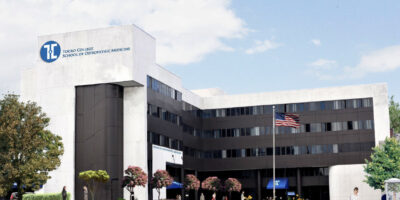
California also offers three osteopathic medical schools, each accredited by the Commission on Osteopathic College Accreditation (COCA): Touro University California College of Osteopathic Medicine (TUCOM) on Mare Island in Vallejo, Western University of Health Sciences College of Osteopathic Medicine of the Pacific (WesternU/COMP) in Pomona, and California Health Sciences University College of Osteopathic Medicine (CHSU-COM) in Clovis, near Fresno. If you are new to the osteopathic path, IMA’s explainer on DO schools and how osteopathic medicine differs is a good place to start.
A fourth school is often mentioned in the same breath: A.T. Still University’s School of Osteopathic Medicine in Arizona (ATSU-SOMA). It is based in Mesa, Arizona, not California, but some of its students complete their clinical training at California community partner sites in San Luis Obispo, Visalia and San Ysidro, and A.T. Still University also lists a California campus in San Luis Obispo.
These institutions integrate osteopathic manipulative treatment (OMT), a hands-on technique focused on the musculoskeletal system, with traditional medical science. That approach, combined with California’s emphasis on community-based training, prepares graduates to meet the state’s growing need for primary care physicians, especially in the Central Valley and other areas with too few doctors. CHSU-COM, for example, recruits heavily from the Central Valley: 36% of its Class of 2030 came from the region.
DO schools are known for collaborative and supportive environments that attract students who value interpersonal skills and patient-centered care. Academic strength still matters, but the admissions process often favors well-rounded applicants with a record of community service and a genuine interest in the philosophy of osteopathic medicine. All three California DO colleges take applications through AACOMAS; IMA’s AACOMAS guide walks through the application step by step.
California Medical Schools: Research, Networking and Golden State Balance
California medical schools are research powerhouses, offering opportunities to contribute to discoveries in fields like biotechnology, genomics, neuroscience and environmental health. Stanford reports ranking seventh among medical schools in NIH funding for fiscal year 2024, and UC Davis reports $332.8 million in external research funding for 2024-25. Picture yourself working with faculty in well-equipped labs, pushing the boundaries of medical knowledge and preparing for a future in academic medicine or clinical research. Many schools build research into the curriculum: Stanford’s Scholarly Concentrations, UCSD’s Global Health Academic Concentration and CUSM’s co-curricular Scholars Programs are examples.
Networking is equally vital in California’s competitive medical landscape. Faculty connections and strong alumni networks open doors to residencies, fellowships and rewarding careers. Many California graduates stay in the state for residency; at Keck, 73% of the 201 seniors who matched in 2026 will train at least partly in California. These programs also build supportive environments that help you get through the demanding years of medical education.
And amid the intensity, California offers a welcome escape. From surfing in Southern California to hiking among towering redwoods, the state’s landscapes give you plenty of ways to rest and recharge. A healthy work-life balance is crucial for success in medical school, and California’s culture helps students thrive both inside and outside the classroom.
Embrace the California Dream
California medical schools combine academic excellence with a whole-person approach to health care, all within the dynamic setting of the Golden State. Whether you want the energy of Los Angeles, the relaxed pace of San Diego, the academic buzz of the Bay Area or the close-knit community of a newer school in Elk Grove, Colton, Riverside or Clovis, California has a path for you.
So take a deep breath, embrace the challenges and opportunities ahead, and start your journey toward becoming a physician in the Golden State. Plenty of support is available along the way, from pre-med advising programs to dedicated MCAT prep courses, so you can find the support you need to reach your full potential.
Timing is a big part of that plan. If you are a year or two from applying, the summer before you submit is often the best window for both test prep and patient care: study blocks in the spring, an MCAT date that fits each school’s score window, and pre-med summer internships or local clinical work once the exam is behind you.
How Many Medical Schools in California?
California has 16 accredited medical schools: 13 MD programs and 3 DO colleges. The total can look different depending on whether you count branch campuses, regional campuses and developing schools, so here is the breakdown.
Allopathic (MD) Schools
The LCME’s Directory of Accredited Programs (updated October 14, 2026) lists 13 California MD programs:
- California Northstate University College of Medicine (Elk Grove), full accreditation
- California University of Science and Medicine School of Medicine (Colton), full accreditation
- Charles R. Drew University of Medicine and Science College of Medicine (Los Angeles), provisional accreditation
- David Geffen School of Medicine at UCLA (Los Angeles), full accreditation
- Kaiser Permanente Bernard J. Tyson School of Medicine (Pasadena), full accreditation
- Keck School of Medicine of the University of Southern California (Los Angeles), full accreditation
- Loma Linda University School of Medicine (Loma Linda), full accreditation
- Stanford University School of Medicine (Stanford), full accreditation
- University of California, Davis School of Medicine (campus in Sacramento), full accreditation
- University of California, Irvine School of Medicine (Irvine), full accreditation
- University of California, Riverside School of Medicine (Riverside), full accreditation
- University of California, San Diego School of Medicine (La Jolla), full accreditation
- University of California, San Francisco School of Medicine (San Francisco), full accreditation
Three more California programs are listed as LCME applicants, the first stage of the accreditation process: the American University of Health Sciences School of Medicine in Signal Hill, Aria University in the San Joaquin Valley and the Mark and Mary Stevens School of Medicine in Santa Clara. Applicant programs are not accredited and cannot yet enroll MD students through AMCAS, so watch for news before you plan around them.
UCSF also runs regional training. Its San Joaquin Valley PRIME program will place students at UC Merced and UCSF Fresno starting in fall 2027, and Loma Linda students can choose binding regional campuses for their third and fourth years at AdventHealth Orlando in Florida or Kettering Health in Dayton, Ohio.
Osteopathic (DO) Schools
The COCA directory (September 2026) lists 3 California colleges of osteopathic medicine, all fully accredited:
- California Health Sciences University College of Osteopathic Medicine (Clovis)
- Touro University California College of Osteopathic Medicine (Vallejo)
- Western University of Health Sciences College of Osteopathic Medicine of the Pacific (Pomona)
WesternU also has an Oregon campus in Lebanon, now named the Heatherington College of Osteopathic Medicine (formerly COMP-Northwest), and Touro University California’s branch campus is Touro University Nevada in Henderson. Each takes its own application.
That makes a total of 16 accredited medical schools in California when you include MD and DO programs.
Which California Medical Schools Admit Nonresidents?
Unlike some states, California has no medical school that admits state residents only. Every program below accepts out-of-state applicants. What changes is cost, citizenship rules and how many nonresidents actually enroll:
- UC San Diego: admits nonresidents; 76% of the incoming class of 2026 were California residents. U.S. citizens, permanent residents and DACA recipients only.
- UC Irvine: states no preference for California residents and uses the same criteria for everyone; 114 of the 125 students who entered in 2026 were in-state. U.S. citizens, permanent residents and DACA recipients with work authorization only.
- UCSF: admits nonresidents, who pay Nonresident Supplemental Tuition; 71% of the fall 2025 entering class were Californians. U.S. citizens, permanent residents and DACA recipients only.
- UCLA: reviews all applicants “without consideration of the state of residence.” International applicants are not considered.
- UC Davis: charges nonresident tuition and states no limit on nonresidents; it also considers international applicants who can fully fund their education and encourages DACA recipients to apply.
- UC Riverside: considers out-of-state applicants case by case. Most students come from California or have very strong ties to Inland Southern California (95% of the Class of 2030). DACA and AB540-eligible applicants are welcome; no international applicants.
- Stanford: no state preference; U.S. citizens, permanent residents, DACA and undocumented applicants and visa-eligible international applicants are all eligible.
- Keck School of Medicine of USC: no California residency rule stated; DACA applicants are accepted, and international applicants are considered if their degree is equivalent to a U.S. bachelor’s.
- Kaiser Permanente: gives no preference to California residents; 64% of the Class of 2030 were Californians. U.S. citizens, permanent residents and DACA recipients only.
- Loma Linda: residency does not affect admission or tuition; international applicants are considered after at least one year of U.S. or Canadian coursework.
- California Northstate: no residency requirement, but the MD program is open only to U.S. citizens and permanent residents; 109 of 118 students in the Class of 2030 were in-state.
- CUSM: open to U.S. citizens and permanent residents nationwide; DACA applicants may apply.
- Charles R. Drew: flat-rate tuition and no residency preference stated.
- Touro University California, WesternU/COMP and CHSU-COM: all admit out-of-state students and charge one tuition rate. Their classes are still mostly Californian: 89% at Touro (Class of 2030), 90% at WesternU’s Pomona campus (class entering August 2025) and 90% at CHSU (Class of 2030). WesternU accepts international applicants; Touro and CHSU do not.
If you live outside California, the private schools (Stanford, Keck, Kaiser Permanente, Loma Linda, California Northstate, CUSM and Drew) and the three DO colleges treat you the same as a California applicant on cost. The UC schools are open to you too, but you will pay about $12,245 more per year in Nonresident Supplemental Tuition, and nonresidents generally fill a small share of UC seats. UCLA notes that nonresident students may be able to establish California residency after the first year and stop paying the nonresident charge.
Best Medical Schools in California
Determining the best medical schools in California is subjective and depends on your priorities and goals. A research-focused applicant, a future rural family physician and a student who wants to train in Spanish-speaking communities will build very different lists. National rankings change every year, so use them as one input at most. The groupings below describe what each school is known for, using what the schools themselves publish.
Top Medical Schools in California (Best Medical Schools in California Nationally Recognized)
- Stanford University School of Medicine: one of the most selective schools in the country (median MCAT 518 and median GPA 3.94 for the 2024 entering class) with exceptional research opportunities. Stanford reports ranking seventh among medical schools in NIH funding in fiscal year 2024.
- University of California, San Francisco School of Medicine: a top research and public medical school, known for its Bridges Curriculum and programs such as PRIME-US for students committed to urban underserved communities.
- David Geffen School of Medicine at UCLA: a major public research school in Los Angeles, with the PRIME-LA track and the UCLA-Caltech Medical Scientist Training Program.
- University of California, San Diego School of Medicine: distinguished by its collaborative learning environment, the Student-Run Free Clinic Project and focused programs such as PRIME-HEq and the Global Health Academic Concentration.
High-Performing Schools (Top Medical Schools in California)
- Loma Linda University School of Medicine: recognized for its Seventh-day Adventist mission, whole person care and service to underserved communities.
- Keck School of Medicine of the University of Southern California: known for strong clinical training in the heart of Los Angeles; 96% of its 2026 seniors matched into residency.
- University of California, Irvine School of Medicine: known for its focus on underserved communities, especially California’s Latino population through its PRIME-LC program, and for a median MCAT of 516 in its 2026 class.
- University of California, Davis School of Medicine: recognized for its emphasis on rural health care through Rural-PRIME and its three-year accelerated primary care pathways, along with strong research programs.
- Kaiser Permanente Bernard J. Tyson School of Medicine: a young school with full LCME accreditation, training students inside the Kaiser Permanente integrated health system.
Rising Stars
- Charles R. Drew University of Medicine and Science College of Medicine: committed to serving underserved communities, with a welcoming, diverse student body. Its independent four-year MD program enrolled its charter class in July 2023.
- California Health Sciences University College of Osteopathic Medicine: a DO school in Clovis built to train physicians for the Central Valley, with primary care and a community health center rotation among its required fourth-year clerkships.
- California Northstate University College of Medicine, California University of Science and Medicine and UC Riverside: newer schools that have grown quickly. CUSM reports a 99.25% average match rate across its first four graduating classes, and UC Riverside’s mission centers on Inland Southern California, a region with one of the state’s most severe physician shortages.
Choosing CA medical schools is a major decision. Take your time, research thoroughly, and prioritize programs that match your academic goals, personal values and the kind of medicine you want to practice. California offers plenty of opportunities to shape your future as a physician. Embrace the journey, and let California be the launchpad for your medical career.
List of Medical Schools in California
Below is an alphabetical list of the medical schools in California. Click a link to read IMA’s full guide to that school, with details on the application process, what the school looks for in a candidate, campus life, interviews and secondary essay prompts with sample answers.
MD programs
- California Northstate University College of Medicine (Elk Grove)
- California University of Science and Medicine School of Medicine (Colton)
- Charles R. Drew University of Medicine and Science College of Medicine (Los Angeles)
- David Geffen School of Medicine at UCLA (Los Angeles); official admissions site: David Geffen School of Medicine at UCLA
- Kaiser Permanente Bernard J. Tyson School of Medicine (Pasadena); official site: Kaiser Permanente Bernard J. Tyson School of Medicine
- Keck School of Medicine of USC (Los Angeles); official site: Keck School of Medicine of the University of Southern California
- Loma Linda University School of Medicine (Loma Linda)
- Stanford University School of Medicine (Stanford)
- University of California, Davis School of Medicine (Sacramento)
- University of California, Irvine School of Medicine (Irvine)
- University of California, Riverside School of Medicine (Riverside)
- UC San Diego School of Medicine (La Jolla); official site: University of California, San Diego School of Medicine
- UCSF School of Medicine (San Francisco); official site: University of California, San Francisco School of Medicine
DO programs
- California Health Sciences University College of Osteopathic Medicine (Clovis); official site: California Health Sciences University
- Touro University California College of Osteopathic Medicine (Vallejo); IMA also has a second Touro University California COM guide
- Western University of Health Sciences College of Osteopathic Medicine of the Pacific (Pomona); official site: Western University of Health Sciences
California MD Schools Admissions Profile
| School | Location and accreditation | MCAT | GPA | Class size | Applications and interviews | Class or cohort | Source |
|---|---|---|---|---|---|---|---|
| California Northstate University College of Medicine | Elk Grove; private; LCME full | 515 (average) | 3.84 (BCPM 3.85) | 118 | 3,845 applications; 475 interviewed | Class of 2030 (entered 2026) | CNU College of Medicine Class of 2030 profile, checked October 17, 2026 |
| California University of Science and Medicine | Colton; private; LCME full | 510 (average) | Not published on static pages | Not published on static pages | Not published on static pages | Most recent incoming class | CUSM MD admission requirements page, checked October 17, 2026 |
| Charles R. Drew University College of Medicine | Los Angeles; private; LCME provisional | Not published | Not published | 60 | Not published | Class of 2030 (entered 2026) | CDU news, July 13, 2026; CDU MD admissions process page, checked October 17, 2026 |
| David Geffen School of Medicine at UCLA | Los Angeles; public; LCME full | Not published | Not published | About 175 new entrants (142 MD, 15 MSTP, 18 PRIME-LA, school estimate) | Not published | Current cycle estimate | DGSOM Preparing to Apply page, checked October 17, 2026 |
| Kaiser Permanente Bernard J. Tyson School of Medicine | Pasadena; private; LCME full | 515 (mean and median) | 3.85 (mean; median 3.86) | 50 | 6,756 primary applications; 6,646 secondary applications | Class of 2030 (entered 2026) | KPSOM Our Students page and Class of 2030 profile, checked October 17, 2026 |
| Keck School of Medicine of USC | Los Angeles; private; LCME full | Not published (secondary invitations require 506 or higher) | Not published | Not published | Not published | Not applicable | Keck MD admissions page, checked October 17, 2026 |
| Loma Linda University School of Medicine | Loma Linda; private; LCME full | 510 (average) | 3.85 cumulative (BCPM 3.80) | Not published | Not published | 2026 entering class | LLUSM selection criteria page, checked October 17, 2026 |
| Stanford University School of Medicine | Stanford; private; LCME full | 518 (median) | 3.94 (median) | 90 | 8,998 applications; 497 interviews | 2024 entering class (newest published) | Stanford MD performance metrics, updated April 4, 2025, checked October 17, 2026 |
| UC Davis School of Medicine | Sacramento; public; LCME full | 511 (average) | 3.71 overall (undergraduate 3.81, science 3.63) | 139 | Not published | Class of 2029 (entered 2025, newest published) | UC Davis Class of 2029 matriculant demographics, checked October 17, 2026 |
| UC Irvine School of Medicine | Irvine; public; LCME full | 516 (median) | 3.87 cumulative (science 3.85), median | 125 | 7,874 applications | Class entering 2026 | UCI MD admissions page, checked October 17, 2026 |
| UC Riverside School of Medicine | Riverside; public; LCME full | 508 (average, Class of 2028) | 3.60 science GPA (average, Class of 2028) | 94 (Class of 2030) | 6,826 applicants; 374 interviewed (Class of 2030) | Class of 2030 (entered 2026); MCAT and GPA from Class of 2028 | UCR SOM admission page and admissions brochure, checked October 17, 2026 |
| UC San Diego School of Medicine | La Jolla; public; LCME full | 514.6 (average) | 3.86 (science 3.82) | 140 | 10,874 applicants; 973 interviews | Incoming Class of 2026 | UCSD SOM By the Numbers, checked October 17, 2026 |
| UCSF School of Medicine | San Francisco; public; LCME full | Not published | Not published | 161 | 10,300 applications; 584 interviewed | Fall 2025 entering class (newest published) | UCSF MD program admissions data, checked October 17, 2026 |
California DO Schools Admissions Profile
| School | Location and accreditation | MCAT | GPA | Class size | Applications and interviews | Class or cohort | Source |
|---|---|---|---|---|---|---|---|
| California Health Sciences University College of Osteopathic Medicine | Clovis; private; COCA accredited | 507.1 (average) | 3.59 overall (science 3.51) | 162 | About 3,700 applicants | Class of 2030 (entered 2026) | CHSU-COM Class of 2030 statistics sheet, checked October 17, 2026 |
| Touro University California College of Osteopathic Medicine | Vallejo; private; COCA accredited | 507 (average) | 3.58 cumulative (science 3.49) | About 200 | Not published | Class of 2030 (entered 2026) | TUCOM class statistics page; Touro White Coat 2026 story, checked October 17, 2026 |
| WesternU College of Osteopathic Medicine of the Pacific (Pomona campus) | Pomona; private; COCA accredited | 509 (average) | 3.82 overall (science 3.65) | 227 | 5,433 applications; 881 interviews | Class entering August 2025 (newest published) | WesternU COMP competitive class statistics, checked October 17, 2026 |
California Medical Schools Cost and Residency Rules
| School | First-year tuition and fees | First-year cost of attendance | Who may apply | California residents in the latest class | Source |
|---|---|---|---|---|---|
| California Northstate (MD) | $78,432 tuition; $80,537 with fees, same for all (2026-27) | $116,440 (2026-27) | U.S. citizens and permanent residents; no state rule | 109 of 118 (Class of 2030) | CNU 2026-27 cost of attendance; Class of 2030 profile, checked October 17, 2026 |
| CUSM (MD) | $76,600 tuition and fees, same for all (2026-27) | $111,620 (2026-27) | U.S. citizens and permanent residents nationwide; DACA may apply | Not published on static pages | CUSM tuition and cost of attendance; MD requirements, checked October 17, 2026 |
| Charles R. Drew (MD) | $69,000 flat rate, same for all (2026-27 catalog: $65,000 tuition plus $4,000 fees) | Not clearly labeled by year | No residency preference stated | Not published | CDU College of Medicine financial aid page; University Catalog 2026-2027, checked October 17, 2026 |
| UCLA (MD) | $54,715 for residents; nonresidents add $12,245 (2026-27) | $100,108 for residents (2026-27) | Residence not considered in review; no international applicants | Not published | DGSOM cost of attendance; Preparing to Apply, checked October 17, 2026 |
| Kaiser Permanente (MD) | $69,212, same for all (2027-28, class entering 2027); waived for classes that entered 2020 to 2026 | $113,232 (2027-28) | No California preference; U.S. citizens, permanent residents and DACA | 64% (Class of 2030) | KPSOM tuition and financial aid; FAQs; Our Students, checked October 17, 2026 |
| Keck USC (MD) | $76,640, same for all (2026-27) | $114,510 (2026-27) | No state rule stated; DACA accepted; international applicants considered | Not published | USC financial aid cost of attendance; Keck MD admissions, checked October 17, 2026 |
| Loma Linda (MD) | $71,746, same for all (2026-27) | No total printed | Residency does not affect admission; international applicants considered | Not published | LLU MD program costs 2026-2027; LLUSM financial aid, checked October 17, 2026 |
| Stanford (MD) | $24,034 per quarter, same for all (2026-27) | $117,843 on campus for three quarters (2025-26, newest posted) | No state preference; DACA, undocumented and international applicants eligible | Not published | Stanford MD tuition and fees; 2025-26 cost of attendance; eligibility, checked October 17, 2026 |
| UC Davis (MD) | $49,969 for residents; nonresidents add $12,245 (2026-27) | $92,425 for residents (MS1, 2026-27) | Nonresidents may apply; international applicants with full funding; DACA encouraged | Not published | UC Davis SOM cost of attendance; how to apply, checked October 17, 2026 |
| UC Irvine (MD) | $52,168 for residents; $64,413 for nonresidents (2026-27 registrar fees, including health insurance) | Not published | No California preference; U.S. citizens, permanent residents and DACA | 114 of 125 (2026) | UCI Registrar 2026-2027 fees; UCI MD admissions, checked October 17, 2026 |
| UC Riverside (MD) | $49,796 for residents; $61,240 for nonresidents (2026-27) | $88,402 on campus; $99,502 off campus (2026-27) | Out-of-state applicants considered case by case; DACA and AB540 welcome | Not published; 95% have ties to Inland Southern California | UCR SOM financial aid; admissions FAQ, checked October 17, 2026 |
| UC San Diego (MD) | $54,300 for residents; $66,545 for nonresidents (2026-27 registrar fees, including $6,660 health insurance) | $75,995 plus $6,660 if using the school’s insurance (2026-27) | U.S. citizens, permanent residents and DACA | 76% (Incoming Class of 2026) | UCSD Registrar 2026-27 fees; SOM budgets; By the Numbers, checked October 17, 2026 |
| UCSF (MD) | $55,959 for residents; $68,204 for nonresidents (2026-27, including health insurance) | $89,634 for residents; $101,879 for nonresidents (2026-27) | U.S. citizens, permanent residents and DACA | 71% (fall 2025) | UCSF Registrar 2026-27 fees; 2026-27 cost of attendance; admissions data, checked October 17, 2026 |
| CHSU-COM (DO) | $70,700 tuition; $78,832 direct costs, same for all (2026-27) | $118,103 (2026-27) | U.S. citizens, permanent residents and DACA | 90% (Class of 2030) | CHSU tuition and cost of attendance; Class of 2030 statistics, checked October 17, 2026 |
| Touro University California (DO) | $36,060 per semester for years 1 and 2, same for all (2026-27) | $107,870 sample first-year budget | U.S. permanent residence required; DACA may apply; no international students | 89% (Class of 2030) | TUCOM tuition and aid; class statistics; AACOM Choose DO Explorer, checked October 17, 2026 |
| WesternU COMP (DO) | $72,040 tuition; $81,057 with fees, same for all (2026-27) | No total printed | Nonresidents and international applicants accepted; DACA considered | 90% (Pomona, class entering August 2025) | WesternU 2026-2027 DO budget (California); competitive class statistics, checked October 17, 2026 |
Costs above are first-year figures; IMA’s breakdown of the total cost of medical school explains how tuition, living expenses and loans add up over four years. Kaiser Permanente’s figure is worth a note: the school waived tuition for all four years for the seven classes that enrolled from 2020 through 2026. Beginning with the class entering in 2027, students pay tuition, and the school’s new Impact Scholarship covers the full cost of attendance for selected students in each class.
California Medical Schools
The profiles below cover each California medical school in the same order as the list above, with the key admissions facts for the 2026-27 application cycle (students entering in 2027). Deadlines change every year, so confirm each date on the school’s site before you submit.
California Northstate University College of Medicine
- Location: Elk Grove, CA (9700 West Taron Drive)
- Primary application deadline: December 15, 2026 (AMCAS)
- Secondary application deadline: January 22, 2027; the secondary is due 21 days after the invitation
- Secondary fee: $100; no fee waivers
- MCAT requirement: minimum 497; preferred 511
- GPA requirement: minimum 2.80; preferred 3.50
- Recommendation letters: 3 to 4 (two from BCPM science professors and one other)
- Interview format: virtual, with a case question and a dialogue segment
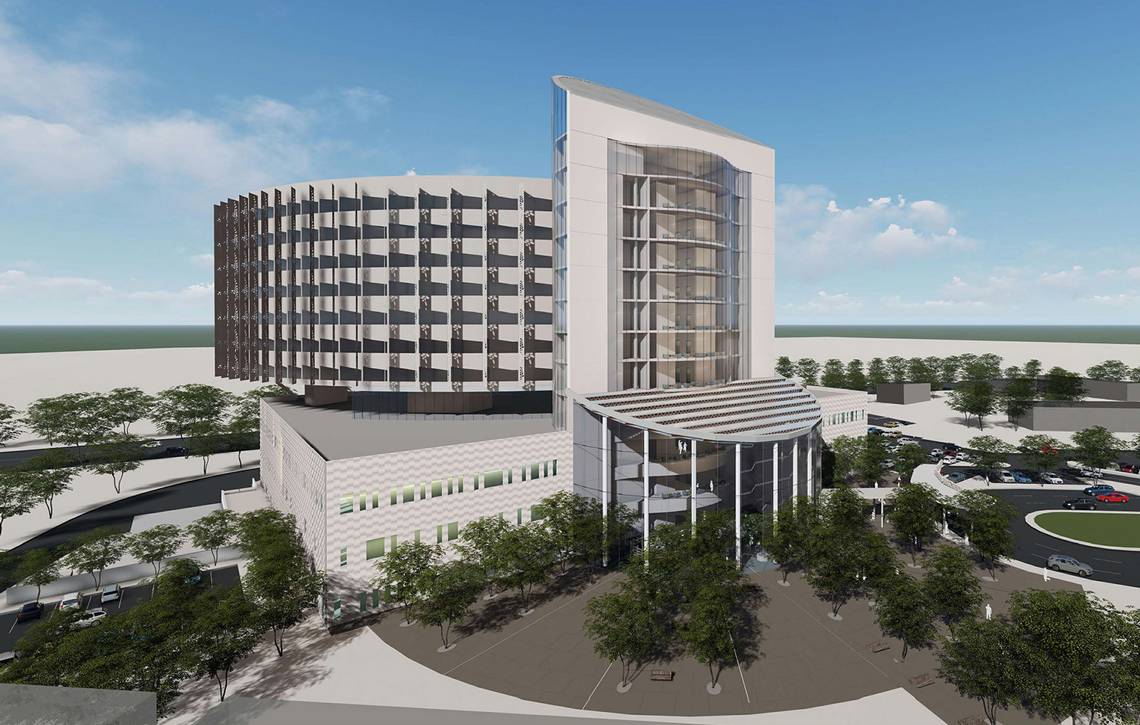
In Elk Grove, just south of Sacramento, California Northstate University College of Medicine (CNUCOM) offers aspiring physicians a dynamic and compassionate educational experience. The college holds full LCME accreditation, and its Class of 2030 enrolled 118 students with an average MCAT of 515 and an average GPA of 3.84.
Campus Life: Community and Collaboration
CNUCOM fosters a supportive, close-knit community where students are classmates and collaborators on a shared path. A class of about 118 means faculty know students by name. Picture study sessions under the California sun, student-organized service projects in the Sacramento region and friendly competition in intramural sports. The campus becomes a home base for intellectual growth, personal development and lasting friendships.
Notable Faculty: Mentorship from Leading Minds
CNUCOM’s faculty includes physicians, researchers and educators who teach across the curriculum. Its administrative team includes David Yee, MD, MPH, Associate Dean of Clinical Medicine, who oversees the clinical side of training. Dr. Richard Isaacs, a head and neck surgeon, served as dean of the college. These leaders and the dedicated faculty around them guide and challenge CNUCOM students to reach their full potential.
Application and Interview Process
The CNUCOM admissions process looks for applicants whose values match its commitment to compassionate, accessible health care. For the 2026-27 cycle, the AMCAS deadline is December 15, 2026, and the final secondary deadline is January 22, 2027. Academic achievement matters: the college sets a minimum MCAT of 497 (511 preferred) and a minimum GPA of 2.80 (3.50 preferred), but it looks beyond the numbers. Three to four letters of recommendation, two of them from science professors, help paint a full picture of your extracurricular activities, volunteer work and commitment to service.
The college interviews virtually. The interview day includes a short orientation followed by a case question and a dialogue segment, so prepare to reason through a scenario out loud and to talk comfortably about your experiences. IMA’s guide to the traditional panel interview and its 320 common questions is useful practice for the dialogue portion.
Two practical notes set CNUCOM apart. The MD program is open only to U.S. citizens and permanent residents, and California Northstate does not participate in federal Title IV student loans, so plan your financing early. Tuition for 2026-27 is $78,432, the same for every student, and the estimated first-year cost of attendance is $116,440.
A Commitment to Community and Innovation
The facts and figures provide a framework, but CNUCOM’s dedication to community is what sets it apart. Its mission is “to advance the science and art of healthcare through education, service, research, personal wellness, and social accountability.” Students train in hospitals and clinics across the Sacramento region, learning from diverse patient populations and gaining real-world skills.
California Northstate University College of Medicine is more than a medical school; it is a gateway to a life of purpose driven by compassion and a commitment to making a difference. Look into its values, explore the stories of its faculty and alumni, and see whether its community spirit fits you. Read IMA’s full California Northstate University College of Medicine guide for more.
California University of Science and Medicine School of Medicine
- Location: Colton, CA (1501 Violet Street), with Arrowhead Regional Medical Center as its primary teaching hospital
- Primary application deadline: December 1, 2026 (AMCAS)
- Secondary application deadline: December 30, 2026
- Secondary fee: $100, waived for AMCAS Fee Assistance Program recipients; Casper is also required
- MCAT requirement: minimum 502; tests taken January 2024 to September 2026
- GPA requirement: 3.0 or higher overall and BCPM preferred
- Recommendation letters: 3, or a committee letter
- Interview format: virtual; a Kira timed video and written assessment, plus a Virtual Engagement Day
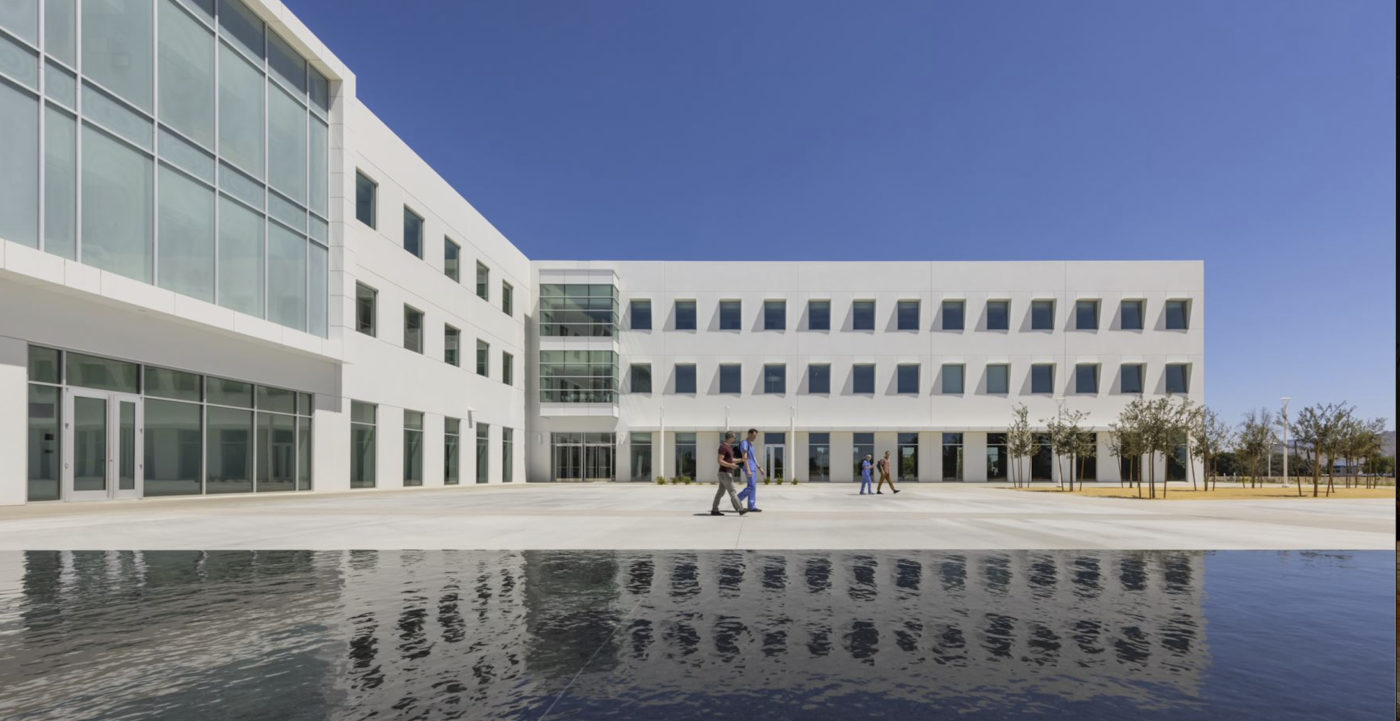
CUSM has a distinctive character worth exploring. It holds full LCME accreditation, its most recent incoming class averaged 510 on the MCAT, and it reports a 99.25% average match rate across its first four graduating classes.
Beyond Books, Building a Better Future
CUSM is more than classrooms and labs. It is a hub of student activity where future doctors connect and collaborate in the Inland Empire. Picture lively discussions between classes, student-led initiatives tackling health disparities in surrounding communities, and game nights that build lifelong friendships. The curriculum includes medical Spanish and the CHANGE community program, and its small-school feel means personal attention and mentorship that help you through the demanding years of medical school.
Notable Faculty
CUSM’s faculty are mentors who care as much about teaching as about patient care. The school is led by Dean Paul Lyons, MD, and many of its faculty teach at Arrowhead Regional Medical Center, where students see a broad range of patients from San Bernardino County.
Application and Interview Process
CUSM’s stated values are being community-focused, accountability, leadership, motivation, excellence and diversity. Strong academics matter: the school sets a minimum MCAT of 502 and prefers an overall and BCPM GPA of 3.0 or higher. Beyond the numbers, three letters of recommendation (or a committee letter) give the committee a view of your character, commitment to service and readiness for medical school.
Instead of a traditional panel interview, CUSM uses a virtual process: a timed video assessment with pre-recorded questions, a timed written assessment, and an optional virtual Q&A and Engagement Day. Practice answering on camera with a timer running, and read the school’s mission closely so your answers show you understand its community focus. CUSM is open to U.S. citizens and permanent residents nationwide, and DACA recipients may apply.
Shaping the Future of Healthcare
CUSM looks ahead. Its curriculum uses an 18-month pre-clerkship phase, a Dual-Pass Clerkship Curriculum and a six-month Professional Development Semester, and its co-curricular Scholars Programs include Basic Science, Global Health Equity, Public Health, Academic Medicine and Healthcare Research and Innovation, where students can take on research projects that involve artificial intelligence. Picture yourself working with faculty on projects that could shape the future of health care.
California University of Science and Medicine is a proving ground for purpose-driven physicians who want to make a difference. Connect with current students and alumni, and see whether CUSM is the right place to launch your career. Read IMA’s full California University of Science and Medicine School of Medicine guide for more.
Charles R. Drew University of Medicine and Science College of Medicine
- Location: Los Angeles, CA (Watts-Willowbrook, South Los Angeles)
- Primary application deadline: November 15, 2026 (AMCAS); November 1 is recommended
- Secondary application deadline: 21 days after the supplemental request; no secondary fee
- MCAT requirement: 500 or higher to advance; MCAT by September 12, 2026, earliest test date July 2023
- GPA requirement: BCPM GPA of 3.3 or above (2026-2027 University Catalog)
- Recommendation letters: 3 to 5
- Interview format: virtual interviews with CDU faculty
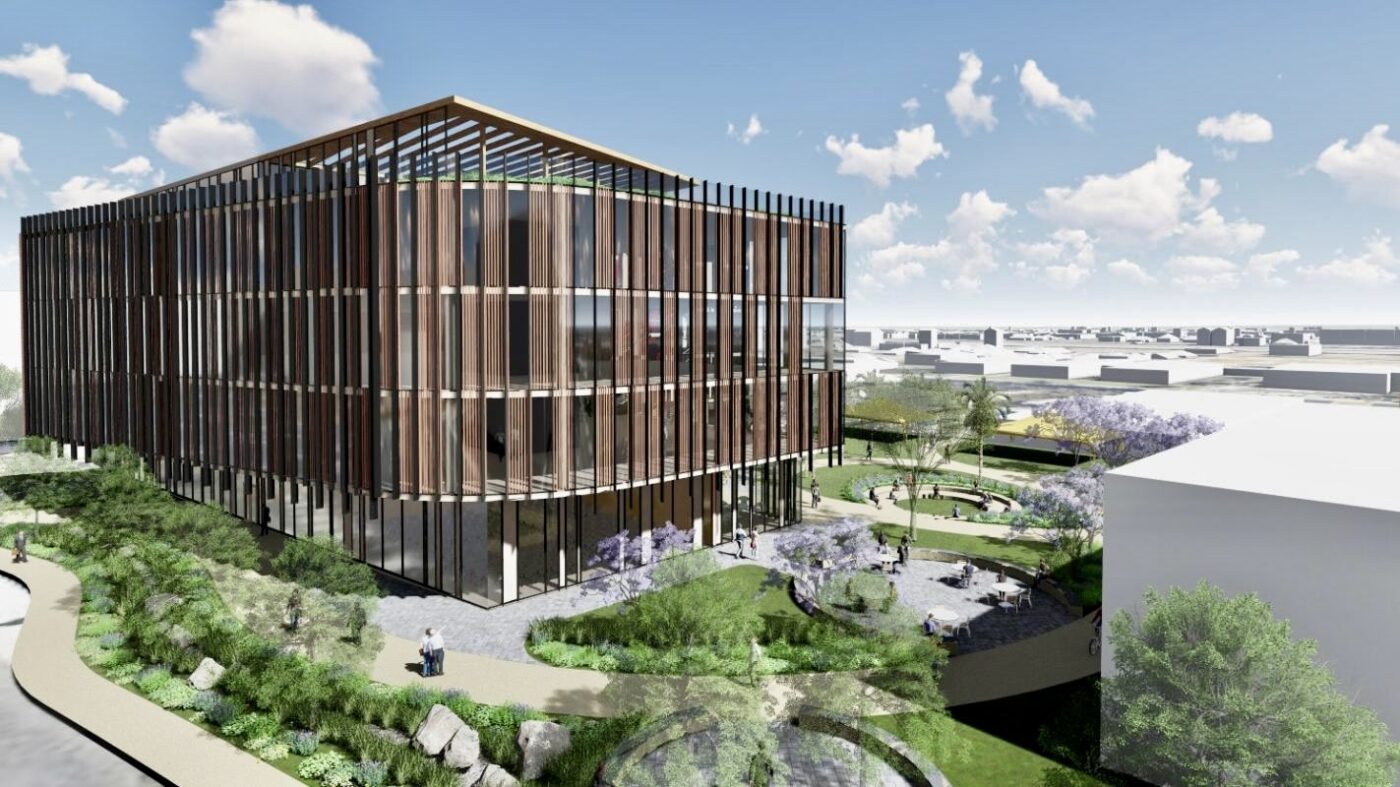
Charles R. Drew University of Medicine and Science College of Medicine (CDUCOM) carries a legacy of social justice and is a beacon of opportunity for aspiring physicians dedicated to underserved communities. Its independent four-year MD program enrolled its charter class in July 2023 and now holds provisional LCME accreditation. Each class has 60 students; the Class of 2030 brought total enrollment to 240.
Campus Life
CDUCOM’s campus buzzes with students from diverse backgrounds, united by a shared mission. The Class of 2030 is proficient in 16 languages other than English, and many students are the first in their families to attend college. Picture student-led initiatives tackling health disparities in the heart of South Los Angeles and cultural celebrations that reflect the city. The close-knit community builds a sense of belonging and support, so you are never alone in medical school.
Application and Interview Process
CDUCOM looks for applicants who share its commitment to diversity, social justice, academic excellence and community engagement. Applicants need an MCAT of 500 or higher to advance, and the 2026-2027 University Catalog sets a BCPM GPA of 3.3 or above. Three to five letters of recommendation help the committee understand your commitment to underserved communities and your leadership potential. There is no secondary fee, and the supplemental application is due 21 days after you receive the request.
All interviews are virtual with CDU faculty. Use the interview to show your communication skills, critical thinking and genuine understanding of CDUCOM’s mission, and to learn about its curriculum focused on health equity and community-based learning. CDU’s tuition is a flat $69,000 for every student.
A Legacy of Change: Shaping the Future of Medicine
CDUCOM carries the legacy of Dr. Charles R. Drew, a pioneer in blood banking and a champion of racial equality. Its mission is to train physician leaders committed to transforming the health of diverse and underserved communities, and it is one of four MD programs at a historically Black institution. That legacy motivates students to advocate for equitable access to care and to become leaders for underserved communities. CDU also educated earlier MD students through the Drew/UCLA Medical Education Program; that joint program no longer accepts applications.
Charles R. Drew University of Medicine and Science College of Medicine is a medical school for compassionate, justice-oriented physicians who believe health care is a right, not a privilege. Read IMA’s full Charles R. Drew University of Medicine and Science College of Medicine guide for more.
David Geffen School of Medicine at UCLA
- Location: Los Angeles, CA (Westwood)
- Primary application deadline: October 1, 2026, 8:59 p.m. Pacific (AMCAS)
- Secondary application deadline: two weeks from the invitation
- Secondary fee: $125, waived only for AAMC Fee Assistance Program recipients
- MCAT requirement: taken January 1, 2022 or later and no later than September 1, 2026; no minimum published. The AAMC PREview exam is required for the traditional MD track.
- GPA requirement: no minimum published
- Recommendation letters: 3 to 5
- Interview format: virtual one-on-one interviews with faculty
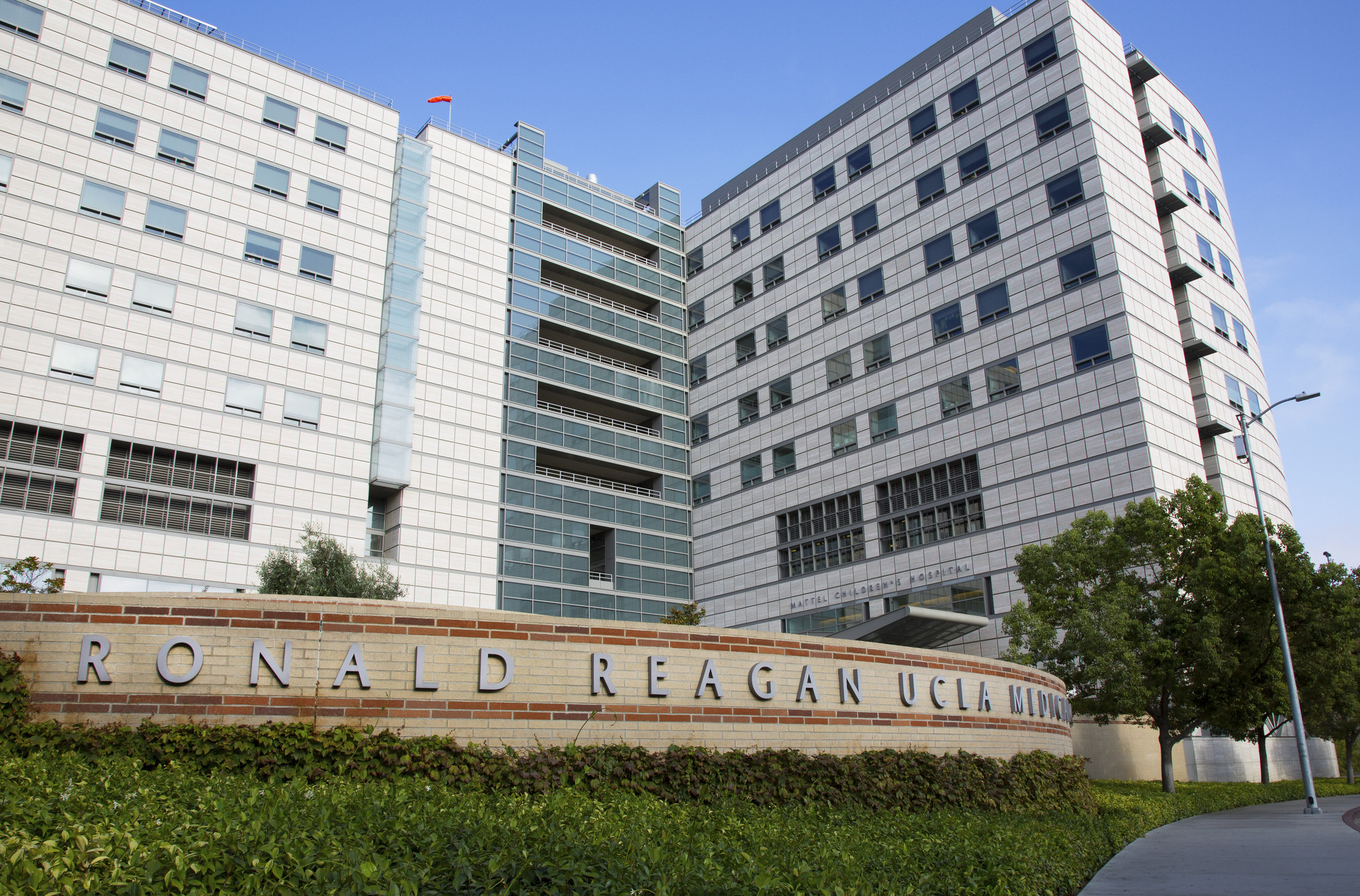
In the heart of Los Angeles, UCLA’s David Geffen School of Medicine is a place for groundbreaking research and career building. Picture yourself working alongside UCLA researchers advancing gene editing for rare genetic diseases, or studying the biology of cancer. UCLA’s faculty push the boundaries of knowledge and inspire students to reach their full potential. The school offers three entry tracks: the traditional MD (about 142 new entrants), PRIME-LA (about 18), a five-year path that adds a master’s degree for students committed to underserved communities, and the UCLA-Caltech Medical Scientist Training Program (about 15).
Campus Life and Application
UCLA isn’t just about white coats and microscopes. Its campus is alive with the energy of future doctors: debates in Westwood cafes, games at Pauley Pavilion, and friendships formed over study sessions and late-night pizza runs. Optional pathways in Urban Health Equity and Global Health Equity, plus concurrent MD/MBA, MD/MPH and MD/MPP degrees, let students build a career around their interests.
UCLA does not publish minimum scores or class averages on its own site and reviews every application holistically, without regard to state of residence. Its secondary costs $125 and is due two weeks after the invitation, so have your essays drafted before secondaries arrive. The 2026-27 cost of attendance for a California resident is $100,108 in the first year, and nonresidents add $12,245 in Nonresident Supplemental Tuition.
Interview
For the 2026-27 cycle, UCLA interviews virtually, and one-on-one interviews with faculty are the core of the process. Interviews are track-specific, so PRIME-LA applicants interview for that program. Expect conversations that test your communication skills, critical thinking and understanding of patient care. You’ll show your empathy, resilience and collaborative spirit, proving you’re a strong thinker and a compassionate future physician. Practicing one-on-one answers out loud, and reviewing UCLA’s mission of leading-edge patient care, research, education and community engagement, will help you prepare.
UCLA’s David Geffen School of Medicine is an ecosystem where research flourishes, faculty spark ambition and students take flight. If you want to help shape the future of health care, UCLA is worth a close look. Read IMA’s full David Geffen School of Medicine at UCLA guide for more.
Kaiser Permanente Bernard J. Tyson School of Medicine

- Location: Pasadena, CA (98 S. Los Robles Avenue)
- Primary application deadline: October 1, 2026 (AMCAS)
- Secondary application deadline: November 1, 2026
- MCAT requirement: required of all applicants, with no minimum; scores from July 2024 or later, taken by September 2026. The AAMC PREview exam is also required.
- GPA requirement: no minimum
- Recommendation letters: one committee letter or three to six individual letters
- Interview format: virtual; every interviewee completes a Multiple Mini Interview (MMI) and a one-on-one faculty interview
Located in Pasadena, the Kaiser Permanente Bernard J. Tyson School of Medicine (KPSOM) is where academics meet community involvement. The school holds full LCME accreditation and graduated its third class in May 2026. Its focus is on nurturing a deep sense of patient-centered care within a supportive and collaborative environment.
Immersive Learning Experience
The Kaiser Permanente School of Medicine rethinks the traditional classroom. Students work directly with experienced faculty and peers to analyze real cases, sharpening diagnostic skills and building an in-depth understanding of medicine’s role in everyday patient care. Training takes place inside Kaiser Permanente’s integrated health system, and the emphasis on teamwork builds a culture of shared learning. Students can add an MD-PhD with Caltech (up to three seats per class) or master’s options with UCLA, USC or Pepperdine.
Community Engagement and Philosophy
The school’s mission is “to provide a world-class medical education that ignites a passion for learning, a desire to serve, and an unwavering commitment to improve the health and well-being of patients and communities.” Students engage with diverse communities through service and preventive care, gaining insight into a health system that prioritizes access and patient welfare. The goal is academic excellence along with empathy and a strong sense of responsibility to community needs.
Admissions Process
Kaiser Permanente takes a holistic approach, focusing on academic achievement and on qualities like compassion and leadership. There are no minimum GPA or MCAT scores, but every applicant must take the MCAT and the AAMC PREview exam. The school seeks students who show dedication to community service and the empathy that is crucial in medicine. The Class of 2030 shows how competitive it is: 6,756 primary applications for 50 seats, a mean MCAT of 515 and a mean GPA of 3.85.
Tuition is changing. The school waived tuition for all four years for the seven classes that enrolled from 2020 through 2026. Students entering in 2027 pay $69,212 in first-year tuition (2027-28), with a total estimated cost of attendance of $113,232, and the new KPSOM Impact Scholarship covers the full cost of attendance for selected students, who self-nominate on the secondary application.
Interview Process and Evaluation
The interview process at Kaiser Permanente assesses many parts of an applicant’s profile. Every candidate completes both a Multiple Mini Interview and a traditional one-on-one interview with a faculty member, all virtually, between September 2026 and February 2027. Be ready to show communication skills, critical thinking and adaptability across very different stations.
Compassionate Careers
Kaiser Permanente Bernard J. Tyson School of Medicine offers a foundation for a career built on compassion, teamwork and a strong commitment to serving communities. It is an ideal place for students who picture a health care future centered on empathy, access and collaboration.
Explore and Discover
Pasadena welcomes prospective students to explore the school’s approach to medical education. It could be the place where your potential as a compassionate and effective physician is fully realized. Read IMA’s full Kaiser Permanente School of Medicine guide and the school’s own page on tuition and financial aid, including its tuition-free first classes.
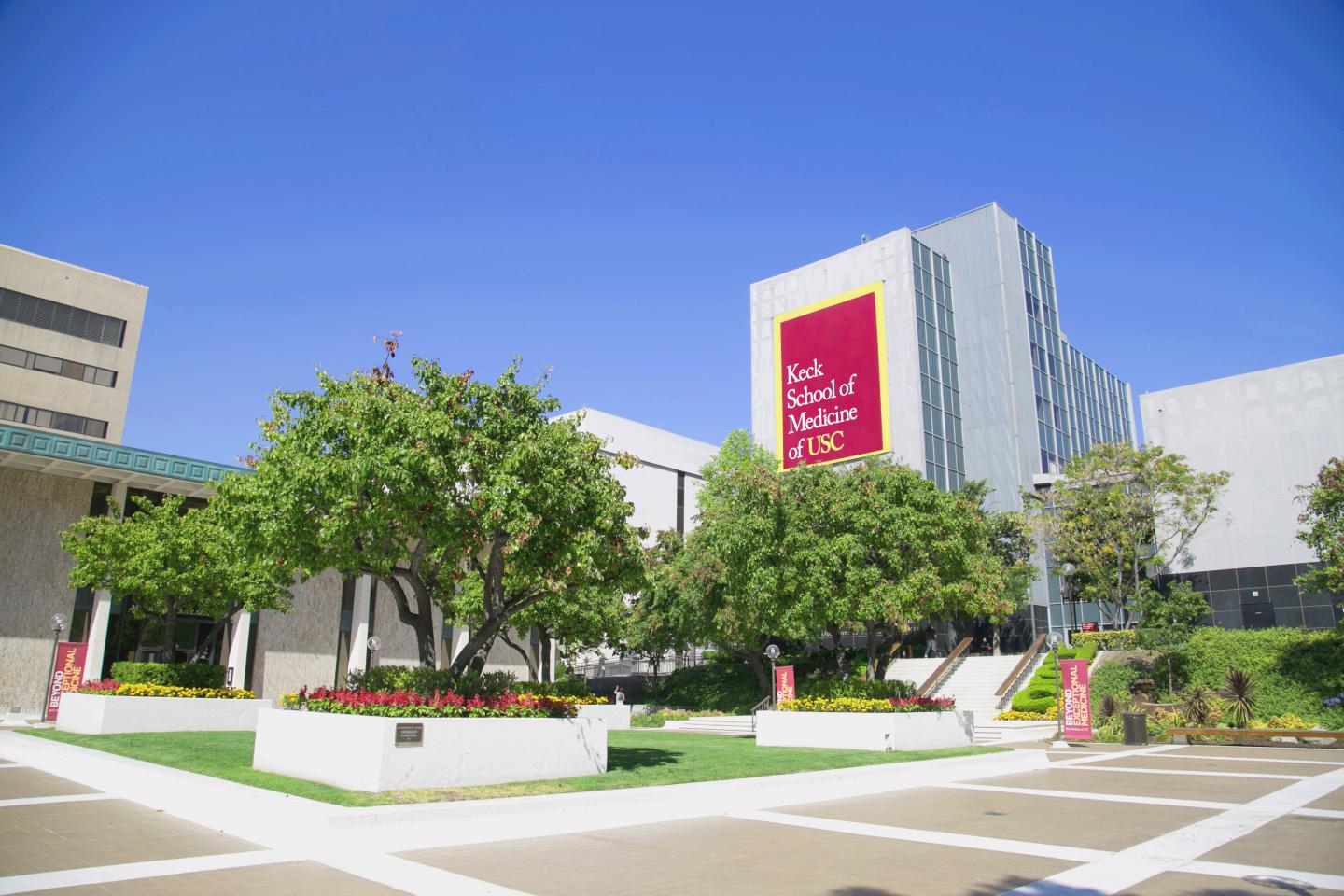
Keck School of Medicine of the University of Southern California
- Location: Los Angeles, CA (USC Health Sciences Campus)
- Primary application deadline: November 1 (AMCAS)
- Secondary application deadline: December 1
- Secondary fee: $100, waived only for AAMC Fee Assistance Program recipients
- MCAT requirement: only applicants with an MCAT of 506 or higher are invited to complete the secondary
- GPA requirement: no cutoff; GPA is reviewed holistically
- Interview format: interview season begins in August; invitations go out from July through February
Rising amid the energy of Los Angeles, the Keck School of Medicine of USC trains physicians to lead the future of health care. Prepare for an academic journey where renowned faculty challenge you, technology sharpens your skills, and a diverse, collaborative community nurtures your leadership potential.
Academic Excellence Fueled by Innovation
Keck’s curriculum keeps pace with the latest advances in medicine. You can join research labs, learn from experienced clinicians and explore human health using modern tools. Students who want more can add a dual degree (MD/PhD, MD/MPH, MD/MBA, MD/MHA, MD/HSME or MD/BME) or join the Dean’s Research Scholars. This environment builds critical thinking, problem solving and a habit of lifelong learning.
Collaboration
At Keck, collaboration is the foundation of your medical education. You’ll work alongside a diverse group of classmates, sharing knowledge and forming lasting bonds. That spirit extends beyond the classroom, with chances to partner with faculty on research and to serve Los Angeles communities through outreach programs.
Leadership
Keck recognizes the importance of leadership in shaping the future of health care. Its training prepares you to advocate for patients and drive positive change, and its graduates go on to strong residency programs: 96% of the 201 seniors in the Class of 2026 matched, and 73% will train at least partly in California.
The Keck Interview Experience
Keck’s interview lets you show qualities beyond academic metrics: communication, critical thinking and problem solving. Interview season runs from August, with invitations sent on a rolling basis through February, and the school does not describe the interview format on its admissions pages, so prepare for both a conversational interview and scenario-based questions such as the Multiple Mini-Interviews (MMIs) many schools use. Keck looks for well-rounded people who can become compassionate, patient-centered leaders in medicine.
The numbers to know: Keck invites only applicants with an MCAT of 506 or higher to complete its $100 secondary, charges all students the same tuition ($76,640 for 2026-27) and lists a first-year cost of attendance of $114,510. It accepts DACA applicants and considers international applicants with a degree equivalent to a U.S. bachelor’s. If you are driven by intellectual curiosity, a passion for collaboration and a desire to lead, Keck might be the right place for you. Read IMA’s full Keck School of Medicine of USC guide for more.
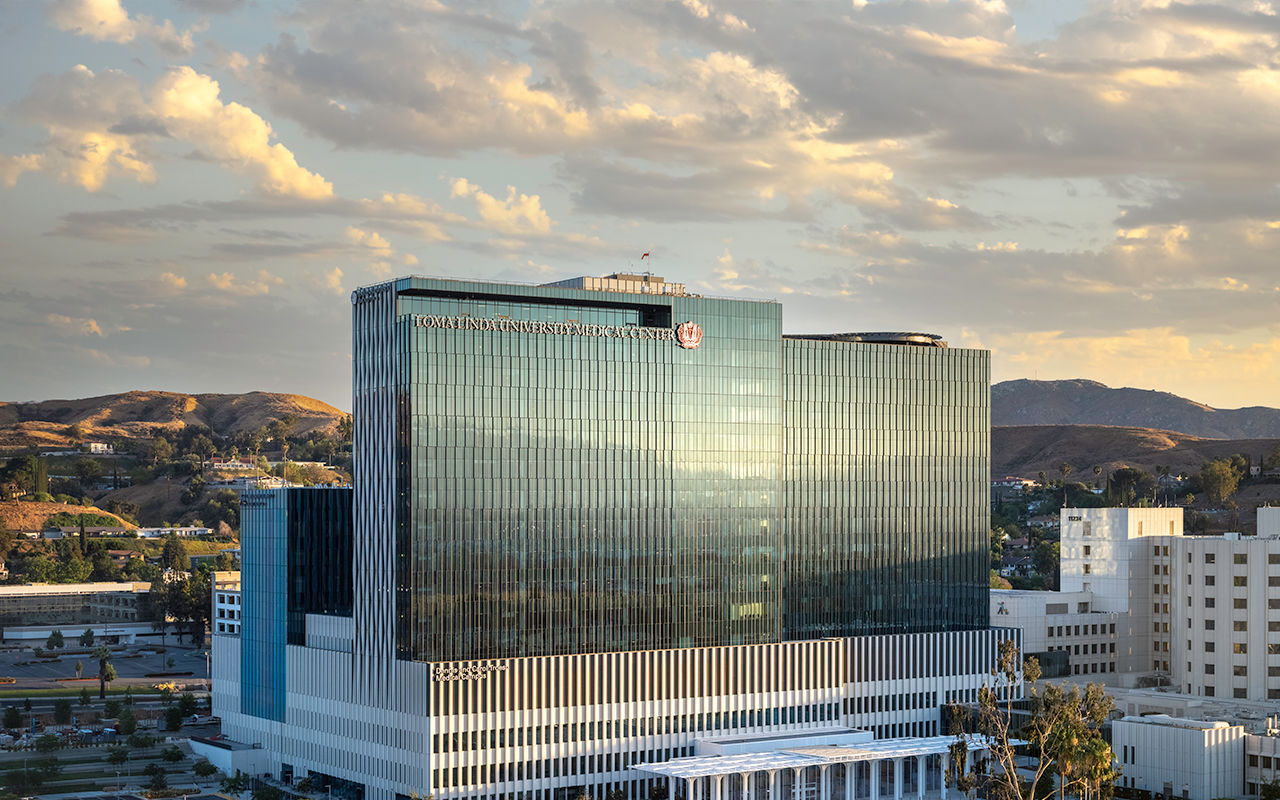
Loma Linda University School of Medicine
- Location: Loma Linda, CA, with optional regional campuses for years 3 and 4 at AdventHealth Orlando (Florida) and Kettering Health (Dayton, Ohio)
- Primary application deadline: November 2 (AMCAS, regular MD and MD/PhD); Early Decision August 3
- Secondary application deadline: November 16
- Secondary fee: $85, waived automatically for AAMC Fee Assistance Program recipients
- MCAT requirement: taken by September of the year before matriculation and no more than three years old (2024 or later for 2027 entry); no minimum stated
- GPA requirement: no minimum stated
- Recommendation letters: a committee letter or packet, or 3 to 6 letters including at least one from a science professor
- Interview format: two one-on-one virtual interviews
Starting your medical education at Loma Linda means joining a curriculum led by dedicated faculty. Prepare to master the intricacies of human biology, sharpen your diagnostic skills and take part in research that pushes medical knowledge forward. Loma Linda’s 2026 entering class averaged 510 on the MCAT with a 3.85 cumulative GPA (3.80 BCPM). Amid this academic intensity, Loma Linda fosters a strong sense of community and belonging.
Service and Compassion
Guided by its Seventh-day Adventist heritage, the school’s mission is “to continue the teaching and healing ministry of Jesus Christ,” and it emphasizes service and whole person care. Whether volunteering at local clinics, joining global health work or simply helping fellow students, you’ll see how medicine reaches beyond hospital walls. This focus on service defines the Loma Linda experience and shapes physicians who show empathy, humility and dedication to others. The school gives preference to mission-aligned Seventh-day Adventist applicants and also admits students of other backgrounds.
Interview
Loma Linda invites selected applicants to two one-on-one virtual interviews. These conversations let you show qualities beyond academic metrics, including communication, critical thinking and how your values fit the school’s mission. Invitations go out mainly from September through March. Come ready to speak honestly about service, faith or values, and why whole person care matters to you.
What to Expect at Loma Linda
Loma Linda is private, so residency does not affect admission or tuition: every student pays $71,746 in first-year tuition and fees for 2026-27. International applicants are considered if they complete at least one year of required coursework at an accredited U.S. or Canadian school. If you want academic excellence, a calling to serve others and a medical education rooted in faith and community, Loma Linda University School of Medicine might be the right place to build a career as a physician who makes a difference. Read IMA’s full Loma Linda University School of Medicine guide for more.
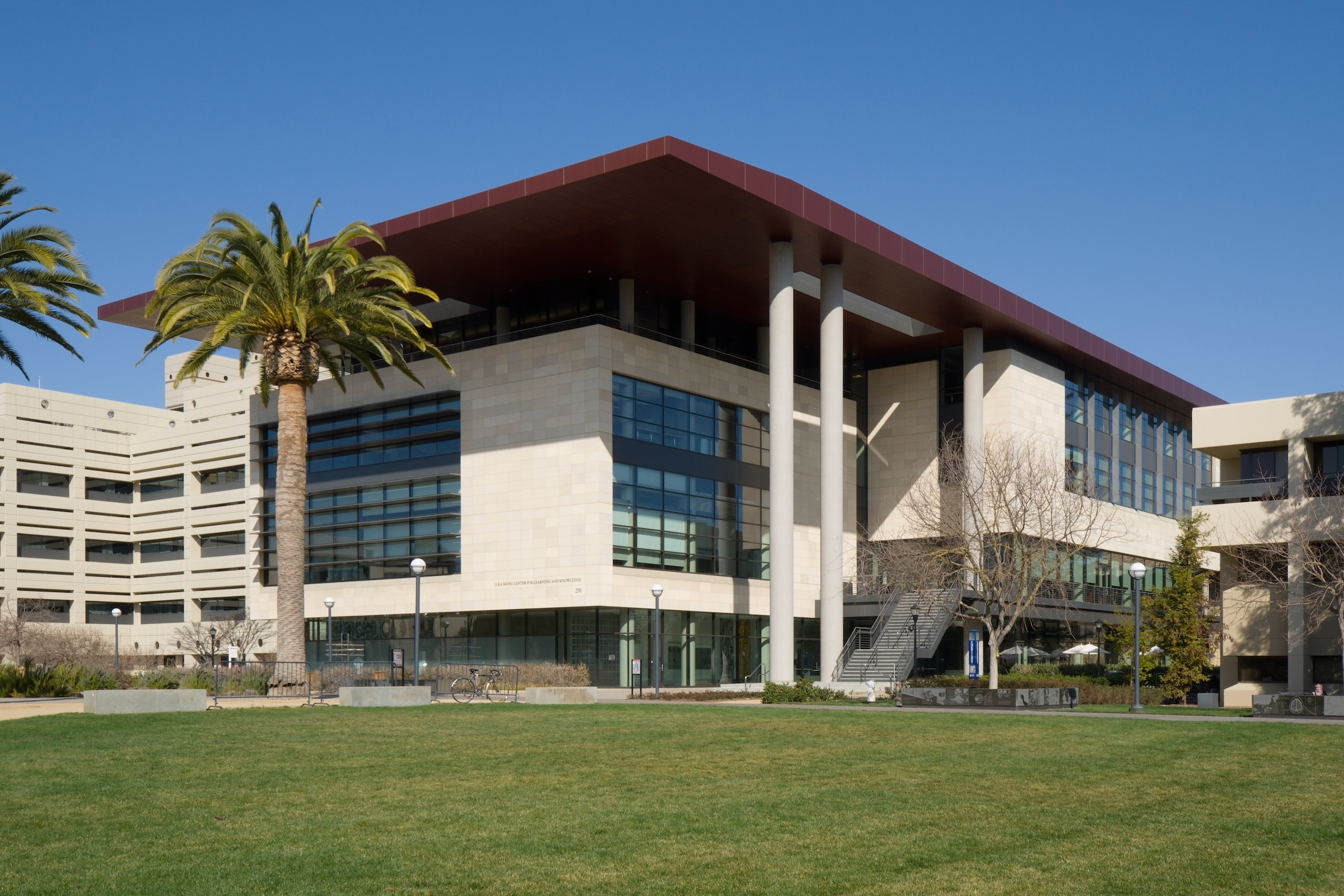
Stanford University School of Medicine
- Location: Stanford, CA
- Primary application deadline: October 1, 2026, 11:59 p.m. Eastern (AMCAS)
- Secondary application deadline: October 9, 2026, 11:59 p.m. Pacific (supplemental application and letters)
- Secondary fee: required, waived for AAMC Fee Assistance Program recipients
- MCAT requirement: at least one MCAT taken after January 2023 and by August 22, 2026; no minimum stated
- GPA requirement: no minimum stated
- Recommendation letters: minimum 3, maximum 6
- Interview format: by invitation, from August on a rolling basis
Stanford University School of Medicine is where academic pursuit meets pioneering research and patient care. Here, you’ll study human health in depth, develop clinical skills alongside leading practitioners and possibly contribute to discoveries that shape the future of medicine. Its 2024 entering class of 90 students had a median MCAT of 518 and a median GPA of 3.94, selected from 8,998 applications and 497 interviews.
Academic Excellence Fueled by Discovery
Stanford’s Discovery Curriculum lets students complete the pre-clerkship years in two or three years, leaving room for research. Expect strong coursework in the core medical sciences, standardized patient encounters in the Practice of Medicine course and research alongside globally recognized faculty through Scholarly Concentrations, MedScholars and the Berg Scholars program. Dual degrees (MD/PhD, MD/MPH, MD/MS, MD/MBA, MD/JD and MD/MPP) and a five-year physician-scientist track add more options.
Collaborative Spirit Breeds Innovation
Stanford fosters a collaborative environment where intellectual curiosity thrives. You’ll take part in thoughtful discussions with diverse classmates, learn from experienced faculty and work on projects that address pressing health care challenges. Through the Educators-4-CARE program, every student is matched with a faculty mentor. This setting builds cross-disciplinary thinking, critical thinking and problem solving, and helps you learn to advocate for patients.
Stanford is open to a wide range of applicants: U.S. citizens, permanent residents, DACA and undocumented applicants, and visa-eligible international applicants who have studied at least one year at an accredited U.S., Canadian or U.K. institution. Tuition for 2026-27 is $24,034 per quarter for every student. The timeline is tight: the AMCAS deadline is October 1, 2026, and the supplemental application is due just eight days later. If you are driven by intellectual curiosity, a passion for patient care and a desire to shape the future of medicine, Stanford might be the right setting for you. Read IMA’s full Stanford University School of Medicine guide for more.
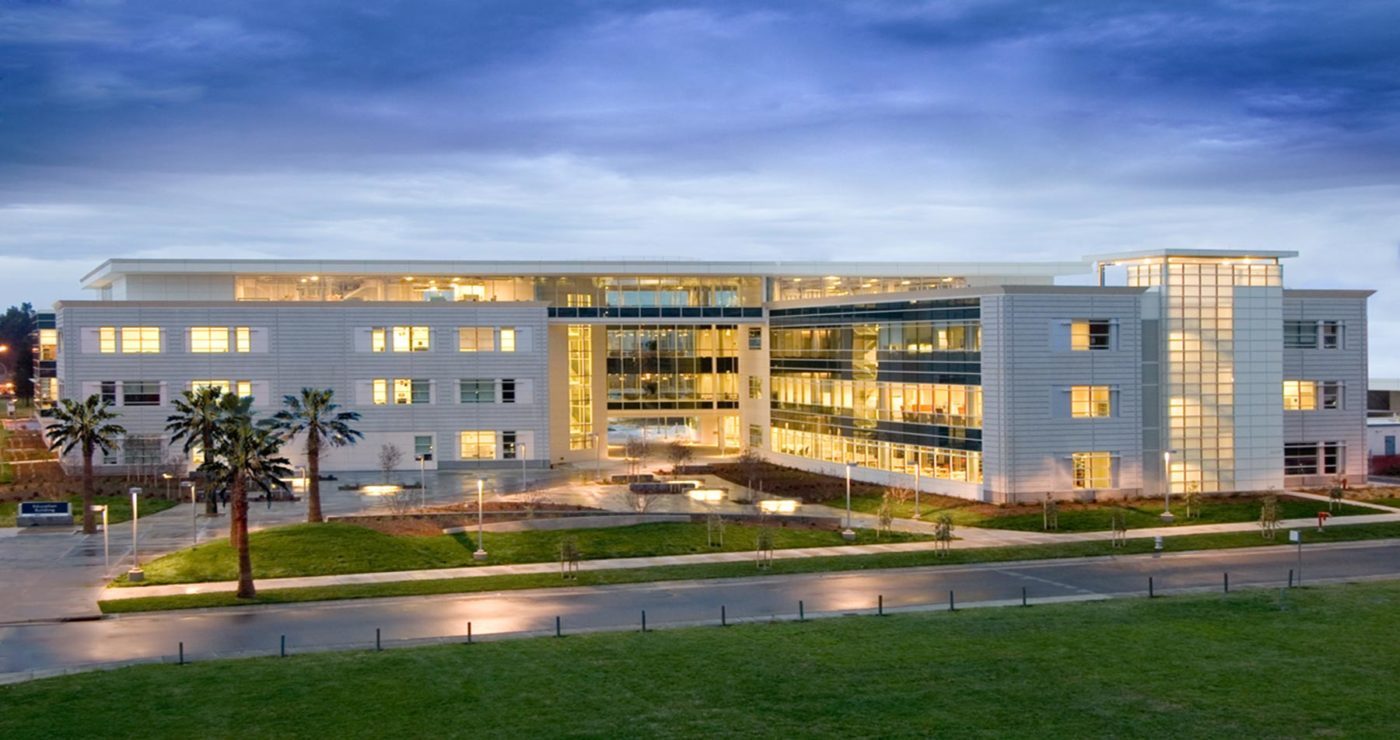
University of California, Davis School of Medicine
- Location: Sacramento, CA (4610 X Street, on the UC Davis Health campus)
- Primary application deadline: October 1 (AMCAS); the AAMC PREview exam is required by September 30
- Secondary application deadline: 30 days after the invitation
- Secondary fee: $120
- MCAT requirement: taken within 36 months of applying, no later than September of the application year; no minimum published
- GPA requirement: no minimum published
- Recommendation letters: 3 to 6, with at least one from a physician or clinician recommended
- Interview format: virtual Multiple Mini Interview (MMI), closed-file
UC Davis trains its medical students at UC Davis Health in Sacramento, not on the main campus in Davis. Here, a rigorous curriculum ties directly to hands-on clinical training, building skilled and compassionate physicians with each patient encounter. Prepare for the full range of medicine: the focus of the oncology ward, the pace of the emergency department and the trust built in rural health care. Each experience sharpens your skills and builds the confidence to practice in any setting. The Class of 2029 (entered 2025) enrolled 139 students with an average MCAT of 511 and an average overall GPA of 3.71.
UC Davis’s mission centers on improving the health of California communities, especially rural and medically under-resourced areas. Its Community Health Scholars programs include Rural-PRIME, REACH, TEACH-MS, Tribal Health PRIME and PRIME Central Coast with UC Santa Cruz, and its three-year accelerated pathways (ACE-PC, ACE-Psych and Rural ACE-PCP) let some students start residency a year early. UC Davis also supports a strong research environment, reporting $332.8 million in external research funding for 2024-25, where you might contribute to the next medical breakthrough.
That collaborative spirit spills into Sacramento itself, a capital city with an active food and coffee scene and a community of classmates whose support is a constant source of strength. UC Davis also runs eight affiliated student-run clinics where students care for underserved patients from their first year. California residents pay $49,969 in first-year tuition and fees for 2026-27 (nonresidents add $12,245), and the first-year cost of attendance is $92,425. UC Davis considers international applicants who can fully fund their education and encourages DACA recipients to apply.
UC Davis School of Medicine is a portal to a life dedicated to healing. If you are driven by a thirst for knowledge, a passion for rural and community health, and a desire to be part of a supportive, purpose-driven community, this may be your school. Read IMA’s full University of California, Davis School of Medicine guide for more.
University of California, Irvine School of Medicine
- Location: Irvine, CA
- Primary application deadline: November 1 (AMCAS)
- Secondary application deadline: 30 days after the invitation; the last secondaries are accepted December 1
- Secondary fee: $120, waived for AMCAS fee waiver recipients
- MCAT requirement: taken within the three years before June 1 of the application year and no later than September 30; no minimum published
- GPA requirement: no minimum published
- Recommendation letters: 3 to 6 suggested
- Interview format: a faculty interview, a student interview and a filmed structured interview session, after an online Kira Talent video assessment
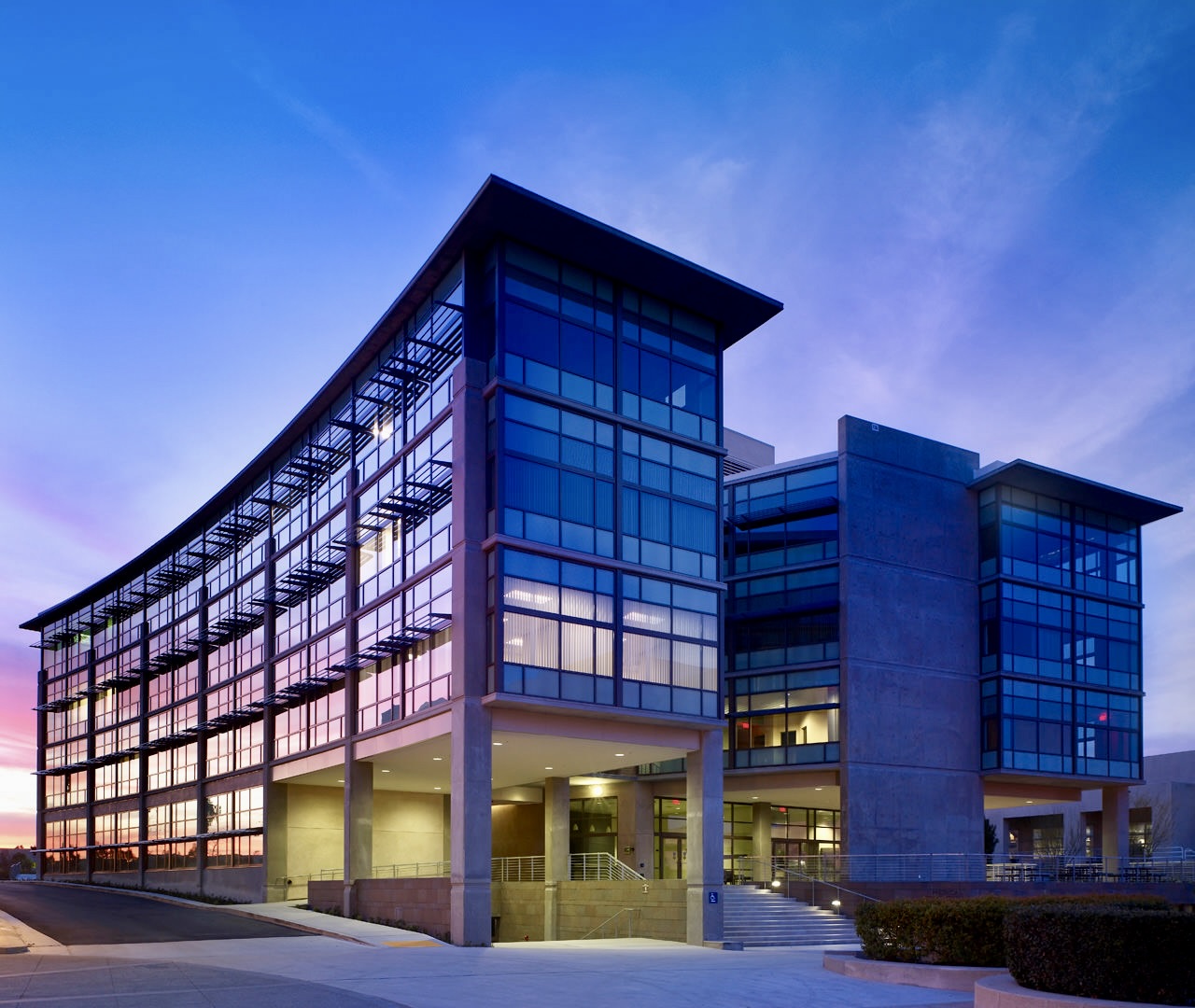
Irvine, California, offers more than beaches. Among palm trees and thriving innovation, the University of California, Irvine School of Medicine has its own ambition: to improve health care one community at a time. Its 2026 class of 125 had a median MCAT of 516 and a median cumulative GPA of 3.87, drawn from 7,874 applications.
UC Irvine puts population health at the center of training. Clinical rotations are more than checklists; they build bridges through service and learning and prepare you to champion health equity. The school considers applicants who are disadvantaged or who will work with the medically underserved, in particular California’s Latino population. Its PRIME-LC program (Program in Medical Education for the Latino Community), founded in 2004, enrolls about 12 Spanish-speaking students a year and adds an interview in Spanish. Students preparing for that kind of work sometimes build Spanish-language clinical experience before applying, for example through a medical internship in Peru. UC Irvine also offers the PRIME LEAD-ABC program, HEAL-IM and dual MD/MBA, MD/MPH and MD/PhD degrees.
UC Irvine is also a collaborative place where research redefines care for all. Work side by side with classmates whose perspectives enrich discovery, and use labs and simulation spaces to push medical knowledge forward.
This is a community with a strong sense of purpose. Join dedicated faculty as you take on the challenges of tomorrow’s health care. Amid shared laughter and late-night study sessions, a common goal emerges: a future where access and inclusion define medical progress. UC Irvine states no preference for California residents, though 114 of its 125 new students in 2026 were in-state. It considers U.S. citizens, permanent residents and DACA recipients only. If you want to champion underserved communities, turn knowledge into action and directly improve equitable care, UC Irvine School of Medicine might be where your medical story begins. Read IMA’s full University of California, Irvine School of Medicine guide for more.
University of California, Riverside School of Medicine
- Location: Riverside, CA
- Primary application deadline: October 15, 2026 (AMCAS)
- Secondary application deadline: letters, transcripts and secondary materials by November 1, 2026
- Secondary fee: $120, reduced to $50 for AMCAS Fee Assistance Program recipients
- MCAT requirement: highest total score from the last three years, with scores in by November 1, 2026; no minimum published
- GPA requirement: no minimum published
- Recommendation letters: at least 3 or a committee letter, maximum 5
- Interview format: Multiple Mini Interview (MMI), September through March
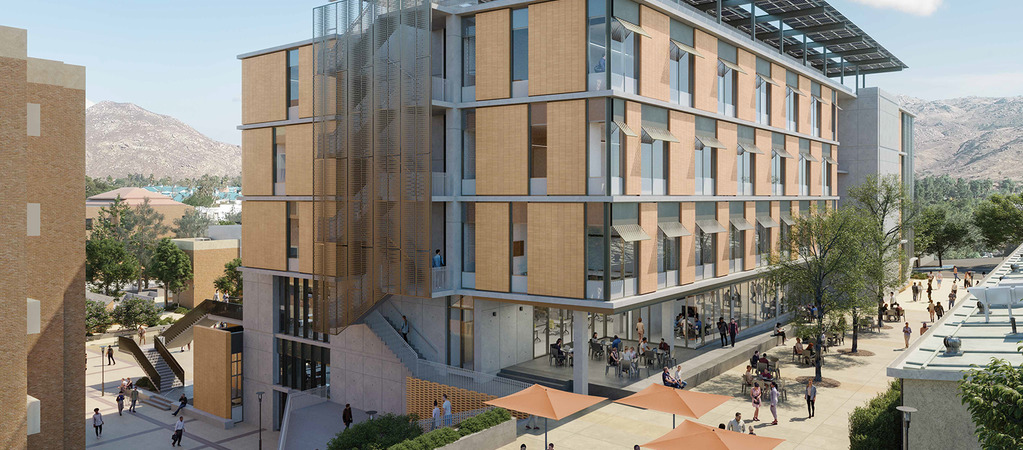
UC Riverside School of Medicine opened in 2013 with a clear mission: to improve the health of Californians and especially to serve Inland Southern California, a region with one of the most severe physician shortages in the state. For the Class of 2030, it received 6,826 applications, interviewed 374 applicants and enrolled 94 students, and 95% of the class have ties to Inland Southern California. Its latest published class averages (Class of 2028) are an MCAT of 508 and a science GPA of 3.60.
The school’s programs reflect that mission. UCR’s PRIME program trains six students a year to serve African, Black and Caribbean communities in Inland Southern California, and the Thomas Haider Program and Haider Early Assurance Program reserve paths into the MD program for students from the region, including UCR undergraduates. Students also train through a longitudinal ambulatory care experience and student-run clinics. Out-of-state applicants are considered case by case, and the school welcomes DACA and AB540-eligible applicants. California residents pay $49,796 in first-year tuition and fees for 2026-27, and nonresidents pay $61,240.
If you want hands-on impact, want to work alongside physicians who are changing care in their own region, and believe in the power of community to reshape health care, UC Riverside School of Medicine might be your launchpad. Read IMA’s full University of California, Riverside School of Medicine guide for more.
University of California, San Diego School of Medicine
- Location: La Jolla, San Diego, CA
- Primary application deadline: October 15 (AMCAS)
- Secondary application deadline: secondaries run mid-July through November
- Secondary fee: $135, waived automatically for AMCAS fee waiver recipients
- MCAT requirement: scores from January 2023 through December 2026; MCAT scores are hidden from screeners when interview decisions are made; no minimum published
- GPA requirement: no minimum published
- Recommendation letters: minimum 3 (or a committee letter), maximum 5
- Interview format: virtual Multiple Mini Interview (MMI), 8 stations
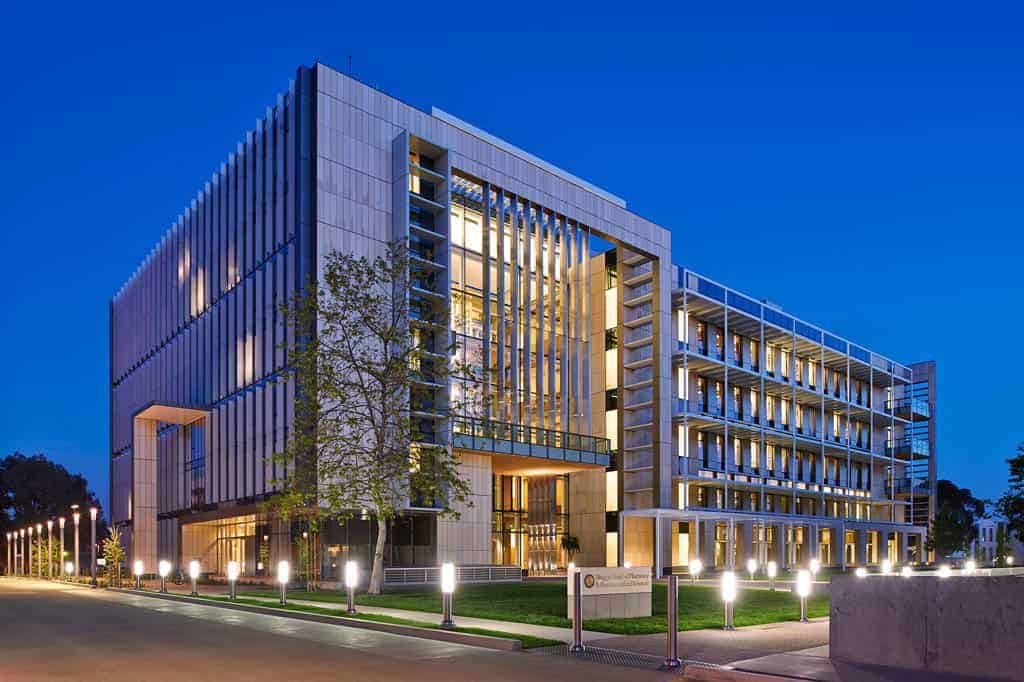
UC San Diego’s impact extends beyond the walls of its labs. Students take electives and independent study with multicultural communities across the surrounding binational region, and through the UC San Diego Student-Run Free Clinic Project they care for underserved patients at four clinic sites. You’ll learn to look beyond medical charts to the stories behind each illness, bridging cultural gaps and building trust. Students in the Global Health Academic Concentration go further, with research abroad after the first year and a clinical elective in the fourth year.
UC San Diego’s incoming class of 2026 had 140 students, chosen from 10,874 applicants and 973 interviews, with an average MCAT of 514.6 and an average GPA of 3.86. Seventy-six percent were California residents. Its PRIME-HEq program, a five-year MD and master’s track, trains 12 students a year to advance health equity, and PRIME-TIDE and the Compassion in Medicine concentration add more options. California residents pay $54,300 in 2026-27 registration fees including health insurance; nonresidents pay $66,545.
If you want to lead in health equity, care for communities on both sides of the border region or bring new ideas to fields like mental health, UC San Diego School of Medicine might be the school for you. Here, you’ll leave your mark on the health of communities, one discovery, one compassionate conversation and one patient at a time. Read IMA’s full UC San Diego School of Medicine guide for more.
University of California, San Francisco School of Medicine
- Location: San Francisco, CA (Parnassus Heights and Mission Bay), with regional training in the San Joaquin Valley
- Primary application deadline: October 15, 2026 (AMCAS); no extensions
- Secondary application deadline: none published; the secondary stage runs mid-July through November, by invitation after screening
- Secondary fee: $85, waived for AMCAS Fee Assistance Program recipients
- MCAT requirement: scores released January 1, 2024 through September 13, 2026; most recent score used; no minimum published
- GPA requirement: no minimum published
- Recommendation letters: 3 to 5, or a committee letter
- Interview format: two one-on-one virtual interviews, about 40 minutes each, application-blind
At UCSF School of Medicine, groundbreaking research isn’t confined to labs. The faculty includes Nobel laureates such as Dr. Elizabeth Blackburn, who shared the 2009 Nobel Prize for discovering how telomeres and telomerase protect chromosomes and is still listed on UCSF Profiles as a recall professor of biochemistry and biophysics. Students can join research that reaches around the world, through the MD/PhD Medical Scientist Training Program or the MD/MAS degree, or through the UC Berkeley-UCSF Joint Medical Program.
In San Francisco clinics and at Zuckerberg San Francisco General Hospital, you’ll work to reduce health care disparities, building trust with each patient. The PRIME-US track prepares students to serve urban underserved communities, and the San Joaquin Valley PRIME program will train students at UC Merced and UCSF Fresno starting in fall 2027. Diverse perspectives shape every discussion, helping you become a physician who sees the world through many lenses. The Golden Gate Bridge casts a golden glow over your evenings, a reminder of the possibilities ahead.
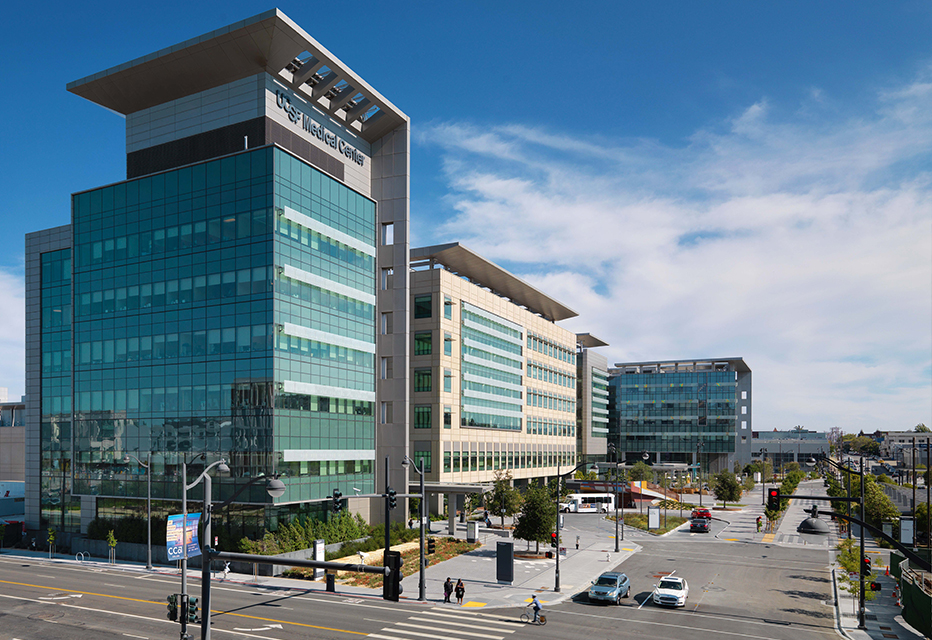
UCSF’s fall 2025 entering class of 161 was chosen from 10,300 applications and 584 interviews, and 71% were Californians. California residents pay $55,959 in 2026-27 tuition and fees, including health insurance, and nonresidents pay $68,204. UCSF considers U.S. citizens, permanent residents and DACA recipients. The UCSF campus is a living, breathing community fueled by the goals of future healers, set in the beauty of San Francisco. Read IMA’s full UCSF School of Medicine guide for more.
Touro University California College of Osteopathic Medicine
- Location: Vallejo, CA (Mare Island)
- Primary application deadline: March 15, 2027 (AACOMAS)
- Secondary application deadline: April 15, 2027
- Secondary fee: $100, waived on request for AACOMAS fee waiver recipients
- MCAT requirement: minimum 500; only scores earned after January 1, 2023 count for the 2026-27 cycle
- GPA requirement: minimum 3.0 science and cumulative; successful candidates typically have 3.3 or higher
- Recommendation letters: a committee letter, or two letters from science faculty; a physician letter is recommended
- Interview format: virtual panel-style group interview with up to five candidates, a clinician, a basic science faculty member and a student
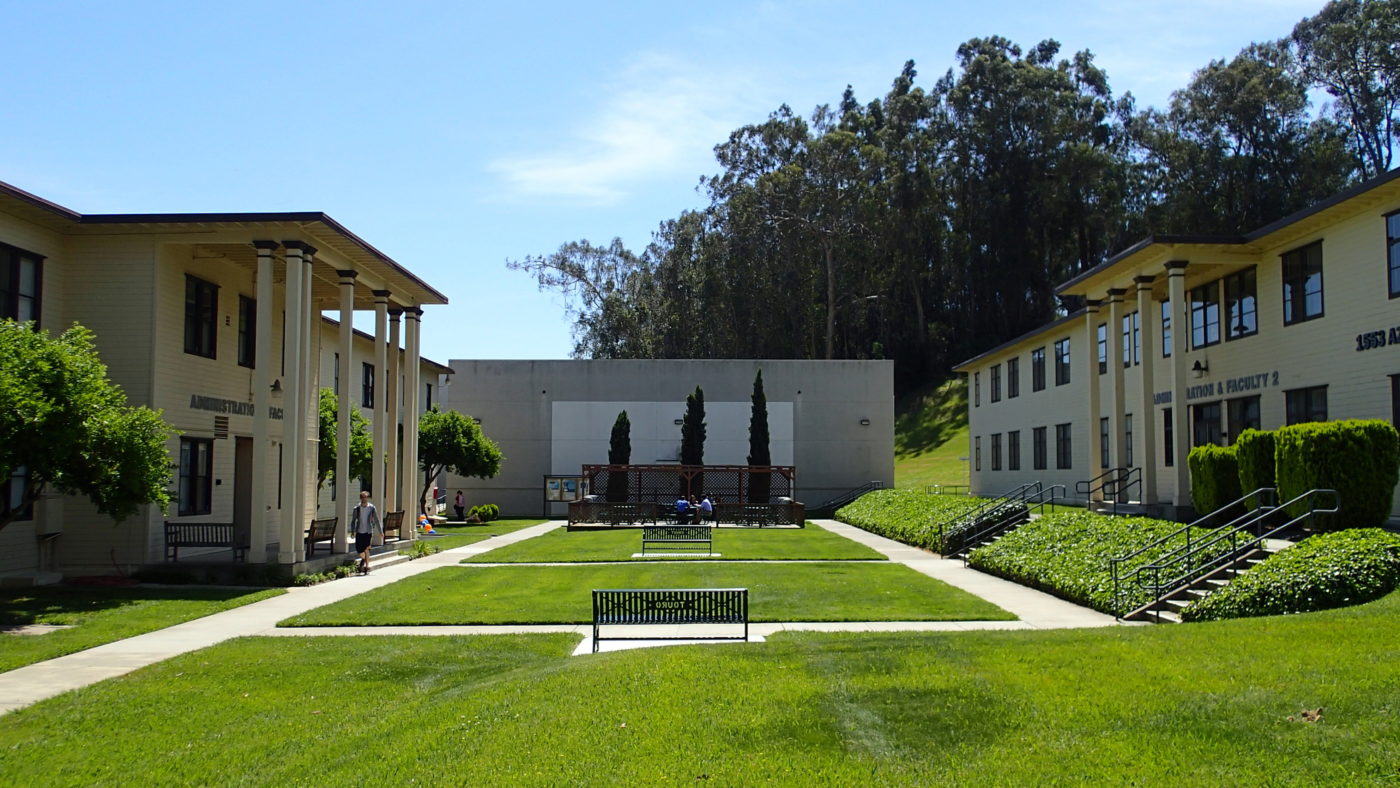
Located on Mare Island in Vallejo, Touro University California College of Osteopathic Medicine (TUCOM) gives aspiring physicians a chance to pursue osteopathic medicine in the Bay Area. Its mission is “to prepare students to become outstanding osteopathic physicians who uphold the values, philosophy, and practice of osteopathic medicine.” In 2022, COCA granted TUCOM a 10-year “Accreditation with Exceptional Outcome.”
To stand out in the applicant pool, aim well above the minimums: an MCAT of at least 500 taken after January 1, 2023, and science and overall GPAs of at least 3.0. The Class of 2030 averaged 507 on the MCAT with a cumulative GPA of 3.58 (science 3.49). Strong letters, from a committee or two science faculty plus a recommended physician letter, will further support your application.
If your application impresses, prepare for TUCOM’s interview. Instead of the Multiple Mini-Interview format some schools use, TUCOM holds a virtual, open-file, panel-style group interview of about an hour with up to five candidates, a clinician, a basic science faculty member and a student. Be ready to show critical thinking, communication and teamwork while listening well to the other candidates. Submit your AACOMAS application well before the March 15, 2027 deadline, since the school reviews applications on a rolling basis.
Tuition for 2026-27 is $36,060 per semester for first- and second-year students, the same for in-state and out-of-state students. TUCOM does not accept international students but allows DACA recipients to apply, and 89% of the Class of 2030 came from California. Graduates have matched at 100% every year from 2017 through 2025. If you’re driven to serve and have the academic foundation, Touro University California might be the next step in your medical career. Read IMA’s full Touro University California College of Osteopathic Medicine guide for more.
Western University of Health Sciences College of Osteopathic Medicine of the Pacific
- Location: Pomona, CA (309 E. Second Street); a separate Oregon campus in Lebanon is now the Heatherington College of Osteopathic Medicine
- Primary application deadline: March 1, 2027 (AACOMAS)
- Secondary application deadline: March 15, 2027; the school asks for the secondary within 10 business days of the invitation
- Secondary fee: $65 per campus, waived for AACOMAS fee waiver recipients
- MCAT requirement: no minimum; scores no older than three years
- Recommendation letters: two, one from a physician (DO preferred) and one from a science professor or committee
- Interview format: online interviews, September through April
Western University of Health Sciences College of Osteopathic Medicine of the Pacific (WesternU/COMP) is the oldest of California’s three DO colleges, established in 1978. It offers the DO degree only, along with a DO/MPH dual enrollment with Claremont Graduate University and a Master of Science in Medical Sciences preparation program. Its mission is to prepare “technically competent, culturally sensitive, professional and compassionate physicians” who provide comprehensive, patient-centered care, and the school highlights its strength in primary care.
The Pomona campus enrolled 227 students in the class that entered in August 2025, from 5,433 applications and 881 interviews, with an average MCAT of 509 and an average overall GPA of 3.82. Ninety percent were California residents. WesternU accepts international applicants and considers DACA recipients. Tuition for 2026-27 is $72,040 for every student, and estimated tuition and fees total $81,057 in the first year. If you apply to both WesternU campuses, you complete two secondaries and pay two fees. Read IMA’s full Western University of Health Sciences COMP guide for more.
California Health Sciences University College of Osteopathic Medicine
- Location: Clovis, CA (2500 Alluvial Avenue, near Fresno)
- Primary application deadline: March 1, 2027 (AACOMAS); Early Decision applications were due July 1, 2026
- Secondary application deadline: April 1, 2027
- Secondary fee: $100, waived for AACOMAS fee waiver recipients
- MCAT requirement: minimum 500 with no section below the 25th percentile; scores from January 1, 2023 or later
- GPA requirement: minimum 3.0 overall and science
- Recommendation letters: two, one from a science professor; a physician letter is preferred for the other
- Interview format: virtual interview
California Health Sciences University College of Osteopathic Medicine (CHSU-COM) was established in 2020 to train osteopathic physicians for California’s Central Valley, and it now holds full COCA accreditation. The university’s mission is to improve health care outcomes for people living in the Central Valley, and the college recruits students from the region: 90% of the Class of 2030 came from California and 36% from the Central Valley.
The Class of 2030 enrolled 162 students from about 3,700 applicants, with an average MCAT of 507.1 and an average overall GPA of 3.59. Fourth-year students complete required clerkships in primary care and at a community health center. CHSU also offers a Master of Science in Biomedical Sciences with pathways into the DO program and a Future DOctor program with guaranteed interviews for students from partner institutions. Tuition for 2026-27 is $70,700 for every student, and the estimated first-year cost of attendance is $118,103. CHSU considers U.S. citizens, permanent residents and DACA recipients. Read IMA’s full CHSU College of Osteopathic Medicine guide for more.
Medical Schools in California With High Acceptance Rates
No California medical school publishes the number of acceptance offers it makes, so a true acceptance rate (offers divided by applicants) is not available for any of them. What several schools do publish is how many applicants they interview, which is a useful sign of how far an application is likely to go. Among the schools that post both numbers, the share of applicants interviewed was:
- Western University of Health Sciences COMP (Pomona): 881 interviews from 5,433 applications, about 16% (class entering August 2025).
- California Northstate University College of Medicine: 475 interviewed from 3,845 applications, about 12% (Class of 2030).
- UC San Diego School of Medicine: 973 interviews from 10,874 applicants, about 9% (incoming class of 2026).
- UCSF School of Medicine: 584 interviewed from 10,300 applications, about 5.7% (fall 2025).
- UC Riverside School of Medicine: 374 interviewed from 6,826 applicants, about 5.5% (Class of 2030).
- Stanford University School of Medicine: 497 interviews from 8,998 applications, about 5.5% (2024 entering class).
Other factors also shape your odds. The DO colleges (Touro University California, WesternU/COMP and CHSU-COM) publish lower class averages than most MD schools and set clear minimums you can plan around. Charles R. Drew University, dedicated to underserved communities, and Loma Linda University, known for its Christian mission and service, both value mission fit as much as numbers. UC Riverside gives strong weight to ties with Inland Southern California, so applicants from that region are well placed. Whatever your numbers, apply broadly and early.
Physician Assistant Programs in California
PA schools in California (CA PA schools) are known for their quality education and diverse learning environments. Whether you’re drawn to busy cities or quieter coastal towns, California offers exciting opportunities to start a rewarding career as a physician assistant. If you are weighing the PA route alongside medical school, pre-PA internships are one way to gain the patient care hours PA programs expect.
Renowned Institutions
- Loma Linda University School of Allied Health Professions: houses a 24-month Master of Physician Assistant (MPA) program that integrates faith and health, in keeping with the university’s Christian values. Students train on the Loma Linda campus.
- Samuel Merritt University Physician Assistant Program: based in Oakland, this 27-month Master Physician Assistant program combines a strong academic foundation with clinical placements in diverse settings and holds continued accreditation from the ARC-PA.
- Western University of Health Sciences: WesternU’s College of Health Sciences in Pomona runs a 24-month Master of Science in Physician Assistant Studies program with an emphasis on primary care. (WesternU’s medical colleges award the DO degree; the university does not offer an MD.)
Rising Stars
- Charles R. Drew University of Medicine and Science: committed to diversity and health equity, CDU’s Physician Assistant program, founded in 1971, was the first PA program in California. Located in Los Angeles, it requires every student to complete at least one rotation in a medically underserved or shortage area.
- California Health Sciences University: CHSU in Clovis does not offer a PA program. Its programs are the DO at its College of Osteopathic Medicine and a Master of Science in Biomedical Sciences.
Choosing Your Path
With varied programs and locations across the state, CA PA schools fit many interests and goals. When selecting a program, consider curriculum focus, clinical rotations, faculty expertise and cost. Researching individual schools, attending virtual events and talking with current students or alumni can give you valuable insight.
Pursuing a career as a PA in California holds great potential. With a strong academic foundation, clinical experience and steady dedication, you can become a vital part of the state’s health care workforce and make a real difference in patients’ lives.
California, a hub for medical education, offers a wide range of schools, each with distinct programs and areas of specialization. From MD and DO programs to dedicated PA schools, the state covers many paths in medical training, and students exploring California medical schools have a wealth of options to fit their education to specific career paths and interests.
Diversity of Programs in California Medical Schools
California’s medical schools are known for their varied curricula and focus areas. Together they offer training that leads to every specialty, from primary care to fields like dermatology, orthopedics and ophthalmology. Some schools build specific missions into dedicated tracks: rural care at UC Davis, Latino health at UC Irvine, health equity at UC San Diego and UCLA, urban underserved care at UCSF and the Central Valley at CHSU. This variety lets students follow their interests in patient care, research or health care leadership.
Specialized Training and Hands-On Experience
Many California medical schools are recognized for specialized training. Their affiliated residency programs in fields such as plastic surgery, urology and orthopedics emphasize hands-on learning, and medical students meet these specialties through clerkships, electives and research. UC Davis’s three-year accelerated pathways and UCLA’s six-year MD and oral and maxillofacial surgery program are examples of focused routes that start in medical school.
Holistic and Patient-Centered Approaches
A hallmark of many medical schools in California is a focus on whole-person, patient-centered care. This approach considers the entire spectrum of patient wellness, including lifestyle and environmental factors, and matches the current emphasis in health care on prevention and lifestyle management. Loma Linda’s whole person care and the osteopathic philosophy at California’s three DO colleges are clear examples.
Physician Assistant Schools in California
In addition to traditional medical degrees, California offers many options for those who want to become physician assistants (PAs). California PA schools provide comprehensive training for vital roles in many health care settings. Details on these programs are in IMA’s guide to Physician Assistant Schools in California.
Choosing the Right Medical School
With so many options in California, choosing the right medical school takes careful thought. Program focus, residency rules, cost, faculty expertise, campus facilities and fit with your career goals all matter. Use the tables above to narrow your list, then read each school’s full IMA guide.
Some Additional Resources
- Medical Board of California, Schools Recognized: https://www.mbc.ca.gov/Licensing/Physicians-and-Surgeons/Apply/Schools-Recognized.aspx
- U.S. News & World Report, Best Medical Schools: https://www.usnews.com/best-graduate-schools/top-medical-schools
- Association of American Medical Colleges, AAMC Data: https://www.aamc.org/data-reports
The Path to Medical School
The road to medical school runs through a complex and competitive admissions process. International Medical Aid offers admissions consulting that covers California medical schools. Our experienced consultants give personalized advice and strategies to strengthen your application, from building a school list that matches your residency and numbers to essay editing and mock interviews. Visit IMA’s Medical School Admissions Consulting page to learn more.
If you are reapplying, or taking a year between college and medical school, use that time to add meaningful patient care. Structured pre-med gap year programs can fill a gap year with supervised clinical work while you strengthen the rest of your application.
Global Healthcare Internships
To further strengthen your application, International Medical Aid also offers global healthcare internships through its global initiatives. IMA’s healthcare internships abroad give hands-on experience in diverse medical settings, deepen your understanding of global health challenges and show your commitment to service. Our pre-med internships abroad place interns in teaching hospitals in Mombasa, Kenya and Cusco, Peru, where they take vitals, help with patient intake and triage and assist with direct care under the supervision of local physicians and nurses.
Many California schools look for exactly this kind of experience. Kaiser Permanente’s Class of 2030 reported an average of 136 shadowing hours, and every California school reads your activities for evidence that you understand patient care. Clinical internships for pre-med students are one way to add structured, supervised hours to the experiences you build at home.
Embarking on Your Medical Career
We encourage aspiring medical professionals to explore the many opportunities California medical schools offer. Whether your interest lies in a specific medical field or a broader approach to health care, the state’s schools provide a strong foundation for a successful medical career.
For more information on the medical school admissions process and internship opportunities, apply with International Medical Aid today. With the right guidance and preparation, you can confidently pursue your goal of becoming a physician in California’s dynamic medical environment.
Frequently Asked Questions
How many medical schools are in California?
California has 16 accredited medical schools: 13 MD programs accredited by the LCME and 3 DO colleges accredited by COCA. The MD programs are California Northstate, CUSM, Charles R. Drew, UCLA, Kaiser Permanente, Keck USC, Loma Linda, Stanford, UC Davis, UC Irvine, UC Riverside, UC San Diego and UCSF. The DO colleges are Touro University California, WesternU/COMP and CHSU-COM. Three more MD programs are in the LCME’s applicant stage and are not yet accredited.
What are the newest medical schools in California?
Kaiser Permanente Bernard J. Tyson School of Medicine (first LCME accreditation 2019) and Charles R. Drew University’s independent MD program (charter class July 2023, now with provisional accreditation) are the newest accredited MD programs. CHSU-COM, established in 2020, is the newest DO college. The American University of Health Sciences School of Medicine, Aria University and the Mark and Mary Stevens School of Medicine are in the LCME’s applicant stage.
What is the easiest medical school to get into in California?
No California medical school is easy to get into. Among schools that publish both applications and interviews, WesternU/COMP’s Pomona campus interviewed about 16% of applicants and California Northstate about 12%, compared with about 5.5% at Stanford and 5.7% at UCSF. The DO colleges also publish lower class averages: CHSU’s Class of 2030 averaged 507.1 on the MCAT and Touro’s averaged 507. Mission fit matters at every school, so the best odds come from applying where your experiences match the school’s goals.
Which medical schools in California accept out-of-state students?
All of them. The private MD schools (Stanford, Keck, Kaiser Permanente, Loma Linda, California Northstate, CUSM and Charles R. Drew) and the three DO colleges charge every student the same tuition. The UC schools also admit nonresidents, but nonresidents pay about $12,245 more per year and fill a smaller share of seats; 76% of UC San Diego’s 2026 class and 114 of UC Irvine’s 125 new students were California residents.
What MCAT score do I need for medical school in California?
It depends on the school. The latest published class figures are a median of 518 at Stanford, a median of 516 at UC Irvine, 515 at Kaiser Permanente and California Northstate, 514.6 at UC San Diego, 511 at UC Davis, 510 at Loma Linda and CUSM, 509 at WesternU/COMP, 508 at UC Riverside (Class of 2028), 507.1 at CHSU and 507 at Touro. Some schools also set floors: Keck invites only applicants with 506 or higher to its secondary, CUSM’s minimum is 502, Drew’s is 500, Touro’s and CHSU’s are 500 and California Northstate’s is 497.
What GPA do I need for medical school in California?
The latest published class GPAs range from 3.94 (median) at Stanford and 3.87 (median) at UC Irvine to 3.58 at Touro and 3.59 at CHSU. Most MD schools publish no minimum GPA. California Northstate sets a minimum of 2.80 (3.50 preferred), Drew’s catalog sets a BCPM GPA of 3.3, and Touro and CHSU require at least 3.0.
Which is the cheapest medical school in California?
For California residents, the UC schools cost the least. UC Riverside’s 2026-27 first-year tuition and fees are $49,796 for residents, and UC Davis’s are $49,969. Among private schools, Charles R. Drew charges a flat $69,000, and Kaiser Permanente charges $69,212 for the class entering 2027. California Northstate has the highest tuition, $78,432 for 2026-27.
Do California medical schools accept international students?
Some do. Stanford, Keck USC, Loma Linda, UC Davis (with proof of full funding) and WesternU/COMP consider international applicants under their own conditions. UCLA, UCSF, UC Irvine, UC San Diego, UC Riverside, Kaiser Permanente, California Northstate, CUSM, Touro and CHSU do not.
Do California medical schools accept DACA recipients?
Most do. UCSF, UC Irvine, UC San Diego, UC Riverside, UC Davis, Stanford, Keck USC, Kaiser Permanente, CUSM, Touro, WesternU and CHSU all state that DACA recipients may apply. California Northstate limits its MD program to U.S. citizens and permanent residents.
Is there a medical school in California that is tuition free?
Not for new students. Kaiser Permanente waived tuition for the seven classes that entered from 2020 through 2026. Students entering in 2027 pay tuition, and the school’s Impact Scholarship covers the full cost of attendance for selected students in each class.
Is ATSU-SOMA a California medical school?
No. A.T. Still University’s School of Osteopathic Medicine in Arizona is based in Mesa, Arizona. Some of its students complete clinical training at California community partner sites in San Luis Obispo, Visalia and San Ysidro, but it is not one of California’s three DO colleges.
How much clinical experience do California medical schools want?
California schools rarely set an hour count, but all of them look for meaningful patient contact. Kaiser Permanente’s Class of 2030, for example, reported an average of 136 shadowing hours, and every matriculant had research experience. Supervised programs such as IMA’s pre-health internships can add hands-on hours alongside the clinical work you do at home.
When should I apply to medical schools in California?
Apply early in the cycle. For students entering in 2027, Stanford’s, UCLA’s, Kaiser Permanente’s and UC Davis’s AMCAS deadlines were October 1, 2026; UCSF’s, UC San Diego’s and UC Riverside’s were October 15; UC Irvine’s and Keck’s are November 1; Loma Linda’s is November 2; Drew’s is November 15; CUSM’s is December 1; and California Northstate’s is December 15. The DO deadlines are later: March 1, 2027 for WesternU/COMP and CHSU, and March 15, 2027 for Touro. Most schools review applications on a rolling basis, so earlier is better.
Does Charles R. Drew University still have a program with UCLA?
The Drew/UCLA Medical Education Program no longer accepts applications. Drew now runs its own four-year MD program, which enrolled its charter class in July 2023 and holds provisional LCME accreditation. At UCLA, the program is transitioning into the Urban Health Equity Pathway after the Class of 2027.
IMA Resources
International Medical Aid (IMA) offers useful tools and memorable experiences to pre-health students, medical students and clinicians. Our global internship opportunities give participants experiences that shape them as future doctors and as people.
IMA’s pre-med internships give students the opportunity to work with patients in parts of the world with limited access to consistent, quality medical care. These internships for pre-med students run in teaching hospitals, where interns take vitals, do intake and triage and help with direct care under supervision, and they never perform tasks that would require a medical license in the United States. IMA’s medical internships abroad welcome undergraduates, gap year students and recent graduates.
IMA also offers medical school admissions consulting to help applicants gain acceptance to the medical school of their choice, with one-on-one guidance on school lists, essays and mock interviews. Another resource you may find useful is our Medical School Secondary Essay Prompts Database, since California schools such as UCLA, UC Irvine and UC San Diego charge $120 to $135 per secondary and expect thoughtful, school-specific answers. Our Medical School GPA Calculator can show where you stand against the class averages above, and our medical school guides cover each California school in depth.
Sources
- Liaison Committee on Medical Education: Directory of Accredited Programs and Applicant and Candidate Programs (both updated October 14, 2026).
- Commission on Osteopathic College Accreditation / American Osteopathic Association: Colleges of Osteopathic Medicine directory (September 2026).
- California Northstate University College of Medicine: Class of 2030 profile; 2026-27 cost of attendance; admissions requirements, steps, FAQs, interview and timeline pages; administration directory. Checked October 17, 2026.
- California University of Science and Medicine: MD admission requirements, application process, tuition and cost of attendance (as of February 2, 2026), accreditation, Scholars Programs and MD program pages. Checked October 17, 2026.
- Charles R. Drew University of Medicine and Science: MD admissions process and FAQs; College of Medicine financial aid; accreditation; University Catalog 2026-2027; “CDU welcomes new class of medical students” (July 13, 2026); Physician Assistant program page. Checked October 17, 2026.
- David Geffen School of Medicine at UCLA: admissions, How to Apply, Preparing to Apply, review process, degrees and programs, mission and cost of attendance (2026-27). Checked October 17, 2026.
- Kaiser Permanente Bernard J. Tyson School of Medicine: Our Students and Class of 2030 profile; application process; admission requirements; FAQs; tuition and financial aid; MD-PhD; mission; news, July 9, 2026 and May 12, 2026. Checked October 17, 2026.
- Keck School of Medicine of USC: MD admissions, MD program and dual degree pages; USC financial aid cost of attendance (2026-27). Checked October 17, 2026.
- Loma Linda University School of Medicine: selection criteria; admission requirements and application process; timeline; regional campuses; international students; financial aid; MD program costs (2026-2027); mission. Checked October 17, 2026.
- Stanford University School of Medicine: MD performance metrics (updated April 4, 2025); How to Apply; eligibility; FAQ; curriculum; dual degrees; tuition and fees (2026-27); cost of attendance (2025-26). Checked October 17, 2026.
- UC Davis School of Medicine: Class of 2029 matriculant demographics; how to apply; timeline; prerequisites; cost of attendance (2026-2027); applicant handbook; admissions overview. Checked October 17, 2026.
- UC Irvine School of Medicine: MD admissions and class profile; how to apply; requirements; application criteria; FAQs; PRIME-LC; UCI Registrar fees 2026-2027. Checked October 17, 2026.
- UC Riverside School of Medicine: admission page and Class of 2030 profile; admissions brochure (Class of 2028); applying; interview; prerequisites; FAQ; PRIME; mission; financial aid. Checked October 17, 2026.
- UC San Diego School of Medicine: By the Numbers; application process; admissions; PRIME-HEq; cost of attendance budgets; UC San Diego Registrar fees 2026-27. Checked October 17, 2026.
- UCSF School of Medicine: MD program admissions data; application process; degrees and programs; SJV PRIME; mission; UCSF Registrar 2026-27 student fees; 2026-27 cost of attendance. Checked October 17, 2026.
- Touro University California College of Osteopathic Medicine: class statistics; admissions; tuition and aid; about and accreditation; program outcomes; DO/MPH; White Coat 2026 story; AACOM Choose DO Explorer profile. Checked October 17, 2026.
- Western University of Health Sciences: COMP home; competitive class statistics; DO requirements and FAQs; 2026-2027 DO budget (California); Heatherington College of Osteopathic Medicine page; MSPAS program; AACOM Choose DO Explorer profile. Checked October 17, 2026.
- California Health Sciences University: College of Osteopathic Medicine admissions; Class of 2030 statistics; tuition and cost of attendance (2026-2027); AACOM Choose DO Explorer profile. Checked October 17, 2026.
- A.T. Still University: School of Osteopathic Medicine in Arizona home and clinical rotations pages; campuses page. Checked October 17, 2026.
- Loma Linda University Physician Assistant (MPA) program; Samuel Merritt University Physician Assistant program; Medical Board of California, Schools Recognized. Checked October 17, 2026.