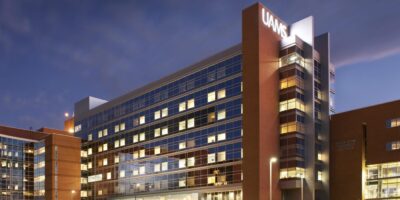
The Arkansas College of Osteopathic Medicine (ARCOM) is a private, nonprofit osteopathic medical school in Fort Smith, Arkansas, the third largest city in the state. It grants the Doctor of Osteopathic Medicine (DO) degree and was the first program of the Arkansas Colleges of Health Education (ACHE), which now runs a growing health sciences campus on the edge of town. ARCOM welcomed its first class in 2017, graduated its first physicians in 2021 and, in April 2025, earned the highest accreditation status its accreditor awards.
ARCOM is built around small-group learning and early clinical work. Students meet standardized patients and simulators in their first semester, join health fairs and outreach clinics in their first year, and spend their third and fourth years at hospitals and clinics across Arkansas, Oklahoma, Texas, Louisiana and Missouri. Every student completes a month-long rotation in a rural or medically underserved setting. The goal is not memorizing facts for an exam. It is understanding how the basic sciences show up at the bedside, so graduates are ready for both board exams and real patients.
The school’s mission centers on service to the underserved, and its admissions policy gives preference to applicants from rural and underserved backgrounds, especially from Arkansas and the South Central United States. If you are drawn to primary care, rural practice or community medicine, ARCOM deserves a close look.
The information here covers the 2026-2027 application cycle, for students who plan to start medical school in July 2027. You will find ARCOM’s latest class statistics, COMLEX pass rates, admission requirements and deadlines, 2026-2027 and 2027-2028 tuition, cost of attendance, the curriculum and clinical regions, faculty and leadership profiles, the secondary application with full example responses, the interview format and a long list of frequently asked questions. All figures were checked on October 29, 2026.
Be an Informed Applicant
Every osteopathic medical school shares the same philosophy of whole-person care, but each one has its own mission, culture and requirements. Knowing those details helps you decide where you belong and helps you show real fit in your essays and interview. It also keeps you from missing practical rules, such as which letters a school requires or how old your MCAT score can be.
Researching schools is a crucial step, but nothing replaces one-on-one guidance. We run clinical internships abroad for future physicians, and we also help students get into the medical school where they belong. If you feel overwhelmed by the details or want an overall application strategy, consider our Medical School Admissions Consulting.
Key Takeaways
- Who can apply: U.S. citizens and permanent residents with at least 90 semester hours (or three-fourths of a degree) from a U.S. regionally accredited school. ARCOM does not accept international applicants and does not consider DACA recipients.
- Academic picture: No minimum GPA or MCAT. Most competitive applicants have an overall GPA above 3.5, a science GPA above 3.4 and an MCAT of 500 or higher. The mean MCAT is 498.7 and the average undergraduate GPA is 3.56.
- Mission fit matters: ARCOM’s mission is focused on service to the underserved, and preference goes to applicants from rural and underserved areas, especially Arkansas and the South Central United States.
- Key dates: AACOMAS opened May 4, 2026. ARCOM’s primary deadline is April 16, 2027, and the secondary deadline is April 30, 2027. MCAT scores must be from May 2023 or later. Admissions are rolling, starting in August, so apply in summer or early fall.
- Secondary: By invitation only, with no fee. Invitations expire after 30 days.
- Interview: In person only, a 30-minute conversation with one faculty member and one community representative, from late July or early August through April or early May.
- Cost: First-year tuition is $60,500 for 2026-2027 and $62,150 for 2027-2028, the same for every student. The first-year cost of attendance for 2026-2027 is $91,187 on campus.
- Next step: Line up a physician letter (DO preferred) and either a committee letter or two science faculty letters, build in-person shadowing and service, and submit AACOMAS early.
Key Statistics About Arkansas College of Osteopathic Medicine
ARCOM is a mid-sized DO school with a stated class size of 150 and a matriculating cohort of 161 in 2026. Demand is high. Ahead of the class that entered in 2026, ARCOM received more than 6,700 applications, planned about 700 interviews and expected to fill 162 seats. The snapshot shows the numbers applicants ask about most often.

What Is the Minimum GPA and MCAT for ARCOM?
ARCOM does not set a minimum GPA or MCAT. It uses a holistic review of every part of your application, looking for signs that you fit its mission. Because of competition, most students have an overall GPA above 3.5, a science GPA above 3.4 and an MCAT of 500 or higher, numbers that point to success with the curriculum and national board exams (ARCOM Admissions Requirements). Students with GPAs below these averages may still be considered, and faculty look closely at upper-division science grades.
With a mean MCAT of 498.7 and an average GPA of 3.56, ARCOM is a realistic option for many applicants whose numbers are solid but not exceptional, as long as the rest of the application shows a clear commitment to service and to osteopathic medicine. For comparison across schools, see our list of medical school GPA and MCAT averages.
| Metric | Value | Year or cohort | Source and definition |
|---|---|---|---|
| School and degree | Arkansas College of Osteopathic Medicine (ARCOM); Doctor of Osteopathic Medicine (DO); Fort Smith, Arkansas | Current | ARCOM; private, nonprofit; part of Arkansas Colleges of Health Education; founded 2014 |
| Mean MCAT | 498.7 | Cohort not stated; 2026-2027 cycle profile | AACOM Choose DO Explorer, ARCOM profile, “Mean MCAT Score” |
| Average cumulative undergraduate GPA | 3.56 | Cohort not stated; 2026-2027 cycle profile | AACOM Choose DO Explorer, “Avg. Cum. Undergrad GPA Score” |
| Competitive range named by ARCOM | Overall GPA above 3.5; science GPA above 3.4; MCAT 500 or higher | Current | ARCOM Admissions Requirements (not minimums) |
| Stated class size | 150 per year | Current | ARCOM Admissions Requirements, Admitted Students |
| Matriculants | 161 | 2026-2027 matriculating cohort | ARCOM retention rate table, as of August 18, 2026 |
| Applications, interviews and seats | More than 6,700 applications; about 700 interviews; 162 seats | Class entering 2026 | Talk Business and Politics, January 20, 2026, quoting ACHE leadership |
| Interviewed/applicants | About 10 percent (about 700 of more than 6,700) | Class entering 2026 | Calculated from the figures above; this is not an acceptance rate |
| Total enrollment | 632 | 2024-2025 academic year | AACOM Choose DO Explorer |
| Tuition, OMS I | $60,500 (2026-2027); $62,150 (2027-2028) | Academic years shown; same for in-state and out-of-state | ACHE ARCOM Tuition sheets 2026-2027 and 2027-2028 |
| Cost of attendance, OMS I | $91,187 on campus; $91,987 off campus | 2026-2027 | ACHE 2026-2027 Cost of Attendance, DO (includes $4,322 health insurance) |
| COMLEX-USA Level 1 first-time pass rate | 89.40% (national 90.19%) | AY2025-2026 | ARCOM COMLEX Performance, as of August 17, 2026 |
| COCA accreditation status | Accreditation with Exceptional Outcome | Granted April 23, 2025, for 10 years | ARCOM Accreditation page |
| Acceptance rate | Not published | Not applicable | ARCOM does not publish offers or acceptances |
Student Demographics
In the 2024-2025 academic year, ARCOM enrolled 632 medical students: 305 men and 324 women. The first-year class that year had 142 students (68 men, 73 women and 1 other). Only 17 first-year students were Arkansas residents and 126 came from out of state, which shows that ARCOM draws heavily from neighboring states even though its mission focuses on Arkansas and the region.
The 2024-2025 first-year class self-reported as 48.6% White, 19.7% Asian, 16.2% Hispanic or Latino, 4.2% Black or African American, 1.4% American Indian or Alaska Native, 5.6% multiple races and 4.2% undisclosed. Science majors made up 88.7% of the class and non-science majors 11.3%, and 19.7% already held a graduate degree. Across all of ACHE’s programs, 76% of enrolled students came from Arkansas and Oklahoma as of January 2026.
Additional Resources About the MCAT
ARCOM accepts MCAT scores from May 2023 or later, and the latest score it will take for the 2026-2027 cycle is from March 16, 2027. If you are still planning your test, these resources help:
- Best Classes to Take Before the MCAT
- MCAT Score Calculator: Predict and Convert Your Scores
- MCAT Sections Guide: Experts Explain the MCAT
- Medical Schools Accepting Low MCAT Scores
For admissions questions, contact the ARCOM Office of Admissions at [email protected] or (479) 308-2220.
Mission and Educational Priorities
ARCOM Mission Statement
ARCOM’s mission, in its own words:
“The mission of the Arkansas College of Osteopathic Medicine (ARCOM) is to educate and train compassionate osteopathic physicians, skilled in the science of patient-centered osteopathic medical care, dedicated to the ethical and social principles of the osteopathic profession, committed to lifelong learning, and focused on service to the underserved. This mission will be accomplished at the undergraduate and graduate medical education levels through excellence in teaching, research, service, and scholarly activity.”
In short, ARCOM wants to train compassionate osteopathic physicians who are skilled in patient-centered care, hold to the ethical and social principles of the profession, keep learning for life and focus on serving underserved people. Teaching, research, service and scholarly activity support that goal at both the medical school level and the residency level, since ARCOM also sponsors residency programs.
What the Mission Means for Applicants
The mission is not just a statement on a wall. It shapes who ARCOM admits and how it trains them.
Preference for rural and underserved backgrounds. ARCOM gives preference to students from rural and underserved environments who are more likely to advance its mission, especially those from Arkansas and the South Central United States. ARCOM seeks to recruit and admit students from Arkansas and surrounding regions who are committed to serving the rural and medically underserved areas of the state and region. If you grew up in a small town, worked in a rural clinic or spent years serving a community with limited access to care, make that history easy to see in your application.
Service as a core activity. Students take part in community health fairs, nursing home rounds and summer mission trips in their first year. ARCOM students organize a Remote Area Medical (RAM) clinic in Fort Smith. At the second annual clinic, held October 24-25, 2026, 328 patients were registered and $249,678 in free medical, dental and vision care was provided. Admissions committees at a school like this look for applicants who already serve, not applicants who plan to start serving later.
A required underserved rotation. Every ARCOM student completes a month-long rotation in an underserved practice setting, in rural clinics and hospitals across Arkansas and the United States, and in some cases at international sites. Your essays can connect your past service to this rotation in a specific way.
Primary care, plus “go where you’re needed.” ARCOM’s curriculum emphasizes preparing students for primary care. Its dean, Christopher Loyke, DO, has also said that serving underserved communities does not mean every graduate must choose primary care, because many communities lack specialists such as cardiologists, endocrinologists and pulmonologists. “Go where you’re needed,” he told ARCOM’s news team in September 2026. That framing gives applicants room to discuss specialty interests honestly, as long as they connect them to need.
Why Arkansas College of Osteopathic Medicine?
There are several reasons applicants choose ARCOM:
- Early hands-on training. Simulation and standardized patient labs begin in the first semester.
- Strong accreditation standing. ARCOM holds COCA’s top status, Accreditation with Exceptional Outcome, through academic year 2034-2035.
- A regional clinical network. Third-year students train in one of five core regions across a five-state area.
- Pathways into the school. ACHE’s Master of Science in Biomedicine offers a linkage with guaranteed acceptance for students who meet benchmarks, and undergraduate affiliation agreements and the M.A.P. pathway program support students before they apply.
- A low cost of living. Forbes Magazine named Fort Smith the number one city in America for cost of living, and on-campus housing sits next to the academic building.
- Residency programs at home. ARCOM sponsors residency programs in family medicine, internal medicine and a transitional year, which supports graduate medical education in the region.
Accreditation and Institutional Identity
Is Arkansas College of Osteopathic Medicine Accredited?
Yes. ARCOM is accredited by the Commission on Osteopathic College Accreditation (COCA), the accrediting body for DO programs recognized through the American Osteopathic Association (AOA). On April 23, 2025, ARCOM was granted Accreditation with Exceptional Outcome, the highest status COCA awards to a program. The status was granted for 10 years, and ARCOM’s next accreditation review is in academic year 2034-2035 (ARCOM Accreditation).
This is a significant change from ARCOM’s early years. In 2021, the year its first class graduated, ARCOM held Accreditation with Heightened Monitoring. The 2025 decision moved the school to the top of the scale. COCA accreditation means ARCOM graduates are eligible to sit for the COMLEX-USA licensing exams and to enter residency.
Institutional Identity
ARCOM is part of the Arkansas Colleges of Health Education (ACHE), a not-for-profit corporation registered with the Arkansas Secretary of State and approved by the IRS as an institution of higher learning in Fort Smith. ARCOM was the first program developed through ACHE, which was founded in 2014.
- Institutional accreditation: ACHE is accredited by the Higher Learning Commission, an institutional accreditor recognized by the U.S. Department of Education.
- State approval: ACHE received certification from the Arkansas Higher Education Coordinating Board to offer the Doctor of Osteopathic Medicine degree.
- Campus: ARCOM sits on nearly 600 acres on the outskirts of Fort Smith, at 7000 Chad Colley Blvd. The campus setting is rural.
- Leadership changes in 2026: Christopher J. Loyke, DO, FACOFP, became dean on July 1, 2026. Jo Alice Blondin, PhD, became ACHE president on July 13, 2026, and founding president Kyle D. Parker, JD, transitioned to president emeritus.
What Is the ARCOM COMLEX?
“ARCOM COMLEX” is how many applicants search for ARCOM’s results on the COMLEX-USA, the three-level licensing exam series for osteopathic physicians. Passing all three levels is required for DO licensure in the United States. Level 1 is usually taken after the second year, Level 2 Cognitive Evaluation (CE) during the clinical years, and Level 3 during residency.
ARCOM publishes first-time pass rates for each level (ARCOM COMLEX Performance). The most recent results, as of August 17, 2026:
| Exam and testing cycle | ARCOM pass rate (number tested) | National pass rate |
|---|---|---|
| Level 1, AY2025-2026 | 89.40% (151) | 90.19% |
| Level 1, AY2024-2025 | 89.93% (139) | 90.25% |
| Level 1, AY2023-2024 | 93.75% (160) | 93.05% |
| Level 2 CE, AY2025-2026 | 93.43% (137) | 92.48% |
| Level 2 CE, AY2024-2025 | 93.13% (160) | 91.33% |
| Level 3, 2025 | 96.00% (150) | 97.09% |
| Level 3, 2024 | 93.33% (150) | 96.81% |
ARCOM’s first class graduated in May 2021, and 25 of its 26 first-time Level 3 takers in 2021 passed (96.15%). In recent years, ARCOM’s Level 2 CE results have run above the national rate, while Level 1 and Level 3 results have been close to it. Graduation data matter too: of the 162 students who matriculated in 2021-2022, 83% graduated in four years and 90% within five, and the founding 2017-2018 cohort reached 95% within six years.
Medical Programs and Affiliations
Arkansas College of Osteopathic Medicine Doctor of Osteopathic Medicine (DO)
ARCOM offers one medical degree: the four-year Doctor of Osteopathic Medicine. The program trains physicians in the art and science of osteopathic medicine, with a patient-centered approach that treats the whole person. Students learn medical knowledge alongside practical skills, osteopathic manipulative medicine (OMM) and the ethical grounding the profession expects. Two years are mainly on campus in Fort Smith, and two years are mostly at clinical sites that partner with ARCOM.
Master of Science in Biomedicine (MSB) Linkage
The ACHE Master of Science in Biomedicine is a 30-credit-hour program designed to be finished in one year. Its curriculum is based on the medical school’s, and classes are taught in the medical school building by medical school faculty. For students who are not yet competitive for medical school, it is the most direct path into ARCOM.
The MSB linkage gives qualified students three routes:
- Guaranteed acceptance for MSB students who earn at least a 3.2 GPA by the end of the fall semester, finish the program with at least a 3.0 cumulative GPA, stay in good standing, submit a letter from the MSB program director and one from an MSB faculty member, and meet all ARCOM admissions requirements with a verified AACOMAS application.
- Guaranteed interview for MSB graduates who finish with a 3.0 cumulative GPA and remain in good standing.
- Regular application for MSB students who do not meet the guaranteed thresholds.
Linkage applicants do not need to retake the MCAT, but they must meet every other ARCOM requirement and deadline and mark the MSB linkage pathway on AACOMAS. The MSB is directed by Matthew C. White, PhD, profiled in the faculty section.
The M.A.P. Program and Undergraduate Affiliation Agreements
In 2025, ARCOM’s admissions department launched the ACHE Mentoring and Achievement Preparation (M.A.P.): ARCOM Program. It supports students from underrepresented, underserved, first-generation and socioeconomically disadvantaged backgrounds who are considering osteopathic medicine. Participants spend four days on campus for academic enrichment, professional development and hands-on learning, then are paired with ARCOM faculty and current medical students for mentorship through the rest of college. They also receive invitations to ARCOM admissions workshops and events (ARCOM M.A.P. Program).
ACHE also holds affiliation agreements with undergraduate schools that create a pathway into its health programs. Current partners include Alcorn State University, Arkansas Tech University, Belhaven University, Dillard University, Fisk University, Fort Valley State University, Hendrix College, Huston-Tillotson University, Jackson State University, John Brown University, Langston University, Lyon College, Miles College, Millsaps College, Mississippi College, Mississippi Valley State University, Nevada State University, Ouachita Baptist University, Stillman College, Talladega College, Texas Southern University, Tuskegee University, the University of Arkansas at Monticello, Fort Smith and Little Rock, the University of the Ozarks and the University of Southern Mississippi. Terms vary by school, so ask your pre-health advisor what your school’s agreement offers. If you are a college student building experience before you apply, our medical internships for undergraduates add supervised patient contact to that preparation.
Other ACHE Programs on the Same Campus
ARCOM students share the campus with ACHE’s other health programs. These are separate degrees with separate applications, not tracks within the DO:
- Doctor of Occupational Therapy (OTD): prepares occupational therapists to help patients recover from or adapt to physical and mental health conditions through the therapeutic use of daily activities.
- Doctor of Physical Therapy (DPT): trains physical therapists to improve mobility, relieve pain and restore function, combining coursework with extensive clinical training.
- Master of Science in Biomedicine (MS): the one-year preparatory master’s described above, with a focus on in-depth biomedical science.
- Master of Public Health (MPH): prepares students for public health policy, epidemiology and health administration. Its first class graduated in May 2026.
- Doctor of Public Health (DrPH): a doctoral program focused on rural health leadership.
- Doctor of Medical Science (DMSc) and Doctor of Executive Leadership: doctoral programs for practicing health professionals.
- Physician Associate Practice: one of ACHE’s newer programs, for future PAs. If you are weighing the PA route, our pre-PA internships give hands-on exposure to the role.
Because DO, PT and OT students learn on one campus, ARCOM uses interprofessional education, and simulation events such as ACHE’s Unified Field Day bring students from every program together. Tuition and cost of attendance for each program are posted separately on ACHE’s tuition and cost of attendance pages.
Clinical and Residency Affiliations
ARCOM partners with health systems in five core regions for third-year rotations, listed in the clinical rotations section. It also sponsors its own residency programs through ACGME accreditation: Family Medicine, Internal Medicine and a Transitional Year at Mercy Fort Smith, and Internal Medicine at Hunt Regional Medical Center. Affiliated residency programs include emergency medicine, family medicine, internal medicine, psychiatry, rural family medicine and surgery at partners such as Unity Health, Conway Regional Health System, Willis Knighton Health, Choctaw Nation of Oklahoma, Chickasaw Nation Medical Center, Comanche County Memorial Hospital and Texoma Medical Center (ARCOM Graduate Medical Education).
Curriculum Overview
What to Expect: Curriculum at Arkansas College of Osteopathic Medicine
The DO program at ARCOM is four years of progressive, integrated education. ARCOM bases its curriculum on three pillars: a dedicated faculty, established affiliations with medical centers and health systems, and a structured rural and underserved medicine program. Emphasizing interdisciplinary collaboration, the curriculum guides students toward a holistic, osteopathic approach, constantly linking basic science with clinical application. The overall emphasis is on preparing students to become primary care physicians who are ready for residency in any specialty.
Years 1 and 2: The Helix Curriculum
For the first two years, ARCOM uses a blended “helix” curriculum. Instead of teaching each science once in a block and moving on, the helix returns to topics again and again, each time at a deeper and more clinical level. Learning methods include classroom presentations and application exercises, lab sessions, small-group and team-based learning, near-peer teaching, standardized patients and patient simulators, clinical experiences and self-directed study (ARCOM OMS Years I and II).
The helix has three longitudinal core elements that run through both preclinical years:
- Osteopathic Principles and Practice (OPP): osteopathic philosophy, structural diagnosis and osteopathic manipulative treatment, taught in the OMM lab.
- Foundations of Osteopathic Patient Care (FOPC): history taking, physical examination, communication and clinical skills.
- Biomedical Essentials of Comprehensive Osteopathic Medicine (BECOM): the biomedical sciences, from anatomy and biochemistry to pharmacology and pathology.
ARCOM’s stated goal is a “culture of informed inquiry.” Problem solving, inductive and deductive reasoning and an intentional process of clinical reasoning are introduced early and built on throughout. The curriculum also stresses active learning and growing student responsibility for their own education.
Early Clinical Experience
ARCOM students do not wait until third year to work with patients. In the first year, students take part in community health fairs, nursing home rounds and summer mission trips. The Simulation and Standardized Patient labs give hands-on practice in the first semester. Student organizations add more: ARCOM students perform school health physicals, screen blood pressure, volunteer at a local health clinic and provide OMM to marathon runners.
Osteopathic Principles and Hands-On Learning
OMM is central to ARCOM’s training. The Anatomy Lab and OMM Lab each hold 80 students. ARCOM’s technical standards explain that palpation is part of osteopathic diagnosis and treatment, so students must take part in hands-on lab sessions as both the examiner and the person being examined, with appropriate professional conduct. Active participation in OMM labs and clinical care encounters is an admission, matriculation and graduation requirement. Reasonable requests for exceptions are considered as long as they do not prevent a student from learning to diagnose and treat patients of all genders and body types. When you are invited to interview, ARCOM asks you to sign its technical standards document, so read it in advance.
Years 3 and 4: Clinical Training
In the third and fourth years, students are assigned to one of ARCOM’s core regions to keep clinical education consistent and coordinated. Training happens in four-week blocks at hospitals, clinics and physician offices. Third-year core rotations are Family Medicine, Internal Medicine I and II, Surgery, Obstetrics and Gynecology, Pediatrics and Psychiatry, plus two selectives and one non-clinical elective. Twice in the third year, students return to Fort Smith for “Days at the Fort,” which may include OMM, career counseling and clinical skills practice (ARCOM OMS Years III and IV).
The fourth year includes a four-week emergency medicine rotation and nine four-week electives, which can be completed at any site that signs an academic affiliation agreement with ARCOM. Fourth-year students often use these electives for audition rotations at residency programs they hope to match into. The required month-long rotation in a rural or medically underserved setting is a hallmark of the program.
Assessment and Board Preparation
ARCOM’s curriculum is designed to prepare students for the COMLEX-USA. Students sit for Level 1 after the preclinical years and Level 2 CE during the clinical years. ARCOM publishes syllabi for each year (OMS I through OMS IV) on its academics page, which is a useful way to see how courses are organized before your interview.
Required Scholarship
ARCOM does not list a required research thesis for DO students. Research is encouraged and supported through ACHE’s Office of Research, which provides stipends so students can join faculty-mentored projects, and through the ACHE Research Institute. Details are in the research section.
Admissions Requirements and Application Process
ARCOM accepts applications each year starting when AACOMAS opens. It runs a rolling admissions process and offers seats after each interview day, starting in August, so early applicants have the most seats to compete for. Applications are reviewed all cycle, but for best consideration, submit AACOMAS during the summer or fall.
Admission Requirements for ARCOM
To be eligible, you must:
- Hold U.S. citizenship or a permanent residency card. ARCOM does not accept international students, and DACA recipients are not considered.
- Complete at least 90 credit hours, or three-fourths of the credits required for a degree, at a college or university accredited by an agency recognized by the U.S. Department of Education. Most students have a bachelor’s degree by matriculation, but it is not required.
- Complete all prerequisite courses with a grade of 2.0 or better.
- Take the MCAT on or after May 2023.
- Submit the required letters of recommendation.
- If invited, complete the secondary application and sign ARCOM’s technical standards.
Any undergraduate major is acceptable as long as you finish the prerequisites. The ARCOM Admissions Committee evaluates your academic ability, knowledge of and commitment to osteopathic medicine, service to the community, professionalism, communication skills and personal integrity.
Holistic Review
ARCOM does not set rigid minimum requirements for GPA or MCAT. It reviews all of your materials and considers every factor that might show fit with its mission. Competitive applicants generally have an overall GPA above 3.5, a science GPA above 3.4 and an MCAT of 500 or higher, but applicants below those averages may still be considered. Faculty look closely at upper-division science grades, so strong grades in courses such as biochemistry, physiology or genetics can help balance a weaker start in college.
Pre-Requisite Courses for Arkansas College of Osteopathic Medicine
The following courses, with the listed semester hours, must be completed for credit with a 2.0 or better at a college or university accredited by an agency recognized by the U.S. Department of Education:
| Discipline | Semester hours required |
|---|---|
| Biological Sciences with Lab | 8 |
| Biochemistry | 3 |
| Inorganic Chemistry with Lab (8 hours of general or college chemistry fulfills this) | 8 |
| Organic Chemistry with Lab | 8 |
| Physics with Lab | 8 |
| Additional Science Electives | 4 |
| English Composition and Literature | 6 |
Foreign coursework cannot be used to meet these requirements. ARCOM strongly encourages a broad education that includes behavioral science and the humanities, along with skill in scientific problem solving, critical thinking and writing.
Recommended Courses
To prepare for the osteopathic medical curriculum, ARCOM recommends:
- Additional humanities, such as literature, philosophy or theology
- Communication courses, such as speech, debate or drama
- Additional sciences, such as genetics, human physiology, human anatomy, immunology and epidemiology
Anatomy, genetics, behavioral sciences and math or statistics are also recommended.
Course Policies
- Substitutions: Courses usually cannot be substituted for prerequisites. The exception is English: in place of Composition I and II, ARCOM sometimes accepts other writing-intensive courses, case by case. Send the Admissions Office the course description and syllabus for a decision.
- Online coursework: In-person coursework is preferred for science prerequisites. Online courses and online labs may be approved case by case.
- Pass/fail grades: Letter grades are preferred. ARCOM accepts pass/fail prerequisite grades only in certain circumstances, recognizing that some schools offered only pass/fail grading during the pandemic.
- MCAT waivers: ARCOM does not waive the MCAT.
Admissions Process and Policies
ARCOM’s current policies, as listed for the 2026-2027 cycle:
- Interview options: In-person interviews only
- Physician letter: Required, from an MD or DO (DO preferred)
- Shadowing: Only in-person shadowing is accepted
- Online coursework for prerequisites: Accepted only in certain circumstances; in-person preferred
- Pass/fail grades for prerequisites: Accepted only in certain circumstances
- Online lab coursework: Accepted only in certain circumstances; in-person preferred
- MCAT: Required; no waivers; scores from May 1, 2023 or later, and no later than March 16, 2027
If you had pandemic-era disruptions, such as pass/fail terms or online labs, contact the admissions office to ask how they will be reviewed.
Required Recommendations
ARCOM requires two kinds of letters:
- A physician letter. It must come from a physician you have worked with in a healthcare setting. A letter from a DO is preferred, but a letter from an MD is also accepted. It should not be written by a friend or family member.
- An academic letter. Either a letter from a pre-medical or professional advisory committee, or two letters from natural science professors who know your academic work.
If waiting on a committee letter would delay your application, ARCOM highly encourages you to use letters from two science faculty members instead. ARCOM welcomes additional letters from people who know your academic or professional ability. Letters are accepted through AACOMAS, Virtual Evals, Interfolio, email or mail to ARCOM, Director of Admissions, 7000 Chad Colley Blvd., Fort Smith, AR 72916. All required letters must arrive before ARCOM will send an interview invitation.
Pre-Med Clinical Experience, Shadowing and Service
ARCOM has no minimum number of volunteer or shadowing hours, but it highly encourages every applicant to do both to show a well-rounded application and a commitment to service. Since only in-person shadowing counts, plan your shadowing around real clinic or hospital days, ideally with a DO who can also write your physician letter.
Strong applicants usually show patient contact over time, not a one-week burst. Paid clinical work (scribe, medical assistant, EMT, CNA), long-term volunteering at a free clinic or hospice, and structured pre-med internships where you work directly with patients under supervision all count. If your schedule is tight during the school year, pre-med summer internships are a practical way to add concentrated clinical hours before you submit AACOMAS.
Preference Criteria
Preference is given to students from rural and underserved environments who are more likely to advance ARCOM’s mission and goals, especially applicants from Arkansas and the South Central United States. ARCOM’s need-based Adopt-A-Scholar scholarships, for example, define their service area as Arkansas, Oklahoma, Texas, Missouri, Louisiana, Mississippi, Kansas, Kentucky and Tennessee. If you have roots in that region, make them clear. If you do not, explain your genuine connection to rural or underserved care.
Casper and Other Tests
The additional tools in the Acuity Insights suite, Duet and Snapshot, are not required and are not considered in ARCOM’s admissions process. Check your AACOMAS school list and your secondary invitation for whether ARCOM asks for the Casper test itself in the 2026-2027 cycle, and schedule it early if it does.
Application Process
ARCOM’s process has four steps (Apply to ARCOM):
- Submit AACOMAS. All coursework and MCAT scores must be verified in AACOMAS before ARCOM reviews your application. Our AACOMAS guide explains the primary application section by section.
- Secondary application. After verification, ARCOM reviews your file and decides whether to invite you to complete a secondary. Only selected competitive applicants receive one.
- Interview. Competitive applicants who have met every requirement, including the secondary, the signed technical standards document and all required letters, are invited to an on-campus interview.
- Decision. ARCOM offers seats after each interview date. In most cases, decisions arrive within three weeks of the interview.
Application Deadline for the Arkansas College of Osteopathic Medicine
| Milestone | Date | Notes |
|---|---|---|
| AACOMAS opens | May 4, 2026 | Earliest submission date |
| Secondary applications begin | June 15, 2026 | By invitation only; no fee; invitations expire after 30 days |
| Interviews | Late July or early August 2026 through April or early May 2027 | In person only |
| First offers | August 2026 | Rolling; seats offered after each interview day |
| Decision timing | Usually within three weeks of the interview | Deposit deadline follows AACOMAS traffic guidelines |
| Latest MCAT accepted | March 16, 2027 | Oldest accepted: May 1, 2023 |
| AACOMAS deadline for ARCOM | April 16, 2027 | The date may change each year |
| Secondary deadline | April 30, 2027 | Submit well before this; invitations expire after 30 days |
| Waitlist movement | Mostly April and May 2027 | Send updates as you earn them |
| Orientation and start | July 12, 2027 | Required orientation, followed by the first day of class |
Although the formal deadline is in April, waiting that long is risky at a rolling school. ARCOM fills seats from August onward, so most of the class is offered seats well before spring. Aim to submit AACOMAS in June or July, complete the secondary within a week or two of the invitation, and keep your letters ready so nothing holds up an interview invite.
Decisions, Deposits and the Waitlist
ARCOM follows the AACOMAS traffic guidelines for deposits:
- Accepted before November 15: deposit due by December 14.
- Accepted between November 15 and January 14: 30 days to respond.
- Accepted between January 15 and April 30: 14 days to respond.
- Accepted on or after May 1: ARCOM may ask for an immediate deposit.
The acceptance deposit is $2,000. It is non-refundable and is credited toward first-semester tuition when you matriculate. ARCOM considers one-year deferral requests case by case.
If you are waitlisted, there is no way to know exactly how much movement will happen, but most movement occurs in April and May. Keep improving your application, for example with more shadowing and volunteering, and send the Admissions Office updates as needed.
For Admitted Students
ARCOM accepts a class of 150 students each year, and the curriculum follows a cohort model. A required orientation is typically held in mid-July, followed by the first day of class. For the class entering in 2027, orientation begins July 12, 2027.
Transfer Policy
ARCOM accepts transfer applicants only in rare circumstances, and only from colleges of medicine accredited by the LCME or AOA. Transfer students must be passing all subjects, be in good standing and be eligible to continue at their current school. They must submit a written statement to the ARCOM dean explaining the reason for the transfer, plus a letter of recommendation from the dean, vice dean or a senior associate dean of their current school. The dean decides in consultation with the Admissions and Curriculum Committees, based on academic record, the circumstances, available space and admission standards. The transfer application deadline is April 15 for students entering in the fall (a June or July start).
Credits and Accreditation
Credits transfer only from colleges of osteopathic medicine accredited by COCA or medical schools accredited by the LCME. Every transfer student must complete at least the last two years of training at ARCOM, meet every curriculum requirement, show competency in osteopathic principles and practice (including osteopathic manipulation) and receive the faculty’s recommendation through the Student Progress Committee to graduate. Transferred credit hours appear on the ARCOM transcript, but grades and class rank from the previous school do not, and transfer students do not receive a class rank.
Tuition, Cost of Attendance and Financial Aid
ARCOM charges the same tuition to every student, whether you live in Arkansas or not. Tuition is billed by semester about 30 days before payment is due, and the due date is the Friday before each semester begins.
Tuition and Fees
| Item | 2026-2027 | 2027-2028 (class entering July 2027) |
|---|---|---|
| OMS I tuition | $60,500 ($30,250 per semester) | $62,150 ($31,075 per semester) |
| OMS II tuition | $60,500 ($30,250 per semester) | $62,150 ($31,075 per semester) |
| OMS III and IV tuition | $5,500 per four-week block | $5,650 per four-week block |
| Diagnostic kit (one time, OMS I fall) | $665 | $665 |
| Seat deposit (non-refundable, credited to tuition) | $2,000 | $2,000 |
Sources: ACHE Tuition and Fees (ARCOM 2026-2027 sheet and 2027-2028 sheet, revised October 1, 2026). Students accepted in the 2026-2027 cycle will start under the 2027-2028 rates. Third- and fourth-year tuition is charged per four-week block, up to 13 blocks in OMS III and 11 blocks plus summer terms in OMS IV, which is why the clinical years can cost more or less than the preclinical years.
Cost of Attendance
The cost of attendance (COA) is ACHE’s estimate of a full year’s expenses, and it sets the most you can receive in financial aid, including loans. The newest DO budget is for 2026-2027 (ACHE Cost of Attendance):
| Item | OMS I (10 months) | OMS II (10 months) | OMS III (12 months) | OMS IV (10 months) |
|---|---|---|---|---|
| Tuition | $60,500 | $60,500 | $66,000 (12 rotations) | $55,000 (10 rotations) |
| Fees | $665 | $0 | $0 | $0 |
| Housing (on / off campus) | $13,200 / $14,000 | $13,200 / $14,000 | $13,200 / $16,800 | $13,200 / $14,000 |
| Food | $5,000 | $5,000 | $6,000 | $5,000 |
| Health insurance | $4,322 | $4,470 | $4,470 | $4,470 |
| Program expenses | $0 | $1,000 | $2,400 | $1,500 |
| Professional licensure | $0 | $0 | $0 | $3,000 |
| Personal | $3,500 | $3,500 | $4,200 | $3,500 |
| Transportation | $3,500 | $3,500 | $4,200 | $3,500 |
| Federal loan fees | $500 | $2,000 | $2,000 | $2,000 |
| Total estimated COA | $91,187 / $91,987 | $93,170 / $93,970 | $102,470 / $106,070 | $91,170 / $91,970 |
Added together, the four 2026-2027 budgets come to about $378,000 for a student living on campus, before any scholarships and before the tuition increase scheduled for 2027-2028. Books, materials and equipment are budgeted at $0 in every year. The third-year budget is highest because it covers 12 months and assumes 12 clinical rotations.
For 2026-2027, annual room, board, books and living costs are estimated at $21,450, and the health insurance fee is $4,470. ACHE’s student health insurance plan is available at app.hsac.com/ache.
Financial Aid
ACHE’s Office of Financial Aid, located on the first floor of the ARCOM building in the Office of Student Affairs, helps students fund their education through scholarships, federal and private loans, veterans’ education benefits, military health professions scholarships and other programs (ACHE Financial Aid). Key points:
- Federal loans: File the FAFSA using ACHE’s federal school code, 042568, to apply for federal Direct loans. Federal graduate loan rules changed for new borrowers in July 2026, so ask the aid office what you can borrow each year and whether you will need private loans to cover the rest of the COA.
- Counseling: New students receive group aid sessions and are encouraged to meet one on one with the aid office. Every borrower completes exit counseling before graduation.
- Budget adjustments: In rare cases, students may request a COA increase for child care, a one-time computer purchase, unexpected medical expenses or major car repairs.
- Aid participation: 95% of enrolled ARCOM students receive financial aid, and the average annual scholarship or grant per student is $8,247.
- Debt: Average graduate indebtedness is $239,045.
Contact the aid office at [email protected] or 479-308-2399.
Scholarships
ARCOM’s scholarship programs include donor-funded Adopt-A-Scholar Recruitment Scholarships for incoming students whose goals match ACHE’s mission. The first two were awarded in 2025 to members of the Class of 2029, each funded by a $100,000 pledge over four years. In March 2026, the Arvest Foundation established a need-based Adopt-A-Scholar scholarship of $25,000 per year for a student entering ARCOM in fall 2026 from the ACHE service area (born in, attending school in or earning an undergraduate degree in Arkansas, Oklahoma, Texas, Missouri, Louisiana, Mississippi, Kansas, Kentucky or Tennessee). Apply for institutional scholarships through ACHE’s financial aid office, and look for outside awards such as military scholarships and the National Health Service Corps.
What Tuition Awards Leave Uncovered
Even a large scholarship does not touch most of the budget. A $25,000-per-year award would cover about 40% of first-year tuition, leaving the rest of tuition plus about $30,000 in living, insurance and other costs. Plan for living costs separately, compare the COA with your expected loan amounts, and borrow only what you need. ACHE notes that many students manage their expenses while borrowing less than the full COA.
Campus Facilities and Student Life
About ARCOM
ARCOM’s main building is a 102,000-square-foot facility built to support current information technology. Students can study in outdoor spaces or take a break on the biking and hiking trails near campus. Inside, several conference and study rooms support team-based learning, and the Anatomy Lab and OMM Lab each hold 80 students and have large windows for daylight. Across the street, the ACHE campus includes student housing, retail space and restaurants, a coffee shop, a park and the ACHE Fit Lab.
Fort Smith blends modern city living with old-world charm and the “True Grit” spirit the city is known for. It is home to Arkansas’s oldest symphony orchestra, a Season of Entertainment that brings touring Broadway productions, festivals at the riverfront amphitheater, a historic downtown, the U.S. Marshals Museum and easy access to the Ozark National Forest. Forbes Magazine named Fort Smith the number one city in America for cost of living, and the city has national award-winning public and private schools, which matters for students with families.
Facilities: Center for Clinical Skills Development at ARCOM
The Center for Clinical Skills Development (CCSD) gives students a safe place to apply what they learn in class and prepare for clinical work. It lets them show competency in assessment, diagnosis, treatment and communication with patients. The CCSD has two labs: the Tom Alexander Memorial Standardized Patient Center and the Simulation Lab (ACHE Center for Clinical Skills Development).
Vision Statement
The CCSD’s vision is to support ACHE’s mission by advancing the teaching and assessment of psychomotor skills through interactive, innovative simulation-based experiences. Its mission is to integrate state-of-the-art, learner-centered simulation into ACHE’s programs to produce highly competent and compassionate health professionals.
CCSD Code of Ethics
The CCSD follows a published code of ethics so that all activities are conducted with professionalism, respect and integrity.
What Is Simulation?
Healthcare simulation uses high-fidelity simulators, trained actors and task trainers to imitate real healthcare situations in a controlled setting. Each simulation is built to be as realistic as possible.
Goals of Simulation
- Provide students with hands-on learning
- Prepare students for clinical experiences
- Assess competency in clinical skills
- Support interprofessional development
- Improve patient safety
- Help faculty identify student strengths and areas for improvement
Become a Standardized Patient
The Standardized Patient Program recruits community members to role-play patients and help train future clinicians. Interested residents can submit their contact information through the CCSD page.
Meet the Team
The CCSD is led by Kerrie Sanders, Director of the Center for Clinical Skills Development. Her team includes Autumn Arrowood, Simulation Operations Technician, and standardized patient educators Cynthia Montoya and Morgan Asbill.
Contact Information
- Main phone: 479-308-2243
- Email: [email protected]
- Schedule a tour: 479-308-2289
- Address: Arkansas Colleges of Health Education, 7000 Chad Colley Blvd., Fort Smith, Arkansas 72916
Research Facilities
In 2021, ACHE bought the property that now houses the ACHE Research Institute Health and Wellness Center (RIHWC), about 15 minutes from the main campus. The purchase expanded ACHE’s research space from 3,500 square feet to more than 150,000 square feet. The RIHWC houses the Center for Rehabilitation Research, the Biomedical Resource Center, the Clinical Research Center and bench space for translational research, organized into five centers: oncology; diabetes and obesity; hypertension and cardiovascular disease; genetics and personalized medicine; and neuroscience, aviation and aerospace medicine. The Health and Wellness Center also runs community-engaged wellness programs.
Arkansas College of Osteopathic Medicine Student Residence Options
On-campus housing is available at The Residents and The Village at Heritage apartments, with studio, one-bedroom and two-bedroom layouts. Amenities include a swimming pool, fitness center, pavilion, dog park, study rooms and 24-hour campus police protection. Each apartment has full-size appliances, including a washer and dryer, and utilities, maintenance and pest control are included. The apartments are next to the ARCOM building. All students are welcome to live on campus as space allows, including spouses or partners and children. Townhouses are also available within a three- to five-minute walk of the academic buildings.
Student Activities and Support Services
ARCOM students can join more than 30 registered student organizations, from social and cultural groups to specialty interest groups. Through these groups and their own initiatives, students perform school health physicals, screen blood pressure, run donation drives, volunteer at a local health clinic and provide OMM at marathons. Student leaders also reach the national level: in April 2026, third-year student Ammar Jihad became the first ARCOM student elected to a national board role, as first vice chair of the Council of Osteopathic Student Government Presidents.
ARCOM students also mentor younger students. In June 2025, ARCOM’s outreach program hosted a four-day “Latinos en Medicina” camp for rising eighth and ninth graders, where 12 ARCOM students taught CPR, stroke recognition, splinting, suturing and blood glucose checks each day. For applicants who speak Spanish, that kind of outreach fits naturally with a medical internship in Peru or other Spanish-language clinical work.
ACHE’s Office of Student Affairs supports students across all programs: registrar services, student support, student activities, the Student Government Association, leadership, ADA services, tutoring and academic support. Wellness is built into campus life, with artwork throughout the building, a piano in each academic building, a park and fitness center, walking and biking trails, nutrition and exercise sessions and an on-site student wellness counselor available in person or virtually. Student Services also plans Match Day, graduation and smaller events such as a pancake breakfast during finals.
Balancing Medical School and Life
ARCOM graduates often describe the same habits that helped them through the preclinical years: treating the school day like a full-time job, studying hard during set hours and protecting evenings for rest, sleep and time with friends and family. The hardest moments for many students come from comparing themselves to classmates during exam periods and rotations. Finding a specialty or patient population that excites you helps keep that pressure in perspective. Residency brings its own adjustment, and the same mindset applies: think like a marathon runner, not a sprinter, and give yourself grace after setbacks.
Clinical Rotations and Research Opportunities
Core Regions for Third-Year Rotations
For academic year 2025-2026, ARCOM’s third-year students complete rotations in five core regions. The primary health system partners are listed here, but students also rotate with other systems and independent physicians in each region (ARCOM Clinical Rotation Regions):
- River Valley: Mercy Hospital (Fort Smith, AR); Baptist Health (Fort Smith, AR)
- Northwest Region: Washington Regional Medical Center (Fayetteville, AR); Northwest Health (Springdale, AR); Mercy Northwest Arkansas (Rogers, AR); Northeastern Health System (Tahlequah, OK); Cox Health (Springfield, MO)
- Southwest Region: McAlester Regional Health Center (McAlester, OK); Texoma Medical Center (Denison, TX); Hunt Regional Medical Center (Greenville, TX); Titus Regional Medical Center (Mt. Pleasant, TX); Willis Knighton Health System (Shreveport, LA)
- Central Region: Conway Regional Health System (Conway, AR); Baptist Health (North Little Rock and Little Rock, AR); CHI St. Vincent Infirmary (Little Rock, AR); Jefferson Regional Medical Center (Pine Bluff, AR)
- Northeast Region: Unity Health (Searcy, AR); NEA Baptist Memorial (Jonesboro, AR); St. Bernard’s Healthcare (Jonesboro, AR); Poplar Bluff Regional Medical Center (Poplar Bluff, MO)
Third-year students may do up to two rotations outside their core region. Fourth-year students may rotate at any site that signs an academic affiliation agreement with ARCOM. Because core regions span five states, expect to move after your second year, and ask at your interview how core regions are assigned and how much choice students have. Students are responsible for their own transportation to all learning sites, a requirement written into ARCOM’s technical standards.
Clinical Work Schedule
During rotations, students follow the schedule of their assigned service for each four-week block, which may differ from the school calendar. That can include weekends, evenings and holidays. ARCOM follows national standards for student work hours.
The Underserved Rotation and International Medicine
A notable part of ARCOM’s clinical program is the required month-long rotation in an underserved practice setting. In rural clinics and hospitals throughout Arkansas and the United States, and at some international sites, students care for medically underserved and low-income patients whose lifestyles, practices and attitudes toward healthcare differ from those at more traditional sites. ARCOM’s Medical Director of International Medicine and Cultural Education, Monica Rojas Chavez, MD, develops partnerships with hospitals and clinics abroad for early clinical experiences and third- and fourth-year rotations, and prepares students with language and cultural training. If global health interests you, pre-med internships abroad are one way to build that experience before medical school, so you can speak from real cross-cultural patient care in your application.
Interprofessional Teamwork
Physicians do not work alone, and ARCOM promotes interdisciplinary cooperation in the classroom and in clinical settings. With DPT, OTD, MPH and PA students on the same campus, ARCOM students practice teamwork in simulation and interprofessional events before they reach the hospital.
Faculty Research at ARCOM
Research is not a graduation requirement for ARCOM’s DO students, but opportunities are growing. ACHE’s Office of Research provides stipends so students in every program can spend time on faculty-mentored research, and new faculty can apply for fully funded SEED grants to start projects. ACHE also runs a Student Research Travel Fund. ARCOM also publishes a research strategic plan.
Examples of student research:
- 3D anatomy research. In 2025, anatomy faculty Lucyna Bowland, PhD, Joanne Peterson, PhD, and Caitlin Yoakum, PhD, led first- and second-year DO students in studying entheses, the sites where muscles attach to bone. The team uses 3D scanning to build digital models of hand muscles and their attachments, especially those tied to thumb movement, to test whether larger bone markings really reflect heavier muscle use.
- Student Researcher of the Year. ARCOM named Anthony Vargas its 2024-2025 Student Researcher of the Year, citing his first-author peer-reviewed publication. Each COM’s winner goes on to compete for AACOM’s national award.
If you have research experience, describe your role and what you learned. If you do not, ARCOM’s mission puts more weight on service and clinical commitment, so research is a plus, not a requirement.
Residency Outcomes
ARCOM has graduated six classes, from May 2021 through May 2026, and posts GME residency placement lists for each class on its Graduate Outcome Data page. Its graduates have matched in fields including anesthesiology, dermatology, emergency medicine, general surgery, neurology, orthopedic surgery and psychiatry. ACHE’s 2026 commencement included about 136 DO graduates.
Notable Alumni, Faculty, Leadership and Admissions Staff
Knowing who leads and teaches at ARCOM helps you understand the school’s priorities and prepare thoughtful interview questions. Roles were checked on October 29, 2026, against ACHE’s faculty and staff directory and ARCOM news releases.
School Leadership
Christopher J. Loyke, DO, FACOFP, Dean of ARCOM. Dr. Loyke became dean on July 1, 2026. He previously served as Dean and Chief Academic Officer at Lincoln Memorial University-DeBusk College of Osteopathic Medicine, which he joined in 2018, and he developed the graduate medical education department at UH Parma Medical Center. A board-certified family physician and Fellow of the American College of Osteopathic Family Physicians, he practiced family medicine for 25 years in the Cleveland, Ohio area and joined the U.S. Army Reserve Medical Corps at age 50, later deploying to Afghanistan. He earned his DO at Ohio University Heritage College of Osteopathic Medicine. In a September 2026 ARCOM profile, he said, “I want people who want to serve other people,” and that rural, underserved medicine is what drew him to Fort Smith. Applicants should take that literally: service is what he is looking for (ARCOM profile of Dr. Loyke).
Jo Alice Blondin, PhD, President of ACHE. Dr. Blondin became president of the Arkansas Colleges of Health Education in July 2026. She was president of Clark State College in Springfield, Ohio, from 2013 to 2026, and earlier served as chancellor of Arkansas Tech University-Ozark and as an English department chair at the University of Arkansas-Fort Smith. She is a past chair of the Higher Learning Commission Board of Trustees, the body that accredits ACHE. She leads the institution that ARCOM belongs to, including its growth plans and new programs.
Teressa Brown, PT, DPT, PhD, OCS, Senior Vice President of Academic Affairs and Provost, ACHE. Dr. Brown oversees academic affairs across ACHE’s programs. Before becoming provost, she was dean of the ACHE School of Physical Therapy, and she previously directed a program at West Coast University and taught at Simmons University, where she earned her DPT and a PhD in health professions education. Her research covers instructional methods and assessment in anatomy education, and her interests include professionalism and interprofessional education, which shape how ARCOM students learn alongside PT, OT and PA students.
Steve Gebhart, MBA, MHA, CMPE, Executive Director of Clinical Medicine and GME Operations and Designated Institutional Officer. Gebhart joined ARCOM in August 2026 to lead its graduate medical education programs. He spent more than a decade at Mercy in Fort Smith, where he directed the start-up and accreditation of three community-based residency programs in family medicine, internal medicine and a transitional year. For applicants, his role matters because ARCOM-sponsored residencies give graduates local training options in the region.
Admissions Staff
Kelly DeWitt, Executive Director of Admissions, ARCOM. DeWitt leads ARCOM’s admissions office. She previously worked on the admissions teams at the University of Arkansas-Fort Smith and John Brown University, both Arkansas schools and ACHE affiliation partners, and holds a master’s degree from the University of South Dakota. Questions about your file, secondary status or interview scheduling go to her office at [email protected].
Benjamin Shure, Senior ARCOM Admissions Recruiter. Shure supports prospective students exploring osteopathic medicine at ARCOM. A longtime Fort Smith resident, he brings more than 20 years of experience in education, nonprofit leadership and community work. He is a good first contact for campus visits and pre-med club presentations, which ARCOM offers virtually or in person.
Sarah Finley, ARCOM Admissions Coordinator. Finley coordinates the admissions process. She previously served as ACHE’s Student Activities Coordinator, so she knows campus life well and can answer interview-day and logistics questions.
Current Faculty
Pamela Lucchesi, PhD, FAHA, Associate Dean of Biomedical Sciences. Dr. Lucchesi leads the biomedical sciences that make up much of the preclinical curriculum. She earned her PhD at UMass Medical School and trained at Harvard, Boston University and Emory. Her research on cardiovascular health and diabetes has earned international recognition and funding, which aligns with ACHE’s hypertension, cardiovascular and diabetes research centers.
Joanne Peterson, PhD, Associate Professor and Chair of Anatomy. Dr. Peterson teaches DO and MSB students across the anatomical sciences: gross anatomy, embryology, histology and neuroanatomy. Her research focuses on ways to boost academic achievement in anatomy and across the medical school curriculum, including how incoming medical students adapt to the demands of the anatomical sciences. She is an NBOME National Faculty member and received the AACA Clinical Anatomy Junior Faculty Research Award. With colleagues, she co-leads the student 3D scanning project on muscle attachment sites (ORCID: Joanne Peterson).
Matthew C. White, PhD, MSB Program Director and Associate Professor of Biochemistry. Dr. White directs the Master of Science in Biomedicine, the program that feeds ARCOM’s linkage pathway. He earned his PhD in experimental therapeutics at the University of Texas MD Anderson Cancer Center and held an ORISE postdoctoral fellowship in cardio-oncology at the FDA’s National Center for Toxicological Research. His research covers cancer biology and therapy, cardio-oncology and induced pluripotent stem cells (ORCID: Matthew C. White).
Joshua Burns, PhD, Associate Professor of Microbiology and Immunology. Dr. Burns studies the structure and function of bacterial protein toxins. He earned his PhD in microbiology at the University of Missouri, where he studied the clostridial neurotoxin family, and did postdoctoral work at the University of Oklahoma Health Sciences Center on cholesterol-dependent cytolysins, a family of pore-forming toxins. He also spent seven years as a technician in a large clinical microbiology lab, so he brings a hospital lab perspective to teaching (ORCID: Joshua Burns).
Caitlin Yoakum, PhD, Assistant Professor of Anatomy. Dr. Yoakum works with first-year DO and MSB students in human anatomy. She teaches the body as a series of connected units rather than individual pieces. Her research focuses on primate anatomy, especially the feeding system and the nerves and muscles that support it, and she studies neuroanatomical variation and tooth morphology. She holds a PhD in biological anthropology from the University of Arkansas.
Monica Rojas Chavez, MD, Medical Director of International Medicine and Cultural Education. Dr. Rojas Chavez builds partnerships with hospitals and clinics abroad for early clinical experiences and third- and fourth-year rotations, and she prepares students in language and cultural skills for cross-cultural care. Born and trained in Costa Rica, she has more than 20 years of experience with nonprofits in at-risk communities in Latin America and developed and directs a free clinic, Clinica Medica Mision en Accion, in Sardinal, Costa Rica. She also leads ARCOM’s “Latinos en Medicina” camp for local middle school students.
Notable Alumni
ARCOM has graduated six classes since 2021, so its alumni are early-career physicians. These graduates show where ARCOM training leads:
Shanell Gray, DO (ARCOM 2021). Dr. Gray grew up in Inola, Oklahoma, and earned a master’s in biochemistry and molecular biology at Oklahoma State University before ARCOM. She completed the Choctaw Nation Family Medicine Residency in June 2024 and planned to continue as the first Choctaw Nation fellow in Oklahoma State University’s Osteopathic Manipulative and Neuromuscular Medicine fellowship. Her path shows how ARCOM’s rural focus and OMM training can carry into a career.
Henry Gutierrez, DO. From Cedarville, Arkansas, Dr. Gutierrez earned his biology degree at the University of Arkansas and his DO at ARCOM. The first in his family to pursue medicine, he was chief resident of the Choctaw Nation Family Medicine Residency and, after completing it in 2024, planned to stay on as core faculty.
Hillary French, DO (ARCOM 2025). A graduate of Piggott High School in rural northeast Arkansas, Dr. French graduated from ARCOM on May 17, 2025, and began family medicine residency at UAMS North Central Regional Campus in Batesville, with plans to practice in her hometown. She received the ARCOM Legacy Award, which honors a student who embodies the school’s mission and carries on a family history in medicine. She is the third physician in her family.
Garrett Hadley, DO. Originally from Shawnee, Oklahoma, Dr. Hadley earned his DO at ARCOM and was one of 12 founding internal medicine residents at Baptist Memorial Hospital-North Mississippi in Oxford. After finishing in 2024, he accepted a hospitalist position at Conway Regional Medical Center in Arkansas, one of ARCOM’s own clinical partners.
Kylie Dunn, DO (ARCOM 2024). A River Valley native from Alma, Arkansas, Dr. Dunn graduated in May 2024 and matched with her first choice, internal medicine in Tyler, Texas. Weeks before graduation, she performed CPR on a woman who collapsed in a Charleston, South Carolina market until emergency responders arrived, and the woman survived. “I just tried to rely on the training that I’ve had,” she said.
Why These Profiles Matter
None of these people can promise you an interview or a seat. What they show is the culture: a dean who wants service-minded students, faculty who involve students in research, and graduates who return to rural and regional communities. Use what you learn to ask informed questions at your interview, for example about core region assignment, research stipends or international rotations.
Admissions Statistics and Class Profile
ARCOM Typical Class Profile
| Measure | Value | Cohort or year |
|---|---|---|
| Mean MCAT | 498.7 | Choose DO 2026-2027 cycle profile; cohort not stated |
| Average cumulative undergraduate GPA | 3.56 | Choose DO 2026-2027 cycle profile; cohort not stated |
| Applications | More than 6,700 | Class entering 2026 |
| Interviews planned | About 700 | Class entering 2026 |
| Seats planned | 162 | Class entering 2026 |
| Matriculants | 161 | 2026-2027 matriculating cohort (retention table, August 18, 2026) |
| Class of 2030 white coat recipients | 176 | September 26, 2026 ceremony |
| Total medical school enrollment | 632 (305 male, 324 female) | 2024-2025 |
| First-year matriculants | 142 (68 male, 73 female, 1 other) | 2024-2025 |
| In-state / out-of-state first-year students | 17 / 126 | 2024-2025 |
Self-Reported Race/Ethnicity
First-year matriculants, 2024-2025:
- American Indian/Alaska Native: 1.4%
- Asian: 19.7%
- Black/African American: 4.2%
- Hispanic/Latino: 16.2%
- Native Hawaiian/Pacific Islander: 0%
- White: 48.6%
- Multiple races: 5.6%
- Undisclosed: 4.2%
Majors of First-Year Matriculants
First-year matriculants, 2024-2025:
- Science majors: 88.7%
- Non-science majors: 11.3%
- Graduate degrees: 19.7%
Recent Entering Classes
ARCOM’s retention table lists the number of first-time matriculants in each cohort: 162 (2017-2018), 159 (2018-2019), 158 (2019-2020), 161 (2020-2021), 162 (2021-2022), 155 (2022-2023), 160 (2023-2024), 158 (2024-2025), 147 (2025-2026) and 161 (2026-2027). So while the stated class size is 150, recent cohorts have usually been between about 150 and 160. As of January 2026, the school was designed for classes of up to 250, so class size may grow.
Acceptance Rate
ARCOM does not publish how many applicants receive offers, so there is no verified acceptance rate. What is known: more than 6,700 applications were received for the class entering in 2026, about 700 applicants were to be interviewed, and 162 seats were planned. That means roughly 1 in 10 applicants was interviewed (interviewed/applicants). Dividing seats by applications would not give an acceptance rate, because schools offer more seats than they fill and many accepted applicants choose other schools.
How to Read These Numbers
- Means are not minimums. A mean MCAT of 498.7 means many matriculants scored below it. ARCOM names 500 or higher as competitive, so treat 500 as a target, not a cutoff.
- The in-state share is small. Only 17 of 142 first-year students in 2024-2025 were Arkansas residents. Preference for the South Central region still matters: across all ACHE programs, 76% of students came from Arkansas and Oklahoma as of January 2026.
- Graduate degrees are common. About one in five first-year students already held a graduate degree, so a master’s or post-baccalaureate program, such as ACHE’s MSB, is a common route.
- Interviews are the bottleneck. With about 10% of applicants interviewed, your AACOMAS application and secondary must make a clear case for mission fit.
Tips and Strategies for Admission to the Arkansas College of Osteopathic Medicine
ARCOM’s priorities are clear from its mission and its own statements: service to the underserved, a preference for rural and regional applicants, holistic review and an in-person, conversation-style interview. These strategies turn those priorities into practical steps.
1. Apply in the first weeks of the cycle
ARCOM offers seats after every interview day from August onward. AACOMAS verification can take weeks, so submit in June or early July if you can, and have your letters uploaded at the same time. A complete file in July competes for far more seats than a complete file in January.
2. Make your service story concrete
ARCOM evaluates service to the community and wants physicians focused on the underserved. Long-term commitments say more than many short ones. Name the population you served, what you did and what changed in your thinking. If your service was in a rural area, a free clinic or a community with limited access to care, say so directly.
3. Build hands-on patient contact
Since only in-person shadowing counts at ARCOM, plan real clinic days with physicians, ideally including a DO. Add roles where you work with patients yourself. Clinical internships for pre-med students, scribing, CNA or EMT work all give you specific patient moments to write and talk about, which matters in a 30-minute conversation with a faculty member and a community representative.
4. Show that you understand osteopathic medicine
ARCOM’s admissions committee looks for knowledge of and commitment to osteopathic medicine. Shadow a DO, learn what OMM is and how it is used, and be ready to explain why the osteopathic approach fits the kind of physician you want to be. Our comparison of DO vs MD covers the major differences.
5. Plan your letters early
You need a physician letter (DO preferred) from someone who has seen you in a healthcare setting, plus a committee letter or two science faculty letters. If your committee letter will be late, ARCOM recommends using two science faculty letters instead. Ask early, give each writer your resume and a short summary of what you hope they can speak to, and confirm the letters are uploaded before your secondary goes in, since all required letters must arrive before an interview invite.
6. Strengthen your upper-division science record
ARCOM faculty look closely at upper-division science grades. If your early grades were uneven, strong performance in biochemistry, physiology, genetics or immunology can show readiness for the helix curriculum. If you need more, consider a master’s program or post-baccalaureate work. ACHE’s MSB, taught by ARCOM faculty, includes a linkage with guaranteed acceptance for students who meet its benchmarks.
7. Connect your goals to ARCOM’s programs
Mention specific things that fit you: the required underserved rotation, the five core regions, the RAM clinic, the 3D anatomy research or international rotations. Do not just list them. Explain how each one connects to something you have already done.
8. Use a gap year well
Almost one in five ARCOM first-year students already holds a graduate degree, so time between college and medical school is common. A gap year works best when it adds something your application lacks, such as sustained clinical work, a rural service role or a stronger science record. Structured pre-med gap year programs can add supervised patient care and cross-cultural experience, which ties directly to ARCOM’s underserved focus. If you are reapplying, show clear growth since your last application.
9. Find meaningful experiences
Clinical and service experience is essential for any medical school applicant. Look for internships for pre-med students where you take part in care, not just watch it. On our programs, students take vitals, do intake and triage and help with direct patient care under the supervision of licensed clinicians, while serving communities with limited access to care.
10. Visit or connect with admissions
ARCOM encourages private and group campus visits, and its recruiters present to pre-med clubs virtually or in person. Seeing the campus, the OMM lab and the housing next door helps you speak specifically about fit, and it shows interest.
Arkansas College of Osteopathic Medicine Secondary Application Questions, Example Responses and Analysis
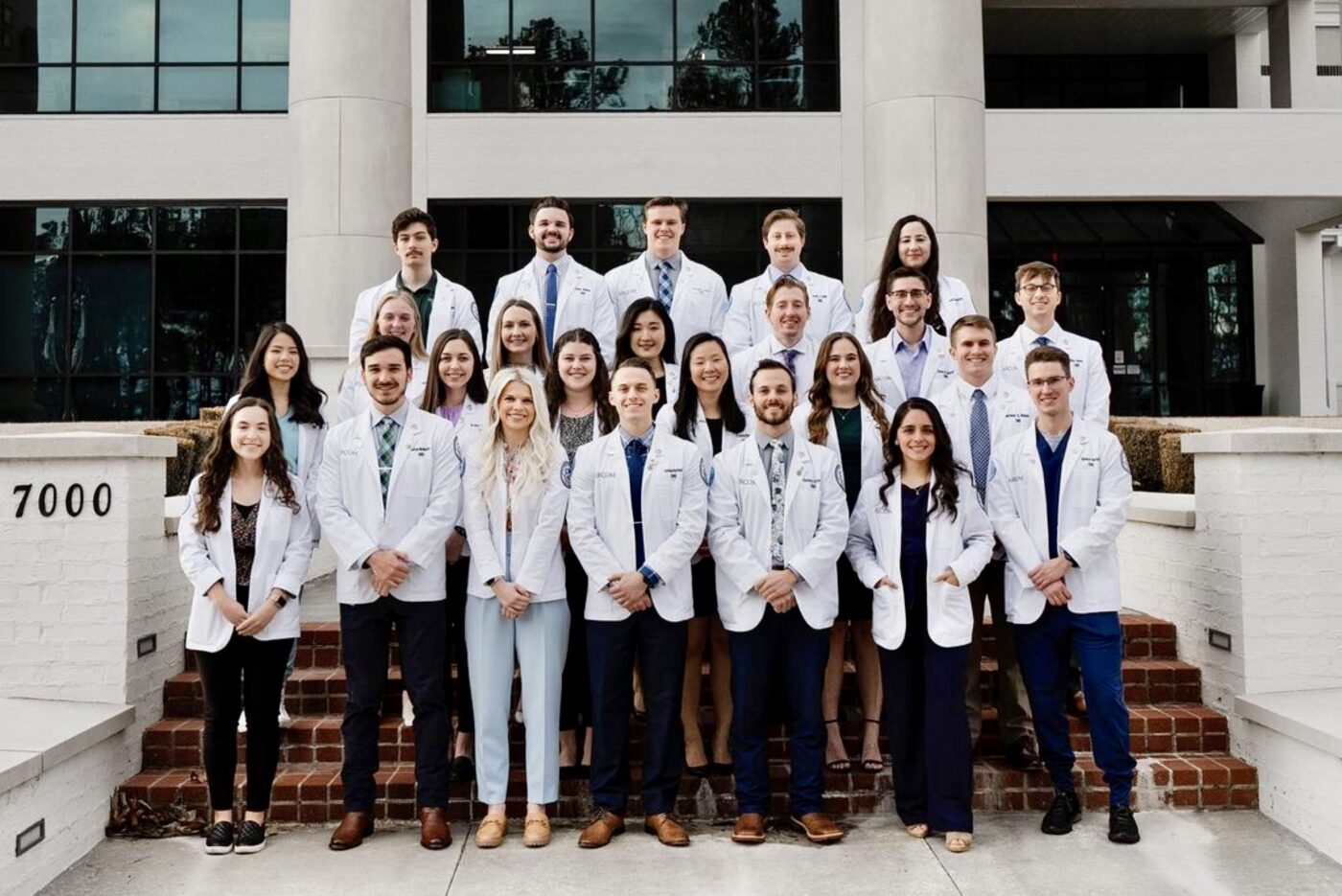
ARCOM’s Secondary Application for the 2026-2027 Cycle
ARCOM uses a secondary application, but only for selected applicants. After AACOMAS verifies your application, ARCOM reviews it and decides whether to send you a secondary invitation. The key facts for 2026-2027:
- Who receives it: screened applicants ARCOM considers best suited to its mission, values and goals.
- Fee: none. There is no fee to submit ARCOM’s secondary.
- Dates: secondary submissions open June 15, 2026, and the final deadline is April 30, 2027.
- Time limit: each invitation expires after 30 days.
- What comes next: you must submit the secondary, sign ARCOM’s technical standards and have all required letters on file before ARCOM will invite you to interview.
ARCOM does not post its secondary questions publicly. The 2026-2027 questions appear in your invitation, so answer that exact wording. To help you prepare, ARCOM’s 2025-2026 questions appear word for word in the practice section, each with an original example response and analysis. ARCOM’s essay themes have stayed consistent since at least the 2022-2023 cycle: its mission, the challenges of a career in medicine, working with people from different backgrounds, study habits and a book or film that shaped your view of the world. Preparing for these themes now means you can respond within days of your invitation.
How to Prepare for Secondary Essays
Every application is different, and schools change their secondary questions from year to year. You can still prepare by getting familiar with common themes:
- Why do you want to be an osteopathic physician?
- Why do you want to attend this school?
- Describe a challenge you faced and how you overcame it.
- How will you contribute to the class, and why does a range of backgrounds matter in medicine?
Start by listing the experiences you can draw on: your strongest clinical moments, long-term service, leadership roles, setbacks and the moments that confirmed your choice of medicine. Then map those experiences to each ARCOM theme so that, together, your answers cover academics, clinical work, service and personal growth without repeating the same story.
Next, note the parts of ARCOM that genuinely connect to your goals. For ARCOM, that might be the required underserved rotation, the RAM clinic run by students, the helix curriculum and its OMM training, ARCOM’s five core regions or its international medicine partnerships. Do not simply restate the website. Use what you know to choose which parts of your story to tell.
The admissions committee will be looking for evidence of:
- Academic ability
- Knowledge of and commitment to osteopathic medicine
- Service to the community
- Professionalism
- Communication skills
- Personal integrity
When you write, answer every part of the question, be concise, write in your own voice and proofread carefully. ARCOM listed no length limits for its 2025-2026 questions. A focused answer of roughly 150 to 350 words is usually enough for a long-response question, and a short list is enough for the experience updates. If your 2026-2027 portal shows a limit, follow it exactly.
ARCOM Requirements to Settle Before You Submit
Three ARCOM requirements shape what you can write and how fast your file moves. Here is ARCOM’s own wording for each, with a worked plan.
Requirement 1: The physician letter
“Letter of recommendation from a physician whom you have worked with in a healthcare field. A letter from a DO is preferred, but one from an MD will also be accepted. This letter should not be written by a friend or family member.”
What it means. You need one letter from a physician who has supervised or worked with you in a clinical setting. A DO is preferred. A family friend or relative does not count.
Illustrative example, not an actual applicant essay (worked plan)
Physician letter plan: In March, ask Dr. Patel, the DO I shadowed in person for 60 hours at a rural health clinic over the past year, whether she can write a strong letter. Give her my CV, a one-page summary of the patients and procedures I saw during my shadowing days, and the ARCOM requirement wording. Ask her to upload through AACOMAS or Interfolio by June 1. Backup: Dr. Nguyen, the MD who supervised my scribe shifts in the emergency department, in case Dr. Patel cannot write in time. Do not ask my uncle, who is a physician but has never supervised me.
Why it works. The plan names a DO who has actually seen the applicant in a healthcare setting, sets a deadline that keeps the file complete for early interview days and keeps an MD as a backup that ARCOM also accepts. It also avoids a family member, which ARCOM rules out.
Requirement 2: The academic letters
“Letter of Recommendation(s) from either a Pre-Medical/Professional Advisory Committee or two letters from natural science professors who are familiar with the academic work of the applicant.”
What it means. Choose one route: a committee letter from your school’s pre-health committee, or two letters from natural science professors who know your work. If a committee letter would delay your application, ARCOM highly encourages the two-professor route.
Illustrative example, not an actual applicant essay (worked plan)
Academic letter plan: My college’s committee letter is not released until August. Because ARCOM offers seats after each interview day starting in August, I will use two science faculty letters instead. Letter 1: Dr. Owens, my biochemistry professor, who knows my lab work and my A in his upper-level course. Letter 2: Dr. Ramirez, my physiology professor, who supervised my research poster. Request both in April and confirm both are uploaded by early June, so the file is complete when my secondary goes in.
Why it works. It follows ARCOM’s stated advice to use two science faculty letters when a committee letter would delay the file, picks professors who taught upper-division science (which ARCOM faculty scrutinize) and times the letters to the rolling schedule.
Requirement 3: Shadowing and volunteering
“While there is no minimum number of volunteer or shadowing hours required, it is highly encouraged that all applicants take part in both in order to show a well-rounded application and commitment to service.”
What it means. There is no hour minimum, but ARCOM expects both shadowing and volunteering. ARCOM accepts only in-person shadowing.
Illustrative example, not an actual applicant essay (worked plan)
Experience plan for the year before applying: Shadow in person with a DO in family medicine (one clinic day every other week, about 50 hours) and spend two days with a hospitalist. Keep volunteering weekly at the county free clinic, where I check in patients and take vitals under the nurse’s supervision, and add one Saturday a month at a community health fair. Log every shift with dates, hours and one patient interaction to describe later. Report any new activities in the secondary’s update section.
Why it works. The plan covers both parts of ARCOM’s expectation, uses in-person shadowing with a DO, shows steady service over time and builds a log that makes the secondary update questions easy to answer accurately.
Practice with Last Cycle’s Prompts (2025-2026)
These are ARCOM’s 2025-2026 secondary questions, word for word. ARCOM grouped them as two primary application updates and a set of long-response questions, with no length requirements listed. Each example is original and illustrative. Use them to see how an answer can address every part of a question, not as text to copy.
Primary Application Update 1: Volunteer, Community Service and Mission Experiences
“List any significant volunteer, community service and/or mission experiences you have had since submitting your AACOMAS application. Provide the organization name, hours/week, duration of experience, as well as a brief description of your experience.”
What it asks. This is an update, not an essay. ARCOM wants significant service you have done since you submitted AACOMAS, with four details for each: organization, hours per week, duration and a short description. (In earlier cycles, ARCOM asked for service “not listed on your AACOMAS application,” so read your year’s wording carefully.)
How to approach it. List only new or continuing activities with real substance. Use a consistent format so readers can scan it. One or two sentences of description is enough; focus on what you did and who you served.
Illustrative example, not an actual applicant essay
Habitat for Humanity of Greater Los Angeles, construction volunteer. 15 hours/week, June 2026 to present (5 months). I continued the build-site role described in my AACOMAS application and now help train new volunteers on safety, read blueprints with the site supervisor and meet the families who will live in the homes. This work has shown me how stable housing affects health.
Remote Area Medical (RAM) pop-up clinic, Los Angeles, patient flow volunteer. 12 hours total, September 2026 (one weekend). I guided patients from registration to dental, vision and medical stations and helped Spanish-speaking patients complete intake forms.
Why this example works. It gives every detail the prompt asks for, separates a continuing activity from a new one, and shows growth in responsibility. The RAM clinic entry connects naturally to the RAM clinic ARCOM students run in Fort Smith without overstating it.
Mistakes to avoid. Repeating your AACOMAS entries word for word, padding the list with one-time events, or writing a narrative essay where a short update is expected.
Primary Application Update 2: Healthcare Experiences
“Please tell us about any healthcare experiences you have had that are not listed on your AACOMAS application. Provide organization name, hours/week, duration of experience, and a brief description of your duties.”
What it asks. Clinical experience missing from AACOMAS, with organization, hours per week, duration and your duties.
How to approach it. Describe duties precisely. If you worked under supervision, say so. Avoid inflating your role.
Illustrative example, not an actual applicant essay
Grady Memorial Hospital, Atlanta, Georgia, pediatric unit intern. 20 hours/week, July 2025 to June 2026 (12 months). I helped with patient intake, took and recorded vital signs, performed point-of-care glucose checks under nurse supervision, restocked rooms and joined morning rounds as an observer on the team. I also helped families find interpreters and social work resources before discharge.
Family medicine clinic, rural Georgia, in-person shadowing with a DO. 8 hours/week, August to October 2026 (3 months). I shadowed Dr. Ellis in clinic visits and watched her use osteopathic manipulative treatment for low back pain and tension headaches.
Why this example works. It answers every part of the prompt, states which tasks were done under supervision, and adds in-person DO shadowing, which matters at a school that accepts only in-person shadowing and prefers a DO letter.
Mistakes to avoid. Claiming procedures you could not have performed, leaving out hours or dates, or listing experiences already on AACOMAS.
Long Response 1: The ARCOM Mission
“How do you plan to fulfill the ARCOM Mission in your practice as a physician?”
What it asks. ARCOM wants to see that you know its mission (compassionate, patient-centered osteopathic care, ethical and social principles, lifelong learning and service to the underserved) and that you have a realistic plan to live it out.
How to approach it. Pick two or three parts of the mission and tie each to something you have already done and something you plan to do. Be specific about the kind of practice and community you have in mind.
Illustrative example, not an actual applicant essay
I plan to fulfill ARCOM’s mission by practicing primary care in a community where patients have too few doctors and too many barriers to reaching them. My service so far has taught me that health starts long before a clinic visit. On a Habitat for Humanity build site, I met a grandmother whose asthma attacks had sent her granddaughter to the emergency room every winter. Mold in their old apartment was part of the problem. A new home did more for that child’s breathing than another inhaler prescription.
As a physician, I want to treat the person in front of me and the conditions around them. In practice, that means asking about housing, food and transportation as routinely as I ask about medications, and building relationships with local agencies so I can connect patients to help. It also means using what osteopathic medicine teaches about the body as a unit. I watched a DO in rural Georgia treat a farmer’s chronic back pain with manipulation and a simple home program, which let him keep working without daily pain medicine.
ARCOM’s required month-long rotation in an underserved setting and its student-run RAM clinic are where I would start building these habits. Lifelong learning is the other part of the mission I take seriously. Rural physicians often practice far from specialists, so they need to keep their skills current. I want to be the kind of doctor who stays in one community long enough to know its families, keeps learning to meet their needs, and teaches students who will come after me.
Why this example works. It quotes no slogans but addresses four parts of the mission: compassion and patient-centered care (the asthma story), osteopathic principles (the OMM example), service to the underserved (primary care where doctors are scarce) and lifelong learning. It names two verified ARCOM programs and links them to the applicant’s past, which shows fit rather than flattery.
Mistakes to avoid. Copying the mission statement back, making promises without evidence from your past, or ignoring the osteopathic part of the mission.
Long Response 2: Challenges in the Next 10 Years
“What challenges do you expect to personally face most in the next 10 years as a healthcare professional?”
What it asks. Note the word “personally.” ARCOM wants challenges you expect to face yourself, not only problems in the healthcare system. The time frame covers medical school, residency and early practice.
How to approach it. Choose one or two honest, specific challenges. Show self-awareness. Save solutions for the next question, which asks how you will overcome them.
Illustrative example, not an actual applicant essay
The challenge I expect to face most is keeping pace with how fast medicine is changing while making sure my patients do not get left behind. Telemedicine, new diagnostic tools and personalized therapies will reshape practice over the next decade. In a rural or low-income community, though, many patients have weak internet service, limited transportation and little money for new treatments. I will need to learn these tools well and also judge when they help and when they widen gaps.
A second, more personal challenge is my own tendency to take on too much. In college, I worked 20 hours a week at Grady Memorial while volunteering and taking a full course load. I did well, but I learned that I do not always notice when I am running low until I am exhausted. Medical school, board exams and residency will test that habit far more than college did, and burnout would hurt my patients as well as me.
Why this example works. It answers the “personally” part directly with a self-aware weakness, adds a realistic professional challenge tied to underserved care, and sets up the follow-up question without solving everything at once.
Mistakes to avoid. Naming only broad system problems, choosing a fake weakness, or drifting into a long essay on health policy.
Long Response 3: Overcoming Those Challenges
“How do you expect to overcome these challenges?”
What it asks. Concrete strategies for the challenges you named. The best answers show you have already started using them.
How to approach it. Match each challenge with one or two actions, and point to evidence that those actions work for you. Mention ARCOM resources where they genuinely fit.
Illustrative example, not an actual applicant essay
To keep pace with new tools without leaving patients behind, I plan to stay a student for life and keep asking who a new tool serves. In practice, I will read evidence reviews, attend continuing education and test new approaches with the patients they fit. At Grady, I saw a care team switch a family to phone check-ins when video visits failed on their prepaid phone. I want that kind of flexibility. I also plan to join organizations that advocate for broadband access and fair coverage in rural areas, since many barriers are bigger than one clinic.
For my habit of overcommitting, I have already started making changes. Last year, I began scheduling my week on Sunday nights, including sleep and exercise, and I dropped one activity that I was doing only for my resume. My grades improved and I enjoyed the work I kept. In medical school, I plan to treat class days like a full-time job, study during set hours and protect evenings for rest. I will also use the support ARCOM offers early, including its on-site wellness counselor, rather than waiting until I am struggling.
Why this example works. Each challenge gets a matching plan, and each plan has evidence from the applicant’s past. It mentions an ARCOM resource the school actually offers, the on-site wellness counselor, in a way that sounds practical rather than flattering.
Mistakes to avoid. Vague promises such as “I will work hard,” solutions that do not match the challenges you named, or claiming you will never struggle.
Long Response 4: An Experience with Someone from a Different Background
“Describe an experience where you interacted with a person or people from a different background than you (ability, religion, gender, race, age, socioeconomic status, citizenship/ nationality, sexual orientation).”
What it asks. A specific interaction with someone whose background differs from yours. The list in parentheses shows the range ARCOM has in mind. The next question asks how the interaction changed your view of a physician’s role, so focus here on the experience itself.
How to approach it. Choose one person or family and one or two moments. Describe what you noticed, what you misunderstood at first and what you did. Treat the other person with respect and avoid stereotypes.
Illustrative example, not an actual applicant essay
At Grady Memorial, I met Aisha, a nine-year-old from a Somali refugee family, during her admission for a severe asthma attack. Her mother spoke little English, and her father worked night shifts, so Aisha often interpreted for her own family. Over several visits that year, I became something like a mentor to her. I helped her with homework in the playroom while her mother met with the care team.
Early on, I assumed her parents’ hesitation about some treatments came from a lack of information. When a nurse arranged a Somali interpreter for a longer conversation, I learned more. Her mother worried that steroid inhalers would harm Aisha’s growth, a concern shared by others in their community, and she was uncomfortable having a child translate private medical questions. The family’s religious practices also shaped when Aisha could take medicine during Ramadan.
The care team adjusted the plan. A trained interpreter joined every visit, the physician explained the inhaler’s risks and benefits plainly, and the team worked with the family on a medication schedule that respected their fasting. Aisha’s mother began asking questions directly instead of through her daughter, and Aisha missed fewer school days that spring.
Why this example works. It describes one specific relationship, shows the applicant’s own wrong assumption and how it changed, and gives concrete details about culture, religion, language and age without stereotyping. It stays on the experience and leaves the reflection for the next question.
Mistakes to avoid. Making the other person a prop for your own growth, relying on generalizations about a group, or describing a background difference without any real interaction.
Long Response 5: How the Interaction Shaped Your View of a Physician’s Role
“How did that interaction impact your mindset of the role of a physician?”
What it asks. Reflection. What did the experience change in how you see a physician’s job?
How to approach it. State the shift clearly, then show how you will act on it. Tie it to patient-centered osteopathic care where it fits.
Illustrative example, not an actual applicant essay
Before I met Aisha’s family, I thought a physician’s main job was to make the right diagnosis and explain the right treatment. Her family showed me that a correct plan fails if the patient cannot trust it, understand it or fit it into their life. The turning point was not a new medicine. It was a trained interpreter, a physician who took time to answer a mother’s fears, and a schedule that respected the family’s faith.
I now see the physician as a partner and, at times, a cultural bridge. That means asking what patients believe about their illness, never using a child as an interpreter for serious conversations, and adjusting care to a patient’s values when it is safe to do so. These ideas fit the osteopathic view of treating the whole person, which includes family, culture and community. At ARCOM, I would want to practice these skills with standardized patients in the clinical skills center and then in the underserved rotation, where many patients will have backgrounds different from mine.
Why this example works. It names a clear before-and-after change, lists specific behaviors the applicant will carry forward and connects the lesson to osteopathic principles and to verified ARCOM training settings.
Mistakes to avoid. Restating the story instead of reflecting, or offering a general statement such as “it taught me empathy” without saying how your practice will change.
Long Response 6: Study Habits in a Difficult Science Class
“If you are in a difficult basic science class and feel you are not fully grasping the information given in lecture, how would you alter your study habits or techniques to better understand the material and complete the course successfully?”
What it asks. Your plan for academic trouble. ARCOM wants to know you can recognize when you are falling behind and change course, which matters in a fast-paced medical curriculum.
How to approach it. Describe steps in order, from noticing the problem to fixing it. Use evidence from a time you did this. Show you will seek help early.
Illustrative example, not an actual applicant essay
I would act as soon as I noticed I was not following lecture, not after the first exam. My first step would be to find out exactly what I am missing. I would work practice questions on the material right away and sort my mistakes into gaps in basic knowledge, misunderstood concepts and test-taking errors.
Next, I would change how I study instead of simply studying more. I would preview lecture slides before class, rewrite each lecture into a one-page concept map after class and use spaced flashcards for details. For mechanisms, such as signaling pathways, I would draw them from memory and check them against the notes.
I would also use people. I would go to the professor’s office hours with specific questions, join or form a small study group where we teach each other, and ask for a tutor if I were still behind. When I struggled in physiology during my sophomore year, these steps raised my grade from a C on the first exam to an A in the course.
ARCOM’s helix curriculum returns to topics again and again, so a weak foundation would keep catching up with me. Its small-group and team-based learning sessions and near-peer teaching would be natural places to test my understanding early. I would rather ask for help in week two than try to recover in week ten.
Why this example works. It gives a clear sequence of steps, uses active study methods rather than rereading, shows a willingness to ask for help and offers proof from the applicant’s own record. It also shows an understanding of how ARCOM’s helix curriculum works.
Mistakes to avoid. Answering only “I would study harder,” avoiding any mention of asking for help, or claiming you have never struggled.
Long Response 7 and Follow-Up: A Book or Movie
“What is a recent book or movie you’ve read or watched that impacted the way you think about today’s world?”
“Please explain how this book impacted the way you think about today’s world.”
What it asks. Name one recent book or movie, then explain how it changed your thinking about the world today. The first part needs only a title. The second part is the essay.
How to approach it. Choose something you actually read or watched and can discuss in an interview. It does not have to be about medicine, but you should be able to connect it to the kind of physician you want to be.
Illustrative example, not an actual applicant essay
Book: Medical Apartheid by Harriet A. Washington.
Medical Apartheid made me far more aware of how medicine’s history still shapes trust today. Washington documents centuries of experimentation on Black Americans without consent, from enslaved people used in surgical trials to the decades of the Tuskegee syphilis study. Before reading it, I knew some of these names but thought of them as distant history.
The book changed how I understand present-day hesitancy. When a patient refuses a vaccine or distrusts a hospital, I no longer assume they are simply uninformed. Distrust can be a reasonable response to a real history, and it is earned back slowly, through honesty and consistency.
It also made me think about consent and research. Today’s protections exist because people were harmed, and those rules matter most for patients with the least power, including people who are poor, uninsured or living in rural areas. As a future physician, I want to explain treatments and research honestly, make sure patients truly understand what they agree to and work to earn trust in communities that have reasons to doubt the system. That goal fits the ethical and social principles ARCOM’s mission asks its physicians to uphold.
Why this example works. It answers both parts: the title, then a clear explanation of how the book changed the applicant’s view of today’s world. It connects the book to trust, consent and care for underserved patients, and links that to the ethical principles in ARCOM’s mission.
Mistakes to avoid. Choosing a book you have not read closely, summarizing the plot without reflecting, or picking a title only because it sounds impressive.
An Earlier ARCOM Question: How Did You Hear About ARCOM?
ARCOM’s 2022-2023 and 2023-2024 secondaries also asked:
“How did you hear about ARCOM?”
What it asks. A short factual answer. It also gives you a chance to show genuine interest.
Illustrative example, not an actual applicant essay
I first learned about ARCOM from an admissions recruiter at a pre-health fair at UCLA. Its focus on community-based training and its mission to serve underserved populations stood out right away. I then joined a virtual information session and read about the required underserved rotation, which matched what I hope to do as a physician.
Why this example works. It answers the question in one sentence, then adds two specific reasons for interest without turning a short answer into an essay. If this question returns in your secondary, answer it just as briefly.
Interview Format and Preparation
Interview Format
ARCOM interviews are by invitation only and in person only. You will be invited only after ARCOM has your secondary application, your signed technical standards and all required letters. For the 2026-2027 cycle, interviews start in late July or early August and run through April or early May.
The interview itself is a 30-minute conversation with two interviewers: one faculty member and one community representative. The rest of the day introduces you to the school. You will hear about campus life, the preclinical and clinical curriculum and ARCOM’s medical outreach programs, tour the campus, have lunch with current students and spend time with administration. Decisions usually come within three weeks.
What Is Confirmed and What Is General Advice
The format, length, interviewer types, in-person requirement and interview-day schedule are confirmed by ARCOM. ARCOM does not publish its interview questions or a scoring rubric. The preparation advice that follows is general guidance based on ARCOM’s mission and format, not inside knowledge of how interviewers score.
How to Prepare
- Know your application cold. A conversational interview often starts from your AACOMAS application and secondary. Be ready to expand on any activity you listed, especially service and clinical work.
- Prepare for a community member. A community representative may care less about your MCAT and more about how you treat people, why you want to serve and whether you would stay in a community like Fort Smith. Practice explaining medicine and your goals in plain language.
- Show what you know about osteopathic medicine. Be ready to explain what draws you to the DO approach, what you have seen of OMM and how whole-person care fits your goals.
- Connect to the mission. Expect to discuss service to the underserved. Have one or two stories ready that show sustained service, not a single event.
- Prepare for the technical standards. ARCOM requires participation in hands-on OMM labs as both examiner and patient. You signed the document before the interview, so be comfortable discussing it.
- Use lunch and the tour well. Ask current students about core region assignments, the helix curriculum, board preparation, housing and life in Fort Smith. These conversations help you decide whether ARCOM fits you.
- Practice out loud. Mock interviews help you sound natural, not scripted. Our Medical School Admissions Consulting includes interview preparation.
Practice Questions
These practice questions are built from ARCOM’s mission, secondary themes and format. They are not official ARCOM interview questions:
- Why do you want to become an osteopathic physician rather than an MD?
- How do you plan to fulfill ARCOM’s mission to serve the underserved?
- Tell me about a time you worked with someone whose background was very different from yours.
- What do you know about Fort Smith and the River Valley?
- ARCOM’s third-year students train in core regions across five states. How would you handle moving to a new community for clinical training?
- What challenges do you expect to face in medical school, and how will you handle them?
- Describe a time you struggled academically. What did you change?
- What does a physician owe a community, beyond treating individual patients?
- If you were assigned to a rural clinic with few specialists nearby, how would you prepare?
- What questions do you have for us?
After the Interview
ARCOM operates on a rolling admissions process and offers seats after each interview date. If you are accepted, your deposit deadline follows the AACOMAS traffic guidelines. If you are waitlisted, send meaningful updates, such as new clinical work, grades or awards, and remember that most waitlist movement happens in April and May.
Frequently Asked Questions
What does ARCOM stand for?
ARCOM stands for the Arkansas College of Osteopathic Medicine, a private, nonprofit DO school in Fort Smith, Arkansas. It is part of the Arkansas Colleges of Health Education (ACHE) and was the first program ACHE developed. ARCOM opened with its first class in 2017 and graduated its first physicians in 2021. Its graduates earn the Doctor of Osteopathic Medicine (DO) degree, which leads to the same residency programs and full medical licensure as the MD.
What is the acceptance rate at Arkansas College of Osteopathic Medicine?
ARCOM does not publish its number of offers, so there is no verified acceptance rate. For the class that entered in 2026, ARCOM received more than 6,700 applications, planned to interview about 700 applicants and expected to fill 162 seats. That means about 1 in 10 applicants received an interview. Because ARCOM screens applicants before sending secondaries, the most important step is a strong, early AACOMAS application that shows mission fit.
Is ARCOM a good medical school?
ARCOM has several strong markers. In April 2025, COCA granted it Accreditation with Exceptional Outcome, the highest status COCA awards, for 10 years. In AY2025-2026, its first-time COMLEX Level 2 CE pass rate was 93.43%, above the national rate of 92.48%, and its Level 1 rate was 89.40% against a national 90.19%. ARCOM has graduated six classes into residencies across a range of specialties. Whether it is good for you depends on fit: it is best for applicants who want hands-on, community-based training and a focus on underserved care.
What do students and graduates say about ARCOM?
Applicants searching for ARCOM reviews usually want to know about teaching, support and outcomes. The verifiable picture is early simulation training, a required underserved rotation, student-led service such as the RAM clinic, more than 30 student organizations and published board pass rates and residency placements. Graduates have gone on to residencies such as the Choctaw Nation Family Medicine Residency and UAMS North Central in Batesville. Ask current students about their experience during lunch on interview day.
What GPA and MCAT do I need for ARCOM?
There are no minimums. Most competitive applicants have an overall GPA above 3.5, a science GPA above 3.4 and an MCAT of 500 or higher, and it may consider students below those averages. The mean MCAT is 498.7 and the average GPA is 3.56. Your MCAT must be from May 2023 or later, and the latest score accepted for the 2026-2027 cycle is from March 16, 2027.
How big is ARCOM’s class?
ARCOM’s stated class size is 150 students per year, taught in a cohort model. Recent matriculating cohorts have ranged from 147 to 162, with 161 students in the 2026-2027 cohort. The school is designed for classes of up to 250, so class size may grow in future years.
What are ARCOM’s prerequisites?
You need 8 semester hours each of biological sciences with lab, inorganic chemistry with lab, organic chemistry with lab and physics with lab; 3 hours of biochemistry; 4 hours of additional science electives; and 6 hours of English composition and literature. Each course needs a 2.0 or better from a U.S. regionally accredited school, and foreign coursework does not count. You also need at least 90 credit hours overall.
Does ARCOM have a secondary application?
Yes. ARCOM sends secondary applications only to selected applicants after their AACOMAS application is verified and reviewed. There is no fee. For 2026-2027, secondaries open June 15, 2026, the deadline is April 30, 2027, and each invitation expires after 30 days. ARCOM’s recent questions cover its mission, challenges you expect to face, working with people from different backgrounds, study habits and a book or movie that shaped your thinking.
When is the ARCOM application deadline?
For the 2026-2027 cycle, AACOMAS opened May 4, 2026, ARCOM’s primary application deadline is April 16, 2027, and the secondary deadline is April 30, 2027. Because ARCOM admits on a rolling basis starting in August, applying in early summer gives you the best chance. Classes for the entering class begin with orientation on July 12, 2027.
What letters of recommendation does ARCOM require?
You need a letter from a physician you have worked with in a healthcare setting (a DO is preferred, an MD is accepted, and it cannot be from a friend or family member) and either a pre-medical committee letter or two letters from natural science professors. If a committee letter would delay your application, ARCOM encourages the two-professor option. Additional letters are welcome.
Does ARCOM require shadowing or clinical hours?
ARCOM has no minimum number of shadowing or volunteer hours, but it highly encourages both, and only in-person shadowing counts. Aim for steady clinical exposure over time, including shadowing a DO. Hands-on roles such as scribing, EMT work or a supervised clinical internship give you patient stories to share in your secondary and interview.
Does ARCOM accept international students or DACA recipients?
No. Applicants must be U.S. citizens or permanent residents. ARCOM does not accept international students, and DACA recipients are not considered. In addition, at least 90 credit hours, including all prerequisites, must come from a college or university accredited by an agency recognized by the U.S. Department of Education.
How much does ARCOM cost?
First-year tuition is $60,500 for 2026-2027 and $62,150 for 2027-2028, the same for in-state and out-of-state students, plus a one-time $665 diagnostic kit fee. The 2026-2027 first-year cost of attendance is $91,187 on campus and $91,987 off campus, including $4,322 in health insurance. Across four years, the 2026-2027 budgets total about $378,000 on campus. Average graduate indebtedness is $239,045.
Does ARCOM offer scholarships?
Yes. About 95% of ARCOM students receive financial aid, and the average scholarship or grant is $8,247 per student per year. ARCOM’s Adopt-A-Scholar program offers donor-funded recruitment scholarships, including a need-based $25,000-per-year award for an entering student from ACHE’s nine-state service area. Ask the ACHE Office of Financial Aid about institutional and outside scholarships.
What is the interview like?
Interviews are in person only. You meet for about 30 minutes with one faculty member and one community representative. The day also includes presentations on campus life, the curriculum and outreach programs, a campus tour, lunch with current students and time with administration. Interviews run from late July or early August through April or early May, and decisions usually arrive within three weeks.
Is there a path into ARCOM through a master’s program?
Yes. ACHE’s one-year Master of Science in Biomedicine has a linkage with ARCOM. MSB students who earn at least a 3.2 GPA in the fall, finish with at least a 3.0 cumulative GPA, stay in good standing and meet ARCOM’s other requirements receive guaranteed acceptance. MSB graduates with a 3.0 cumulative GPA receive a guaranteed interview, and linkage applicants do not need to retake the MCAT.
Where do ARCOM students do clinical rotations?
Third-year students train in one of five core regions: River Valley (Fort Smith), Northwest, Southwest, Central and Northeast, with partner hospitals in Arkansas, Oklahoma, Texas, Louisiana and Missouri. They may do up to two rotations outside their region. Fourth-year students complete emergency medicine and nine electives at any site with an affiliation agreement, and every student completes a month-long rural or underserved rotation.
Does ARCOM have on-campus housing?
Yes. Apartments next to the ARCOM building offer studio, one-bedroom and two-bedroom options with a pool, fitness center, study rooms and 24-hour campus police. Utilities and maintenance are included, and families are welcome as space allows. Townhouses are a short walk from the academic buildings.
Can I transfer into ARCOM?
Only in rare cases. Transfer applicants must come from an LCME- or AOA-accredited medical school, be in good standing and passing all courses, and provide a dean’s letter and a written statement. They must complete at least the last two years at ARCOM. The transfer deadline is April 15.
Does ARCOM accept pass/fail or online prerequisites?
Only in certain circumstances. ARCOM prefers letter grades and in-person science courses and labs, but it may approve online courses, online labs and pandemic-era pass/fail grades case by case. Contact the admissions office before you apply if any of your prerequisites fall into these categories.
Related Medical School Guides
If ARCOM is on your list, these guides cover schools with a related location, degree or mission:
- NYIT College of Osteopathic Medicine: Arkansas’s other osteopathic option, since NYITCOM runs a campus at Arkansas State University in Jonesboro.
- Oklahoma State University College of Osteopathic Medicine: a public DO school next door in Oklahoma with a strong rural mission, a natural comparison for applicants from the region ARCOM serves.
- University of the Incarnate Word School of Osteopathic Medicine (UIWSOM): a South Central DO school in San Antonio, Texas, for applicants interested in serving underserved communities in the region.
- Edward Via College of Osteopathic Medicine (VCOM): a private DO school with campuses across the South and a similar focus on rural and medically underserved areas.
- Philadelphia College of Osteopathic Medicine (PCOM): one of the largest and oldest DO schools, with campuses in Pennsylvania and Georgia, useful for comparing an established program with a newer one.
- Meritus School of Osteopathic Medicine: a newer DO school, helpful for applicants weighing young programs with community-focused missions.
For every medical school in the state, see our guide to medical schools in Arkansas.
Comparing Arkansas’s Medical Schools
The University of Arkansas for Medical Sciences (UAMS) College of Medicine in Little Rock is the state’s public MD school, known for its academic programs and clinical training, with partners that include Arkansas Children’s Hospital and the Central Arkansas Veterans Healthcare System. ARCOM, by contrast, is a private DO school in Fort Smith that emphasizes osteopathic principles and community-based care. It is younger than UAMS, but it holds COCA’s highest accreditation status and trains students in rural and underserved settings across Arkansas and neighboring states.
Assessing Arkansas’s PA Programs
Physician Assistant (PA) programs in Arkansas, such as the program at Harding University, are accredited by the Accreditation Review Commission on Education for the Physician Assistant (ARC-PA), which ensures they meet national standards. Harding is a private, faith-based university, while UAMS is public. ACHE has also launched its own Physician Associate Practice program on the same Fort Smith campus as ARCOM.
Medical Schools Near Me
Medical schools across the country offer different combinations of academic training and clinical experience. If you are building a balanced school list, these guides cover schools in the South, the Southwest and beyond, each with its own opportunities for a career in healthcare.
Other Medical Schools and PA Schools
- Tulane University School of Medicine
- LSU Health New Orleans School of Medicine
- LSU Shreveport Medical School
- Kirk Kerkorian School of Medicine at UNLV
- University of Nevada Reno School of Medicine
- University of Arizona College of Medicine-Tucson
- University of Arizona College of Medicine-Phoenix
- Burrell College of Osteopathic Medicine (BCOM)
- The University of New Mexico School of Medicine
- Alabama College of Osteopathic Medicine (ACOM)
- University of South Alabama College of Medicine
- University of Alabama School of Medicine
- FIU College of Medicine
- UCF College of Medicine
- USF Morsani College of Medicine
- Florida State University College of Medicine
- Morehouse School of Medicine
- Medical College of Georgia at Augusta University
- Mercer University School of Medicine (MUSM)
- Campbell University School of Osteopathic Medicine (CUSOM)
- ECU Brody School of Medicine
- Edward Via College of Osteopathic Medicine (VCOM)
- University of South Carolina Medical School
- Lewis Katz School of Medicine at Temple University
- Philadelphia College of Osteopathic Medicine (PCOM)
- Geisinger Commonwealth School of Medicine (GCSOM)
- Penn State Medical School
- CUNY School of Medicine
- SUNY Downstate Medical School
- NYIT College of Osteopathic Medicine
- NYU Long Island School of Medicine
- Albany Medical College
- TOURO College of Osteopathic Medicine
- Norton College of Medicine at Upstate Medical University
- Jacobs School of Medicine at the University at Buffalo
- Hofstra Zucker School of Medicine
- Weill Medical College of Cornell University
- University of Rochester Medical School
- Icahn School of Medicine at Mount Sinai
- Renaissance School of Medicine at Stony Brook University
- Albert Einstein College of Medicine
- Ohio University Heritage College of Osteopathic Medicine
- Northeast Ohio Medical University (NEOMED)
- University of Cincinnati College of Medicine
- University of Toledo College of Medicine
- Wright State University Boonshoft School of Medicine
- Ohio State University College of Medicine
- Rowan University School of Osteopathic Medicine
- Hackensack Meridian School of Medicine (HMSOM)
- Rutgers New Jersey Medical School (NJMS)
- Rutgers Robert Wood Johnson Medical School
- Cooper Medical School of Rowan University (CMSRU)
- A.T. Still University Kirksville College of Osteopathic Medicine
- Saint Louis University School of Medicine
- University of Missouri Medical School
- Kansas City University (KCU)
- UMKC School of Medicine
- New York Medical College
- University of Pittsburgh School of Medicine
- University of Wisconsin Medical School
- VCU School of Medicine
- University of Maryland School of Medicine
- Case Western Medical School
- University of North Carolina Medical School
- University of Florida Medical School
- Emory University School of Medicine
- Boston University College of Medicine
- California University of Science and Medicine
- UC San Diego Medical School
- California Northstate University College of Medicine
- Touro University of California
- CHSU College of Osteopathic Medicine
- UC Davis School of Medicine
- Harvard Medical School
- UC Riverside School of Medicine
- USC Keck School of Medicine
- UT Southwestern Medical School
- Long School of Medicine at UT Health San Antonio
- University of the Incarnate Word School of Osteopathic Medicine
- UT Austin’s Dell Medical School
- UTMB School of Medicine
- McGovern Medical School at UT Health
- Johns Hopkins School of Medicine
- The University of Texas Rio Grande Valley School of Medicine
- UNT Texas College of Osteopathic Medicine
- University of Houston College of Medicine
- Texas A&M College of Medicine
- Baylor College of Medicine
- George Washington University School of Medicine
- Vanderbilt University School of Medicine
- St. George’s University School of Medicine
- Lake Erie College of Osteopathic Medicine (in Pennsylvania)
- Sidney Kimmel Medical College at Thomas Jefferson University
- Wake Forest University School of Medicine
- Western University of Health Sciences (in California)
- Drexel University College of Medicine
- Stritch School of Medicine at Loyola University Chicago
- Georgetown University School of Medicine
- Yale School of Medicine
- Perelman School of Medicine
- UCLA Medical School
- NYU Medical School
- Washington University School of Medicine
- Brown Medical School
How International Medical Aid Can Help
Boost Your Medical Career in Arkansas
Pre-med clinical experience is a crucial part of a competitive medical school application, and it prepares you for the realities of medical school and practice. For ARCOM, where the mission centers on service to the underserved and only in-person shadowing counts, real patient contact matters even more.
We run medical internships abroad in Kenya and other sites for students preparing for careers in medicine. Our pre-health internships place you on clinical teams where you take vitals, do patient intake and triage and help with direct patient care under the supervision of licensed clinicians. Programs include physician shadowing, service-learning and 24/7 mentorship, all while serving some of the most medically underserved communities in the world. Explore our healthcare internships abroad to compare sites and dates.
This kind of experience connects directly to what ARCOM values: hands-on clinical work, service to people with limited access to care and comfort working across cultures. It also gives you specific patient stories for AACOMAS, for ARCOM’s secondary questions about working with people from different backgrounds, and for a conversation with a faculty member and a community representative on interview day. Whether you are applying to DO schools in Arkansas, MD schools elsewhere or PA programs, it builds a stronger understanding of medicine. If you are still choosing between the two physician paths, our guide to DO vs MD explains the major differences.
Admissions Advising
If you want help with your school list, AACOMAS essays, ARCOM’s secondary or interview practice, our Medical School Admissions Consulting offers one-on-one guidance from people who know the process. You can book an appointment with our admissions team or reach out to us at any stage of your journey.
Final Thoughts and Sources
Conclusion and Words of Encouragement
ARCOM offers a clear mission, COCA’s highest accreditation status, early hands-on training, a regional clinical network and a growing set of pathways such as the MSB linkage and the M.A.P. program. To stand out, apply early in the rolling cycle, line up a physician letter (ideally from a DO) and your academic letters before you submit, build sustained in-person shadowing and service, and be ready to explain how you will serve the underserved. Then prepare for a focused 30-minute conversation with a faculty member and a community representative in Fort Smith.
We wish you every success as you pursue your dream of becoming an osteopathic physician, at ARCOM or wherever your path leads.
Sources
Figures and program details were checked on October 29, 2026.
- ARCOM Admissions Requirements (letters, MCAT window, eligibility, holistic review, preference, MSB linkage, prerequisites, admitted students, transfers, Duet and Snapshot): https://arcom.achehealth.edu/admissions/admissions-requirements/
- ARCOM, Apply to ARCOM (application steps, rolling admissions, decisions): https://arcom.achehealth.edu/admissions/apply-to-arcom/
- ARCOM Admissions FAQs (MCAT, substitutions, degree, secondary, interviews, deposit, waitlist): https://arcom.achehealth.edu/admissions-faqs/
- ARCOM Admissions and Contact Admissions (Fort Smith, contacts): https://arcom.achehealth.edu/admissions/
- ARCOM About (mission statement, facility): https://arcom.achehealth.edu/about/
- ARCOM Accreditation (COCA Accreditation with Exceptional Outcome, April 23, 2025; HLC; Arkansas certification): https://arcom.achehealth.edu/about/accreditation/
- ARCOM Academics; OMS Years I and II; OMS Years III and IV; Clinical Rotation Regions (AY 2025-2026): https://arcom.achehealth.edu/academics/
- ARCOM COMLEX Performance and Graduate Outcome Data (pass rates as of August 17, 2026; graduation and retention as of August 18, 2026): https://arcom.achehealth.edu/academics/comlex-past-performance/
- ARCOM Graduate Medical Education (sponsored and affiliated programs): https://arcom.achehealth.edu/graduate-medical-education/
- ARCOM M.A.P. Program: https://arcom.achehealth.edu/map-program/
- ARCOM Technical Standards: https://arcom.achehealth.edu/admissions/technical-standards/
- AACOM Choose DO Explorer, ARCOM profile (2026-2027 cycle dates, supplemental application, interview format, policies, mean MCAT and GPA without cohort label, 2024-2025 enrollment and demographics, tuition, indebtedness, aid): https://www.aacom.org/detail-pages/com/arkansas-college-of-osteopathic-medicine
- ACHE Tuition and Fees (ARCOM 2026-2027 sheet; 2027-2028 sheet revised October 1, 2026): https://achehealth.edu/tuition-fees/
- ACHE Cost of Attendance (2026-2027 DO budget): https://achehealth.edu/cost-of-attendance/
- ACHE Financial Aid: https://achehealth.edu/financial-aid/
- ACHE Center for Clinical Skills Development: https://achehealth.edu/center-for-clinical-skills-development/
- ACHE Affiliation Agreements: https://achehealth.edu/affiliation-agreements/
- ACHE Research (About, Translational Research, Student Research): https://research.achehealth.edu/about/
- ACHE faculty and staff directory profiles (Loyke, Blondin, Brown, Gebhart, DeWitt, Shure, Finley, Lucchesi, Peterson, White, Burns, Yoakum, Rojas Chavez, Sanders): https://achehealth.edu/
- ARCOM news and stories: new dean (May 11, 2026); dean profile (September 1, 2026); ACHE president (June 10, 2026); commencement (June 2, 2026); white coat ceremony (September 26, 2026); RAM clinic (October 27, 2026); COSGP election (April 30, 2026); Adopt-A-Scholar (September 10, 2025 and March 30, 2026); 3D anatomy research (August 20, 2025); Latinos en Medicina camp (June 18, 2025); Student Researcher of the Year (January 10, 2025); alumni stories (May 17, 2024; June 11, 2024; July 2, 2024; June 6, 2025): https://arcom.achehealth.edu/news/
- Talk Business and Politics, “CEO: Fort Smith osteopathy school designed for growth,” January 20, 2026 (applications, interviews, seats, capacity): https://talkbusiness.net/2026/01/ceo-fort-smith-osteopathy-school-designed-for-growth/
- Secondary question wording, 2025-2026 cycle: Med School Insiders secondary prompts database and Admit.org secondary essays, ARCOM pages; “How did you hear about ARCOM?” from the 2022-2023 and 2023-2024 lists.