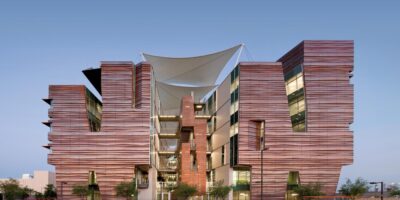
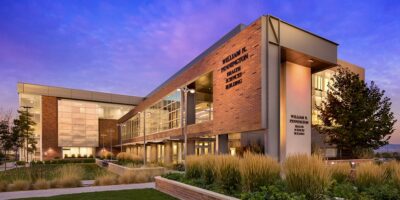
The Kirk Kerkorian School of Medicine at UNLV is the public, MD-granting medical school of the University of Nevada, Las Vegas. It trains students in the Las Vegas Medical District, where its 135,000-square-foot Kirk Kerkorian Medical Education Building opened in 2022. The school was established in 2014, welcomed its charter class in 2017 and graduated its first physicians in 2021. Each class now has 66 seats.
This guide covers the 2026-2027 application cycle, for students who will start medical school in July 2027 as the Class of 2031. The AMCAS deadline for UNLV is October 1, 2026, and the last day to submit a secondary is November 15, 2026. Facts were checked on October 18, 2026.
If you are searching for “medical schools near me” from Las Vegas, Henderson or anywhere in the Mountain West, UNLV deserves a close look. It is also one of the more selective schools you can apply to, because it screens hard for Nevada ties and serves a small class. You will find the school’s mission, curriculum, admissions rules, residency categories, 2026-2027 costs, clinical partners, people to know, every current secondary prompt with a worked example, the virtual interview week and answers to the questions applicants ask most, including “Is UNLV med school hard to get into?” and “What GPA do you need for UNLV medical school?”
Should you have questions about the medical school application process, our admissions advisors at International Medical Aid are here to help.
Key Takeaways
- Nevada ties decide whether you get a secondary. UNLV gives priority to Nevada residents and applicants with significant Nevada ties. Applicants from 12 Western-region states are also considered. Applicants from other states with no qualifying Nevada connection do not advance to the secondary.
- The minimums are firm. You need an MCAT of 499 or higher taken by October 1, plus a cumulative GPA and a BCPM GPA of at least 3.2. Applicants below the GPA floor need at least 30 credit hours of post-bacc or graduate BCPM work at a 3.2 or higher.
- The class profile is well above the minimums. The school reports an average MCAT of 509-510 and an average GPA of 3.6-3.7 per application cycle, with 1,700 to 2,400 AMCAS applications and 280 to 300 interviews for 66 seats. For the 2025 entering class, accepted applicants had a median MCAT of 509 and a median GPA of 3.86.
- Clinical experience means time with a physician. UNLV defines clinical experience as time with a physician who is actively seeing or treating patients, and it wants that experience to be longitudinal. Community service is required too.
- No CASPer, no PREview, no MMI. Interviews are standardized, fully virtual and spread across one interview week.
- Move fast on the secondary. Complete it within 14 days of the invitation. The final deadline is November 15, 2026, and the fee is $75 (waived with AAMC Fee Assistance).
- Costs for 2026-2027: tuition is $32,240 for Nevada residents and $66,866 for non-residents. The first-year cost of attendance is $87,240 in-state and $121,866 out-of-state. Tuition is frozen through 2028-2029.
- Next step: confirm your residency category, make sure three letters (ideally including a physician) will be in AMCAS by October 1, and draft your seven secondary responses before invitations arrive.
Key Statistics About the Kirk Kerkorian School of Medicine at UNLV

UNLV publishes its admissions numbers as ranges “per application cycle” rather than as a single cohort. Treat them as the school’s typical class profile. They are averages, not minimums, and they are not acceptance rates. The medians below describe one cohort, the accepted applicants for the 2025 entering class.
| Item | Figure | Year or cohort and population | Source |
|---|---|---|---|
| School and degree | Kirk Kerkorian School of Medicine at UNLV, MD (four years) | Las Vegas Medical District campus; cohorts start each July | UNLV Prospective Applicants |
| Available seats | 66 | Per application cycle; entering MD class | UNLV admissions snapshot |
| Average MCAT | 509-510 | Per application cycle; school-reported class average | UNLV admissions snapshot; UNLV Admissions FAQ |
| Average GPA | 3.6-3.7 | Per application cycle; school-reported class average | UNLV admissions snapshot |
| Median MCAT | 509 (sections: C/P 127, CARS 127, B/B 128, P/S 128) | 2025 entering class; all accepted applicants | AAMC MSAR, 2026 edition |
| Median GPA | 3.86 | 2025 entering class; accepted applicants | AAMC MSAR, 2026 edition |
| AMCAS applications | 1,700-2,400 | Per application cycle | UNLV admissions snapshot |
| Applicants interviewed | 280-300 (about 300 per year) | Per application cycle | UNLV admissions snapshot; UNLV Interview Days |
| Interviews by residency | 174 in-state, 130 out-of-state, 0 international | Cycle for the 2025 entering class | AAMC MSAR, 2026 edition (school-provided) |
| First-year class | 66 matriculants (36 men, 30 women) | 2025 entering class | AAMC MSAR, 2026 edition |
| Acceptance rate | Not published (no count of acceptance offers is available) | Matriculants divided by applicants is not an acceptance rate | School pages and AAMC MSAR checked October 18, 2026 |
| Waitlist offers | About 35 acceptance offers to waitlisted applicants | Typical cycle | AAMC MSAR, 2026 edition |
| Admitted with Nevada ties | 85-90% | Per application cycle; admitted applicants | UNLV admissions snapshot |
| First-generation admitted | 20-30% | Per application cycle; admitted applicants | UNLV admissions snapshot |
| Minimum MCAT and GPA | MCAT 499; cumulative and BCPM GPA 3.2 | 2026-2027 cycle; all applicants | UNLV Primary AMCAS Application page |
| Tuition | $32,240 in-state; $66,866 out-of-state (tuition and non-resident registration fee) | 2026-2027 academic year, year 1 | UNLV Student Financial Services |
| Total cost of attendance, year 1 | $87,240 in-state; $121,866 out-of-state | 2026-2027 academic year; includes estimated $4,143 health insurance and living costs | UNLV Student Financial Services |
| Students receiving financial aid | 89% | 2024-2025 academic year; all enrolled and graduated students | AAMC MSAR, 2026 edition (LCME Part I-B) |
| Average graduate indebtedness | $214,238 | 2024-2025 academic year; indebted graduates | AAMC MSAR, 2026 edition (LCME Part I-B) |
| Application deadline | October 1, 2026 (AMCAS, letters and MCAT) | 2026-2027 cycle | UNLV Admission Selection Process and Timeline |
| Secondary deadline and fee | 14 days after invitation, final November 15, 2026; $75, fee waiver available | 2026-2027 cycle | UNLV Secondary Application page; timeline; AAMC MSAR, 2026 edition |
| Early decision, deposit and deferral | No Early Decision Program; no deposit; deferral case by case | 2026-2027 cycle | UNLV Applicants and Admitted Applicants pages; AAMC MSAR, 2026 edition |
| Time to respond to an offer | 3 to 5 working days | 2026-2027 cycle; accepted applicants | AAMC MSAR, 2026 edition |
| Accreditation | LCME full accreditation, February 2021 | First reaccreditation site visit October 27-29, 2025 | UNLV LCME Accreditation page |
| One distinction | Clinical training and community service in all four years | Current MD program | UNLV Applicants page |
How do these numbers compare with other schools? Our Average GPA and MCAT guide lists figures for every U.S. medical school, and the MCAT Calculator helps you see where a practice score would land.
Mission and Educational Priorities
The school states its mission this way:
“The Kirk Kerkorian School of Medicine at UNLV will serve our patients, students, medical professionals, and community as a transformational force for improving healthcare in Nevada. This is accomplished by delivering evidence-based, innovative centers of excellence in medical education and research, coupled with cost-effective, high-quality care that improves the health of our community members throughout their lifespan, becoming an integral contributor to an Academic Health Center, and creating a culture of collaboration through inclusion and excellence.”
Source: UNLV About. Its core values are Strive for Excellence, Drive Innovation, Serve with Compassion and Humility, Demonstrate Inclusion and Act with Integrity. On the MD program page, the school puts the basic mission in one plain line: to educate physicians who will improve the health of Nevadans.
What the mission means for applicants
Nevada has long had too few physicians for its population. By AAMC figures, Nevada ranked 45th in the country in physicians per 100,000 people in 2021. The medical school was the state’s answer. Founding Dean Dr. Barbara Atkinson summed up the kind of student the school wants: “We want students with the desire to live and work in Nevada once they complete their undergraduate and graduate training.”
That priority shows up at every step of admissions:
- Screening: Nevada residents and applicants with Nevada ties get priority screening and interview invitations. Between 85% and 90% of admitted applicants have Nevada ties.
- Selection criteria: The committee looks for “a commitment to the Kerkorian School of Medicine’s mission to serve patients and the community as a transformational force for improving healthcare in Nevada,” a record of service, a passion for medicine “informed through longitudinal clinical experiences,” academic readiness and personal and professional competencies. Its review follows the AAMC holistic review model and the AAMC Core Pre-Professional Competencies.
- Recruitment: The school says it recruits academically talented students “from Nevada and surrounding states who represent the diverse population of the region” and who show commitment to service, compassion and empathy, a desire to learn, dedication to patients and families, resilience and persistence, and strong communication, social and leadership skills.
Not a primary-care-only school
UNLV is clear that it is not a school that limits students to primary care. Students may pursue any specialty. Its 2026 graduates matched into anesthesiology, dermatology, emergency medicine, family medicine, internal medicine, ophthalmology, radiology, surgery and more, and 23 of them matched into PGY-1 positions in Nevada. For an applicant, the practical takeaway is this: you do not have to promise to be a rural family doctor, but you do need a credible reason to train in Nevada and a believable plan to serve its patients.
Building Foundations for the Future
As one of the medical schools in Las Vegas and Nevada, the school stands out for its commitment to community and quality education. Its graduate medical education office now sponsors 11 residencies and 11 ACGME-accredited fellowships, including a rural family medicine residency, otolaryngology residency and an endocrinology, diabetes and metabolism fellowship. That matters because physicians often stay where they complete residency. UNLV is building the pipeline from medical school to residency to practice in the same state.
Accreditation and Institutional Identity
The MD program is accredited by the Liaison Committee on Medical Education (LCME). It received preliminary accreditation in 2016, provisional accreditation in October 2019 and full accreditation in February 2021. The school’s first reaccreditation site visit took place October 27-29, 2025 (UNLV LCME accreditation). LCME accreditation makes graduates eligible to take the USMLE and to enter ACGME-accredited residencies. The school is also accredited by the ACGME as a sponsor of graduate medical education and by the ACCME for continuing medical education.
Names you will see
The school opened as the UNLV School of Medicine. It was renamed the Kirk Kerkorian School of Medicine at UNLV in April 2021 in honor of Las Vegas icon Kirk Kerkorian. You will also see “KSOM” and “Kerkorian School of Medicine.” UNLV Health is the school’s multi-specialty academic medical practice, renamed from UNLV Medicine in 2021.
A historical perspective
The Nevada System of Higher Education Board of Regents established the school on August 22, 2014, when it approved start-up funding. Governor Brian Sandoval signed Senate Bill 514 in June 2015. The charter class of 60 students arrived at the Shadow Lane campus in July 2017. That class was chosen from 909 applicants, 293 of whom interviewed, and every member received a full scholarship. In October 2022 the school opened its first permanent building, the Kirk Kerkorian Medical Education Building, built by the Nevada Health and Bioscience Corporation with donor support. The class grew to 66 students with the Class of 2027 in July 2023.
Leadership in 2026
Dr. Alison Netski became interim dean and interim vice president for health affairs on April 19, 2025. Earlier deans were Founding Dean Dr. Barbara Atkinson (2014-2019), Interim Dean Dr. John Fildes (2019) and Dr. Marc J. Kahn (from April 2020).
UNLV versus the University of Nevada, Reno
Nevada has two public MD schools. The Kirk Kerkorian School of Medicine is in Las Vegas. The University of Nevada Reno School of Medicine (UNR Med) is a separate school with its own admissions process. Many Nevada applicants apply to both. The state also has osteopathic and physician assistant programs, covered in the next section and in our guide to Nevada PA Programs.
Medical Programs and Affiliations
Doctor of Medicine (MD)
The four-year MD is the school’s only medical degree for entering students. Cohorts start each July. There is one campus, centered on the Kirk Kerkorian Medical Education Building in the Las Vegas Medical District, with clinical training at hospitals and clinics across Southern Nevada.
Dual degrees: MD/MBA and MD/MPH
The school offers an MD/MBA and an MD/MPH. Both are step-out programs. After finishing the Phase 1 curriculum and passing USMLE Step 1, interested students apply through the office of student affairs and take a leave of absence for a year of MBA or MPH study. When they return, they enter clerkship pre-training and rotations. You do not apply to these programs through AMCAS. You apply as an enrolled medical student.
Programs UNLV does not offer
- No BS/MD program. The school says it is not planning one “at this time.”
- No post-baccalaureate program yet. The FAQ calls it “part of a future strategic planning initiative.”
- No Early Decision. UNLV left the Early Decision Program in April 2021.
- No MD/PhD program appears on the school’s pages.
- No transfers. The school does not accept transfer students or credit for curriculum completed at other allopathic programs.
Teaching hospitals and clinical affiliations
The school lists these teaching partners:
- University Medical Center of Southern Nevada (UMC), the primary teaching hospital for residents and fellows and the region’s only Level 1 trauma center
- Sunrise Hospital and Medical Center
- Mike O’Callaghan Military Medical Center at Nellis Air Force Base
- VA Southern Nevada Healthcare System (the Southern Nevada VA Medical Center)
- UNLV Health, the school’s academic medical practice, with clinics across the valley, including a northwest Las Vegas clinic that opened in September 2024 as a training site for family medicine, plastic surgery and general surgery
Community programs students encounter
- UNLV Community Clinic. Launched in October 2023 under Dr. Elissa Palmer, the clinic is a collaboration with Volunteers in Medicine of Southern Nevada (VMSN). Students, residents and faculty work side by side to care for underserved community members.
- Nevada RESEP. The Nevada Radiation Exposure Screening and Education Program, housed in the Department of Family and Community Medicine, offers free screenings and education to people affected by aboveground nuclear testing, often called downwinders. It also helps them file claims under the Radiation Exposure Compensation Act, which closes to new claims on December 31, 2027. These partnerships are especially important for future doctors interested in cancers and lung disease linked to radiation exposure.
- Las Vegas Military-Civilian Partnership. The military sponsors and funds 41 resident positions in UNLV programs. Military physicians serve as UNLV faculty at UMC, so students learn alongside physicians with deployed and critical care experience.
- School-based clinics. UNLV Health runs Clark County School District clinics, starting with the Dr. Gopal and Jeanette Das Healthcare Clinic at William H. Bailey Middle School in 2022.
Physician assistant programs in Nevada (separate from the MD)
The Kirk Kerkorian School of Medicine does not run a PA program. If you are weighing a physician assistant path, Nevada has two programs worth knowing. Both are separate schools with their own applications.
Physician Assistant Studies, University of Nevada, Reno School of Medicine. UNR Med’s PA program is a 25-month master’s program, “accredited-continued by ARC-PA.” It requires prior healthcare experience. Students learn to take histories and do physical exams, order and interpret tests, diagnose illness, assist in surgery and counsel patients on prevention, all as part of a healthcare team. There is no residency requirement, so graduates can start work after passing the national certification exam (PANCE). Nevada’s shortage of primary care clinicians, especially in rural and underserved urban areas, makes PAs valuable across the state.
Touro University Nevada School of Physician Assistant Studies. Touro Nevada in Henderson offers the Master of Physician Assistant Studies (MPAS) for students entering the profession, combining classroom learning with clinical rotations. It also offers the Doctor of Physician Associate (DPA), a post-professional doctoral program for practicing PAs who want advanced clinical, research and leadership skills.
For a full list, see our PA School Map. If you are still deciding between the two careers, hands-on pre-PA internships let you work beside clinicians before you commit.
Curriculum Overview
The four-year MD is “rooted in relationships, between faculty and students, physicians and patients, school and community.” It is divided into three phases: Foundations, Clerkships and Career Exploration. It is the first allopathic medical school in the Las Vegas Valley to include clinical training experiences and community service throughout all four years of the curriculum, and the LCME cited it for “a thoughtful and innovative curriculum that is well integrated with the school’s mission.”
Phase I: Foundations
Phase I takes students through organ-system blocks. The school’s view is that “factual knowledge is necessary but not sufficient for competent medical practice today.”
- Problem-based learning (PBL). Small groups work through realistic patient cases that simulate the real work of a physician on a healthcare team. This builds critical thinking and teamwork. Active participation is essential.
- Team-based learning (TBL). TBL supports the basic sciences.
- Immersion and public health. Students begin with emergency response training and population health. They learn to respond to basic emergencies while studying the communities they will serve, and they train with first responders.
- Service learning. Learning communities do service hours at some of Las Vegas’ largest nonprofits and volunteer at the UNLV Community Clinic with VMSN.
- Simulation. Students practice on high-fidelity simulators and with standardized patients (trained actors) before clerkships.
- Anatomy. A virtual anatomy lab with Sectra tables and an on-site cadaver lab provide integrated anatomy. Students learn through prosection in Phase I and dissection in Phases II and III, and they have access to plastinated specimens.
- Research. Students learn the basics of research and scientific inquiry, and a scholarly project is started under faculty guidance.
Phase II: Clerkships
Phase II covers the core disciplines: family medicine, internal medicine, neurology, obstetrics and gynecology, pediatrics, psychiatry and surgery. Students also have six weeks of “selectives” to explore other specialties. After each core discipline, students take the summative subject examination. The phase is designed to prepare students for the USMLE Step 2 Clinical Knowledge exam. Read our guide to the United States Medical Licensing Examination (USMLE) Step 2 CK to see what that exam involves.
Phase III: Career Exploration
As graduation nears, students focus on three goals: choosing a specialty, building a competitive residency application and preparing for the responsibility of being a new physician. Requirements are:
- A sub-internship in a specialty of the student’s choice, or an intensive care unit rotation
- A Nevada community medicine rotation
- A Capstone
The rest of the year is electives, taken locally or nationwide through the AAMC Visiting Student Learning Opportunities (VSLO) program, with unscheduled time for residency interviews, research, more education and some well-earned time off.
What sets the UNLV curriculum apart
- Community-centric. Community-based service learning runs through all four years.
- Flexible clinical education. Core clerkships plus selectives and electives.
- Innovative anatomy learning. Virtual and cadaveric approaches together.
- Holistic education. Threads include physicianship, professionalism, ethics, nutrition, integrative medicine, well-being, epidemiology, bioethics, legal issues in medicine, medical tourism and rural medicine.
- Early emergency response training from the first weeks of school.
- Learning communities. Launched in July 2023, four communities (Mt. Charleston, Lake Mead, Red Rock and Sunrise Mountain) now include students from all four classes, with structured mentorship and professionalism work.
Assessment and academic support
Knowledge and skills are measured with National Board of Medical Examiners (NBME) question banks and USMLE resources. A dedicated academic support office helps students prepare for Step 1 and Step 2, build study plans and choose resources. Fees cover USMLE board-prep subscriptions in the first four semesters and NBME exams in the first three years.
Admissions Requirements and Application Process
UNLV accepts primary applications only through AMCAS. There are eight required components: a conferred bachelor’s degree (in progress is fine until enrollment), an MCAT of 499 or higher, a cumulative GPA of 3.2 or higher, a BCPM GPA of 3.2 or higher, prerequisite courses, three to five letters of recommendation, a personal statement and up to 15 experiences. Full requirements: UNLV primary AMCAS application. Read our AMCAS application guide for how each section works.
Residency categories and who gets a secondary
All applicants must be U.S. citizens, U.S. permanent residents or have DACA status. DACA applicants are reviewed case by case. DACA students need valid IDs and work components for hospital badging, cannot use federal financial aid and may face limits in residency placement and licensure. UNLV does not accept international or Canadian applicants who lack U.S. citizenship or permanent residency.
For admissions review, every applicant falls into one of three categories. These are separate from the residency rules for in-state tuition.
Nevada resident. Any one of these qualifies: – Currently enrolled at, or a graduate of, a Nevada college or university and a legal Nevada resident – Graduate of a Nevada public, charter or private high school and a legal Nevada resident – Born in Nevada and a legal Nevada resident – Current or former military member who claims Nevada as primary state of residence, or a dependent of an active-duty member who does – Lived in Nevada at least 12 months before matriculation with established residency
Out-of-state with significant ties to Nevada (Nevada Connection). Any one of these qualifies: – Graduated from a Nevada college, university or high school, or born in Nevada, but no longer a legal resident – Lived in Nevada for at least 12 months previously – Family member living full time in Nevada as a primary residence. Tier 1 is a mother, father, grandparent, sibling, spouse or domestic partner. Tier 2 is an aunt, uncle, cousin, significant other (boyfriend, girlfriend, fiancé) or in-law.
Friends, colleagues and other acquaintances do not create a Nevada connection.
Out-of-state resident. No qualifying Nevada tie. UNLV considers Western-region applicants in this group: Alaska, Arizona, California, Colorado, Hawaii, Idaho, Montana, New Mexico, Oregon, Utah, Wyoming and Washington. Non-Western applicants with no qualifying connection do not advance to the secondary (UNLV residency status for admissions).
Every applicant gets an email when UNLV receives the AMCAS application. Applicants with Nevada ties who live outside the Western region use the instructions in that email to report their connection for secondary consideration.
Degree
You need a conferred bachelor’s degree or higher from a regionally accredited U.S. college or university before enrollment. If your bachelor’s degree is from outside the U.S., you can qualify with a U.S. graduate degree (master’s or higher) plus prerequisites from a U.S. school, as long as you meet the citizenship requirement. Community college coursework is accepted.
MCAT
- Minimum score: 499, with no exceptions for late testing or lower scores.
- You must take the MCAT by October 1 of the cycle, including any retake meant to reach 499. You can apply with a test date pending, and UNLV will wait for the score.
- UNLV uses your most recent score, not the highest or an average, but the committee sees your full history.
- Scores cannot be more than three years old. For the cycle that opened in May 2026, the oldest acceptable MCAT is from October 1, 2023.
- The school recommends no more than three attempts but does not disqualify applicants with more.
- There are no section minimums, but section scores are reviewed.
- Competitive MCATs are typically 505 or higher, and the school’s average is 509-510. Accepted applicants for the 2025 entering class had a median of 509, with section medians of 127 (C/P), 127 (CARS), 128 (B/B) and 128 (P/S).
GPA
- Cumulative undergraduate GPA of 3.2 or higher and BCPM GPA of 3.2 or higher, as calculated by AMCAS.
- If either undergraduate GPA is below 3.2, you can still be considered with at least 30 credit hours of BCPM post-bacc or graduate coursework at a 3.2 or higher. Having 40 to 50 credit hours and a strong MCAT is better. This work can be a formal post-bacc program, self-directed BCPM coursework or a graduate degree with BCPM study.
- Strong junior and senior year GPAs do not substitute for an undergraduate GPA below the minimum.
- The minimum is a floor, not a target. Accepted applicants for the 2025 entering class had a median GPA of 3.86.
- All post-bacc and graduate credits must come from a regionally accredited U.S. institution. AMCAS counts every attempt, including retakes.
Prerequisites
- Biology: three courses, one with a lab. Independent study, special topics, research, survey and instructional courses and dissection team do not count.
- Biochemistry: one course, which should have organic chemistry as a prerequisite. It does not count toward biology.
- Social and behavioral science: one course in psychology or sociology. Psychology is preferred, and the course should show an application to health or healthcare delivery. Statistics, research methods, anthropology, economics, philosophy, ethics and similar courses do not count.
Course rules: – Grade of C- or higher from a regionally accredited U.S. school – Completed less than 10 years before application. For the 2026 cycle, the oldest acceptable course is from summer 2016. – Any delivery format is accepted: in person, hybrid or online – No AP, CLEP, audited or pass/fail courses, with two exceptions. Pass/fail grades from Winter 2020 through Fall 2021 (COVID-19) are accepted, as are pass/fail grades from Fall 2024 at UNLV after the December 2024 campus shooting. Applicants from schools that had a similar tragedy should email admissions when they apply. – Prerequisites can be in progress, but only in the summer or fall/winter term of the application year, not the spring. Official grades for in-progress prerequisites are due by January 31.
The school also recommends genetics, immunology, molecular biology, physiology, anatomy, statistics, organic chemistry and physics to help with medical school and the MCAT. Compare these rules with our checklist of medical school prerequisites if you are applying broadly.

Letters of recommendation
- Three to five letters, submitted only through the AMCAS Letter Service. Packets and committee letters are accepted.
- At least three qualifying letters must arrive by October 1. Letters after the deadline are not considered, more than five may not be considered, and an application with fewer than three is incomplete.
- Letters must be on letterhead, signed (a pen signature or an authenticated digital signature such as Adobe or DocuSign) and include the writer’s contact information. A typed cursive font is not a signature.
- Choose writers who know you well and can speak to your fitness for medicine. A mix of academic, clinical and community writers is recommended, and a physician letter is strongly recommended.
- The last day to resubmit letters that need corrections is December 1.
Types of letters accepted: – Committee letter: written by a pre-health committee or advisor to represent your institution’s evaluation. It may include other letters. – Letter packet: a set of letters collected and sent by your institution without an evaluative committee letter. – Individual letters: letters from single authors. Do not duplicate a letter already in a committee letter or packet.
Personal statement
UNLV recommends writing authentically about how you decided on medicine, the experiences that reinforced that decision and your vision of who you will be as a medical student and future physician. Your statement should be reflective. For more help, see the AAMC’s Choosing a Medical Career resources.
Experiences
You can list up to 15 experiences in AMCAS, three marked most meaningful. UNLV requires community service and clinical experience that are longitudinal.
- Community service is unpaid service, medical or non-medical, usually with a nonprofit or community-facing group. Hospital volunteering (information desk, wheelchair transport, pediatric reading programs, stocking) belongs here.
- Clinical experience at UNLV means time with a physician who is actively seeing or treating patients: shadowing, scribing, medical interpreting with a physician, or work as an RN or medical assistant where the physician is regularly present. Roles that are mostly patient-facing without a physician nearby, back-office roles and lab technician roles do not count as clinical experience here. List those as “paid medical” in AMCAS.
- Research is not required but is welcome.
- Hobbies are not recommended unless they are structured, such as with a community group.
There is no minimum number of hours in any category. The school says longitudinal, significant time makes a bigger impact in its competitive pools and gives you more to draw on in essays and interviews. Many applicants first meet patients through clinical internships for pre-med students; if you go that route, describe your role exactly and keep building ongoing clinical hours at home, because UNLV weighs longitudinal experience.
Tests UNLV does not require
UNLV does not use CASPer, PREview or any other situational judgment test. If other schools on your list require PREview, see our dedicated article on that exam.
Secondary application
After reviewing the primary application, UNLV invites select, competitive applicants to complete a secondary in its admissions portal. The secondary goes only to Nevada residents, Nevada-connection applicants and Western-region applicants who meet the MCAT and GPA minimums. If your MCAT is pending, the invitation comes once a qualifying score arrives.
- Fee: $75, waived for applicants approved for the AAMC Fee Assistance Program
- Timing: complete it within 14 days of the invitation. Invitations run from July to early November, and the final deadline is November 15, 2026.
- Content: several short essays, plus an area to explain your Nevada ties, academic issues or other nuances. Every prompt, with a worked example, is in the secondary section below.
- Photo: a professional headshot (head and torso). Interviewers and the committee see it throughout the process.
If you qualify but did not get an invitation, email [email protected].
Rolling admissions, decisions and the alternate list
UNLV uses rolling admissions. All interviewed applicants stay in active review until the class is filled. Offers go out monthly from late October to the end of March, so an early interview does not always mean an early offer. Post-interview rejections are not sent until April.
The committee closes each season by building a ranked alternate list of 70 to 100 interviewed applicants. Individual ranks are not shared. As seats open, the office of admissions calls alternate list members with offers. The alternate list usually runs from April to June. In a typical cycle, about 35 acceptance offers go to applicants on the alternate list. Our guide to the waitlist each cycle explains how to handle that period at any school. Note that UNLV does not read letters of intent.
Admitted applicants
- Offers come by phone first, from the assistant dean for admissions and student financial services, then as an electronic letter in the portal.
- You have three to five working days to respond to an offer.
- UNLV charges no seat fee and no deposit.
- It follows the AMCAS Choose Your Medical School (CYMS) tool: Plan to Enroll from February to April, narrowing to three schools in mid-April, Commit to Enroll by April 30, 2027, and full commitment by June 1, 2027, when the cohort closes.
- Second Look for admitted students takes place in April.
- Deferral: one-year deferrals are not encouraged and are considered only for unusual, serious circumstances, such as medical emergency, military service or a unique one-year experience. Requests are due before June 1.
- Admits must submit the scholarship application and FAFSA within 10 days of accepting a seat.
Code of conduct and technical standards
All contact with the school, from inquiry to enrollment, should follow the NSHE and UNLV codes of conduct. The school can stop communications, bar event participation or end an application over behavior that is disruptive, harassing or dangerous, and legal actions related to inappropriate behavior may also be considered. Review the school’s Technical Standards for Admission and Matriculation before you apply.
2026-2027 admissions timeline
| Date | What happens |
|---|---|
| May/June 2026 | AMCAS opens; applicants start submitting |
| July 2026 | UNLV begins AMCAS download; earliest secondary invitations |
| August 2026 | Earliest interview invitations |
| September 2026 to February 2027 | Interview season |
| October 1, 2026 | AMCAS deadline; at least three letters due; MCAT must be taken |
| Late October 2026 to end of March 2027 | Rolling admission offers (monthly) |
| Early November 2026 | Secondary invitations end |
| November 15, 2026 | Last day to submit a secondary |
| December 1, 2026 | Last day to resubmit letters needing corrections |
| Early January 2027 | Rejections emailed to applicants not offered an interview |
| January 31, 2027 | Interviewees submit grades for prerequisites in progress |
| Early April 2027 | Alternate list invitations; remaining applicants declined |
| Late April 2027 | Second Look for admitted applicants |
| April 30, 2027 | Single-accept decision deadline in AMCAS CYMS |
| Early May 2027 | Alternate list offers begin |
| June 1, 2027 | Cohort closes; all admits must Commit to Enroll |
| Early June 2027 | Alternate list closes |
| July 2027 | Orientation; Class of 2031 begins |
Source: UNLV admission selection process and timeline.
Applicants who interview and are not admitted, including those on the alternate list when the cycle closes, are offered feedback for reapplication. Applicants who were not interviewed can email for feedback after their decision.
Tuition, Cost of Attendance and Financial Aid
UNLV calls its MD “an affordable medical degree program” in “one of the more cost-friendly U.S. cities.” Here are the official 2026-2027 numbers from UNLV Student Financial Services.
Tuition
| Academic year | Nevada resident | Out-of-state resident |
|---|---|---|
| 2026-2027 | $32,240 | $66,866 |
| 2027-2028 | $32,240 | $66,866 |
| 2028-2029 | $32,240 | $66,866 |
The Nevada Board of Regents approved the school’s request to freeze tuition for the upcoming biennium to stabilize the cost of attendance after federal loan changes. The out-of-state figure includes the non-resident registration fee. Admitted students complete a Nevada residency application for tuition purposes. Students who start as non-residents may establish Nevada residency and reapply for in-state tuition from the second year, and students are typically eligible by the second year.
Total cost of attendance, 2026-2027
| Item | Year 1 | Year 2 | Year 3 | Year 4 |
|---|---|---|---|---|
| Tuition | $32,240 | $32,240 | $32,240 | $33,207 |
| Health insurance fees | $4,143 | $4,643 | $5,143 | $5,643 |
| Other fees, medical school | $6,790 | $6,790 | $6,240 | $2,500 |
| Other fees, UNLV | $1,571 | $1,662 | $1,625 | $1,678 |
| Total enrollment costs | $44,744 | $45,335 | $45,248 | $43,028 |
| Living costs (room, board, books, transportation, personal) | $41,216 | $40,071 | $39,896 | $39,646 |
| Miscellaneous (computer, Step fees, away rotations, residency applications, loan fees) | $1,280 | $1,220 | $1,230 | $11,030 |
| Total cost of attendance | $87,240 | $86,626 | $86,374 | $93,704 |
For out-of-state students, tuition and the non-resident fee are $66,866 in years 1 and 2, and the total cost of attendance is $121,866 in year 1 and $121,252 in year 2. Year 3 and 4 costs follow the in-state rate, since most students qualify for residency by then. Students who keep non-resident status pay the non-resident fee in years 3 and 4 too.
A few details matter when you budget:
- Health insurance is estimated at $4,143 for year 1 and is charged each fall. It is typically underwritten by Aetna.
- School fees cover the simulation lab ($1,050 a semester in years 1-3), lab support including virtual anatomy and the cadaver lab ($775 a semester), an administrative fee that includes a wellness program and disability insurance ($475 a semester), USMLE board prep in the first four semesters ($275 a semester), NBME exams ($640 each fall in years 1-3) and student research ($500 a semester in years 2 and 3).
- Living costs assume a single-occupant one-bedroom apartment at the local average. There is no on-campus housing for medical students, so plan to rent or live with family.
- Year 4 adds about $6,000 for visiting electives and $4,500 for residency application fees and travel.
Financial aid and debt
Most UNLV medical students use financial aid. In the 2024-2025 academic year, 89% of all enrolled and graduated students received aid, and the average medical school debt of indebted graduates was $214,238. Those figures come before the 2026 federal loan changes described below, so future borrowers should plan with the new limits in mind.
Federal loans after the 2026 changes
Students entering in 2026-2027 or later are “new borrowers” under the federal changes known as the One Big Beautiful Bill Act. They can borrow up to $50,000 a year in Direct Unsubsidized loans, with a $200,000 medical school aggregate and a $257,500 lifetime federal limit. Grad PLUS loans are not available to students who begin in July 2026 or later, so many students will need private loans to cover the full cost of attendance. UNLV gives admitted students a private loan comparison tool called FastChoice, and the AAMC partnered with ELFI in 2026 on a private loan option for MD students. Students who entered in 2025-2026 or earlier keep legacy limits. File the FAFSA (school code 002569) every year.
Scholarships
Admitted students receive the Kerkorian School of Medicine Application for Scholarships. The scholarship committee reviews it with admissions materials and the FAFSA, and awards are made on a rolling basis in the spring. Awards range from $500 up to full tuition and fees and can last one to four years. Students can also pursue outside scholarships and the military Health Professions Scholarship Program (HPSP) from the Army, Navy or Air Force. Veteran benefits may also be used.
What it really costs
Even with in-state tuition, the first-year budget is about $87,000 because living costs are about $41,000. If you are a Western-region applicant, the out-of-state year 1 budget is about $34,600 higher, though residency for year 2 can narrow the gap. Run both scenarios before you commit, and ask the office of student financial services about residency documentation early. Enrolled students can see detailed budgets in WebCampus, and the UNLV tuition refund policy applies if a student withdraws.
Campus Facilities and Student Life
Campus setting
The school sits in an urban setting in the Las Vegas Medical District, near UMC and its clinical partners. Housing is off campus. Students rent apartments or houses or live with family, and the cost of attendance assumes a one-bedroom apartment at the local average rate. The Office of Space and Facilities Management oversees 13 owned and leased properties totaling more than 500,000 square feet across academic, clinical and research use.
The Kirk Kerkorian Medical Education Building
The five-story Medical Education Building opened on October 5, 2022, less than two years after groundbreaking. Visitors enter on the second floor through gardens into a multistory community space used for public lectures, TED-style talks and school events, with a cafe and study rooms that open onto a walking trail. The building also has an open forum for large gatherings, where keynote sessions and discussions bring students and the community together.
- Level I training floor: Set six feet into the earth, it houses standardized patient rooms, a simulation suite, virtual anatomy classrooms and a prosection (cadaver) lab. This is where students practice with standardized patients, virtual reality tools and computerized simulators before they see real patients.
- Virtual anatomy: Sectra tables let students move from whole-body views to fine detail and study CT and MRI images alongside anatomy. Since September 2023, gross anatomy has also used three transected, plastinated cadavers.
- Third and fourth floors: A learning resource center run by UNLV Libraries, group study rooms and flexible classrooms with partitions that open for larger groups. The School of Medicine Library is in Suite 304.
- Fourth floor: The student lounge and a fitness and wellness center.
- Fifth floor: Administrative offices plus added classroom and wellness space.
Student support
The office of student affairs, led by Assistant Dean Ann Diggins, oversees orientation and onboarding, financial aid and scholarship guidance, health and wellness resources, academic advising, student life, visiting students and career services. The academic support office helps with study plans and board preparation. Students also have access to UNLV Student Health, Counseling and Psychological Services, and the Student Recreation and Wellness Center through their fees.
Student leadership and governance
Each class elects officers. For 2025-2026, the class presidents were Emily Ames (Class of 2026), Ivan Gonzalez Corral (Class of 2027), Jillian Luthy (Class of 2028) and Lateef Omidiji (Class of 2029). Each class also has a vice president, a secretary/treasurer, a well-being representative, a learning climate representative and, from the Class of 2027 on, a learning community executive coordinator.
Students also sit on school committees: two student members on the Admissions Committee, four on the Curriculum Committee and three on the Diversity and Inclusion Committee. Student ambassadors lead building tours and the small-group session of interview week.
Learning communities
The learning communities began in July 2023 with the Class of 2027. By 2026, each of the four communities, Mt. Charleston, Lake Mead, Red Rock and Sunrise Mountain, includes students from all four classes. They support students socially and academically through structured mentorship and professionalism opportunities in all four years. Each community has a well-being and engagement chair from each class, and learning communities perform service hours together.
Student organizations and clubs
National organizations with chapters at the school include the American Medical Student Association (AMSA), the American Medical Women’s Association (AMWA, whose chapter was approved in August 2017), the AMA Medical Student Section, the Student National Medical Association (SNMA) and the AAMC Organization of Student Representatives.
Other student organizations include: – Asian Pacific American Medical Students Association (APAMSA) – Association of Women Surgeons (AWS) – Catholic Medical Association (CMA) – Christian Medical and Dental Association (CMDA) – First-Generation, Low-Income in Medicine (FGLIMed) – Latino(a) Medical Student Association (LMSA) – Military Medicine Club, which connects veterans and military scholarship recipients – Medical Student Research Society (MRS) – MEDSPEAK, which gives health presentations with partners such as the Clark County School District and the Southern Nevada Boys and Girls Clubs – Middle Eastern and South Asian Medical Student Association (MESAMSA) – Outdoors Club, with an annual campout near Las Vegas – Phi Delta Epsilon (PhiDE) – Qlub Med: LGBTQ+ and Allied Medical Professionals – Run Club – Students for Rare – Graduate and Professional Student Association (GPSA)
Specialty interest groups
Students can explore acute care surgery, anesthesiology, dermatology, emergency medicine, family medicine, internal medicine, narrative medicine, neurology, OB/GYN, oncology, ophthalmology, orthopaedics, otolaryngology (ENT), pathology, pediatrics, plastic surgery, psychiatry, radiology, rural medicine, sports medicine, surgery, ultrasound, urology, and physical medicine and rehabilitation.
Honor societies
The school has chapters of Alpha Omega Alpha and the Gold Humanism Honor Society, which recognize academic and professional excellence and humanism in medicine.
Support for gender and sexual minority students
Qlub Med provides professional and personal support to LGBTQ+ students, faculty and staff and works to improve healthcare for LGBTQ+ people locally. It also created the OUTlist and ALLYlist to increase visibility across campus.
Wellness and engagement
Wellness is built into the program. The administrative fee funds a wellness program that teaches techniques shown to reduce physician burnout and stress, and the building’s fourth-floor fitness and wellness center and student lounge give students space to recover between study blocks. Student interest clubs, intramural-style groups like Run Club and the Outdoors Club, and events in the school’s Guidebook app round out the student experience. Las Vegas puts Red Rock Canyon, Mount Charleston and Lake Mead within a short drive.
Clinical Rotations and Research Opportunities
Clinical training from the first year
Clinical exposure starts early. Phase I includes emergency response training, simulation with standardized patients and service at the UNLV Community Clinic. In Phase II, students rotate through core clerkships at the school’s teaching hospitals, taught by faculty physicians and residents. In Phase III, they complete a sub-internship or ICU rotation, a Nevada community medicine rotation, a Capstone and electives in Las Vegas or at other schools through VSLO.
Where students rotate
The core teaching partners are UMC, Sunrise Hospital and Medical Center, Mike O’Callaghan Military Medical Center at Nellis Air Force Base, the Southern Nevada VA Medical Center and UNLV Health clinics. UMC is the region’s only Level 1 trauma center, so surgery and emergency medicine rotations there include a high volume of complex trauma. A military surgeon who trained at UMC through the Las Vegas Military-Civilian Partnership described seeing “a lot of penetrative trauma here, like knife wounds and gunshots.” Because training sites are spread across the valley, students need reliable transportation. The cost of attendance includes extra mileage for clinical travel.
Graduate medical education in Nevada
The GME office sponsors 11 residencies and 11 ACGME-accredited fellowships, plus fellowships accredited by specialty boards. Residencies include emergency medicine, family medicine, rural family medicine, general surgery, internal medicine, OB/GYN, orthopaedic surgery, otolaryngology, pediatrics, plastic surgery and psychiatry. Fellowships include acute care surgery and surgical critical care, cardiovascular medicine, child and adolescent psychiatry, endocrinology, forensic pathology (the first in Nevada), forensic psychiatry, gastroenterology, geriatrics, pediatric emergency medicine, pulmonary and critical care, rheumatology (Nevada’s first) and sports medicine. For medical students, that means more residents and fellows to teach on the wards and more in-state options at Match.
Match results
In Match 2026, UNLV graduates matched into anesthesiology (8), family medicine (8), internal medicine (7), psychiatry (4), emergency medicine (3), ophthalmology (3), interventional radiology (3) and other fields including dermatology, otolaryngology, orthopaedic surgery and general surgery. Twenty-three graduates matched into PGY-1 positions in Nevada, with others going to California, Washington, Illinois, Texas and elsewhere. Matched institutions included UNLV itself, Cedars-Sinai, UCLA, UC San Diego, UC Davis, Beth Israel Deaconess, the Medical College of Wisconsin and OHSU.
Research
Research is not required for admission, but every student learns the basics of research and scientific inquiry in Phase I and starts a scholarly project with faculty guidance. Students can pursue clinical, community or bench research using school resources, and the school supports regional and national presentations and publication. The student research fee in years 2 and 3 covers lab supplies, data analysis and some travel to present.
The Office of Research, led by Associate Dean Dr. Deborah Kuhls, offers consultation and data support to medical students, access to large de-identified datasets including the Healthcare Cost and Utilization Project, a structured research curriculum and an annual Interdisciplinary Research Symposium. The 2026 symposium drew more than 200 attendees, with 10 quick-fire talks and 70 posters from 13 departments.
Research strengths include brain health and neurodegenerative disease through the Department of Brain Health and its Pam Quirk Brain Health and Biomarker Laboratory, injury prevention and trauma outcomes, and community health programs such as Nevada RESEP. The Medical Student Research Society helps students find mentors and projects.
Service clinics and community medicine
Service learning is part of the curriculum, not an add-on. Learning communities serve at major Las Vegas nonprofits and at the UNLV Community Clinic with Volunteers in Medicine of Southern Nevada. MEDSPEAK and the school-based clinics connect students with Clark County families. The Phase III Nevada community medicine rotation brings everything together in a community setting.
Notable Alumni, Faculty, Leadership and Admissions Staff
UNLV is a young school, so its alumni base starts with the charter class that graduated in 2021. Roles were checked on October 18, 2026.
School leadership
Alison Netski, MD, Interim Dean and Interim Vice President for Health Affairs. Dr. Netski has led the school since April 2025. She is a board-certified psychiatrist with added certification in psychosomatic medicine who treats adults with mood, psychotic and anxiety disorders and consults at UMC. Before becoming interim dean she served as vice dean for clinical affairs, chair of the UNLV Health board and chair of psychiatry and behavioral health, and she started early-intervention programs for serious mental illness in Southern Nevada. She grew up in Reno and Fernley, earned her biology degree magna cum laude at UNR and her MD at UNR School of Medicine. Applicants who write about mental health access in Nevada will find her work relevant.
Robert Hernandez, Jr., MD, Vice Dean for Academic Affairs and Education. Dr. Hernandez chairs the Department of Medical Education and oversees the curriculum. He joined UNLV in March 2021 after serving as founding associate dean for academic affairs at Khalifa University College of Medicine and Health Sciences in Abu Dhabi, with earlier leadership roles at FIU and the University of Miami. He earned his MD at Tulane, where he also did his internal medicine residency, and he received the AAMC Southern Group on Student Affairs Robert “Bob” Sabalis Award for Exemplary Service.
Barbara Atkinson, MD, Founding Dean Emeritus. Dr. Atkinson was appointed planning dean in May 2014 and led the school through its launch, including a 2015 fundraising effort that raised $13.5 million in under 60 days to fund 135 scholarships, enough to cover the entire charter class. She stepped down as dean in September 2019 and served as special advisor for community relations and accreditation. A member of the National Academy of Medicine, she is the only woman to have led three U.S. medical schools and previously led the University of Kansas School of Medicine. Her words on the applicants page still describe the school’s goal: students who want to live and work in Nevada.
Irma Corral, PhD, MPH, Associate Dean for Community Affairs. Dr. Corral leads community affairs, which runs the school’s recruitment and pipeline programs. She grew up in Las Vegas, earned her BA in psychology at UNLV and completed her PhD in clinical psychology through the San Diego State and UC San Diego joint program. Before joining UNLV in 2023 she was an assistant dean at East Carolina University’s Brody School of Medicine. Her work focuses on pipeline programs, addressing the physician shortage and access to care. Pre-med advisors and K-12 groups contact her office at [email protected].
Kate Martin, MD, MEd, MPH, MBA, Senior Associate Dean for Graduate Medical Education. Dr. Martin is a family physician and the school’s designated institutional official for residencies and fellowships. A Southern Nevada native with an MD from UNR, she has grown the GME portfolio with more than $8 million in grant funding for new programs in hematology/oncology, rheumatology, geriatrics, forensic psychiatry and critical care. She is also a national advocate for patients with intellectual and developmental disabilities and co-developed a health assessment program at Opportunity Village.
Admissions and student affairs staff
Cindy Stella, Assistant Dean for Admissions, Recruitment and Student Financial Services. Her title spans admissions, recruitment and student financial services, the offices applicants deal with from first inquiry through the financial aid award letter. Admitted applicants first hear the news by phone from the assistant dean for admissions and student financial services. Questions for her office go to [email protected] or 702-545-2016.
Ann Diggins, MA, Assistant Dean for Student Affairs and Career Services. Ms. Diggins has more than 25 years of experience in medical school recruitment, student affairs and admissions in Nevada. Before UNLV she was director of recruitment and student affairs at the University of Nevada School of Medicine. She represented Nevada in AAMC Western region diversity initiatives from 2003 to 2010 and worked with a consortium of Western schools to widen access for Native American students. Her office takes over from admissions in early June, so she is a key contact for incoming students.
Faculty
Deborah Kuhls, MD, Associate Dean for Research and Chief of Acute Care Surgery. Dr. Kuhls is a trauma surgeon board-certified in general surgery and critical care, medical director of UMC’s Trauma ICU and director of the surgical critical care fellowship. Her research covers injury prevention, including vehicle crashes and firearm violence, disaster management and trauma outcomes. She leads the Office of Research that supports medical student projects.
Jocelyn Burke, MD, Assistant Professor of Surgery and Surgery Clerkship Director. Dr. Burke specializes in robotic foregut surgery, including hiatal hernia repair, anti-reflux surgery and surgery for achalasia and gastroparesis. As surgery clerkship director, she shapes the Phase II surgery experience. She is a member of the Robotics Committee of the American Foregut Society and spent a year of medical school working in the Dominican Republic through a Brown University collaboration.
Jefferson W. Kinney, PhD, Founding Chair of the Department of Brain Health. Dr. Kinney holds the Reg Grundy and Joy Chambers-Grundy Chair for Brain Health and directs the Pam Quirk Brain Health and Biomarker Laboratory. His lab studies cellular and molecular mechanisms of Alzheimer’s disease and biomarkers for Alzheimer’s, Parkinson’s and traumatic brain injury. He has been on the UNLV faculty since 2007.
Elissa Palmer, MD, Chair of Family and Community Medicine. Dr. Palmer led the October 2023 launch of the UNLV Community Clinic with Volunteers in Medicine of Southern Nevada, where students serve every year. She earned her MD at Johns Hopkins, trained in family medicine at the University of Wisconsin and has published on Marfan syndrome and medical genetics. She also serves as interim assistant dean for continuing medical education.
Richard Baynosa, MD, Founding Chair of Plastic and Reconstructive Surgery. Dr. Baynosa also chairs surgery at UMC. He was the first surgeon to offer DIEP free flap breast reconstruction in Nevada and is known for robotic pelvic reconstruction after cancer surgery. He trained at UNR, including a hand and microsurgery fellowship, and at University Hospital Ghent in Belgium.
Alumni
Eric R. McClintock, MD, Class of 2021, 2026 Kirk Kerkorian School of Medicine Alumnus of the Year. A Reno native whose parents were both physicians, Dr. McClintock spent five years in biotechnology before joining the charter class, drawn by “the innovative curriculum and the opportunity to help build a culture from the ground up.” He completed his internal medicine residency at UNLV, taught on the faculty and now practices hospital medicine at Corewell Health Troy and Corewell Health Royal Oak in Michigan. He says he is already seeing fellow charter class graduates return to Nevada as attending physicians and faculty leaders.
Chase Shropshire, MD, Class of 2021, the school’s first Alumnus of the Year (2024). Dr. Shropshire grew up in rural Pahrump, Nevada, in a family that discouraged higher education. He found his way to medicine through UNLV biology, graduating in 2015, and joined the charter class. When the school named him its first Alumnus of the Year in 2024, he was completing a radiology residency with HCA Healthcare and planning to return to the school to teach. His story is a useful example for nontraditional and first-generation applicants.
The charter class. The 60 charter graduates helped the school earn full accreditation, founded many student organizations and student government, and served Las Vegas after the October 1 shooting and during COVID-19. Thirty-eight went to high school in Nevada, 25 went to college in Nevada and 19 returned to Nevada for residency, and 28% were first-generation college students.
Admissions Statistics and Class Profile
What the school publishes
UNLV publishes an admissions snapshot “per application cycle.” These are school-reported ranges, not a single year’s data:
| Measure | Range | What it means |
|---|---|---|
| Available seats | 66 | Entering class size since the Class of 2027 (2023) |
| AMCAS applications | 1,700-2,400 | Applicants who sent UNLV a primary application |
| Applicants interviewed | 280-300 | About 300 interviews a year |
| Average MCAT | 509-510 | Class average, not a minimum |
| Average GPA | 3.6-3.7 | Class average, not a minimum |
| First generation admitted | 20-30% | Share of admitted applicants |
| Veterans admitted | 1-5% | Share of admitted applicants |
| Women admitted | 45-55% | Share of admitted applicants |
| Admitted with Nevada ties | 85-90% | Share of admitted applicants who are Nevada residents or have a Nevada connection |
The 2025 entering class
| Measure | Figure | Population | Source |
|---|---|---|---|
| Median MCAT | 509 | All accepted applicants | AAMC MSAR, 2026 edition |
| Median MCAT sections | C/P 127, CARS 127, B/B 128, P/S 128 | All accepted applicants | AAMC MSAR, 2026 edition |
| Median GPA | 3.86 | Accepted applicants | AAMC MSAR, 2026 edition |
| Interviews by residency | 174 in-state, 130 out-of-state, 0 international | Interviewed applicants | AAMC MSAR, 2026 edition (school-provided) |
| First-year class | 66 (36 men, 30 women) | Matriculants | AAMC MSAR, 2026 edition |
| Total enrollment | 264 | All enrolled MD students, October 2025 | AAMC MSAR, 2026 edition |
The median MCAT matches the school’s 509-510 average, and the median GPA sits above the school’s 3.6-3.7 average: half of accepted applicants had a GPA of 3.86 or higher. Nevada residents received 174 interviews and out-of-state applicants 130, which matches the school’s priority for Nevada ties.
How to read these numbers
- Interviewed versus applicants. About 280 to 300 of 1,700 to 2,400 AMCAS applicants interview. That ratio (applicants interviewed divided by AMCAS applications) is not an acceptance rate. Many applicants never receive a secondary because they are outside the Western region with no Nevada tie.
- No acceptance rate. The number of acceptance offers is not published, so no true acceptance rate is available. Dividing 66 seats by total applications would give a matriculation ratio, not an acceptance rate, and it would ignore the large share of applicants screened out by residency.
- Averages versus minimums. The 499 MCAT and 3.2 GPA are hard floors. The 509-510 and 3.6-3.7 averages describe the class. Competitive MCATs are typically 505 or higher.
- Residency mix. With 85-90% of admits holding Nevada ties, the Western-region out-of-state pool competes for a small number of seats. Only “a small number of applicants from our listed western region states, who have no Nevada ties” are considered.
The charter class as a reference point
The charter class (entering 2017) was selected from 909 applicants, with 293 interviews. It had an average MCAT of 508 and an average GPA of 3.6. Since then, applications have roughly doubled while interview numbers have stayed near 300.
Alternate list
Each cycle closes with a ranked alternate list of 70 to 100 interviewed applicants. Offers to alternates begin in early May and the list closes in early June. In a typical cycle, about 35 acceptance offers go to applicants on the alternate list.
Tips and Strategies for Admission
Getting into UNLV is an arduous but attainable goal if your profile fits the mission. The average GPA and MCAT are just the starting point. Here is how to turn the school’s stated priorities into a stronger application.
1. Confirm your residency category first
Before you spend money on a primary application, check which category you are in. If you are a Nevada resident or have a qualifying Nevada connection, UNLV belongs on your list. If you live in one of the 12 Western-region states without a tie, you can apply, but you are competing for very few seats. If you live elsewhere with no tie, you will not receive a secondary. Do not stretch the definitions: friends and colleagues do not count, and second homes do not count for family ties.
2. Clear the floors early
The MCAT must be taken by October 1, scores must be 499 or higher, and the school uses your most recent score. Do not retake late in the cycle hoping to raise a score unless you are confident, because a lower retake replaces the earlier one for screening. If your GPA is under 3.2, plan 30 or more BCPM credits at a 3.2 or higher, ideally 40 to 50, and finish most of them before you apply.
3. Build clinical experience the way UNLV defines it
This is where many applicants lose ground. UNLV counts clinical experience only when a physician is actively seeing or treating patients with you, regularly. Shadowing, scribing and medical interpreting with a physician count. Roles like CNA, EMT or patient care technician are valuable, but if a physician is not present most of the time, UNLV treats them as “paid medical” rather than clinical experience. Aim for at least one longitudinal physician-facing role and keep it going into the application year.
Many students strengthen their hands-on patient experience with pre-med internships where they take vitals, do intake and help with care under supervision. If you do one, describe exactly who supervised you and what you did, and pair it with long-term clinical work in your home community, because UNLV weighs longitudinal involvement most.
4. Show sustained community service in Nevada or your home region
Community service is required, and the mission is about Nevada. Long-term service with a Las Vegas or Reno nonprofit, a free clinic, a food bank or a school program shows the record of “commitment, compassion, respect, and cultural sensitivity/competency” the committee looks for. If you live in a Western-region state, serve your own community and be ready to explain why you want to practice in Nevada.
5. Prerequisites and specialties
Meet the short prerequisite list with clean grades. Then show that you understand what the school offers after medical school, such as its rural family medicine residency, its residencies in otolaryngology, internal medicine and family medicine, and fellowships like endocrinology. You do not need to choose a specialty, but knowing that UNLV is building a full in-state training pipeline makes your “why UNLV” answers more specific.
6. Letters of recommendation and the October 1 deadline
You need three to five letters through the AMCAS Letter Service by October 1, 2026. Request them in spring. Include a physician who has watched you work with patients, a science faculty member and someone from your service. Check that every letter is on letterhead and properly signed, since unsigned letters can leave your file incomplete.
7. Apply early, then answer the secondary fast
UNLV does not offer Early Decision, so the school’s advice is to “apply early in the cycle” with a complete application. Pre-write your secondary essays in June so you can submit within the 14-day window. Rolling admissions means offers go out monthly from late October.
8. Use the school’s own outreach
UNLV requires prospective applicants who want detailed advising to attend a virtual information session first. These 45-minute Zoom sessions run once or twice a month with a live Q&A. Register through the Pre-Applicant Inquiry Form and attend a building tour if you are in Las Vegas (select Fridays, September through early May, RSVP required, ages 16 and older). The school also lists past programs such as a Pre-Med Conference, an Allopathic Application Workshop, small group coaching for veterans, first-generation and rural students, a Summer Anatomy Seminar and a Summer MCAT Seminar. UNLV students can see the Pre-Professional Advising Center (PPAC).
9. Medical schools in NV preparation tips: shadowing and service abroad
Whether your interest is family medicine, internal medicine or a procedural field, shadowing gives you a realistic view of the work. Some applicants also choose pre-med internships abroad for a broader perspective on health systems and cultures. If you do, connect what you learned to Nevada’s patients, many of whom are immigrants or speak Spanish, Tagalog or other languages at home. Close to home, hospitals and clinics across the Las Vegas Valley offer volunteer and shadowing opportunities. Civic engagement and a zeal for public service are highly regarded at UNLV.
10. Develop the AAMC core competencies UNLV names
UNLV’s selection process cites the AAMC Core Pre-Professional Competencies. These are not merely a list of skills but a framework schools use to evaluate applicants. Getting admitted is not just about grades and the MCAT. Plan experiences that build each area:
- Social skills and oral communication: patient-facing roles where you explain, listen and adjust to different people.
- Service orientation: community clinics, hygiene education and mental health awareness work that meet real needs over time.
- Cultural competence: sustained work with communities different from your own, including patient-facing experiences in places like East Africa or South America, plus training in cross-cultural communication.
- Teamwork: clinical and outreach projects where you solve problems with others.
For a more detailed look at how International Medical Aid programs map to these areas, read our article on AAMC Core Competencies.
11. Plan your summers and gap years
Applicants often use pre-med summer internships to add concentrated clinical hours between semesters, and many UNLV applicants take one or more gap years. Structured pre-med gap year programs can add hands-on patient care, but most of a gap year should go to roles UNLV values at home: scribing with physicians, medical assisting, interpreting or long-term service. Your chronological list in the secondary will show exactly what you did with that time.
12. Prepare for a standardized interview
The interview is not an MMI. You will answer direct, standardized questions about mission fit and personal qualities. Practice clear, specific stories about service, teamwork and why Nevada.
For comprehensive information on other schools, see our Medical School Guides. And if you want help planning, our medical school admissions consulting team can help you build an application around UNLV’s requirements.
Secondary Application Questions, Example Responses and Analysis
UNLV’s secondary goes only to Nevada residents, Nevada Connection applicants and Western-region applicants who meet the 499 MCAT and 3.2 GPA minimums. It is completed in the UNLV admissions portal, costs $75 (waived with AAMC Fee Assistance), requires a professional headshot and must be submitted within 14 days of the invitation, with a final deadline of November 15, 2026.
For the 2026-2027 cycle there are seven prompts: four required and three optional, plus one conditional question that appears only for reapplicants. Prompt wording below is reproduced exactly. The secondary consists of “several short essay questions,” an area for “extended information about ties to Nevada,” and room to “elaborate on any academic issues or other application nuances.” Always follow the limits shown in your own portal.
| # | Prompt topic | Limit | Required? |
|---|---|---|---|
| 1 | Why UNLV and mission fit | 500 words | Required |
| 2 | Contributing to Nevada’s growing and diverse population | 500 words | Required |
| 3 | Professionalism | 500 words | Required |
| 4 | Chronological list since high school | 250 words | Required |
| 5 | Nevada ties or commitment (optional) | 250 words | Optional |
| 6 | Disruptions, impacts and academic/MCAT context (optional) | 250 words | Optional |
| 7 | Anything else (optional) | 250 words | Optional |
| Reapplicant | Reapplicant changes (conditional) | Not stated; write to 250 words | Reapplicants only |
The examples below are original teaching material. Each is labeled as an illustrative example, and none is an actual applicant essay. Do not copy them. Use them to see how a response can answer every part of a prompt with your own experiences. If you are writing several secondaries at once, our medical school secondary essay prompts database collects prompts from other schools.
Prompt 1: Why UNLV and your fit with the mission
Why are you interested in the Kerkorian School of Medicine at UNLV and how does your background and future goals contribute to our mission?
Limit: 500 words. Who answers: All applicants who receive the UNLV secondary: Nevada residents, out-of-state applicants with a qualifying Nevada connection, and Western-region applicants (AK, AZ, CA, CO, HI, ID, MT, NM, OR, UT, WY, WA) who meet the 499 MCAT and 3.2 GPA minimums.
What it asks: Two questions in one: why this school, and how your background and goals advance its mission to improve healthcare in Nevada. Commitment to the mission is the first item in UNLV’s list of selection criteria, so this essay carries a lot of weight.
Approach: Open with a specific Nevada moment, connect it to the mission in one sentence, then prove fit with two or three experiences and two or three named UNLV features you would actually use. End with a concrete goal in Nevada.
Illustrative example, not an actual applicant essay (464 words):
Why this example works:
- Answers both halves. The first half explains why UNLV (the Pahrump drives, the shortage); the second shows how a first-generation, Spanish-speaking applicant with three years of scribing contributes to the mission.
- Quotes one short phrase of the mission and moves on, instead of restating the whole statement.
- Names verified UNLV features the writer would use: emergency response training and population health in Phase I, the UNLV Community Clinic with VMSN, learning communities, the Phase III Nevada community medicine rotation and the school’s rural family medicine residency.
- Shows clinical experience the way UNLV defines it (scribing with a physician actively seeing patients) and community service separately.
- Ends with a specific, believable Nevada goal rather than a vague promise to serve underserved patients.
Mistakes to avoid:
- Listing every UNLV feature from the website without saying why each matters to you.
- Spending half the essay on a childhood story with no link to the school.
- Writing a goal that could fit any state. UNLV is asking about Nevada.
- Claiming a Nevada tie you do not have. The committee verifies residency category.
Prompt 2: Contributing to the care of Nevada’s growing and diverse population
Briefly discuss how you envision yourself contributing to the care of our growing and diverse population in the state of Nevada.
Limit: 500 words. Who answers: All applicants who receive the UNLV secondary: Nevada residents, out-of-state applicants with a qualifying Nevada connection, and Western-region applicants (AK, AZ, CA, CO, HI, ID, MT, NM, OR, UT, WY, WA) who meet the 499 MCAT and 3.2 GPA minimums.
What it asks: A forward-looking question: how you will contribute to care for Nevada’s population. It says “briefly,” but the limit is 500 words, so use enough space to be concrete.
Approach: Define the part of Nevada’s diversity you know firsthand, show one or two experiences where you already served that group, then describe specific contributions as a student and as a physician. Avoid generic statements about diversity.
Illustrative example, not an actual applicant essay (451 words):
Why this example works:
- Grounds Nevada’s diversity in a specific setting the writer worked in, instead of statistics alone.
- Gives three concrete contributions, each tied to past action (resource handout, refugee volunteering, language study) and a future plan.
- Connects to verified UNLV opportunities: Mike O’Callaghan Military Medical Center, the Southern Nevada VA, the Las Vegas Military-Civilian Partnership at UMC, the UNLV Community Clinic, learning-community service learning, the Nevada community medicine rotation and the Military Medicine Club.
- Uses the school’s own reason for existing (physician shortage) without overstating numbers.
- Stays humble: ‘steady rather than dramatic’ reads as honest and mature.
Mistakes to avoid:
- Treating diversity as only race or ethnicity. Nevada’s population also differs by military status, immigration, income, geography and language.
- Claiming fluency you do not have. Say what you are learning.
- Writing about a population you have never worked with.
- Repeating your answer to Prompt 1 word for word.
Prompt 3: Professionalism in the classroom and in clinical training
Briefly discuss how you define professionalism and how you will demonstrate professionalism in the classroom at the Kerkorian School of Medicine and in clinical training settings in our valley.
Limit: 500 words. Who answers: All applicants who receive the UNLV secondary: Nevada residents, out-of-state applicants with a qualifying Nevada connection, and Western-region applicants (AK, AZ, CA, CO, HI, ID, MT, NM, OR, UT, WY, WA) who meet the 499 MCAT and 3.2 GPA minimums.
What it asks: Three parts: your definition of professionalism, how you will show it in the classroom, and how you will show it in clinical training in Las Vegas. Professionalism is threaded through the UNLV curriculum, and learning communities include professionalism work in all four years.
Approach: Give a short, personal definition, prove it with one real moment, then address the classroom and clinical settings separately with specific behaviors.
Illustrative example, not an actual applicant essay (479 words):
Why this example works:
- Answers all three parts in order: a clear three-part definition, a classroom section and a clinical section.
- Proves the definition with a short, specific story about owning an error, which is more convincing than a list of virtues.
- Classroom behaviors match the verified UNLV format: problem-based learning, team-based learning, learning communities and standardized patients in simulation.
- Clinical behaviors are concrete and observable (punctuality, introductions, consent, privacy, speaking up) and are set at real teaching partners, UMC and Sunrise.
- Adds a Las Vegas detail (night-shift workers) that answers ‘in our valley’ directly.
Mistakes to avoid:
- Defining professionalism with a dictionary or a code of conduct quote and nothing personal.
- Answering only the clinical half and skipping the classroom.
- Choosing a story where someone else was unprofessional and you were the hero.
- Promising perfection. The committee knows students make mistakes.
Prompt 4: Chronological list since high school
Provide a BRIEF chronological list of your time since graduating from high school up to the point of applying to medical school. Do not write in essay form here. This should simply be a list by years.
Limit: 250 words. Who answers: All applicants who receive the UNLV secondary: Nevada residents, out-of-state applicants with a qualifying Nevada connection, and Western-region applicants (AK, AZ, CA, CO, HI, ID, MT, NM, OR, UT, WY, WA) who meet the 499 MCAT and 3.2 GPA minimums.
What it asks: A factual timeline, by year, from high school graduation to now. The prompt says not to write an essay. This is a logistics field: accuracy and clarity matter more than style.
Approach: One line per year or term. Include school, degree, jobs, major service, research, gap time and current plans through matriculation. Match the dates in AMCAS exactly.
Illustrative example, not an actual applicant essay (174 words):
Why this example works:
- Follows the instruction exactly: a list by years, no essay sentences.
- Accounts for every period, including gap years, a prior application and an MCAT retake, so there are no unexplained gaps.
- Notes hours and roles briefly so the committee can see longitudinal clinical work (scribing, medical assisting) and community service.
- Ends with plans through matriculation, which the committee will want to know.
Mistakes to avoid:
- Writing paragraphs. The prompt says not to.
- Leaving out a gap, a withdrawal or a prior application. Missing time invites questions.
- Using dates that do not match AMCAS.
- Padding with minor one-time events.
Prompt 5 (optional): Ties to Nevada or commitment to Nevada
Applicants who are Nevada Connection are strongly encouraged to share more about their tie to Nevada in this essay. Nevada residents or applicants who are out of state (western region) with no tie to Nevada may also use this box to elaborate on their commitment to Nevada, per our mission, if they would like.
Limit: 250 words. Who answers: Optional for all secondary recipients; strongly encouraged for applicants in the Nevada Connection category.
What it asks: For Nevada Connection applicants, this is the place to document your tie. It is “highly recommended” to use this area to explain your connection. Western-region and Nevada-resident applicants may use it to describe their commitment to Nevada.
Approach: State the qualifying tie in the first sentence using the school’s categories (prior residence of 12 months, Nevada high school or college, birth, or Tier 1 or Tier 2 family). Then show how the tie is active today and how it connects to practicing in Nevada.
Illustrative example, not an actual applicant essay (194 words):
Why this example works:
- States qualifying ties in the school’s own terms in the first lines: prior residence of 12 months or more, born in Nevada, and family living full time in Nevada.
- Shows the tie is current and active (repeated trips, caregiving, shadowing in Henderson) rather than a past address.
- Connects the tie to a specific future: training and practicing in Southern Nevada.
- Stays well under 250 words, which leaves room to add a sentence if needed.
Mistakes to avoid:
- Skipping this box as a Nevada Connection applicant. It is optional, but the school strongly encourages it.
- Listing a friend or coworker as your Nevada tie. They do not qualify.
- Describing a vacation home or a tie with no ongoing contact.
- Using the box to repeat Prompt 1.
Prompt 6 (optional): Disruptions, impacts and academic or MCAT context
Applicants are welcome to share with the Admissions Committee any disruptions or impacts to your application components, the application process, and/or your personal life that may be relevant to your holistic profile. Please also use this area to present any information related to academic and/or MCAT performance that requires further information.
Limit: 250 words. Who answers: Optional for all secondary recipients.
What it asks: A place to explain anything that affected your application or academic record: family, health, work, a campus crisis, or a grade or MCAT trend.
Approach: Use it only if something needs explaining. State the event, its effect on your record, what you did about it and the evidence that you have recovered. Keep it factual.
Illustrative example, not an actual applicant essay (192 words):
Why this example works:
- Explains the cause briefly and takes responsibility without blaming anyone.
- Gives concrete evidence of recovery: five strong terms, a retaken course and a higher MCAT taken with a specific new method.
- Addresses the MCAT directly, which matters at UNLV because the school uses your most recent score.
- Closes by linking the experience to skills for medical school.
Mistakes to avoid:
- Writing a long hardship story with no evidence of recovery.
- Making excuses or blaming professors.
- Explaining a small dip that needs no explanation.
- Using this box when nothing happened. It is optional.
Prompt 7 (optional): Anything else for the Admissions Committee
If you have any other information you believe is important for the Admissions Committee to consider, please include it here. Do not restate information already in your primary AMCAS application.
Limit: 250 words. Who answers: Optional for all secondary recipients.
What it asks: Anything new and relevant that is not already in AMCAS. The secondary includes an optional box for details not covered elsewhere. UNLV does not read letters of intent, so do not use this box as one.
Approach: Share one meaningful update or fact that adds something new: a new role, a completed course, a publication, a family responsibility. Keep it short. Leave it blank if you have nothing new.
Illustrative example, not an actual applicant essay (176 words):
Why this example works:
- Follows the instruction not to repeat AMCAS by offering only post-submission updates.
- Shows growth in leadership and teamwork with a specific result (the caught allergy) without exaggerating.
- Ties the update back to UNLV’s learning communities in one sentence.
- Reads as an update, not a letter of intent, which UNLV does not consider.
Mistakes to avoid:
- Repeating your personal statement or a most meaningful experience.
- Writing ‘UNLV is my top choice’ letters. The committee does not read letters of intent.
- Filling the space just because it exists.
Reapplicant question (conditional)
If you are a reapplicant to UNLV KSOM, please include your changes/improvements since your last application.
Limit: No separate limit published; write to 250 words and follow the limit shown in your portal. Who answers: Reapplicants to UNLV only; the question appears in the #7 area through conditional logic.
What it asks: What has changed since your last UNLV application. If you are a reapplicant, this question appears automatically. Interviewed applicants who were not admitted are offered feedback by the school, so use it.
Approach: Write to 250 words and follow the limit shown in your portal. Name each weakness from last cycle (or from the school’s feedback) and the specific change you made, with dates and numbers.
Illustrative example, not an actual applicant essay (203 words):
Why this example works:
- Starts with the specific feedback and answers it point by point.
- Uses numbers and dates so the committee can see real change: hours, credits, GPA, MCAT.
- Fixes the exact issue UNLV defines, clinical experience with a physician present, and adds a physician letter, which UNLV strongly recommends.
- Ends by restating a consistent Nevada goal.
Mistakes to avoid:
- Saying you ‘reflected and grew’ without listing concrete changes.
- Ignoring feedback you received.
- Sounding bitter about the last cycle.
Program-specific prompts
UNLV has no MD/PhD, BS/MD or early decision track, so there are no program-specific secondary questions for entering applicants. The MD/MBA and MD/MPH are applied to after Phase 1 as an enrolled student, not through the secondary.
Secondary tips that apply to every prompt
- Pre-write in June. UNLV gives you 14 days. Drafts written before invitations let you spend those days revising.
- Do not repeat AMCAS. Prompt 7 says so directly, and the same rule helps every answer.
- Use the optional boxes with purpose. If you have a Nevada Connection, use Prompt 5. If you have a grade or MCAT trend to explain, use Prompt 6. Otherwise, leave them blank.
- Check your headshot. It follows you through interviews and committee review.
- Get feedback. Essay review is part of our medical school admissions consulting if you want a second reader.
Interview Format and Preparation
What the school confirms
UNLV interviews about 300 applicants a year, from September through February. The school has permanently moved to virtual interviews, and the format is standardized. Interviews are “much like a job interview, where direct questions are asked that help measure mission fit and assess qualitative characteristics.” UNLV does not use the MMI format.
Invited applicants choose an interview week by email. Each week has required components on a set schedule (UNLV interview days):
| Component | Length and format | Scored? |
|---|---|---|
| Asynchronous interview | Short recorded interview with standardized questions | Yes, scored by community faculty reviewers, with qualitative feedback; recording placed in your file |
| Student ambassador small group | One hour, live on Zoom, with two student ambassadors and several applicants | Not recorded or scored; ambassadors may give the committee simple qualitative feedback |
| Administration Q&A | 90 minutes, live on Zoom | Not recorded or scored; no interview component |
| 1:1 interview | 45 minutes, live, with a member of the interview board (full-time faculty and staff), standardized questions | Yes, scored with qualitative feedback; recorded and placed in your file |
More details from the school:
- Interviewers are faculty and community members. They are not members of the admissions committee or the application review team.
- Interviewers do not see your MCAT, grades or GPA.
- A small sample bank of questions is shared ahead of time to show the format.
- An informational video library about the school and curriculum is available. Watch it before your interview week.
- You can interview on a phone or computer, PC or Apple. You need a good internet connection, a quiet space, good lighting, and a camera and microphone. Technical support is available around the clock for the recorded and 1:1 components.
- Dress professionally for every recorded and live session.
- Optional building tours are offered on a set schedule from September through May for interviewees in the Las Vegas area. RSVP is required, and the tour is not part of the evaluation.
How to prepare (our guidance)
The points below are our editorial advice, based on the format UNLV describes. They are not the school’s scoring rules.
- Prepare for mission-fit questions. Standardized questions that “measure mission fit” will likely ask why medicine, why UNLV, why Nevada and how you would serve its patients. Have two or three specific stories ready for each.
- Practice on camera. The asynchronous interview gives you no live interviewer to read. Record yourself answering practice questions with a time limit, then watch the recording for pace, eye contact and filler words.
- Be concrete without your numbers. Since interviewers do not see your scores, your experiences have to carry the conversation. Know your AMCAS activities and secondary essays well enough to describe them in detail.
- Use the small group well. It is not scored, but ambassadors may give feedback. Be warm, curious and respectful of other applicants. Ask about learning communities, the UNLV Community Clinic and clerkships.
- Come to the administration Q&A with questions. It is your best chance to ask about costs, residency for tuition, rotations and student support before the 1:1.
- Treat the 1:1 like a professional conversation. Forty-five minutes is long enough for follow-up questions. Be ready to go two or three levels deep on any story.
- Check your setup the day before. Test your device, lighting and connection, and have a backup plan.
Our list of the medical school interview questions applicants hear most often is a good place to start practicing. If you want structured practice with feedback, our medical school admissions consulting team runs mock interviews.
Frequently Asked Questions
Is UNLV med school hard to get into?
Yes. UNLV receives 1,700 to 2,400 AMCAS applications per cycle for 66 seats and interviews about 280 to 300 applicants. No acceptance rate is published, but the numbers show how small the class is. Accepted applicants for the 2025 entering class had a median MCAT of 509 and a median GPA of 3.86. Your chances depend most on your residency category: 85-90% of admitted applicants have Nevada ties, and applicants outside the Western region without a Nevada tie do not receive a secondary. If you qualify, clear the 499 MCAT and 3.2 GPA floors comfortably, build longitudinal clinical experience with physicians and apply early.
What GPA do you need for UNLV medical school?
You need at least a 3.2 cumulative GPA and a 3.2 BCPM GPA, both as calculated by AMCAS. Those are minimums. The school’s admitted class averages 3.6 to 3.7, and accepted applicants for the 2025 entering class had a median GPA of 3.86. If your undergraduate GPA is below 3.2, you can still qualify with at least 30 credit hours of post-bacc or graduate BCPM coursework at a 3.2 or higher, and 40 to 50 credit hours plus a strong MCAT is better. Strong junior and senior years alone do not offset a low cumulative GPA.
What’s the average MCAT score for UNLV Medical School?
The school reports an average MCAT of 509 to 510 per application cycle, and accepted applicants for the 2025 entering class had a median of 509. The minimum is 499, with no exceptions, and competitive scores are typically 505 or higher. UNLV uses your most recent score, not your highest, and the test must be taken by October 1 of your application year. Scores older than three years are not accepted, so for the cycle that opened in May 2026 the oldest acceptable test date is October 1, 2023.
What is the minimum GPA to get into med school?
It varies by school. Many medical schools set no formal minimum, while some, like UNLV, publish one. At UNLV the minimum is 3.2 for both cumulative and BCPM GPA. That is a screening floor, not a target: admitted students at most MD schools have GPAs well above their school’s minimum. Check each school’s requirements and compare class averages with our school-by-school GPA and MCAT data before you build your list.
How does the Kirk Kerkorian School of Medicine compare to the University of Nevada, Reno PA program or other PA schools in Nevada?
They train for different careers. UNLV’s four-year MD prepares physicians, who then complete residency. UNR Med’s Physician Assistant Studies program is a 25-month master’s program, accredited-continued by ARC-PA, and PA graduates can start working after passing the PANCE, with no residency. Touro University Nevada also offers a Master of Physician Assistant Studies. If you are unsure which path fits, shadow both physicians and PAs and compare the length of training, scope of practice and cost.
Does UNLV accept out-of-state applicants?
Yes, but only some. UNLV considers applicants with a Nevada Connection (for example, a Nevada high school or college degree, Nevada birth, 12 months of prior residence or close family living in Nevada) and applicants from 12 Western-region states: Alaska, Arizona, California, Colorado, Hawaii, Idaho, Montana, New Mexico, Oregon, Utah, Wyoming and Washington. Applicants from other states with no qualifying Nevada tie do not advance to the secondary. Western-region applicants without ties are considered in small numbers.
What counts as a Nevada Connection?
A Nevada Connection is a significant tie for out-of-state applicants. It includes graduating from a Nevada college, university or high school, being born in Nevada, having lived in Nevada for at least 12 months, or having a Tier 1 or Tier 2 family member who lives in Nevada full time as a primary residence. Tier 1 is a parent, grandparent, sibling, spouse or domestic partner. Tier 2 is an aunt, uncle, cousin, significant other or in-law. Friends and colleagues do not count. Use the optional secondary essay to explain your tie.
Does UNLV require CASPer or PREview?
No. UNLV does not use CASPer, PREview or any other situational judgment test. You only need the MCAT, AMCAS and the UNLV secondary. If other schools on your list require one of those tests, plan for them separately.
What counts as clinical experience at UNLV?
UNLV defines clinical experience as time with a physician who is actively seeing or treating patients, with the physician present regularly. Shadowing, scribing, interpreting with a physician, and RN or medical assistant work alongside a physician count. Mostly patient-facing roles without a physician nearby, back-office roles and lab tech roles are better listed as “paid medical.” There is no minimum number of hours, but longitudinal experience matters. Programs such as internships for pre-med students can add supervised patient contact; describe your exact role and who supervised you.
What is UNLV’s interview format?
UNLV uses a standardized, fully virtual interview week, not an MMI. It includes a short recorded asynchronous interview, a one-hour small group with two student ambassadors, a 90-minute Q&A with administration and a 45-minute one-on-one live interview with a member of the interview board. The recorded and one-on-one interviews are scored. Interviewers do not see your MCAT or GPA. Interviews run September through February.
When is the UNLV secondary due, and how much does it cost?
Complete the secondary within 14 days of your invitation. Invitations run from July to early November, and the final deadline for the 2026-2027 cycle is November 15, 2026. The fee is $75, waived for applicants approved for the AAMC Fee Assistance Program. You will also upload a professional headshot.
How much does UNLV medical school cost?
For 2026-2027, tuition is $32,240 for Nevada residents and $66,866 for non-residents, including the non-resident registration fee. The total first-year cost of attendance, including fees, an estimated $4,143 for health insurance and about $41,216 in living costs, is $87,240 in-state and $121,866 out-of-state. Tuition is frozen at the same rates through 2028-2029. Students who establish Nevada residency can pay in-state tuition from the second year. In 2024-2025, 89% of students received financial aid, and indebted graduates left with an average of $214,238 in medical school debt.
Does UNLV offer scholarships?
Yes. Admitted students complete the Kerkorian School of Medicine Application for Scholarships and the FAFSA within 10 days of accepting a seat. The scholarship committee awards scholarships on a rolling basis in the spring, from $500 up to full tuition and fees, for one to four years. Students can also pursue outside scholarships and the military Health Professions Scholarship Program. Note that students who start in July 2026 or later cannot use federal Grad PLUS loans.
Does UNLV require a deposit, and can I defer?
UNLV charges no seat fee and no deposit. After an offer, you have three to five working days to respond. One-year deferrals are not encouraged and are considered only in unusual circumstances, such as a medical emergency, military service or a unique one-year experience. Except for medical emergencies, requests must be made before June 1. No deferral longer than one year is considered.
Does UNLV have a waitlist?
Yes. At the end of each season, the committee builds a ranked alternate list of 70 to 100 interviewed applicants. Rankings are not shared. Alternate list offers begin in early May, and the list closes in early June when the cohort is finalized. In a typical cycle, about 35 acceptance offers go to applicants on the alternate list. The school does not read letters of intent, so focus on any genuine updates through the channels it provides.
Does UNLV offer Early Decision, a BS/MD or a post-bacc program?
No. UNLV left the Early Decision Program in April 2021 and recommends that applicants with a strong interest apply early with a complete application. It has no BS/MD program and no post-baccalaureate program, though a post-bacc is part of future strategic planning. Applicants who need post-bacc work can find programs through the AAMC and should talk to a pre-health advisor.
Is UNLV a primary care school?
No. UNLV says students may choose any specialty. Clinical training covers family medicine, internal medicine, surgery, pediatrics, psychiatry, OB/GYN and neurology, and recent graduates matched into anesthesiology, dermatology, ophthalmology, radiology, surgery and other fields as well as primary care. The mission is about improving healthcare in Nevada, which includes specialists.
Does UNLV accept international applicants or transfer students?
UNLV requires U.S. citizenship, U.S. permanent residency or DACA status, so it does not accept international applicants. Applicants with a foreign bachelor’s degree who meet the citizenship rule can qualify with a U.S. graduate degree and U.S. prerequisites. UNLV does not accept transfer students from other medical schools.
Can I take prerequisites online or at a community college?
Yes to both. UNLV accepts any delivery format, including online and hybrid, and accepts community college coursework. Courses must come from a regionally accredited U.S. school, carry a C- or better and be less than 10 years old at application. AP, CLEP and audited courses do not count, and pass/fail grades count only for the listed COVID-19 terms and Fall 2024 at UNLV.
Can I visit the school?
Yes, by appointment. The school runs student-led building tours of the Kirk Kerkorian Medical Education Building on select Fridays from September to early May. Visitors must be 16 or older, can bring up to two guests and must RSVP. Parking is free. Do not show up without an appointment. Monthly virtual information sessions are also available, and the school asks prospective applicants to attend one before requesting individual advising.
Related Medical School Guides
These schools are worth comparing with UNLV for geography, degree type or a shared applicant consideration. None of them is a safety school, and the comparisons are not claims of equal selectivity.
- University of Nevada Reno School of Medicine: Nevada’s other public MD school, with its own admissions process and secondary, so most Nevada applicants apply to both.
- University of Colorado School of Medicine: a Mountain West public MD school, useful for Colorado applicants who also fall in UNLV’s Western-region pool.
- University of Arizona College of Medicine-Phoenix: an urban Southwest MD program in a fast-growing metro area, similar to Las Vegas, and a natural option for Arizona applicants.
- University of Arizona College of Medicine-Tucson: Arizona’s original public MD school, another Western-region choice with a strong in-state focus.
- UCSF School of Medicine: a California public MD school for California applicants who are also in UNLV’s Western-region category, with a very different research emphasis.
- Loma Linda University School of Medicine: a private Southern California MD school a few hours from Las Vegas, with a faith-based mission.
- Touro University Nevada College of Osteopathic Medicine: a DO option in Henderson for applicants who want to stay in Southern Nevada.
- UC Davis School of Medicine: a Northern California public MD school known for rural and underserved pathways, relevant if UNLV’s Nevada community focus appeals to you.
To compare every option in the state, see our guide to medical schools in Nevada.
Exploring more medical school options in Nevada and the U.S.
Each school has a different mission, community and curriculum. Whether you are leaning toward becoming a physician or a physician assistant, explore widely to find programs that fit your goals and values. Here are more of our school guides:
- Burrell College of Osteopathic Medicine (BCOM)
- The University of New Mexico School of Medicine
- Alabama College of Osteopathic Medicine (ACOM)
- University of South Alabama College of Medicine
- University of Alabama School of Medicine
- FIU College of Medicine
- UCF College of Medicine
- USF Morsani College of Medicine
- Florida State University College of Medicine
- Morehouse School of Medicine
- Medical College of Georgia at Augusta University
- Mercer University School of Medicine (MUSM)
- Campbell University School of Osteopathic Medicine (CUSOM)
- ECU Brody School of Medicine
- Edward Via College of Osteopathic Medicine (VCOM)
- University of South Carolina Medical School
- Lewis Katz School of Medicine at Temple University
- Philadelphia College of Osteopathic Medicine (PCOM)
- Geisinger Commonwealth School of Medicine (GCSOM)
- Penn State Medical School
- CUNY School of Medicine
- SUNY Downstate Medical School
- NYIT College of Osteopathic Medicine
- NYU Long Island School of Medicine
- Albany Medical College
- TOURO College of Osteopathic Medicine
- Norton College of Medicine at Upstate Medical University
- Jacobs School of Medicine at the University at Buffalo
- Hofstra Zucker School of Medicine
- Weill Medical College of Cornell University
- University of Rochester Medical School
- Icahn School of Medicine at Mount Sinai
- Renaissance School of Medicine at Stony Brook University
- Albert Einstein College of Medicine
- Ohio University Heritage College of Osteopathic Medicine
- Northeast Ohio Medical University (NEOMED)
- University of Cincinnati College of Medicine
- University of Toledo College of Medicine
- Wright State University Boonshoft School of Medicine
- Ohio State University College of Medicine
- Rowan University School of Osteopathic Medicine
- Hackensack Meridian School of Medicine (HMSOM)
- Rutgers New Jersey Medical School (NJMS)
- Rutgers Robert Wood Johnson Medical School
- Cooper Medical School of Rowan University (CMSRU)
- A.T. Still University Kirksville College of Osteopathic Medicine
- Saint Louis University School of Medicine
- University of Missouri Medical School
- Kansas City University (KCU)
- UMKC School of Medicine
- New York Medical College
- University of Pittsburgh School of Medicine
- University of Wisconsin Medical School
- VCU School of Medicine
- University of Maryland School of Medicine
- Case Western Medical School
- University of North Carolina Medical School
- University of Florida Medical School
- Emory University School of Medicine
- Boston University College of Medicine
- California University of Science and Medicine
- UC San Diego Medical School
- California Northstate University College of Medicine
- Touro University of California
- CHSU College of Osteopathic Medicine
- Harvard Medical School
- UC Riverside School of Medicine
- USC Keck School of Medicine
- UT Southwestern Medical School
- Long School of Medicine at UT Health San Antonio
- University of the Incarnate Word School of Osteopathic Medicine
- UT Austin’s Dell Medical School
- UTMB School of Medicine
- McGovern Medical School at UT Health
- Johns Hopkins School of Medicine
- The University of Texas Rio Grande Valley School of Medicine
- UNT Texas College of Osteopathic Medicine
- University of Houston College of Medicine
- Texas A&M College of Medicine
- Baylor College of Medicine
- George Washington University School of Medicine
- Vanderbilt University School of Medicine
- St. George’s University School of Medicine
- Lake Erie College of Osteopathic Medicine (in Pennsylvania)
- Sidney Kimmel Medical College at Thomas Jefferson University
- Wake Forest University School of Medicine
- Western University of Health Sciences (in California)
- Drexel University College of Medicine
- Stritch School of Medicine at Loyola University Chicago
- Georgetown University School of Medicine
- Yale School of Medicine
- Perelman School of Medicine
- UCLA Medical School
- NYU Medical School
- Washington University School of Medicine
- Brown Medical School
How International Medical Aid Can Help
International Medical Aid (IMA) is not affiliated with the Kirk Kerkorian School of Medicine at UNLV, and nothing below gives an admissions advantage. What IMA offers is hands-on clinical experience and admissions support that can help you build the kind of application UNLV describes.
Healthcare and pre-med internships
IMA runs medical internships abroad in Kenya and other sites, including programs in East Africa. Our medical internships for undergraduates are hands-on and didactic and serve some of the world’s most vulnerable populations. Interns take vitals, do patient intake and triage, and help with direct patient care under supervision. Programs also include community clinics, hygiene education sessions and mental health awareness work, plus training in cross-cultural communication.
How does this fit UNLV? The school wants longitudinal clinical experience with physicians and long-term community service. A short program abroad does not replace that. It can add concentrated patient contact, cultural humility and stories for your secondary and interview, as long as you describe your role accurately and keep building ongoing experience at home. You can browse all of our International Medical Aid Internships and other healthcare internships abroad on one page.
Physician assistant and pre-PA internships
If you are considering PA schools in Nevada, such as the UNR Med and Touro Nevada programs described above, our pre-PA programs give you the same supervised, hands-on patient care in a team setting.
Specialized internships
Whether your interest is dental internships, nursing internships abroad, nutrition and dietetics placements, physiotherapy internships, mental health internships abroad or midwifery internships, specialized pre-health internships can strengthen an application in any health field.
Admissions consulting
Our medical school admissions consulting team helps students choose schools, plan clinical and service experience, brainstorm and edit personal statements and UNLV’s seven secondary responses, and practice for standardized interviews. If you want personalized advice on UNLV’s requirements, you can book an appointment with an advisor.
Next step: if you are applying in a future cycle, map your clinical hours against UNLV’s physician-present definition this month, then decide whether an internship, a scribe job or both will close the gap.
Final Thoughts and Sources
The Kirk Kerkorian School of Medicine at UNLV is a young, mission-driven school built to put more physicians in Nevada. If you are a Nevada resident or have a real Nevada connection, it is one of the most affordable and purpose-built MD options in the West. If you are from a Western-region state without ties, it is a reach that rewards a genuine plan to practice in Nevada.
For the 2026-2027 cycle, the essentials are simple: take the MCAT by October 1, have three signed letters in AMCAS by October 1, answer the secondary within 14 days and no later than November 15, and prepare for a standardized virtual interview week. Build longitudinal clinical experience with physicians and sustained community service, and be ready to explain why Nevada.
We trust this guide equips you for your application or interview at UNLV. Remember, if you need help along the way, International Medical Aid is here for you. Best of luck!
Source notes
Facts in this guide were checked against the sources below on October 18, 2026. School admissions figures are UNLV’s published ranges “per application cycle.” Medians, interview counts by residency, class composition, waitlist offers, financial aid and debt figures are from the AAMC Medical School Admission Requirements (MSAR), 2026 edition, which reports 2025 entering class data. Costs are for the 2026-2027 academic year. Secondary prompt wording is from current-cycle prompt compilations, checked against the school’s description of its secondary.
- UNLV Prospective Applicants: admissions snapshot per application cycle
- UNLV Applicants: deadlines, MCAT rule, Early Decision, alternate list
- UNLV Primary AMCAS Application: degree, MCAT, GPA, prerequisites, letters, experiences
- UNLV Secondary School Application
- UNLV Residency Status for Admissions
- UNLV Admission Selection Process and Timeline, 2026-2027
- UNLV Interview Days, 2026-2027 interview week requirements
- UNLV Admitted Applicants: CYMS, deposit, Second Look, deferral
- UNLV Admissions FAQ
- UNLV Getting Started: information sessions and tours
- UNLV Technical Standards for Admission and Matriculation
- UNLV MD Program: curriculum phases and teaching partners
- UNLV LCME Accreditation
- UNLV Match Day 2026
- UNLV About: mission and values
- UNLV History timeline
- UNLV Student Financial Services: 2026-2027 tuition, fees and cost of attendance
- UNLV Student Life: student government, learning communities, organizations
- UNLV Office of Research
- UNLV Graduate Medical Education
- Nevada RESEP
- UNLV Charter Class
- UNLV School Leadership directory
- UNLV campus map: Kirk Kerkorian Medical Education Building
- UNLV News, October 13, 2026: Military (Medical) Build Up
- UNLV News, September 17, 2026: The Human Side of Medicine, Dr. Eric McClintock
- UNLV News: Medical Miracle, Meet the Accidental Doctor (Chase Shropshire)
- Faculty and leadership biographies on unlv.edu/people: Alison Netski, Robert Hernandez Jr., Barbara Atkinson, Cindy Stella, Ann Diggins, Irma Corral, Kate Martin, Deborah Kuhls, Jocelyn Burke, Jefferson Kinney, Elissa Palmer and Richard Baynosa
- UNR Med Physician Assistant Studies
- Touro University Nevada Physician Assistant (MPAS, DPA)
- Secondary prompt wording: 2026-2027 compilation, matching the 2025-2026 wording in ProspectiveDoctor, Med School Insiders and MedCoach
- LCME Directory of Accredited U.S. Programs
- AAMC Medical School Admission Requirements (MSAR), Kirk Kerkorian School of Medicine at UNLV profile, 2026 edition (2025 entering class; TSF 2025-2026; LCME Part I-B 2024-2025), accessed October 18, 2026
Reviewed and updated October 18, 2026.