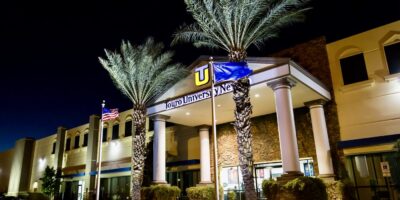
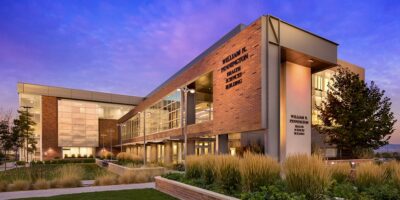
Nevada now has four places to earn a medical degree: three MD programs and one osteopathic (DO) college. The University of Nevada, Reno School of Medicine (UNR Med) in Reno and the Kirk Kerkorian School of Medicine at UNLV in Las Vegas are the state’s two public MD schools. Touro University Nevada College of Osteopathic Medicine (TUNCOM) trains DO students in Henderson. Roseman University College of Medicine, a private MD school in the Summerlin area of Las Vegas, received preliminary accreditation in February 2025 and welcomed its inaugural class that July.
This guide compares all four programs side by side: where each one teaches, the latest class MCAT and GPA figures each school has made available, what the first year costs, and the rule that matters most for many applicants, which schools admit students who are not Nevada residents. Each school profile links to IMA’s full admissions guide for that school where one exists.
Key Takeaways
- Nevada has three MD programs (UNR Med, the Kirk Kerkorian School of Medicine at UNLV and Roseman University College of Medicine) and one DO college (TUNCOM in Henderson).
- Roseman University College of Medicine is Nevada’s newest medical school. It holds LCME preliminary accreditation (February 2025), enrolled an inaugural Class of 2029 of 64 students in July 2025 and welcomed its Class of 2030 in July 2026.
- The two public schools favor Nevadans. UNLV admits mostly applicants with Nevada ties (85-90% of admitted applicants per cycle) and considers out-of-state applicants only from 12 Western states unless they have a qualifying Nevada connection. UNR Med considers out-of-state applicants only from 10 Western states or with a Nevada tie, except for the MD/PhD, which is open to all 50 states.
- TUNCOM and Roseman have no state residency rule. TUNCOM’s 2026 entering class of 180 came from 17 states, with 31 students from Nevada and 119 from California.
- Class MCAT figures: UNLV reports an average of 509-510 per application cycle, UNR Med’s 2025 accepted applicants had a median of 510, and TUNCOM’s latest entering class averaged 506.9. Roseman has not published class MCAT or GPA figures.
- 2026-27 tuition ranges from $32,240 for Nevada residents at UNLV to $72,080 for every student at TUNCOM. Roseman charges first-year students $67,320.
- For students hoping to start in 2027, the UNLV and UNR Med AMCAS deadlines (October 1, 2026) have passed, and UNLV’s last day to submit a secondary is November 15, 2026. Roseman’s AMCAS deadline is March 1, 2027, and TUNCOM’s AACOMAS deadline is April 30, 2027.

An Overview of Medical Education in Nevada
The state of Nevada, particularly the regions around Las Vegas and Reno, is in a period of change and growth in its healthcare sector. A growing population and rising healthcare needs have created strong demand for new physicians, and medical education in the state has grown to meet it. For most of its history Nevada had a single medical school. UNR Med was founded in 1969 as Nevada’s first public medical school. TUNCOM opened in Henderson in 2004. The Kirk Kerkorian School of Medicine at UNLV was established in 2014 and welcomed its charter class in 2017. Roseman University College of Medicine, in development since 2015, became the newest addition in 2025.
All four programs are accredited or in the formal accreditation process. The table below shows each program’s degree, location and current status with its accrediting body.
| School | Degree | Location | Type | Accreditation status | Source |
|---|---|---|---|---|---|
| University of Nevada, Reno School of Medicine (UNR Med) | MD | Reno, with clinical training across Nevada and northeastern California | Public | LCME full accreditation (first accredited 1971); next survey 2027-28 | LCME directory, checked Nov 13, 2026 |
| Kirk Kerkorian School of Medicine at UNLV | MD | Las Vegas Medical District | Public | LCME full accreditation since February 2021; next survey 2027-28 | LCME directory; UNLV accreditation page, checked Nov 13, 2026 |
| Roseman University College of Medicine | MD | Summerlin, Las Vegas | Private, nonprofit | LCME preliminary accreditation since February 2025; next survey 2026-27 | LCME directory; Roseman MD program page, checked Nov 13, 2026 |
| Touro University Nevada College of Osteopathic Medicine (TUNCOM) | DO | Henderson | Private, nonprofit | COCA accreditation as a branch campus of Touro University College of Osteopathic Medicine; most recent accreditation 2022; next visit 2031-32 | AOA COCA directory (September 2026); TUNCOM accreditation page, checked Nov 13, 2026 |
No other MD or DO program is listed in Nevada on the LCME applicant and candidate list or the COCA candidate list as of November 2026, so these four schools are the full roster for the 2026-2027 application cycle.
Guidance for Applying to Medical Schools in Nevada
At International Medical Aid (IMA), we provide comprehensive support for aspiring medical professionals exploring their educational options.
Medical schools in Nevada, like those elsewhere, set their own admission prerequisites and selection procedures. It is important for applicants to research and understand the individual requirements of each institution, because in Nevada those requirements differ more than many applicants expect. A Nevada high school graduate, a California resident and an applicant from New York face three very different school lists in this state.
Our collection of medical school guides, including those for Nevada, is a useful tool in your preparation. These guides explain the particulars of each school’s educational approach and the attributes it values in prospective students. Common criteria include required coursework, citizenship status, minimum MCAT and GPA thresholds and residency rules. Here is how the four Nevada programs handle the basics:
- Citizenship. UNLV and UNR Med consider U.S. citizens, permanent residents and applicants with Deferred Action for Childhood Arrivals (DACA) status. TUNCOM requires U.S. citizenship or permanent residence at the time of application. Roseman considers U.S. citizens and U.S. residents, and it cannot currently accept DACA recipients or applicants with undocumented status.
- Where you earned your degree. UNR Med requires a four-year undergraduate degree from an accredited U.S. institution by matriculation. Roseman requires a bachelor’s degree or higher from an accredited college or university in the United States or Canada and does not accept applicants with an international bachelor’s degree.
- State residency. The two public schools give strong preference to Nevadans and limit out-of-state applicants to Western states or applicants with Nevada ties. TUNCOM and Roseman have no state residency rule. This is covered in detail below.
Academic Rigor and Admission Criteria for Nevada Medical Schools
Entrance into Nevada medical schools is highly competitive and requires an excellent academic background. Most schools require prerequisite courses in biology and chemistry, and the specific lists differ by school. Roseman, for example, requires biochemistry, statistics, two semesters each of biology, humanities and inorganic chemistry, and a semester of social sciences, and lists organic chemistry and physics as preferred rather than required. TUNCOM’s requirements overview names biology, physics, and inorganic and organic chemistry, along with physician shadowing experience.
Three of the four schools also publish firm academic minimums for the 2026-2027 cycle. Meeting them only makes you eligible for review; the admitted class profile at every school sits well above them.
| School | Minimum MCAT | Minimum GPA | Other requirements | Source |
|---|---|---|---|---|
| UNLV | 499 or higher, taken by October 1 | 3.2 cumulative and 3.2 BCPM | Conferred bachelor’s degree, prerequisites, 3 to 5 letters, up to 15 experiences | UNLV Primary Application page, checked Nov 13, 2026 |
| UNR Med | 500 or higher | 3.30 cumulative undergraduate (or 3.50 in 30+ post-bac credits or a completed graduate degree), as calculated by AMCAS | AAMC PREview exam completed by October 16; three letters of evaluation | UNR Med Application Requirements (2026-2027 cycle), checked Nov 13, 2026 |
| TUNCOM | 500 composite, taken no earlier than June 2024 and no later than January 2027 | 3.00 cumulative and 3.00 science | Bachelor’s degree; physician shadowing; DO Technical Standards form | TUNCOM DO Application and Requirements, checked Nov 13, 2026 |
| Roseman | Valid MCAT taken within the last four years; no minimum score stated | No minimum stated | 3 to 6 letters; Kira video assessment with the secondary | Roseman MD program page, checked Nov 13, 2026 |
Given the demanding academic environment, students must also show resilience, adaptability and a commitment to lifelong learning. Schools gauge these attributes through interviews, recommendation letters, personal statements and, at some schools, situational judgment tools. UNR Med now requires the AAMC PREview professional readiness exam, and Roseman includes a Kira video assessment with timed video and written responses in its secondary. UNLV does not use an MMI and interviews applicants in a standardized, job-interview style format.
Nevada Medical Schools Curriculum Framework
Both the allopathic and osteopathic medical schools in Nevada offer a balanced curriculum that combines lectures, small-group learning, laboratory work and clinical experience. The early years focus on foundational science alongside early patient contact, and the later years are spent in clinical rotations across the major specialties. The DO program at TUNCOM adds training in osteopathic manipulative medicine (OMM), which supports a holistic approach to patient care; TUNCOM students complete two year-long OMM courses during their clinical years.
Each school organizes its curriculum differently:
- UNLV teaches in three phases. Phase I covers the organ system blocks with problem-based and team-based learning, simulation and standardized patients. Phase II places students in clerkships in six core specialties. Phase III focuses on career exploration, a sub-internship and residency preparation.
- UNR Med gives students exposure to clinical environments almost immediately after enrollment, uses standardized patients in its Clinical Simulation Center and offers scholarly concentrations with a longitudinal research component. Clinical years extend from Reno to rural locations across Nevada and northeastern California.
- TUNCOM places clinical training in the third and fourth years, with 22 consecutive months of clerkships starting in July of the third year.
- Roseman uses its Roseman Readiness Curriculum, a competency-based, character-based program with patient care from day one and service learning through its GENESIS household-centered care model.
The table below brings together each school’s latest published class profile. Because the schools report different measures (an average range, a median or a single average), compare them with their labels in mind.
| School | Class MCAT | Class GPA | Class size | Applicants and interviews | Source |
|---|---|---|---|---|---|
| UNLV | 509-510 average | 3.6-3.7 average | 66 seats | 1,700-2,400 AMCAS applications; 280-300 interviewed | UNLV admissions snapshot, per application cycle; checked Nov 13, 2026 |
| UNR Med | 510 median | 3.86 median | 72 matriculants (2025); cohort of 70 | 2,382 verified applications; 400 interviewed | AAMC MSAR, 2026 edition, 2025 entering class (accepted applicants for MCAT/GPA); UNR Med Admissions Process |
| TUNCOM (DO) | 506.9 average | 3.54 average (science 3.47) | 180 first-year students (entered 2026) | Not published | TUNCOM DO Application and Requirements (most recent entering class); White Coat news, Aug 31, 2026 |
| Roseman | Not published | Not published | 64 in the inaugural Class of 2029; stated class size 60 | Not published | Roseman inaugural class news (Sept 23, 2025); Roseman MD program page |
For a broader view of how these numbers compare with schools across the country, see IMA’s list of Average GPA and MCAT Score for Every Medical School in the US.
Cost is the other major difference among the four schools. Public tuition gives Nevada residents a large advantage at UNLV and UNR Med, while the two private schools charge every student the same rate.
| School | 2026-27 tuition, in-state | 2026-27 tuition, out-of-state | First-year cost of attendance | Secondary fee | Source |
|---|---|---|---|---|---|
| UNLV | $32,240 | $66,866 | $87,240 in-state; $121,866 out-of-state | $75 | UNLV Student Financial Services (2026-2027), checked Nov 13, 2026 |
| UNR Med | $34,452 | $64,018 | $79,752 in-state; $109,318 out-of-state (living off campus) | $75 | University of Nevada, Reno 2026-2027 School of Medicine cost of attendance, checked Nov 13, 2026 |
| TUNCOM (DO) | $72,080 | $72,080 | $107,609 | $100 | TUNCOM DO Tuition and Fees (2026-2027), checked Nov 13, 2026 |
| Roseman | $67,320 | $67,320 | Not published (first-year fees listed separately) | $100 | Roseman MD program page and Bursar (FY 2026-2027), checked Nov 13, 2026 |
UNLV’s Board of Regents approved a tuition freeze, so UNLV’s 2026-2027 rates carry through 2028-2029. Out-of-state students at both public schools may establish Nevada residency during the first year and apply for in-state tuition from the second year onward. Roseman has posted projected first-year tuition of $68,670 for 2027-2028. For more on budgeting, see IMA’s guide to the total cost of medical school.
Clinical Rotations and Training
Medical schools in Las Vegas offer a particular advantage: proximity to a large, diverse metro area with real healthcare challenges. Southern Nevada has a population of nearly three million people, and its teaching hospitals see a wide mix of acute and chronic disease. University Medical Center of Southern Nevada (UMC) is the region’s Level I trauma center. Students gain exposure to a wide variety of clinical scenarios, including emergency medicine, surgery and primary care, and these experiences are vital in shaping well-rounded physicians.
- UNLV students train at UMC, Sunrise Hospital, Mike O’Callaghan Military Medical Center at Nellis Air Force Base, the Southern Nevada VA Medical Center and UNLV Health.
- Roseman lists more than a dozen clerkship partners, including UMC, Sunrise Hospital and Medical Center, Sunrise Children’s Hospital, the St. Rose Dominican hospitals, the Valley Health System hospitals, Mike O’Callaghan Military Medical Center, the North Las Vegas VA Medical Center and several behavioral health hospitals.
- TUNCOM students complete their clerkships over 22 consecutive months, mainly at hospitals and clinics across Southern Nevada.
- UNR Med students train in Reno through the school’s affiliation with Renown Health and at rural sites across Nevada and northeastern California.
If you are building the patient care experience these schools expect, clinical internships for pre-med students can add supervised, hands-on hours alongside volunteer and work roles at home.
Specialization and Research Opportunities in Nevada Medical Schools
Nevada medical schools offer opportunities for research and specialization in many fields. They work with hospitals, health systems and research institutions, which lets students gain hands-on experience and contribute to research. UNR Med offers a scholarly concentration program and an MD/PhD with approximately two seats reserved in each incoming class, plus an MD/MPH and an MD/MBA that students apply to after starting medical school. UNLV offers an MD/MBA and an MD/MPH as step-out programs after Phase 1 and USMLE Step 1. TUNCOM students can add a Master of Public Health through Touro University California. Whether you are interested in cardiology, neurology, rural medicine or another specialty, you will find avenues for advanced study and research in Nevada.
Graduate medical education is growing in the state as well. UNLV’s graduate medical education office lists 11 residency programs, including a rural family medicine residency, and 13 fellowship programs, from cardiovascular medicine to forensic pathology. More residents and fellows mean more teaching on the wards and more in-state options at Match.
Medical Schools in Las Vegas Career Opportunities and Alumni Network
Graduates from medical schools in Nevada are well prepared for the next stages of their careers, whether residency, fellowship or clinical practice. Recent match results show how many of them stay. In 2026, a record 72 TUNCOM graduates matched into residencies in Nevada, and 100% of the Class of 2026 matched or placed into residency. At UNLV, 23 members of the Class of 2026 matched into first-year (PGY-1) positions in Nevada. TUNCOM’s alumni network and its relationships with health systems in Southern Nevada help graduates find residency and practice opportunities both in the state and nationally.
Student Life and Work-Life Balance in Las Vegas Medical Schools
Medical school can be stressful, and Nevada offers an environment that can help ease that stress. The state’s natural beauty, from Red Rock Canyon on the west side of the Las Vegas Valley to Lake Tahoe near Reno, combined with its city life, provides plenty of opportunities for relaxation and leisure, which helps students maintain a healthy work-life balance. Housing is mostly off campus: UNLV’s cost of attendance assumes a one-bedroom apartment because on-campus housing is not an option for its medical students, and TUNCOM students live in nearby apartments, condos and houses, most within about two miles of campus. UNR Med students can live on or off campus, and its cost of attendance tables include both options.
Which Nevada Medical Schools Admit Nonresidents?
Residency is the single most important filter for Nevada medical schools. Two schools give strong preference to Nevadans, and two do not consider state residency at all.
| School | Nevada residents | Out-of-state applicants | What the class looks like | Source |
|---|---|---|---|---|
| UNLV | Priority to Nevada residents and applicants with significant Nevada ties | Considered from 12 Western states (Alaska, Arizona, California, Colorado, Hawaii, Idaho, Montana, New Mexico, Oregon, Utah, Washington and Wyoming). Applicants from other states with no qualifying Nevada connection do not advance to the secondary. | 85-90% of admitted applicants have Nevada ties | UNLV Residency Status for Admissions; admissions snapshot; checked Nov 13, 2026 |
| UNR Med | Category A (in-state): Nevada high school or NSHE graduates, legal residents, applicants whose parent lived in Nevada, tribal members on Nevada lands, military stationed in Nevada and more | Category B: legal residents of Alaska, Arizona, California, Idaho, Montana, New Mexico, Oregon, Utah, Washington or Wyoming, or applicants with a qualifying Nevada family or prior-residence tie. MD/PhD applicants from all 50 states may apply. | 2025 entering class: 300 in-state and 100 out-of-state applicants interviewed; 47 in-state and 25 out-of-state matriculants | UNR Med Application Requirements; AAMC MSAR, 2026 edition |
| TUNCOM (DO) | No preference stated | Accepted from any state; same tuition for all | Class entering 2026: 180 students from 17 states, 31 from Nevada and 119 from California | TUNCOM requirements; White Coat news, Aug 31, 2026 |
| Roseman | No preference stated | All U.S. citizens and U.S. residents considered; same tuition for all | Inaugural Class of 2029: 64 students from 14 states, nearly one-quarter from Nevada | Roseman MD program page; inaugural class news |
What this means for your school list:
- If you are a Nevada resident, apply to both public schools, and consider TUNCOM and Roseman as well. In-state applicants at UNR Med must still meet the 3.30 GPA and 500 MCAT minimums.
- If you live in a Western state such as California, Arizona or Utah, you are eligible at all four schools, but the public schools fill only a small share of seats with out-of-state applicants. At UNLV, use the secondary’s Nevada ties section to explain any genuine connection.
- If you live outside the West with no Nevada ties, TUNCOM and Roseman are your realistic Nevada options for the MD or DO, plus UNR Med’s MD/PhD.
- Note the tie definitions. UNLV counts certain family members living in Nevada, Nevada high school or college graduates and applicants born in Nevada as having a Nevada connection. UNR Med counts a spouse, partner or extended family member (grandparent, sibling, aunt, uncle or first cousin) who has lived in Nevada for the 12 months before its deadline, or prior Nevada residence. Read each school’s definition before you decide where you fit.

The University of Nevada Las Vegas (UNLV) School of Medicine
At the core of The University of Nevada Las Vegas School of Medicine, known as the Kirk Kerkorian School of Medicine at UNLV, lies a commitment not just to educate physicians but to connect them with the communities they will serve. The school understands that medical education extends far beyond the lecture hall. It means connecting with diverse populations, addressing the healthcare disparities that exist and promoting health and wellness across Nevada.
The school’s mission is to “serve our patients, students, medical professionals, and community as a transformational force for improving healthcare in Nevada.” Community service and leadership are built into the curriculum: cohort-based learning communities perform service hours at some of the largest nonprofit organizations in Las Vegas and volunteer at the UNLV Community Clinic in collaboration with Volunteers in Medicine of Southern Nevada. This prepares students not only for a career in medicine but also to become leaders in Nevada’s healthcare system.
Research and Innovation
Cultivating a Culture of Inquiry and Discovery
Innovation is central to the Kirk Kerkorian School of Medicine, which values inquiry and discovery. “Drive Innovation” is one of the school’s five core values. Students and faculty work on projects ranging from new ways of delivering healthcare to biomedical and clinical research, and the curriculum builds self-directed learning skills from the first phase. The school’s residency and fellowship programs add more faculty and trainees engaged in scholarly work.
Clinical Experience and Residency Programs
Hands-on Training for Aspiring Physicians
The heart of any medical training program is the quality of its clinical experience. In Phase I, UNLV students take part in high-fidelity simulator exercises and standardized patient scenarios before entering clerkships. In Phase II, they spend dedicated blocks rotating in six core specialties (internal medicine, family medicine, pediatrics, obstetrics and gynecology, surgery and psychiatry) at the school’s teaching hospitals, led by faculty physicians and residents. In Phase III, they complete a sub-internship, specialty electives locally and nationwide, and residency preparation.
These experiences shape students into empathetic and capable physicians. The school also sponsors residency and fellowship programs, which help graduates move from medical school into practice in the same state. Its graduate medical education office lists 11 residencies (emergency medicine, family medicine, rural family medicine, general surgery, internal medicine, obstetrics and gynecology, orthopaedic surgery, otolaryngology, pediatrics, plastic surgery and psychiatry) and 13 fellowships.
Facilities and Resources
State-of-the-Art Learning Environments
The school’s facilities are designed to support active, hands-on learning. Students learn anatomy through prosection in Phase I and dissection in Phases II and III, with access to plastinated specimens, and they train in simulation with high-fidelity simulators and standardized patients. The school’s first permanent home, the Kirk Kerkorian Medical Education Building, opened in October 2022. Students also have access to academic support, wellness programs and counseling services that support their progress through the program.
Community Impact and Healthcare Outreach
Extending Healthcare Beyond the Classroom
The UNLV School of Medicine’s impact reaches into community health improvement across Southern Nevada. Early in the program, students complete emergency response training and study population health so they understand the communities they will serve, and they gain interprofessional experience with first responders. The school’s service learning work with local nonprofits and the UNLV Community Clinic, together with its focus on disparities in healthcare systems, reflects its role in pursuing a healthier Nevada and the importance of real-world impact in training physicians.
The University of Nevada Las Vegas (UNLV) School of Medicine: Admissions at a Glance
An Overview of Admissions and Opportunities
Essential data and deadlines for the Kirk Kerkorian School of Medicine in the 2026-2027 cycle:
- Application deadline: October 1, 2026, for the AMCAS application, at least three letters of recommendation and the MCAT. The last day to submit a secondary application is November 15, 2026, and secondaries should be completed within 14 days of the invitation.
- Class profile: average MCAT of 509-510 and average GPA of 3.6-3.7 per application cycle, with 1,700 to 2,400 AMCAS applications and 280 to 300 applicants interviewed for 66 available seats.
- Residency: priority to Nevada residents and applicants with significant Nevada ties; out-of-state applicants are considered from 12 Western states, and others with no qualifying Nevada connection do not advance to the secondary. Between 85% and 90% of admitted applicants have Nevada ties.
- Combined degrees: MD/MBA and MD/MPH, both as step-out programs.
- Tuition and fees: 2026-2027 tuition of $32,240 for Nevada residents and $66,866 for out-of-state students, frozen through 2028-2029. The first-year cost of attendance is $87,240 in-state and $121,866 out-of-state.
- First-year class size: 66 students.
- Secondary fee: $75, waived for applicants approved for the AAMC Fee Assistance Program.
- Interviews: fully virtual and standardized, held during an assigned interview week. The school does not use the MMI format.
UNLV’s residency status page lists every qualifying Nevada tie, including the family tiers the school counts.
Improving Access to Quality Health Care
The mission of the Kirk Kerkorian School of Medicine at UNLV is to improve the quality of healthcare in Nevada significantly. The school is focused on increasing the number of highly qualified physicians and specialists who serve the region, with particular attention to diverse and medically underserved communities. The school states the goal plainly: “We deliver high-quality innovative education, research, and superb clinical care to meet the healthcare needs of the growing and diverse population of Nevada.”
Core Values and Accreditation
The school is driven by a mission focused on improving lives through healthcare. Its core values are Strive for Excellence, Drive Innovation, Serve with Compassion and Humility, Demonstrate Inclusion and Act with Integrity. The school is fully accredited: the LCME granted preliminary accreditation in 2016 and full accreditation in February 2021, and the school’s first reaccreditation site visit took place October 27-29, 2025. Full accreditation confirms that the education the school provides meets national standards.
UNLV Programs That Make a Difference
The UNLV School of Medicine offers programs designed to prepare future physicians to meet a range of medical challenges. Beyond the four-year MD, these include the MD/MBA and MD/MPH, residency and fellowship training through its graduate medical education office, and pathway programming for future applicants. Its Office of Community Affairs runs K-12 programming and offers support for early college students, first-generation students, veterans and active-duty military, and students from rural areas who are working toward a career in medicine. These programs are built not only to teach but also to instill a sense of purpose and a commitment to making a meaningful difference in medicine. IMA’s full guide to the Kirk Kerkorian School of Medicine at UNLV covers the secondary prompts, interview week and residency categories in detail.

University of Nevada, Reno School of Medicine (UNR Med)
A Tradition of Medical Education Excellence in Nevada
The University of Nevada, Reno School of Medicine, known as UNR Med, was founded in 1969 as the first public medical school in Nevada. In that year, Governor Paul Laxalt signed Assembly Bill 130, creating the University of Nevada School of Medical Sciences, now UNR Med. Since then, UNR Med has provided students with a strong blend of academic knowledge and clinical practice. With clinical training spread across the urban and rural communities of Northern Nevada, UNR Med is a long-established center of medical education rooted in community engagement. Its vision is “A Healthy Nevada.”
Academic Distinction at UNR Med
Prospective students often ask: is UNR Med a good medical school? It is a fully accredited public school with a curriculum built to prepare students for a variety of roles in healthcare, small classes of about 70 students and early clinical exposure. Its faculty includes experienced physician educators such as James Alexander, M.D., Professor and Chair of Obstetrics and Gynecology and Renown Women’s Health; Leslie Greenberg, M.D., FAAFP, Associate Professor of Family and Community Medicine; and Catherine McCarthy, M.D., FAAFP, Professor of Family and Community Medicine. Faculty like these bring clinical expertise into lectures, labs and the family medicine teaching that runs through the curriculum.
UNR Med also offers dual degrees (MD/PhD, MD/MPH and MD/MBA), scholarly concentrations with a longitudinal research component and a 25-month Physician Assistant Studies program accredited by ARC-PA.
State-of-the-Art Facilities and Resources at UNR Med
UNR Med’s Clinical Simulation Center gives students hands-on practice before and alongside real patient care. Standardized patients, trained actors who play the role of real patients, give students the chance to practice physical exams, communication and motivational interviewing. An on-site Learning, Wellness and Resource Center provides academic support, counseling resources and a focus on student health and wellness.
Emphasizing Community and Clinical Practice
UNR Med sets itself apart with a strong community-oriented approach. The curriculum gives students experience in a wide range of clinical settings, from rural clinics to busy hospitals in Reno, with training that extends to rural locations across Nevada and northeastern California. Its affiliation with Renown Health supports training, mentorship and hands-on learning that help more healthcare professionals learn, stay and serve in Nevada. Since 1996, students have also run the Student Outreach Clinic, which provides free medical care to uninsured and underinsured people in Reno and surrounding rural communities. These features make UNR Med a strong choice for students who want community and rural medicine.
Championing Diversity and Inclusion
UNR Med works to build an inclusive environment and to train physicians who will serve all of Nevada. Students serve on medical school committees focused on curriculum, admissions and medical education, and the admissions committee looks for applicants with a record of service to people from populations that commonly experience healthcare disparities. One of the school’s required secondary essays asks applicants to reflect on caring for or serving such individuals. The Student Outreach Clinic and rural training put that commitment to the underserved into daily practice.
Why UNR Med?
Questions about acceptance rates and competitiveness are natural during the admissions process. Entry is selective, but UNR Med offers a great deal in return: a curriculum with early clinical exposure, experienced faculty, affordable in-state tuition and a commitment to community service and diversity.
Admission Snapshot for UNR Med
Admissions figures for the 2025 entering class:
- Verified applications: 2,382 (256 in-state, 2,115 out-of-state and 11 international)
- Applicants interviewed: 400 (300 in-state and 100 out-of-state)
- New students enrolled: 72 (47 in-state and 25 out-of-state)
- Total MD enrollment: 301 students (October 2025)
UNR Med does not publish an acceptance rate, and dividing matriculants by applicants does not produce one, so no acceptance rate is given here. Our guide to medical school acceptance rates explains how those figures are calculated.
Profile of a Typical UNR Med Entrant
- Median GPA: 3.86 (accepted applicants, 2025 entering class)
- Median MCAT: 510 (accepted applicants, 2025 entering class)
- Minimum GPA to apply: 3.30 cumulative undergraduate, or 3.50 in 30 or more post-baccalaureate credits or a completed graduate degree, as calculated by AMCAS
- Minimum MCAT to apply: 500
- Reapplicants: around 25% or more of each incoming class are reapplicants
The minimums are cutoffs for review, not targets. A typical admitted student is well above them.
Interview Insights for UNR Med
Interviews at UNR Med are a critical part of the admissions process and are offered by invitation to a select group of candidates. For the 2025 entering class, 400 applicants were interviewed, including 300 from Nevada. Interviews are held in person in Reno and follow a panel format, not the MMI. Regular MD applicants are notified by December 1 if they are selected for an interview.
Preparing for Your UNR Med Interview
Careful preparation on UNR Med’s philosophy, programs and expectations is vital. Candidates should be ready to discuss academic achievements, extracurricular activities, service to underserved communities, teamwork and their motivation for medicine. Professional attire, punctuality and well-practiced answers to common interview questions are key. The AAMC offers interview preparation resources, and practicing your answers out loud with someone else helps you get comfortable and spot areas for growth.
Tips for Admissions Success
Begin early, given how selective UNR Med is. Take part in service and activities that reflect a genuine interest in healthcare, shadow physicians to build a practical understanding of the profession, and write a personal statement that clearly conveys your commitment to a medical career. Use your advisors and consider personalized admissions consulting if you want individual help. If you are reapplying, UNR Med recommends applying early by September 1 and refreshing your application with new clinical and service hours rather than repeating your previous one.
Earning a seat at UNR Med takes diligence and strategic preparation. A clear grasp of the admissions criteria, an understanding of the profile of successful candidates and a thorough approach to the interview can significantly improve your chances.

Touro University Nevada College of Osteopathic Medicine (TUNCOM)
Among the medical schools in Nevada, Touro University Nevada’s College of Osteopathic Medicine (TUNCOM) is the state’s only osteopathic medical school and a well-established institution dedicated to the osteopathic discipline. This section helps prospective candidates understand TUNCOM’s offerings, admission requirements and key statistics so they can make an informed decision about their medical education.
Setting the Stage for Early Clinical Experience
Located in Henderson, in the Las Vegas Valley, TUNCOM builds hands-on training into its program from the start, including simulation at the Tang Regional Center for Clinical Simulation and community service through student healthcare outreach. Its commitment to practical training is reflected in its outcomes: 100% of the Class of 2026 matched or placed into residency, and its first-time pass rates on COMLEX Level 1 and Level 2-CE were each 98.7%. Graduates entered residencies across a wide range of specialties, and a record 72 matched into residencies in Nevada.
TUNCOM’s Academic Rigor and Diverse Opportunities
As an accredited institution, TUNCOM combines rigorous academics with access to a range of health professions programs on the same campus, including the Touro University Nevada Physician Assistant (PA) Program, which offers the Master of Physician Assistant Studies and a Doctor of Physician Assistant degree. Touro University Nevada also trains nurses, physical therapists and occupational therapists, which creates interprofessional learning opportunities under one roof. Students weighing the DO against the PA path can explore pre-PA internships to gain patient care experience that supports either application.
Accreditation and Educational Excellence
TUNCOM’s programs meet national educational standards under these accrediting bodies:
- Accrediting agencies: the AOA Commission on Osteopathic College Accreditation (COCA) accredits TUNCOM as a branch campus of Touro University College of Osteopathic Medicine in Vallejo, California. Its most recent COCA accreditation was granted in 2022 with the maximum ten-year term. Touro University Nevada is accredited by the WASC Senior College and University Commission, with Middle States Commission on Higher Education accreditation pending.
- Institutional affiliation: TUNCOM is part of Touro University California and the Touro College and University System.
TUNCOM at a Glance: Key Data
Academic Benchmarks
- Average MCAT: 506.9 (most recent entering class)
- Average GPA: 3.54 cumulative and 3.47 science (most recent entering class)
- Minimums: MCAT of 500 or higher and a cumulative and science GPA of 3.00 or higher
- MCAT validity: for the class matriculating in 2027, scores no older than June 2024; January 2027 is the last test month accepted for the 2026-2027 cycle
Student Diversity and Demographics
- Total enrollment: 731 DO students in 2024-2025 (388 men and 343 women)
- First-year matriculants, 2024-2025: 200, with 30 in-state and 170 out-of-state
- Class entering 2026: 180 first-year students from 17 states, including 31 from Nevada and 119 from California; women make up 53% of the class
- Self-reported race and ethnicity of 2024-2025 matriculants: a diverse student body led by Asian (44.5%) and White (33.0%) students, with Hispanic or Latino (8.5%), multiple races (7.0%) and other groups also represented
Educational Background of Students
Among 2024-2025 first-year matriculants:
- Science majors: 87.5%
- Non-science majors: 12.5%
- Graduate degree holders: 11.0%
Mission and Vision: TUNCOM’s Core Philosophy
TUNCOM is committed to its mission to educate outstanding osteopathic physicians. The college prepares students who “uphold the values, philosophy and practice of osteopathic medicine and who are committed to primary care and the holistic approach to the patient.” TUNCOM is not only a place of learning; it also contributes to the medical community through research, community service and multidisciplinary and osteopathic clinical services. More than half (56%) of the Class of 2026 entered primary care residencies.
Why TUNCOM?
When exploring options for medical education in Nevada, TUNCOM’s reputation rests on its residency placement record and the success of its graduates in matching across the country and in Nevada. It is also the most open of Nevada’s schools to out-of-state applicants, since it has no state residency rule and charges every student the same tuition. TUNCOM is not just a place to earn a degree; it is a community where students prepare to work across healthcare, whether in a DO or PA role. Its 2026-2027 deadlines (AACOMAS by April 30, 2027 and the secondary by May 28, 2027) also make it one of the Nevada options still open to applicants this cycle, although admissions are rolling, so earlier is better.
Roseman University College of Medicine
Roseman University College of Medicine is Nevada’s newest medical school and the state’s first private MD program. The College, in development since 2015, received LCME preliminary accreditation in February 2025, which allowed it to recruit and admit students. On July 25, 2025, 64 members of its pioneering Class of 2029 received their white coats. The students ranged in age from 21 to 33, came from 14 states and included nearly one-quarter who call Nevada home; 27% were first-generation college students. The Class of 2030 followed with its White Coat Ceremony on July 24, 2026. Founding Dean Pedro “Joe” Greer, Jr., M.D., leads the College, which is based on Roseman’s Summerlin campus on the west side of the Las Vegas Valley.
IMA does not yet have a full admissions guide for Roseman, so the key facts are collected here.
Accreditation and What Preliminary Status Means
Preliminary accreditation is the LCME step that authorizes a new school to recruit and admit students and launch its MD program. The College’s next steps are provisional accreditation, which the LCME considers after the first class has matriculated, and then full accreditation. The LCME lists Roseman’s next survey for the 2026-27 academic year. The MD program is also approved by the Northwest Commission on Colleges and Universities and the Nevada Commission on Post-secondary Education. If you apply to a new school, ask how it supports students through each stage and how it prepares them for licensing exams and the residency match.
Curriculum and Clinical Training
Roseman’s four-year Roseman Readiness Curriculum is competency-based and taught in active learning formats, with patient care integrated from the first day. A character-based curriculum focuses on ethics, humility and integrity alongside medical knowledge. Students learn through GENESIS, a household-centered care delivery model in which students work with faculty physicians and interprofessional teams to manage groups of households, and through EMPOWERED, which supports pregnant and postpartum individuals who have used opioids or stimulants. Clerkships take place at a majority of the hospitals, hospital systems and inpatient mental health facilities in Southern Nevada, including UMC, the region’s Level I trauma center. The College’s ASPIRE program builds a pipeline of Nevada students from elementary school through medical school.
Admissions, Costs and Deadlines
- Eligibility: U.S. citizens and U.S. residents with a bachelor’s degree or higher from an accredited U.S. or Canadian institution by matriculation. Roseman does not accept international applicants, DACA recipients or transfer students.
- MCAT: a valid score from the last four years; no minimum is stated.
- Letters: three to six; committee letters are accepted.
- Secondary: invited applicants complete essay questions and a Kira video assessment and pay a $100 non-refundable fee, waived for AAMC Fee Assistance Program recipients.
- Interviews: virtual, from late August 2026 through April 2027.
- Deadlines for the class starting July 19, 2027: AMCAS application by March 1, 2027, transcripts by March 16, 2027, and the secondary within 14 days of the invitation or by March 16, 2027, whichever comes first. Final decisions are sent on a rolling basis beginning October 15, 2026.
- Tuition: $67,320 for first-year students in 2026-2027, with a projected $68,670 for first-year students in 2027-2028, plus technology, instructional material, student program, computer and health insurance fees.
Roseman’s MD program page lists the full prerequisite list and current fees.
Nevada’s Role in Medical Education
Nevada, with its blend of urban and rural communities, is becoming increasingly prominent in medical education. The state has grown from one medical school to four, and each is committed to developing skilled and empathetic physicians who can serve Nevada’s diverse communities.
By focusing on primary care, rural health and underserved populations, Nevada’s medical schools are central to advancing health within the state and across the wider Western United States. TUNCOM’s graduates entered primary care at a 56% rate in 2026, UNR Med trains students at rural sites across Nevada and northeastern California, UNLV runs a rural family medicine residency, and Roseman built its clinical curriculum around Southern Nevada’s most vulnerable households.
Application Strategies for Nevada Medical Schools
To improve your chances of admission, it is vital to understand the specific expectations of each Nevada school. Admissions committees assess candidates on several factors, including performance in prerequisite courses, MCAT scores, citizenship or residency status and relevant medical experience such as clinical work or volunteering.
Prerequisites should typically be completed at an accredited institution in the United States, and Roseman also accepts degrees from Canada. By using the detailed information in our guides, you will be better prepared to meet and exceed the expectations of each medical school in Nevada. IMA’s guide on how many medical schools to apply to can help you decide how many Nevada programs belong on your list next to schools in other states, and our MD vs. DO comparison explains the differences between the degrees if you are considering TUNCOM alongside the MD schools.
For further details and assistance, explore our extensive medical school guides at International Medical Aid’s Medical School Guides.
A Strategic Approach for Prospective Students in Nevada Medical Schools
International Medical Aid (IMA) offers programs that fit well with the missions of Nevada’s medical schools. Whether you are aiming for MD or DO programs in Nevada, including the University of Nevada, Reno School of Medicine, the Kirk Kerkorian School of Medicine at UNLV, Roseman University College of Medicine or Touro University Nevada College of Osteopathic Medicine, IMA offers practical clinical experience that builds your skills and strengthens your application.
IMA’s commitment to service, ethics and lifelong learning parallels the core values of Nevada’s medical schools, from UNLV’s “Serve with Compassion and Humility” to UNR Med’s focus on serving populations that experience healthcare disparities. On our pre-med internships, interns work under the supervision of local physicians and nurses, taking vitals, doing patient intake and triage and helping with direct patient care. To understand how to align your educational goals with these institutional missions, please visit IMA’s Pre-Medicine Internship Program page for more information.
The Role of Internships as a Competitive Edge in Medical School Admissions
Earning a place at a medical school in Nevada is just as challenging as in any other state. It requires a strong academic record, competitive MCAT scores and extracurricular experiences that show a dedication to medicine.
These components are crucial to building an outstanding application that captures the attention of admissions committees. Aspiring medical students need clear goals and experiences that match them, and tools like Average GPA and MCAT Score for Every Medical School in the US can help you see where you stand. Nevada’s schools are explicit about what they value: UNLV defines clinical experience as time with a physician who is actively seeing or treating patients, TUNCOM requires physician shadowing, and UNR Med asks every applicant to write about service to underserved populations. Internships for pre-med students that put you in direct patient care give you concrete material for those essays and interviews.
Selecting Pre-Med Internships that Reflect Your Medical Aspirations
Internships are a key strategic move for strengthening your medical school application, offering real-world experience and new skills. Opportunities range from hospital-based clinical internships to research positions in academic or industry settings. Your choice should reflect your long-term goals in medicine.
For example, if your passion lies in direct patient care, a clinical internship will likely serve you best. If you are drawn to the investigative side of medicine, a research role may be the most useful. For applicants interested in global health and underserved care, pre-med internships abroad place students in clinics and hospitals where they work with patients under supervision, and IMA’s broader range of healthcare internships abroad covers other health professions as well. College students can fit pre-med summer internships between semesters, well before the May AMCAS and AACOMAS openings.
Strategizing Your Application for Internships
The demand for quality internships is high, so you need a strong application. Write each application for the specific internship you want, highlighting relevant experience such as volunteer work, previous employment or related extracurricular activities.
A persuasive cover letter can set your application apart, and a well-prepared interview can seal the deal. Time spent improving your interview skills can greatly improve your chances of landing the internship you want, and it is good practice for medical school interviews too.
By aligning your goals, choosing the right internship and building a compelling application, you will position yourself as a candidate with the hands-on experience that Nevada’s medical schools value. Students who are still in college can look at medical internships for undergraduates, and graduates taking a year to strengthen their record before applying or reapplying can consider pre-med gap year programs. IMA also runs medical internships abroad for students across the health professions.
Please visit IMA’s Pre-Medicine Internship Program page for further details on available internship opportunities and how to apply.
Nevada Medical School Application Timeline for the 2026-2027 Cycle
| School | Primary application deadline | Secondary deadline | Interviews | Source |
|---|---|---|---|---|
| UNLV | AMCAS, letters and MCAT by October 1, 2026 | Within 14 days of invitation; final day November 15, 2026 | September to February, virtual | UNLV Admissions Timeline for 2026-2027 |
| UNR Med | Early Decision August 1, 2026; MD/PhD September 1, 2026; regular MD October 1, 2026; PREview by October 16 | Secondary sent in Tuesday batches after AMCAS submission | Notified by December 1; in person, panel format | UNR Med Application Requirements; FAQ |
| TUNCOM (DO) | AACOMAS by April 30, 2027 | May 28, 2027 | Invitations begin in late August or early September, then rolling | TUNCOM DO Application and Requirements |
| Roseman | AMCAS by March 1, 2027; transcripts by March 16, 2027 | Within 14 days of invitation or by March 16, 2027 | Virtual, late August 2026 through April 2027 | Roseman MD program page |
All dates were checked November 13, 2026. If you are planning for the 2027-2028 cycle instead, expect the AMCAS and AACOMAS applications to open in May 2027, and recheck each school’s dates then.
Nevada medical schools and the state’s DO school are making a significant impact in training the next generation of physicians. The schools offer high-quality education supported by distinctive clinical experiences and research opportunities. As healthcare demand in Nevada continues to grow, these institutions are increasingly important in building the workforce needed to meet it.
Frequently Asked Questions
How many medical schools are in Nevada?
Nevada has four medical schools: three MD programs (the University of Nevada, Reno School of Medicine, the Kirk Kerkorian School of Medicine at UNLV and Roseman University College of Medicine) and one DO program, Touro University Nevada College of Osteopathic Medicine in Henderson.
What is the newest medical school in Nevada?
Roseman University College of Medicine in Las Vegas is the newest. It received LCME preliminary accreditation in February 2025 and enrolled its inaugural Class of 2029, 64 students, in July 2025. Its second class, the Class of 2030, started in July 2026.
Which Nevada medical schools accept out-of-state students?
All four accept some out-of-state students, but on very different terms. TUNCOM and Roseman have no state residency rule. UNLV considers out-of-state applicants from 12 Western states or with a qualifying Nevada connection, and UNR Med considers applicants from 10 Western states or with a Nevada tie, plus MD/PhD applicants from all 50 states.
What MCAT score do I need for medical school in Nevada?
UNLV requires at least a 499, and UNR Med and TUNCOM require at least a 500. Admitted students score well above those minimums: UNLV reports an average of 509-510 per cycle, UNR Med’s 2025 accepted applicants had a median of 510, and TUNCOM’s latest entering class averaged 506.9. Roseman requires a valid MCAT from the last four years and has not published class averages.
What GPA do I need for medical school in Nevada?
The minimums are a 3.2 cumulative and science GPA at UNLV, a 3.30 cumulative GPA at UNR Med (or 3.50 in 30 or more post-bac credits or a graduate degree) and a 3.00 cumulative and science GPA at TUNCOM. Typical admitted students are much higher: UNLV reports an average GPA of 3.6-3.7, UNR Med’s 2025 accepted applicants had a median of 3.86, and TUNCOM’s latest entering class averaged 3.54.
Which is the cheapest medical school in Nevada?
For Nevada residents, UNLV has the lowest 2026-27 tuition at $32,240, followed by UNR Med at $34,452. For out-of-state students, UNR Med’s $64,018 is the lowest tuition, but total cost depends on housing and fees. Roseman ($67,320 for first-year students) and TUNCOM ($72,080) charge the same tuition to every student.
Is there a DO school in Nevada?
Yes. Touro University Nevada College of Osteopathic Medicine (TUNCOM) in Henderson is Nevada’s only osteopathic medical school. It is accredited by COCA as a branch campus of Touro University College of Osteopathic Medicine in California and enrolled 180 first-year DO students in 2026.
Is UNR Med a good medical school?
UNR Med is a fully accredited public medical school founded in 1969, with small classes of about 70 students, early clinical exposure, a Clinical Simulation Center, a student-run outreach clinic and rural training across Nevada and northeastern California. Its 2025 accepted applicants had a median MCAT of 510 and a median GPA of 3.86.
Is it hard to get into the UNLV School of Medicine?
Yes. UNLV receives 1,700 to 2,400 AMCAS applications per cycle for 66 seats and interviews 280 to 300 applicants. Most admitted students, 85% to 90%, have Nevada ties, and applicants from outside the Western region with no Nevada connection do not advance to the secondary.
Do Nevada medical schools accept international students?
The public schools consider U.S. citizens, permanent residents and DACA recipients, TUNCOM requires U.S. citizenship or permanent residence, and Roseman does not accept international applicants or applicants with an international bachelor’s degree. In practice, students without U.S. citizenship or permanent residence have very limited options in Nevada.
Can I still apply to a Nevada medical school this cycle?
For a 2027 start, the AMCAS deadlines for UNLV and UNR Med were October 1, 2026, and UNLV’s final secondary deadline is November 15, 2026. Roseman accepts AMCAS applications until March 1, 2027, and TUNCOM accepts AACOMAS applications until April 30, 2027. Both review on a rolling basis, so applying sooner is better.
How much clinical experience do Nevada medical schools want?
None of the four schools publishes a minimum number of hours, but all expect meaningful patient contact. UNLV wants longitudinal clinical experience with a physician who is actively seeing or treating patients, TUNCOM requires physician shadowing, and UNR Med asks applicants to describe care or service for people who experience healthcare disparities. Supervised hands-on roles, such as pre-health internships, along with shadowing and volunteering, help you meet those expectations.
Related Guides
- How to Get Into the Kirk Kerkorian School of Medicine at UNLV: full secondary prompts and interview week details for Southern Nevada’s public MD school.
- How to Get Into the University of Nevada, Reno School of Medicine: residency categories, PREview and all six secondary prompts with examples.
- How to Get Into Touro University Nevada College of Osteopathic Medicine: TUNCOM’s secondary essays, costs and residency outcomes.
- Medical Schools in Utah, Medical Schools in California, Medical Schools in Arizona and Medical Schools in Idaho: neighboring states whose residents are eligible at UNLV and UNR Med.
- Physician Assistant Schools in Nevada: UNR Med’s and Touro University Nevada’s PA programs.
- Medical School Secondary Essay Prompts Database: current prompts for schools across the country.
- AAMC PREview Exam Guide: what to expect from the exam UNR Med now requires.
Sources
- Kirk Kerkorian School of Medicine at UNLV: Prospective Applicants (Admissions Snapshot Per Application Cycle); Student Financial Services (2026-2027 tuition and cost of attendance); Residency Status for Admissions; Primary Application; Secondary Application; Admission Selection Process and Timeline (2026-2027); Interview Days; Admissions FAQ; MD Program; LCME Accreditation; Our School (mission, values, history); History; Graduate Medical Education; Match Day 2026. Checked November 13, 2026.
- University of Nevada, Reno School of Medicine: Application Requirements (2026-2027 cycle); MD Admissions Process; Secondary Application; MD Admissions FAQ; Doctor of Medicine program; dual degree programs; Physician Assistant Studies; History; UNR Med directory; University of Nevada, Reno 2026-2027 School of Medicine cost of attendance. Checked November 13, 2026. AAMC Medical School Admission Requirements (MSAR), 2026 edition, 2025 entering class data, accessed October 29, 2026.
- Touro University Nevada College of Osteopathic Medicine: DO Application and Requirements (2026-2027 cycle); DO Tuition and Fees (2026-2027); Osteopathic Medicine program page; COCA Accreditation; Clinical Education and Rotations; Physician Assistant Studies; “White Coat: 350 Students Mark Entry into Healthcare Professions” (August 31, 2026); “Record 72 Medical Students Match to Nevada Residencies” (March 25, 2026). Checked November 13, 2026. AACOM Choose DO Explorer, TUNCOM profile (2024-2025 student demographics), accessed November 12, 2026.
- Roseman University College of Medicine: Doctor of Medicine (MD) program page (2026-2027 tuition, admissions timeline, requirements); Bursar tuition and fees (FY 2026-2027); Office of the Dean; MD Program Clinical Partnerships; GENESIS; College of Medicine White Coat Ceremony (Class of 2030); “Roseman University College of Medicine Granted Preliminary LCME Accreditation for MD Program” (February 14, 2025); “Spectrum: Roseman University College of Medicine Welcomes Its Inaugural Class” (September 23, 2025). Checked November 13, 2026.
- Liaison Committee on Medical Education: Directory of Accredited Programs and list of applicant and candidate programs. American Osteopathic Association Commission on Osteopathic College Accreditation: Colleges of Osteopathic Medicine directory (September 2026) and candidate status list. Checked November 13, 2026.
See more of our guides in your Google results: add International Medical Aid as a preferred source on Google.