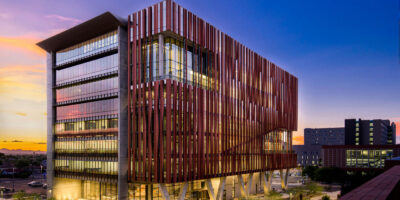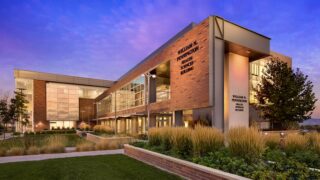

Does the University of Nevada, Reno have a medical school? Yes. The University of Nevada, Reno School of Medicine, known as UNR Med, has trained physicians since 1969 and was Nevada’s first public medical school. Its MD program is based on the university’s north campus in Reno, with clinical training across Northern Nevada’s urban and rural communities and a close affiliation with Renown Health, its primary teaching hospital.
UNR Med is a community-based, research-intensive school with a small class of about 70 students each year. Its vision is short and specific: A Healthy Nevada. Almost everything the school asks of applicants, from its residency rules to its secondary essays, follows from that goal. It gives strong preference to Nevadans and accepts out-of-state applicants only from a defined list of Western states or with a documented Nevada connection.
This guide covers the 2026-2027 application cycle, for students who want to start medical school in August 2027. It explains UNR Med’s newest class statistics, eligibility rules and the changes made for this cycle, the required AAMC PREview exam, deadlines, tuition and cost of attendance for 2026-27, the curriculum, clinical training, the people who lead the school, all six current secondary essay prompts with original example answers, the in-person panel interview and a long list of frequently asked questions. Figures were checked on October 29, 2026.
Why Read This Guide
If you have searched for “medical schools near me” or “medical schools in Nevada,” you already know the options in the state are limited and competitive. You may also be weighing whether a public school in Reno fits your goals, whether you qualify as an in-state applicant, or how UNR Med compares with the Kirk Kerkorian School of Medicine at UNLV. This guide is meant to be a one-stop reference for those questions, whether you are in the early stages of researching medical schools in NV or finalizing your UNR Med secondary.
Researching schools is a crucial part of the process, but nothing replaces one-on-one guidance. We run clinical internships abroad for future physicians and also help students get into the medical school where they belong. If you want help building a strategy, our article on medical school admissions consulting explains how it works.
What You Will Learn
From pre-med clinical experience to details about the University of Nevada, Reno Physician Assistant Studies program and other Nevada PA Programs, this guide aims to answer your questions about UNR Med and the other medical and PA schools in Nevada. By the end you should have a clear picture of the admissions process, academics, faculty, student life and costs, and you should know whether UNR Med is the right fit for you and how to present yourself as a strong applicant.
Key Takeaways
- Eligibility comes first. You must be a U.S. citizen, permanent resident or DACA recipient and fit one of UNR Med’s residency categories. Out-of-state applicants must be legal residents of Alaska, Arizona, California, Idaho, Montana, New Mexico, Oregon, Utah, Washington or Wyoming, or have a qualifying Nevada family or prior-residence tie. Washington was added for the 2026-2027 cycle.
- Hard minimums apply. Every applicant needs an MCAT of 500 or higher and a 3.30 cumulative undergraduate GPA (or a 3.50 in 30 or more post-bac credits, or a 3.50 in a completed graduate degree), as calculated by AMCAS.
- Class profile: for the 2025 entering class, accepted applicants had a median MCAT of 510 and a median total GPA of 3.86. UNR Med received 2,382 verified applications, interviewed 400 applicants and enrolled 72 students.
- New for this cycle: UNR Med now requires the AAMC PREview professional readiness exam instead of Casper and Duet. The last 2026 PREview test date is October 15.
- Key dates: Early Decision by August 1, MD/PhD by September 1 and regular MD by October 1, 2026. Secondaries go out on Tuesdays, and you have seven days to submit.
- Secondary: five required 300-word essays and one optional 500-word statement, plus a $75 fee (waived for AAMC Fee Assistance Program recipients). All six prompts, with example answers, are below.
- Cost: 2026-27 tuition is $34,452 for Nevada residents and $64,018 for out-of-state students. A first-year student living off campus has a budget of $79,752 in state or $109,318 out of state.
- Distinctive training: early clinical preceptorships, a student-run Student Outreach Clinic, ten optional scholarly concentrations and a required four-week rural rotation.
Key Statistics About the University of Nevada, Reno School of Medicine

| Metric | Value | Cohort or year | Source |
|---|---|---|---|
| Degree and campus | Doctor of Medicine (MD), Reno, Nevada; public | Current | UNR Med website |
| Accreditation | LCME, full accreditation (since 1971) | Current; next full survey 2027-28 | LCME directory |
| Incoming class size | About 70 students | Current | UNR Med admissions |
| Median MCAT | 510 (mean 510.3) | 2025 entering class, accepted applicants | AAMC MSAR |
| Median total GPA | 3.86 (mean 3.76) | 2025 entering class, accepted applicants | AAMC MSAR |
| Median science GPA | 3.82 (mean 3.69) | 2025 entering class, accepted applicants | AAMC MSAR |
| Verified applications | 2,382 (256 in-state, 2,115 out-of-state, 11 international) | 2025 entering class | AAMC MSAR |
| Interviewed | 400 (300 in-state, 100 out-of-state) | 2025 entering class | AAMC MSAR (school-provided) |
| Interviewed / verified applications | 400 of 2,382 (16.8%) | 2025 entering class | AAMC MSAR |
| Matriculants | 72 (47 in-state, 25 out-of-state) | 2025 entering class | AAMC MSAR |
| Acceptance rate (offers / applications) | Not published | N/A | N/A |
| Total MD enrollment | 301 | October 2025 | AAMC MSAR |
| Tuition | $34,452 Nevada resident; $64,018 out-of-state | 2026-27 academic year | University of Nevada, Reno cost of attendance |
| First-year cost of attendance (off campus) | $79,752 Nevada resident; $109,318 out-of-state | 2026-27 academic year | University of Nevada, Reno cost of attendance |
| Students receiving aid | 94% | 2024-25 academic year | AAMC MSAR (LCME Part I-B) |
| Average graduate debt | $193,060 | 2024-25 academic year, indebted graduates | AAMC MSAR (LCME Part I-B) |
What Are UNR Med’s Average MCAT and GPA?
For the 2025 entering class, the median MCAT for accepted applicants was 510 and the mean was 510.3. Section medians were 127 in Chemical and Physical Foundations, 126 in Critical Analysis and Reasoning, 128 in Biological and Biochemical Foundations and 129 in Psychological, Social and Biological Foundations. The median total GPA was 3.86 and the median science GPA was 3.82.
These are medians, not cutoffs. UNR Med’s real cutoffs are lower: an MCAT of 500 and a 3.30 GPA. Candidates who meet the minimums are screened for an interview, and after the interview the MCAT is weighed again as part of the full review. Use our list of GPA requirements and MCAT averages for every U.S. medical school to see where UNR Med sits among your other choices.
Is It Hard to Get Into UNR Med?
Yes, admission is competitive, but how hard it is depends heavily on where you live. For the 2025 entering class, 256 verified applications came from applicants classified as in-state and 2,115 from out-of-state applicants. The school interviewed 300 in-state and 100 out-of-state applicants and enrolled 47 in-state and 25 out-of-state students. In plain terms, a Nevada applicant who meets the minimums has a far better chance of an interview than an applicant from another Western state.
Approximately 100 out-of-state applicants are invited to interview each year to fill roughly 10 percent of the class of 70. Residency classifications in national data can differ from the school’s own categories, so treat the in-state and out-of-state counts as a guide rather than an exact rule.
UNR Med does not publish an acceptance rate (offers divided by applications). The only published ratio is interviews to applications: 400 of 2,382, or about 16.8 percent, for the 2025 entering class. That is not an acceptance rate, and dividing matriculants by applicants would understate the share who received offers.
Mission and Educational Priorities
UNR Med states its vision in three words: A Healthy Nevada. Its mission reads:
Improving the health and well-being of all Nevadans and their communities through excellence in: Student education and postgraduate training that produces leaders in medicine; Clinical care, safety and innovation; Research with local, national and global impact; An institutional culture of respect and inclusion.
The school’s core values are: People are our strength. We innovate and improve. We serve with integrity. We succeed with trust and respect.
The mission is not an abstract aim. It shapes every part of the institution, from education and research to clinical care, and it is built on an institutional commitment to an inclusive culture. The school describes itself as an inclusive, engaged and connected community that values what students, faculty and staff from different backgrounds bring to the educational experience, and it aims to develop culturally competent graduates to care for the residents of Nevada and beyond.
What the Mission Means for Applicants
UNR Med’s admissions committee says it looks for “a commitment to UNR Med’s mission to improve the health and well-being of all Nevadans and their communities.” In practice, that means four things for your application:
- Nevada ties carry weight. The school gives interview and admission preference to Nevada residents and builds its first secondary essay around connections to Northern Nevada communities.
- Service to underserved people is expected. The committee wants “a record of service that includes caring for individuals from vulnerable and underserved populations with compassion, respect and cultural sensitivity.”
- Rural health is part of the training. Every student completes a four-week rural rotation, and the school’s network reaches rural Nevada and northeastern California.
- Primary care matters, but it is not the only path. The school names family medicine, internal medicine, pediatrics and advanced rural clinical experience as its primary care programs, while graduates enter a wide range of specialties.
Strategic Plan and Core Values in Practice
UNR Med is working under a 2024-2029 Strategic Plan built around four pillars: a connected community, excellence in education, research and innovation, and an integrated academic health system. These priorities show up in daily student life. Medical students serve as voting members on school committees, help manage the Student Outreach Clinic, mentor pre-med students and are encouraged to start new programs.
Is UNR Medical School Good?
UNR Med is a fully accredited public medical school with a long record of training Nevada’s physicians. More than 4,000 physicians have trained at UNR Med since 1969. One in five doctors in Nevada and one in three doctors in Washoe County trained there. Its small class size, early patient contact, simulation center and affordable in-state tuition are real strengths. Whether it is good for you depends on your residency status, your interest in community and rural medicine and whether you want to train in a state with a well-documented physician shortage.
Accreditation and Institutional Identity
National Accreditation
UNR Med’s MD program holds full accreditation from the Liaison Committee on Medical Education (LCME), the accrediting body for MD programs in the United States and Canada. The program has been accredited since 1971, and its next full LCME survey is scheduled for the 2027-28 academic year. LCME accreditation certifies that the school meets national standards for medical education.
Regional Accreditation
The University of Nevada, Reno as a whole is accredited by the Northwest Commission on Colleges and Universities (NWCCU), the regional accreditor for higher education institutions in the Northwest. Institutional accreditation covers the university, while LCME accreditation applies specifically to the MD program.
The Significance of Accreditation
Accreditation is not merely administrative. Only graduates of accredited medical schools can sit for the USMLE and apply for licensure in the United States. The accreditation process is a rigorous evaluation that holds schools to high educational standards, and graduates of accredited programs move through residency applications and federal financial aid without the extra hurdles that unaccredited programs face. The combination of LCME and institutional accreditation gives UNR Med students a reliable foundation for their careers.
History and Identity
In 1969, Governor Paul Laxalt signed Assembly Bill 130, creating the University of Nevada School of Medical Sciences, now UNR Med. The school grew in stages: graduate medical education began in 1983, the Pennington Medical Education Building opened in 2001, the Center for Molecular Medicine opened in 2010 and the Pennington Health Sciences Building, with its clinical simulation center, opened in 2011. The Physician Assistant Studies program welcomed its first class in 2018.
Two recent changes matter for applicants. In 2017, UNR Med’s southern clinical and educational activities moved to the newly established Kirk Kerkorian School of Medicine at UNLV. In 2021, UNR Med and Renown Health formed Nevada’s first integrated academic health system under a 50-year affiliation agreement. Renown now operates the clinical services of University Health and serves as UNR Med’s primary teaching hospital.
Today UNR Med is part of a Carnegie R1 research university. It trains medical students, residents and fellows, physician assistants, speech pathologists and audiologists, and PhD scientists.
Medical Programs and Affiliations
Doctor of Medicine (MD) Program
The four-year MD program is UNR Med’s main entry point, with about 70 students per class. Applicants apply through AMCAS by October 1, or through Early Decision by August 1. Details of the curriculum follow in the next section.
Combined Degree Programs
UNR Med offers three dual degrees: the MD/PhD, the MD/MPH and the MD/MBA. Only the MD/PhD has its own direct application route. Students apply to the MD/MPH and MD/MBA after they start medical school.
Combined Medical Degree/Ph.D.
The MD/PhD program trains physician-scientists, with approximately two seats reserved in each incoming class. Applicants from all 50 states are eligible, as long as they meet the general eligibility rules and the same GPA and MCAT minimums as MD applicants. The AMCAS deadline is September 1, and MD/PhD applicants need three letters: academic, clinical and research.
The program is designed to take six to seven years. Students complete two years of medical school and USMLE Step 1, then graduate coursework and laboratory dissertation research, then return to clinical training. PhD tracks include:
- Biochemistry and Molecular Biology
- Biomedical Engineering
- Cellular and Molecular Pharmacology and Physiology
- Cell and Molecular Biology
- Speech Pathology and Audiology
- Integrative Neuroscience
MD/PhD students are guaranteed three years of funding through Graduate Research Assistantships and can apply for additional scholarships.
Program contact: Caroline Cobine, Ph.D., (775) 682-8840, [email protected].
Combined Medical Degree/M.P.H. (Master of Public Health)
UNR Med and the University of Nevada, Reno School of Public Health offer a combined MD/MPH. Students can choose the MPH in Epidemiology, Public Health (Health Administration and Policy) or Public Health (Social and Behavioral Health). The MPH year usually falls between the second and third or the third and fourth years of medical school, and three credits count toward both degrees. The combined path takes approximately five years. Students apply to and are admitted into each program separately.
Program contact: Office of Medical Education, (775) 784-6063, [email protected]. Apply after matriculating to medical school.
Combined Medical Degree/M.B.A. (Master of Business Administration)
If you want to combine medicine with business training, UNR Med offers an MD/MBA with the University of Nevada, Reno College of Business. Students complete the first two years of medical school, finish the MBA in about one year, then return for the final two years of medical training. Selected fourth-year elective credits count toward both degrees, so the program can be completed in five years. Each student’s plan is built around their career goals with guidance from MBA and MD faculty. It suits students aiming for leadership in medical practices, government agencies, healthcare companies or research and pharmaceutical firms.
Program contact: Office of Medical Education, (775) 784-6063, [email protected].
Application Information for Combined Programs
MD/PhD applicants apply directly by September 1 through AMCAS and complete the same UNR Med secondary as other applicants. MD/MPH and MD/MBA applicants apply after they have been admitted and started medical school. This lets students choose those paths once they have a clearer sense of their professional goals.
Post-Baccalaureate Pathway Program
UNR Med and the University of Nevada, Reno offer a Post-Baccalaureate (Post-Bac) Pathway Program for students who have faced academic challenges and want to show readiness for medical school. Students admitted to the program who successfully complete its requirements are guaranteed a seat and commit to attending UNR Med. It is a two-year commitment: one academic year of 30 to 34 credits of upper-division coursework at UNR, an intensive MCAT preparation course and regular check-ins with a learning specialist, followed by a mandatory gap year focused on experience and preparation before medical school.
Key facts for the 2026-2027 application:
- Dates: the application opens November 15, 2026 and closes January 15, 2027 at 11:59 p.m. Interview notices go out by February 1, interviews take place in person in late January, and decisions are sent by March 20.
- Fee: $35, non-refundable.
- GPA range: a cumulative undergraduate GPA between 2.80 and 3.40, or a 3.00 in the last 30 undergraduate credits, with a completed bachelor’s degree by January 15.
- Residency: legal residence in Nevada, Alaska, Arizona, California, Idaho, Montana, New Mexico, Oregon, Utah or Wyoming, or a listed Nevada tie.
- Prerequisites: the same science sequence as the MD program, with three credits of genetics within the biology requirement.
- Essays: seven essays of up to 300 words (motivation for medicine, academic challenges, why UNR Med, overcoming adversity, cultural competence in health care and teamwork) plus an optional 500-word statement. The post-bac application has its own prompts, separate from the MD secondary.
- Letters: three, written within six months of applying, including one clinical and one academic letter.
Program contact: Kaitlin Ochsenrider, Ph.D., Director of M.D. Pathway Programs, through the Office of Admissions at (775) 784-6063 or [email protected].
Professions in Medicine + Assured Seat
UNR Med no longer offers a BS/MD program. Instead, University of Nevada, Reno undergraduates in the Honors College can join the Professions in Medicine (PiM) Honors Certificate Program and apply during their sophomore year for a PiM + Assured Seat. A small number of students each year earn an assured seat at UNR Med by completing academic, professional and program requirements, an application and an interview. For the 2025 entering class, five students matriculated through early assurance.
Physician Assistant Studies and Other Programs in Nevada
UNR Med also runs a 25-month Physician Assistant Studies program, accredited-continued by ARC-PA, which welcomed its first class in 2018. Touro University Nevada in Henderson also offers physician assistant programs, along with an osteopathic (DO) medical school. If you are comparing paths, our overview of pre-PA internships explains how patient care experience abroad fits a PA application.
Why Consider These Programs?
The combined degrees, the post-bac and the assured-seat track let students with different backgrounds and goals reach the same MD. A research-minded applicant from out of state can compete for an MD/PhD seat, a Nevada student with an uneven academic record can rebuild through the post-bac, and a UNR undergraduate can secure a seat early through PiM. Each route leads to the same school, and each has its own eligibility rules.
A Synergy of Clinical and Academic Partnerships
Clinical Affiliations
UNR Med’s clinical network gives students training sites across Nevada, under the mentorship of practicing physicians. The cornerstone is Renown Health, the Northern Nevada health system that serves as UNR Med’s primary teaching hospital. Through their integrated academic health system, learners train across Renown’s network of hospitals and clinics in more than 40 specialties. The affiliation counts 543 affiliated faculty members across UNR Med and Renown and 131 residents in training programs.
UNR Med also actively collaborates with the VA Sierra Nevada Health Care System, Northern Nevada Medical Center and St. Mary’s Medical Center. Third- and fourth-year students train in settings that range from urban Reno to rural Nevada and northeastern California, and the school maintains sites on Moana Lane, at the Redfield Campus in south Reno and in Elko.
Academic Affiliations
Within the University of Nevada, Reno, UNR Med works with the School of Public Health (MD/MPH), the College of Business (MD/MBA), the Orvis School of Nursing (through the Simulation Consortium of Northern Nevada) and the graduate school (MD/PhD). Across the state, UNR Med collaborates with partners in Southern Nevada, including the Kirk Kerkorian School of Medicine at UNLV, on clinical, research and educational opportunities.
Why Affiliations Matter
Affiliations are formal arrangements that give students access to clinical sites, faculty, courses and research they would not have inside one building. At UNR Med, the Renown affiliation means students learn in the region’s main hospital system from the first year, and the university partnerships make dual degrees and interprofessional training possible. Together they support the school’s mission to produce physicians who can serve Nevada and the broader national community.
Curriculum Overview
UNR Med’s four-year MD curriculum integrates biomedical science with clinical practice through a systems-based block format. Students begin clinical training early, learning patient interviewing, the doctor-patient relationship and physical examination, and they work with community physicians in outpatient settings during the first two years.
The Foundations curriculum uses a “Case of the Week” approach that ties scientific concepts to real clinical cases, reduces lecture hours and builds habits of lifelong learning. Longitudinal courses, the Practice of Medicine, Advanced Clinical Skills and Clinical Reasoning in Medicine, run alongside the blocks. Instruction includes lectures, simulation and standardized patients, case studies and team-based learning. First- and second-year courses are graded pass/fail, and third- and fourth-year courses are graded Honors, High Pass, Pass or Fail.
Before classes begin, new students complete MedFIT, a required one-week course that combines orientation with an introduction to the academic curriculum.
Year 1: Foundations and Organ Systems
Year 1 includes 40 weeks of instruction in five blocks:
- Block 1: Foundations and Principles of Medical Science I (8 weeks)
- Block 2: Cardiovascular, Respiratory and Renal Systems I (10 weeks)
- Block 3: Gastrointestinal, Endocrine and Reproductive Systems I (8 weeks)
- Block 4: Musculoskeletal and Integumentary Systems (6 weeks)
- Block 5: Nervous System and Human Behavior I (8 weeks)
The Practice of Medicine runs alongside the blocks: 18 weeks in the fall on history-taking, physical examination, ethics, professionalism and communication, and 22 weeks in the spring in a preceptorship setting with ambulatory care.
Year 2: Disease, Diagnosis and Step 1
Year 2 includes 31 weeks of instruction:
- Block 6: Foundations and Principles of Medical Science II (microbiology, immunology and pathology; 7 weeks)
- Block 7: Whole Body (cancers and infectious diseases; 4 weeks)
- Block 8: Cardiovascular, Respiratory and Renal Systems II (7 weeks)
- Block 9: Gastrointestinal, Endocrine and Reproductive Systems II (6 weeks)
- Block 10: Nervous System and Human Behavior II (6 weeks)
Advanced Clinical Skills continues with fall community preceptorships and spring small-group skills work, and a seven-week USMLE independent study period with faculty-led workshops prepares students for Step 1. Students must pass Step 1 before starting the third year.
Year 3: Clerkships
Year 3 opens with Context of Patient Care (4 weeks), covering life stages, community and preventive medicine, health policy and patient safety. Clinical Reasoning in Medicine runs for 36 weeks with observed structured clinical exams. The 48 weeks of required clerkships are:
- Internal Medicine (8 weeks)
- Surgery (8 weeks)
- Family Medicine (6 weeks)
- OB/GYN (6 weeks)
- Pediatrics (6 weeks)
- Psychiatry (6 weeks)
- Neurology (4 weeks)
- Selectives (4 weeks)
Students work full time at a designated site for each rotation and sometimes take night and weekend call.
Year 4: Electives and the Rural Rotation
Students complete at least 32 weeks of electives plus a required four-week advanced clinical rotation in rural health. Electives can be taken in Reno and at accredited residency programs across the country, and they span every department, from wilderness medicine, sports medicine and LGBTQ+ health care to medical Spanish, culinary medicine, spirituality in medicine and sub-internships. Students must pass USMLE Step 2 to graduate.
The rural rotation is one of UNR Med’s signatures. For four weeks, students live and work alongside preceptors in small, rural and frontier communities, managing complex problems with limited resources and seeing health disparities up close.
Scholarly Concentrations
The Scholarly Concentration Program is a voluntary four-year track that runs alongside the standard curriculum, with no extra tuition. Students work with a mentor on a specific question, spend four weeks on the project between the first and second years, complete a four-week elective in the fourth year (about 320 hours across four years) and can present or publish their work. Concentrations are:
- Clinical Ethics
- Culinary and Medical Nutrition
- Family Medicine
- Global Health
- Health Policy and Advocacy
- Interprofessional Education
- Medical Education
- Population Health
- Rural and Tribal Medicine
- Wilderness Medicine
Students apply after their first semester, must be in good standing and need approval from the Student Promotion and Conduct Committee by the end of the first year.
Curriculum at a Glance
| Year | Main components | Clinical exposure |
|---|---|---|
| Before Year 1 | MedFIT orientation course (1 week) | Introduction |
| Year 1 | Blocks 1-5 (40 weeks), Practice of Medicine | Preceptorships and ambulatory care |
| Year 2 | Blocks 6-10 (31 weeks), Advanced Clinical Skills, Step 1 study | Community preceptorships |
| Year 3 | Context of Patient Care, Clinical Reasoning in Medicine, 48 weeks of clerkships | Full-time rotations |
| Year 4 | 32+ weeks of electives, 4-week rural rotation, Step 2 | Electives in Reno and nationwide |
Academic System and Support
Students can add distinction through scholarly concentrations, research and dual degrees. The on-site Learning and Wellness Resource Center offers academic support, learning specialists, counseling resources and programs focused on mental, emotional, physical, nutritional and social wellness. English is the language of instruction. Current medical students report speaking languages ranging from Spanish and Tagalog to Amharic, Punjabi and American Sign Language.
Admissions Requirements and Application Process
UNR Med checks eligibility before it reviews anything else. Applicants who submit a secondary without meeting every requirement are not considered, and the $75 fee is not refunded. Confirm each item below before you pay.
Important Updates for the 2026-2027 Cycle
UNR Med made several changes for this cycle:
- Revised in-state GPA and MCAT criteria. In-state applicants now face the same minimums as everyone else: a 3.30 cumulative undergraduate GPA (or the post-bac or graduate alternatives) and an MCAT of 500 or higher.
- Washington added to the list of accepted out-of-state residence states.
- AAMC PREview required. UNR Med now requires the AAMC PREview professional readiness exam instead of the Acuity Casper and Duet assessments.
General Eligibility to Apply
All applicants must:
- Have, or complete by matriculation, a four-year undergraduate degree from an accredited U.S. postsecondary institution.
- Complete a minimum of 90 undergraduate semester credits, or a graduate degree, from an accredited U.S. institution.
- Show that they have met, or will meet, every prerequisite before matriculation.
- Be a U.S. citizen, a U.S. permanent resident (green card holder) or a recipient of Deferred Action for Childhood Arrivals (DACA).
International and Canadian applicants are not eligible, and UNR Med does not accept transfer students. Permanent residents provide a copy of a valid green card with the secondary. Admitted DACA applicants must provide valid identification and employment authorization documents. DACA recipients are not eligible for federal financial aid and may face limits at some clinical sites, in residency placement and in licensure, so plan funding early.
State Residency: Category A and Category B
UNR Med classifies every applicant as in-state (Category A) or out-of-state (Category B). It will not consider an application that fits neither.
Category A, in-state. You are reviewed as an in-state applicant if you can answer yes to at least one of these:
- You graduated from a Nevada high school.
- You graduated, or will graduate, with a bachelor’s degree from a four-year Nevada System of Higher Education (NSHE) institution.
- Your legal residence on AMCAS is Nevada, or you will have lived in Nevada for the 12 months before August 1 of your matriculation year.
- A parent or legal guardian will have lived in Nevada for the 12 months before August 1 of your matriculation year.
- You are a member of a federally recognized Native American tribe living on tribal lands wholly or partly within Nevada.
- You are a member of the U.S. Armed Forces stationed in Nevada on permanent duty, or the spouse, family member or legal guardian of one.
- A parent, grandparent or sibling is a graduate or current student of UNR Med.
Category B, out-of-state. If you do not qualify as in-state, you can still apply if you can document one of these:
- Legal residence in Alaska, Arizona, California, Idaho, Montana, New Mexico, Oregon, Utah, Washington or Wyoming.
- A spouse, partner or extended family member (grandparent, sibling, aunt, uncle or first cousin) who has lived in Nevada for the 12 months before the UNR Med application deadline.
- Previous residence in Nevada.
Category C, MD/PhD. MD/PhD applicants may come from any of the 50 states.
Classification for review as an in-state applicant does not guarantee in-state tuition. Tuition residency is decided separately by the university’s Office of Admissions and Records using the NSHE Residency Form, which is collected during the application process. Out-of-state students usually pay out-of-state tuition in the first year, and those who take the steps on the residency form during that year may qualify for in-state tuition later. Practical steps such as getting a Nevada driver’s license are covered on the Nevada DMV new resident page.
Chance of Selection for Out-of-State Applicants
Approximately 100 out-of-state applicants are invited to interview each year to fill about 10 percent of the class. For the 2025 entering class, 100 out-of-state applicants interviewed and 25 out-of-state students matriculated, using national residency classifications. If you live outside Nevada, apply only if you have a genuine reason to train in Nevada and can explain it.
Academic Criteria: GPA and MCAT Minimums
Every applicant, in or out of state, must have an MCAT of 500 or higher and one of the following, as calculated by AMCAS:
- A cumulative undergraduate GPA of 3.30 or higher from an accredited U.S. university, or
- A GPA of 3.50 or higher in 30 or more post-baccalaureate credits, or
- A GPA of 3.50 or higher in a completed graduate degree.
Medians for admitted students are much higher than these minimums, so treat them as eligibility rules, not targets. Strong preparation for a competitive MCAT score starts with the right coursework.
MCAT Timing
Take the MCAT no later than September 30 of the year you apply. UNR Med accepts scores from exams taken after 2015 (December 2015 onward), but it strongly recommends a score from within three years of your application date. All of your scores are visible to the committee.
Prerequisite Coursework
All prerequisites must be complete when you apply, or you must show a plan to complete them before August 1 of your matriculation year:
| Subject | Semester credits | Lab requirement and notes |
|---|---|---|
| Biology | 15 | At least 2 lab credits and 6 upper-division credits. Special topics, research, mentored research, survey courses and dissection team do not count as upper division. |
| Chemistry | 8 | At least 2 lab credits |
| Organic Chemistry | 8 | At least 2 lab credits |
| Physics | 8 | At least 2 lab credits |
| Biochemistry | 3 | None stated |
| Psychology or Sociology | 3 | None stated |
Strongly recommended, though not required: Anatomy and Physiology, Cell Biology, Genetics, Immunology, Molecular Biology, Metabolic Regulation, Statistics or Biostatistics, Neurobiology and Calculus. Readiness for medical school requires strong reading comprehension, critical thinking, quantitative reasoning, familiarity with scientific inquiry and a solid grasp of the body’s systems, and these courses build that foundation.
Coursework Policies
- Grades: every prerequisite needs a letter grade of C- or higher.
- Pass/fail: pass/fail, satisfactory/unsatisfactory or audit grades do not meet prerequisites, unless a graded option was unavailable because of COVID-19 restrictions.
- AP and IB: credits on an official undergraduate transcript can satisfy lower-division prerequisites, but not labs.
- Community college: lower-division (100-200 level) prerequisites can be taken at any accredited college, including community and junior colleges.
- Online courses: accepted if they award college credit from an accredited U.S. institution.
- Not accepted: correspondence courses, CLEP, professional school courses and graduate courses.
- Quarter credits: UNR Med uses the AMCAS conversion and rounds courses worth 2.7 semester credits up to 3.0.
- No expiration: UNR Med does not set expiration dates on prerequisite courses.
Shadowing Requirements
Physician shadowing is required. UNR Med wants candidates to gain “significant exposure to physicians, healthcare, and medicine” so they understand the responsibilities of being a physician, the challenges of practice and how a physician’s role differs from other healthcare roles. The emphasis is not on a checklist of hours but on a mature understanding of the profession. The school encourages exposure to a range of clinical environments and specialties, plus experience interacting with and caring for patients. Shadowing healthcare professionals well means preparing questions, reflecting afterward and keeping notes you can use in your secondary.
Clinical and Community Experience
UNR Med publishes no minimum hours, but its matriculants are experienced. In the 2025 entering class, 93 percent reported physician shadowing or clinical observation, 82 percent reported medical or clinical volunteering, 77 percent reported paid clinical employment, 85 percent reported community service and 89 percent reported research or lab work. The committee looks for “a mature passion for medicine that is informed through exposure to the field and clinical experiences, including patient interactions.”
If your record is light on patient contact, consider roles where you take vitals, room patients or help with intake. Structured pre-med internships that put you on a supervised clinical team can add hands-on patient care alongside local volunteering, and they work well in a summer between school years.
Community and Service
Candidates are encouraged to take part in service that builds compassion and cultural sensitivity and shows a commitment to their local community. UNR Med values applicants who show a genuine, sustained commitment to the people around them, especially vulnerable and underserved groups.
Letters of Evaluation
UNR Med participates in the AMCAS Letter Service and requires exactly three letters:
- MD applicants: one clinical letter, one academic letter and one additional letter.
- MD/PhD applicants: one clinical letter, one academic letter and one research letter.
Clinical letter: preferred from a practicing physician (MD or DO), but a nurse practitioner, physician assistant or other healthcare professional who has directly observed your work with patients can write it. It should address your interactions with patients, your understanding of medical roles and competencies such as communication and teamwork.
Academic letter: from a faculty member or instructor who has seen your commitment to academic excellence, in the classroom, a research lab or as a teaching assistant, and can speak to your thinking and reasoning skills, dedication, resilience and adaptability.
Other letter: a second clinical or academic letter, or a letter from someone who can evaluate your communication skills, personal attributes and readiness for medicine.
Research letter (MD/PhD only): from a faculty member or research supervisor who can evaluate your research skills, your role in projects and your potential as a physician-scientist.
Letter rules to note:
- Letters from family, friends, parents’ colleagues or anyone with a personal relationship are not accepted.
- Letters should be written in the year before the application deadline, signed and on official letterhead.
- Individual letters are preferred. Committee (composite) letters and letter packets are accepted if they include all required letters.
- UNR Med does not accept new or updated letters after you submit.
- Give your writers your personal statement, your resume and the AAMC guidelines for writing a letter of evaluation.
For reapplicants: you may reuse up to two letters from your previous application cycle if they still meet all current requirements, and at least one letter must be new and dated for the current cycle. Confirm the timing window for reused letters with the Office of Admissions before you assign them in AMCAS.
Letter type and policy: individual letters are preferred; committee letters and letter packets are accepted.
AAMC PREview and Other Assessments
UNR Med requires the AAMC PREview exam, a situational judgment test of professionalism and interpersonal skills such as ethics, communication, teamwork and resilience. It is used in holistic review alongside GPA and MCAT. Key points:
- Register through the AAMC; 2026 test dates run from April through October, with a final test date of October 15.
- Take it in the same cycle you apply. Scores from earlier cycles do not carry over.
- It must be completed by October 16, but you do not need a score before submitting the secondary.
- Casper and Duet are no longer required. UNR Med waives its secondary fee for AAMC Fee Assistance Program recipients.
If you are also applying to schools that still use other tests, our guide to medical schools that require CASPER can help you plan.
Selection Factors: What UNR Med Looks For
UNR Med uses a mission-based, competency-focused and holistic review. Each application gets an individual, comprehensive and balanced review. The school strongly encourages applications from Nevada residents, from members of groups traditionally underrepresented in medicine and from people from medically underserved, rural or low-income communities.
The committee looks for:
- Alignment with mission: a commitment to improving the health and well-being of all Nevadans and to the school’s culture of diversity and inclusion.
- Passion for medicine: a mature passion informed by exposure to the field and clinical experience, including patient interaction.
- Service record: caring for vulnerable and underserved people with compassion, respect and cultural sensitivity.
- Academic preparedness: a commitment to academic excellence, strong thinking, reasoning, problem-solving and communication skills, and being teachable and willing to ask for help.
- Personal and professional qualities: maturity, humility, self-awareness, reliability, adaptability, teamwork, social skills, ethical responsibility and integrity.
- Contribution potential: a demonstrated capacity to contribute to the school, the community and the profession.
These qualities are measured against the UNR Med Vision, Mission, Core Values and Diversity Statement, the UNR Med Code of Professionalism and the AAMC Core Pre-Professional Competencies.
UNR Med Vision, Mission, Core Values and Diversity Statement
These foundational principles, covered in the mission section above, guide the school’s work and are the first lens for reviewing applicants.
UNR Medical Education Program Objectives
UNR Med publishes learning objectives that medical students are expected to meet, aligned with the school’s mission and values. Reading them helps you describe your experiences in the school’s own terms.
UNR Med Code of Professionalism
UNR Med places strong weight on ethical and professional conduct. Its code of professionalism describes the behavior expected of students, and the committee looks for evidence of the same qualities in applicants.
AAMC Core Pre-Professional Competencies
The committee also assesses applicants against the AAMC’s core competencies for entering medical students, which cover professional, science and thinking and reasoning skills.
Early Decision Program
If UNR Med is your first choice and your application fits its criteria, you can apply through the AMCAS Early Decision Program (EDP) for priority consideration. EDP is available to both in-state and out-of-state applicants who meet UNR Med’s residency rules. By August 1, submit your AMCAS application with three letters and an eligible MCAT, and complete PREview by October 16. EDP applicants who complete the secondary are told by September 1 if they are selected for an interview, and decisions go out between September 15 and October 1. Accepted EDP applicants commit to UNR Med and may not apply elsewhere. If you are not admitted through EDP, you can apply to other schools, and UNR Med reconsiders your application in the regular pool, with final decisions by February 20.
Regular MD Program
The regular MD deadline is October 1, 2026, but apply as early as you can, ideally by September 1. You need an AMCAS application with three letters, an eligible MCAT and a PREview exam by October 16. Every MD applicant receives the secondary invitation, and applicants selected for an interview are notified by December 1.
MD/PhD Program
MD/PhD applicants submit AMCAS by September 1 with clinical, academic and research letters, an eligible MCAT and PREview by October 16. Applicants who submit the secondary are notified by December 1 if selected for an interview.
Information for Reapplicants
Around 25 percent or more of each incoming class at UNR Med are reapplicants, so a second attempt is common. The school strongly recommends that a new application not repeat the old one. Its advice:
- Apply early, by September 1.
- Update your personal statement to show how your reasons for medicine have grown.
- Add new or updated clinical hours with patient contact, new service hours and any academic changes that show readiness.
- Show new examples of the AAMC Pre-Professional Core Competencies and stronger alignment with UNR Med’s mission and values.
- Submit at least one new letter.
A gap year with steady clinical work is often the strongest way to make those changes. Some reapplicants add a term of pre-med gap year programs abroad to a year of local clinical employment, which gives them new patient care experience to describe.
Non-Traditional Students
UNR Med values the experience non-traditional applicants bring. Because prerequisites do not expire, returning students can use older coursework, but the school recommends taking upper-division science in the year before applying to show recent academic success and to earn a current academic letter. UNR Med does not offer individual pre-med advising, so work with your academic or pre-professional advisor. The post-bac program is another route for applicants who meet its requirements.
Letters of Intent and Updates
UNR Med does not accept letters of intent or letters of interest. Instead, its secondary gives you room to explain your interest in UNR Med and your commitment to Nevada. After you complete the secondary, you can upload these updates to the admissions portal:
- New experiences for the Work/Activities section of AMCAS.
- Updates to projected hours in that section.
- Transcripts showing courses or grades completed after you submitted AMCAS.
Primary Application and Key Dates
The first step is the American Medical College Application Service (AMCAS). Key dates for the 2026-2027 cycle:
| Date | Milestone |
|---|---|
| April to October 15, 2026 | AAMC PREview test dates (complete by October 16) |
| May 28, 2026 | Earliest AMCAS submission |
| August 1, 2026 | Early Decision AMCAS deadline |
| August 3, 2026 | Application review begins |
| August 2026 onward | Interview invitations begin; secondaries sent each Tuesday after AMCAS verification |
| Within 7 days of invitation | Secondary application due |
| September 1, 2026 | MD/PhD deadline; EDP interview notices; recommended regular MD submission |
| September 15 to October 1, 2026 | EDP decisions |
| September 30, 2026 | Last MCAT date |
| October 1, 2026 | Regular MD AMCAS deadline; earliest acceptance notices |
| December 1, 2026 | Regular MD and MD/PhD interview notifications |
| February 19, 2027 (or on admission) | Plan to Enroll in AMCAS Choose Your Medical School |
| February 20, 2027 | Final decisions for EDP applicants moved to the regular pool |
| March 1, 2027 | UNR Med scholarship application deadline |
| April 1, 2027 | Waitlisted applicants told whether they are in the top, middle or lower third |
| April 30, 2027 | Applicants with multiple offers hold only one |
| June 1, 2027 | Immunization records due |
| June 15, 2027 | Commit to Enroll deadline; latest acceptance notices |
| August 2, 2027 | Classes begin |
Secondary Application Basics
After AMCAS verifies your application, UNR Med sends secondary invitations in batches on Tuesdays, based on when you submitted to AMCAS. Every applicant receives the link, but only applicants who meet every requirement should submit. You have seven days from the invitation to submit through the UNR Med portal, and the $75 fee is non-refundable and waived for AAMC FAP recipients. The full prompts and example answers appear in the secondary section below.
Acceptances, Waitlist and Deferral
Acceptance offers go out from October 1 through June 15. You have up to two weeks to respond to an offer, and no deposit is required. Admitted students complete a background check and submit immunization records by June 1. If you no longer plan to attend, update your Choose Your Medical School status and email [email protected] so the seat can go to a waitlisted applicant; if you decide not to attend after April 30, email by May 1.
Waitlisted applicants are told by April 1 whether they are in the top third, middle third or lower third of the list. Most waitlist movement happens after the April 30 Commit to Enroll date. One-year deferrals are considered only in exceptional cases. Approved students become restricted delayed matriculants, must apply only to UNR Med in the next cycle and must submit a new AMCAS application.
Tuition, Cost of Attendance and Financial Aid
UNR Med describes itself as one of the best values in medical education, and for Nevada residents the numbers support that. Tuition is set by residency, and the university’s financial aid office publishes a full budget for each year of the MD program.
Tuition and Fees
For the 2026-27 academic year, tuition is $34,452 for Nevada residents and $64,018 for out-of-state students in each of the four years. Educational fees add $5,564 in the first year, $5,166 in the second, $5,790 in the third and $3,504 in the fourth. Major fees include:
| Fee | Amount | Years |
|---|---|---|
| Simulation fee | $1,900 (Y1), $1,400 (Y2), $2,200 (Y3), $100 (Y4) | 1-4 |
| Scholarly activity fee | $1,500 | 1-4 |
| Student support services | $548 | 1-4 |
| Library fee | $350 | 1-4 |
| NBME subject prep and exam fee | $344 (Y1), $558 (Y2), $532 (Y3) | 1-3 |
| Student health fee | $250 | 1-4 |
| Anatomy lab fee | $250 | 1 |
| Multidisciplinary lab fee | $150 | 2 |
| Health insurance (waivable with approved coverage) | $4,392 | 1-4 |
| Life and disability insurance | $84 | 1-4 |
| Fitness center, counseling and wellness fees | $195, $190 and $25 | 1-4 |
| USMLE Step 1 and Step 2 CK | $695 each | 2 and 4 |
| Graduation fees | $200 (school) and $145 (university) | 4 |
Health insurance is mandatory unless you receive an approved waiver for comparable coverage, such as a parent’s or spouse’s plan.
Cost of Attendance
The 2026-2027 first-year budgets from the Office of Financial Aid and Scholarships are:
| Living situation | Nevada resident | Out-of-state |
|---|---|---|
| Living with parents | $59,788 | $89,356 |
| Living on campus | $75,996 | $105,562 |
| Living off campus | $79,752 | $109,318 |
For a first-year student living off campus, the budget covers tuition, $5,564 in educational fees, $1,544 for books and supplies, $18,322 for housing, $7,248 for food, $4,370 personal, $3,326 transportation, $4,476 insurance and fees and $450 in loan fees. The third year costs the most because of clinical travel: $90,254 for a Nevada resident and $119,820 out of state, living off campus. Costs are rounded and may change.
Financial Metrics
For 2024-25, 94 percent of UNR Med students received financial aid, and the average medical school debt of indebted graduates was $193,060.
Financial Aid Options
Students work with the university’s Office of Financial Aid and Scholarships. File the FAFSA (federal school code 002568). Leonard Walker, Assistant Director of Financial Aid and Scholarships, advises MD students. Aid includes scholarships, grants, federal loans and work-study. Short-term emergency loans are available for unexpected expenses. Financial aid awards for incoming students are determined after acceptance, and additional scholarships are available for continuing students. UNR Med encourages applicants with financial need to apply to the AAMC Fee Assistance Program, which reduces MCAT and AMCAS costs, and UNR Med waives its secondary fee for FAP recipients.
Scholarships Available
UNR Med matches students with scholarships based on academic and personal needs. To be considered, complete the UNR Med scholarship application and the FAFSA. Incoming students apply through the pre-matriculation portal, and current students apply by March 1, 2027. School scholarships include the Phil and Jennifer Satre Medical Education Scholarship, the Jack and Jane Becker Medical School Scholarship and dozens of named endowments, among them the Blaine and Karen Brown Scholarship for Parents in Medicine. Outside options listed by the school include the National Health Service Corps, Army and Air Force HPSP, the AMA Foundation Physicians of Tomorrow awards, National Medical Fellowships and the Pat Tillman Foundation.
Loan Repayment
Graduates with debt can explore National Health Service Corps loan repayment, which supports primary care, mental and behavioral health and maternity care clinicians working in Health Professional Shortage Areas. A Students to Service option offers repayment to final-year medical students who commit to primary care in shortage areas.
Budgeting and Financial Planning
Medical school finance is hard to plan, and UNR Med provides guidance on building a financial plan and managing debt. A few practical points: in-state status saves almost $30,000 a year in tuition, so out-of-state students should read the NSHE residency rules early. A car is recommended for clinical rotations, which is why transportation costs rise in the third and fourth years. And because DACA recipients cannot use federal loans, they should contact financial aid as soon as they are admitted.
Campus Facilities and Student Life
Setting
UNR Med sits at the base of the Sierra Nevada, on the north end of the University of Nevada, Reno’s 290-acre campus just north of downtown. Lake Tahoe is about 30 minutes west, the Black Rock Desert lies to the northeast and Yosemite is a short road trip to the southwest. Reno is a mid-sized city with cultural events, highly rated restaurants and entertainment, four real seasons and easy access to skiing, hiking and the outdoors.
Facilities and Resources
The medical campus includes the William N. and Myriam Pennington Medical Education Building, the Pennington Health Sciences Building, the Center for Molecular Medicine, the Center for Bioinformatics and the Family Medicine Center. Key resources for students:
- Nevada Clinical Simulation Center: labs with advanced patient simulators such as SimMan3G, SimMom and SimBaby, plus a Standardized Patient Education program where trained actors play patients. It is part of the Simulation Consortium of Northern Nevada with the Orvis School of Nursing and Renown Health.
- Gross Anatomy Lab for dissection-based learning.
- Savitt Medical Library, with the Great Basin History of Medicine Museum, showing medicine in Nevada since 1850.
- Research labs in the Center for Molecular Medicine and the basic science departments.
Housing Options
UNR Med does not run its own residence halls for medical students. On-campus graduate and professional housing is available, along with off-campus housing a short distance from campus. The cost of attendance assumes $18,322 a year for off-campus housing.
The University of Nevada, Reno has nine residence halls, mainly for undergraduates, which matters if you are a UNR undergraduate in the PiM track or the post-bac program:
- Nevada LLC Hall: suite layouts with air conditioning, $9,500 to $11,000 a year.
- Nye Hall: an active first-year hall with social lounges, double rooms and community bathrooms, $7,200 a year.
- Sierra Hall and Juniper Hall: Sierra offers private-style living with on-site parking and limited single rooms; Juniper offers single rooms with community bathrooms.
- Other halls include Argenta, Canada (sophomores and above), Great Basin, Manzanita and Peavine.
Housing Application Timeline
For the most recent cycle, the university housing application opened November 12, 2025 at 10 a.m., the priority deadline was February 15, 2026, the roommate portal opened February 16 and room selection windows ran from March 10 to June 30, 2026. A down payment is due when prompted.
Steps to Apply for Housing
- Apply to the university. This generates your NSHE ID, which you need to log in.
- Plan ahead. Compare halls and meal plans and note key dates.
- Submit the online application in the housing portal with your housing, roommate and meal plan preferences.
- Pay the down payment when prompted.
- Optional: Living Learning Community. Apply separately; a $50 per-semester program fee applies.
- Optional: gender-inclusive housing. Indicate interest on your application.
- Select your room during your assigned window and confirm roommates.
Gender-Inclusive Housing
The university offers gender-inclusive housing that provides an affirming, safe and supportive environment for transgender and gender-nonconforming students and the wider LGBTQIA+ community.
Housing Assignments by Student Type
- First-year students: room selection windows are assigned after applications close; apply by the priority deadline for the best options.
- Sophomores and above: apartment-style options such as Canada Hall are open to sophomores and above.
- Transfer and returning students: apply through the same portal and timeline as new and returning students.
- Graduate and professional students, including medical students: on-campus graduate and professional housing is available, and off-campus rentals near campus are the other main option.
Diversity Programs
UNR Med hosts monthly Diversity Dialogues, a quarterly Diversity Health Series and an annual Inclusive Medicine Lecture Series. The Office of Admissions runs initiatives to inspire, educate and support prospective students from groups underrepresented in medicine and from medically underserved rural and low-income communities. In the 2025 entering class, 45 percent of matriculants reported disadvantaged status and 33 percent reported growing up in a medically underserved area.
Support Systems for Gender and Sexual Minority Students
MedPride, a student interest group, supports future doctors committed to improving care and access for the LGBTQIA+ community, and its members work with faculty to increase LGBTQIA+ content across the curriculum. All first-year students take part in a program that includes a lecture on sexual orientation in medicine and transgender health, peer-led training in sexual history-taking, transgender case studies, Safe Zone training and a panel with LGBTQIA+ patients and providers.
Wellness and Learning Support
The Learning and Wellness Resource Center addresses mental, emotional, physical, nutritional and social wellness, alongside academic support from learning specialists. Students also have access to the university’s counseling services and the E.L. Wiegand Fitness Center. Accessibility support for applicants and learners with disabilities runs through the university’s accessibility services.
Student Groups and Clubs
Engagement does not stop in the classroom. UNR Med students sit as voting members on school committees, lead educational outreach and mentor pre-med students, and they are encouraged to start new programs. Each organization sets its own goals, activities and membership. UNR Med’s affinity groups include the Latino Medical Student Association, the Student National Medical Association, the Asian Pacific American Medical Student Association, the South Asian Medical Student Association and the Medical Student Pride Alliance, along with groups for students with disabilities and chronic illness and for first-generation, low-income and rural students.
Student Organizations and Associations
- American Geriatrics Society Student Chapter
- American Medical Student Association (AMSA)
- AAMC Organization of Student Representatives (OSR)
- American Medical Association (AMA)
- American Medical Women’s Association (AMWA)
- Asian Pacific American Medical Student Association (APAMSA)
- Association of Women Surgeons
- Christian Medical and Dental Association
- Latino Medical Student Association (LMSA)
- Phi Delta Epsilon, Epsilon Iota Chapter
- Med Student PRIDE Alliance
- Student National Medical Association (SNMA)
- South Asian Medical Student Association
Student Interest Groups
UNR Med students have run interest groups across specialties and causes, including A Healthier Nevada, Academic Medicine, Addiction Medicine, Anesthesiology, Cardiovascular, Dermatology, ENT and Plastics, Emergency Medicine, Family Medicine, Financial Literacy, Gastroenterology, Humanitarians in Medicine, Internal Medicine, Interprofessional Education, Medical Education, Medical Policy and Advocacy, Medical Spanish, Mentorship in Medicine, Medical Students with Disability and Chronic Illness, Mental Health, Music in Medicine, Neurology and Neurosurgery, OB/GYN, Oncology, Ophthalmology, Orthopedic Surgery, Palliative Care, Pathology, Pediatrics, Psychiatry, Pulmonary and Critical Care, Radiology, Research, Sports Medicine, Street Medicine, Surgery and Surgical Skills, Suture Skills, Transplant, Trauma Surgery, Ultrasound, Urology and Wilderness Medicine. Group rosters change from year to year, so check with student affairs for the current list.
If the Medical Spanish group appeals to you, building Spanish skills before medical school pays off at the Student Outreach Clinic; a medical internship in Peru is one way to practice clinical Spanish with patients.
Contact for More Information
Questions about student life go to M.D. Student Affairs in the Pennington Medical Education Building, Mail Stop 0357, 1664 North Virginia Street, Reno, NV 89557, at [email protected]. Samantha Myers co-directs medical student career advising in that office ([email protected]).
Clinical Rotations and Research Opportunities
Early Clinical Training
UNR Med puts students in clinical settings almost immediately. Early clinical training and preceptorships teach health assessment, doctor-patient relationship skills, physical examination and diagnosis. In the first two years, students work with community physicians in outpatient clinics as part of the Practice of Medicine and Advanced Clinical Skills courses. A current student in the Class of 2027 put it this way: the school’s community focus “gives medical students an early start to seeing patients, charting and precepting to physicians.”
Core Clerkships and Sites
Third-year clerkships cover family medicine, psychiatry, internal medicine, neurology, surgery, pediatrics, OB/GYN and selectives, followed in the fourth year by the rural health rotation. Training sites include Renown Health’s hospitals and clinics, the VA Sierra Nevada Health Care System, Northern Nevada Medical Center and St. Mary’s Medical Center, along with community practices in Reno and rural Nevada. Students may also train in northeastern California. A driver’s license and a vehicle are recommended, because sites can be far apart.
The Rural Rotation
UNR Med’s required four-week rural rotation places students in small, rural and frontier communities, where they live and work alongside preceptors. It is designed to build clinical knowledge and problem-solving with limited resources, interprofessional learning and an understanding of health disparities. The school’s Elko site and its Rural and Tribal Medicine scholarly concentration extend that focus.
Student Outreach Clinic
The Student Outreach Clinic (SOC) gives free medical care to uninsured and underinsured people across Northern Nevada. It is run by medical students under the direct supervision of licensed physicians and offers primary and specialty care through several clinics: general and pediatrics, geriatrics and dermatology, women’s health, a rural outreach clinic and a student-led street medicine clinic for Reno’s homeless population. Services include screenings, diagnosis, lab work, x-rays, EKGs, blood pressure checks, some treatments and referrals. Social Security numbers and immigration status are not required. UNR Med recently received $3.7 million in federal funding to train future physicians to serve rural, tribal and homeless populations.
Research Opportunities
Research is part of the UNR Med experience, though no thesis is required. The University of Nevada, Reno is a Carnegie R1 research university, and UNR Med brings in more than $30 million in annual grants and contracts. For fiscal year 2024, total direct federal research grants and contracts were $30,110,902. Research spans infectious disease diagnostics, muscular dystrophy, gastrointestinal disorders, HIV, fertility, cancer and battlefield injuries, and basic science departments hold multiple Center of Biomedical Research Excellence (COBRE) grants.
The Translational Research Center helps medical students find research matches and mentors, and Medical Student Research Day lets students present their work. John Westhoff, M.D., MPH, the assistant dean for student research, oversees student research. Scholarly concentrations add a structured, mentored research path.
Residency and Specialty Choices
UNR Med supports students through the residency match with career advising from year one, specialty interest groups, workshops and a network of residency programs. Graduates match in Reno and across the country. Locally, UNR Med runs graduate medical education programs, with Renown as the primary teaching hospital, including residencies in internal medicine, family medicine, pediatrics, psychiatry and OB/GYN and several fellowships.
Specialty Training for Graduating Class
AAMC Graduation Questionnaire responses (July 2025 report) show the specialties UNR Med graduates plan to enter. In the most recent year shown, the most common intentions were anesthesiology (14.6 percent), emergency medicine (12.5 percent), pediatrics (8.3 percent), and internal medicine, neurology, OB/GYN, orthopaedic surgery, psychiatry and dermatology (6.3 percent each). In an earlier year in the same report, pediatrics led at 17.7 percent. Graduates also reported plans in family medicine, ophthalmology, neurological surgery, radiation oncology and other fields.
Graduation and Match Outcomes
Students must pass USMLE Step 1 before the third year and Step 2 before graduation. Most graduating students take part in the National Resident Matching Program, and match results are celebrated each March at Match Day. Ask the school for its most recent graduation and match rates at your interview day.
Notable Alumni, Faculty, Leadership and Admissions Staff
UNR Med’s leadership, faculty and graduates explain a lot about the school. Many alumni stay in Nevada and teach the next generation, and admissions is led by practicing physicians.
School Leadership
Paul J. Hauptman, M.D., Dean. Dr. Hauptman leads UNR Med and frames the school’s work around its vision of A Healthy Nevada, from care for underserved patients at the Student Outreach Clinic to research on new diagnostics for infectious diseases and treatments for muscular dystrophy. He oversees the 2024-2029 Strategic Plan and the academic health system with Renown. Applicants writing about A Healthy Nevada are writing to the vision he leads.
Neda Etezadi-Amoli, M.D., FACOG, Senior Associate Dean, Undergraduate Academic Affairs. An obstetrician-gynecologist and the department’s vice chair for education, Dr. Etezadi-Amoli oversees medical student education and is also listed on the MD Admissions team.
Lauren Schwarz, Ph.D., ABPP-CN, Associate Dean, Student Affairs and Institutional Wellness. A professor of psychiatry and behavioral sciences, Dr. Schwarz leads student affairs and wellness. She has said she joined UNR Med because its leadership made the wellbeing of all its members a strategic priority.
David Howard, M.D., Ph.D., Associate Dean, Curricular Affairs. Dr. Howard leads the office responsible for the block curriculum, the Case of the Week approach and the clerkship years.
John Westhoff, M.D., MPH, Assistant Dean, Student Research. Dr. Westhoff works with the Translational Research Center to connect medical students with research mentors.
Admissions Staff
Aaron Dieringer, M.D., MPH, Assistant Dean, Admissions. Dr. Dieringer is an assistant professor of family and community medicine and directs the Hospice and Palliative Medicine Fellowship. He is the school’s lead admissions contact. His mix of primary care, palliative medicine and admissions leadership reflects what the committee asks for: mature clinical exposure and commitment to patients across Nevada.
Kaitlin Ochsenrider, Ph.D., Director, M.D. Pathway Programs. Dr. Ochsenrider directs UNR Med’s pathway programs, including the Post-Baccalaureate Pathway Program and the routes into the MD program for UNR undergraduates.
Makayla Nelson, MBA, M.D. Admissions Interview Manager. Ms. Nelson manages interview days. Invited applicants receive scheduling instructions by email.
The admissions office also includes Nicholas Dunkle, MPH, coordinator of the Professions in Medicine Honors Program, and staff for outreach, marketing and NSHE residency processing. The office can be reached at (775) 784-6063 or [email protected].
Current Faculty
James Alexander, M.D., Professor and Chair, Obstetrics and Gynecology and Renown Women’s Health. Dr. Alexander leads the department that runs the six-week OB/GYN clerkship and fourth-year electives from maternal fetal medicine to gynecologic oncology.
Amy McGaha, M.D., MPH, FAAFP, Professor and Chair, Family and Community Medicine. Dr. McGaha also serves as chief of family medicine at Renown Health. Her department anchors the family medicine clerkship, the Family Medicine scholarly concentration and many community and rural preceptorships.
Catherine McCarthy, M.D., FAAFP, Professor, Family and Community Medicine. Dr. McCarthy is part of the family medicine faculty that teaches in early preceptorships, the family medicine clerkship and rural training.
Leslie Greenberg, M.D., FAAFP, Associate Professor, Family and Community Medicine. Dr. Greenberg is part of the primary care teaching faculty that shapes clinical skills training in the first two years.
Caroline Cobine, Ph.D., Associate Professor, Physiology and Cell Biology. Dr. Cobine is the listed contact for the MD/PhD program.
Samantha Myers, Co-Director, Medical Student Career Advising. Ms. Myers supports students in M.D. Student Affairs from specialty exploration through residency applications.
Notable Alumni
Peter Costa, M.D. ’88. A fourth-generation Nevadan, Dr. Costa earned his bachelor’s and MD at the University of Nevada, Reno, trained in physical medicine and rehabilitation at Loma Linda and returned to Nevada in 1996. He became a team physician for the U.S. Ski and Snowboard Team in 2000 and directed its spine program, all while mentoring UNR Med students on clerkships. He retired in 2022 and is president of the UNR Med Alumni Chapter Board.
Curtis Brown, M.D., FACEP ’87. Dr. Brown has practiced emergency medicine in Northern Nevada for decades and is a clinical associate professor of emergency medicine at UNR Med, teaching medical students, residents and prehospital personnel. He has served as president of the Nevada Chapter of the American College of Emergency Physicians.
Deanne Leonard, M.D., FACP, FASN ’11. A Sparks native, Dr. Leonard trained in internal medicine in Orlando and completed nephrology and renal transplant fellowships at Mayo Clinic Florida. She now teaches internal medicine residents and UNR Med students.
Michael Patmas, M.D. ’81. Dr. Patmas is board certified in internal medicine, holds a master’s in medical management from USC and spent nearly two decades as a physician executive, including roles as chief medical officer and health plan CEO.
Other alumni stories on the school’s site include Kaleb Wartgow, M.D., who returned to rural Nevada as a physician and community faculty member, and Blaine Brown, M.D., Ph.D. ’02, who with his wife Karen funded a scholarship for parents in medical school.
Why These Profiles Matter
These people show what UNR Med values: physicians who stay in Nevada, teach, serve rural communities and lead. Read about the faculty in departments that interest you before your interview, but never name-drop someone you have not met.
Admissions Statistics and Class Profile
Matriculation Data for First-Year Class (2025 Entering Class)
Data below reflect verified applications, not applications that were started but never completed.
| Category | In-state | Out-of-state | International | Total |
|---|---|---|---|---|
| Verified applications | 256 | 2,115 | 11 | 2,382 |
| Interviewed | 300 | 100 | 0 | 400 |
| Deferred | 1 | 1 | 0 | 2 |
| Matriculated | 47 | 25 | 0 | 72 |
The in-state interview count is higher than in-state verified applications because interview data come directly from the school using its own residency categories, while application counts use national residency classifications. DACA applicants, for example, are counted as international in national data even though UNR Med reviews eligible DACA applicants under its residency rules.
Special Program Categories
For the 2025 entering class, matriculants included 5 through the Early Assurance Program, 5 through Early Decision, 7 through a Baccalaureate/MD route and 2 MD/PhD students. For the 2026-2027 cycle, UNR Med estimates 53 new entrants through the regular MD program, 9 through Early Decision, 6 through Early Assurance, 2 MD/PhD students and 2 through another special program, for a total of 72.
Data for All Accepted Applicants
| Measure | Mean (SD) | Median |
|---|---|---|
| MCAT total | 510.3 (5.8) | 510 |
| Chemical and Physical Foundations | 127.5 (2.1) | 127 |
| Critical Analysis and Reasoning Skills | 126.3 (2.4) | 126 |
| Biological and Biochemical Foundations | 127.9 (1.9) | 128 |
| Psychological, Social and Biological Foundations | 128.7 (1.8) | 129 |
| Total GPA | 3.76 (0.27) | 3.86 |
| Science GPA | 3.69 (0.36) | 3.82 |
Other Key Demographics
- Matriculants with a graduate degree: 7 percent.
- Science or math majors: 81 percent.
- Students entering from post-baccalaureate programs: 8.
- Matriculants reporting disadvantaged status: 25 percent in 2022, 24 percent in 2023, 36 percent in 2024 and 45 percent in 2025.
- Matriculants from a medically underserved area: 33 percent in 2025 (56 percent said no, 8 percent did not know).
Age Ranges
Most of the 2025 entering class was between 19 and 29: 28 students were 19 to 23, 37 were 24 to 29, 6 were 30 to 39 and 1 was 40 or older. UNR Med enrolls students of a wide range of ages, and non-traditional applicants are common.
Matriculant States and Countries
The 2025 entering class came from Arizona, California, Colorado, Hawaii, Massachusetts, Nevada, Oregon, Texas, Utah and Washington. All listed permanent addresses in the United States. Matriculants can come from states outside the eligible list when they qualify through a Nevada family tie, prior Nevada residence or the MD/PhD route.
Race and Ethnicity
Race and ethnicity data are self-reported, and applicants can select more than one category, so column totals can exceed the number of matriculants. Detailed counts by group are available through the school. The 2025 class included a student with a tribal affiliation with the Chihene Nde Nation of New Mexico.
How to Read These Numbers
- Medians describe accepted applicants, not minimums. Many admitted students scored below the median.
- The interview-to-application ratio (400 of 2,382) is not an acceptance rate.
- Residency counts in national data can differ from UNR Med’s own categories.
- These figures are for the 2025 entering class, the newest available. The 2026 class profile had not been released as of October 2026.
Tips and Strategies for Admission
UNR Med is unusually clear about what it wants. The strategies below translate its stated priorities into practical choices.
1. Confirm Your Category Before You Spend Money
UNR Med will not consider an applicant who fits neither Category A nor Category B, and the secondary fee is non-refundable. Write down which statement makes you eligible, gather the documents that prove it and make sure your AMCAS residence matches. If you rely on a family member’s Nevada residence, confirm the 12-month window against the deadline.
2. Apply Early in the Window
Secondaries go out each Tuesday based on AMCAS submission date, and interviews run from August into the winter. Submitting AMCAS in early June and the secondary within a few days of the invitation puts you in the first review batches. Reapplicants are told directly to apply by September 1.
3. Schedule PREview and the MCAT Early
PREview is new for UNR Med this cycle and must be taken in the same year you apply. Book an early date so a scheduling problem cannot push you past October 15. Take the MCAT early enough that a retake still lands before September 30.
4. Build Patient Contact, Not Just Hours
The committee asks for a “mature passion for medicine” built on clinical experience “including patient interactions,” and it requires shadowing. Shadowing shows you what physicians do; patient care roles show what you can do. Paid or volunteer roles such as medical assistant, nursing assistant, EMT, scribe or clinic intake volunteer give you both. Students who want more hands-on hours often add clinical internships for pre-med students during a summer or gap year.
5. Serve Underserved Communities Over Time
UNR Med asks for a record of service caring for vulnerable and underserved people, and its third secondary essay is built on that experience. A year at one free clinic, food bank, shelter or rural health program usually says more than many short projects. Track specific patients and lessons (without identifying details) so you have material for the essay.
6. Show Your Nevada Connection Honestly
The first secondary question asks about connections to Northern Nevada communities. If you grew up, studied or worked in Nevada, be specific: towns, clinics, people you served. If you are an out-of-state applicant, explain your qualifying tie and why you want to practice in Nevada. Never invent ties; the committee can verify residency claims.
7. Prepare for Teamwork and Failure Questions
Two of the five required essays ask about a struggling team and a significant failure or crisis. Choose real examples where you made mistakes and changed. The committee lists “teachable and willing to ask for help” as part of academic readiness, so a story that shows you asking for help is a strength.
8. Use a Gap Year With a Plan
About a quarter or more of each class are reapplicants, and many matriculants are older than 24. A gap year works when it adds what your application lacked: full-time clinical work, upper-division science grades or new service. Students in college can also look at medical internships for undergraduates that fit between semesters.
9. Write a Personal Statement That Matches the Mission
Your AMCAS personal statement goes to every school, but UNR Med reads it next to essays on Nevada, teamwork, disparities, failure and problem-solving. Avoid repeating the same stories in every piece. Use the personal statement for your core motivation, and save specific UNR Med and Nevada details for the secondary.
10. Ask for Letters Early and Wisely
You need exactly three letters, including a clinical letter (ideally from a physician who saw you with patients) and an academic letter. Ask writers at least two months before you want to submit, give them your personal statement and resume, and confirm the letters will be on letterhead and signed.
Academic Excellence
The minimums are 3.30 and 500, but the medians for admitted students are 3.86 and 510. If your GPA is near the minimum, an upward trend in upper-division science, a post-bac record or a strong MCAT can help. If you have been out of school, take upper-division science in the year before you apply.
Understand the Curriculum Before You Write
Know what makes UNR Med different: early preceptorships, the Case of the Week approach, the Student Outreach Clinic, scholarly concentrations and the required rural rotation. Mention the features that truly fit your goals, not all of them.
Remember, Authenticity Is Key
Every strategy above rests on honest experiences. The committee reads thousands of essays and can tell when an applicant is writing what they think the school wants. Write what you actually did and learned.
Secondary Application Questions, Example Responses and Analysis

A secondary application is required for every UNR Med applicant, including Early Decision and MD/PhD applicants. Here is what is confirmed for the 2026-2027 cycle:
- Who receives it: every applicant whose AMCAS application is verified. The link arrives in a Tuesday batch based on your AMCAS submission date.
- Who should submit: only applicants who meet every residency, citizenship, GPA, MCAT and prerequisite requirement. Ineligible applicants are not considered, even after paying.
- Deadline: seven days after you receive the link.
- Fee: $75, non-refundable, waived for AAMC Fee Assistance Program recipients.
- Format: five required essays of up to 300 words each and one optional statement of up to 500 words.
- Permanent residents: upload a copy of your green card with the secondary.
Because the window is only seven days, draft your answers in June, before the invitation arrives. Our overview of medical school secondary essay prompts explains how to pre-write efficiently across schools.
UNR Med’s 2026-2027 Secondary Essay Prompts
The full prompt set, word for word:
- Why UNR Med? Please share why you want to pursue your medical education at UNR Med. Describe any connections to Northern Nevada communities and how you are prepared to contribute to UNR Med’s vision of “A Healthy Nevada.” (300 words)
- Teamwork Challenge: Describe a time when you were part of a team that was struggling to meet objectives. How did you react? What would you do differently? What did you take away from this experience that will influence your approach to working on a team in the future? (300 words)
- Health Care Disparities Experience: Reflect on and describe an experience where you provided care or service to individuals from populations that commonly experience healthcare disparities. Discuss what you learned about the socio-cultural or economic factors that affect underserved populations and describe how your interactions with these individuals motivated or prepared you for a future in medicine. (300 words)
- Failure or Crisis: Describe a time when you faced a significant life crisis or an academic, personal, or professional failure. How did you respond, what did you learn, and how did the experience influence your future actions? (300 words)
- Creative Problem-Solving: Please share an example of how you have used critical thinking and communication skills to develop a creative or innovative solution to a challenging problem. (300 words)
- Optional: You are invited to provide a brief statement regarding anything not previously addressed or disclosed in your application that you would like considered during the review of your application. If you are a re-applicant to UNR Med, we encourage you to outline any significant changes or new experiences from your previous application. (500 words)
Your portal may number or format the prompts differently. Follow the exact wording and limits shown when you log in. MD/PhD applicants answer the same prompts; UNR Med publishes no separate MD/PhD essays, so use the “Why UNR Med?” and problem-solving essays to show your research goals.
How to Prepare for UNR Med’s Secondary
- Map your stories first. You need five different experiences: a reason for UNR Med, a team struggle, a disparities experience, a failure or crisis and a creative solution. Avoid using the same event twice.
- Keep each answer to one main story. At 300 words, one well-told example beats three summaries.
- Answer every part of the prompt. Most UNR Med prompts have three or four questions. Underline each one and check that your draft answers it.
- Connect to Nevada where it is true. The school’s mission is statewide, so Nevada details help, but do not force them into every essay.
- Count your words. The limits are firm. Count with the same tool the portal uses if you can.
Essay 1: Why UNR Med?
Prompt: Please share why you want to pursue your medical education at UNR Med. Describe any connections to Northern Nevada communities and how you are prepared to contribute to UNR Med’s vision of “A Healthy Nevada.” (300 words)
What it asks: three things in one essay: your reasons for choosing UNR Med, your ties to Northern Nevada and what you will add to the school’s statewide vision.
Approach: start with a specific experience that explains why training in Nevada matters to you. Then name two or three UNR Med features that fit your goals, such as early preceptorships, the Student Outreach Clinic, a scholarly concentration or the rural rotation, and explain why. Spend the last third on contribution: skills, languages, communities you know and where you plan to practice. If you are from out of state, explain your qualifying Nevada tie honestly.
Illustrative example, not an actual applicant essay
I grew up in Fallon, where the closest specialist for my grandfather’s kidney disease was a 60-mile drive to Reno. My mother arranged her work schedule around those trips for three years. That drive is the reason I want to train at UNR Med, a school built to keep physicians in Nevada.
My connections to Northern Nevada are practical, not abstract. I graduated from Churchill County High School, finished my degree at the University of Nevada, Reno, and spent two years as a scribe in a Reno emergency department. Many of the patients I charted for had driven in from Lovelock, Yerington or Fernley because nothing closer could handle their problem. I learned the names of those towns as diagnoses: missed dialysis, a delayed stroke workup, an infection that started as a scratch on a ranch.
UNR Med prepares students for exactly those patients. The required four-week rural rotation, where students live and work alongside a preceptor, and the Rural and Tribal Medicine scholarly concentration would let me study the problems I watched from the scribe’s desk. Preceptorships in the first two years would put me in community clinics early, which matters to me because I learn best by doing.
I am prepared to contribute to “A Healthy Nevada” in three ways. First, I speak Spanish at home and with patients, and I can help classmates at the Student Outreach Clinic connect with Spanish-speaking families. Second, I know how rural families make medical decisions: around harvest, school and the cost of gas. Third, I plan to stay. I want to practice family medicine within two hours of Fallon, take students of my own and become one of the reasons another family does not have to make that drive.
Analysis: The prompt asks three things: why UNR Med, connections to Northern Nevada communities, and how the applicant will contribute to the school’s vision of A Healthy Nevada. The example answers each in order. The why is tied to verified UNR Med features (the required rural rotation, the Rural and Tribal Medicine concentration, early preceptorships, the Student Outreach Clinic) rather than generic praise. The Northern Nevada connection is specific and checkable: a Nevada high school, a degree from an NSHE institution and work in a Reno emergency department. The contribution paragraph gives three concrete assets and a plan to stay in the state, which matches a mission built around Nevada’s workforce. Mistakes to avoid: listing every program on the website, claiming a Nevada tie you cannot document, or forgetting the third part of the question.
Essay 2: Teamwork Challenge
Prompt: Describe a time when you were part of a team that was struggling to meet objectives. How did you react? What would you do differently? What did you take away from this experience that will influence your approach to working on a team in the future? (300 words)
What it asks: a real team that was falling short, your honest reaction, a specific do-over and what you will carry into future teams.
Approach: choose a team with a clear goal and a real problem: a research group, a clinic shift, a sports team, a work project. Briefly set the stakes, describe your reaction including any mistakes, then show what changed. Reserve two or three sentences for “what would you do differently,” which many applicants skip.
Illustrative example, not an actual applicant essay
As a sophomore I joined a six-person team in an engineering-for-health course. Our task was to design a low-cost pill organizer for older adults with arthritis and test it with residents of a senior center. Halfway through the semester we were three weeks behind. Two members had stopped coming to meetings, and the rest of us kept rewriting the same design document.
My first reaction was not my best. I quietly rebuilt the prototype myself over a weekend and told the group it was done. The result was predictable. The two missing members felt pushed out, and another teammate pointed out that my design ignored feedback from the senior center about lids that were hard to open.
That conversation changed my approach. I asked for a short meeting where each person explained what was getting in their way. One teammate was working 30 hours a week. Another felt her ideas were dismissed early in the project. We split the remaining work by schedule and strength, set two check-ins a week and agreed that any design change had to answer a specific piece of user feedback. We delivered on time, and the final version used a push-tab lid suggested by a resident with severe arthritis.
If I could do it again, I would ask why the team was struggling before trying to fix the output. I treated a people problem as a task problem.
I take two lessons into medicine. A team’s slowest point is often a person who is overloaded or unheard, and asking early is faster than compensating later. And the end user belongs on the team. At UNR Med, that will mean listening to nurses, patients and classmates at the Student Outreach Clinic before deciding I already know the answer.
Analysis: The prompt has four parts: a team that struggled, how you reacted, what you would do differently and what you took away. The example names a real-sounding project with a clear objective and a measurable problem (three weeks behind), admits an imperfect first reaction, describes the change in approach and states a specific do-over. The takeaway is linked to how the applicant will work on medical teams and at the Student Outreach Clinic. Mistakes to avoid: making yourself the hero who fixed everyone else, skipping the ‘what would you do differently’ part, or choosing a conflict so small that there is nothing to learn.
Essay 3: Health Care Disparities Experience
Prompt: Reflect on and describe an experience where you provided care or service to individuals from populations that commonly experience healthcare disparities. Discuss what you learned about the socio-cultural or economic factors that affect underserved populations and describe how your interactions with these individuals motivated or prepared you for a future in medicine. (300 words)
What it asks: direct care or service to an underserved group, what you learned about the forces behind their health problems and how it shaped your path to medicine.
Approach: pick an experience where you worked with people, not just organized an event. Use one interaction to show specific barriers such as cost, language, transportation, housing, work schedules or documentation fears. Then describe what you now do differently. Protect privacy: no names, and change identifying details.
Illustrative example, not an actual applicant essay
For two years I volunteered as a patient intake assistant at a free clinic in Reno that serves uninsured adults, many of them recent immigrants and seasonal workers. I checked vital signs, recorded medication lists and helped patients complete forms in English or Spanish before they saw the volunteer physician.
One patient, a man in his fifties who worked construction, came in with a blood pressure of 182/104. He had been prescribed medication at an urgent care clinic months earlier and stopped taking it after the first bottle ran out. When I asked why, he explained that the refill cost more than a day’s pay and that he could not take time off for another visit without losing work. He was not careless. He had made a reasonable decision inside an unreasonable set of choices.
That visit taught me that the factors driving his blood pressure were mostly outside the exam room: hourly wages without sick leave, no insurance, transportation tied to a work truck and a fear of being turned away. Language mattered too. He told me he had nodded through his first visit because he did not want to ask for an interpreter. Our team connected him with a low-cost generic prescription, scheduled his follow-up for a Saturday clinic and gave him written instructions in Spanish. Six weeks later his pressure was 138/88.
These interactions prepared me for medicine in concrete ways. I now ask about work schedules, cost and transportation as routinely as I ask about allergies. I learned that trust grows when a patient sees the same face more than once. And I learned that a clinic’s hours and language access are clinical decisions. I want to keep learning this at UNR Med’s Student Outreach Clinic, where students carry that responsibility under physician supervision.
Analysis: UNR Med asks for direct care or service to a population that experiences health disparities, what the applicant learned about socio-cultural or economic factors, and how the interactions prepared or motivated them for medicine. The example describes hands-on intake work, uses one patient to show cost, wages, sick leave, transportation and language as real barriers, and closes with changes in the applicant’s own habits. It stays respectful and does not present the patient as a lesson or a stereotype. Mistakes to avoid: describing service only in hours, writing about poverty in general terms, or casting yourself as rescuing a patient.
Essay 4: Failure or Crisis
Prompt: Describe a time when you faced a significant life crisis or an academic, personal, or professional failure. How did you respond, what did you learn, and how did the experience influence your future actions? (300 words)
What it asks: a meaningful setback, your response, the lessons and how they changed your later behavior.
Approach: choose something that truly cost you something. Spend about a third of the essay on the event and two-thirds on your response and growth. If your application already shows a low grade or a gap, this is a good place to explain it.
Illustrative example, not an actual applicant essay
In the fall of my junior year I failed my first organic chemistry exam with a 41. At the same time my father was laid off, and I had picked up a second job at a grocery store to help with rent. I told myself the exam was a fluke. Two weeks later I earned a 52 on the second exam and realized I was about to fail a course I needed for medical school.
My first response was to hide it. I stopped going to office hours because I was embarrassed, and I studied late at night after closing shifts, mostly by rereading notes. It did not work. What finally changed things was a conversation with my professor, who saw my name on the low-score list and asked me to come in. She did not lower the bar. She asked what my week looked like.
Laying it out on paper showed me the real problem. I was spending hours studying in ways that did not match how the exams tested me. I switched to working practice problems first, joined a Tuesday study group, moved one grocery shift to the weekend and told my manager I needed predictable hours. I earned an 84 on the final and passed the course with a C+. I retook the second semester and earned an A-.
I learned three things. Asking for help early is a skill, not a weakness. Study methods have to match the test. And financial stress is an academic factor, which is why I now pay attention when a classmate or patient seems overwhelmed for reasons they do not mention.
The experience still shapes my actions. I tutored organic chemistry for two years afterward, and I opened every first session by asking students what their week looked like.
Analysis: The prompt asks for a significant crisis or failure, the response, the lessons and how the experience shaped later actions. The example names a real academic failure with grades, shows a flawed first response, explains the turning point and gives measurable recovery. It connects the lessons to future behavior (tutoring, noticing stress in others). It also explains context (a family layoff and a second job) without using it as an excuse. Mistakes to avoid: picking a minor setback, blaming others, or spending most of the word count on the problem and little on what changed.
Essay 5: Creative Problem-Solving
Prompt: Please share an example of how you have used critical thinking and communication skills to develop a creative or innovative solution to a challenging problem. (300 words)
What it asks: a hard problem, how you analyzed it, how you communicated with others and the creative solution that resulted.
Approach: describe the problem in concrete terms, show your thinking (what you noticed, what you tested), explain how you persuaded or coordinated other people and give a result, ideally measured. Clinical, research, workplace and community examples all work.
Illustrative example, not an actual applicant essay
While volunteering at a rural health fair in Elko County, our student team kept running into the same problem. Patients waited up to two hours for blood pressure and glucose screening, and many left before being seen. The fair had one tent, eight volunteers and a single line.
Watching the line for an hour, I noticed two patterns. Most of the delay came from paperwork at the front table, and many people in line only wanted a blood pressure check, which took three minutes. The fair was treating a quick screening and a full intake as the same task.
I proposed a two-track system. People who wanted only a blood pressure reading would go to a fast station staffed by two trained volunteers. Everyone else would receive a short printed form to complete while waiting, so the intake volunteer could review it instead of filling it out. I also suggested a hand-drawn map at the entrance showing each station, in English and Spanish.
The hardest part was communication, not design. The fair coordinator worried that splitting the line would confuse older visitors. Instead of arguing, I asked to test the change for one hour and count how many people left unseen. She agreed. I explained the plan to each volunteer in under a minute, and we assigned one person to walk the line and answer questions.
During the test hour, the number of people who left before screening dropped from eleven to two, and average wait time fell to about 35 minutes. The coordinator kept the system for the rest of the day and used it at the next fair.
The experience taught me that creative solutions often come from watching closely, and that the best way to persuade is a small, measured trial.
Analysis: The prompt wants critical thinking, communication and a creative or innovative solution to a challenging problem. The example shows the thinking (observing the line and identifying two patterns), the creative fix (a two-track system and bilingual signs), the communication challenge (persuading a skeptical coordinator with a one-hour trial) and a measured result. It is set in rural Nevada, which fits UNR Med’s mission. Mistakes to avoid: describing a solution with no evidence that it worked, leaving out how you communicated, or choosing a purely technical problem with no people involved.
Essay 6: Optional Statement and Reapplicants
Prompt: You are invited to provide a brief statement regarding anything not previously addressed or disclosed in your application that you would like considered during the review of your application. If you are a re-applicant to UNR Med, we encourage you to outline any significant changes or new experiences from your previous application. (500 words)
What it asks: anything important the rest of your application does not cover, and for reapplicants, what has changed.
Approach: use it if you are a reapplicant, if you have an institutional action, a gap, a grade pattern or a hardship to explain, or if you have major new experiences. Be factual and brief. If none of those apply, you can leave it blank.
Illustrative example, not an actual applicant essay
This is my second application to UNR Med. When I applied last cycle, my academic record was solid, but my clinical experience was thin: about 120 hours of shadowing and a few months of hospital volunteering. My application said I wanted to serve rural Nevada, but it gave the admissions committee little evidence that I understood what that work involves. This year I set out to close that gap.
In the past twelve months I have worked full time as a certified nursing assistant at a skilled nursing facility in Carson City. I have logged more than 1,800 hours of direct patient care, including bathing, feeding, repositioning and recognizing early signs that a resident is declining. I learned how much of medicine happens between physician visits, and how often a nursing assistant is the first person to notice a fever or a new confusion. I report those changes, and I have learned to describe them clearly to nurses.
I also joined a weekly mobile food pantry that serves two rural communities in Lyon County. I help check in families and distribute food, and I have started conversations with the volunteer coordinator about adding blood pressure checks, which I am now trained to take. This work has shown me the overlap between food insecurity, chronic disease and distance from care.
Academically, I completed two upper-division courses, Immunology and Genetics, both strongly recommended by UNR Med, earning A grades in each. I took them to show recent success after time away from full-time study and to prepare for the pace of the first-year blocks.
Finally, I rewrote my personal statement from the start. Last year’s version described why medicine appealed to me. This year’s describes what I have learned from caring for patients and why that experience points me toward primary care in Northern Nevada.
I appreciate the committee’s time in reviewing my application again. I believe I am a stronger and better-prepared applicant than I was a year ago.
Analysis: This optional prompt invites anything not covered elsewhere and asks reapplicants to outline significant changes. The example is written for a reapplicant and does what the school recommends on its application requirements page: new clinical hours, new service hours, academic updates and a rewritten personal statement. Each change answers a weakness from the earlier application. The tone is factual and forward-looking. Mistakes to avoid: repeating your primary application, sounding bitter about the earlier decision, or using the space for a general essay when you have nothing new to report. First-time applicants who have no gap or circumstance to explain can leave it blank.
Common Mistakes on UNR Med’s Secondary
- Submitting without meeting every eligibility rule.
- Missing the seven-day window.
- Reusing a generic “why us” essay that never mentions Nevada.
- Writing about the same experience in two essays.
- Answering only the first question in a multi-part prompt.
- Going over the word limit.
Interview Format and Preparation
Interview Format
UNR Med interviews are in person on the main campus in Reno. Virtual interviews are not offered. For the 2026-2027 cycle (AY27), the format is a panel interview, not a Multiple Mini Interview (MMI). Interviewers include physicians, community partners, faculty, staff and medical students. Interviews are held starting in August and continue into the winter, and selected applicants receive an email with instructions to schedule their interview day.
For the 2025 entering class, UNR Med interviewed 400 applicants: 300 in-state and 100 out-of-state.
What to Expect on Interview Day
The day includes your interview, time to learn about UNR Med, conversations with members of the school community and a campus tour. Dress in professional attire, but wear comfortable shoes, because you will walk during parts of the day. Plan travel to Reno early, since you cannot reschedule to a virtual format.
What Is Confirmed and What Is General Advice
Confirmed by the school: in-person format on the main campus, panel style for this cycle, the types of interviewers, professional dress and comfortable shoes. Everything below is general preparation advice based on UNR Med’s stated selection factors, not a list of questions the school has published.
How to Prepare
- Know your application. Panel interviewers may have read your AMCAS and secondary. Be ready to expand on any experience you listed.
- Practice aloud with several people. A panel means answering while more than one person watches. Practice making eye contact with each interviewer.
- Connect to the mission. Expect to explain why Nevada, what you know about rural and underserved care and how you work on teams.
- Prepare for professionalism and ethics questions. The committee assesses the AAMC Core Pre-Professional Competencies and its own Code of Professionalism.
- Use AAMC resources. UNR Med points applicants to the AAMC’s interview do’s and don’ts, its interview preparation page and its applicant interview preparation guide.
If you are also interviewing at MMI schools, our guide to Multi-Mini Interviews (MMIs) covers that format separately.
Practice Questions for a UNR Med Panel Interview
These are practice questions built from UNR Med’s selection criteria:
- Why do you want to train in Nevada, and where do you see yourself practicing?
- Tell us about a time you cared for someone from a background very different from yours.
- What do you know about health care access in rural Nevada?
- Describe a time you received critical feedback. What did you do with it?
- Tell us about a team you were part of that did not work well.
- How would you handle a classmate who was struggling and not asking for help?
- What does professionalism mean to you as a medical student?
- How have your clinical experiences shown you the difference between a physician’s role and other healthcare roles?
- What would you contribute to the Student Outreach Clinic?
- What will you do if you are not admitted this year?
A Simple Answer Framework
For experience questions, use a short structure: the situation in one or two sentences, what you did, what happened and what you learned. Keep answers to about two minutes, then stop and let the panel follow up.
After the Interview
Decisions for regular applicants arrive between October and June. UNR Med does not consider letters of intent, but you can upload new experiences, updated hours and new transcripts to the portal after completing the secondary.
Frequently Asked Questions
Does the University of Nevada, Reno have a medical school?
Yes. The University of Nevada, Reno School of Medicine (UNR Med) has trained physicians since 1969. It offers the MD degree on the university’s Reno campus, with clinical training at Renown Health and across Northern Nevada.
Is UNR Medical School good?
Yes. UNR Med is fully accredited by the LCME, has a small class of about 70 students, early patient contact, a student-run outreach clinic and affordable in-state tuition. More than 4,000 physicians have trained there, and about one in five Nevada doctors trained at UNR Med.
What is the acceptance rate for the University of Nevada, Reno School of Medicine?
UNR Med does not publish an acceptance rate. For the 2025 entering class, it received 2,382 verified applications, interviewed 400 applicants and enrolled 72 students. The interview-to-application ratio was about 16.8 percent, which is not the same as an acceptance rate.
How hard is it to get into UNR med school?
It is competitive, especially for out-of-state applicants. Accepted applicants in the 2025 entering class had a median MCAT of 510 and a median GPA of 3.86. Nevada residents fill most seats, and about 10 percent of the class comes from out of state.
What are the minimum GPA and MCAT for UNR Med?
Every applicant needs an MCAT of 500 or higher and a 3.30 cumulative undergraduate GPA, or a 3.50 GPA in 30 or more post-baccalaureate credits, or a 3.50 GPA in a completed graduate degree, all as calculated by AMCAS.
Can out-of-state students apply to UNR Med?
Yes, if they are legal residents of Alaska, Arizona, California, Idaho, Montana, New Mexico, Oregon, Utah, Washington or Wyoming, or if they previously lived in Nevada or have a spouse, partner or extended family member who has lived in Nevada for the 12 months before the deadline. MD/PhD applicants may come from any state.
Does UNR Med accept international students or DACA recipients?
UNR Med does not accept international or Canadian applicants. It accepts U.S. citizens, permanent residents and DACA recipients who meet its residency rules. DACA recipients are not eligible for federal financial aid and should plan other funding.
Does UNR Med require Casper, Duet or PREview?
UNR Med requires the AAMC PREview exam and does not require Casper or Duet. You must take PREview in the same cycle you apply, by the final October test date, but you can submit the secondary before your score is available.
What are the UNR Med secondary essay prompts for 2026-2027?
There are five required 300-word essays (Why UNR Med?, Teamwork Challenge, Health Care Disparities Experience, Failure or Crisis and Creative Problem-Solving) and one optional 500-word statement. The full wording and example answers are in the secondary section of this guide.
How long do I have to complete the UNR Med secondary?
Seven days from the date you receive the secondary link. The fee is $75 and is waived for AAMC Fee Assistance Program recipients.
What is the UNR Med interview format?
For the 2026-2027 cycle, UNR Med uses an in-person panel interview on its Reno campus. It does not use the MMI format and does not offer virtual interviews.
How much does UNR Med cost?
For 2026-27, tuition is $34,452 for Nevada residents and $64,018 for out-of-state students. The first-year cost of attendance for a student living off campus is $79,752 in state and $109,318 out of state.
Does UNR Med have a BS/MD or early assurance program?
UNR Med no longer offers a BS/MD program. University of Nevada, Reno Honors College students in the Professions in Medicine program can apply in their sophomore year for a PiM + Assured Seat at UNR Med.
Does UNR Med have a post-baccalaureate program?
Yes. The Post-Baccalaureate Pathway Program is a two-year commitment: a year of upper-division coursework and MCAT preparation, then a required gap year. Students who complete it are guaranteed a seat at UNR Med. The 2026-2027 application opens November 15, 2026 and closes January 15, 2027.
Does UNR Med accept letters of intent?
No. UNR Med does not accept or consider letters of intent or letters of interest. You can upload new experiences, updated hours and new transcripts to the admissions portal after completing the secondary.
Can I reuse letters of recommendation if I reapply?
Yes. Reapplicants may reuse up to two letters from the previous cycle if they still meet all current requirements, and at least one letter must be new and dated for the current cycle. About a quarter or more of each UNR Med class are reapplicants.
Does UNR Med require shadowing or clinical hours?
Shadowing is required, but no minimum number of hours is published. The committee wants significant exposure to physicians and patient care. In the 2025 entering class, 93 percent of matriculants reported shadowing or clinical observation, and many also worked in internships for pre-med students, clinical jobs or medical volunteering.
Does UNR Med accept transfer students?
No. UNR Med does not accept transfer students.
Are there other medical schools and PA schools in Nevada?
Yes. Nevada’s MD schools are UNR Med, the Kirk Kerkorian School of Medicine at UNLV and Roseman University College of Medicine, which holds preliminary LCME accreditation. Touro University Nevada has an osteopathic (DO) school. PA programs include UNR Med’s Physician Assistant Studies program and Touro University Nevada’s PA program.
Where do UNR Med students do clinical rotations?
Mainly at Renown Health, UNR Med’s primary teaching hospital, along with the VA Sierra Nevada Health Care System, Northern Nevada Medical Center, St. Mary’s Medical Center, community practices and rural sites across Nevada and northeastern California. Every student completes a four-week rural rotation.
Related Medical School Guides
These guides cover schools that UNR Med applicants often consider, chosen for geography, eligibility and mission:
- Kirk Kerkorian School of Medicine at UNLV: Nevada’s other public MD school, with a similar in-state focus and a southern Nevada setting.
- University of Colorado Medical School: a large public MD school in the Mountain West, useful for comparing regional options and in-state preferences.
- John A. Burns School of Medicine (JABSOM): a small public MD school in Hawaii with a strong state-service mission, a useful comparison for mission-driven applicants.
- UC Irvine School of Medicine: a large public MD option for California residents, who are eligible to apply to UNR Med as out-of-state applicants.
- Oregon Health and Science University (OHSU): a West Coast public academic health center; Oregon residents are also on UNR Med’s accepted-state list.
- Kaiser Permanente School of Medicine: a West Coast MD school with an integrated health system model, comparable to UNR Med’s academic health system with Renown.
- University of Utah Spencer Fox Eccles School of Medicine: a neighboring-state public MD school; Utah residents are eligible to apply to UNR Med.
- Touro University Nevada College of Osteopathic Medicine: Nevada’s osteopathic option, for applicants open to the DO degree.
For a statewide overview, read our guide to medical schools in Nevada and how to get accepted.
More Medical School Guides
If you are building a broader list, these definitive guides cover MD and DO schools across the country:
- University of Arizona College of Medicine-Tucson
- University of Arizona College of Medicine-Phoenix
- Burrell College of Osteopathic Medicine (BCOM)
- The University of New Mexico School of Medicine
- Alabama College of Osteopathic Medicine (ACOM)
- University of South Alabama College of Medicine
- University of Alabama School of Medicine
- FIU College of Medicine
- UCF College of Medicine
- USF Morsani College of Medicine
- Florida State University College of Medicine
- Morehouse School of Medicine
- Medical College of Georgia at Augusta University
- Mercer University School of Medicine (MUSM)
- Campbell University School of Osteopathic Medicine (CUSOM)
- Medicine
- Edward Via College of Osteopathic Medicine (VCOM)
- University of South Carolina Medical School
- Lewis Katz School of Medicine at Temple University
- Philadelphia College of Osteopathic Medicine (PCOM)
- Geisinger Commonwealth School of Medicine (GCSOM)
- Penn State Medical School
- CUNY School of Medicine
- SUNY Downstate Medical School
- NYIT College of Osteopathic Medicine
- NYU Long Island School of Medicine
- TOURO College of Osteopathic Medicine
- Norton College of Medicine at Upstate Medical University
- Jacobs School of Medicine at the University at Buffalo
- Hofstra Zucker School of Medicine
- Weill Medical College of Cornell University
- University of Rochester Medical School
- Icahn School of Medicine at Mount Sinai
- Renaissance School of Medicine at Stony Brook University
- Albert Einstein College of Medicine
- Ohio University Heritage College of Osteopathic Medicine
- Northeast Ohio Medical University (NEOMED)
- University of Cincinnati College of Medicine
- University of Toledo College of Medicine
- Wright State University Boonshoft School of Medicine
- Ohio State University College of Medicine
- Rowan University School of Osteopathic Medicine
- Hackensack Meridian School of Medicine (HMSOM
- Rutgers New Jersey Medical School (NJMS)
- Rutgers Robert Wood Johnson Medical School
- Cooper Medical School of Rowan University (CMSRU)
- A.T. Still University Kirksville College of Osteopathic Medicine
- Saint Louis University School of Medicine
- University of Missouri Medical School
- Kansas City University (KCU)
- UMKC School of Medicine
- New York Medical College
- University of Pittsburgh School of Medicine
- University of Wisconsin Medical School
- VCU School of Medicine
- University of Maryland School of Medicine
- Case Western Medical School
- University of North Carolina Medical School
- University of Florida Medical School
- Emory University School of Medicine
- Boston University College of Medicine
- California University of Science and Medicine
- UC San Diego Medical School
- California Northstate University College of Medicine
- Touro University of California
- CHSU College of Osteopathic Medicine
- UC Davis School of Medicine
- Harvard Medical School
- UC Riverside School of Medicine
- USC Keck School of Medicine
- UT Southwestern Medical School
- Long School of Medicine at UT Health San Antonio
- University of the Incarnate Word School of Osteopathic Medicine
- UT Austin’s Dell Medical School
- UTMB School of Medicine
- McGovern Medical School at UT Health
- Johns Hopkins School of Medicine
- The University of Texas Rio Grande Valley School of Medicine
- UNT Texas College of Osteopathic Medicine
- University of Houston College of Medicine
- Texas A&M College of Medicine
- Baylor College of Medicine
- George Washington University School of Medicine
- Vanderbilt University School of Medicine
- St. George’s University School of Medicine
- Lake Erie College of Osteopathic Medicine (in Pennsylvania)
- Sidney Kimmel Medical College at Thomas Jefferson University
- Wake Forest University School of Medicine
- Western University of Health Sciences (in California)
- Drexel University College of Medicine
- Stritch School of Medicine at Loyola University Chicago
- Georgetown University School of Medicine
- Yale School of Medicine
- Perelman School of Medicine
- UCLA Medical School
- NYU Medical School
- Washington University School of Medicine
- Brown Medical School
How International Medical Aid Can Help
UNR Med asks applicants to show real patient care, service to underserved communities and a mature understanding of what physicians do. Those are the experiences our programs are built to provide.
Clinical Internships Abroad
We run medical internships abroad for students preparing for medical, PA, nursing and other health professions programs. Our pre-med internships abroad place students in clinics and hospitals in Kenya and other sites, where interns take vitals, do patient intake and triage and help with direct patient care under the supervision of licensed clinicians. You see how care works with limited resources, which connects naturally to UNR Med’s questions about health care disparities and its required rural rotation. Our pre-health internships and broader healthcare internships abroad run year-round, including pre-med summer internships that fit between academic years. You can also read about our wider global healthcare initiatives.
Participation does not imply any affiliation with UNR Med or an admissions advantage. What it gives you is patient care experience, reflection and stories that are your own.
Admissions Advising
We also offer one-on-one admissions advising. Our advisors help with school lists, AMCAS personal statements, secondary essays such as UNR Med’s five 300-word prompts and interview preparation for panel and MMI formats. If you have questions about pursuing a medical career, reach out to our team.
Final Thoughts and Sources
UNR Med offers a fully accredited MD program in Reno with a clear purpose: training physicians for A Healthy Nevada. It looks for applicants who meet firm eligibility rules, bring real patient care and service experience, work well on teams and want to serve Nevada’s urban and rural communities. For Nevada residents, it is also one of the more affordable MD programs in the West.
Your next steps: confirm your residency category and minimums, schedule the MCAT and PREview, line up three letters, submit AMCAS early and draft your five secondary essays before the seven-day window opens. Prepare for an in-person panel interview in Reno.
Personalized Support
To book a one-on-one appointment with an advisor who can help you prepare your medical school application and interview, schedule an appointment here.
Best Wishes for Your Journey Ahead
Becoming a physician takes years of preparation and commitment. We wish you the best with your applications and interviews, and we hope your hard work leads you to the career you want.
Sources
Facts in this guide were checked on October 29, 2026. Class profile figures are for the 2025 entering class unless labeled otherwise. Costs are for the 2026-27 academic year unless labeled otherwise.
- UNR Med, Application Requirements: 2026-2027 cycle updates, Early Decision, MD/PhD, reapplicants and Category A, B and C eligibility.
- UNR Med, Secondary Application: fee, Tuesday batches and the six essay prompts (wording also matched to the 2026-2027 Med School Insiders prompt list and archived copies of the school page).
- UNR Med, Prerequisites and Requirements: coursework, MCAT, PREview and letters.
- UNR Med, Review and Selection Process, Admissions FAQ and Acceptance Process.
- University of Nevada, Reno, School of Medicine Cost of Attendance, 2026-2027, and UNR Med Tuition and Fees, AY 2026-27.
- UNR Med, MD Curriculum, Scholarly Concentrations, Dual Degree Programs, Post-Baccalaureate Pathway and PiM + Assured Seat pages.
- UNR Med, Mission, Vision and Values, History, Leadership, MD Admissions team and faculty directory, Alumni page, Renown affiliation, Student Outreach Clinic, Scholarships, Financial Aid and campus pages.
- LCME, Directory of Accredited U.S. Programs; University of Nevada, Reno accreditation (NWCCU).
- AAMC Medical School Admission Requirements (MSAR), University of Nevada, Reno School of Medicine profile, accessed October 29, 2026: 2025 entering class MCAT, GPA, applications, interviews, matriculants and demographics (AAMC Data Warehouse, October 29, 2025); 2026 AMCAS cycle dates; Tuition and Student Fees survey 2025-26; LCME Part I-B aid and debt 2024-25; Graduation Questionnaire, July 2025.
- University of Nevada, Reno housing costs and housing application pages; Touro University Nevada PA program page.