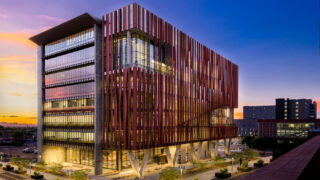

Welcome to the complete guide to the University of Arizona College of Medicine-Tucson. Arizona is an excellent place to invest in your education if you are considering a medical degree, and the College of Medicine-Tucson stands out among AZ medical schools for many reasons. Founded in 1967 as the state’s first MD-granting college, it started with a class of 32 students and has since graduated more than 4,500 physicians. Today it is a public medical school on the University of Arizona Health Sciences campus in Tucson, separate from the University of Arizona College of Medicine-Phoenix, with its own admissions process, curriculum and class of about 160 new students each year.
This guide covers the 2026-2027 application cycle for students who plan to start medical school in July 2027. The AMCAS deadline is December 1, 2026 (December 15, 2026 for MD/PhD), each secondary is due within 14 days of the date it is sent or by January 2, 2027, whichever comes first, and the last MCAT the college considers is the September 12, 2026 exam. All facts in this guide were checked on October 28, 2026.
Tucson’s admissions process changed shape this cycle. The traditional MD secondary has no written essays except one question for reapplicants. Instead, applicants who submit the secondary record a two-question, timed video interview, and those who advance attend a virtual multiple mini-interview (MMI). We cover both rounds in detail below, along with the college’s mission, programs, curriculum, 2026-27 costs, housing for medical students, the people who lead the college and practical admissions strategy.
Purpose of this Arizona Med Schools Guide
The primary aim of this guide is to give a complete picture of the University of Arizona’s College of Medicine in Tucson, focusing on the admissions process, academics, costs and student life. Whether you need specifics about prerequisites, financial aid options or the new video interview, this guide is meant to be your main resource. It is a roadmap to what the admissions committee values in candidates, from the point you decide to pursue medicine to the moment you receive an offer.
We cover admission requirements and the 2026-2027 timeline, what the college publishes about its class, the three-phase curriculum and special programs, financial aid and scholarships, student life and housing, the interview process and secondary questions, waitlist policy, accreditation and other medical schools in Arizona and beyond. If you want one-on-one help along the way, our medical school admissions consulting team works with applicants at every stage.
Key Takeaways
- Pick the right campus. The University of Arizona has two separate colleges of medicine, Tucson and Phoenix. You must designate the specific campus you are applying to in AMCAS.
- Clear the screening floor first. To receive a secondary you need a 3.0 overall undergraduate GPA, a 3.0 BCPM GPA and an MCAT of at least 498. These are minimums, not targets, and the college reviews eligibility from July to December. Accepted applicants for the 2025 entering class had a median MCAT of 512 and a median GPA of 3.88.
- Arizona residents have an edge at screening. The college says the largest difference between in-state and out-of-state applicants comes at the initial screening; after the interview, out-of-state applicants receive comparable consideration. The college interviews about 500 applicants a year for a class of about 160. For the 2025 entering class, 777 Arizona residents applied and 244 were interviewed, while 6,455 non-residents applied and 283 were interviewed.
- The secondary is short, the interviews are not. The only written essay is a 350-word question for reapplicants. Everyone who submits the secondary completes a two-prompt timed video interview within 14 days, and finalists attend a virtual MMI of about 60 minutes as part of an Applicant Visit Day.
- Know the 2026-2027 dates. AMCAS by December 1, 2026; secondary and video interview each within 14 days or by January 2, 2027; letters by December 15, 2026. Interviews run from August 2026 to February 2027.
- Costs differ sharply by residency. For 2026-27, tuition and fees are $43,022 for Arizona residents and $63,722 for non-residents, with first-year budgets of $80,842 and $101,542. The Primary Care Physician Scholarship can cover tuition for students who commit to primary care in underserved Arizona.
- Distinctive training. Students learn in small Societies groups from day one, complete a required four-year Scholarly Project and can add one of eight distinction tracks, including Rural Health and Bilingual Medical Spanish.
- Next step. If you are applying now, submit your secondary quickly so you can record your video interview inside the 14-day window. If you are planning for a later cycle, build steady clinical work, service and reflection that fits Arizona’s communities.
Key Statistics About the University of Arizona College of Medicine-Tucson
The snapshot and table below gather the college’s key published numbers. Each figure carries its cohort or academic year, because class size, the screening floor, the cost of attendance and graduate debt each cover a different year. The newest entering class is the Class of 2030, about 160 students who received their white coats in July 2026. MCAT, GPA, application and interview counts describe the 2025 entering class, the newest year with full admissions data. Tuition and cost of attendance are the college’s 2026-27 estimates.

| Measure | Value | Cohort, population and source |
|---|---|---|
| School and degree | University of Arizona College of Medicine-Tucson; Doctor of Medicine (MD) | COM-T About page |
| Campus | University of Arizona Health Sciences, 1501 N. Campbell Ave., Tucson, Arizona | COM-T Neurosurgery event page |
| Founded and type | 1967; public; Arizona’s first MD-granting college | COM-T About page |
| Graduates | More than 4,500 physicians | COM-T About page |
| Accreditation | Fully accredited by the LCME | COM-T About page |
| Entering class | About 160 students | Class of 2030, entered July 2026 (COM-T White Coat Ceremony page) |
| Applicants interviewed | About 500 per year; 527 for the 2025 entering class (244 in-state, 283 out-of-state) | Current cycles (COM-T Admissions FAQ); 2025 entering class (AAMC MSAR) |
| Verified applications | 7,342 (777 in-state, 6,455 out-of-state, 110 international) | 2025 entering class (AAMC MSAR) |
| Matriculants, MD program | 118 (84 in-state, 34 out-of-state); plus 12 Early Assurance and 8 MD/PhD | 2025 entering class (AAMC MSAR) |
| Total enrollment | 517 medical students | October 2025 (AAMC MSAR) |
| Minimum to receive a secondary | 3.0 overall undergraduate GPA, 3.0 BCPM GPA and 498 MCAT | 2026-2027 cycle (COM-T Admissions page and FAQ) |
| Median MCAT | 512 (mean 511.9) | Accepted applicants, 2025 entering class (AAMC MSAR) |
| Median GPA | 3.88 total (mean 3.83); 3.86 science | Accepted applicants, 2025 entering class (AAMC MSAR) |
| Acceptance rate | Not reported (offer count not published) | COM-T Admissions pages and AAMC MSAR, checked October 29, 2026 |
| MCAT dates accepted | January 2024 through September 12, 2026 | 2026-2027 cycle (COM-T Admissions page) |
| AMCAS deadline | December 1, 2026 (MD/PhD December 15, 2026) | 2026-2027 cycle (COM-T Timelines) |
| Secondary deadline and fee | 14 days from the date sent or January 2, 2027, whichever is first; $95, AAMC Fee Assistance exemption on request | 2026-2027 cycle (COM-T Timelines; Admissions page) |
| Early decision and deposit | No Early Decision Program; no enrollment deposit required | 2026-2027 cycle (AAMC MSAR) |
| Interview format | Round 1: two timed video responses; Round 2: virtual MMI (about 60 minutes) within a virtual Applicant Visit Day | 2026-2027 cycle (COM-T Admissions page) |
| Tuition and fees, Arizona residents | $43,022 per year | 2026-27 estimate (COM-T Estimated Cost of Attendance 2026-2027) |
| Tuition and fees, non-residents | $63,722 per year | 2026-27 estimate (COM-T Estimated Cost of Attendance 2026-2027) |
| First-year cost of attendance | $80,842 residents; $101,542 non-residents | 2026-27, non-commuter budget (COM-T Estimated Cost of Attendance 2026-2027) |
| Students receiving aid | 90% | AY 2023-2024 (AAMC MSAR Debt Information report, LCME Part I-B) |
| Average graduate indebtedness | $205,044 | AY 2023-2024 (AAMC MSAR Debt Information report, LCME Part I-B) |
| Combined degrees | MD/PhD, MD/MPH, MD/O-MBA (being redesigned) | COM-T Dual-Degree MD Programs page |
| Admissions contact | 520-626-6214; [email protected] | COM-T Admissions page |
What Are the Average GPA and MCAT for the University of Arizona College of Medicine-Tucson?
For the 2025 entering class, accepted applicants had a median MCAT of 512 (mean 511.9) and a median total GPA of 3.88 (mean 3.83), with a median science GPA of 3.86. Section medians were 128 in Chemical and Physical Foundations, 127 in CARS, 128 in Biological and Biochemical Foundations and 129 in Psychological, Social and Biological Foundations. Those figures describe a competitive admitted pool. Separately, the college sets a screening floor for the 2026-2027 cycle: a 3.0 overall undergraduate GPA, a 3.0 BCPM (biology, chemistry, physics and math) GPA and an MCAT of at least 498. Meeting all three earns a secondary application. They are not the scores of a typical admitted student: the median accepted applicant scored 14 points above the 498 floor. Graduate or postbaccalaureate coursework is not used to offset a lower undergraduate GPA, so your undergraduate record carries the screen.
How the college reads your MCAT matters as much as the number. It uses your highest score from the past three years and does not average scores, but every score is visible when the committee reviews your complete file. The FAQ also warns that repeated retakes with scores moving up and down “may reflect badly on you,” and that if you earned a secondary last season you should focus on improving other parts of your application unless your score is borderline. For this cycle, the oldest MCAT accepted is from January 2024, and September 12, 2026 is the last 2026 test date considered. For a school-by-school comparison, see our list of average GPA and MCAT scores by medical school.
Additional Resources About the MCAT
- Best Classes to Take Before the MCAT
- MCAT Score Calculator: Predict and Convert Your Scores
- MCAT Sections Guide: Experts Explain the MCAT
- Medical Schools Accepting Low MCAT Scores
What Is the Acceptance Rate for the University of Arizona College of Medicine-Tucson?
The number of offers is not published, so a true acceptance rate cannot be calculated. The counts that are available give a clear sense of scale. For the 2025 entering class, the college received 7,342 verified applications, interviewed 527 applicants and enrolled 118 students in the traditional MD class, plus 12 through Early Assurance and 8 MD/PhD students. Interviewed divided by verified applications was 7.2%, roughly 1 in 14. Interviews are therefore the real gate. Once you reach the interview stage, the college says out-of-state applicants receive comparable consideration to Arizona residents. The biggest residency difference is at the initial screening, which is where non-residents should expect the most competition: for the 2025 entering class, 244 of 777 Arizona applicants were interviewed (31%), compared with 283 of 6,455 non-residents (4.4%). The 110 international applicants were not interviewed.
Be careful with acceptance-rate figures you find elsewhere. A true acceptance rate divides offers by applicants for the same cycle. Dividing matriculants by applicants gives a smaller number that is not an acceptance rate, and any rate that does not name its cohort and source is hard to use.
Mission and Educational Priorities
The admissions office opens its page with the mission that guides selection:
“The University of Arizona College of Medicine – Tucson trains future physicians to provide high-quality and compassionate care, develops scientists focused on exciting discoveries, and nurtures undergraduate and graduate students interested the many professions in health care and the health sciences. Consistent with this mission, we strive to bring together individuals with a demonstrated commitment to serve as care providers, physician-scientists, clinical leaders, medical educators and public health experts. Applicants should exhibit qualities of altruism, academic excellence, leadership and dedication to becoming lifelong learners through research endeavors and academic development.”
The college also describes its purpose more broadly as “advancing the health and wellness of our community and beyond, in the pursuit of excellence, through relentless innovation across our tripartite mission – education, research and patient care.”
What the mission means for your application
Read the admissions mission as a list of roles and qualities. The roles are care provider, physician-scientist, clinical leader, medical educator and public health expert. The qualities are altruism, academic excellence, leadership and a commitment to lifelong learning through research. You do not need to fit all five roles. You do need a clear story about which of them you are moving toward and evidence that you have already started.
Research appears twice in that statement, and the curriculum backs it up: every Tucson student completes a four-year Scholarly Project with a faculty mentor. Applicants who have asked a real question and followed it through, whether at the bench, in a clinic quality project or in a community health survey, can connect that experience directly to the college’s expectations. Research is not a box to check, though. The college’s FAQ lists what it reviews as “metrics, secondary application, personal statement, letters of recommendation, and interview scores,” and its admissions process is designed to view you as a whole person, not just a collection of scores, using the AAMC competencies.
Serving Arizona’s communities
The college’s programs show where its priorities sit. The Primary Care Physician Scholarship covers tuition for students who commit to practice primary care in rural or urban underserved Arizona. The Pre-Medical Admissions Pathway (P-MAP) supports Arizona students whose lived community experiences have built “tenacity, empathy and resilience.” The Navajo Nation Future Physicians Scholarship supports up to seven Navajo scholars a year at the Tucson and Phoenix colleges. The Bilingual Medical Spanish distinction track prepares graduates to care for Spanish-speaking patients with limited English proficiency, and the college encourages every applicant to develop conversational proficiency in a second language.
Diversity and inclusion at the college
The University of Arizona College of Medicine-Tucson is committed to bringing together students with varied backgrounds and experiences. In practice, support shows up through the Societies Program, where small groups of students stay with the same faculty mentor for four years; through free and confidential counseling for medical students; and through student groups such as the Latino Medical Student Association, which co-hosts informal Spanish conversation sessions with the Bilingual Medical Spanish track. For applicants, the practical lesson is simple: show how your own experiences with different communities have shaped how you listen, explain and care for patients.
Accreditation and Institutional Identity
Is the University of Arizona’s Medical School Accredited?
Yes. The University of Arizona College of Medicine-Tucson is fully accredited by the Liaison Committee on Medical Education (LCME). The LCME is the accrediting body for programs leading to the MD degree in the United States and Canada, sponsored jointly by the Association of American Medical Colleges (AAMC) and the American Medical Association. Accreditation confirms that the MD program meets the LCME’s standards, and graduation from an LCME-accredited school is the standard route to U.S. residency training and licensure. It is a baseline requirement, not a ranking. The college lists its status on its About page and points readers to the LCME’s medical school directory.
One university, two colleges of medicine
The University of Arizona runs two colleges of medicine: Tucson and Phoenix. They share a university but are separate schools with separate admissions processes, curricula and accreditation. On AMCAS you must designate the specific campus you are applying to, and the rest of this guide covers Tucson only. Our separate guide to the University of Arizona College of Medicine-Phoenix covers the Phoenix program.
The College of Medicine-Tucson is part of University of Arizona Health Sciences, which the college describes as the statewide leader in health care education. It has 29 academic units, including 23 departments and seven centers (one institute and one statewide program among them). Its main building sits at 1501 N. Campbell Ave. in Tucson, next to Banner-University Medical Center Tucson, the college’s primary teaching hospital.
Medical Programs and Affiliations
Most applicants enter the traditional four-year MD program through AMCAS. The college also runs several pathways with their own applications, eligibility rules and timelines. Know which one you are applying to before you start.
Traditional MD program
The four-year MD is the main route, with about 160 students per class. Applicants apply through AMCAS, designate Tucson, and follow the 2026-2027 timeline in the admissions section below.
Dual-degree programs
- MD/PhD. Offered jointly by the College of Medicine-Tucson and the University of Arizona Graduate College for students planning careers in academic medicine or biomedical research. Students can pursue doctoral studies in several biomedical sciences and interdisciplinary programs. For 2026-2027, the AMCAS deadline is December 15, 2026, and MD/PhD interviews run from October 2026 through January 2027.
- MD/MPH. Offered with the Mel and Enid Zuckerman College of Public Health. Students study health policy, epidemiology, health planning, management, community assessment, program evaluation, environmental and occupational health and global health.
- MD/O-MBA. A dual degree with the Eller College of Management that lets students finish the MD in four years. The college says this program is currently being redesigned to launch in the next academic year. Current students may apply during their first year.
The college’s dual-degree page lists these three programs. A combined MD/JD is not among them.
Accelerated Pathway to Medical Education (APME)
APME is a seven-year combined undergraduate and MD program for high school seniors. Students apply in their senior year, spend three years as University of Arizona undergraduates, then start medical school in Tucson without needing a bachelor’s degree or an MCAT. Out of hundreds of applications, the college accepts 10 students a year. Applicants must be admitted to the University of Arizona as undergraduates, be U.S. citizens or permanent residents and have a minimum unweighted high school GPA of 3.7; in-state and out-of-state students are treated alike. For the 2026-2027 cohort, the application opened August 1, 2026, the deadline is November 1, 2026, Zoom interviews with about 30 applicants are on March 5, 2027, and decisions start March 19, 2027. The application includes a personal statement and one essay (5,300 characters), three to five letters and an unofficial transcript. During college, APME students complete required hours in community service, research, clinical work and leadership. High school students exploring this route can build early patient-facing experience through medical internships for high school students.
Honors Early Assurance Program (HEAP)
HEAP lets academically strong University of Arizona undergraduates in the W.A. Franke Honors College earn early acceptance to the College of Medicine-Tucson. The newest posted timeline (2025-2026) had an application deadline of February 27, 2026, an MCAT deadline of March 10, 2026 and an interview day on April 16, 2026. Students not admitted to APME can aim for HEAP later in college.
Pre-Medical Admissions Pathway (P-MAP)
P-MAP is a 13-month, full-time medical school preparation program for Arizona residents who have shown a sustained commitment to service while overcoming significant personal, educational or financial barriers. That can include first-generation college students, students from rural communities, students who have faced socioeconomic challenges and enrolled members of federally recognized tribes. P-MAP students take graduate coursework toward a Master of Science in cellular and molecular medicine, work with a learning specialist and a clinical psychologist, receive several mentors and hold conditional admission to the MD program. Applicants need a bachelor’s degree, a 3.0 overall and BCPM GPA, the college’s core prerequisites, three letters (one clinical) and a minimum MCAT of 498. For the 2026-2027 cycle, P-MAP letters are due December 31, 2026, and the MCAT must be no older than January 2025.
Three-Year MD Primary Care Accelerated Medical Pathway (PCAMP)
PCAMP is a 3+3 program: three years of medical school followed by three years in the college’s family medicine residency. It aims to address the primary care shortage and reduce student debt, and PCAMP students have priority for the Primary Care Physician Scholarship. Any applicant invited to interview for the traditional MD program can apply; the PCAMP essay questions appear in the applicant portal under PCAMP. Strong candidates are invited to an online PCAMP interview in late February, with decisions by early April. The cohort is very small, and you must be accepted by both the MD and PCAMP committees. Applicants need a bachelor’s degree, a 3.0 GPA and BCPM GPA, a 498 MCAT or better and U.S. permanent residency status.
Distinction tracks
Eight distinction tracks let students add depth on top of the core curriculum, and completion is recorded on the transcript and in the Dean’s Letter: Bilingual Medical Spanish, Community Service, Global Health, Integrative Medicine, Leadership and Innovation in Health Care, Medical Education, Research and Rural Health. First- and second-year students contact the track director and the dean of student affairs to join.
The Bilingual Medical Spanish track is a good example of how specific these are. First-year students must reach an intermediate-high level on an oral proficiency interview to join. Over four years they complete clinical medical Spanish coursework, standardized patient interviews in Spanish, a four-week clinical Spanish immersion (or clinic volunteering with Spanish-speaking patients) and volunteer work at student-run clinics. Students who score 80% or higher on the Clinician Cultural and Linguistic Assessment earn the college’s Bilingual Spanish Healthcare Provider Certification. If you are building Spanish skills before medical school, a medical internship in Peru is one way to practice clinical Spanish with supervision.
Clinical affiliations
The college’s primary teaching hospital is Banner-University Medical Center Tucson, part of Banner-University Medicine, a division of Arizona-based Banner Health. Students also train at Banner-University Medical Center South, Banner Children’s at Diamond Children’s Medical Center, Banner-University Medical Center clinics across Tucson and the Southern Arizona VA Health Care System. Since partnering with Banner in 2015, the college has hired 200 new faculty members and invested in five new residency programs. The rotations section below explains how these sites are used.
Residency programs and specialty services at the college
Beyond the MD, the college sponsors many residency and fellowship programs in Tucson. These matter to medical students because residents and fellows teach on the wards, and because the specialties show the depth of clinical care students see.
Anesthesiology. The anesthesiology residency welcomes around 45 residents each year and offers both a four-year categorical track that begins at PGY-1 and an advanced three-year program that begins at PGY-2 (CA-1) after a preliminary year elsewhere. Residents train across subspecialties from cardiac and pediatric anesthesia to trauma and transplant. The department provides more than 40,000 anesthetics a year in 34 operating rooms and two obstetric suites at Banner-University Medical Center Tucson, and about 3,500 a year at the Tucson VA. Applications go through ERAS by October 1 and include the common application form, CV, personal statement, Dean’s letter, USMLE or COMLEX scores, a certified transcript and at least three letters; applicants must also send the program a signal to be considered for an interview. Trish Angiulo, MEd, C-TAGME, is the senior residency program manager (520-626-7141).
Diagnostic radiology. The Department of Radiology and Imaging Sciences runs the diagnostic radiology residency along with nuclear medicine, interventional radiology and imaging fellowships. Dr. Dorothy Gilbertson-Dahdal, profiled below, is the residency’s associate program director and directs the medical student radiology elective.
Facial plastic and reconstructive surgery. Within otolaryngology, the Division of Facial Plastic and Reconstructive Surgery, directed by Dr. David S. Chen, provides both reconstructive and cosmetic care for the face: rhinoplasty, facial trauma reconstruction, scar revision, otoplasty, facial reanimation for facial paralysis, surgical and nonsurgical treatment of facial aging and reconstruction after Mohs surgery.
Pre-med and other health careers at the University of Arizona
For University of Arizona undergraduates, the university’s Pre-Health Professions Advising Center in the A Center publishes the list of courses approved for the college’s prerequisites. The admissions office also plans an upper-division two-credit course for UA undergraduates preparing to apply to MD programs. Students weighing other health careers can compare Arizona PA Schools; PA programs in the state include Midwestern University in Glendale. PA training is shorter than the four-year MD, and physician assistants practice medicine on teams with physicians. If you are leaning toward that path, pre-PA internships can help you build patient care hours.
Curriculum Overview
The College of Medicine-Tucson uses what it calls “a three-phase, progressive 4-year MD curriculum that takes a holistic view of the human body and of medical knowledge.” Clinical training starts early, basic science continues into the clinical years, and electives let students reflect on what they learned earlier.
Phase 1: Preclerkship (first 18 months)
The preclerkship phase is built around eight organ-system blocks, taught alongside longitudinal courses in clinical skills, clinical reasoning and the social side of medicine.
| Block | Length | Focus |
|---|---|---|
| Foundations | 6 weeks | Evidence-based decision-making, self-directed learning, communication and professionalism, plus cell biology, genetics, embryology, biochemistry, histology, pathology, immunology, microbiology, pharmacology and biostatistics |
| Musculoskeletal System | 6 weeks | Bones, muscles, nerves and vessels of the limbs; tissue structure; most skin content for Step 1; care for disability and chronic conditions |
| Nervous System | 9 weeks | Neuroscience, neuropathology, neurology, neuropharmacology, psychiatry and behavioral science; head and neck anatomy |
| Cardiovascular, Pulmonary and Renal Systems | 11 weeks | Integrated molecular biology, anatomy, physiology, pathology, pharmacology and clinical medicine, taught through small-group cases and team learning |
| Digestion, Metabolism and Hormones | 9 weeks | Digestive organs, fuel metabolism, nutrition and endocrine physiology and pathology |
| Life Cycle | 7 weeks | Reproduction, development and aging from conception to end of life |
| Immunity and Infection | 8 weeks | Microbiology, immunology, infectious disease, public health and international health |
| Advanced Topics | 3 weeks | Structured review across blocks, ending with a USMLE practice exam to set a baseline for Step 1 study |
Alongside the blocks run four longitudinal courses:
- Doctor and Patient / Societies. From the first day, students learn communication, history taking, physical examination and clinical thinking in Societies groups of no more than six students with one faculty mentor. The groups stay together for all four years and meet weekly in the preclerkship years, with sessions using real and standardized patients. Before clerkships, each student completes multiple histories and physicals, writes numerous SOAP notes and gives several oral presentations, with feedback from the mentor.
- Clinical Reasoning. Students meet two hours every week with a facilitator to practice clinical reasoning through active learning.
- In Practice. A parallel curriculum in behavioral science, medical humanities and social sciences.
- Pathways in Health and Medicine. Part of the preclerkship core, and one of the places where Scholarly Project training on research methods takes place.
Students encounter 20 basic science disciplines across all phases, from behavioral science and biochemistry to radiology and ultrasound, coordinated by 12 discipline directors.
Benefits of the integrated block system
Deep understanding. Teaching anatomy, physiology, pathology and pharmacology together inside each organ system helps students see how the pieces of human biology and disease relate, instead of memorizing each subject in isolation.
Reflective of actual practice. Patients do not arrive sorted by discipline. An integrated approach mirrors day-to-day medicine, where combining knowledge across fields is more useful than isolated facts.
Skill development. Because Societies and Clinical Reasoning run alongside every block, students refine clinical skills and reasoning continuously, which pays off when they begin diagnosing and treating patients on clerkships.
Phase 2: Clerkships (12 months)
The clerkship phase has eight core clerkships plus a one-week Transition to Clerkships course and two Intersessions:
| Clerkship | Length |
|---|---|
| Family and Community Medicine (outpatient, with preceptors throughout the state) | 6 weeks |
| Medicine (inpatient and ambulatory) | 8 weeks |
| Ambulatory Medicine | 4 weeks |
| Neurology | 4 weeks |
| Obstetrics and Gynecology | 6 weeks |
| Pediatrics (3 weeks inpatient at Banner Children’s at Diamond Children’s Medical Center, 3 weeks outpatient) | 6 weeks |
| Psychiatry | 6 weeks |
| Surgery | 8 weeks |
Intersessions bring the whole class together during the clerkship year for patient safety, quality, professionalism, ethics, medical-legal issues, health care disparities, financing and wellness, plus procedural skills such as bedside ultrasound and early exposure to diagnostic imaging and pathology.
Phase 3: Transition to Residency (final 14 months)
The last phase includes a core sub-internship, electives, a surgical subspecialty rotation, a four-week Emergency Medicine/Critical Care clerkship, the Scholarly Project course and a two-week Preparation for Residency Bootcamp. The bootcamp starts with a shared week of skills every intern needs (electronic health records, order entry, prescriptions, notes, billing), then moves to specialty-specific training with standardized patients, simulation labs and OSCEs.
Electives, exploration and specialization
Elective work gives students room to explore areas that interest them and to prepare for the demands of their chosen residency programs. Combined with the distinction tracks and the Scholarly Project, the final phase lets students test a specialty before they apply. The curriculum is designed to be academically rigorous and closely aligned with the demands of modern medicine.
Evaluation and requirements
The Scholarly Project is an eight-semester course (MED820A through MED820H) graded Pass or Incomplete each semester, and every student must pass all eight semesters to graduate. The Advanced Topics block ends with a USMLE practice exam. Preclinical courses are graded Pass/Fail (with Incomplete), and clinical training uses Honors, High Pass, Pass, Fail and Incomplete. The college does rank students. Policies can change between catalog years, so confirm details during your interview day or at Second Look.
Admissions Requirements and Application Process
Degree and course requirements
All applicants must earn a bachelor’s degree before matriculation (APME students are the exception). Prerequisite coursework must be completed at an accredited college or university in the United States or Canada. If your degree is from outside the U.S. or Canada, you must also complete at least 60 semester hours (90 quarter hours) at an accredited U.S. or Canadian institution before matriculation, including at least 30 semester hours (45 quarter hours) of upper-division work.
Core academic prerequisites for 2026-2027
| Subject | Requirement |
|---|---|
| Physiology | Two semesters or quarters |
| Biochemistry | Two semesters or quarters, or one of biochemistry plus one of genetics |
| Social and behavioral sciences (for example psychology, sociology, public health) | One semester or quarter |
| Statistics | One semester or quarter; biostatistics recommended |
| Upper-division sciences | At least one course from two of these: molecular biology, cell biology, histology, microbiology, pharmacology or immunobiology (genetics can count if two biochemistry courses are complete) |
| English or another writing-intensive course | Two semesters or quarters |
Laboratory components are recommended where applicable. Rules that trip up applicants:
- You can apply while still completing prerequisites, but all must be finished before matriculation.
- Labs and research do not count toward prerequisites.
- No double dipping: one course cannot satisfy two requirements.
- Community college coursework is accepted.
- Core prerequisites need a grade of C or better. Pass/fail grades from 2020-2021 are accepted because of COVID-19.
- AP, CLEP and IB credit counts only if it appears on a college transcript from an accredited degree-granting school, and the committee then expects advanced coursework in that science.
- You report prerequisites in the secondary, and they are verified for applicants selected to interview.
The college also encourages applicants to develop conversational proficiency in a second language. For a broader checklist across schools, see our guide to medical school prerequisites.
MCAT and GPA
The 2026-2027 screening floor is a 3.0 overall undergraduate GPA, a 3.0 BCPM GPA and an MCAT of at least 498. The college accepts MCAT scores from January 2024 through the September 12, 2026 exam, uses your highest score from the past three years and does not average. If you list a future MCAT date in AMCAS, the college will not consider your application until that score arrives unless your current score already meets the minimum. Graduate or postbaccalaureate GPAs are not used to make up for a lower undergraduate GPA. For context, the median accepted applicant for the 2025 entering class had a 512 MCAT and a 3.88 GPA.
Residency, citizenship and international applicants
In-state status is determined by the University of Arizona Office of the Registrar, not the College of Medicine. International applicants can be considered, but if accepted they must hold U.S. permanent residency before medical school begins (being in the process during the application is allowed), and all core prerequisites must be taken in the U.S. or Canada. Applications from DACA recipients are not accepted in the current cycle; if your status is changing, confirm your eligibility with the admissions office before you apply. Physicians who already graduated from an international medical school do not need to attend medical school again; the college points them to ECFMG and USMLE certification and its graduate medical education offices.
Letters of recommendation
You need at least three and no more than five letters, including at least one from a clinical setting. Choose one of two options:
- Option 1: one clinical letter from someone who has seen you interact with patients, families and staff (for example a physician, volunteer coordinator, RN or nurse practitioner), plus two letters from other professionals.
- Option 2: one committee letter or letter packet, plus one clinical letter.
Letters should come from people who know you well. Family and friends are not recommended. The college says a letter from your current employer during the application year is “very important,” and that evidence of a successful post-college experience is a valuable addition. All letters go through the AMCAS Letter Service, and they must be in by December 15, 2026 for this cycle. Reapplicants may reuse old letters but the college does not recommend it; ask your writers to update them with your recent experiences.
Experience the college looks for
The college does not publish minimum hours, but its letter rules and mission make expectations clear: you need clinical experience close enough to patients that someone can write about how you interact with them. Steady service, leadership and some form of inquiry or research round out the file. Many applicants build this through hospital or clinic jobs, community health work and clinical internships for pre-med students where they take vitals and help with intake under supervision.
AMCAS, secondary and first-round interview
- Submit AMCAS. The application opened May 1, 2026, submissions began May 28, 2026, and the deadline is December 1, 2026 (December 15 for MD/PhD). Designate the Tucson campus. Our AMCAS application guide walks through each section.
- Secondary screening. The college reviews applicants for secondary eligibility from July to December. Meeting the GPA and MCAT floors makes you eligible; the review can take time.
- Secondary. Pay the $95 fee (AAMC Fee Assistance Program members can request an exemption; there are no refunds) and submit within 14 days of the date the secondary was sent, by 11:59 p.m. Arizona time, or by January 2, 2027, whichever comes first. The secondary asks you to report prerequisite coursework and answer a reapplicant question if you have applied before.
- First-round video interview. After you submit the secondary, an invitation appears in the AMP portal. You record two timed video responses and must finish within 14 calendar days of the invitation or by January 2, 2027, whichever comes first.
- Second-round MMI. Selected applicants attend a virtual MMI and Applicant Visit Day between August 2026 and February 2027. Letters are due before your interview.
Decisions, waitlist and enrollment
After your interview, the committee reviews your full application. It begins deciding in late October and meets about twice a month, admitting applicants on a semi-rolling basis; decisions are announced between October 2026 and May 2027. You will be told whether you are accepted, placed on the wait list or that no position is available this year. The number of students on the waitlist varies from year to year, typically 35 to 50 positions, and 25 acceptance offers went to waitlisted applicants in a recent cycle. Waitlist offers arrive by email and phone with one to five days to accept or decline. There is no Early Decision Program, and no enrollment deposit is required.
The college does not accept letters of intent or updates to applications. That rule shapes waitlist strategy, which we cover in the tips section.
If you receive an offer before April 30, you must respond through the online acceptance portal within 10 days. After April 30 the window is five working days, and it can shrink to two days close to orientation. If you do not respond in time, the offer is automatically rescinded. An offer can also be rescinded for a significant decline in academic performance, failure to complete prerequisites, patterns of unprofessional behavior or incidents found in a criminal background check.
Deferrals are possible only in limited circumstances, such as illness, unexpected family hardship, a major fellowship like a Fulbright, Rhodes or Marshall, or military service. Requests go in writing to the Assistant Dean and Executive Director of Admissions by May 15 of the acceptance year, and deferrals are limited to one year. Requests are reviewed case by case; five admitted applicants deferred entrance in the 2025 entering class.
Transfers are considered only from students currently enrolled at an LCME-accredited U.S. or Canadian MD school, and openings are not guaranteed in any year.
2026-2027 timeline
| Date | Step |
|---|---|
| May 1, 2026 | AMCAS opens |
| May 28, 2026 | AMCAS submissions begin |
| July to December 2026 | Secondary eligibility review |
| August 2026 to February 2027 | Interview season (MD/PhD: October 2026 to January 2027) |
| September 12, 2026 | Last 2026 MCAT considered |
| Late October 2026 onward | Decisions about twice a month (announced October 2026 to May 2027) |
| December 1, 2026 | AMCAS deadline, traditional MD |
| December 15, 2026 | AMCAS deadline, MD/PhD; letters of recommendation due |
| Within 14 days, or January 2, 2027 | Secondary and fee due; first-round video interview due (each counted from its own invitation) |
| February 19, 2027 | “Plan to Enroll” opens in the AMCAS Choose Your Medical School tool |
| April 8-9, 2027 | Second Look for accepted students |
| April 15, 2027 | Narrow to three acceptances (AAMC protocols) |
| April 30, 2027 | “Commit to Enroll” opens |
| June 24, 2027 | Commit to Enroll with Tucson required, or the offer is rescinded |
| July 2027 | Orientation and White Coat Ceremony |
Selection factors
The college uses a holistic review of academic records, MCAT scores, the personal statement, secondary application, letters of recommendation and interview scores. Holistic review, in the college’s words, guarantees “a fair and equitable consideration of your entire application, including your experiences, attributes, and metrics.” Consult the college’s admissions page and timelines page for complete information, and contact the admissions office with questions.
Contact
UACOM-T Admissions Office: 520-626-6214, [email protected]. The office also works with the Disability Resource Center to provide reasonable accommodations during the application and matriculation process.
Tuition, Cost of Attendance and Financial Aid
Tuition and fees
Tuition at Tucson depends on whether the University of Arizona classifies you as an Arizona resident. The college’s estimated cost of attendance for 2026-2027, based on an 11-month academic year, lists tuition plus approved mandatory fees of $43,022 for Arizona residents and $63,722 for non-residents in every year of the program. The college notes these are estimates, not bills, and that the Arizona Board of Regents can change tuition and fees.
Detailed cost of attendance
| Year (2026-27 estimate) | Tuition and fees, resident | Total budget, resident | Tuition and fees, non-resident | Total budget, non-resident |
|---|---|---|---|---|
| First year | $43,022 | $80,842 | $63,722 | $101,542 |
| Second year | $43,022 | $80,887 | $63,722 | $101,587 |
| Third year | $43,022 | $80,887 | $63,722 | $101,587 |
| Fourth year | $43,022 | $79,492 | $63,722 | $100,192 |
The living budget (about $37,800 in the first year) covers room and board, transportation, miscellaneous costs, books and supplies, health insurance and the cost of USMLE Step 1 in the second year and Step 2 in the third. The first-year book and supply estimate is $800 plus $1,300 for a computer. For 2025-26, the first-year health insurance line was $2,800. Every enrolled student also pays $24 a year for a mandatory group disability insurance plan. Students who live with their parents use a lower commuter budget; students living on their own use the non-commuter budget shown above. Full details are on the college’s cost of attendance page.
Over four years, the non-resident total runs roughly $82,800 higher than the resident total. That gap is the single biggest financial factor for out-of-state applicants. The college cannot change or advise on residency classification; that belongs to the university’s Residency Classification Office.
Financial aid and general information
The college’s Office of Financial Aid is the main resource for financing your degree. Admitted students file the FAFSA (school code 001083; priority date March 1), receive an estimated aid summary before Second Look in April and an official award letter in June. The office also runs a financial literacy program on budgeting, loans and repayment. Federal loan rules for graduate and professional students changed in 2026, so confirm current loan types and limits with the office before you build your budget.
Financial assistance and scholarships
- College of Medicine-Tucson scholarships. Every entering student is considered automatically; your medical school application is your scholarship application, and you only need to file the FAFSA. Awards are need-based, limited and competitive, with priority for students who show financial need and commitment to the college’s mission.
- Primary Care Physician Scholarship. Created in 2019, it covers tuition for students who commit to practice primary care in a rural or urban underserved part of Arizona for two to four years. Qualifying specialties are family medicine, general internal medicine, geriatrics, general pediatrics, general surgery, psychiatry and obstetrics and gynecology. Once fully implemented, the program is designed to cover in-state tuition for about 100 students.
- Navajo Nation Future Physicians Scholarship. A partnership between the University of Arizona colleges of medicine and the Navajo Nation that covers tuition for up to seven Navajo scholars a year, who then serve the Navajo people for at least five years after residency.
- Scholarship Universe. The university’s matching portal lists internal and external scholarships, and the college’s financial aid page lists outside awards for medical students.
Among students at the college, 90% received financial aid in academic year 2023-2024.
Graduate indebtedness
Average graduate indebtedness was $205,044 in academic year 2023-2024. Medical school is a large investment, but it leads to a stable career with strong earning potential and room for professional growth. Explore every aid option and build a realistic budget before you commit, especially if you would pay non-resident tuition.
Campus Facilities and Student Life
Campus and community
The college sits on the University of Arizona Health Sciences campus in central Tucson, next to Banner-University Medical Center Tucson, so classrooms, labs and the main teaching hospital are within walking distance. The Health Sciences library and the simulation lab support study and clinical skills training, and APME students gain access to the simulation lab while still undergraduates. The Tucson campus is part of a large research university, which gives medical students access to graduate colleges, public health and business programs and a wide academic community.
New students begin in July. The Class of 2030 received white coats at Centennial Hall on July 24, 2026, and the 2026-2027 applicants who are admitted will start with orientation and the White Coat Ceremony in July 2027. Match Day is held at Old Main on the main campus.
Student support
Student life is anchored in the Societies Program. Because the same small group and mentor stay together for four years, students have built-in peer support and a faculty member who knows them well. Career advising is part of the program, and students who want to join a distinction track work with the track director and the dean of student affairs. The college also offers free, confidential counseling for medical students, with records kept separate from academic files, and a response to appointment requests within two business days. That matters in a high-stakes, stress-prone setting like medical school.
Service and student organizations give students ways to connect outside class. Medical students volunteer at student-run clinics (part of the Bilingual Medical Spanish track, for example), and affinity and specialty groups such as the Latino Medical Student Association are open to medical students. APME students can join medical student clubs and affinity groups before they matriculate.
University of Arizona Medical School Housing and Campus Life
The college does not run housing for medical students, and the University of Arizona’s residence halls serve first-year undergraduates, who are required to live on the main campus. Most medical students rent apartments or houses in Tucson. Two university options are worth knowing:
- La Aldea Graduate Housing. The university’s on-campus apartment community for single graduate and professional students, with about 300 residents. It offers furnished one-, two- and four-bedroom apartments with one bathroom per bedroom, full kitchens, utilities included, free laundry and live-in staff. Contracts run 10 or 12 months from August 1 (or your move-in date, whichever is earlier) through July 31, with rent billed monthly to your Bursar’s account. Because Tucson’s MD orientation is in July, confirm your move-in date with the housing office early.
- Off-campus housing. University Housing points students to the university’s off-campus housing website for rental listings near campus.
Plan your housing around the college’s cost of attendance. The 2026-27 living budget of about $37,800 for first-year students includes room and board, and financial aid is based on that budget.
APME students follow a different path. As incoming University of Arizona freshmen, they go through the undergraduate housing process, which begins once they pay the admissions enrollment fee; fall housing contracts cover the academic year from August to May, and exemptions to the first-year live-on requirement are available after the enrollment fee is paid. See University of Arizona Housing Information for current steps. Housing processes change each year, so stay updated through the university’s housing website.
Clinical Rotations and Research Opportunities
University of Arizona Medical School Academics and Clinical Experience
The college’s clinical partner is Banner-University Medicine, a division of Arizona-based Banner Health. Banner-University Medical Center Tucson is the primary teaching hospital: a 480-bed tertiary care hospital, Level I trauma center and regional transplant center for southern Arizona. Students also gain hands-on experience at Banner-University Medical Center South. Pediatric inpatient training takes place at Banner Children’s at Diamond Children’s Medical Center.
Clinical and patient experience
Patient interaction starts in the first year. Societies groups work with real and standardized patients from the first weeks, and Clinical Reasoning runs weekly through the preclerkship phase. In the clerkship year, students rotate through family medicine, internal medicine, ambulatory medicine, neurology, obstetrics and gynecology, pediatrics, psychiatry and surgery. The final phase adds a sub-internship, emergency medicine and critical care, a surgical subspecialty and electives, so students can rotate in a wide range of specialty and subspecialty areas.
Sites and travel
Where you train depends on the rotation:
- Family and Community Medicine is mostly outpatient and uses preceptors throughout Arizona, so expect some placements outside Tucson.
- Pediatrics splits into three inpatient weeks at Diamond Children’s and three outpatient weeks at Banner-University Medical Center, the Wilmot Clinic (Children’s Multispecialty Center), the North Hills Clinic, the Pantano Clinic, a private practice or a rural clinic, depending on availability. Every student except those at rural sites also completes a newborn nursery experience at Banner-University Medical Center.
- Southern Arizona VA Health Care System, a 285-bed hospital, provides training in many specialties and is a major site for anesthesia, surgery and research.
Additional training opportunities
Distinction tracks add structured experiences on top of the core rotations. The Rural Health and Global Health tracks build in community and international work, and the Bilingual Medical Spanish clinical immersion can be completed alongside either. Fourth-year electives, including radiology electives directed by Dr. Gilbertson-Dahdal, let students test specialties before they apply to residency.
Research and the Scholarly Project
Every student completes the Scholarly Project, a required four-year course “designed to stimulate critical thinking, enhance intellectual acuity and inquisitiveness, and foster excellence in the development of research scholars, clinical scholars and educator scholars.” Students choose a topic in health or health care, find a faculty mentor, write a proposal, submit progress reports and present at the SP Conference in the fourth year. Didactic sessions cover the scientific method, research ethics (including CITI training), literature searching and presenting results. Some students write their proposal in the spring of the first year and do research in the Scholarly Project Summer; others start later. Projects can be integrated with a distinction track.
Research strength at the college is broad. The Vice Dean for Research and Graduate Studies, Dr. Jason Wertheim, runs an NIH- and VA-funded lab bioengineering liver and kidney tissue, and the college’s 29 academic units include centers and an institute that host student projects. Applicants interested in research careers should also look at the MD/PhD program and the Research distinction track.
Mentorship
Mentoring is built in at several levels: a Societies mentor for all four years, a Scholarly Project mentor, distinction track directors and, for P-MAP and APME students, peer and faculty mentors before medical school. Faculty across the college supervise clinical work, guide research and help students with professional growth and balance.
Notable Alumni, Faculty, Leadership and Admissions Staff
The people below are drawn from the college’s official leadership page, faculty profiles and news. We include them so you understand who shapes the curriculum, admissions and research you will meet, not to suggest that contacting them helps an application.
Leadership
Michael M.I. Abecassis, MD, MBA, Dean. Dr. Abecassis is the Inaugural Humberto and Czarina Lopez Endowed Dean of the College of Medicine-Tucson and a professor of surgery, immunobiology and the BIO5 Institute. A transplant surgeon, he began his career in 1991 at the University of Iowa, then moved to Northwestern University Feinberg School of Medicine in 1993 to build a new liver transplant program and performed its first successful liver transplant that year. At Northwestern he became chief of transplantation, dean for clinical affairs and founding director of the Comprehensive Transplant Center. He has held continuous NIH funding for more than two decades. For applicants, his background signals a college that values translational research tied to patient care.
Kevin F. Moynahan, MD, FACP, Vice Dean for Medical Education. Dr. Moynahan is a Tucson alumnus (MD 1993) who also completed his internal medicine residency at the college in 1997. He directed the Societies Program from 2006, became dean for medical education in 2009 and now oversees undergraduate and graduate medical education, student affairs and admissions. He is a national leader in medical learning communities, has chaired the Learning Communities Institute and the AAMC Western Group on Medical Education, received the National Golden Apple Award for Teaching Excellence in 2022 and was named the college’s Alumni of the Year in 2018. The Societies model you will experience from day one reflects his work.
Celia P. Valenzuela, MD, Vice Dean for Community Engagement and Partnerships. Dr. Valenzuela also directs the obstetrics and gynecology residency and is an associate clinical professor of obstetrics and gynecology. Her role connects the college to the communities it serves, which is central to the college’s Arizona-focused mission.
Jason A. Wertheim, MD, PhD, Vice Dean for Research and Graduate Studies. Dr. Wertheim came from Northwestern, where he was vice chair for research in surgery and associate director of the MD/PhD program. His lab bioengineers liver and kidney tissue as a future answer to the organ shortage, and he received the Presidential Early Career Award for Scientists and Engineers in 2019. MD/PhD applicants in particular should know his research and graduate studies portfolio.
Admissions leadership and staff
Tejal Parikh, MD, Associate Dean for Admissions. Dr. Parikh is an associate professor of family and community medicine and director of the Comprehensive Education Center. She has interviewed applicants since 2002, served two three-year terms on the Admissions Committee and became assistant dean of admissions in 2015 before her current role. She also directs the Life Cycle block and mentors in the Societies Program, so she knows the curriculum students enter.
Samantha P Medina, Admissions Coordinator, Traditional MD Program. Samantha Medina works in the Admissions Office (Room 2108) as the coordinator for the traditional MD program and is a point of contact for applicants. Her profile lists her email as [email protected]. For most questions, start with the Admissions Office at 520-626-6214 or [email protected].
Faculty
Keith A. Joiner, MD, MPH, Director of the Scholarly Project. Dr. Joiner is a professor of cellular and molecular medicine, economics, medicine and public health. He leads the four-year Scholarly Project that every student completes, so he shapes how Tucson students learn to ask and answer research questions.
Dorothy Gilbertson-Dahdal, MD, FACR. Dr. Gilbertson-Dahdal is a professor of radiology and imaging sciences and pediatrics, vice chair for education, chief of pediatric radiology, associate program director of the diagnostic radiology residency and director of the medical student radiology elective. She leads Diamond Children’s Image Gently Program, a national patient safety effort to reduce radiation exposure in children. She was named a Fellow of the American College of Radiology in 2024 and received the College of Medicine Faculty Mentoring Award in 2019.
David S. Chen, MD. Dr. Chen is an assistant professor of otolaryngology and director of the Division of Facial Plastic and Reconstructive Surgery. He trained at Johns Hopkins (MD 2014 and otolaryngology residency) and completed a facial plastic and reconstructive surgery fellowship at Oregon Health and Science University. His practice spans reconstructive and cosmetic surgery of the face, and he is a member of the Johns Hopkins Distinguished Teaching Society.
Alumni
Robert Cravens, Jr., MD (MD 1986). A native Arizonan, Dr. Cravens earned his MD at the College of Medicine-Tucson, completed his surgical internship and otolaryngology residency at Stanford, and has practiced otolaryngology and head and neck surgery in Tucson since 1991. He specializes in endocrine surgery of the thyroid and parathyroid glands, has been certified by the American Board of Otolaryngology since 1992 and is a clinical assistant professor of otolaryngology at the college.
Remembering Justin Schultz Cetas, MD, PhD (1970-2022). Dr. Cetas grew up in Tucson, studied in the Great Books program at St. John’s College and earned a joint MD and PhD in neuroscience at the College of Medicine-Tucson, graduating at the top of his class. He spent nearly 20 years at Oregon Health and Science University, from internship through neurosurgery residency and skull base fellowship to associate professor and residency program director, publishing more than 50 peer-reviewed papers and mentoring hundreds of residents. In 2021 he returned to chair the Department of Neurosurgery at his alma mater. He died on July 13, 2022, at age 51, after a motorcycle collision in Tucson. Those who knew him believe his year back in Tucson was one of the happiest of his life. The department now holds an annual Justin Cetas Legacy Lecture; the second is on November 6, 2026.
Kevin Moynahan, listed under leadership, is also a Tucson alumnus. Together these profiles show a pattern applicants can use: the college trains physicians who come back to teach, lead and practice in Arizona.
Admissions Statistics and Class Profile
What the college publishes
| Measure | Figure | Cohort and source |
|---|---|---|
| Entering class | About 160 students | Class of 2030, entered July 2026 (COM-T White Coat Ceremony page) |
| Applicants interviewed | About 500 per year | Current cycles (COM-T Admissions FAQ) |
| Verified applications | 7,342 (777 in-state, 6,455 out-of-state, 110 international) | 2025 entering class (AAMC MSAR) |
| Interviewed | 527 (244 in-state, 283 out-of-state, 0 international) | 2025 entering class (AAMC MSAR) |
| Matriculants, MD program | 118 (84 in-state, 34 out-of-state) | 2025 entering class (AAMC MSAR) |
| Other matriculants | 12 Early Assurance; 8 MD/PhD | 2025 entering class (AAMC MSAR) |
| Median MCAT, accepted applicants | 512 (mean 511.9) | 2025 entering class (AAMC MSAR) |
| Median GPA, accepted applicants | 3.88 total; 3.86 science | 2025 entering class (AAMC MSAR) |
| Matriculants with a graduate degree | 20% | 2025 entering class, self-reported (AAMC MSAR) |
| Science or math majors | 80% | 2025 entering class, self-reported (AAMC MSAR) |
| Indicated disadvantaged status | 47% | 2025 entering class, self-reported (AAMC MSAR) |
| Total enrollment | 517 | October 2025 (AAMC MSAR) |
| APME admits | 10 per year from hundreds of applications | Current (COM-T APME page) |
| Secondary screen | 3.0 overall and BCPM GPA; 498 MCAT | 2026-2027 cycle (COM-T Admissions page) |
| Graduates since 1967 | More than 4,500 physicians | COM-T About page |
| Students receiving aid | 90% | AY 2023-2024 (AAMC MSAR Debt Information report) |
How to read these numbers
Offer counts are not published, so there is no true acceptance rate. The counts that matter most are the funnel: 7,342 verified applications, 527 interviews and 118 traditional MD matriculants for the 2025 entering class, alongside the college’s own figure of about 500 interviews for about 160 seats. Interviewing roughly three applicants per seat means the interview carries a lot of weight, which fits the college’s own description of the MMI as a strong predictor of later clinical performance.
In-state versus out-of-state applicants
The college reviews Arizona residents and non-residents differently at the screening stage. In its FAQ, it says the largest difference between how it looked at applicants “was at the initial screening,” and that “out-of-state applicants receive comparable consideration after the interview process.” In practice:
- Arizona residents have the strongest odds of reaching the interview. For the 2025 entering class, 244 of 777 Arizona applicants were interviewed and 84 matriculated. If you are an Arizona resident, Tucson and Phoenix should both be on your list, and your application should show how you plan to serve the state.
- Out-of-state applicants face the tightest step at screening. For the 2025 entering class, 283 of 6,455 non-residents were interviewed and 34 matriculated. Once interviewed, you compete on comparable terms. A clear, specific reason for Tucson, such as interest in border health, rural primary care, Spanish-language care or a particular research area, helps.
- International applicants can be considered but must hold U.S. permanent residency before matriculation and complete core prerequisites in the U.S. or Canada. For the 2025 entering class, 110 international applicants applied and none were interviewed. DACA recipients are not accepted in the current cycle. Contact the admissions office for current guidance.
What these numbers mean for you
The class itself is varied: 20% of 2025 matriculants already held a graduate degree, 80% majored in science or math, and 47% indicated disadvantaged status. Internal medicine has been the most common specialty intention among recent graduating classes, and 14% of 2025 graduates reported a global health experience during medical school. Acceptance figures are one piece of the puzzle. Strong academics get you past the screen; what happens after that depends on how you come across in two interview rounds and how well your experiences match the mission. Students with exceptional records and compelling experiences can stand out even in a crowded field, and services like medical school admissions consulting can help refine your strategy.
Tips and Strategies for Admission
Apply early and move fast
The college reviews secondary eligibility from July to December, and decisions start in late October. Submitting AMCAS in June or early July gives you more time in the pool, and the FAQ says as much: “the earlier you submit your application, the longer it is considered in the application pool.” Once the secondary arrives, the 14-day clock starts, and the video interview has its own 14-day window after that. Have your prerequisite list ready before AMCAS opens so the secondary takes an afternoon, not a week.
Build clinical experience someone can write about
Your clinical letter must come from a person who has watched you interact with patients, families and staff. That rules out passive experiences. Look for roles with real responsibility: medical assistant, scribe, EMT, patient care technician, hospice volunteer or clinic intake. Pre-med internships with supervised patient contact can add to this, especially when they run long enough for a supervisor to know your work. Keep a log of dates, duties and memorable patients; you will draw on it for the video interview and the MMI.
Show the mission in your experiences, not just your words
The mission names care providers, physician-scientists, clinical leaders, medical educators and public health experts. Pick the one or two roles that fit you and make sure your activities show progress toward them. If you care about rural Arizona, show sustained work with rural communities. If research is your lane, show a project you owned. If you want to teach, show tutoring or peer mentoring. The college also encourages a second language; if you have Spanish or another language, say how you use it.
Plan your summers with intention
Summers are when many applicants add depth. Use pre-med summer internships, research programs or a full-time clinical job to fill a real gap in your file, not to add another line. A summer that ends with a supervisor’s letter is worth more than three short experiences no one remembers.
Choose letters with the deadline in mind
Letters are due December 15, 2026. Ask early, give your writers your CV and a short note on what you hope they can speak to, and remind them of the AMCAS Letter Service. If you are working during the application year, ask your current employer; the college calls that letter “very important.”
Prepare for interviews you cannot script
Both interview rounds are timed and unscripted. The college says the first round “is not intended to assess specific scientific knowledge” and advises practicing how to organize your thoughts in a short time. Practice speaking to a camera in two-minute answers, and practice MMI scenarios that ask you to weigh competing interests.
Proactive steps for the waitlisted
If you are placed on the waitlist, this is not a time to be passive, but your options at Tucson are specific. The college does not accept letters of intent or updates to applications, so sending them will not help and may count against your judgment. Instead:
- Hold your other options carefully. Follow the AAMC protocols: narrow to three acceptances by April 15 and to one by April 30. You can hold waitlist positions at the same time.
- Respond fast if an offer comes. Offers after April 30 need a response within five working days, and sometimes two days near orientation. Keep your email and the acceptance portal under watch through the summer.
- Use the time to strengthen your next application. If you do not receive an offer, the work you do now becomes your reapplicant essay next cycle.
Practical tips if you do not get in
Reapplicants self-identify in the secondary, and the committee sees only the current cycle’s materials. The FAQ advises being “highly critical” of your previous answers and getting help to revise them. Add real experience between cycles, and refresh your letters rather than reusing old ones. A structured year can help: pre-med gap year programs, full-time clinical work or a P-MAP application (for eligible Arizona residents) all count. While Tucson offers excellent opportunities, apply broadly, including other Arizona medical schools and, if your goals shift, PA schools in Arizona. Professional medical school admissions consulting can also help refine your strategy.
Secondary Application Questions, Example Responses and Analysis
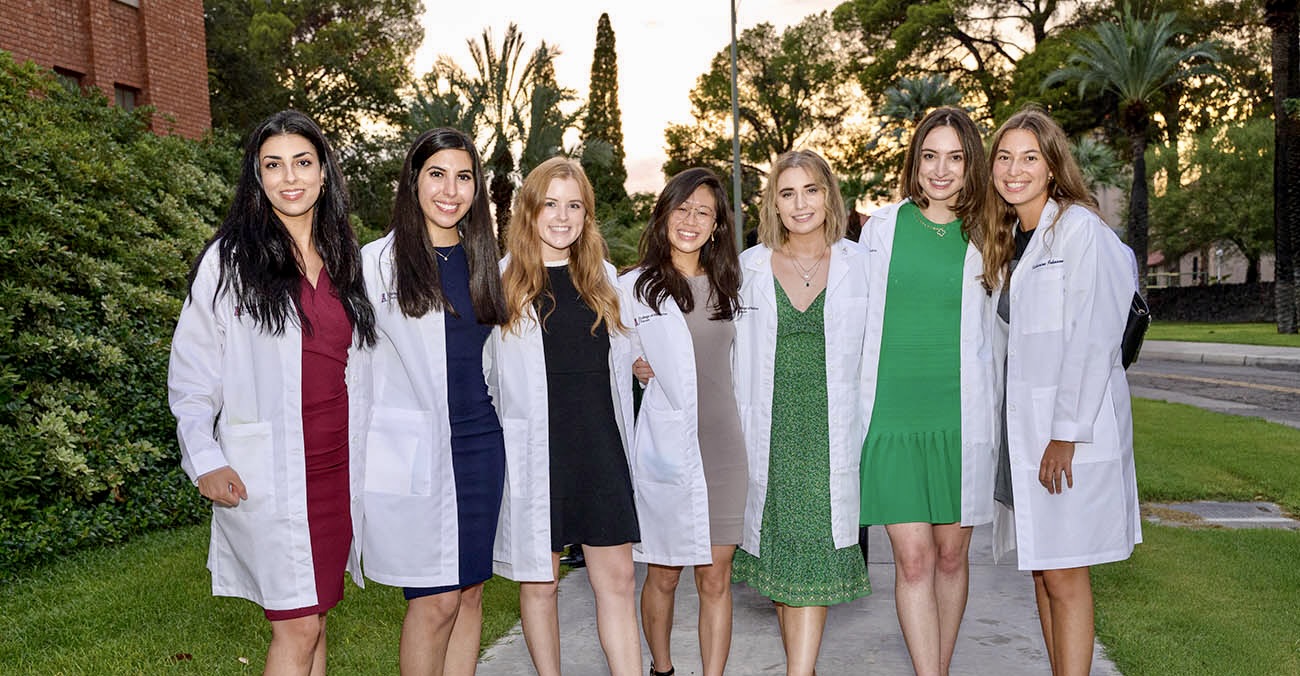
Secondary application questions give the committee a fuller picture of the person behind the application, beyond test scores and grades. For 2026-2027, Tucson moved most of that work out of the written secondary and into a timed video interview. The traditional MD secondary asks you to report your prerequisite coursework, answer a yes-or-no question about whether you have applied before and, if you have, write one short essay. Then you record two video responses.
Here is what the 2026-2027 secondary contains:
| Item | Who answers | Limit | Due |
|---|---|---|---|
| Prerequisite coursework report | All applicants | Form | With the secondary, within 14 days or by January 2, 2027 |
| Reapplicant question | Anyone who has applied to medical school before | 350 words | With the secondary |
| First-round video interview (two timed prompts) | All applicants who submit the secondary | Four minutes per prompt to read, prepare and record | Within 14 calendar days of the invitation or by January 2, 2027 |
| $95 fee | All applicants (AAMC FAP exemption on request) | With the secondary |
For a cross-school view of current prompts, see our medical school secondary essay prompts database.
Reapplicant question
“Have you applied to medical school before? If you have applied to medical school before, please share what you have done since you last applied. (Limit: 350 words)”
Who answers: Every applicant answers the yes-or-no part. Only applicants who have applied to medical school before, at Tucson or anywhere else, write the essay. It appears on both the traditional MD and MD/PhD secondaries.
What it asks: What has changed since your last application. The committee cannot see your previous file, so this essay is your one chance to explain your growth in your own words.
How to approach it: Answer the yes or no and name the prior cycle in one sentence. Spend a sentence or two, without blame, on what was missing. Then use most of your words on what you did about it: new clinical responsibility, research, coursework, a retaken MCAT, new letters. End with what the year taught you and why you are applying again.
Illustrative example, not an actual applicant essay (338 words):
Yes. I applied in the 2025-2026 cycle and was not invited to interview. When I reread that application, the gap was clear. I wrote about wanting to serve communities along the border, but my clinical hours came from a single summer, and my letters came from professors who knew me mainly from large lectures.
Since then, I have worked full time as a medical assistant at a community health center in southern Arizona. I room about twenty patients a day, take vitals, update medication lists and run point-of-care glucose tests. Many of our patients prefer Spanish. My Spanish was conversational, so I took an evening medical Spanish course. I now complete routine intake in Spanish, and I still call an interpreter for consent conversations and anything complex.
One patient changed how I understand my role. A farmworker in his fifties had missed three diabetes follow-ups, and I assumed he was not engaged in his care. When I finally asked, he explained that our hours overlapped his shift and a visit cost him a day’s pay. I brought this to our nurse manager, and the clinic opened a Saturday morning slot twice a month. He has come to four visits since. I learned to ask why before deciding what a missed appointment means.
I also joined a quality improvement project with one of our physicians, tracking how often patients with diabetes received annual eye screening. I pulled charts, built our spreadsheet and presented the results at a staff meeting. Screening rates rose after we added a reminder at check-in. That project showed me that I enjoy asking practical questions about care, which is part of why the Scholarly Project and the Rural Health and Bilingual Medical Spanish distinction tracks appeal to me.
Finally, I retook the MCAT, rewrote my personal statement and asked my supervising physician and nurse manager for letters, because they have watched me work with patients every day for a year. This year confirmed, rather than created, my goal of practicing primary care in southern Arizona.
Why this example works:
- It answers both parts. It says yes and names the cycle in the first two sentences, then spends almost everything else on what changed.
- It diagnoses, then fixes. One honest sentence names the weaknesses (thin clinical hours, letters from people who did not know the applicant). Each later paragraph answers one of them: a year of full-time patient contact and letters from people who supervised that work.
- It shows judgment, not just hours. The farmworker story shows the applicant learning to ask before assuming and acting through the right channel (the nurse manager). That is the kind of growth a committee cannot see from an activity list.
- It connects to Tucson specifically. The quality project leads naturally to the required Scholarly Project, and the Spanish and rural primary care thread matches the Bilingual Medical Spanish and Rural Health distinction tracks and the college’s Arizona mission, without flattery.
- It respects limits. The applicant uses Spanish for routine intake but still calls an interpreter for consent, which shows professional awareness.
Mistakes to avoid:
- Blaming the last cycle, the school or bad luck.
- Listing new activities without saying what you learned or how you changed.
- Repeating your personal statement instead of answering the question.
- Claiming changes you cannot document in AMCAS, or describing duties beyond your actual role.
- Leaving the essay blank or writing one line because you think the committee will look up your old file. It cannot.
First-round video interview
After you submit the secondary, a new tab appears in the AMP portal with your first-round interview. The college describes it this way: “The first-round admissions interview consists of two timed video responses. Applicants will be presented with two separate prompts and will record their responses directly through the application portal. For each question, applicants will have a total of four minutes to review the prompt, prepare their response and record their video.” You must complete it within 14 calendar days of the invitation, by 11:59 p.m. Arizona time, or by January 2, 2027, whichever comes first.
The prompts are not published in advance, and they may vary between applicants. Applicants in this cycle report about two minutes and 20 seconds to speak and a single recording attempt with no restart. Plan for that, and treat the instructions shown in your portal as final.
What the college says it is looking for: The video is “not intended to assess specific scientific knowledge.” It is a chance “to demonstrate clear communication, thoughtful reflection and authenticity.” The college recommends practicing how to organize your thoughts in a short time, reflecting on your experiences and motivations, and approaching each question thoughtfully “rather than relying on memorized responses.”
How to prepare:
- Know your stories. Before you open the portal, list eight to ten experiences you could speak about: a patient interaction, a team conflict, a mistake, a time you led, a time you changed your mind, an experience with someone whose background differed from yours, a challenge outside academics and why you want to be a physician. Tucson’s written prompts in recent cycles asked about exactly these themes, so they are good practice material (see below).
- Use a simple structure. In a short answer, try: one sentence of context, two or three sentences on what you did, one or two on what you learned, and one on how it shapes the physician you want to be.
- Practice on camera with a timer. Record yourself answering unfamiliar questions with one minute to prepare and two minutes to speak. Watch the recordings for pace, filler words and whether you finished your point.
- Set up your space. Use a quiet room, a plain background, light in front of you, a stable camera at eye level and a wired or reliable connection. Close other programs.
- Do not script. You will not know the prompts, and memorized answers sound flat. Practice the structure, not the words.
- Start early in the window. Do not save the recording for day 14. If something goes wrong technically, contact the admissions office right away.
Worked practice response. The college gives “Why do you want to become a physician?” as an example of a traditional question that can appear in its interviews. Here is a spoken answer of about 230 words, roughly two minutes at a natural pace.
Illustrative example, not an actual applicant essay:
I want to become a physician because I like being the person who figures out what is going on and then stays with the patient while it gets fixed. I learned that working as a medical assistant in a family medicine clinic. One afternoon a woman came in for a blood pressure check, and while I was taking her vitals she mentioned, almost as an aside, that she had been short of breath walking to her car. I told the physician, who examined her and sent her for testing the same day. It turned out to be heart failure. What stayed with me was not that I noticed something. It was watching the physician take a small detail seriously, explain the plan in a way she understood and call her two days later to check in.
That combination of science, judgment and relationship is what I want to spend my life on. I have looked at other roles in health care, and I respect them, but I want the responsibility of making the diagnosis and owning the plan. I also want to practice where that responsibility matters most. Many patients in my clinic drove more than an hour to see us, and I would like to be a primary care physician in a community like that. Medicine lets me use what I am good at, problem solving and listening, for people who need both.
Why it works: It answers the question in the first sentence, proves it with one specific story, names what the applicant learned from watching a physician (not just what they did), shows they have considered other careers, and closes with a concrete goal that fits the college’s emphasis on serving Arizona’s communities. It is short enough to finish inside the time limit with a moment to spare.
MD/PhD and PCAMP essays
MD/PhD applicants complete additional written questions on the MD/PhD secondary. The exact 2026-2027 wording of those questions was not published by the college when this guide was checked, so write to the questions and limits shown in your portal. Expect to describe your research, your contribution to it and the faculty whose work interests you, and prepare those answers before your secondary arrives.
PCAMP essay questions appear only in the portal, under PCAMP, for applicants invited to interview for the traditional MD program. Write them with the program’s goals in mind: commitment to family medicine and to rural and low-income communities in Arizona.
Questions Tucson asked in earlier cycles: practice for your interviews
Before 2026-2027, Tucson’s secondary included several 350-word essays. They are no longer part of the written secondary, but they are excellent practice for the video interview and the MMI, because they ask about the experiences and qualities the college still evaluates. We include them, with our earlier illustrative answers, as reflection practice.
In the 2025-2026 cycle, the essays asked about a time you worked on a team toward a common goal, a significant personal challenge outside academics and the coping skills it built, what draws you to the college’s mission and the role you would play in it, and your experience engaging with people from different perspectives. The questions from earlier cycles, through 2024-2025, are below.
Question #1. Please share a meaningful experience you have had working or volunteering in the health professional field or a time in your past in which you were responsible for the care and well-being of someone else. What did you learn from this as it relates to becoming a physician? (Limit: 350 words)
Illustrative example, not an actual applicant essay:
While volunteering at a clinic in Lagos, Nigeria, I met Adebayo, a young boy with sickle cell anemia. His family could not afford consistent health care, so he often came to our clinic for treatment. The pain he endured during his crises was hard to watch, and it was a reality check for me. I was not providing his medical care; the clinicians were. But I sat with him, kept him company and made sure his mother understood the instructions she was given. I learned that comfort was something Adebayo needed as much as any medication.
I learned the value of empathetic patient care. A physician is not just a problem-solver but also a compassionate person who understands the emotional and psychological sides of illness. This experience strengthened my commitment to becoming a physician who treats disease and also cares for the whole patient.
Practice point: In an interview, a story like this works best when you are precise about your role and specific about what you learned. Name one moment, not a summary of the whole experience.
Question #2. Discuss a time in your life in which you have failed at something other than an academic experience. How did you confront the failure, and what did you learn from it? Please describe how you typically approach challenges that you face in your life. (Limit: 350 words)
Illustrative example, not an actual applicant essay:
When I was in high school in San Francisco, I tried out for the basketball team and did not make the cut. I was devastated. Instead of sulking, I asked the coach what I needed to improve, practiced every morning before school and joined a recreational league to get game experience. I came back the next year and made the team.
What I learned is that failure is information. I now approach challenges by asking what the setback is telling me, making a plan and asking for help early. Whether it is a hard case in medicine or a complex personal problem, I try not to shy away. I confront the issue, figure out what I can learn and keep going.
Practice point: Interviewers often follow up with “What would you do differently?” Prepare a failure story where the lesson changed how you act now, and have a second example ready from adulthood.
Question #3. The mission of the University of Arizona College of Medicine of Admissions is to select a diverse cohort of students who will become future leaders in advancing healthcare to the distinct communities that comprise Arizona and the United States… Please describe the role(s) you can play in helping the College of Medicine to achieve its mission. (Limit: 350 words)
Illustrative example, not an actual applicant essay:
Coming from a multicultural background, I bring varied perspectives to patient care and academic discussions. I want to focus on underserved communities, especially in rural Arizona, where health care is often hard to reach. My experience in community organizing and advocacy has prepared me to take a leadership role in public health projects, and I am interested in research on the health problems these communities face most. At Tucson, I would want to pursue the Rural Health distinction track and a Scholarly Project on access to care. I am committed to being a lifelong learner and a leader in the College of Medicine.
Practice point: Mission questions reward specifics. Name the role from the college’s mission statement that fits you (care provider, physician-scientist, clinical leader, medical educator or public health expert) and the Tucson program that would help you grow into it.
Question #4. Describe the effect that your experiences with engaging diversity have had on your own growth and development. Provide an example and describe how it will impact your career in the medical profession. (Limit: 350 words)
Illustrative example, not an actual applicant essay:
Volunteering in very different settings, from a clinic in Nigeria to community centers in San Francisco, has shown me that health care is not one-size-fits-all. At a community health fair, I helped with intake for an older Chinese woman who was reluctant to take a prescribed medication because she was already using traditional herbal remedies. The physician did not dismiss her. She asked which herbs the patient used, checked for interactions and worked out a plan the patient was willing to follow. Watching that taught me that understanding a patient’s beliefs can make the difference between a plan that is followed and one that is ignored. As a physician, I want to ask those questions as naturally as I ask about symptoms.
Practice point: Questions about engaging with people from different backgrounds are common in MMIs. Focus on what you learned to do differently, and keep the patient’s dignity at the center of the story.
Question #5. Share any disruptions in your academic/volunteer/work/personal life related to COVID-19 that you would like the Admissions Committee to consider. (no limit)
This optional question appeared from 2020-2021 through 2023-2024. It is no longer asked, but the skill it tested, explaining a hardship briefly and honestly without making excuses, still matters in interviews and in the AMCAS “Other Impactful Experiences” section.
Illustrative example, not an actual applicant essay:
The COVID-19 pandemic affected nearly every part of my life, from academics to my emotional well-being. Financial hardship came first. My father was laid off, and my mother, a nurse, had her hours reduced. I took part-time jobs to help our family, which took time away from my studies, and my grades dipped that year despite my efforts to manage my time.
The emotional toll grew when my mother contracted COVID-19. I managed her isolation at home while caring for my younger sibling and keeping our household running. These caregiving duties cut into my school and work commitments, but they also taught me about patient care, emotional support and following health protocols. My mother could not immediately get the care she needed, which showed me the gaps in access that many Americans face, even health care workers.
Although these disruptions caused setbacks, they also built skills I will need as a physician: managing competing responsibilities, staying calm under pressure and supporting someone who is sick and afraid. Watching my mother and her colleagues keep caring for patients with limited resources made my career choice certain. I want to be a physician who rises to the occasion, with knowledge, skill and empathy.
Practice point: Hardship stories land best when they are brief about the difficulty and specific about what you did and learned. Keep the focus on growth, not on asking for allowances.
Prepare for Secondary Application Questions
Answering secondary and interview questions is more than another hoop to jump through. It is a chance to take stock of your goals and values, and the committee uses your answers to judge whether you are ready for a demanding program. Be genuine, thoughtful and thorough. At Tucson in 2026-2027, that means two things: if you are a reapplicant, draft and revise your 350-word essay before the secondary arrives; and for everyone, practice speaking clearly about your experiences under time pressure. Spend real time on both, because they can set you apart.
Interview Format and Preparation
Tucson uses two interview rounds for the traditional MD program in 2026-2027. Both are virtual.
Round 1: timed video responses
Covered in detail in the secondary section above: two prompts, four minutes per prompt to read, prepare and record, completed in the AMP portal within 14 calendar days of the invitation or by January 2, 2027. It tests communication, reflection and authenticity, not science knowledge.
Round 2: virtual multiple mini-interview (MMI)
Applicants selected after the first round are invited to a virtual MMI. The college explains that the MMI assesses “communication, professionalism, ethical reasoning and critical thinking,” and that research shows MMI performance is a strong predictor of future clinical performance.
Format. You rotate through a series of timed stations. At each station you receive a prompt, such as a question, scenario or task, and have two minutes to prepare before you respond. Prompts can include traditional questions such as “Why do you want to become a physician?” as well as scenarios that ask you to respond to complex or ambiguous situations. The MMI typically lasts about 60 minutes.
Applicant Visit Day. Plan for a full virtual Applicant Visit Day, which includes programming beyond the MMI itself. Use it to learn about Societies, distinction tracks, the Scholarly Project and student life, and to decide whether Tucson fits you.
Timing. Interview season runs from August 2026 through February 2027 (MD/PhD interviews from October 2026 through January 2027). Your letters of recommendation must be in before your interview.
Accommodations. The college and the Disability Resource Center work with applicants to provide reasonable accommodations. Contact the Admissions Office at 520-626-6214 or [email protected].
How to prepare for the MMI
The college’s advice is direct: the MMI does not test scientific or clinical knowledge, but “familiarity with current issues in health care may be helpful,” and because each station is new, “we do not recommend memorizing or rehearsing responses.” It suggests practicing with a friend, family member or adviser, or recording yourself.
What that looks like in practice:
- Ethical scenarios. Practice a simple approach: restate the problem, name the people affected and what each needs, lay out two or three options, choose one with a reason, and say what you would do if it did not work. Avoid jumping to a verdict in the first sentence.
- Current health issues. Read about issues that touch Arizona: rural access to care, border health, physician shortages in primary care, public health in tribal communities and health care for Spanish-speaking patients.
- Personal questions. Use the same story bank you built for the video round. Interviewers may ask about teamwork, failure, challenges, the mission or engaging with people from different backgrounds.
- Virtual setup. Test your camera, microphone and connection, use a neutral background and keep notes off the screen. Look at the camera when you speak.
- Pacing. With two minutes to prepare, spend about 30 seconds understanding the prompt, 60 seconds outlining, and the rest calming down and planning your opening line.
For more practice material, see our guides to the multiple mini-interview and the most common medical school interview questions. If you want structured mock interviews, our admissions consulting team offers MMI practice with feedback.
After the interview
The committee reviews your full file once your interview is complete, and decisions go out about twice a month from late October. Because the college does not accept updates or letters of intent, there is nothing to send after your interview. Focus on your other applications and keep your contact information current in AMCAS.
Frequently Asked Questions
What is the average GPA and MCAT for the University of Arizona College of Medicine-Tucson?
For the 2025 entering class, accepted applicants had a median MCAT of 512 and a median GPA of 3.88 (3.86 science). The screening floor is much lower: to receive a secondary in 2026-2027, you need a 3.0 overall undergraduate GPA, a 3.0 BCPM GPA and an MCAT of at least 498. Those are minimums. Admitted students score well above them, so treat the floor as eligibility, not as a competitive target. The college uses your highest MCAT from the past three years and does not average scores, though it can see all of them.
What is the acceptance rate for the University of Arizona College of Medicine-Tucson?
Offer counts are not published, so there is no true acceptance rate. For the 2025 entering class, 7,342 verified applications led to 527 interviews (7.2% of applications) and 118 traditional MD matriculants. The college interviews about 500 applicants a year for a class of about 160 (Class of 2030). That means reaching the interview is the hardest step, especially for non-residents, and the interview then carries great weight. Be cautious with acceptance rates you see elsewhere unless they name the cycle, divide offers (not matriculants) by applicants and cite a source.
Does Tucson have secondary essays in 2026-2027?
Only one, and only for reapplicants: “If you have applied to medical school before, please share what you have done since you last applied,” with a 350-word limit. Everyone else reports prerequisite coursework, pays the $95 fee and then completes a two-prompt timed video interview. MD/PhD applicants have additional questions on their secondary, and PCAMP applicants see their essays in the portal after being invited to interview.
What is the first-round video interview?
It is a short, timed recording you complete in the AMP portal after submitting your secondary. You get two prompts, with four minutes per prompt to read, prepare and record. The prompts are not published in advance. You must finish within 14 calendar days of the invitation or by January 2, 2027, whichever comes first. The college says it does not test science knowledge; it looks for clear communication, thoughtful reflection and authenticity.
Does the University of Arizona College of Medicine-Tucson prefer in-state applicants?
At screening, yes. The college says the largest difference between in-state and out-of-state applicants is at the initial screening. After the interview, out-of-state applicants “receive comparable consideration.” For the 2025 entering class, 31% of Arizona applicants were interviewed, compared with 4.4% of non-residents. Arizona residents also pay much lower tuition ($43,022 versus $63,722 in 2026-27). Non-residents should apply if they have a specific, credible reason to train in Tucson and strong overall applications.
Can I send a letter of intent or update letter to Tucson?
No. The college states that it “does not accept letters of intent or updates.” This applies before and after interviews and on the waitlist. Put your effort into your interview preparation and your other applications. If you receive an offer, respond through the acceptance portal within the required window: 10 days before April 30, five working days after.
Is the University of Arizona’s medical school accredited?
Yes. The College of Medicine-Tucson is fully accredited by the Liaison Committee on Medical Education, the accrediting body for MD programs in the United States and Canada. The College of Medicine-Phoenix is a separate, separately accredited school. Accreditation is a baseline that allows graduates to pursue U.S. residency training and licensure; it is not a ranking.
What is the University of Arizona Tucson College of Medicine ranked?
Rankings change every year and use methods that may not match what matters to you. Check the current U.S. News and World Report listing directly if rankings are part of your decision, and look at the measures behind any rank, such as research activity, primary care output or graduates practicing in rural and underserved areas. For most applicants, mission fit, cost by residency and the curriculum style matter more than a numerical rank.
What are the prerequisites for 2026-2027?
Two semesters of physiology, two of biochemistry (or one biochemistry plus one genetics), one social or behavioral science, one statistics course, upper-division courses in two of molecular biology, cell biology, histology, microbiology, pharmacology or immunobiology, and two English or writing-intensive courses. Courses need a C or better and must be taken in the U.S. or Canada. Labs are recommended but do not count toward prerequisites, and one course cannot satisfy two requirements. You can apply while finishing them.
How many letters of recommendation does Tucson require?
At least three and at most five, including at least one clinical letter from someone who has seen you work with patients. You can submit one clinical letter plus two from other professionals, or a committee letter plus one clinical letter. Letters go through the AMCAS Letter Service and are due December 15, 2026. Letters from family and friends are not recommended, and a letter from your current employer is strongly encouraged.
How much does it cost to attend?
For 2026-27, tuition and fees are $43,022 a year for Arizona residents and $63,722 for non-residents. First-year cost of attendance, including living costs, books and health insurance, is $80,842 for residents and $101,542 for non-residents. Average graduate indebtedness was $205,044 in academic year 2023-2024, and 90% of students received aid. Need-based college scholarships are considered automatically, and the Primary Care Physician Scholarship covers tuition for students who commit to underserved primary care in Arizona.
Does Tucson accept international students?
International applicants can be considered, but if accepted they must have U.S. permanent residency before medical school starts. You may still be working on permanent residency while you apply. All core prerequisites must be completed in the U.S. or Canada, and applicants with foreign degrees need at least 60 semester hours of U.S. or Canadian coursework. DACA recipients are not accepted in the current cycle. For the 2025 entering class, 110 international applicants applied and none were interviewed, so confirm your eligibility with the admissions office before you apply.
Where do medical students live in Tucson?
Most medical students rent apartments near the Health Sciences campus. The college does not run its own housing, and the university’s residence halls are for undergraduates. The university’s La Aldea Graduate Housing offers furnished apartments for single graduate and professional students, with utilities included, and the university’s off-campus housing website lists rentals. Your first-year cost of attendance budget includes about $37,800 for living costs and books.
What clinical experience should I have before applying?
The college requires a clinical letter from someone who has watched you interact with patients, families and staff, so you need hands-on clinical work where a supervisor can see you over time. Roles such as medical assistant, scribe, EMT or clinic volunteer work well. Many students also complete internships for pre-med students during a summer or gap year. Whatever you choose, keep records of your hours, duties and memorable patient interactions for AMCAS and your interviews.
What is APME?
The Accelerated Pathway to Medical Education is a seven-year program for high school seniors who are admitted to the University of Arizona. Students complete three years of undergraduate study and then enter the MD program without a bachelor’s degree or MCAT. The college accepts 10 students a year. For the 2026-2027 cohort, the deadline is November 1, 2026, interviews are on March 5, 2027, and decisions begin March 19, 2027.
Can I apply to both the Tucson and Phoenix colleges of medicine?
They are separate schools, and the college asks applicants to designate the specific campus they are applying to in AMCAS. Each has its own process, so research both and decide which one, or whether both, fit your goals. Our related guides below include the Phoenix guide.
Can I defer my admission?
Only in limited circumstances, such as illness, unexpected family hardship, a major fellowship like a Fulbright, Rhodes or Marshall, or military service. Requests go in writing to the Assistant Dean and Executive Director of Admissions by May 15 of the acceptance year. Deferrals are limited to one year, and you must notify the office by May 15 of the deferred year to activate your seat. Five admitted applicants deferred entrance in the 2025 entering class.
What happens if I am waitlisted?
You will be told when you are placed on the waitlist, and the number of waitlisted students varies by year, typically 35 to 50, with 25 offers going to waitlisted applicants in a recent cycle. Because the college does not accept updates or letters of intent, there is nothing to submit. Follow the AAMC protocols for holding offers, keep your email and portal under watch through summer, and respond quickly if an offer arrives. Offers after April 30 require a response within five working days.
Related Medical School Guides
If Tucson is on your list, these guides offer useful comparisons:
- University of Arizona College of Medicine-Phoenix: the University of Arizona’s other, separately run MD program, with its own campus designation in AMCAS and its own application process.
- Creighton University School of Medicine: a private MD option with a campus in Phoenix, useful for applicants who want to train in Arizona at a school without in-state tuition differences.
- Mayo Clinic Alix School of Medicine: another MD program with an Arizona campus in Scottsdale, for comparison of a research-intensive private model with Tucson’s public one.
- Charles R. Drew University of Medicine and Science College of Medicine: a Western MD school with a strong mission of serving underserved communities, a good match for applicants drawn to Tucson’s community focus.
- Washington State University Elson S. Floyd College of Medicine: a public Western MD school focused on community-based and rural training across its state.
- UC Davis School of Medicine: a public Western MD program with a strong rural and community health emphasis, relevant for applicants interested in Tucson’s Rural Health track.
For a side-by-side look at every option in the state, see our guide to medical schools in Arizona.
Medical Schools in Arizona Near You (Medical Schools Near Me)
Arizona offers several options for prospective medical students, from MD programs to Doctor of Osteopathic Medicine (DO) degrees: the University of Arizona College of Medicine-Tucson, the University of Arizona College of Medicine-Phoenix, A.T. Still University School of Osteopathic Medicine in Arizona (ATSU-SOMA) and Midwestern University Arizona College of Osteopathic Medicine (AZCOM), along with the Arizona campuses of Creighton and Mayo Clinic noted above. Review each program to decide which aligns with your goals. Whether you plan to stay in-state or apply nationwide, these schools offer solid clinical training, research opportunities and the academic rigor needed to succeed.
More medical school guides
Nearby and Southwest:
- University of Arizona College of Medicine-Phoenix
- Burrell College of Osteopathic Medicine (BCOM)
- The University of New Mexico School of Medicine
California and the West:
- California University of Science and Medicine
- UC San Diego Medical School
- California Northstate University College of Medicine
- Touro University of California
- CHSU College of Osteopathic Medicine
- UC Davis School of Medicine
- UC Riverside School of Medicine
- USC Keck School of Medicine
- UCLA Medical School
- Western University of Health Sciences (in California)
Texas:
- UT Southwestern Medical School
- Long School of Medicine at UT Health San Antonio
- University of the Incarnate Word School of Osteopathic Medicine
- UT Austin’s Dell Medical School
- UTMB School of Medicine
- McGovern Medical School at UT Health
- The University of Texas Rio Grande Valley School of Medicine
- UNT Texas College of Osteopathic Medicine
- University of Houston College of Medicine
- Texas A&M College of Medicine
- Baylor College of Medicine
Midwest:
- Ohio University Heritage College of Osteopathic Medicine
- Northeast Ohio Medical University (NEOMED)
- University of Cincinnati College of Medicine
- University of Toledo College of Medicine
- Wright State University Boonshoft School of Medicine
- Ohio State University College of Medicine
- Case Western Medical School
- A.T. Still University Kirksville College of Osteopathic Medicine
- Saint Louis University School of Medicine
- University of Missouri Medical School
- Kansas City University (KCU)
- UMKC School of Medicine
- Washington University School of Medicine
- University of Wisconsin Medical School
- Stritch School of Medicine at Loyola University Chicago
Southeast:
- Alabama College of Osteopathic Medicine (ACOM)
- University of South Alabama College of Medicine
- University of Alabama School of Medicine
- FIU College of Medicine
- UCF College of Medicine
- USF Morsani College of Medicine
- Florida State University College of Medicine
- University of Florida Medical School
- Morehouse School of Medicine
- Medical College of Georgia at Augusta University
- Mercer University School of Medicine (MUSM)
- Emory University School of Medicine
- Campbell University School of Osteopathic Medicine (CUSOM)
- ECU Brody School of Medicine
- University of North Carolina Medical School
- Wake Forest University School of Medicine
- Edward Via College of Osteopathic Medicine (VCOM)
- University of South Carolina Medical School
- VCU School of Medicine
- Vanderbilt University School of Medicine
Mid-Atlantic and Northeast:
- Lewis Katz School of Medicine at Temple University
- Philadelphia College of Osteopathic Medicine (PCOM)
- Geisinger Commonwealth School of Medicine (GCSOM)
- Penn State Medical School
- Lake Erie College of Osteopathic Medicine (in Pennsylvania)
- Sidney Kimmel Medical College at Thomas Jefferson University
- Drexel University College of Medicine
- Perelman School of Medicine
- University of Pittsburgh School of Medicine
- CUNY School of Medicine
- SUNY Downstate Medical School
- NYIT College of Osteopathic Medicine
- NYU Long Island School of Medicine
- TOURO College of Osteopathic Medicine
- Albany Medical College
- Norton College of Medicine at Upstate Medical University
- Jacobs School of Medicine at the University at Buffalo
- Hofstra Zucker School of Medicine
- Weill Medical College of Cornell University
- University of Rochester Medical School
- Icahn School of Medicine at Mount Sinai
- Renaissance School of Medicine at Stony Brook University
- Albert Einstein College of Medicine
- New York Medical College
- NYU Medical School
- Rowan University School of Osteopathic Medicine
- Hackensack Meridian School of Medicine (HMSOM)
- Rutgers New Jersey Medical School (NJMS)
- Rutgers Robert Wood Johnson Medical School
- Cooper Medical School of Rowan University (CMSRU)
- University of Maryland School of Medicine
- Johns Hopkins School of Medicine
- George Washington University School of Medicine
- Georgetown University School of Medicine
- Boston University College of Medicine
- Harvard Medical School
- Brown Medical School
- Yale School of Medicine
Caribbean:
How International Medical Aid Can Help
It is easy to feel overwhelmed by medical school applications. Each school runs its own process, and Tucson alone asks for a timed video interview within two weeks of your secondary and a virtual MMI later in the cycle. International Medical Aid (IMA) supports pre-health students in two ways that fit what the college looks for: hands-on clinical experience and admissions advising. IMA is an independent organization. It is not affiliated with the University of Arizona or the College of Medicine-Tucson, and taking part in an IMA program does not affect admission decisions at any school.
Clinical experience. IMA runs medical internships abroad for pre-health students in Kenya and other sites. Interns work in hospitals and clinics under supervision: they take vitals, do patient intake and triage and help with direct patient care for communities with limited access to care. Our pre-med internships abroad fit a summer or a gap year, and our medical internships for undergraduates are open to students still in college. You can compare all of our healthcare internships abroad on one page.
Tucson’s mission centers on serving Arizona’s communities, so the strongest applications pair sustained clinical and service work at home with any experience abroad, then reflect on what each taught about access to care. If you join an IMA program, keep a careful record of your dates, duties and hours, and think about the patient moments you could describe in a two-minute video answer.
Admissions consulting. IMA offers personalized guidance through every part of the process, from choosing schools and writing your personal statement to reapplicant essays and MMI practice, particularly for those considering Arizona med schools or PA schools in Arizona. Learn more about IMA’s admissions consulting services, Book an Appointment with IMA for specialized medical school admissions consulting, or reach out to us with any questions.
Final Thoughts and Sources
Conclusion and Best Wishes
The University of Arizona College of Medicine-Tucson offers a public MD education with deep roots in Arizona: the state’s first medical school, a three-phase curriculum built around Societies mentoring from day one, a required Scholarly Project, eight distinction tracks and a clear commitment to underserved and rural communities. Its 2026-2027 process rewards applicants who meet the screening floor, move quickly through a short secondary, and communicate clearly in two interview rounds.
Your next step depends on where you are. If you are applying now, submit AMCAS by December 1, 2026, return the secondary within 14 days, record your video interview early in its window and have letters in by December 15. If you are planning for a later cycle, build hands-on clinical work with supervisors who can write about you, serve communities over time and practice speaking about what you have learned. We wish you all the best as you work toward your medical career.
Sources
Facts in this guide were checked against these sources on October 28 and 29, 2026. Cohort and academic year labels appear with each figure above.
- University of Arizona College of Medicine-Tucson: Admissions FAQ, MD Admissions, Timelines (2026-2027 Traditional MD and MD/PhD; APME 2026-2027; P-MAP and HEAP 2025-2026), Admissions Additional Resources.
- College of Medicine-Tucson: MD Curriculum, MD Program, Scholarly Project, Doctor and Patient / Societies, Distinction Tracks, Bilingual Medical Spanish Distinction Track.
- College of Medicine-Tucson: Accelerated Pathway to Medical Education, Pre-Medical Admissions Pathway, Three-Year MD Primary Care Accelerated Medical Pathway (PCAMP), Dual-Degree MD Programs.
- College of Medicine-Tucson: Financial Aid for Current Students (Estimated Cost of Attendance 2026-2027), Financial Aid and Scholarships (Primary Care Physician Scholarship; Navajo Nation Future Physicians Scholarship), Mental Health Services.
- College of Medicine-Tucson: About overview (founding, graduates, LCME accreditation), Leadership, White Coat Ceremony (Class of 2030), Match Day 2026, Anesthesiology Residency Program, and official profiles of Michael M.I. Abecassis, Kevin F. Moynahan, Celia P. Valenzuela, Jason A. Wertheim, Tejal Parikh, Samantha P Medina, Keith A. Joiner, Dorothy Gilbertson-Dahdal, David S. Chen and Robert Cravens Jr.
- College of Medicine-Tucson news, “Remembering Dr. Cetas, Neurosurgery Chair and Immense Soul,” August 1, 2022; Neurosurgery, Justin Cetas Legacy Grand Rounds.
- University of Arizona Housing and Residential Life: La Aldea Graduate Housing, Getting Started (2027-2028 housing) and Off-Campus Housing.
- AAMC, Medical School Admission Requirements (MSAR) school profile for the University of Arizona College of Medicine (Tucson), 2026 edition: 2025 entering class MCAT, GPA, applications, interviews and matriculants; policies for the 2026-2027 cycle; TSF 2025-2026; Graduation Questionnaire 2025. Accessed October 29, 2026.
- AAMC, Medical School Admission Requirements (MSAR) 2027 Debt Information report (source: LCME Part I-B Student Financial Aid Questionnaire, Academic Year 2023-2024).
- Secondary and video interview format: College of Medicine-Tucson MD Admissions page; 2026-2027 secondary wording checked October 28, 2026.