Set in the hills of Morgantown, West Virginia, the West Virginia University School of Medicine (WVU SoM) is the state’s flagship public MD program. It is part of the Robert C. Byrd Health Sciences Center, a large medical complex that also holds the Schools of Dentistry, Nursing, Pharmacy and Public Health. The school’s faculty physicians care for more than 100,000 West Virginians across the state, and its MD program serves about 450 students on three campuses: Morgantown, Charleston and Eastern.
This guide covers the 2026-2027 application cycle, for students who will start medical school in summer 2027. The AMCAS deadline for regular decision is November 1, 2026, and the secondary deadline is December 1, 2026. All facts were checked on October 29, 2026.
WVU SoM runs an admissions process with several features that set it apart. It requires no specific prerequisite courses. It asks for just one letter of recommendation. It sends a secondary to every AMCAS-verified applicant, interviews everyone virtually, and gives West Virginia residents and students from its pathway programs the highest priority. Every applicant who interviews must also rank the three clinical campuses, because students spend years three and four in Morgantown, Charleston or the Eastern Panhandle.
In this definitive guide, we cover the newest class profile, the MD and MD/PhD programs, the specialty tracks, the curriculum year by year, every admissions requirement, 2026-2027 tuition, the secondary essays with worked examples, the interview day and the questions applicants ask most. Knowledge is power, so use what you learn here to make your application as strong as possible.
Should you have questions about the medical school application process, don’t hesitate to reach out to us. International Medical Aid has helped thousands of students get into medical school through our medical school admissions consulting and healthcare internship programs. We’re here for you!
Key Takeaways
- Eligibility. You need at least 90 credit hours from an accredited U.S. or Canadian institution and at least three years of higher education or work after high school by the time you start. WVU SoM does not accept international coursework. West Virginia residents have the highest priority, but 54% of the Class of 2030 came from other states.
- Academic context. The Class of 2030 had an average MCAT of 510 and an average BCPM (science) GPA of 3.77. For the 2025 entering class, accepted applicants had a median MCAT of 512 and a median overall GPA of 3.87. There is no published MCAT or GPA cutoff for regular decision. Early Decision requires at least a 506 MCAT and a 3.6 BCPM GPA.
- Mission. The mission is “improving the health and wellbeing of everyone we serve,” and the vision is “a hopeful and healthy West Virginia.” The Committee on Admissions looks for patient care (including MD shadowing), teaching and leadership, research and service to West Virginia.
- Key dates. Regular decision AMCAS deadline: November 1, 2026. Secondary deadline: December 1, 2026. Interviews start in September; the admissions timeline says they conclude in February, while the virtual interview day page lists September through March. Offers go out on a rolling basis from October, and MD admits must commit by May 31.
- Costs. For 2026-2027, M1 to M3 tuition and fees are $12,600 per term for West Virginia residents and $25,704 per term for nonresidents. Students are billed for three terms a year in years one to three, which comes to $37,800 and $77,112 a year.
- Distinctive training. Every student completes a rural or community-based rotation, 100 hours of community service and clinical years on one of three campuses. Optional tracks include Rural, Global Health, Culinary and Lifestyle Medicine, and the accelerated MATTER track.
- Integrity rules. WVU requires applicants to write their AMCAS and secondary responses themselves, and it prohibits sharing secondary essays in any way.
- Next step. If you are applying this cycle, submit your secondary well before December 1 and keep your ApplyWeb checklist current. If you plan to apply next cycle, decide by spring whether Early Decision fits you, because its AMCAS deadline is August 1, 2027.
Key Statistics About West Virginia University School of Medicine
The snapshot and table below gather West Virginia University School of Medicine’s key numbers. Each figure carries its cohort or academic year, because the class profile, tuition and survey data are released on different schedules. The class profile describes the Class of 2030, which started in summer 2026. The median MCAT and GPA figures, the residency breakdown of applications, interviews and matriculants, and the deposit and offer details describe the 2025 entering class and the 2026-2027 cycle. Tuition figures are the 2026-2027 per-term rates set by the WVU Board of Governors.

| Measure | Value | Cohort, population and source |
|---|---|---|
| School and degree | West Virginia University School of Medicine; Doctor of Medicine (MD) and MD/PhD | WVU SoM MD Admissions and Combined Degree Programs pages |
| Location and campuses | Years 1 and 2 in Morgantown; years 3 and 4 in Morgantown, Charleston or Eastern (Martinsburg area) | WVU SoM Curriculum and Campuses pages |
| Accreditation | LCME, full accreditation for an eight-year term; last visit fall 2022; next full survey 2030-2031 | WVU SoM Accreditation page |
| Total MD enrollment | About 450 students | Current (WVU SoM MD Admissions page) |
| Entering class size | 120 | Class of 2030 matriculants (2030 Class Profile) |
| Total applicants | 6,104 | Class of 2030 applicant pool (2030 Class Profile) |
| Total interviews | 548 | Class of 2030 applicant pool (2030 Class Profile) |
| Interviewed / applicants | 548 of 6,104 (9.0%) | Class of 2030; an interview ratio, not an acceptance rate |
| Verified applications by residency | 6,314 (142 in-state, 5,381 out-of-state, 791 international) | 2025 entering class, all verified applicants (AAMC MSAR) |
| Interviewed by residency | 548 (87 in-state, 458 out-of-state, 3 international) | 2025 entering class, interviewees (AAMC MSAR) |
| Interviewed / verified applications | 548 of 6,314 (8.7%) | 2025 entering class; an interview ratio, not an acceptance rate (AAMC MSAR) |
| Matriculated by residency | 115 (54 in-state, 59 out-of-state, 2 international); 19 through Early Decision; 2 MD/PhD | 2025 entering class, matriculants (AAMC MSAR) |
| Acceptance rate | Not published | Number of offers not reported (WVU SoM 2030 Class Profile; AAMC MSAR) |
| Average MCAT | 510 (CPBS 127, CARS 127, BBLS 128, PSBB 128) | Class of 2030 matriculants (2030 Class Profile) |
| Average BCPM GPA | 3.77 (postbac BCPM 3.91; master’s BCPM 3.84) | Class of 2030 matriculants (2030 Class Profile) |
| Median MCAT | 512 (mean 512.1); section medians CPBS 128, CARS 127, BBLS 128, PSBB 129 | 2025 entering class, all accepted applicants (AAMC MSAR) |
| Median GPA | 3.87 overall (mean 3.78); 3.82 science (mean 3.73) | 2025 entering class, all accepted applicants (AAMC MSAR) |
| Graduate degree and science majors | 9% hold a graduate degree; 73% science or math majors | 2025 entering class matriculants, self-reported (AAMC MSAR) |
| Residency mix | 46% West Virginia residents; 54% out of state | Class of 2030 matriculants (2030 Class Profile) |
| Gender | 56% male; 44% female | Class of 2030 matriculants (2030 Class Profile) |
| Tuition and fees per term, residents | $12,600 (M1 to M3); $18,072 (M4) | 2026-2027 WVU Board of Governors rates (WVU SoM Tuition and Aid) |
| Tuition and fees per term, nonresidents | $25,704 (M1 to M3); $36,396 (M4) | 2026-2027 WVU Board of Governors rates (WVU SoM Tuition and Aid) |
| Annual tuition and fees, years 1 to 3 | $37,800 resident; $77,112 nonresident | 2026-2027; term total times three terms, the school’s own billing rule |
| First-year total cost of attendance (survey figure) | $70,337 in-state; $108,143 out-of-state | AY 2025-2026, AAMC Tuition and Student Fees survey (AAMC MSAR) |
| Average graduate indebtedness | $188,123; 84% of students receive aid | AY 2024-2025, LCME Part I-B (AAMC MSAR) |
| Secondary fee | $100; waived with AAMC Fee Assistance Program approval | 2026-2027 cycle (WVU SoM Ask the Admissions Team; AAMC MSAR) |
| Deposit | $100 for in-state and out-of-state admits; refundable until April 30, 2027; applied to tuition | 2026-2027 cycle (AAMC MSAR) |
| Acceptance notices and response time | October 15, 2026 to July 6, 2027; up to two weeks to respond to an offer | 2026-2027 cycle (AAMC MSAR) |
| Interview start | Interviews begin in September | 2026-2027 cycle (AAMC MSAR) |
| Waitlist | Waitlist size varies with the applicant pool; 90 acceptance offers went to waitlisted applicants | School-reported (AAMC MSAR) |
| Deferrals | Deferral requests considered; no matriculants deferred | 2025 entering class (AAMC MSAR) |
| Regular decision deadlines | AMCAS November 1; secondary December 1 (11:59 PM) | 2026-2027 cycle (WVU SoM Admissions Timeline) |
| First day for the newest class | MS1 Professional Development Week began July 21, 2026 | 2026-2027 MS1 Academic Calendar |
| Classes begin for the next entering class | July 20, 2027 | 2027 entering class (AAMC MSAR) |
Three points help you read this table. First, the MCAT and GPA figures are averages for students who enrolled and medians for accepted applicants, not minimums. WVU SoM publishes no cutoff for regular decision, so these figures show where the class landed rather than where the school draws a line. About half of the accepted applicants in the 2025 entering class scored 512 or higher on the MCAT, and about half had an overall GPA of 3.87 or higher, so many admitted students were below those marks. Second, the school reports a BCPM GPA, the AMCAS science GPA in biology, chemistry, physics and math, rather than an overall GPA. Third, the school publishes how many people applied and interviewed, but not how many received offers. That means no true acceptance rate exists for WVU SoM. The 9.0% figure above is the share of applicants who interviewed, which is a useful signal of how selective the first screen is, but it is not your odds of admission.
Class Size and Demographics
The Class of 2030 has 120 students, and the MD program as a whole serves about 450. Just under half of the class (46%) are West Virginia residents, and the rest come from other states. The school notes that for several years about half of each class has been made up of nonresidents, which makes WVU SoM a realistic option for out-of-state applicants with ties to the state or a strong match with its mission.
The residency numbers for the 2025 entering class show how residency shapes the odds. Of 142 verified applications from West Virginia residents, 87 led to interviews and 54 residents enrolled. Out-of-state applicants filed 5,381 verified applications, 458 interviewed and 59 enrolled. International applicants filed 791 applications, 3 interviewed and 2 enrolled. In-state applicants were far more likely to reach the interview stage, while out-of-state students still filled about half the seats. In that class, 9% of matriculants held a graduate degree, 73% had majored in science or math, 20% reported disadvantaged status and 28% said they grew up in a medically underserved area.
Mission and Educational Priorities
The WVU School of Medicine states its mission in a single line: “Improving the health and wellbeing of everyone we serve.” Its vision is “A hopeful and healthy West Virginia.” The admissions office phrases the same mission as “Our mission is to improve the health and well-being of everyone we serve,” and it ties admission directly to that goal: the Committee on Admissions (COA) “must select students who provide evidence that they will fulfill the mission of the WVU SoM.”
West Virginia’s health needs shape the mission. The school’s faculty provide advanced care to more than 100,000 West Virginians, and the curriculum requires a rural health experience. Many graduates stay to practice rural medicine in the state, while others join competitive residency and postdoctoral programs across the country. The school’s strategic compass is reviewed each year, and leaders set new goals and implementation plans to keep moving toward the vision.
What the Mission Means for Applicants
The admissions requirements page spells out what the COA wants to see. Applicants “must have strong experiences in patient care (including MD shadowing), roles as educator and leader, research, and service to the state of West Virginia and beyond.” That sentence works as a checklist:
- Patient care, including MD shadowing. Hands-on patient contact counts, and so does time shadowing physicians. Shadowing an MD is named directly, so do not skip it.
- Educator and leader roles. Tutoring, teaching, training new volunteers, coaching or leading a team all count. Show what you taught or led and what changed because of it.
- Research. Research is part of the core list, not an optional extra. A sustained project where you can explain the question and your role is worth more than a long list of short lab stints.
- Service to West Virginia and beyond. Service in West Virginia carries obvious weight, but the phrase “and beyond” means strong service elsewhere also counts. Explain how your service connects to the kinds of communities WVU serves.
The COA practices holistic review and uses competency-based admissions. Applicants must show “a strong scientific fund of knowledge and strong social/interpersonal skills,” and the secondary application gives you space to describe how you have met the AAMC competencies. Early Decision applicants are told that competitive candidates list at least 12 mission-based experiences in AMCAS, which gives every applicant a sense of how much the school values breadth across those four areas.
The mission also explains the residency priority. West Virginia residents have the highest priority, followed by out-of-state residents in WVU’s established pathway programs. Residents of other states with strong ties to West Virginia, such as living in the state or having family there, or who match the mission are encouraged to apply. Ties alone do not guarantee an interview, so show the connection through what you have done, not only where you are from.
Accreditation and Institutional Identity
The WVU School of Medicine MD degree is fully accredited by the Liaison Committee on Medical Education (LCME). The most recent accreditation visit took place in fall 2022, and the LCME awarded full accreditation for an eight-year term, until the next full survey visit in the 2030-2031 academic year. You can confirm the status in the public LCME directory.
The school is part of West Virginia University, the state’s land-grant and research university, founded in 1867. WVU is classified as an R1 research university, which reflects a high level of research activity and doctoral education. The medical school is one of several health sciences schools on the Robert C. Byrd Health Sciences Center campus in Morgantown, alongside Dentistry, Nursing, Pharmacy and Public Health. Its clinical partner is WVU Medicine, the West Virginia University Health System, whose flagship academic hospital is WVU Medicine Ruby Memorial Hospital.
The school’s history runs back more than a century. Some medical courses were taught in WVU’s earliest years, but the first comprehensive medical education program began in 1903, through an agreement that let students complete two years in Morgantown and two in Baltimore. An independent two-year school followed in 1912. In 1960, University Hospital opened and the school established a four-year curriculum, and it awarded its first MD degrees in 1962. In 1972, the Charleston Division was established as the first medical school branch campus in the nation.
Beyond the MD, the School of Medicine sponsors more than fifty ACGME-accredited residency and fellowship programs. It also runs health professions programs with their own accreditors, including Physical Therapy, Occupational Therapy, Exercise Physiology, Biomedical Laboratory Diagnostics and Physician Assistant Studies. Keep those programs separate in your planning: they have their own applications and are not routes into the MD program.
Medical Programs and Affiliations
WVU SoM offers a broad set of programs that prepare students for careers in medicine, research and public service. For MD applicants, the most important choices are which application route to use (Early Decision, regular decision or MD/PhD), whether a pathway program fits your situation, and which specialty tracks interest you after you enroll.
Doctor of Medicine (MD) Program
The MD program educates physicians for the full range of medical careers, with a strong emphasis on serving West Virginia. Students learn through small group problem-solving, simulation-based learning, clinical experiences and inter-professional learning from the first year. All students spend years one and two in Morgantown, then complete years three and four on one of three campuses. Graduation requires 100 hours of community service and passing USMLE Step 1 and Step 2.
Early Decision Program
The Early Decision Program is for applicants who know WVU SoM is their top choice. Applicants who have shown excellence in mission-based experiences, resilience, strong interpersonal skills and strong academic metrics are encouraged to apply. The benefits are concrete:
- An interview in September.
- A decision by October 1, the current deadline set by the AAMC.
- A scholarship of $30,000 over four years ($7,500 per year), or $22,500 over three years if the student is accepted to the MATTER track.
- Guaranteed first choice of clinical campus.
Early Decision applicants must be U.S. citizens and need a total MCAT of at least 506 and an AMCAS-calculated BCPM GPA of at least 3.6 (undergraduate, post-bac or graduate). Sub-section scores below 125 may not be competitive, and the school prefers at least 30 BCPM hours in its preferred courses. The 2026-2027 Early Decision deadlines (August 1 for AMCAS and August 31 for the secondary) have passed. For the next cycle, the school lists July 23, 2027 as the last MCAT date for Early Decision, with scores accepted from September 2024 to July 23, 2027, an August 1, 2027 AMCAS deadline and an August 31, 2027 secondary deadline.
MD/PhD Medical Scientist Training Program
The MD/PhD Medical Scientist Training Program prepares students for academic careers that combine clinical practice and teaching with research into the mechanisms of disease. Its goal is to train independent physician-scientists, and the average time to completion is 7.9 years. MD/PhD applicants follow earlier deadlines (AMCAS by September 15, secondary by October 15) and must submit an additional letter from a research principal investigator or mentor. Beyond the MD/PhD, the School of Medicine offers graduate programs in the biomedical sciences, overseen by its Vice Dean for Research and Graduate Education, for students who want research training without the MD.
MD/MBA
WVU has announced an MD/MBA collaboration between the School of Medicine and the College of Business and Economics for students who want business training alongside medicine. The School of Medicine’s current combined-degree admissions page lists the MD/PhD, so if the MD/MBA matters to you, ask the admissions office about current availability before you build your plans around it.
Pre-Medical Pathway Programs
WVU SoM runs early assurance pathways with partner colleges. Each one guarantees an interview, not acceptance, to students who complete its requirements, and each requires U.S. citizenship and interest in the Early Decision Program:
- WVU Pre-Medical Track (established 2015), for WVU undergraduates with at least a 3.5 cumulative GPA and one full year at WVU.
- MedSTEP (established 2003), a partnership with Shepherd University, with mentoring from Eastern Campus faculty and staff.
- Grove City College Pre-Medical Track (established 2019) in Pennsylvania.
- Waynesburg University Pre-Medical Track (established 2014) in Pennsylvania.
- Meredith College Pre-Medical Track (established 2023) in North Carolina, open to undergraduates (3.5 GPA) and post-baccalaureate students (3.6 GPA after the first post-bac semester).
Students in these pathways receive counseling through the Office of Admissions, and residents of other states in an established pathway receive high priority in admissions. Lauren Wamsley, Director of Outreach and Recruitment, is the listed contact.
WVU Mountaineer Accelerated Pathway (MAP) to MD
MAP is for academically talented high school students from West Virginia and for high school dependents of WVU and WVU Medicine employees. Selected students attend WVU, choose an undergraduate major in the School of Medicine’s health professions (Immunology and Medical Microbiology, Biomedical Laboratory Diagnostic Sciences or Exercise Physiology) and later apply through AMCAS. MAP guarantees an interview if its requirements are met, but not acceptance. Students who matriculate receive a medical school scholarship of at least $10,000 a year while they stay in good standing. Requirements include U.S. citizenship, a high school GPA of at least 3.80, and an ACT of 30 (math 27) or SAT of 1360 (math 630) from a single test date. High school students weighing MAP can build early patient exposure through medical internships for high school students before they start college.
Specialty Tracks
Once enrolled, students can join four specialty tracks:
- Culinary and Lifestyle Medicine Track. Advanced training in nutrition, physical activity, sleep and stress management. Students who complete it can sit for the National Culinary exam as fourth-year students and graduate with that certification.
- Rural Track. For students who want to practice primary care in a rural setting, with preparation beyond the standard curriculum.
- Global Health Track. Begins in the summer between the first and second years and adds global health training across all four years.
- Mountaineer Accelerated Track to Enter Residency (MATTER). Students who commit to a core specialty (emergency medicine, family medicine, internal medicine, neurology, obstetrics and gynecology, pathology or pediatrics) can finish the MD in 134 weeks, 26 weeks shorter than usual, and move straight into a WVU residency on one of the three clinical campuses. Selection is competitive.
Hospital Affiliations
WVU SoM trains students through the WVU Health System and its member and affiliated hospitals, which range from the large academic center in Morgantown to small rural hospitals. The School of Medicine lists these WVU Health System members and affiliations:
- Barnesville Hospital, Barnesville, OH
- Braxton County Memorial Hospital, Gassaway, WV
- Camden Clark Medical Center, Parkersburg, WV
- Davis Medical Center, Elkins, WV
- Garrett Regional Medical Center, Oakland, MD
- Grant Memorial Hospital, Petersburg, WV
- Jefferson Medical Center, Ranson, WV
- Potomac Valley Hospital, Keyser, WV
- Reynolds Memorial Hospital, Glen Dale, WV
- Summersville Regional Medical Center, Summersville, WV
- Wetzel County Hospital, New Martinsville, WV
- WVU Health System, Morgantown, WV
In Charleston, students train through the school’s affiliation with Charleston Area Medical Center (CAMC). On the Eastern Campus, they train with University Healthcare, a partner of Berkeley Medical Center in Martinsburg and Jefferson Medical Center in Ranson. That spread of settings, from rural hospitals to a large health system, is why the school says most WVU medical students learn the demands of rural health care first-hand.
Physician Assistant Studies at WVU
The School of Medicine also runs a Master of Science in Physician Assistant Studies. The ARC-PA has granted Accreditation-Provisional status to the West Virginia University Physician Assistant Program. Under ARC-PA rules, this status applies to a new program that has shown it can meet the standards as it prepares to graduate its first class, and it is limited to no more than five years from the first class’s matriculation. The PA program has its own application and is not a route into the MD program. If you are weighing both careers, our guide to PA Schools in West Virginia compares options in the state, and pre-PA internships can help you test the PA role with real patient care before you choose.
Research Centers and Core Facilities
WVU’s research is driven by the state’s health needs, including disease prevention, health professional shortages and the opioid epidemic. The Health Sciences campus includes state-of-the-art cancer, heart and vascular, and eye centers and the Rockefeller Neuroscience Institute. The School of Medicine’s signature programs, listed with their leaders, are cardiovascular, cancer, neurosciences, critical care and trauma, and WVU Children’s. The West Virginia Clinical and Translational Science Institute supports clinical research across the state.
The Health Sciences core facilities give researchers, including students on research projects, access to shared equipment and expertise. The current directory lists the Animal Models and Imaging Facility (AMIF), Bioinformatics Core, Biospecimen Translational Research Analysis Core (BioTRAC), BSL-3 High Containment Area, Center for Advanced Imaging, Communicating for Health in Appalachia by Translating Science (CHATS) Core, Electron Microscope Facility, Emerging Pathogens Core, Flow Cytometry and Single Cell core, Genomics Core Facility, In Vivo Multifunctional Magnetic Resonance Center, Inhalation Facility, Metabolomics and Small Molecule Analysis Facility, Microscope Imaging Facility, Mitochondria Phenotyping Service, Molecular Medicine Laboratory, Office of Laboratory Animal Resources, Pathology Research Histology, Rodent Behavior Core, Rodent Experimental Stroke and Surgical Core, Tissue Bank and Brain Bank, Translational Core, Viral Core, and Visual Function and Morphology Core.
Departments
The School of Medicine is organized into basic science and clinical departments, each led by a chair listed on the school’s leadership page. Basic science departments include Biochemistry and Molecular Medicine; Microbiology, Immunology, and Cell Biology; Neuroscience; and Physiology, Pharmacology, and Toxicology. Clinical departments include Anesthesiology; Behavioral Medicine and Psychiatry; Cancer Prevention and Control; Cardiology; Cardiovascular and Thoracic Surgery; Dermatology; Emergency Medicine; Family and Community Medicine; Medical Oncology; Medicine; Neurology; Neuroradiology; Neurosurgery; Obstetrics, Gynecology, and Reproductive Sciences; Ophthalmology and Visual Sciences; Orthopaedics; Otolaryngology, Head and Neck Surgery; Pathology, Anatomy and Laboratory Medicine; Pediatrics; Physical Medicine and Rehabilitation; Radiation Oncology; Radiology; Surgery; and Urology. The school also offers health professions degrees such as the Doctor of Physical Therapy, Biomedical Laboratory Diagnostics and the PA program. For MD students, these departments run the clerkships, electives, interest groups and research mentoring you will meet over four years.
Curriculum Overview
The WVU SoM curriculum blends academic learning, clinical experience and professional development over four years. Students learn through small group problem-solving, simulation-based learning, clinical experiences and inter-professional learning beginning in the first year. The Curriculum Committee, which includes student representatives from each year, meets monthly.
Key Highlights
- Years one and two are in Morgantown for every student.
- Clinical skills start in the first semester through Physical Diagnosis and Clinical Integration (PDCI).
- Problem-based learning runs through both pre-clerkship years.
- Third-year clerkships can be completed in any order at one of three campuses.
- A rural or community-based rotation is required in the fourth year.
- Every student completes 100 hours of community service and must pass USMLE Step 1 and Step 2 to graduate.
Pre-Clerkship Phase: Academic Years 1 and 2
The first academic year includes 45 weeks of instruction, experiential learning and self-directed study, for a total of 52 credit hours, with about 20 scheduled instructional contact hours per week. Courses are taken in a set order.
- Fall: CCMD 801 Medical Biochemistry and Cellular Function (biochemistry and genetics), PALM 801 Human Structure (anatomy and histology), CCMD 811 PDCI 1 and CCMD 802 Professional Development, which opens with a full week of activities to help students start medical school.
- Spring: The curriculum introduces several basic sciences and begins aligning content across organ systems, starting with the nervous system. Courses include MICB 812 Immunity, Infection and Disease 1, PALM 812 Mechanisms of Human Disease 1, PCOL 812 Medical Pharmacology 1, CCMD 812 PDCI 2, CCMD 813 Neurosciences and Human Behavior and CCMD 814 Health Care Ethics, plus self-directed learning in CCMD 803 Problem-based Learning.
- Summer: CCMD 815 Career and Professional Development Experience and CCMD 816 Public Health.
For the Class of 2030, MS1 Professional Development Week ran July 21 to 29, 2026, and Cellular Function and PDCI began July 30, 2026.
The second academic year includes 33 weeks and 38 credit hours. Microbiology (MICB 820), pathology (PALM 820), pharmacology (PCOL 820), physiology (PSIO 820) and PDCI (CCMD 821) are integrated around concepts and organ systems, with continued problem-based learning in CCMD 823. Students keep building clinical skills by working with physician faculty preceptors throughout the year. The year ends with the CCMD 824 NBME Comprehensive Basic Science Examination and the USMLE Step 1 examination.
Clerkship/Rotation Phase: Academic Year 3
The clerkship year starts in the summer after Step 1 and includes 48 weeks and 48 credit hours. Students must pass Step 1 to remain in the clerkship phase. Required clerkships are Internal Medicine (MED 830), Surgery (SURG 830), Psychiatry (BMP 830), Neurology (NEUO 830), Pediatrics (PEDI 830), Family Medicine (FMED 830) and Obstetrics and Gynecology (OBST 830). Students complete them in any order at one of the three clinical campuses: Morgantown, the Charleston Division or the Eastern Division in Martinsburg.
Professional Development Phase: Academic Year 4
The fourth year includes 34 weeks and 35 credit hours of required and elective rotations. Each student works with an assigned faculty or professional staff adviser to build the schedule, and time for residency interviews and vacation is built in. Twelve weeks are required rotations: CCMD 843 Anesthesiology, CCMD 842 Sub-I Hospital Care, CCMD 844 Critical Care and ICU, and CCMD 848 Rural/Community-based Care. Required rotations must be done with WVU faculty on one of the three campuses or at approved sites in West Virginia. The other 20 weeks are CCMD 841 electives. Students may spend no more than 12 weeks of electives in the same specialty, and research electives are limited to 4 weeks with prior approval from the Committee on Academic and Professional Standards (CAPS).
Special Tracks and Community Service
The Global Health Track, Rural Track, Culinary and Lifestyle Medicine Track and MATTER track sit on top of the core curriculum, letting students shape their training around their interests and the communities they plan to serve. MATTER is the biggest change: it compresses the curriculum to 134 weeks so that students can graduate in just over three years, in August, and move straight into residency. MATTER students must still show proficiency in all of the school’s Outcomes for the Competent and Reflective Physician. Every student, on any track, completes 100 hours of community service before graduation.
Academic Support
The Peer Assisted Learning Service (PALS), started in fall 2012 and run through Student Services with a student coordinator, offers peer tutoring for first- and second-year students. Students can walk in to evening sessions or book appointments, and they pay the tutor $3 for each hour of service.
What the Curriculum Means for You
Three features should shape your application. First, clinical skills and inter-professional learning start in the first year, so show that you already work well on care teams. Second, every student does a rural or community rotation and community service, so service experience is not a box to check but a preview of the training. Third, the third and fourth years happen on the campus you are assigned after ranking your preferences, so learn what Morgantown, Charleston and Eastern each offer before your interview.
Admissions Requirements and Application Process
The admissions process at WVU SoM is built to find applicants who show academic readiness and the values and skills the mission calls for. The school participates in the American Medical College Application Service (AMCAS), run by the Association of American Medical Colleges (AAMC). Here is every requirement and step for the 2026-2027 cycle.
Academic Experience and Prerequisites
WVU SoM does not require prerequisite coursework. It uses competency-based admissions instead. The firm academic rules are:
- At least 90 credit hours (undergraduate or graduate) from an accredited U.S. or Canadian institution by matriculation.
- At least three years of higher education or employment after high school before matriculation.
Coursework is still the most common way to show science competency. The school lists examples that can demonstrate it, including biochemistry, biological sciences, chemistry, engineering sciences, laboratory sciences, mathematics and statistics, organic chemistry and physics. Early Decision applicants are expected to have at least 30 BCPM hours in the preferred courses, which gives a useful benchmark for everyone.
Competency-Based Admissions
The COA asks applicants to review the AAMC Competencies for Entering Medical Students. You can show mastery through successful coursework, strong MCAT performance and experiences such as research, employment, military courses and self-study. Letters of recommendation and the interview help show interpersonal, intrapersonal and communication competencies. The secondary application gives you space to describe how you have met the competencies.
In practice, competency-based admissions means you should be able to point to evidence for each area:
- Clinical and co-curricular experience, including patient care and MD shadowing.
- Communication skills, shown in your writing, your letter and your interview.
- Personal and professional development over time.
- Foundational knowledge in the biological, chemical and physical sciences, shown through coursework and the MCAT.
MCAT Requirements
- All applicants must take the MCAT.
- For regular decision in the 2026-2027 cycle, scores are accepted from exams taken between September 2023 and September 2026.
- The committee sees your most recent total and section scores, but it reviews all of your scores.
- If you are taking the MCAT this cycle, wait to submit your secondary until that score is released.
- Early Decision requires a total of at least 506.
For applicants with several attempts, the COA looks for an upward trend, with all sections preferably above the 50th percentile. Applicants whose multiple scores leave the total or several sections below the 50th percentile are flagged as potential academic risks and may not be competitive that cycle. The school encourages applicants with concerns to talk with a pre-med or academic advisor before testing again. Our MCAT sections guide explains what each section tests and how applicants must take the MCAT strategically.
Residency, Citizenship, International and DACA Applicants
West Virginia residents have the highest priority. Residents of other states in an established WVU pathway program also receive high priority, and residents of other states with strong ties to West Virginia or who meet the mission are encouraged to apply. International and DACA applicants may apply but are in the lowest priority group for an interview, and WVU does not accept international coursework. Early Decision and all pathway programs require U.S. citizenship. WVU SoM is not accepting transfer students at this time.
Experiences
The COA wants strong experiences in patient care (including MD shadowing), teaching and leadership, research and service to West Virginia and beyond. Competitive Early Decision applicants list at least 12 mission-based experiences. For regular decision, aim for sustained involvement in each of the four areas rather than a long list of brief activities. Clinical internships for pre-med students are one way to add hands-on patient care, as long as you can explain what you did and what you learned.
Letters of Recommendation
- One letter of recommendation of your choice, or a committee letter from your undergraduate institution.
- MD/PhD applicants add a letter from a research principal investigator or mentor.
- Letters should focus on your AAMC core competencies.
- Upload letters to AMCAS at least two weeks before your interview. Letters are only considered through AMCAS.
- Additional letters will not increase your competitiveness.
Because you send only one letter, choose the writer who knows you best and can speak to your competencies with specific examples.
Additional Assessments
Casper and AAMC PREview are not required and are not considered in WVU’s holistic review.
Professional and Integrity Requirements
WVU sets clear integrity rules for every applicant:
- Provide accurate and true information on AMCAS, the secondary and all other materials.
- Complete the entire AMCAS and secondary application with your own original responses, without the assistance of artificial intelligence platforms. After you write your own responses, you may use spelling and grammar software as an editing tool.
- Do not share secondary application essays in any manner. Sharing is strictly prohibited.
- Omitting information or giving false information at any stage may lead to disqualification.
The school also lists ineligible applicants: students dismissed or terminated by an allopathic or osteopathic school, and anyone who already holds an MD or DO degree from the U.S. or abroad. Technical standards apply to all applicants, and admitted students go through criminal background check screening under the school’s admissions policies.
The AMCAS Application
Submit your AMCAS application by the deadline for your route. AMCAS opened for the 2026-2027 cycle on May 28, and the school starts receiving processed applications around June 30. AMCAS verification can take several weeks in busy periods, so submitting early gives your file the most time. After you submit, you receive an AAMC ID, which you will use to track your application. For a step-by-step walkthrough, see our AMCAS application guide, the Guide to the American Medical College Application Service (AMCAS) and 5 Tips to Strengthen Your AMCAS Work and Activities Section.
Updating Contact Information and Your File
Keep your contact information current in AMCAS, and make sure your email accepts messages from WVU, because the school sends secondary invitations, interview offers and most other updates by email. After you submit the secondary, you can add updates through the ApplyWeb Applicant Portal checklist: unofficial transcripts, continued or new mission-based experiences, and letters of intent after a completed interview. Extra letters of recommendation are accepted only through AMCAS. The school encourages applicants to keep updating their files, because updates may help an applicant on the interview waitlist get an interview.
Secondary Application
All AMCAS-verified applicants can complete a secondary. You receive an email with instructions. The fee is $100, and it is waived for applicants with AAMC Fee Assistance Program (FAP) approval who submit proof of FAP with the secondary. Once your secondary is complete, your file goes on a roster for holistic review. The regular decision secondary deadline is December 1 at 11:59 PM. See the secondary section below for the essays.
Important Deadlines for the 2026-2027 Cycle
| Date | Deadline or event |
|---|---|
| August 1, 2026 | Early Decision AMCAS deadline (passed) |
| August 31, 2026 | Early Decision secondary deadline (passed) |
| September 15, 2026 | MD/PhD AMCAS deadline (passed) |
| October 1, 2026 | Early Decision applicants notified |
| October 15, 2026 | MD/PhD secondary deadline (passed) |
| November 1, 2026 | Regular decision AMCAS deadline |
| December 1, 2026 | Regular decision secondary deadline (11:59 PM) |
| October 15, 2026 | Earliest acceptance notices |
| April 30, 2027 | Applicants holding multiple acceptances must keep only one; last day for a deposit refund |
| May 1, 2027 | MD/PhD commit to enroll date |
| May 31, 2027 | MD commit to enroll date |
| July 6, 2027 | Latest acceptance notices |
| July 20, 2027 | Classes begin for the 2027 entering class |
All deadlines are at 11:59 PM on the date shown.
Admissions Timeline
| Month | What happens |
|---|---|
| May | AMCAS opens for submissions (May 28) |
| June | WVU starts receiving processed applications (June 30) |
| August | Early Decision AMCAS and secondary deadlines |
| September | Interviews begin; all Early Decision applicants interview this month |
| October | Rolling admissions notifications begin, following AAMC traffic rules |
| November | Regular decision AMCAS deadline |
| February | Interviews conclude |
| April | Admitted students invited to a second look weekend; multiple acceptances narrowed to one by April 30 |
| May to July | Waitlisted applicants considered if seats open |
Decisions, Deposits and Waitlist
WVU SoM notifies applicants on a rolling basis starting in October, following AAMC traffic rules. For the 2026-2027 cycle, acceptance notices go out from October 15, 2026 through July 6, 2027, and admitted applicants have up to two weeks to respond to an offer. Admitted students pay a $100 deposit, which is applied to tuition and is refundable until April 30, 2027. Admitted MD students must commit to enroll by May 31, and MD/PhD students by May 1. The waitlist is made up of applicants the COA considers qualified, and the committee uses holistic review to fill any vacancies. Candidates may be accepted from the waitlist until the academic year starts. The size of the waitlist varies with the applicant pool, and the school reports 90 acceptance offers to waitlisted applicants. As seats open, the committee revisits waitlisted files with strong emphasis on academic success, fit with the mission and ties to West Virginia, so a meaningful update can still matter late in the cycle. Students may request deferral only for rare and special circumstances, under the school’s deferral policy; no one in the 2025 entering class deferred.
MD-PhD Program Applicants
MD/PhD applicants apply through AMCAS by September 15 and submit the secondary by October 15. They add a research PI or mentor letter, and they follow the requirements on the MD/PhD program page. The school does not publish separate MD/PhD secondary prompts, so answer the portal questions exactly as written and be ready to explain your research questions, methods and your own contribution to each project.
Tuition, Cost of Attendance and Financial Aid
WVU SoM bills medical students by term, not by semester. To find the yearly cost, multiply the term total by the number of terms billed in that year: three terms for years one to three, and two terms for year four. Rates are set by the WVU Board of Governors each year and can change.
2026-2027 Tuition and Fees
| Program | University tuition | University fee | Program fee | Term total | Per credit hour |
|---|---|---|---|---|---|
| Resident, M1 to M3 | $5,544 | $702 | $6,354 | $12,600 | $1,400 |
| Resident, M4 | $5,544 | $702 | $11,826 | $18,072 | $2,008 |
| Nonresident, M1 to M3 | $15,957 | $702 | $9,045 | $25,704 | $2,856 |
| Nonresident, M4 | $15,957 | $702 | $19,737 | $36,396 | $4,044 |
Using the school’s own billing rule, 2026-2027 tuition and fees come to:
- Residents: $37,800 a year in years one to three ($12,600 x 3) and $36,144 in year four ($18,072 x 2).
- Nonresidents: $77,112 a year in years one to three ($25,704 x 3) and $72,792 in year four ($36,396 x 2).
These figures include university tuition, the university fee and the program fee. They do not include health insurance, books, equipment, housing, food or travel. Students who enter in 2027 will pay the 2027-2028 rates, which the Board of Governors has not yet set.
Total Cost of Attendance
The school’s tuition page lists tuition and fees only. For a full budget, the most recent survey figures from the AAMC Tuition and Student Fees survey (academic year 2025-2026) put first-year total cost of attendance at $70,337 for in-state students and $108,143 for out-of-state students. Those totals include tuition and fees of $37,071 (in-state) and $74,007 (out-of-state), other expenses of $30,216 (in-state) and $31,086 (out-of-state) and health insurance of $3,050, which can be waived with comparable coverage. Treat them as a guide to the gap between tuition and the full cost, not as 2026-2027 prices.
Debt and Aid
For academic year 2024-2025, 84% of WVU SoM students received financial aid, and average graduate indebtedness was $188,123. Those numbers are a reminder that cost planning starts before you apply, especially for nonresidents, whose tuition is roughly double.
Scholarships
Several WVU-specific scholarships are tied to admission routes:
- Early Decision scholarship: $30,000 over four years ($7,500 a year), or $22,500 over three years for students accepted to MATTER.
- MAP to MD scholarship: at least $10,000 a year for MAP students who matriculate and stay in good academic and professional standing.
The School of Medicine awards more than $2 million in scholarships each year. WVU Health Sciences manages a range of endowed and donor-funded medical student scholarships through its financial aid office. Many are based on West Virginia residency (some with county or high school preferences), academic promise, financial need or interest in particular fields or underserved areas. Others come from outside organizations, such as the AMA Foundation, the American Medical Women’s Association and specialty societies. Contact the Health Sciences financial aid office through its loans and aid page for the current list and application steps.
Loan Programs and Financial Aid
Most students fund medical school with a combination of federal loans, scholarships and, where available, service-based programs. Beyond federal Direct loans, ask the financial aid office about:
- Primary Care Loans and Loans for Disadvantaged Students. These federal Health Resources and Services Administration programs are administered by medical schools for eligible students. Primary Care Loans require a commitment to primary care.
- Institutional loans funded privately through WVU.
- Family medicine and service-based funding. West Virginia and federal programs that support primary care in underserved areas can reduce debt for students who plan to practice there.
- Military scholarships. The Health Professions Scholarship Program pays tuition, fees and a monthly stipend in exchange for service.
Application Process
Complete the Free Application for Federal Student Aid (FAFSA) by March 1 to be considered for all types of financial aid the school offers, and file it as early as you can each year, because most need-based aid and many scholarships depend on it. The financial aid office can be reached at 304-293-1988. The admissions office cannot answer questions about financial aid for international and DACA applicants, so those applicants should contact WVU’s Office of Global Affairs.
External Scholarship Opportunities
Look for scholarships in your home community, from professional associations and from organizations tied to your career interests. Many offer support based on residency, specialty interest, background or academic achievement. Applying for several smaller awards can add up over four years.
Campus Facilities and Student Life
WVU SoM sits in the Appalachian region, and its student life blends a large academic medical campus with the community feel of a college town. Students spend their first two years together in Morgantown before spreading across three clinical campuses.
Campus Facilities
As a WVU medical student, you study and work in the Robert C. Byrd Health Sciences Center, a large, modern medical complex. The Health Sciences campus includes three hospitals, a physician office building, state-of-the-art cancer, heart and vascular, and eye centers, and the Rockefeller Neuroscience Institute. WVU Medicine Ruby Memorial Hospital is the flagship academic hospital. It is a Level 1 trauma center and comprehensive stroke center with 690 inpatient beds, and the WVU Medicine Children’s Hospital opened next to it in 2022. Learning uses simulation-based teaching and small groups, and the WVU Health Sciences Library provides medical literature and digital resources. The Health Sciences Center North building houses research cores such as Flow Cytometry and Single Cell. The William A. Neal Museum of the Health Sciences, opened in 2022, records the state’s medical history.
The Three Campuses
- Morgantown. The main campus and home of the first two years for all students. Clinical training centers on Ruby Memorial and the WVU Health System.
- Charleston. Hosts nearly a third of third- and fourth-year students in the state capital, through an affiliation with Charleston Area Medical Center. It is one of the oldest regional medical education campuses in the United States.
- Eastern. Provides community-based, longitudinal clinical education in the nine counties of the Eastern Panhandle (Jefferson, Berkeley, Morgan, Hampshire, Mineral, Hardy, Grant, Pendleton and Tucker), with University Healthcare, Berkeley Medical Center in Martinsburg and Jefferson Medical Center in Ranson.
The school describes itself as one school with three campuses whose educational experiences are comparable. You rank your campus preferences after your interview, and only Early Decision applicants are guaranteed their first choice.
Student Life and Support
Life at WVU SoM centers on a close class that trains together in Morgantown for two years. Student Services supports academics and wellbeing, and the PALS program offers low-cost peer tutoring in the first two years. Each fourth-year student works with a faculty or professional staff adviser. The university’s Carruth Center for Counseling and Psychological Services provides mental health support for the WVU community. Morgantown offers outdoor recreation in the surrounding hills and rivers, and the school’s own clubs include running, tennis and soccer groups.
Student Organizations at the West Virginia University School of Medicine
The School of Medicine has its own wide range of student organizations, and students can petition Student Services to start a new group. Current organizations include:
- Specialty interest groups: anesthesia, cardiothoracic and vascular surgery, dermatology, emergency medicine, family medicine, geriatrics, internal medicine, lifestyle medicine, neurology (SIGN), obstetrics and gynecology, oncology, ophthalmology, orthopaedics, pathology, pediatrics (PAIG), PM&R, plastic surgery, psychiatry, radiation oncology, radiology, rural health, sports medicine, surgery, ultrasound, urology, military medicine, and wilderness medicine and EMS. Neurosurgery students can join the AANS Medical Student Chapter.
- Honor societies and professional groups: Alpha Omega Alpha, Gold Humanism Honor Society, AMA Medical Student Chapter, American Medical Women’s Association, Association of Women Surgeons, Student National Medical Association, Catholic Medical Association and Christian Medical and Dental Association.
- Service and advocacy: SAFE Clinic, Students for Global Health, Physicians for Human Rights, Students for a National Health Program, Student Advocates Impacting Decisions On Healthcare, Student Harm Reduction Organization of Morgantown, Students for Organ Donation, Project Linus, Walk With A Future Doc and Med Music Outreach.
- Community and identity: Multicultural Association for Students in Healthcare, Sisters in Medicine, Rainbow Coats, Medical Students with Disability and Chronic Illness, Parents in Medicine, Medical Spanish Association, Medical Language Learners and the WVU Clinical French Club.
- Scholarship and research: Research Interest Group, WVU Research Initiatives for Disparities, Geography and Equity (RIDGE), Journal Club, Evidence Based Medicine, Narrative Medicine Interest Group, and the Clinical Informatics interest group.
- Wellness and fun: Chefs of Rosenbaum, Med School Milers, Med School Tennis Club, Med Soccer Club, Beyond the Sidelines, Mountaineer Medical Hour and WVU MedCoach.
The wider university also has hundreds of registered student organizations, from Greek life and cultural associations to pre-health clubs, which you can browse on WVU Engage. Medical students tend to spend most of their time in the School of Medicine’s own groups, which fit the schedule and interests of the program.
Housing
Medical students arrange their own housing. For the first two years that means Morgantown, where affordable housing is available near campus and monthly rent runs about $600 to $800. If you are placed in Charleston or the Eastern Panhandle for years three and four, plan for a move, and factor that cost into your budget and into how you rank campuses.
Clinical Rotations and Research Opportunities
WVU SoM combines a statewide clinical network with an R1 research university. Required clinical training follows the curriculum, while research, tracks and many service activities are optional opportunities you choose.
Clinical Rotations Overview
Clinical skills begin in the first year through PDCI and continue in year two with physician faculty preceptors. The full clerkship year begins in the summer after Step 1, with required clerkships in internal medicine, surgery, psychiatry, neurology, pediatrics, family medicine, and obstetrics and gynecology. Students complete them in any order on their assigned campus. In the fourth year, students complete anesthesiology, a sub-internship in hospital care, critical care and ICU, and a rural or community-based rotation, plus 20 weeks of electives.
Training Sites and Travel
Where you train depends on your campus:
- Morgantown: WVU Medicine Ruby Memorial Hospital and WVU Medicine Children’s, plus WVU Health System hospitals across the region. Ruby’s emergency department sees about 54,000 visits a year and has a 12-bed pediatric emergency department.
- Charleston: Charleston Area Medical Center, with full-time and clinical faculty.
- Eastern: University Healthcare, Berkeley Medical Center and Jefferson Medical Center, with longitudinal, community-based teaching.
Required fourth-year rotations must be completed with WVU faculty on a WVU campus or at approved West Virginia sites, so expect some travel within the state, especially for the rural rotation. Rural sites include critical access hospitals where the Department of Emergency Medicine’s Rural Emergency Medicine division (REMI) supports care.
A Closer Look: Emergency Medicine at WVU
A closer look at one department shows what clinical training can look like. WVU’s Department of Emergency Medicine provides acute care to more than 600,000 West Virginians a year. Its three-year, ACGME-accredited residency, founded in 1993, takes 10 residents per class and trains them at Ruby Memorial and WVU Medicine United Hospital Center in Bridgeport, a community site about 30 miles south of Morgantown. Interns spend nearly six months in emergency medicine in their first year, with an integrated ultrasound curriculum and critical care rotations in the MICU and PICU. A quarter of residents’ Ruby shifts in every year are in the pediatric ED, and electives include administrative and international emergency medicine, medical education, palliative care, research, simulation and rural EM through REMI. REMI links a network of critical access hospitals that see more than 125,000 patient visits a year, and it gives both residents and medical students exposure to rural emergency care.
For medical students, this matters in three ways. Emergency medicine is one of the specialties open to MATTER, the Emergency Medicine Interest Group and the Wilderness Medicine and EMS Interest Group give early exposure, and rural emergency care is part of what many students see in their required rural rotation.
Electives and Global Health
The fourth year includes 20 weeks of electives, with no more than 12 weeks in one specialty. The Global Health Track adds structured global health training from the summer after first year onward, and Students for Global Health and Physicians for Human Rights give students ways to stay involved. Students who want early experience in another health system before medical school can look at pre-med internships abroad as one option.
Research Opportunities
Research is one of the four experience areas the COA names, and WVU offers several routes once you enroll:
- Research electives: internal or external research rotations of up to 4 weeks, with CAPS approval.
- MD/PhD: the Medical Scientist Training Program, averaging 7.9 years.
- Core facilities: shared research cores across imaging, genomics, flow cytometry, metabolomics, neuroscience and more.
- Institutes and signature programs: cancer, heart and vascular, neurosciences through the Rockefeller Neuroscience Institute, critical care and trauma, and the West Virginia Clinical and Translational Science Institute.
- Student groups: the Research Interest Group, RIDGE (Research Initiatives for Disparities, Geography and Equity), Journal Club and Evidence Based Medicine.
WVU’s research focus on the state’s health needs, from the opioid epidemic to rural health access and cancer prevention, gives students topics with direct community impact. The School of Medicine held $32.2 million in direct federal research grants and contracts in fiscal year 2024.
Service Clinics and Community Work
Every student completes 100 hours of community service. Student groups such as the SAFE Clinic, Walk With A Future Doc, the Student Harm Reduction Organization of Morgantown and Med Music Outreach offer ways to meet that requirement while building skills you will use with patients.
Residency Paths and Match Results
The 2026 Match list shows how widely WVU graduates go. Internal medicine (preliminary and categorical, 23) and family medicine (17) were the largest groups, followed by emergency medicine, pediatrics and psychiatry (11 each) and transitional year (10). Students also matched in anesthesiology, general surgery, neurology, obstetrics and gynecology, internal medicine/pediatrics, radiology, radiation oncology, orthopaedic surgery, urology, ophthalmology, otolaryngology, pathology, physical medicine and rehabilitation, dermatology, neurological surgery and interventional radiology. Many matched at WVU itself, including its Charleston and Harpers Ferry family medicine programs, while others matched at programs such as Stanford, UPMC, Tufts, the University of North Carolina, the University of Virginia, Mayo Clinic in Arizona and Walter Reed. Match Day is held on the third Friday of March and is celebrated on all three campuses.
Notable Alumni, Faculty, Leadership and Admissions Staff
The people below come from WVU’s official leadership, admissions and alumni pages. Their roles were checked on October 28, 2026. Knowing who leads the school helps you understand its priorities, but none of these people make individual admissions promises, and you should not contact them about your application unless the school directs you to.
School Leadership
Clay Marsh, MD, Chancellor and Executive Dean for Health Sciences. Dr. Marsh heads the School of Medicine’s leadership list and leads WVU Health Sciences, which includes the medical school and the other health sciences schools on the Morgantown campus. For applicants, his role is a reminder that WVU SoM sits inside a larger health sciences enterprise tied closely to WVU Medicine, the state’s largest health system.
Norman Ferrari, MD, Vice Dean, Medical Education. Dr. Ferrari oversees medical education, graduate medical education and student services. That portfolio covers the curriculum you would follow, the residencies many graduates enter and the support services you would use. His role is the clearest link between the school’s mission and what you experience day to day as a student.
Michael B. Edmond, MD, MPH, MPA, MBA, Vice Dean, Clinical Affairs. Dr. Edmond is also Chief Medical Officer of the West Virginia University Health System, named in 2020, and chief executive of University Health Associates, the faculty practice plan. He earned his MD from the WVU School of Medicine in 1986 and completed his internal medicine internship and residency at WVU. Before returning, he was chief quality officer and associate chief medical officer at University of Iowa Health Care and chaired infectious diseases at VCU. His career shows how WVU graduates can rise to lead the systems where students train.
Ming Lei, Vice Dean, Research and Graduate Education. Ming Lei leads the school’s research and graduate education. Named senior associate vice president for Research and Graduate Education at WVU Health Sciences in July 2023, Lei brought years of experience overseeing federal programs that build research capacity at academic institutions. Applicants with research interests, including MD/PhD candidates, should know that this office shapes the research environment.
James Campbell, MD, Dean, Charleston Campus. Dr. Campbell leads the Charleston Campus, where nearly a third of third- and fourth-year students train through the affiliation with Charleston Area Medical Center. If Charleston is a likely campus choice for you, his office oversees the clinical education you would receive there.
Richard Thomas, MD, DDS, FACS, FACD, Dean, Eastern Campus. Dr. Thomas is a WVU graduate several times over: a WVU undergraduate in biological science, a WVU dental school graduate and a WVU School of Medicine MD. After a long Army career, including service as Surgeon General for U.S. Forces in Afghanistan and president of the Uniformed Services University, he returned in 2023 as Dean of the Eastern Campus and Associate Vice President for the Health Sciences Center. He trained in otolaryngology. His story shows the range of careers a WVU MD can support.
Admissions Staff
Linda S. Nield, MD, Associate Dean for Admissions. Dr. Nield leads MD admissions and is a Professor of Medical Education and Pediatrics. Her office runs the holistic, competency-based review described in this guide.
Lauren Wamsley, MPH, Director of Outreach and Recruitment. Ms. Wamsley is the contact for the pre-medical pathway programs, including the WVU, Shepherd, Grove City, Waynesburg and Meredith tracks. If you attend a partner school, she is the person to ask about eligibility.
Chelsey Hoy, Medical School Recruitment Specialist, is the contact for MAP to MD questions, and Chrissi Baker, Admissions and Retention Manager, is also listed on the admissions staff. The office prefers email at [email protected] and works a hybrid schedule, Monday to Friday, 8:00 AM to 4:00 PM Eastern.
Faculty and Department Leaders
Ali Rezai, MD, FAANS, leads the Neurosciences signature program. The Rockefeller Neuroscience Institute anchors the school’s neuroscience research and clinical care, and applicants interested in neurology, neurosurgery or psychiatry will see its influence across the campus.
Hannah Hazard-Jenkins, MD, FACS, leads the Cancer signature program. WVU created new departments of Hematology and Oncology and of Cancer Prevention and Control in 2024, with a focus that includes rural health and community outreach, a natural fit for students drawn to cancer care in Appalachia.
Carl Shrader, MD, PhD, chairs Family and Community Medicine, the department responsible for family medicine, a core third-year clerkship and the largest primary care pathway in the school’s Match results. Family medicine was the second-largest specialty in WVU’s 2026 Match.
Alison Wilson, MD, FACS, leads the Critical Care and Trauma signature program. Ruby Memorial is a Level 1 trauma center, and students meet critical care training in the required fourth-year Critical Care and ICU rotation.
Notable Alumni
Patrice A. Harris, MD, MA (Class of 1992). Dr. Harris grew up in Bluefield, West Virginia, and earned a BA in psychology, an MA in counseling psychology and her MD at WVU. A board-certified psychiatrist, she was the 174th President of the American Medical Association and the first African American woman elected to the position. She chaired the AMA Opioid Task Force from 2014 to 2021, and she is CEO and co-founder of eMed. The WVU School of Medicine Alumni Association named her a Distinguished Alumna in 2022.
Peter M. Murray, MD (Class of 1985). A native of Parkersburg, Dr. Murray earned his chemistry degree and MD at WVU, where he was elected to Alpha Omega Alpha. A hand and microsurgery specialist with expertise in reconstruction of peripheral nerve injuries, including brachial plexus reconstruction, he has held a long career at Mayo Clinic in Florida, where he chaired orthopedic surgery and served as Dean for Education. He is a past president of the American Board of Orthopaedic Surgery and served as a U.S. Air Force officer during Operation Desert Storm. He was the WVU School of Medicine’s 2020 Distinguished Alumnus.
Michael B. Edmond, MD (Class of 1986) and Richard Thomas, MD (profiled above) are two more alumni who now lead parts of the school and its health system.
Admissions Statistics and Class Profile
WVU SoM publishes a class profile each year. The newest is for the Class of 2030, which entered in summer 2026.
Applicant Pool, Class of 2030
| Measure | Value |
|---|---|
| Total applicants | 6,104 |
| Total interviews | 548 |
| Interviewed / applicants | 9.0% |
| Class size | 120 |
The school does not publish how many applicants received offers, so a real acceptance rate cannot be calculated. Dividing 120 by 6,104 gives a matriculation ratio of about 2%, but that is not an acceptance rate, because some admitted students enroll elsewhere. The most useful number for you is the interview ratio: about 1 in 11 applicants interviewed.
Applications, Interviews and Matriculants by Residency, 2025 Entering Class
| Category | In-state | Out-of-state | International | Total | Source |
|---|---|---|---|---|---|
| Verified applications | 142 | 5,381 | 791 | 6,314 | AAMC MSAR |
| Interviewed | 87 | 458 | 3 | 548 | AAMC MSAR |
| Matriculated | 54 | 59 | 2 | 115 | AAMC MSAR |
| Early Decision matriculants | 18 | 1 | 0 | 19 | AAMC MSAR |
| MD/PhD matriculants | 2 | 0 | 0 | 2 | AAMC MSAR |
| Deferred | 0 | 0 | 0 | 0 | AAMC MSAR |
For the 2025 entering class, 8.7% of verified applicants interviewed (548 of 6,314). In-state applicants interviewed at a far higher rate (87 of 142) than out-of-state applicants (458 of 5,381) or international applicants (3 of 791). The number of offers is not reported, so these figures do not give an acceptance rate either.
Class Profile, Class of 2030
| Measure | Value |
|---|---|
| West Virginia residents | 46% |
| Out-of-state residents | 54% |
| Male | 56% |
| Female | 44% |
Academic Metrics, Class of 2030 Matriculants
| Measure | Average |
|---|---|
| BCPM GPA | 3.77 |
| Postbac BCPM GPA | 3.91 |
| Master’s BCPM GPA | 3.84 |
| MCAT total | 510 |
| Chemical and Physical Foundations of Biological Systems | 127 |
| Critical Analysis and Reasoning Skills | 127 |
| Biological and Biochemical Foundations of Living Systems | 128 |
| Psychological, Social, and Biological Foundations of Behavior | 128 |
Accepted Applicants, 2025 Entering Class
| Measure | Median | Mean | Source |
|---|---|---|---|
| MCAT total | 512 | 512.1 | AAMC MSAR |
| Chemical and Physical Foundations of Biological Systems | 128 | 128.0 | AAMC MSAR |
| Critical Analysis and Reasoning Skills | 127 | 127.2 | AAMC MSAR |
| Biological and Biochemical Foundations of Living Systems | 128 | 128.1 | AAMC MSAR |
| Psychological, Social, and Biological Foundations of Behavior | 129 | 128.8 | AAMC MSAR |
| Overall GPA | 3.87 | 3.78 | AAMC MSAR |
| Science GPA | 3.82 | 3.73 | AAMC MSAR |
These figures cover everyone accepted for the 2025 entering class, using each applicant’s most recent MCAT score, so they run a little higher than the Class of 2030 matriculant averages above. The gap between the median overall GPA (3.87) and the mean (3.78) shows that a smaller group of accepted applicants with lower GPAs pulls the average down, which is consistent with the school’s holistic review.
How to Use These Numbers
The Class of 2030 figures are averages for students who enrolled, and the 2025 figures are medians and means for accepted applicants. None of them are cutoffs. Applicants below the averages can be admitted when the rest of the file is strong, especially West Virginia residents and pathway students, who receive the highest priority. The postbac and master’s averages are higher than the overall BCPM average, which suggests the committee values strong recent science work from applicants who added coursework after college. If you have more than one MCAT attempt, remember that the committee looks for an upward trend and section scores above the 50th percentile.
The class is also a mix of residents and nonresidents. With 54% from other states in the Class of 2030, out-of-state applicants are clearly admitted in large numbers, but residency still drives interview priority. Out-of-state applicants should show genuine ties to West Virginia or a strong match with the mission, such as rural care, primary care or service in Appalachia.
For further insight into the qualities medical schools look for, review the AAMC’s premed competencies resources, which WVU uses as the basis of its competency-based admissions.
Tips and Strategies for Admission
The medical school application process has many steps, from the primary application to secondary essays and interviews. WVU SoM tells applicants more about what it wants than many schools do, so the best strategy is to take its stated priorities seriously and build your file around them.
Map Your Experiences to the Four Mission Areas
Write the four areas at the top of a page: patient care (including MD shadowing), educator and leader roles, research, and service to West Virginia and beyond. List your experiences under each. If one column is thin, that is your priority for the next six to twelve months. Early Decision guidance says competitive applicants list at least 12 mission-based experiences, so breadth matters, but each entry still needs depth: hours, your role and what changed because you were there.
Get Real Patient Contact and Shadow an MD
The COA names MD shadowing directly. Shadow at least one MD, ideally in a primary care or rural setting if those fit your goals, and keep notes so you can describe specific patient encounters later. Pair shadowing with hands-on work where you actually help patients. Scribing, EMT work, medical assisting, hospice volunteering and pre-med internships where you take vitals and help with intake all give you material for the competency questions and the interview.
Treat the Competencies as Your Outline
WVU’s secondary asks how you have met the AAMC competencies. Before you write, list each competency and one experience that proves it. Your single letter of recommendation should also speak to competencies, so give your letter writer a short summary of the examples you hope they will mention.
Show Ties and Commitment to West Virginia
West Virginia residents and pathway students have the highest priority. If you are from another state, explain your connection honestly: family in the state, time living or working there, service in Appalachia, or a clear interest in rural and primary care. Ties alone do not guarantee an interview, so back them up with action.
Keep Your Science Record Current and Strong
There are no required prerequisites, but your record must still show a strong scientific foundation. Recent, rigorous science courses help, and the high postbac and master’s BCPM averages show that strong recent work counts. If your MCAT is older or you plan to take it soon, register early. Regular decision accepts scores from September 2023 to September 2026 this cycle, and a score from a test you take now will apply to next cycle.
Decide Early About Early Decision
If WVU is clearly your first choice and you meet the 506 MCAT, 3.6 BCPM GPA and U.S. citizenship requirements, Early Decision offers a September interview, an October 1 decision, a $30,000 scholarship and your first-choice campus. The tradeoff is that you commit to WVU before applying elsewhere. Make the decision in the spring, because the AMCAS deadline is August 1.
Write Every Word Yourself
WVU requires original responses on AMCAS and the secondary, without the assistance of artificial intelligence platforms, and allows spelling and grammar tools only after you have written your own responses. It also prohibits sharing secondary essays. Plan your writing time around those rules: start early, draft by hand or in a plain document, and get feedback on ideas and structure from advisors rather than shortcuts.
Submit the Secondary Promptly, but Not Before Your MCAT
The secondary arrives by email after AMCAS verification. Do not submit it until your most recent MCAT score is available. Once it is in, your file is placed on a review roster, so a prompt, complete secondary moves you into review sooner. The final regular decision deadline is December 1.
Keep Updating Your File
WVU accepts updates through the ApplyWeb checklist: new transcripts, new or continued mission-based experiences and, after your interview, a letter of intent. Because updates may help applicants on the interview waitlist, send meaningful ones.
Plan Your Summers and Gap Years Around the Gaps
If you need more clinical hours, use summers well. Pre-med summer internships can add a concentrated block of patient care. If you are reapplying or need a stronger record, pre-med gap year programs and paid clinical jobs can fill the patient care and service columns. Use the year on purpose, so you can explain exactly what changed.
Support for Your Medical School Journey
Strong applications take planning. IMA’s medical school admissions consulting team helps applicants build a school list, plan experiences against a school’s priorities, prepare for interviews and present their background clearly. Our advisors will never write essays for you, which matters at a school like WVU that requires your own original work.
Enhancing Your Application with Healthcare Internships
A strong medical school application shows both academic readiness and sustained clinical and service work. Internships for pre-med students that place you in real clinical settings can help you build both. In IMA programs in East Africa and other sites, interns work in communities with limited access to care, take vitals, do intake and triage, and help with direct patient care under supervision. Those experiences can deepen your understanding of health disparities, which connects naturally with WVU’s focus on rural and underserved care in Appalachia.
Secondary Application Questions, Example Responses and Analysis
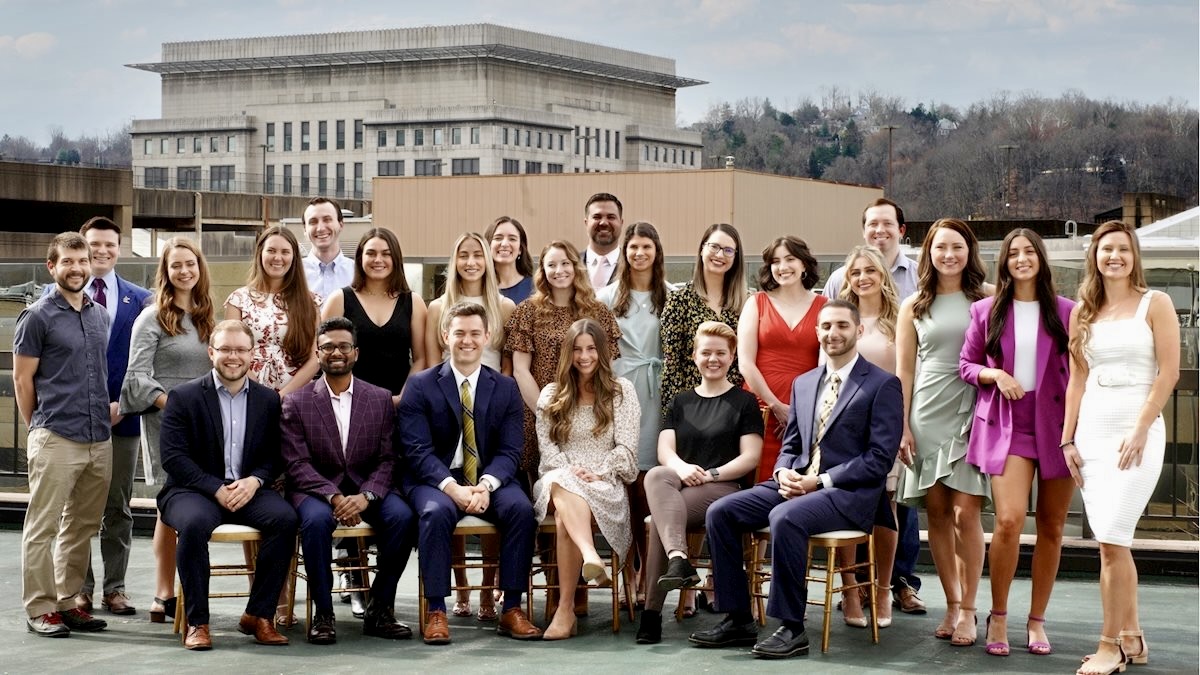
Every AMCAS-verified applicant to WVU SoM receives a secondary application by email. This section explains what is confirmed for 2026-2027, then gives you prior-cycle prompts to practice with.
What Is Confirmed for 2026-2027
- Who receives it. All AMCAS-verified applicants. An email invitation explains how to complete it.
- Fee. $100. It is waived for applicants with AAMC Fee Assistance Program approval who submit proof of FAP with the secondary.
- Deadline. December 1 at 11:59 PM for regular decision. MD/PhD applicants submit by October 15, and Early Decision applicants by August 31.
- Timing. Do not submit until your most recent MCAT score is available.
- Competencies. The secondary is where you describe how you have met the required AAMC competencies.
- Integrity. Responses must be your own original work, written without the assistance of artificial intelligence platforms; spelling and grammar tools may be used only after you have written your responses. Sharing secondary essays in any manner is strictly prohibited.
The 2026-2027 prompts are not published. WVU has asked applicants not to post its current secondary questions, and its wording for 2026-2027 is not public. Answer the questions exactly as they appear in your invitation, and follow the word limits shown there. The prompts below are from the 2024-2025 cycle, the most recent set that was public. They are labeled prior-cycle prompts and are shown only so you can practice. They are not this cycle’s questions.
MD/PhD applicants should expect research-focused material in addition to the MD secondary. Those prompts are not published either. Prepare a clear account of your research questions, methods and your own role in each project.
A note on the examples. The examples below are original teaching material, written to show how a response can answer each part of a prompt. They are not essays to copy or submit, and WVU requires your answers to be your own. Use them to understand structure, then write about your own experiences.
Practice With Prior-Cycle Prompts (2024-2025)
In 2024-2025, WVU used five prompts. Four had a 150-word limit, and the fifth asked for exactly six words. That format rewards precision: every sentence must answer the question.
Prompt 1 (2024-2025): Why WVU SoM
“Why do you want to attend WVU SoM? How did you first hear about WVU SoM, and why do you feel you would be a good fit?”
Limit (2024-2025): 150 words. Eligibility (2024-2025): all secondary applicants.
What it asks. Three things: why you want WVU, how you first heard about it, and why you fit. Many applicants answer the first part and forget the other two.
Approach. Open with the honest origin of your interest in one sentence. Then name two or three WVU features that connect to your own experience, and close with what you would contribute.
Illustrative example, not an actual applicant essay
I first heard about WVU SoM from Dr. Hale, the family physician I shadowed in Elkins, who trained in Morgantown and now precepts WVU students. Watching him manage diabetes, prenatal visits and a broken wrist in one afternoon showed me what full-scope rural medicine demands.
WVU’s training mirrors that practice. The required rural and community rotation could bring me back to hospitals like Davis Medical Center, and the Rural Track would let me prepare for primary care in that setting from the start. I also value PDCI beginning in the first semester, since my two years as a medical assistant taught me how much I still need to learn about examining patients well.
I fit WVU because I already serve the communities it trains students to serve. I lead our free clinic’s diabetes education nights, and I want to bring that work into my 100 service hours.
Analysis. The response answers all three parts in order. “How did you first hear” is the first sentence, tied to a real person and place. “Why WVU” names features that exist at the school: the required rural and community rotation, the Rural Track, PDCI in the first semester, a WVU Health System hospital and the 100-hour service requirement. Each feature is linked to something the applicant has done, so the paragraph is not a brochure. “Why a good fit” closes with evidence of service, not adjectives. The example is 147 words.
Mistakes to avoid. Listing rankings or facts without linking them to yourself. Skipping the “how did you first hear” part. Naming a program you have not checked exists. Spending half the response on your personal statement story.
Prompt 2 (2024-2025): Advocating Across a Difference in Background
“Describe a time when you advocated for someone, other than a relative or friend, who had a different background from your own.”
Limit (2024-2025): 150 words. Eligibility (2024-2025): all secondary applicants.
What it asks. A specific time you spoke up or acted for someone else. The person cannot be a relative or friend, and their background must differ from yours. The question tests advocacy, not just kindness or teamwork.
Approach. Pick one person and one moment. Name the difference in background briefly and respectfully, show what you did, and show the result and what you learned.
Illustrative example, not an actual applicant essay
As a pharmacy technician, I met Mr. Dalton, a retired miner in his sixties who had been in recovery from opioid use disorder for two years. His buprenorphine prescription was rejected because a prior authorization had lapsed, and he was preparing to leave without it.
I had grown up in a suburb where addiction was rarely discussed, and I had never seen how quickly a paperwork gap could threaten someone’s recovery. I asked him to wait, called his prescriber’s office, explained the deadline and stayed on hold until a nurse resubmitted the request. I also told our pharmacist we should flag renewal dates in advance.
He left with his medication that afternoon. Our store later began checking authorizations a week early. I learned that advocacy is often unglamorous persistence, and that respect means treating a patient’s recovery as seriously as he does.
Analysis. The example meets each condition in the prompt. The person is a customer, not a relative or friend. The difference in background (a retired miner in recovery versus a suburban applicant) is named plainly without stereotypes. The advocacy is concrete: phone calls, persistence and a process change. The result is specific, and the closing line shows reflection. The topic also connects to a real West Virginia health priority, the opioid epidemic, without forcing the link. The example is 142 words.
Mistakes to avoid. Writing about a teammate you “worked with” rather than advocated for. Choosing a friend or family member, which the prompt rules out. Making the other person a prop for your own heroism. Describing a difference in background in a way that sounds condescending.
Prompt 3 (2024-2025): Serving West Virginia
“How do you see yourself serving the state of West Virginia if accepted?”
Limit (2024-2025): 150 words. Eligibility (2024-2025): all secondary applicants.
What it asks. A realistic picture of your service to West Virginia, both during medical school and after. The question links directly to the mission and the residency priority.
Approach. Be specific about place and type of service. Show both near-term service as a student and a longer-term goal, and stay honest if you are unsure about specialty.
Illustrative example, not an actual applicant essay
I see myself serving West Virginia first as a student and then as a physician in a small community.
As a student, I would use my 100 service hours to keep doing what I already know: health education. I would like to join the SAFE Clinic and build on the blood pressure screening events I organized at churches in Greenbrier County. During clinical years, I hope to train on the Eastern or Charleston campus to see how care differs across the state.
After residency, I hope to practice family medicine in a county like Greenbrier, where many patients drive an hour for routine care. I am also drawn to the opioid recovery work I saw while volunteering at a recovery center, and I would like to offer medication treatment in primary care. Eventually, I want to precept WVU students during their rural rotation, as my own mentors did for me.
Analysis. The response gives a two-stage answer: service during school (specific student group, service hours, campus interest) and service after residency (a defined setting, specialty and need). Every WVU element named is real: the 100-hour service requirement, the SAFE Clinic, the Eastern and Charleston campuses and the rural rotation. It names a concrete health need in the state and ties it to prior experience. The example is 150 words.
Mistakes to avoid. Generic lines such as “I want to give back to underserved communities” with no place or plan. Promising to practice in West Virginia forever if you are unsure. Ignoring what you would do as a student. Writing about the state’s problems in a way that sounds like an outsider looking down.
Prompt 4 (2024-2025): Your Strongest AAMC Competency
“Which one of the AAMC Interpersonal or Intrapersonal Core Competencies is your strongest, and why? How will this competency enhance your ability to be an outstanding physician?”
Limit (2024-2025): 150 words. Eligibility (2024-2025): all secondary applicants.
What it asks. Choose one interpersonal or intrapersonal competency, prove it with evidence, and explain how it will make you a better physician. The word “one” matters.
Approach. Name the competency in the first sentence, using AAMC wording. Give one or two specific pieces of evidence, then connect it to a concrete physician task.
Illustrative example, not an actual applicant essay
My strongest competency is reliability and dependability.
For three years I have worked night shifts as a certified nursing assistant on a rehabilitation unit while taking a full course load. I have never missed a scheduled shift, and when a stroke patient’s family asked for daily updates by phone, I made sure the evening call happened every night for six weeks, even on nights I was off duty and had to arrange coverage with the charge nurse.
Reliability matters most in medicine when no one is checking. As a physician, it will mean following up on every abnormal result, returning calls when I said I would, and making sure a referral actually reaches the specialist. In rural practice especially, patients may have one doctor for many years, and their trust depends on that doctor doing what she promised.
Analysis. The response names one competency in AAMC terms and answers both questions in the prompt. “Why” is answered with specific, measurable evidence (three years, no missed shifts, six weeks of calls). “How will it enhance your ability” is answered with concrete physician behaviors, and the rural practice line links to WVU’s mission without name-dropping. The example is 138 words.
Mistakes to avoid. Picking two or three competencies. Choosing a competency outside the interpersonal or intrapersonal groups, such as a science competency. Claiming a strength without evidence. Ending with a vague line such as “this will make me an outstanding physician.”
Prompt 5 (2024-2025): Six-Word Memoir Title
“What would be the six-word title of your memoir? You are allowed only six words here. You may have the opportunity to explain your answer if you are invited for an interview.”
Limit (2024-2025): exactly six words. Eligibility (2024-2025): all secondary applicants.
What it asks. A six-word title that captures something true about you. The note about the interview means you may need to explain it, so it should connect to a story you can tell.
Approach. Pick a theme from your application, write ten versions, read them aloud and keep the one that sounds like you. Avoid clichés and puns that need too much explanation.
Illustrative example, not an actual applicant essay
Small town kid, still showing up.
Analysis. The title is exactly six words. It signals a rural background and a core trait, reliability, that the rest of the application can support with evidence. It also invites an easy interview question, “Tell me about showing up,” which the applicant can answer with a story from patient care or service. It is honest and plain rather than clever.
Mistakes to avoid. Going over or under six words. Using a famous quote. Choosing a title you cannot explain with a real story. Trying so hard to be funny that the title says nothing about you.
How to Prepare for This Cycle’s Prompts
Even without the 2026-2027 wording, you can prepare now. WVU’s prompts in recent cycles have asked about why WVU, working or advocating across differences in background, service to West Virginia, an AAMC competency and a short creative answer. Draft a bank of experiences that cover each theme, keep each story to about 150 words, and practice cutting until every sentence answers the question. When your invitation arrives, follow the exact prompts and limits in your portal. For more practice across schools, see our medical school secondary essay prompts database.
Submission Guidelines
- Write each response yourself, then use spelling and grammar tools only as editing tools.
- Stay within every limit shown in your portal.
- Do not share your essays or the prompts with anyone.
- Submit after your most recent MCAT score is available and before December 1.
- Keep a copy of your answers, because interviewers may ask about them, including your six-word title if that prompt appears.
Interview Format and Preparation
Strong interview skills are one way applicants show interpersonal and communication competencies. WVU SoM sends interview offers by email, and because slots are limited, some applicants are placed on an interview waitlist and may be invited if slots open during the cycle.
Format and Timing
- Virtual. Interviews are held online, and applicants schedule them through the CollegeNET system.
- One interview, two interviewers. Each applicant has one 25-minute interview with two members of the Committee on Admissions. It is not a multiple mini interview (MMI).
- Dates. Interviews start in September. The admissions timeline says interviews conclude in February, but the virtual interview day page lists dates from September through March, so later dates may be offered. All Early Decision applicants interview in September.
- Letters. Your letter of recommendation must be in AMCAS at least two weeks before your interview.
The Interview Day Schedule (Eastern Time)
| Time | Activity |
|---|---|
| 11:00 to 11:10 AM | Applicants join the Zoom presentation |
| 11:15 AM to 12:45 PM | Information presentation with Admissions |
| 1:10 to 3:30 PM | Virtual interviews |
The school sends detailed scheduling, interview day and post-interview instructions by email.
Ranking Your Campus
Before your interview, review the three campuses. WVU describes itself as one school with three campuses whose educational experiences are comparable. After the interview, you must rank your campus preferences, and only Early Decision applicants are guaranteed their first choice. Think about where you want to spend years three and four: the main academic center in Morgantown, the CAMC partnership in Charleston or the community-based Eastern Campus in the Eastern Panhandle.
How to Prepare
The format above is confirmed. The advice below is general preparation, not a description of WVU’s scoring.
- Know your file. With two interviewers and 25 minutes, expect questions drawn from your AMCAS and secondary. Reread both, including your six-word title if that prompt appears in your secondary.
- Prepare mission stories. Have a short, specific example ready for each mission area: patient care, teaching or leadership, research and service.
- Explain your West Virginia connection. Whether you are a resident or not, be ready to say how you see yourself serving the state.
- Practice concise answers. A 25-minute conversation with two people moves quickly. Aim for answers of one to two minutes that end with a point.
- Test your technology. Use a quiet room, a stable connection, good lighting and a neutral background. Join the Zoom on time.
- Ask informed questions. Use the information session and your campus research to ask about tracks, campuses or service opportunities you care about.
Our guide to the most common medical school interview questions gives practice questions and sample approaches. IMA’s admissions advisors also offer mock interviews for applicants who want feedback on delivery.
After the Interview
You can send a letter of intent through the ApplyWeb checklist after your interview, along with any meaningful updates. Decisions are released on a rolling basis from October, admitted students are invited to a second look weekend in April, and the waitlist stays active from May through July.
Frequently Asked Questions
What are the application deadlines for the MD program at WVU School of Medicine?
For regular decision in the 2026-2027 cycle, the AMCAS deadline is November 1, 2026, and the secondary deadline is December 1, 2026, both at 11:59 PM. Early Decision used earlier deadlines (August 1 for AMCAS and August 31 for the secondary), and MD/PhD applicants apply by September 15 and submit the secondary by October 15. Because WVU reviews on a rolling basis and starts notifying applicants in October, applying early in the cycle gives your file more time in review. Do not submit your secondary until your most recent MCAT score is available, and keep your AMCAS contact information and email settings current so you do not miss the secondary invitation.
What are the MCAT requirements for WVU School of Medicine?
All applicants must take the MCAT. For regular decision this cycle, WVU accepts scores from exams taken between September 2023 and September 2026. The committee sees your most recent total and section scores but reviews all of your attempts. The Class of 2030 averaged 510, with section averages of 127 in Chemical and Physical Foundations, 127 in CARS, 128 in Biological and Biochemical Foundations, and 128 in Psychological, Social, and Biological Foundations. For the 2025 entering class, the median MCAT among accepted applicants was 512. If you plan to retest, talk with an advisor first, because the committee looks for an upward trend across attempts.
What is the minimum MCAT score for WVU medical school?
WVU publishes no minimum MCAT for regular decision. The 506 figure applies only to Early Decision, which requires a total of at least 506, and section scores below 125 may not be competitive for that program. For applicants with more than one attempt, the committee prefers every section above the 50th percentile and flags repeated scores below that level as a potential academic risk. Use the Class of 2030 average of 510 as context, not as a cutoff, and focus on presenting a consistent, strong record.
What GPA do you need to get into WVU School of Medicine?
There is no published GPA cutoff for regular decision. WVU reports the BCPM (science) GPA for its class, and the Class of 2030 averaged a 3.77, with averages of 3.91 for postbac BCPM work and 3.84 for master’s BCPM work. For the 2025 entering class, accepted applicants had a median overall GPA of 3.87 and a median science GPA of 3.82. Early Decision requires a BCPM GPA of at least 3.6. The committee looks at your whole academic history, so a strong upward trend or strong recent coursework can help if your early grades were weaker. Because there are no required prerequisites, choose rigorous science courses that show you can handle the medical curriculum.
What are the most important factors for admission to WVU School of Medicine?
The Committee on Admissions selects students who show they will fulfill the school’s mission. It looks for strong experiences in patient care, including MD shadowing; roles as an educator and leader; research; and service to West Virginia and beyond. It also uses competency-based review, so it wants evidence of a strong scientific foundation and strong social and interpersonal skills. Your MCAT, coursework, single letter of recommendation, secondary responses and interview all feed into that holistic review. Residency matters too: West Virginia residents and pathway program students have the highest priority.
Does WVU School of Medicine offer interviews?
Yes. Interviews are required for admission and are held virtually starting in September. The admissions timeline says they conclude in February, and the virtual interview day page lists September through March. Each applicant has one 25-minute interview with two members of the Committee on Admissions, after an information session with the admissions office on the same day. For the Class of 2030, the school held 548 interviews from 6,104 applicants. Because slots are limited, some applicants are placed on an interview waitlist and may be invited later in the cycle, and the school encourages applicants to keep updating their files.
What is the curriculum structure like at WVU School of Medicine?
The MD curriculum has a two-year pre-clerkship phase in Morgantown, a third-year clerkship phase and a fourth-year professional development phase. The first year (45 weeks, 52 credits) builds foundations in biochemistry, anatomy, clinical skills and the nervous system, and the second year (33 weeks, 38 credits) integrates microbiology, pathology, pharmacology and physiology by organ system. Problem-based learning and clinical skills training run through both years. The third year contains seven required clerkships, and the fourth year combines required rotations with 20 weeks of electives. Students also complete 100 hours of community service and must pass USMLE Step 1 and Step 2.
How are clinical rotations organized at WVU School of Medicine?
Students complete their third- and fourth-year rotations on one of three campuses: Morgantown, Charleston or Eastern. You rank your campus preferences after your interview, and only Early Decision applicants are guaranteed their first choice. Third-year clerkships in internal medicine, surgery, psychiatry, neurology, pediatrics, family medicine, and obstetrics and gynecology can be taken in any order. In the fourth year, required rotations include anesthesiology, a sub-internship, critical care and a rural or community-based rotation, completed with WVU faculty or at approved West Virginia sites. Many students also train at WVU Health System hospitals across the state.
What research opportunities are available at WVU School of Medicine?
WVU is an R1 research university, and the Health Sciences campus offers more than twenty shared core facilities, along with institutes and signature programs in cancer, heart and vascular care, neurosciences and critical care. Medical students can take research electives of up to four weeks with approval, join the Research Interest Group or RIDGE, and work with faculty mentors on clinical or basic science projects. Students who want research to be central to their careers can apply to the MD/PhD Medical Scientist Training Program. If research is one of your strengths, describe your questions and your own role clearly in your application.
What support services are available for students at WVU School of Medicine?
Student Services supports students academically and personally. The Peer Assisted Learning Service offers peer tutoring for first- and second-year students at a low hourly cost, and every fourth-year student works with an assigned faculty or professional staff adviser to plan rotations and residency applications. The university’s Carruth Center for Counseling and Psychological Services provides mental health care. Student organizations such as Parents in Medicine and Medical Students with Disability and Chronic Illness offer peer communities, and MATTER is part of the school’s career advising system for students who commit early to a specialty.
How diverse is the student body at WVU School of Medicine?
The Class of 2030 is 56% male and 44% female, and 46% of students are West Virginia residents while 54% come from other states. In the 2025 entering class, 20% of matriculants reported disadvantaged status and 28% said they grew up in a medically underserved area. Student organizations show the range of communities on campus, including the Student National Medical Association, the Multicultural Association for Students in Healthcare, Sisters in Medicine, Rainbow Coats, the Medical Spanish Association and Medical Students with Disability and Chronic Illness. Pathway programs with partner colleges in West Virginia, Pennsylvania and North Carolina also bring students with different backgrounds into the applicant pool.
What elective opportunities are available for students at WVU School of Medicine?
The fourth year includes 20 weeks of electives. In-state electives must be approved by the MD Curriculum Committee, students can spend no more than 12 weeks in one specialty, and research electives are limited to 4 weeks with approval from the Committee on Academic and Professional Standards. Beyond electives, students can join the Global Health, Rural, or Culinary and Lifestyle Medicine tracks, and students who commit early to a core specialty can compete for MATTER. Use your elective time to test specialties and to strengthen residency applications.
What is the student-to-faculty ratio at WVU School of Medicine?
WVU SoM does not publish a student-to-faculty ratio. What it does publish suggests a lot of faculty contact: classes of about 120 students, small group problem-solving, physician faculty preceptors throughout the second year, a faculty or professional staff adviser for every fourth-year student and faculty who care for more than 100,000 West Virginians. In the clinical years, the three-campus model spreads students across Morgantown, Charleston and the Eastern Panhandle, which keeps the number of students at each site manageable. Ask current students about teaching and mentoring at your interview day.
What networking opportunities are available for students at WVU School of Medicine?
Students build professional networks through more than 60 student organizations and specialty interest groups, national organizations such as the AMA Medical Student Chapter and the American Medical Women’s Association, and clinical training across three campuses and many WVU Health System hospitals. The Alumni Association recognizes distinguished alumni each year, and many alumni now lead parts of the school and its health system. Match Day brings the whole school community together each March. Join one or two interest groups early to meet faculty in fields you are considering.
How does WVU School of Medicine support student wellness and work-life balance?
WVU supports wellness through Student Services, peer tutoring, assigned advisers and the university’s Carruth Center for Counseling and Psychological Services. The curriculum calendar builds in study days before exams, recesses and a spring break, and the fourth-year schedule includes time for residency interviews and vacation. Student-run groups such as Med School Milers, the tennis and soccer clubs, Chefs of Rosenbaum and Med Music Outreach offer ways to stay active and connected. The Culinary and Lifestyle Medicine Track also teaches nutrition, sleep and stress management for patients and, in practice, for students too.
What residency placement support does WVU School of Medicine provide?
Each fourth-year student is assigned a faculty or professional staff adviser to help plan rotations, and the schedule includes time for residency interviews. MATTER, part of the school’s career advising system, lets students who commit to a core specialty secure a WVU residency position and graduate early. In the 2026 Match, internal medicine and family medicine were the largest specialties, and students also matched in fields such as dermatology, neurological surgery, orthopaedic surgery, otolaryngology, radiation oncology and urology. Graduates matched at WVU and at programs across the country.
What community outreach and service opportunities are available at WVU School of Medicine?
Every student must complete 100 hours of community service before graduation. Students can serve through the SAFE Clinic, Walk With A Future Doc, Project Linus, the Student Harm Reduction Organization of Morgantown, Students for Organ Donation and Med Music Outreach. The required rural or community-based rotation and the Rural Track also put students into communities across West Virginia. If you already have service experience, explain how it would continue at WVU, because service to the state is one of the four mission areas the admissions committee names.
How does WVU School of Medicine promote interprofessional education and collaboration?
The curriculum includes inter-professional learning opportunities beginning in the first year. The Health Sciences Center brings the Schools of Medicine, Dentistry, Nursing, Pharmacy and Public Health together on one campus, and the School of Medicine itself trains physical therapists, occupational therapists, physician assistants and laboratory scientists. Clinical rotations put students on care teams with nurses, pharmacists and other professionals. Teamwork experience before medical school, such as working as a CNA, scribe or medical assistant, gives you good examples for your application and interview.
What is the match rate for graduates of WVU School of Medicine into competitive specialties?
WVU does not publish a single match rate on its Match pages, but it does publish where students matched each year. In the 2026 Match, students matched in 22 specialty categories. Internal medicine (23), family medicine (17), emergency medicine, pediatrics and psychiatry (11 each) were the largest groups. Students also matched in competitive fields, including dermatology (1), neurological surgery (1), interventional radiology (1), orthopaedic surgery (3), urology (3), radiation oncology (3), otolaryngology (2) and ophthalmology (2). Destinations included WVU and programs such as Stanford, UPMC, Tufts, Mayo Clinic in Arizona and Walter Reed.
What global health experiences are available for students at WVU School of Medicine?
The Global Health Track is open to WVU medical students and begins in the summer between the first and second years. It adds global health training and experience across all four years and is designed to attract students with a special interest in the field. In 2025, 17% of graduating seniors reported a global health experience during medical school. Students can also join Students for Global Health and Physicians for Human Rights. If you have global health experience before medical school, explain what you learned about health systems and disparities, and connect it to the rural and underserved communities WVU serves at home.
How does the WVU School of Medicine support student research and scholarly activities?
WVU supports student research through research electives, faculty mentors in its basic science and clinical departments, shared core facilities and student groups such as the Research Interest Group, RIDGE, Journal Club and Evidence Based Medicine. The Rockefeller Neuroscience Institute, the cancer, heart and vascular, and eye centers, and the West Virginia Clinical and Translational Science Institute offer active research programs. The MD/PhD program serves students who want to become independent physician-scientists. Ask during your interview day how students find mentors in your area of interest.
Does West Virginia University School of Medicine accept out-of-state students?
Yes. In the Class of 2030, 54% of students were out-of-state residents, and the school says about half of each class in recent years has come from other states. West Virginia residents have the highest priority, and residents of other states in WVU’s established pathway programs also receive high priority. Out-of-state applicants with strong ties to West Virginia, such as living in the state or having family there, or who match the mission are encouraged to apply. Ties do not guarantee an interview, so show your connection through what you have done.
What is the acceptance rate for WVU School of Medicine?
WVU does not publish its number of offers, so there is no official acceptance rate. What the school does publish is the applicant pool for the Class of 2030: 6,104 applicants and 548 interviews, so about 9.0% of applicants interviewed, for a class of 120. In-state applicants have a much better chance of an interview because West Virginia residents receive the highest priority. For the 2025 entering class, 87 of 142 in-state applicants interviewed, compared with 458 of 5,381 out-of-state applicants. Any acceptance rate you see that divides the class size by the applicant count is a matriculation ratio, not an acceptance rate.
Does WVU School of Medicine require prerequisite courses?
No. WVU does not require specific prerequisite courses. It uses competency-based admissions, so you must show a strong scientific fund of knowledge through coursework, the MCAT and other experiences. You need at least 90 credit hours from an accredited U.S. or Canadian institution and at least three years of higher education or employment after high school before you start. Courses in biochemistry, biology, chemistry, organic chemistry, physics, math and statistics are common ways to show science competency.
Does WVU require Casper or AAMC PREview?
No. Casper and AAMC PREview are not required and are not considered in WVU’s holistic review. Put that preparation time into your secondary responses and interview practice instead.
What is the Early Decision Program, and should I apply through it?
Early Decision is for applicants whose clear first choice is WVU. Early Decision applicants interview in September and hear by October 1, receive a $30,000 scholarship over four years ($22,500 over three years for MATTER) and are guaranteed their first-choice campus. Requirements include U.S. citizenship, an MCAT of at least 506 and a BCPM GPA of at least 3.6, and competitive applicants list at least 12 mission-based experiences. Apply only if you are certain, because Early Decision means committing to WVU before you apply elsewhere. For the next cycle, the AMCAS deadline is August 1, 2027.
Can international or DACA students apply to WVU School of Medicine?
Yes, international and DACA students may apply, but they are in the lowest priority group for an interview. WVU does not accept international coursework, so the 90 required credit hours must come from accredited U.S. or Canadian institutions. Early Decision and all pathway programs require U.S. citizenship. The admissions office cannot answer questions about visas, immigration or financial aid for international students, and directs applicants to WVU’s Office of Global Affairs and International Students and Scholars Services.
Can I use AI tools to write my WVU application?
No. WVU requires applicants to complete their entire AMCAS and secondary application with their own original responses and without the assistance of artificial intelligence platforms. After you have written your own responses, you may use spelling and grammar software as an editing tool. WVU also prohibits sharing secondary essays in any manner, and giving false information at any stage can lead to disqualification.
What is the MATTER track?
MATTER, the Mountaineer Accelerated Track to Enter Residency, lets selected students complete the MD in 134 weeks, 26 weeks shorter than the usual curriculum. Students commit to a core specialty (emergency medicine, family medicine, internal medicine, neurology, obstetrics and gynecology, pathology or pediatrics), graduate in August after just over three years, and move straight into a WVU residency on one of the three clinical campuses. Selection is competitive, and MATTER students must still master all of the school’s graduation outcomes.
Does WVU accept transfer students?
No. WVU SoM is not accepting transfer students at this time. Students who have been dismissed or terminated by an MD or DO school, and anyone who already holds an MD or DO degree, are not considered for admission.
How many letters of recommendation does WVU require?
One. Send one letter of your choice or a committee letter from your undergraduate institution through AMCAS. MD/PhD applicants add a letter from a research principal investigator or mentor. Letters should focus on your AAMC competencies and should be in AMCAS at least two weeks before your interview. Additional letters will not make you more competitive, so choose the writer who knows your work best.
How can I strengthen my clinical experience before applying to WVU?
Focus on hands-on patient care you can sustain, and make sure you shadow at least one MD, because WVU names MD shadowing directly. Jobs such as CNA, EMT, scribe or medical assistant give you steady patient contact. Medical internships for undergraduates can add a concentrated clinical block during a break. Keep a log of hours, your role and patient encounters, so you can write specific secondary answers and speak clearly about your experience in your interview.
Related Medical School Guides
If WVU is on your list, these guides cover schools with useful points of comparison. Each pairing is a planning idea, not a statement that two schools are equally selective.
- Marshall University Joan C. Edwards School of Medicine: the other public MD program in West Virginia, based in Huntington, and the most natural in-state comparison for residents.
- West Virginia School of Osteopathic Medicine: a DO school in Lewisburg with a strong rural primary care mission, worth comparing if you are open to osteopathic training in the state.
- VCU School of Medicine: a large public MD program in neighboring Virginia, useful for applicants from the region who want a big academic health system.
- University of Kentucky College of Medicine: another Appalachian-region public school with regional campuses and rural training, a close match for WVU’s mission.
- University of Louisville School of Medicine: a public MD program in Kentucky, useful for comparing an urban academic setting with WVU’s statewide model.
- Howard University College of Medicine: a historic Washington, D.C. medical school within driving distance of the Eastern Panhandle, for applicants focused on health equity and service.
- Medical College of Georgia at Augusta University: a public MD program with statewide regional campuses, a helpful comparison for WVU’s three-campus model.
To compare every MD and DO option in the state, see our guide to medical schools in West Virginia.
More Medical School Guides
Here is a broader list of other institutions to consider as you build your school list:
- Indiana University School of Medicine
- Des Moines University College of Osteopathic Medicine
- University of Iowa Roy J. and Lucille A. Carver College of Medicine
- Marian University College of Osteopathic Medicine
- Meharry Medical College
- University of Kansas School of Medicine (KUMC)
- Charles R. Drew University of Medicine and Science College of Medicine
- Loma Linda University School of Medicine
- John A. Burns School of Medicine (JABSOM)
- Kansas College of Osteopathic Medicine (KansasCOM)
- UC Irvine School of Medicine
- Nova Southeastern University College of Allopathic Medicine
- Touro University Nevada College of Osteopathic Medicine
- University of Miami Miller School of Medicine
- Arkansas College of Osteopathic Medicine (ARCOM)
- University of Arkansas for Medical Sciences (UAMS)
- Tulane University School of Medicine
- LSU Health New Orleans School of Medicine
- LSU Shreveport Medical School
- Kirk Kerkorian School of Medicine at UNLV
- University of Nevada Reno School of Medicine
- University of Arizona College of Medicine-Tucson
- University of Arizona College of Medicine-Phoenix
- Burrell College of Osteopathic Medicine (BCOM)
- The University of New Mexico School of Medicine
- Alabama College of Osteopathic Medicine (ACOM)
- University of South Alabama College of Medicine
- University of Alabama School of Medicine
- FIU College of Medicine
- UCF College of Medicine
- USF Morsani College of Medicine
- Florida State University College of Medicine
- Morehouse School of Medicine
- Mercer University School of Medicine (MUSM)
- Campbell University School of Osteopathic Medicine (CUSOM)
- ECU Brody School of Medicine
- Edward Via College of Osteopathic Medicine (VCOM)
- University of South Carolina Medical School
- Lewis Katz School of Medicine at Temple University
- Philadelphia College of Osteopathic Medicine (PCOM)
- Geisinger Commonwealth School of Medicine (GCSOM)
- Penn State Medical School
- CUNY School of Medicine
- SUNY Downstate Medical School
- NYIT College of Osteopathic Medicine
- NYU Long Island School of Medicine
- Albany Medical College
- TOURO College of Osteopathic Medicine
- Norton College of Medicine at Upstate Medical University
- Jacobs School of Medicine at the University at Buffalo
- Hofstra Zucker School of Medicine
- Weill Medical College of Cornell University
- University of Rochester Medical School
- Icahn School of Medicine at Mount Sinai
- Renaissance School of Medicine at Stony Brook University
- Albert Einstein College of Medicine
- Ohio University Heritage College of Osteopathic Medicine
- Northeast Ohio Medical University (NEOMED)
- University of Cincinnati College of Medicine
- University of Toledo College of Medicine
- Wright State University Boonshoft School of Medicine
- Ohio State University College of Medicine
- Rowan University School of Osteopathic Medicine
- Hackensack Meridian School of Medicine (HMSOM)
- Rutgers New Jersey Medical School (NJMS)
- Rutgers Robert Wood Johnson Medical School
- Cooper Medical School of Rowan University (CMSRU)
- A.T. Still University Kirksville College of Osteopathic Medicine
- Saint Louis University School of Medicine
- University of Missouri Medical School
- Kansas City University (KCU)
- UMKC School of Medicine
- New York Medical College
- University of Pittsburgh School of Medicine
- University of Wisconsin Medical School
- VCU School of Medicine
- University of Maryland School of Medicine
- Case Western Medical School
- University of North Carolina Medical School
- University of Florida Medical School
- Emory University School of Medicine
- Boston University College of Medicine
- California University of Science and Medicine
- UC San Diego Medical School
- California Northstate University College of Medicine
- Touro University of California
- CHSU College of Osteopathic Medicine
- UC Davis School of Medicine
- Harvard Medical School
- UC Riverside School of Medicine
- USC Keck School of Medicine
- UT Southwestern Medical School
- Long School of Medicine at UT Health San Antonio
- University of the Incarnate Word School of Osteopathic Medicine
- UT Austin’s Dell Medical School
- UTMB School of Medicine
- McGovern Medical School at UT Health
- Johns Hopkins School of Medicine
- The University of Texas Rio Grande Valley School of Medicine
- UNT Texas College of Osteopathic Medicine
- University of Houston College of Medicine
- Texas A&M College of Medicine
- Baylor College of Medicine
- George Washington University School of Medicine
- Vanderbilt University School of Medicine
- St. George’s University School of Medicine
- Lake Erie College of Osteopathic Medicine (in Pennsylvania)
- Sidney Kimmel Medical College at Thomas Jefferson University
- Wake Forest University School of Medicine
- Western University of Health Sciences (in California)
- Drexel University College of Medicine
- Stritch School of Medicine at Loyola University Chicago
- Georgetown University School of Medicine
- Yale School of Medicine
- Perelman School of Medicine
- UCLA Medical School
- NYU Medical School
- Washington University School of Medicine
- Brown Medical School
How International Medical Aid Can Help
International Medical Aid (IMA) supports pre-health students through clinical internships abroad and admissions advising. IMA is independent of West Virginia University and has no affiliation with the School of Medicine, and nothing here guarantees admission. What IMA offers is hands-on experience and reflection that line up with what WVU asks applicants to show.
Global Internships and Clinical Experience
IMA’s healthcare internships abroad place students in clinical settings in Kenya and other sites. Interns take vitals, do intake and triage, and help with direct patient care under the supervision of local clinicians. Those pre-health internships add sustained patient contact to your record, which speaks directly to the patient care area WVU’s admissions committee names. They also give you specific stories for WVU-style secondary questions about working across differences in background and about the competencies you have built.
Global Health and Underserved Care
WVU’s Global Health Track, required rural rotation and focus on underserved communities in Appalachia reward applicants who understand how access to care shapes health. Working in communities with limited access to care abroad can sharpen that understanding. Students considering medical internships abroad should plan to reflect on what they saw and connect it honestly to the rural and underserved care they hope to provide, rather than presenting travel as an achievement in itself.
IMA Admissions Consulting
IMA’s medical school application consulting helps applicants build a school list, map experiences against a school’s priorities, decide whether Early Decision makes sense and prepare for a 25-minute, two-interviewer format. For WVU, our advisors focus on strategy, structure and feedback, never on writing your responses, because WVU requires every response to be your own original work.
Your Next Step
If you are one or two years from applying, choose one clinical experience you can sustain and one service commitment you can grow, and keep a log of both as you go. If you are applying this cycle, finish your secondary before December 1 and start interview practice now.
Final Thoughts and Sources
West Virginia University School of Medicine is a public MD program with a clear mission: improving the health and wellbeing of everyone it serves, with special focus on West Virginia. It looks for applicants with strong patient care, teaching and leadership, research and service, and it rewards residents, pathway students and out-of-state applicants with a genuine connection to the state. Before you apply, check that you will meet the 90-credit and three-year rules, take the MCAT in time, choose your one letter writer carefully and decide whether Early Decision fits you. Then write every response yourself, submit your secondary well before December 1 and prepare to rank Morgantown, Charleston and Eastern after your interview.
Sources
All sources were checked on October 28 and 29, 2026. Class profile figures are for the Class of 2030 (entered 2026) unless another cohort is named.
- West Virginia University School of Medicine, Admissions Requirements: mission statement, experience areas, academic rules, MCAT window, letters, secondary, integrity rules, Casper and PREview policy and ineligible applicants.
- West Virginia University School of Medicine, Admissions Timeline: deadlines, interview window, notifications, second look and waitlist.
- West Virginia University School of Medicine, Ask the Admissions Team: MCAT attempts, residency priority, international and DACA applicants, transfers, deferral and fee waivers.
- West Virginia University School of Medicine, Virtual Interview Day: interview format, schedule and campus ranking.
- West Virginia University School of Medicine, 2030 Class Profile: applicants, interviews, class size, residency mix, gender, GPA and MCAT averages.
- West Virginia University School of Medicine, Tuition and Aid: 2026-2027 WVU Board of Governors tuition and fees per term and the billing rule.
- West Virginia University School of Medicine, Early Decision Program, Combined Degree Programs, Specialty Tracks, Pre-Medical Pathway Programs and MAP to MD.
- West Virginia University School of Medicine, MD Curriculum and 2026-2027 MS1 Academic Calendar.
- West Virginia University School of Medicine, Admissions Contact Us and School of Medicine Leadership.
- West Virginia University School of Medicine, Accreditation, Campuses, School History, About page and Strategic Compass.
- West Virginia University School of Medicine, Hospital Affiliations (Department of Pathology), Charleston and Eastern campus pages, Student Organizations, Match Day 2026 and Admissions Policies.
- West Virginia University Department of Emergency Medicine: residency overview, clinical rotations, training sites and Rural Emergency Medicine (REMI) pages.
- WVU Health Sciences, Core Facilities directory.
- WVU School of Medicine Alumni Association, Distinguished Alumnus profiles for Peter Murray (2020) and Patrice A. Harris (2022), and the alumni profile of Richard Thomas.
- WVU Medicine, Senior Executive Leadership (Michael Edmond biography).
- AAMC Medical School Admission Requirements (MSAR), West Virginia University School of Medicine profile, 2026 edition (accessed October 29, 2026): accepted applicant MCAT and GPA medians and means and applications, interviews, matriculants and deferrals by residency (2025 entering class); deposit, acceptance notice dates, offer response time, waitlist offers and interview start (2026-2027 cycle); cost of attendance (Tuition and Student Fees survey, AY 2025-2026); aid and debt (LCME Part I-B, AY 2024-2025); FAFSA date, scholarships, housing, research funding and global health participation.
- AAMC MSAR 2027 public reports: Tuition, Fees and Insurance, Debt Information, Secondary Application Policies and Interview Procedures.
- Prior-cycle (2024-2025) secondary prompt wording: applicant compilation sites (Med School Insiders and ProspectiveDoctor). The 2026-2027 prompts are not public.
- LCME, Accredited U.S. Programs directory.