Medical School Match Day 2026: What It Is, How It Works, and How to Prepare
Medical School Match Day 2026 was the largest residency match in the 74-year history of the National Resident Matching Program (NRMP). On March 20, 2026, more than 38,000 future physicians opened envelopes or refreshed inboxes to learn where they would spend the next stage of their medical training. Whether you are preparing for Match Day 2027 or trying to understand how the process works, this guide covers the full picture: the timeline, the algorithm, the data, and the practical strategies that can help you match successfully.
The 2026 cycle set records across nearly every metric. A total of 53,373 applicants registered, 44,344 positions were offered across 6,809 program tracks, and 41,482 of those positions filled when the algorithm ran. For students just beginning to think about residency, these numbers tell an important story about competition, opportunity, and the importance of early, thoughtful preparation. For context on how medical education costs factor into these decisions, see our breakdown of the cost of medical school.
What Is Match Day?
Match Day is an annual event held on the third Friday of March. It is the day when medical students across the United States learn where they will complete their residency training. The National Resident Matching Program (NRMP) organizes this event, using a computer algorithm to match medical students with residency programs based on the students’ preferences and the programs’ criteria.
Residency training is an essential part of a physician’s education, as it provides hands-on experience in a specific medical specialty under the supervision of experienced physicians. The length of residency training varies depending on the chosen specialty, typically ranging from three to seven years. Match Day is, therefore, a crucial milestone in the journey of aspiring physicians, as it determines where they will spend the next phase of their medical careers.
2026 Match Results at a Glance
The 2026 Main Residency Match broke records for size and participation. Understanding these numbers can help current and future applicants set realistic expectations and plan their strategies accordingly.
- Total applicants registered: 53,373 (up 875 from 2025)
- Active applicants (those who certified a rank order list): 48,050 (up 842, or 1.8%, from 2025)
- Total positions offered: 44,344 (up 1,107, or 2.6%, from 2025)
- Total certified program tracks: 6,809 (up 183 from 2025)
- Overall fill rate: 93.5% (41,482 positions filled)
- Applicants matched to PGY-1 positions: 38,354 (up 687, or 1.8%, from 2025)
- Unmatched applicants: 9,696 (up 155 from 2025)
- Unfilled positions after the algorithm: 2,862 in 941 programs (up 389 positions from 2025)
These figures confirm that the match is growing on both sides. More positions are being created, but applicant growth continues to keep pace. This is not a system where spots are getting dramatically easier to fill. It is a system where preparation, strategy, and realistic self-assessment matter more each year.
Match Rates by Applicant Type in 2026
Not all applicant groups experience the match the same way. Here are the PGY-1 match rates from the 2026 cycle:
- U.S. MD seniors: 93.5% matched (unchanged from 2024 and 2025)
- U.S. DO seniors: 93.2% matched (up 0.6% from 2025; the highest match rate on record for DO seniors)
- U.S. citizen international medical graduates (IMGs): 70% matched (up 2.2% from 2025; also a record high)
- Non-U.S. citizen IMGs: 56.4% matched (down 1.6% from 2025; a five-year low)
The divergence between U.S. citizen IMGs and non-U.S. citizen IMGs is significant and worth attention. We cover this in more detail in the IMG section below.
The Timeline Leading Up to Match Day
The months leading up to Match Day are filled with important events and deadlines. Here is a brief timeline based on the 2026 cycle, which is representative of typical annual scheduling:
- June to September of the year before Match Day: Students begin researching residency programs and gathering application materials. The ERAS 2026 season opened on June 4, 2025.
- September: The Electronic Residency Application Service (ERAS) opens for students to submit their applications to residency programs.
- October: Residency programs begin reviewing applications and extending interview invitations to candidates.
- November to January: Residency interviews take place, giving students the opportunity to learn more about the programs and make a positive impression.
- February: Students submit their Rank Order List, ranking their preferred residency programs in order of preference. For the 2026 cycle, the Rank Order List opened on February 2, 2026, with a submission deadline of March 4, 2026.
- March: Match Week begins. In 2026, Match Week ran from March 16 to March 20. On Monday, March 16, applicants learned at 10:00 a.m. ET whether they had matched (but not where). SOAP ran from March 16 through the evening of March 19. Match Day itself was Friday, March 20, when students received their placement results at 12:00 p.m. ET.
If you are just starting medical school or still in the early stages of planning, it helps to understand that the match process effectively begins more than a year before you open that envelope. Students who prepare early in their medical education tend to approach the match with more clarity about what they want and where they are competitive.
The Match Process: How It Works
The NRMP uses a computer algorithm to match medical students with residency programs based on both the students’ and programs’ preferences. The matching process consists of several steps:
Students submit their Rank Order Lists (ROL), ranking their preferred residency programs in order of preference.
Residency programs also submit Rank Order Lists, ranking the students they have interviewed and would like to accept into their program.
The NRMP’s computer algorithm compares the students’ and programs’ Rank Order Lists to find the best possible match for both parties. The algorithm prioritizes the students’ preferences, attempting to match each student with their highest-ranked program that also ranked them. The process continues until all available residency positions are filled or no more suitable matches can be made.
What Changed in 2026: Step 2 CK and Score Dynamics
One of the most consequential shifts in recent match cycles has been the change in how board scores factor into residency decisions. With Step 1 of the USMLE now reported as pass/fail rather than a three-digit score, Step 2 Clinical Knowledge (CK) has become the primary numerical differentiator in residency applications. According to NRMP data, 83% of program directors consider Step 2 CK scores when making interview decisions.
Effective July 1, 2025, the Step 2 CK passing standard increased from 214 to 218. While the average score for first-time U.S. takers remains in the 248 to 250 range, this change matters most for borderline candidates and some IMG retakers. For students in the early years of medical school, the practical takeaway is clear: Step 2 CK preparation deserves serious time and strategic focus.
2026 Specialty Fill Rates and Trends Worth Watching
Match data is most useful when you look at it by specialty. The 2026 cycle revealed several important trends that future applicants should understand.
Primary Care Fill Rates
Primary care specialties collectively achieved a 92.1% fill rate in 2026, a decrease of 1.4% from 2025. Within that umbrella, the story varied considerably by specialty:
- Internal Medicine: 11,632 categorical and primary positions offered (280 more than 2025), with an 11,078 fill count and a 95.2% fill rate.
- Internal Medicine-Pediatrics: 404 positions offered, 100% fill rate.
- Pediatrics: 3,185 positions offered, 3,006 filled, for a 94.4% fill rate.
- Family Medicine: 5,491 positions offered, but the fill rate declined from 85.0% to 83.6%, leaving 899 positions unfilled. The NRMP has convened a Blue Ribbon Panel of family medicine leaders and stakeholders to study the specialty’s challenges, training pathways, and workforce needs.
Emergency Medicine Recovery
Emergency medicine has undergone a dramatic correction in recent years. After more than 500 positions went unfilled in the 2023 Match (an 81.8% fill rate), the specialty rebounded to a 97.9% fill rate in 2025 and achieved a 95.6% fill rate in 2026. While the rate dipped slightly from the prior year, the number of offered positions rose by 130 to 3,198, and a total of 3,058 applicants matched into emergency medicine, a 1.8% increase. Students who avoided the specialty based on 2023 headlines should look at the updated data carefully.
Psychiatry Growth
Psychiatry continues to expand. In 2026, the specialty added 30 programs and 128 positions, offering 2,516 total positions with a 97.4% fill rate. A total of 2,451 positions were filled, an increase of 71 filled positions compared with 2025. However, 65 positions remained unfilled, up from just eight the year before, suggesting that some newer programs may still be establishing themselves.
Most Competitive Specialties
Plastic surgery, orthopedic surgery, dermatology, neurosurgery, and otolaryngology consistently have the highest barriers to entry, with near-perfect fill rates and average matched Step 2 CK scores in the 255 to 257 range. These specialties also weight research productivity heavily. Among U.S. MD students in 2026, neurology saw the largest match increase at 8% (999 matches compared to 925 in 2025), followed by orthopedic surgery (up 3.7%), anesthesiology (up 3.4%), OB-GYN (up 3.2%), and psychiatry (up 3%). For a deeper look at what makes these fields so competitive, see our article on the most competitive medical specialties in the United States.
How to Prepare for Match Day
Successfully working through the residency application process and maximizing your chances of matching with a preferred program requires thorough preparation. Here are the steps that matter most.
Researching Residency Programs
Start by researching residency programs in your desired specialty. Consider factors such as location, program size, hospital affiliation, patient population, and the program’s reputation. Utilize resources like the American Medical Association’s (AMA) FREIDA Online database, which provides information on accredited residency programs in the United States. If you are still building your clinical foundation, understanding what types of clinical experience carry weight can help you think ahead about the qualities programs value.
ERAS Residency Application: The Definitive Guide
The Electronic Residency Application Service (ERAS) is the online platform used to submit applications to residency programs. Familiarize yourself with the application requirements and gather all necessary materials, including your medical school transcript, personal statement, letters of recommendation, and United States Medical Licensing Examination (USMLE) scores. For a comprehensive guide on the ERAS application process, visit our ERAS Residency Application: The Definitive Guide.
Preparing for Residency Interviews
Residency interviews are a critical component of the application process. They provide an opportunity for programs to evaluate you as a candidate and for you to learn more about the program. Prepare for interviews by researching common interview questions, practicing your answers, and learning as much as possible about each program. The skills you develop preparing for medical school interviews transfer directly to the residency interview process, so revisiting that preparation can be useful.
Creating Your Rank Order List
After completing your interviews, carefully consider which programs you would most like to attend and rank them in order of preference. Be strategic in your ranking, considering factors such as program reputation, location, and your personal fit within the program. One consistent piece of advice from match advisors: rank programs in order of your genuine preference. The algorithm is designed to favor the applicant’s list, so ranking a “safety” program higher than a program you actually prefer does not improve your odds; it can only hurt them.
Preparing for the Supplemental Offer and Acceptance Program (SOAP)
In the event you do not match with a residency program on Match Day, you may participate in the Supplemental Offer and Acceptance Program (SOAP). This process allows unmatched applicants to apply for unfilled residency positions. In 2026, 2,581 positions were offered through SOAP, representing 330 more positions than the year before. Be prepared for this possibility by familiarizing yourself with the SOAP process and eligibility requirements well in advance. Having a contingency plan is not pessimistic; it is responsible.
What to Expect on Match Day
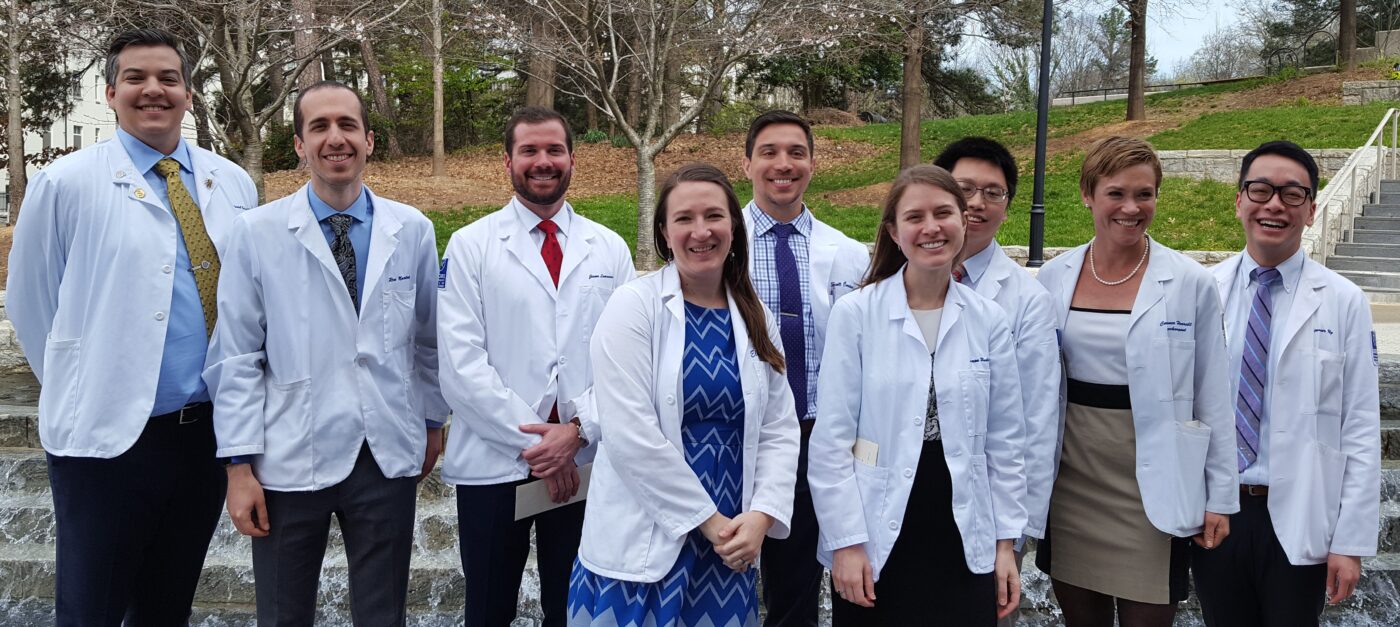
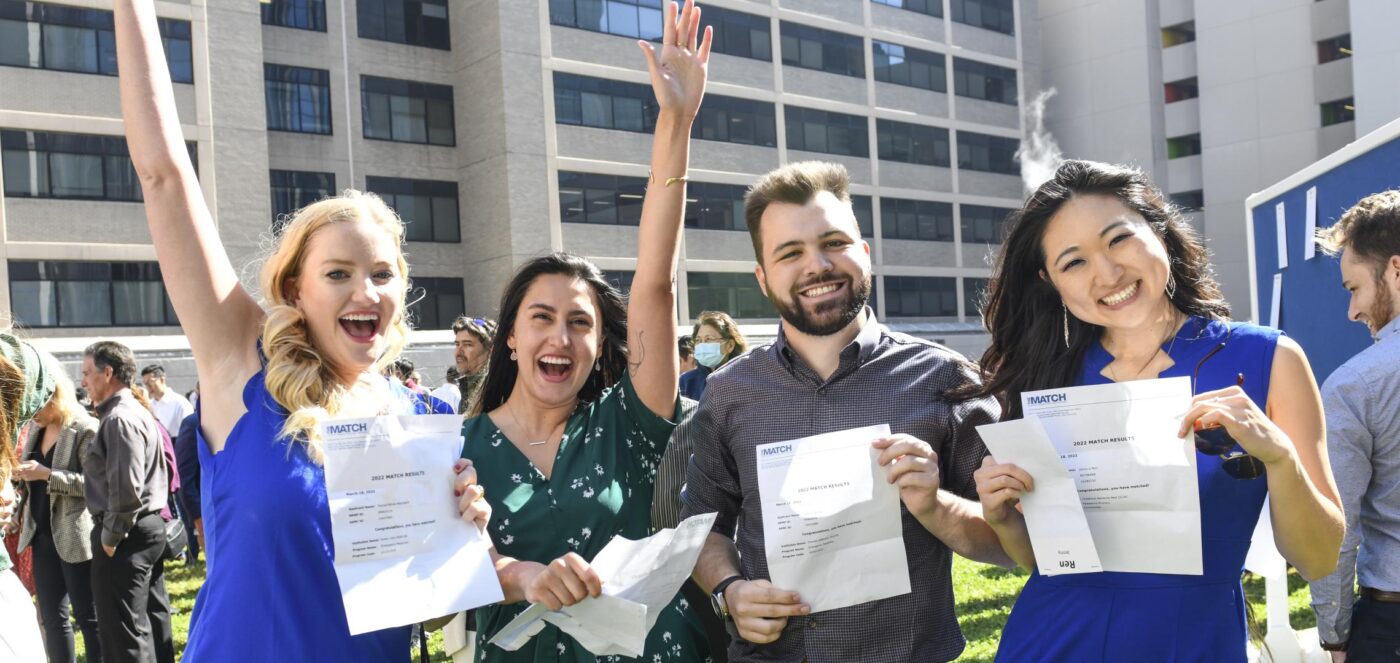
On Match Day, medical students across the United States gather with their classmates, friends, and family to receive their match results. The event typically takes place at medical schools, with students opening envelopes or receiving emails containing their match results at noon ET. It is a day filled with anticipation, excitement, and, for some, disappointment. However, it marks the beginning of a new chapter in the lives of aspiring physicians.
In 2026, Match Day celebrations took place at schools across the country on March 20. Social media timelines filled with envelope-opening videos and tearful reactions. But behind those moments are months of strategic work, and understanding what leads to a successful outcome matters far more than the ceremony itself.
The Emotional Impact of Match Day
Match Day is an emotional event for medical students. The anticipation leading up to the day can be intense, and the range of emotions experienced upon learning one’s match results can vary greatly. Some students may feel relief, joy, and excitement, while others may experience disappointment, stress, or uncertainty. It is important to remember that the matching process is highly competitive and that not matching with a preferred program does not define your worth or potential as a physician.
In 2026, 9,696 applicants did not match, an increase of 155 from 2025. That number is real, and it represents real people who worked hard and came up short. If this happens to you, it is a setback, not a verdict. The SOAP process, additional clinical or research experience, and a revised application strategy can all lead to a match in the following year. Students who find themselves reapplying may find it helpful to read about reapplication strategies, many of which share principles with the residency reapplication process.
Tips for International Medical Graduates
International Medical Graduates (IMGs) face unique challenges in the residency matching process, including additional requirements and a more competitive landscape. The 2026 data highlights important divergences within the IMG applicant pool that deserve careful attention.
2026 IMG Match Data
U.S. citizen IMGs accounted for 4,210 active applicants in 2026, a decrease of 377 from 2025. Despite the smaller applicant pool, the PGY-1 match rate rose to 70%, the highest on record. This upward trend has continued since 2022, even as the number of active U.S. IMG applicants has declined.
Non-U.S. citizen IMGs accounted for 11,944 active applicants, an increase of 479 from 2025. However, the PGY-1 match rate declined to 56.4%, the lowest level observed in five years. The picture is even more nuanced when broken down by visa status: non-U.S. citizen IMGs who required visa sponsorship had a 54.4% match rate (a five-year low), while non-citizen permanent legal U.S. residents who did not require sponsorship had a 67.9% match rate (a five-year high).
The NRMP noted that broader federal immigration policy changes have increased attention to visa considerations in residency recruitment. The AMA has supported bipartisan legislation to exempt physicians and other health professionals from the $100,000 filing fee on new H-1B visa petitions, but the policy landscape remains uncertain.
Practical Advice for IMGs in 2026 and Beyond
- Gain clinical experience in the United States to demonstrate your familiarity with the U.S. healthcare system and to obtain strong letters of recommendation from U.S. physicians. This remains one of the single most impactful things an IMG can do.
- Prepare for and excel in Step 2 CK. With Step 1 now pass/fail, Step 2 CK is the primary score programs use to evaluate applicants. A strong Step 2 CK score is especially important for IMGs.
- Apply to a diverse range of residency programs, including those with a history of accepting IMGs. Internal Medicine, Pediatrics, and Psychiatry have historically been more IMG-friendly than surgical subspecialties.
- Network with other IMGs who have successfully matched to gather insights and advice.
- Understand your visa situation early. Programs that sponsor J-1 or H-1B visas vary by institution and specialty. Knowing which programs can and will sponsor your visa before you apply saves time and improves your strategy.
The Role of Couples in the Match
Couples who are both pursuing medical careers may want to match in the same geographic area or even the same institution. The NRMP allows couples to participate in the match as a pair, linking their Rank Order Lists together. This ensures that the algorithm considers both partners’ preferences simultaneously and aims to match them in the same region or program.
To participate as a couple, both partners must register individually with the NRMP and then identify themselves as a couple within the system. The couple will submit a single, combined Rank Order List that reflects their mutual preferences. While participating as a couple can improve the chances of matching in the same area, it may also limit the available options for each partner. Couples should discuss their priorities openly and consider scenarios where one partner’s top choice may conflict with geographic proximity.
Strategies for Success in the Match Process
To maximize your chances of matching with a preferred residency program, consider employing the following strategies:
Apply Broadly
Apply to a wide range of programs, including both your top choices and those you believe you have a better chance of matching with. This increases the likelihood of securing interviews and ultimately matching with a program. In a cycle where 9,696 applicants went unmatched, breadth of application is not optional for most students.
Customize Your Application
Adjust your personal statement and other application materials to reflect the unique aspects and values of each program you apply to. Programs notice when a personal statement reads as though it was written for a different institution. Specificity shows genuine interest.
Seek Mentorship
Connect with upperclassmen, alumni, or faculty members who have experience with the matching process and can offer guidance and advice. Mentors who matched into your target specialty within the last few years will have the most current insights into what programs value.
Be Proactive in Your Interview Preparation
Research each program you interview with, practice answering common interview questions, and be prepared to articulate your unique strengths and fit within the program. If you are still building your interview skills, many of the same principles that apply to medical school interview preparation carry over to the residency interview setting.
Stay Organized
Keep track of deadlines, interview dates, and other important information throughout the application process. This will help ensure you submit all required materials on time and can focus on your interviews and Rank Order List. A simple spreadsheet tracking each program’s interview date, your impressions, and follow-up actions can make a real difference when it comes time to create your ROL.
Making the Most of Residency Interviews
Residency interviews are a crucial part of the match process. In addition to evaluating your fit within a program, they also provide an opportunity for you to assess whether the program aligns with your goals and preferences. To make the most of your residency interviews, consider the following tips:
- Be Punctual and Prepared: Arrive on time (or log in early for virtual interviews) and ensure you have all necessary materials and information readily available.
- Dress Professionally: First impressions matter. Dress professionally and conservatively to demonstrate your commitment to the profession and respect for the process.
- Be Engaged and Ask Thoughtful Questions: Show your interest in the program by asking informed questions about the program’s curriculum, clinical experiences, faculty support, and research opportunities.
- Take Notes: After each interview, jot down your impressions of the program, the people you met, and any important details you want to remember when creating your Rank Order List.
- Send Thank-You Notes: Following your interviews, send thank-you notes to the program director and any faculty members or residents who interviewed you. This shows your appreciation for their time and can leave a lasting positive impression.
Managing Stress and Anxiety During the Match Process
The match process is one of the most high-stakes periods in a medical student’s life, and the stress it generates is real and widespread. Months of applications, interviews, waiting, and uncertainty take a toll. Here are practical strategies for managing that pressure:
- Maintain routines outside of medicine. Exercise, sleep, and time with people who are not talking about the match all serve a purpose. They are not luxuries; they are part of functioning well during a demanding period.
- Set boundaries on information consumption. Online forums and social media threads about the match can increase anxiety without providing useful information. Decide how much time you will spend on these platforms and stick to it.
- Talk to someone. Whether it is a counselor, a trusted friend, a mentor, or a family member, voicing your concerns is better than carrying them silently. Many medical schools offer mental health resources specifically for students going through the match.
- Prepare for multiple outcomes. Hope for your top choice, but have a plan if things go differently. Knowing your SOAP strategy or your plan for a gap year reduces the feeling of being caught off guard.
- Remember the long view. Where you match matters, but it is one step in a long career. Physicians who matched at their fifth-choice program and physicians who matched at their first-choice program both become practicing doctors.
The Importance of Building a Strong Professional Network
Developing a robust professional network is essential for medical students as they progress through their education and careers. Your professional network can provide valuable resources, support, and opportunities for growth. Here are some tips for building and maintaining a strong professional network:
- Attend Conferences and Events: Conferences, workshops, and other professional events provide opportunities to meet like-minded individuals in your field. Make an effort to attend these events and engage with fellow attendees.
- Participate in Online Forums and Groups: Join online discussion forums, social media groups, and other platforms relevant to your field. Participate in discussions, ask questions, and share your experiences to make connections with your peers.
- Connect With Alumni: Reach out to alumni from your medical school who have pursued a similar career path. They can offer valuable advice and insights into the residency application process and may be able to connect you with additional resources.
- Foster Relationships With Mentors and Faculty: Maintain strong relationships with faculty members and mentors, as they can provide guidance, support, and opportunities for networking within their professional circles.
- Engage in Extracurricular Activities: Participate in extracurricular activities, such as volunteering, research, or student organizations, to meet others with shared interests and expand your network.
- Maintain and Strengthen Connections: Building a professional network is an ongoing process. Stay in touch with your connections, offering support and assistance when needed and sharing updates on your own progress.
The Role of Away Rotations in the Match Process
Away rotations, also known as visiting student clinical electives or audition rotations, can play a role in the residency match process. During these rotations, medical students complete clinical electives at institutions other than their own, gaining exposure to different healthcare settings and residency programs. Here are some benefits of completing away rotations:
- Broaden Your Clinical Experience: Away rotations provide opportunities to work with diverse patient populations and healthcare systems, enhancing your clinical skills and knowledge.
- Demonstrate Interest in a Residency Program: Completing an away rotation at a program you’re interested in can show your dedication and commitment to that program, potentially increasing your chances of receiving an interview invitation.
- Obtain Letters of Recommendation: Away rotations offer the chance to work closely with faculty members at other institutions, allowing you to obtain strong letters of recommendation from physicians outside your home institution.
- Assess Program Fit: Participating in an away rotation can give you a firsthand look at a residency program’s culture, curriculum, and facilities, helping you determine if it’s a good fit for you.
The Role of Research in Residency Applications
Involvement in research can be a valuable asset during the residency application process, as it demonstrates your commitment to advancing medical knowledge and your ability to think critically and solve problems. In highly competitive specialties like plastic surgery, orthopedic surgery, dermatology, and neurosurgery, research productivity is often weighted heavily in application review. Here is how to incorporate research into your residency application:
- Seek Out Research Opportunities: Actively seek research opportunities during your medical school education, either through your institution’s research programs or by connecting with faculty members engaged in research.
- Choose Projects Relevant to Your Specialty: If possible, select research projects that align with your chosen specialty, as this can show your dedication to that field and enhance your knowledge of the subject.
- Present Your Research: Share your research findings at conferences, workshops, or other professional events to demonstrate your expertise and commitment to the field.
- Publish Your Work: Aim to publish your research in peer-reviewed journals, as this can strengthen your application and showcase your contributions to the medical community.
Dealing with Unmatched Outcomes
In the event you do not match with a residency program, it is essential to remember that this outcome does not define your potential as a physician. In 2026, 9,696 applicants were unmatched, and 2,581 positions were offered through SOAP. Unmatched applicants have several options to consider:
Participate in the Supplemental Offer and Acceptance Program (SOAP)
As mentioned earlier, SOAP allows unmatched applicants to apply for unfilled residency positions. In 2026, SOAP ran from March 16 through March 19 and offered 330 more positions than the previous year. Be prepared for this possibility and familiarize yourself with the SOAP process and eligibility requirements before Match Week begins. Having your SOAP materials ready in advance is not a sign of low confidence; it is a sign of good planning.
Pursue Research or Clinical Opportunities
If you do not match, consider seeking research or clinical positions to gain additional experience and strengthen your application for the next match cycle. Many applicants who go unmatched use a gap year productively, adding publications, clinical hours, or new letters of recommendation to their file. Understanding how additional education and experience factor into medical career decisions can help you evaluate your options clearly.
Reassess Your Application Strategy
Reflect on your application materials, interview performance, and the programs you applied to. Identify areas where you can improve and consider seeking guidance from mentors or medical residency advising services to strengthen your application for the next match cycle. Common areas for improvement include the breadth of programs applied to, Step 2 CK scores, the specificity of personal statements, and the strength of letters of recommendation.
The Residency Cost Equation: Tuition, Debt, and Specialty Choice
Match Day does not happen in a financial vacuum. The average medical school graduate carries significant debt, and that debt can influence which specialties students pursue, where they are willing to train, and whether they consider primary care or higher-paying procedural fields. Understanding medical school tuition trends is important context for thinking about the match, because the financial pressures that begin in medical school follow students into residency and beyond.
Students carrying high debt loads may feel pressure to rank higher-paying specialties more favorably, even if their genuine interest lies elsewhere. There is no easy answer to this tension, but being honest with yourself about both your financial situation and your professional goals is the starting point for a good decision. Residency advising services can help you think through these factors realistically.
Looking Ahead: What the 2026 Data Means for Future Applicants
Several trends from the 2026 Match have implications for students who will apply in 2027 and beyond:
- The match is getting bigger every year. More positions are opening, but more applicants are registering. Competitive pressure is not decreasing.
- DO students are matching at record rates. The gap between MD and DO match rates is narrowing, which is good news for osteopathic students.
- Step 2 CK scores carry more weight than ever. With Step 1 pass/fail, your Step 2 CK performance is the primary standardized metric programs will use to compare you to other applicants.
- Family medicine is struggling to fill. With 899 unfilled positions and a declining fill rate, the NRMP’s new Blue Ribbon Panel signals serious concern about workforce pipeline issues in primary care.
- Visa-related dynamics are reshaping IMG outcomes. Non-U.S. citizen IMGs who require visa sponsorship face a five-year low in match rates (54.4%). Immigration policy changes are likely to continue influencing these numbers.
- The fellowship match is also growing. The 2026 Specialties Matching Service was the largest in its 42-year history, with 15,846 active applicants competing for 15,358 fellowship positions across 6,606 programs, with an 84.4% fill rate. Four new subspecialties joined the SMS in 2026.
For students who are still in the pre-med or early medical school stages, the most important thing you can do is build a strong foundation. That means performing well academically, gaining meaningful clinical exposure, developing genuine interests within medicine, and understanding the realities of the process well before you enter it. If you are still in the planning stages of your medical education, our guide on how to prepare yourself for applying to medical school covers the fundamentals.
Medical Residency Advising Services
Working through the residency application process can be challenging, and having expert guidance can make a significant difference in your success. Medical residency advising services, such as those offered by International Medical Aid, provide personalized assistance in crafting a compelling ERAS application, preparing for residency interviews, and optimizing your Rank Order List. To learn more about our medical residency advising services and to schedule a call, visit this link.
Match Day 2026: What This Milestone Represents
Regardless of the outcome, Match Day is a significant event in the lives of medical students, marking the culmination of years of hard work and dedication. It is essential to celebrate this milestone and recognize the support and encouragement provided by friends, family, and mentors throughout the journey.
Consider hosting a gathering with your loved ones to share the moment and express gratitude for their support. Additionally, acknowledge your accomplishments and the resilience you have demonstrated throughout the process.
Medical School Match Day 2026 placed more than 38,000 future physicians into residency programs across the United States, continuing a record-breaking trend. For those preparing for the next cycle, the data is clear: start early, prepare strategically, understand your competitiveness within your target specialty, and take the process seriously from the first day of medical school. The match rewards preparation, self-awareness, and persistence. It does not reward wishful thinking. By understanding the residency matching process, preparing thoroughly, and utilizing resources such as medical residency advising services, you can put yourself in the strongest possible position when your own Match Day arrives.