
When seeking medical care or considering a career in medicine, you may have come across the term “DO” in addition to the more familiar “MD.” So, what does DO stand for, and how does it differ from MD? This guide covers the meaning of DO in medical terms, compares DO vs MD, and discusses the unique aspects of the osteopathic medical profession. As you consider medical school admissions consulting and pre-med shadowing study abroad programs, knowing the differences between these two paths can help you make an informed decision about your healthcare education and career. With the osteopathic profession officially surpassing 200,000 physicians and students in 2025, this is a particularly relevant time to understand what the DO credential means and where it can take you.
What Does DO Stand for in Medical Terms: Doctor of Osteopathic Medicine
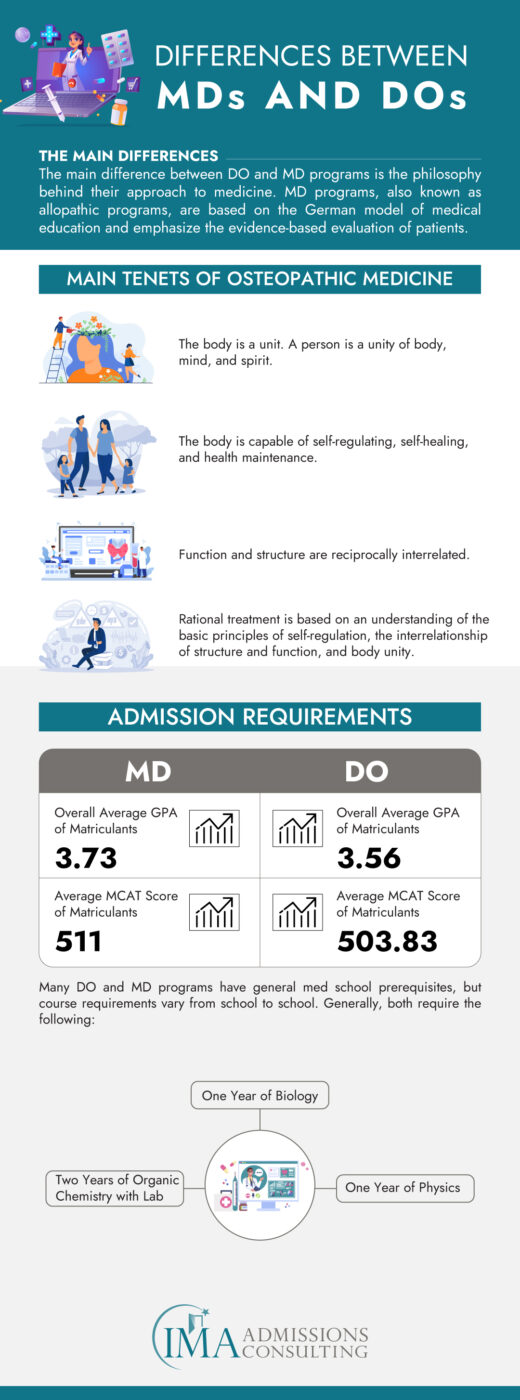
DO stands for Doctor of Osteopathic Medicine, a distinct branch of medical practice that emphasizes a whole-person approach to patient care. DO doctors receive similar training to MD (Doctor of Medicine) physicians, but with a focus on the musculoskeletal system, which plays a significant role in maintaining overall health. Osteopathic physicians are trained to view the body as an interconnected system and seek to address the root causes of illness rather than just treating symptoms.
Osteopathic Medicine by the Numbers in 2026
The scope of osteopathic medicine in 2026 is worth putting into context with hard figures. According to the American Osteopathic Association’s 2025 Osteopathic Medical Profession (OMP) Report, there are now 207,158 osteopathic physicians and medical students in the United States. That total includes approximately 167,216 practicing DOs and roughly 40,000 enrolled students for the 2025-2026 academic year. Since the AOA began tracking these records in 1935, the total number of DOs has increased by more than 158,000, a growth rate of 1,721 percent.
To put the profession’s current footprint in perspective: osteopathic physicians now represent approximately 11 percent of all physicians in the country and more than 25 percent of all medical students. That second figure is especially notable for anyone weighing the DO path. More than one in four medical students in the U.S. is training at a college of osteopathic medicine. According to AACOM, there are currently 46 accredited colleges of osteopathic medicine in the United States, delivering instruction at 73 teaching locations across 36 states. Eight of those schools are public institutions, while 38 are private.
For students exploring what the MD vs DO pathway looks like in practice, these numbers show that the DO route is not a niche alternative. It is a major part of the U.S. physician pipeline.
Educational Pathway: DO vs MD
Both DO and MD students complete a four-year undergraduate degree, usually in a science-related field, followed by four years of medical school. While there are many similarities in the curriculum, osteopathic medical schools include additional training in osteopathic manipulative treatment (OMT), a hands-on approach to diagnosing and treating musculoskeletal conditions.
After medical school, DO and MD graduates complete their residencies, which can range from three to seven years, depending on their chosen specialty. Both types of physicians can choose from a wide variety of specialties and practice settings, including primary care, surgery, and research.
For the 2025-2026 application cycle, students applying through the American Association of Colleges of Osteopathic Medicine Application Service (AACOMAS) pay an application fee of $198, which covers submission to one designated college. Each additional school costs $60. The average MCAT score for enrolled DO students is approximately 505, with an average overall GPA of 3.60 and a science GPA of 3.54. Average tuition and fees at osteopathic medical schools run approximately $56,053 for in-state students and $59,990 for out-of-state students, though total cost of attendance varies significantly by institution. For context on what competitive scores look like, you can review our guide on what MCAT score you need to get into medical school.
Admissions are competitive. For the 2025 cycle, the average number of applicants per college of osteopathic medicine was 4,340, while the average number of matriculants was 215, yielding an average acceptance rate of 4.9 percent.
The Growth of Osteopathic Medicine
Over the last decade, the perception of osteopathic medicine has shifted dramatically. Once seen as a parallel but less understood branch of healthcare, the Doctor of Osteopathic Medicine degree is now widely recognized as equal in rigor and legitimacy to the traditional MD path. Hospitals, academic centers, and research institutions are increasingly recruiting DO physicians, acknowledging the value they bring to team-based and preventive care models. This rise in recognition is a reflection of both patient demand and the proven outcomes of osteopathic training.
Healthcare systems facing chronic disease burdens and rising costs have found that DO physicians’ focus on whole-person care aligns perfectly with modern value-based healthcare models. Data from the American Association of Colleges of Osteopathic Medicine (AACOM) show that DO graduates are filling critical roles in primary care, internal medicine, and family medicine. These fields are often neglected due to their lower pay but are vital for public health stability. According to the AOA’s 2025 OMP Report, approximately 55 percent of all practicing DOs work in primary care specialties, and 53 percent of osteopathic candidates matched into primary care residency programs in 2025. By comparison, about 30 percent of MDs practice in primary care. That gap highlights a philosophical difference: DOs often choose careers that emphasize patient continuity and community health over subspecialization.
In academic medicine, osteopathic physicians are also becoming more visible. Many hold leadership roles in teaching hospitals, serve as deans of medical schools, and lead research projects focusing on integrative and musculoskeletal health. Their presence in academic publishing has grown, with osteopathic journals now indexed in major medical databases alongside allopathic ones. This visibility has helped erase old misconceptions and created a generation of medical students who view DO and MD credentials as two equally respected routes to the same goal of excellent patient care.
The Influence of Accreditation Merger on Opportunities
The 2020 merger of the Accreditation Council for Graduate Medical Education (ACGME) and the American Osteopathic Association (AOA) residency systems remains one of the most significant shifts in modern medical training. Before this unification, DO graduates often had to choose between osteopathic or allopathic residency programs, limiting options and sometimes creating unnecessary barriers. Today, both DO and MD graduates train under the same system, judged by the same standards, and compete for the same residency positions.
This integration has opened opportunities in competitive specialties such as dermatology, orthopedics, and radiology. It has also pushed osteopathic schools to enhance their research and academic output to remain competitive within the shared system. As a result, the quality of osteopathic education has risen across the board, producing graduates who are both clinically competent and academically prepared to thrive in the evolving healthcare landscape.
2026 Residency Match Results for DO Graduates
The 2026 NRMP Main Residency Match was the largest in the organization’s history, with over 53,000 applicants registered and more than 44,000 residency positions offered across more than 6,800 program tracks. For osteopathic medical students, the results were record-breaking for the fourth consecutive year. A total of 7,928 DO seniors matched, reflecting a 93.2 percent match rate among the 8,503 DO seniors who participated. That represents a 0.6 percent increase from 2025 and a 2.0 percent increase over the past five years.
These candidates matched into residency programs spanning 37 specialties, demonstrating the breadth of career options available to DO graduates. Notably, U.S. DO seniors increased their share of filled positions in child neurology by 4.9 percentage points, medicine-pediatrics by 1.8 percentage points, and orthopedic surgery by 1.3 percentage points. Additionally, a record 355 graduating osteopathic fourth-year students and 96 graduates secured residency positions through the military match. Approximately 38 percent of military physicians are DOs.
Looking at placement more broadly, 99.12 percent of 2025 DO graduates seeking graduate medical education (GME) successfully placed. The nation’s colleges of osteopathic medicine graduated 8,814 new physicians who began their residency training in July 2025. For students still weighing how different career paths compare, our breakdown of physician salaries by specialty provides additional context for what lies ahead after residency.
Increased Research and Evidence-Based Validation
Another factor driving the broader acceptance of DO physicians is the growth of osteopathic research. Modern osteopathic schools are investing heavily in data-driven inquiry to validate the efficacy of osteopathic manipulative treatment (OMT) and other integrative approaches. Studies on musculoskeletal pain, migraines, and post-operative recovery show measurable benefits when OMT is incorporated alongside conventional treatments.
This evidence base has made OMT more common in clinical settings, from sports medicine to rehabilitation hospitals. Some large hospital systems now employ OMT specialists within multidisciplinary teams, combining osteopathic techniques with physical therapy and pain management protocols. This collaboration reflects a deeper shift toward integrative, patient-centered models that balance traditional medicine with manual and lifestyle-based interventions.
Shifts in Student Demographics and Motivation
The growth in osteopathic enrollment also reflects changing student motivations. Many new applicants cite a desire for more meaningful doctor-patient relationships and a focus on preventive care. According to AACOM’s most recent entering student survey data, a significant share of incoming DO students chose osteopathic programs specifically for their emphasis on empathy, communication, and non-pharmaceutical interventions.
Diversity within the DO student body has also improved. Women now make up more than 55 percent of all enrolled osteopathic medical students, and for first-year matriculants specifically, women accounted for 58.7 percent of the 2024-2025 entering class. The number of female osteopathic physicians in active practice is also rising, now accounting for 45 percent of all DOs, a figure that climbs to 48 percent among DOs under age 45. Nearly 70 percent of DOs in active practice today are under age 45, signaling a young and growing profession.
Underrepresented minorities in medicine (URiM) accounted for 12.2 percent of total enrollment in the 2023-2024 academic year, with a steadily increasing share each year. These demographic changes not only enrich classroom discussions but also strengthen the profession’s ability to serve diverse communities effectively. When a workforce mirrors the population it serves, patient trust and outcomes both improve.
Global Recognition and Future Outlook
Osteopathic medicine’s influence is extending beyond the United States. In recent years, several countries have moved toward recognizing the DO credential, and collaborative research partnerships and exchange programs are expanding the field’s footprint in global health. This trend benefits not just the physicians, but also patients worldwide who gain access to a broader array of care philosophies grounded in evidence and compassion. For a broader perspective on international demand for physicians, see our article on which countries have the highest demand for doctors.
Looking ahead, the integration of osteopathic principles into mainstream healthcare is likely to accelerate. As artificial intelligence and digital diagnostics become more prominent, DO physicians’ emphasis on touch, observation, and patient connection may serve as an essential counterbalance. In a healthcare system increasingly dominated by technology, the human-centered philosophy of osteopathic medicine reminds both patients and practitioners that listening, empathy, and physical assessment remain irreplaceable parts of healing.
The Physician Shortage and Why It Matters for DO Students
The growing physician shortage in the United States adds urgency and opportunity to the DO path. The Association of American Medical Colleges (AAMC) projects a shortfall of up to 86,000 physicians by 2036. The Health Resources and Services Administration (HRSA) projects an even more specific gap: a national shortage of 70,610 full-time equivalent primary care physicians by 2038. Given that DOs disproportionately enter primary care, family medicine, and internal medicine, osteopathic graduates are positioned to play a critical role in filling these gaps.
The Bureau of Labor Statistics projects that overall employment of physicians and surgeons will grow 3 percent from 2024 to 2034, with approximately 23,600 openings for physicians projected each year over the decade. More than a third of currently active physicians will reach retirement age within the next decade, creating additional need for newly trained physicians. These projections are not guarantees of employment for any individual, but they do show that the demand for physicians, particularly in primary care and underserved communities, is not going away.
In 2025 U.S. News rankings, colleges of osteopathic medicine accounted for eight of the top 10 medical schools with the most graduates practicing in primary care, six of the top 10 for graduates practicing in rural areas, and five of the top 10 for graduates practicing in Health Professional Shortage Areas. These rankings speak to a core strength of osteopathic education: training physicians who practice where they are needed most.
How DO and MD Salaries Compare in 2026
The longstanding question of DO vs MD salaries deserves an updated look. According to the Medscape 2025 Physician Compensation Report, the average physician compensation across all specialties was $376,000, a 3.6 percent increase from $363,000 the year before. Primary care physicians earned an average of $287,000, while specialists averaged $404,000. The Bureau of Labor Statistics reports that wages for physicians and surgeons are among the highest of all occupations, with a median wage equal to or greater than $239,200 per year.
The income gap between DO and MD physicians has narrowed considerably and largely reflects specialty choice, geographic location, and practice setting rather than the degree itself. A DO who completes a residency in orthopedic surgery, for example, earns a comparable salary to an MD in the same specialty. With DO and MD graduates now training in the same ACGME-accredited residency programs, the professional playing field is more level than it has ever been. The decision between DO and MD should be based on educational philosophy, personal fit, and career goals, not salary assumptions.
The Changing Perception of Osteopathic Medicine in Mainstream Healthcare
The Choose DO initiative has played a significant role in raising awareness of osteopathic medicine and its benefits, resulting in a growing number of students pursuing DO degrees. According to the American Association of Colleges of Osteopathic Medicine (AACOM), osteopathic medical student enrollment has increased by more than 65 percent in the last decade alone. Since the early 2000s, when enrollment hovered around 10,000 to 12,000 students, total enrollment has more than tripled to over 38,000. The number of DOs in the U.S. has quadrupled in just the past 30 years.
DO School Rankings and Admissions
As you consider medical school admissions consulting services and explore pre-med shadowing study abroad programs, it’s essential to understand the differences between DO and MD school rankings. While the methodologies for ranking DO and MD schools can vary, both types of institutions are subject to rigorous accreditation standards, ensuring that graduates are well-prepared for their careers in medicine. To learn more about osteopathic medical school rankings, visit DO School Rankings: The Best Osteopathic Medical Schools.
MD vs DO: Which is Better?
Ultimately, the choice between pursuing a DO or MD degree comes down to personal preference and career goals. Some students may be drawn to the whole-person philosophy of osteopathic medicine, while others may prefer the more traditional allopathic approach of MD programs. Both DO and MD physicians are fully licensed and capable of providing high-quality medical care to their patients. To explore the major differences between these two paths in more detail, visit MD vs DO: The Major Differences (And Which is Better).
To deepen your understanding of osteopathic medicine and the educational journey for DO physicians, consider seeking medical school admissions consulting services and participating in pre-med shadowing study abroad programs. These opportunities can help you gain valuable insight into the profession and make an informed decision about your future in healthcare.
Tips for Pre-Med Students Considering the DO Path
If you’re a pre-med student contemplating the DO route, here are some tips to help you prepare for and succeed in your osteopathic medical education journey:
- Research DO schools and their unique curriculums, philosophies, and campus cultures. To find a DO school that aligns with your interests and goals, visit Osteopathic Medical School Guides.
- Shadow a DO physician to gain firsthand insight into the osteopathic approach to patient care. This can be done through formal pre-med shadowing study abroad programs or by reaching out to local DO doctors in your community. Understanding what clinical experience actually involves is also worth reading about in our article on why clinical experience no longer means what applicants think it does.
- Prepare for the Medical College Admission Test (MCAT), a standardized exam required for admission to both DO and MD schools. Investing in medical school admissions consulting services can help you strategize and optimize your test preparation.
- Get involved in extracurricular activities, such as volunteering, research, or leadership roles, to demonstrate your commitment to the osteopathic philosophy and build a competitive application for DO schools. For guidance on building your clinical hours, see our resource on how many clinical hours you need for medical school.
- Understand how rolling admissions work at many DO programs, since applying early can meaningfully affect your chances. Our guide on rolling admissions for medical school applications covers this in detail.
The Osteopathic Medical School Application Process
Applying to osteopathic medical schools requires a thorough understanding of the application process, deadlines, and requirements. The American Association of Colleges of Osteopathic Medicine Application Service (AACOMAS) is the centralized application service for DO programs in the United States. Like the MD application process, students submit a single application to multiple osteopathic schools through AACOMAS. For the 2025-2026 cycle, the initial application fee is $198, with $60 for each additional school designation.
As you prepare your application, consider seeking medical school admissions consulting services to help you develop a strong personal statement and optimize your chances of acceptance. Medical school admissions consulting can also provide guidance on choosing the right schools for your goals and preparing for interviews.
The Role of Osteopathic Manipulative Treatment (OMT) in DO Practice
One key difference between DO and MD physicians is the use of Osteopathic Manipulative Treatment (OMT) in their practice. OMT is a hands-on diagnostic and treatment method that involves the manipulation of muscles, bones, and joints to alleviate pain, restore mobility, and promote overall health. While OMT is a fundamental component of osteopathic medicine, DO doctors also utilize all other conventional medical treatments and diagnostic tools.
The integration of OMT into a DO doctor’s practice can be particularly appealing for students who are interested in a hands-on approach to medicine and desire a strong foundation in the musculoskeletal system. OMT training equips DO physicians with a unique set of skills that can complement and enhance their medical practice.
Opportunities for International Practice and Collaboration
DO physicians can practice medicine globally, thanks to various international agreements and recognition of their qualifications. In addition to practicing in the United States, DO doctors can work in countries such as Canada, the United Kingdom, Australia, and New Zealand, among others.
By pursuing a DO degree, students may have the opportunity to engage in international collaborations, research, and medical missions. Participation in pre-med shadowing study abroad programs can also help students gain exposure to international healthcare systems and enhance their cultural competence; skills that can be invaluable in a global healthcare setting.
The Importance of Mentorship and Networking in Osteopathic Medicine
As with any medical profession, mentorship and networking play a crucial role in the success and growth of DO physicians. Building relationships with established DO doctors can provide valuable guidance, support, and connections throughout your medical education and career. Engaging in professional organizations, such as the American Osteopathic Association (AOA) or the American Association of Colleges of Osteopathic Medicine (AACOM), can help you connect with like-minded peers and experienced mentors in the field. These organizations often host conferences, workshops, and networking events that offer opportunities to learn from leaders in osteopathic medicine and expand your professional network.
Residency and Fellowship Opportunities for DO Physicians
After completing their DO degree, graduates must pursue a residency program in their chosen specialty. With the merger of the AOA and Accreditation Council for Graduate Medical Education (ACGME) accreditation systems, DO and MD graduates now have access to the same residency and fellowship programs. The 2026 NRMP Match data confirms the practical impact of this change: DO seniors matched across 37 specialties at a record 93.2 percent rate. This merger has further expanded the opportunities for DO physicians, enabling them to train in a wide range of specialties alongside their MD counterparts.
The Role of Osteopathic Medicine in Rural and Underserved Communities
Many DO physicians choose to practice in rural and underserved communities, providing essential healthcare services to populations with limited access to medical care. The preventive and whole-person approach of osteopathic medicine is particularly well-suited to addressing the unique healthcare challenges faced by these communities. By focusing on patient education and empowering individuals to take control of their health, DO doctors can help reduce healthcare disparities and improve overall community health. With HRSA projecting a shortage of more than 70,000 primary care physicians by 2038, the role of DO physicians in underserved areas will only grow in importance.
The Evolving Landscape of Osteopathic Medicine Education
As the field of osteopathic medicine continues to grow and gain recognition, the education landscape is also evolving. Osteopathic medical schools are increasingly incorporating innovative teaching methods and cutting-edge technology into their curriculums, helping students develop the skills and knowledge needed to excel in a rapidly changing healthcare environment. With 46 accredited colleges of osteopathic medicine now operating at 73 locations across 36 states, the footprint of osteopathic education is broader than ever. Additionally, the expansion of DO programs globally is creating new opportunities for students to pursue osteopathic medicine education outside of the United States.
Preparing for a Successful Career as a DO Physician
To succeed as a DO physician, it’s essential to cultivate a strong foundation in both the scientific and humanistic aspects of medicine. This includes developing a deep understanding of the body’s interconnected systems, honing diagnostic and treatment skills, and fostering a compassionate and empathetic approach to patient care. Additionally, staying informed about the latest research and advancements in osteopathic medicine, participating in continuing education opportunities, and maintaining professional connections can help you stay at the forefront of your field and provide the highest quality care to your patients.
The Impact of DO Physicians on the Future of Healthcare
As the healthcare landscape continues to evolve, DO physicians are poised to play a significant role in shaping the future of patient care. By promoting a patient-centered approach that emphasizes prevention and overall wellness, osteopathic medicine can help address some of the most pressing challenges facing the healthcare system, such as chronic disease management and healthcare disparities. With nearly 9,000 new DO graduates entering the workforce each year and AAMC projecting a shortage of up to 86,000 physicians by 2036, the osteopathic medical profession will continue to grow and meet a genuine national need.
Research and Innovation in Osteopathic Medicine
As the field of osteopathic medicine continues to grow, research and innovation play an increasingly important role in expanding the profession’s knowledge base and enhancing patient care. DO physicians and researchers are actively involved in a wide range of research areas, from exploring the underlying mechanisms of osteopathic manipulative treatment to investigating novel approaches for addressing chronic diseases and healthcare disparities. By staying informed about the latest research and integrating evidence-based practices into their patient care, DO doctors can contribute to the advancement of the field and provide the best possible care to their patients.
The Global Expansion of Osteopathic Medicine
While osteopathic medicine originated in the United States, its principles and practices have gained recognition and acceptance worldwide. Many countries, such as the United Kingdom, Australia, and Canada, have established osteopathic medicine education programs and professional organizations to support the growth of the profession. This global expansion offers new opportunities for collaboration, research, and cross-cultural learning for both DO students and practicing physicians. By engaging in international osteopathic medicine experiences, such as pre-med shadowing study abroad programs, students can gain valuable insight into diverse healthcare systems and broaden their understanding of osteopathic medicine’s potential impact on global health.
Balancing the Art and Science of Osteopathic Medicine
A successful career in osteopathic medicine requires not only a strong foundation in the sciences but also a deep understanding of the humanistic aspects of patient care. DO physicians must balance the technical knowledge and skills required for diagnosis and treatment with the interpersonal and empathetic abilities necessary to build trusting relationships with patients. Developing these complementary skill sets is an essential part of osteopathic medical education, preparing students to provide comprehensive, patient-centered care that addresses the physical, emotional, and social aspects of health.
Advocacy and Leadership in Osteopathic Medicine
As osteopathic medicine continues to gain recognition and acceptance, DO physicians have an important role to play in advocating for the profession and shaping healthcare policy. By engaging in advocacy efforts at the local, state, and national levels, DO doctors can help raise awareness of the unique benefits of osteopathic medicine and ensure that the profession’s voice is heard in policy discussions. Additionally, pursuing leadership roles within professional organizations, healthcare institutions, and the broader medical community can help DO physicians drive positive change and advance the osteopathic medical profession.
Ongoing Professional Development for DO Physicians
To stay current in the ever-evolving field of medicine, DO doctors must commit to ongoing professional development throughout their careers. This includes participating in continuing medical education (CME) opportunities, attending conferences and workshops, and staying informed about the latest research in their specialties. By engaging in lifelong learning and maintaining their clinical skills, DO physicians can ensure they provide the highest quality care to their patients and contribute to the ongoing advancement of the osteopathic medical profession.
The Power of Interprofessional Collaboration in Osteopathic Medicine
As healthcare delivery becomes increasingly complex and team-based, the ability to collaborate effectively with other healthcare professionals is essential for DO physicians. Interprofessional collaboration can lead to improved patient outcomes, more efficient use of resources, and better overall healthcare experiences for patients. DO doctors must be prepared to work closely with a wide range of healthcare professionals including MD physicians, nurses, physician assistants, physical therapists, and other specialists, to provide comprehensive and coordinated care. For a closer look at how different roles function together in clinical settings, see our overview of clinical team roles in a hospital. Osteopathic medical schools often incorporate interprofessional education (IPE) opportunities into their curriculums, preparing students to effectively collaborate with diverse healthcare teams in their future careers.
The Role of Technology in Osteopathic Medicine
Advancements in technology are transforming the practice of medicine, and osteopathic medicine is no exception. From telemedicine and electronic health records to cutting-edge diagnostic tools and treatment modalities, technology is becoming an integral part of patient care. DO physicians must stay informed about these innovations and be prepared to integrate technology into their practices to enhance patient care and improve healthcare outcomes. Additionally, as technology continues to advance, DO doctors have opportunities to contribute to the development and implementation of new tools and techniques that align with the osteopathic philosophy and improve patient care.
The Impact of Healthcare Reform on Osteopathic Medicine
As the United States grapples with ongoing healthcare reform efforts, DO physicians have a unique opportunity to shape the future of the healthcare system. With their patient-centered approach to care, DO doctors can offer valuable insights and perspectives on how to improve healthcare access, quality, and affordability. By participating in policy discussions and advocating for reforms that support the osteopathic medical profession and the patients they serve, DO physicians can help drive positive change and ensure a more equitable healthcare system for all.
The Growing Popularity of Integrative Medicine and its Relationship to Osteopathic Medicine
Integrative medicine, which combines conventional medical treatments with complementary and alternative therapies, is gaining popularity among patients and healthcare providers alike. The principles of osteopathic medicine align well with this approach, as both emphasize the interconnectedness of the body’s systems and the importance of addressing the root causes of illness. DO physicians can capitalize on the growing interest in integrative medicine by incorporating evidence-based complementary therapies into their practices and collaborating with other healthcare professionals who specialize in these modalities. This integration can help DO doctors provide a more comprehensive and personalized approach to patient care, further distinguishing the osteopathic medical profession.
The Importance of Cultural Competency in Osteopathic Medicine
In an increasingly diverse society, cultural competency is essential for healthcare professionals, including DO physicians. Cultural competency refers to the ability to understand, communicate with, and effectively interact with people across different cultures and backgrounds. Developing cultural competency skills can help doctors better serve their patients by acknowledging and respecting cultural differences and adjusting their care accordingly. Osteopathic medical schools often incorporate cultural competency training into their curriculums, preparing students to provide inclusive, patient-centered care in their future careers.
The Role of Osteopathic Medicine in Addressing Healthcare Disparities
Healthcare disparities, or differences in health outcomes and access to care among different populations, are a significant concern in the United States and around the world. The preventive approach of osteopathic medicine can play a vital role in addressing these disparities and improving health equity. By focusing on patient education, empowering individuals to take control of their health, and providing care in underserved communities, DO physicians can help reduce healthcare disparities and improve overall community health.
The Unique Challenges and Opportunities for Women in Osteopathic Medicine
While the field of osteopathic medicine has made significant strides in promoting gender equity, women still face unique challenges and opportunities in their careers as DO physicians. Some of these challenges include work-life balance, gender biases, and disparities in leadership opportunities. However, the osteopathic medical profession offers numerous opportunities for women to excel, including mentorship programs, professional networking, and a supportive community that champions their success. With women now comprising more than 55 percent of enrolled DO students and 45 percent of all practicing DOs, the profession is moving in a clear direction. By addressing remaining challenges and capitalizing on the opportunities available, women in osteopathic medicine can continue to make a significant impact on the profession and the healthcare system.
The Growing Importance of Osteopathic Medicine in Medical Education
As the demand for patient-centered healthcare continues to rise, osteopathic medicine is increasingly recognized as an essential component of medical education. Both MD and DO medical schools are beginning to incorporate elements of osteopathic principles and practices into their curriculums, fostering a more integrative approach to medical education. This trend not only benefits DO students and physicians but also helps to bridge the gap between the two medical professions, promoting greater collaboration and understanding in the healthcare community.
The Expanding Role of Osteopathic Medicine in Public Health
The principles of osteopathic medicine align closely with public health goals, focusing on disease prevention, health promotion, and the well-being of communities. DO physicians can play a vital role in addressing public health challenges, such as infectious disease outbreaks, chronic disease management, and health disparities. By collaborating with public health professionals and engaging in community-based initiatives, DO doctors can help promote healthier communities and contribute to the ongoing advancement of public health.
The Impact of Social Media on the Osteopathic Medical Profession
Social media has become an essential tool for healthcare professionals, including DO physicians, to connect with patients, colleagues, and the broader medical community. Platforms like Facebook, Instagram, LinkedIn, and newer professional networks offer opportunities for DO doctors to share their expertise, engage in professional networking, and stay informed about the latest developments in their field. Additionally, social media can be a powerful platform for raising awareness of osteopathic medicine, helping to dispel misconceptions and promote the unique benefits of the profession.
Osteopathic Medicine and the Future of Healthcare Workforce Development
As the demand for healthcare professionals continues to grow, particularly in underserved areas, osteopathic medicine is poised to play a significant role in workforce development. The patient-centered approach of DO physicians is well-suited to addressing the unique healthcare challenges faced by these communities. By focusing on producing competent, compassionate, and community-minded physicians, osteopathic medical schools can help meet the growing demand for healthcare providers and contribute to the development of a more diverse and inclusive healthcare workforce.
Understanding what DO stands for in medical terms and how it differs from MD is vital for students considering a career in medicine. The unique aspects of osteopathic medicine, including its whole-person philosophy and emphasis on osteopathic manipulative treatment, offer a well-established path for those looking to practice medicine with a focus on prevention, patient connection, and community health. As you explore your options and consider medical school admissions consulting services, pre-med shadowing study abroad programs, and professional networking opportunities, keep in mind the many benefits and opportunities a DO career can provide.