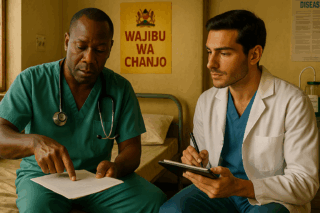
Clinical Officers (COs) in Kenya are nationally licensed mid-level medical practitioners who play a pivotal role in delivering healthcare, especially in rural and underserved communities. For aspiring Physician Assistants (PAs) interested in global health, familiarizing yourself with the Kenyan Clinical Officer profession offers valuable insight into a parallel healthcare role in a different context.
The following provides an in-depth look at the history, evolution, training, and current practice of Clinical Officers in Kenya. We also explore the health policies shaping their work and the rich learning opportunities they offer to American PA students through international internships.
Our goal is to inform and encourage future PAs to engage with Kenyan Clinical Officers as mentors and colleagues, recognizing their expertise and the cross-cultural benefits of such global medical experiences.
From Colonial Roots to Independence – A Brief Historical Background
The concept of non-physician clinicians in Kenya dates back to the late colonial period. In 1928, under British colonial rule, Kenya began training a select group of indigenous Kenyans as “Hospital Assistants” to provide basic medical care to the local population. This initiative arose out of necessity – there were virtually no indigenous Kenyan doctors at the time, and colonial medical officers were too few to serve the entire population. The colonial government aimed to fill gaps in healthcare provision for the African populace by deploying these medically trained assistants.
Over the ensuing decades, the role and training of these early clinicians underwent several changes in title and scope. In the 1940s–1960s they were often referred to as “Medical Assistants,” reflecting an expansion of their clinical duties. By the early 1960s, on the eve of Kenya’s independence (1963), they were being called “Clinical Assistants.” These practitioners were typically certificate-trained and had the authority to diagnose and treat common illnesses under the supervision of colonial medical officers.
After Kenya gained independence in 1963, the new government faced the massive task of providing healthcare to a rapidly growing population with very few physicians. Kenya established its own medical school system in the 1960s (adopting a four-year medical degree model aligned with U.S. standards) to train more doctors.
However, producing sufficient physicians would take time, and the existing mid-level clinicians were already a mainstay of care delivery. In 1969, Kenya formally recognized the cadre of “Certified Clinical Officers (CCOs)” – unifying the title for these practitioners. By around 1970, the term “Clinical Officer” (CO) came into common use as the standard title for all those trained in clinical medicine who were not doctors.
Throughout the 1970s and 1980s, the Clinical Officer profession continued to mature. Kenya opened more training schools within its borders (such as in Nakuru and Machakos) to train diploma-level Clinical Officers, marking a transition from the older certificate programs to more advanced diploma curricula.
This period saw some tension regarding the scope of practice between certificate-holding practitioners and those with the newer diploma qualifications. Both groups sought a unified career structure and more advanced training opportunities, especially as they were tasked with addressing an ever-broadening range of health issues amid physician shortages. These challenges set the stage for major professional reforms in the late 1980s.
Evolution of the Clinical Officer Profession in Kenya
The late 20th century was a transformative era for Clinical Officers in Kenya. Two key regulatory milestones solidified the profession’s status. First, in 1978, the government established the Kenya Medical Practitioners and Dentists Board (now Council), to regulate doctors and dentists. A decade later, attention turned to Clinical Officers.
1988, Parliament passed the Clinical Officers (Training, Registration and Licensing) Act, known as Cap 260. This law formally standardized the education and title of Clinical Officers and provided for a regulatory authority. The following year, in 1989, the Clinical Officers Council (COC) was constituted as the official regulatory body for the profession. The COC was charged with overseeing training institutions, licensing practitioners, and safeguarding standards of practice for Clinical Officers nationwide. This was a landmark achievement – it meant that Clinical Officers were now fully recognized under Kenyan law as a distinct professional cadre with defined qualifications and legal standing.
With formal regulation came improvements in training and career structure. The Act of 1988 (Cap 260) and the establishment of the COC helped unify the cadre, resolving much of the earlier conflict between differing qualification levels. All practitioners were now registered as “Clinical Officers” regardless of whether they had trained under the old certificate programs or the newer diploma programs.
Over time, the diploma became the baseline qualification for new Clinical Officers, and the training curriculum was standardized across institutions. By the early 2000s, Kenya had also introduced more advanced qualifications for Clinical Officers. Notably, in 2006, a Bachelor of Science in Clinical Medicine and Surgery (BSc) was introduced as an option, further expanding the educational pathway for COs. This addition allowed diploma-trained Clinical Officers to upgrade to a degree, and for high school leavers to directly pursue a four-year degree in clinical medicine.
The profession also grew significantly in numbers and scope. In the decades following independence, the Kenyan government and mission sector invested in training many Clinical Officers to staff provincial and district hospitals, health centers, and dispensaries. By the 2010s, there were dozens of accredited training programs across the country.
Presently, Kenya has 66 accredited training institutions for Clinical Officers, including 54 campuses of the Kenya Medical Training College (KMTC) and 12 universities. The number of practicing Clinical Officers has risen accordingly, from just a few hundred in the colonial days to over 20,000 by the end of 2020. In fact, as of 2020, roughly 13% of Kenya’s entire health workforce were Clinical Officers (around 22–25,000 COs), compared to about 7% (approximately 13,000) who were physicians. This reflects how greatly the cadre has expanded to meet Kenya’s healthcare needs.
With growth in numbers came an expanded scope of practice. While early Clinical Officers primarily provided basic medical treatments and first aid, today’s COs are trained to manage a wide array of conditions. They serve in general outpatient clinics, inpatient care, public health programs, and even perform certain surgical procedures.
Kenyan Clinical Officers have progressively pushed the boundaries of their practice. For instance, many COs in hospital settings routinely perform cesarean sections, hernia repairs, cataract surgeries, and other surgical tasks, especially after additional specialized training. Recognizing this reality, the Kenyan parliament updated the law in 2017, replacing the old Cap 260 with the Clinical Officers Act No. 20 of 2017.
The 2017 Act explicitly expanded the legal scope of practice for Clinical Officers, formally allowing those with the requisite training to perform surgical and other advanced procedures (such as basic surgeries in obstetrics and orthopedics). This legislative update was a testament to the evolving role of COs from purely clinical assistants to autonomous clinicians capable of providing a broad range of services.
Importantly, Kenyan clinical officers are also organized to advance their professional interests. The Kenya Clinical Officers Association (KCOA) emerged as a strong professional body advocating for COs. Through collective efforts, COs in Kenya achieved improvements in government support, salary scales, and career advancement opportunities over the years. For example, the creation of a clear Scheme of Service established a promotional ladder for Clinical Officers in the public sector, from entry-level CO to senior administrative and specialist roles. By the 2010s, the status of Clinical Officers in Kenya had improved markedly – they were relatively well-compensated (by regional standards), enjoyed civil service benefits, and had representation in policy discussions.
Kenya’s COs have even gained international recognition; they are among the few cadres of Advanced Medically Trained Clinicians (AMTCs) in Africa with members who have served in organizations like Médecins Sans Frontières (Doctors Without Borders). The evolution of the Clinical Officer profession in Kenya—from colonial-era “dressers” to formally licensed practitioners with expanding skills—stands as a model of successful health workforce development in resource-constrained settings.
Role of Clinical Officers in Kenya’s Modern Healthcare System
In today’s Kenya, Clinical Officers are truly the backbone of primary and secondary healthcare. They work across all levels of the health system: from remote village dispensaries to sub-county hospitals and even national referral facilities. However, their impact is most pronounced in rural and underserved areas, where doctors are few and the need for healthcare is greatest. Clinical Officers not only outnumber physicians in Kenya, but they also tend to be the ones staffing clinics in countryside towns and villages that might otherwise have no resident doctor. It is no exaggeration to say that without Clinical Officers, healthcare delivery in large parts of Kenya would grind to a halt.
Primary care and outpatient services are a core domain of Clinical Officers. In many government health centres and dispensaries, a Clinical Officer is the highest-trained clinician on site and thus functions much like a primary care provider. On a typical day in an outpatient clinic, a CO might see 20–30 patients, handling everything from acute infections (malaria, pneumonia, diarrheal diseases) to chronic disease management (hypertension, diabetes, HIV/AIDS).
They take patient histories, perform physical exams, order and interpret basic lab tests, diagnose illnesses, and prescribe appropriate treatments. Due to their training and experience, Clinical Officers develop excellent clinical acumen and interpersonal skills, often knowing their communities well and managing patients with a personal touch. Preventive and community health is also part of their role – COs participate in immunization clinics, maternal-child health programs, and health education campaigns at the community level. For example, a Clinical Officer might run a child welfare clinic providing vaccinations and growth monitoring, working alongside nurses (as illustrated by COs leading immunization sessions in rural child health clinics)
In hospital settings, Clinical Officers handle a wide range of responsibilities. At sub-county (district) hospitals, they often manage the outpatient department or casualty/Emergency unit and may also run inpatient wards.
Many COs perform minor surgical procedures such as wound suturing, incision and drainage, and obstetric deliveries. Moreover, those with additional training – like Registered Clinical Officer Anaesthetists, Ophthalmic Clinical Officers, or Orthopaedic Clinical Officers – become the key providers of specialized services. It is common to find a Clinical Officer Surgeon performing an emergency cesarean section at a district hospital when a doctor is unavailable, or an Ophthalmic CO conducting eye camps for cataract surgery in collaboration with visiting specialists.
These examples underscore how task-sharing is implemented: Clinical Officers take on tasks typically done by doctors, greatly extending the reach of healthcare services. Crucially, this is done within a regulated framework – COs are trained and certified for these roles, ensuring patient safety and quality of care.
Hallmark Contributions
One of the hallmark contributions of Clinical Officers is their service in remote and marginalized regions. In arid northern Kenya or poor peri-urban slums, for instance, a lone Clinical Officer might be running a small clinic or dispensary. Such a clinic provides essential medical care, treating illnesses, offering antenatal care, and referring severe cases appropriately. Consider Turkana County in Kenya’s north: health facilities are sparse and far apart. A Clinical Officer posted to a place like Naipekar Dispensary (a tiny outpost clinic) is literally the community’s doctor.
With limited resources (often just basic medicines and perhaps a microscope for malaria tests), the CO manages everything possible on-site and coordinates referrals for what they cannot handle. Their presence means that residents can access care locally instead of traveling days to a hospital. In recent years, innovative models like mobile clinics and NGO-led medical safaris (e.g. Safari Doctors in Lamu) frequently rely on Clinical Officers to staff their teams. These COs navigate challenging environments – from boat clinics serving coastal islands to mobile camps in conflict-prone areas – delivering immunizations, prenatal check-ups, and treatments to communities on the margins.
Management and Leadership
Beyond direct patient care, senior Clinical Officers take on health management and leadership roles. Experienced COs often become facility in-charges, overseeing health center operations and supervising other staff. They manage drug supplies, health information reporting, and implementation of public health programs at their facilities. In Kenya’s devolved county health system, some Clinical Officers rise to become sub-county heads of medical services or hold advisory positions in county health departments, contributing to local health policy decisions.
The profession’s leadership is also evident through the Kenya Clinical Officers Association and the Kenya Union of Clinical Officers, which have been vocal in national discussions on health workforce and policy. For example, CO representatives have advocated for policies like task-sharing guidelines to legitimize and expand their scope, and they have engaged with the Ministry of Health on strategic areas such as HIV care and Universal Health Coverage (UHC) plans.
Clinical Officers in Kenya serve as frontline providers of healthcare. They function in a capacity very analogous to PAs in the United States – evaluating patients, making clinical decisions, and providing treatments – but often with a higher degree of autonomy due to the scarcity of physicians in many settings.
Their role is deeply ingrained in Kenya’s healthcare delivery structure. From combating infectious diseases to addressing maternal and child health needs, from running outpatient clinics to assisting in surgeries, Clinical Officers are indispensable. The Kenyan health system’s resilience in the face of workforce shortages is largely attributable to this cadre. As one Kenyan Clinical Officer put it, the system would “grind to a halt” without the COs’ contributions, a testament to the magnitude of their role.
Training, Curriculum and Licensure of Clinical Officers
Education and Curriculum: The training pathway for Clinical Officers in Kenya is multifaceted. Traditionally, the foundation was the Diploma in Clinical Medicine & Surgery, offered at numerous medical training colleges. This remains a common route today. The diploma program is 3 years of full-time coursework and clinical rotations. Students enter directly after secondary school (high school), provided they meet minimum entry requirements (typically good grades in sciences).
The curriculum of the diploma is akin to a condensed medical school program. It covers basic sciences (anatomy, physiology, pharmacology, microbiology), clinical sciences (internal medicine, pediatrics, surgery, obstetrics & gynecology, community health), and includes extensive practical training. Diploma CO students spend a significant portion of their training in clinical attachments at hospitals and health centers, rotating through wards and outpatient departments under supervision.
By the final year, they are diagnosing and treating patients under the guidance of qualified clinicians. A notable feature of CO training is early hands-on exposure – students begin seeing patients relatively early in the program, which helps them develop strong clinical and communication skills. This practical focus produces graduates confident in primary care management upon qualification.
Structured Curriculum
Since 2006, several Kenyan universities have established an alternative Bachelor’s degree (BSc) in Clinical Medicine and Community Health. The BSc program is generally four years of academic study, followed by a clinical internship. The degree curriculum delves into research, advanced clinical management, and public health. Many BSc programs still cover the same core clinical rotations as the diploma, but with additional coursework in epidemiology, leadership, and health systems.
The Clinical Officers Council administers or moderates examinations in both diploma and degree tracks to maintain consistent standards. By the end of training, all students must pass a comprehensive pre-internship examination administered by the COC. This exam tests medical knowledge and clinical skills to ensure graduates are safe to enter the workforce as trainees. The exam and standardized curriculum help uphold quality across the many training institutions.
Internship and Licensure
Graduates are provisionally registered to undertake a mandatory internship after completing the academic program (diploma or degree) and passing the COC exam. For Clinical Officers, internship is a one-year supervised practical training period required by law. During this year, the graduate works under supervision in accredited hospitals, rotating through major departments (Medicine, Pediatrics, Surgery, Reproductive Health, and Community Health). The internship allows new Clinical Officers to refine their skills and gain confidence while being mentored by senior clinicians (who may be doctors or experienced COs). Satisfactory completion of the internship is a prerequisite for full licensure. The Clinical Officers Council closely monitors internships; interns keep logbooks and are assessed at the end of each rotation.
Upon successful completion of internship, the individual becomes a Registered Clinical Officer (RCO) and is issued a practicing license by the Clinical Officers Council. The COC maintains a register of all licensed COs in the country. Practicing licenses must be renewed periodically (usually annually), and renewal is contingent on meeting Continuing Professional Development (CPD) requirements. Kenya’s COC, like medical boards elsewhere, requires Clinical Officers to engage in ongoing learning – attending workshops, short courses, or conferences – to update their medical knowledge. CPD compliance is checked before license renewal. Unlike PAs in the U.S., Kenyan Clinical Officers currently do not have to take a periodic re-certification exam; once licensed, they maintain certification through practice and CPD rather than re-examination.
Clinical Officers can also pursue higher qualifications to specialize or advance their careers. One common path is enrolling in a Higher Diploma (post-basic specialization) program. These programs, typically 1½ to 2 years long, serve as a “residency” of sorts in a focused field. Accredited higher diploma courses exist in areas such as Pediatrics & Child Health, Anesthesia, Ophthalmology (Eye Health), Ear-Nose-Throat (ENT) surgery, Orthopedics & Trauma, Dermatology, Reproductive Health, Oncology, and more.
For example, a Clinical Officer who wants to specialize in anesthesia can undertake a higher diploma in anesthesiology; on completion, they become a Registered Clinical Officer Anesthetist qualified to provide anesthesia services. These specialist COs are critical for staffing specific services (e.g. CO anesthetists handle many surgeries in rural hospitals). The internship for a higher diploma is 6 months of hands-on training in the specialty, after which the CO is authorized to practice in that specialty.
Academic progression is also possible. Increasingly, diploma-qualified Clinical Officers “upgrade” by obtaining a BSc degree (many universities offer in-service programs allowing COs to earn a bachelor’s in 2–3 years of part-time study). Some go further to pursue Master’s degrees (MSc) in fields like Public Health, Health Systems Management, or Clinical Medicine (certain universities offer an MSc in disciplines like Family Medicine for Clinical Officers).
A small number have even attained PhDs in health-related fields and taken up roles in research or academia. An illustrative career trajectory is that of Dr. Joseph Choge – he started as a diploma Clinical Officer, did a higher diploma in pediatrics, later obtained a BSc, then a Master’s and PhD in Parasitology, and ultimately became a university professor of clinical medicine. This shows that for ambitious Clinical Officers, there are pathways to advance academically and professionally.
Career Structure
In the public (government) sector, Clinical Officers have a defined career structure upon licensure. They typically enter as a General Clinical Officer at job entry grade. With experience and additional training, they can be promoted to Senior Clinical Officer, then to Principal Clinical Officer, and onward up the ranks. Senior-most Clinical Officers may head departments or programs (e.g., a County Clinical Officer for a certain service).
Those with specialized training hold titles reflecting their specialty (e.g., Ophthalmic Clinical Officer, Anesthesist Clinical Officer) and often supervise others in that domain. In private practice, Kenyan Clinical Officers are also allowed to operate clinics. The COC issues Private Practice Licenses to qualified COs who wish to open and run private clinics. They must meet certain criteria (years of experience, etc.) to ensure they can safely practice independently. Many experienced COs have founded clinics or medical centers that provide affordable care, especially in peri-urban areas where healthcare demand is high.
Throughout their training and licensure, Clinical Officers are guided and regulated by their Council and supported by their professional association. The training curriculum is competency-based and continuously updated to respond to Kenya’s health needs (for instance, adding more on non-communicable diseases management as those become more common).
By the time a Clinical Officer is fully licensed, they have at minimum 7 years of combined education and supervised experience (3-year diploma + 1-year internship + 3-year supervised initial practice) – comparable to the training timeline of a PA (who has ~6–7 years including undergraduate studies). This extensive preparation enables COs to confidently handle patient care. For an American PA student or graduate observing Kenyan Clinical Officers, the training background of the COs will likely feel familiar in breadth of coverage, albeit entered through a different educational route.
Health Policy, Task-Shifting and Integration into National Health Strategies
Kenya’s healthcare policies and strategies have long recognized and leveraged the importance of Clinical Officers. Facing a chronic shortage of physicians (as is common in many sub-Saharan African countries), Kenya was an early adopter of task-shifting and task-sharing – the idea of redistributing clinical tasks to health workers with shorter training in order to improve access to services.
The World Health Organization has advocated such approaches to address human resource gaps, especially to achieve goals like universal health coverage. In Kenya, Clinical Officers are the cornerstone of these task-sharing efforts. By training COs to perform tasks such as primary care consultations, emergency obstetric care, and management of common diseases, the country extends healthcare to millions who might otherwise not have any provider.
The government’s commitment to the Clinical Officer cadre is evident in its planning documents. For instance, the Kenya Health Sector Human Resources Strategy explicitly calls for scaling up training of mid-level cadres (nurses and Clinical Officers) to meet healthcare demand. Kenya’s Vision 2030 and health sector strategic plans emphasize equitable access to healthcare – a goal unattainable without the network of Clinical Officers in far-flung areas. In 2018, President Uhuru Kenyatta declared Universal Health Coverage (UHC) as one of the “Big Four Agenda” priorities.
At that time, Kenya’s health workforce statistics underscored the need to empower Clinical Officers. There were only about 8,600 doctors compared to 8,600+ Clinical Officers in the public sector, meaning COs were already a larger group to mobilize for UHC. The government subsequently hired additional Clinical Officers and posted them to understaffed facilities as part of the UHC pilot programs in 2018–2019. The transformative potential of Clinical Officers is clear – by being more rapidly trainable than doctors and more evenly distributed, they are critical to expanding primary healthcare services.
Task-shifting policies
In recent years, Kenya undertook a formal process to develop Task Sharing Guidelines (2017) to further clarify and legitimize the roles of various cadres in providing services traditionally reserved for doctors.
These guidelines, developed with input from the Ministry of Health and professional bodies, identified specific tasks (like HIV testing, management of stable HIV patients, nurse-led management of non-communicable diseases, etc.) that could be shared among cadres including Clinical Officers and nurses. The idea was to optimize the health workforce by allowing “more widely available cadres, such as Clinical Officers, to perform tasks” in areas where physician numbers are limited, referred to as task shifting.
One concrete example is in maternal health: Kenya’s policy has for years permitted trained Clinical Officers to perform emergency obstetric surgeries (like C-sections) in rural hospitals lacking obstetricians, a life-saving policy for maternal care. Another example is in HIV/AIDS care – Clinical Officers underwent additional training to become ART (antiretroviral therapy) providers, enabling Kenya’s massive HIV treatment program to succeed by decentralizing care to clinics.
The task-sharing guidelines of 2017 sought to institutionalize such practices across various health needs. (It’s worth noting that implementation of these guidelines met some legal hurdles – e.g., lab technologists challenged certain aspects – but the overall policy direction of empowering COs and other mid-levels remains in place.)
Decentralization (Devolution)
Kenya’s 2010 Constitution devolved health service management to 47 county governments. Under this devolution (implemented from 2013 onward), counties became responsible for hiring and managing most healthcare personnel. This had significant implications for Clinical Officers. Many countries, especially poorer or more rural ones, rely heavily on COs because they are more affordable to employ than doctors and are willing to serve in remote posts (often being natives of those areas themselves).
County health budgets often prioritize recruiting Clinical Officers to staff local facilities. Devolution also allowed counties to innovate with their workforce – for example, some counties created “medical outreach” teams staffed by Clinical Officers to regularly visit hard-to-reach communities. The Kenya Clinical Officers Association engaged with the Council of Governors (the body representing county governments) to ensure that COs’ roles were recognized in county health plans.
Moreover, with devolution, some counties upgraded former dispensaries into health centres by posting a Clinical Officer there (since a CO can offer a wider range of services and oversight). This policy of upgrading facilities via deploying COs has improved service availability. However, devolution also led to some disparities – variations in how well different counties support and utilize Clinical Officers. Nationally, the Ministry of Health still works closely with the Clinical Officers Council to maintain training standards and registration, ensuring that despite local management, the cadre remains uniformly competent.
Integration into National Strategies
Clinical Officers are integral to virtually all national health programs in Kenya. In HIV care, as mentioned, thousands of COs underwent training in comprehensive HIV management and now serve as the primary clinicians in many HIV clinics, handling everything from initiating ART to managing opportunistic infections. In malaria control, COs in endemic regions lead case management and surveillance activities.
In maternal and child health, they run antenatal clinics, deliver babies (especially in health centers), and manage common pediatric illnesses – contributing directly to improved maternal/child health indicators. The push towards Universal Health Coverage has further elevated the role of COs. Under UHC pilot counties, services at primary care facilities were offered free, leading to increased patient attendance.
Clinical Officers, who staff most of these primary care facilities, found themselves treating more patients than ever, demonstrating their capacity to absorb greater service delivery when financial barriers for patients were removed. Lessons from those pilots reinforced that investing in more Clinical Officers and supporting their work environment (with supplies, continuous training, etc.) is a cost-effective way to expand healthcare access.
Kenya’s health policy environment has also encouraged career development and retention of Clinical Officers as a strategy to retain talent in the public sector. Schemes such as sponsorship of higher diploma courses or continuing education for COs, and inclusion of experienced COs in management roles, help keep them motivated and tied into the system.
This is crucial because migration of health workers (“brain drain”) is an issue in many African countries. Kenya has largely been able to retain its Clinical Officers by providing them a viable professional growth path at home. In fact, Kenya’s model is now studied by other countries as a successful example of utilizing “non-physician clinicians” to strengthen health systems.
Kenyan health policy and strategy treat Clinical Officers not as stop-gap workers but as fundamental building blocks of the health system. By institutionalizing their training, expanding their scope through legislation, and integrating them into every level of healthcare delivery, Kenya has shown how mid-level practitioners can dramatically improve healthcare coverage. For an international observer, it’s clear that Clinical Officers in Kenya are a linchpin in achieving public health goals, and their effective use is a key lesson in health system design.
Cross-Cultural Learning: Value of Kenyan Clinical Officers for PA Internships
For American PA students or recent graduates, undertaking an international rotation in Kenya can be a profoundly enriching experience. Working alongside Kenyan Clinical Officers offers a unique form of cross-cultural medical education, wherein both the PA student and the Kenyan clinicians learn from each other. Here are several dimensions of the value that Clinical Officers provide to PA interns:
Diverse Clinical Exposure
Kenya’s disease burden and healthcare environment differ from those in the United States. During an internship in Kenya, PA students will encounter rare medical conditions back home. For example, a Clinical Officer in a rural clinic may manage cases of malaria, tuberculosis, typhoid fever, or malnutrition daily. They also handle advanced presentations of chronic diseases that, due to later presentation, manifest with complications less often seen in the U.S.
By shadowing and assisting COs, PA interns gain firsthand exposure to tropical and infectious diseases, learning how to diagnose and treat them with limited resources. They might see a child with cerebral malaria, a young adult with untreated HIV/TB co-infection, or an obstetric emergency like obstructed labor – all under the guidance of seasoned Clinical Officers who have managed these conditions for years.
This breadth of pathology expands the PA students’ clinical competence and adaptability. As one American PA who volunteered in Kenya observed, the experience can highlight stark differences in disease epidemiology and also the ingenuity of local clinicians in handling cases with minimal technology.
Resourcefulness and Clinical Problem-Solving
A hallmark of Clinical Officers is their ability to provide effective care in resource-limited settings. Many work in facilities with basic labs, no advanced imaging like CT/MRI, and intermittent supplies of medications. PA interns working with COs will witness how thorough history-taking and physical exam skills are leveraged to make diagnoses when high-tech diagnostics are unavailable.
They’ll observe Clinical Officers improvising solutions – using creative bandaging for lack of supplies, or repurposing available medications to fit patient needs. This nurtures a kind of clinical creativity and problem-solving ability in the PA student. It reinforces the importance of strong fundamental clinical skills, which is a valuable lesson to bring back to practice in the U.S. Indeed, many PA interns return with a deep appreciation for practicing the “art of medicine” without over-reliance on tests, having seen their CO mentors manage complex cases with keen diagnostic acumen and judicious use of limited tests. Such experiences can boost the PA’s confidence in handling situations where one must rely on clinical judgment.
Cross-Cultural Communication and Compassion
Interning in a Kenyan clinic under a Clinical Officer’s wing also hones cross-cultural communication skills. Clinical Officers are adept at navigating cultural norms and local languages/dialects to communicate health concepts to patients. PA students will learn from them how to explain conditions and treatments in simple terms, sometimes through translators or by picking up some Swahili phrases.
They also observe the deep trust and rapport COs often have with their patients – many COs are from the communities they serve, which teaches the PA student about community-connected care. By immersing in this setting, PA interns often develop greater cultural sensitivity, humility, and adaptability in patient interactions. Additionally, experiencing the resilience and optimism of patients and providers in a resource-poor setting can be inspiring. It often rekindles one’s passion for service and reminds future PAs why they entered healthcare – to help those in need, irrespective of where they are.
Mentorship and Leadership by Example
Many Kenyan Clinical Officers have decades of experience and have essentially been doing the work of primary care providers or even general physicians in their communities. For a PA student, being mentored by such a CO is akin to apprenticing under a master clinician who has seen it all.
The CO teaches not only medicine but also leadership in healthcare delivery. PA interns will notice how a Clinical Officer manages the healthcare team – often supervising nurses, community health workers, and support staff – to keep a clinic running smoothly. They’ll see COs making critical decisions, triaging limited resources (for example, deciding which referrals are most urgent given scarce ambulance availability), and coordinating public health activities like immunization drives or antenatal class outreach.
This is invaluable exposure to healthcare leadership in action, in a low-resource context. It can shape the PA student’s own leadership skills, showing them how to stay calm under pressure, make do with what’s available, and prioritize patient care above all. Many PA interns describe Kenyan Clinical Officers as inspirational figures – professionals who shoulder enormous responsibility with competence and grace.
Bidirectional Learning and Respect
It is important to note that the learning is two-way. Clinical Officers also benefit from interacting with PA students. The American PA trainees bring fresh perspectives, updated medical knowledge, and can share techniques or guidelines from the U.S. This collegial exchange can introduce COs to new ideas (for instance, a PA student might share insights on the latest diabetic foot care practices or demonstrate an app for clinical reference that the CO finds useful). Such exchange fosters a sense of global medical fraternity.
Crucially, PA interns learn the value of respecting locally trained clinicians as peers. A Kenyan Clinical Officer’s training and scope may not be identical to a U.S. PA’s, but both have substantial medical expertise. By working side-by-side, PA students quickly overcome any preconceived notions and recognize that Kenyan Clinical Officers are highly skilled professionals, many of whom can manage conditions and scenarios that the PA student has yet to encounter. This mutual respect and teamwork embody the spirit of global health collaboration, and PA interns carry that outlook into their future careers, making them better team players and advocates for health workforce collaboration.
A rotation with Clinical Officers in Kenya can be transformational for a PA student. They gain clinical exposure to diseases of poverty, learn to practice in challenging settings, and develop cultural competence. They also often form personal bonds with their CO mentors, who serve as role models of dedication and compassion.
These experiences can shape the PA’s clinical practice philosophy, emphasizing resource stewardship, adaptability, and the human connection in healing. Many PA students return from Kenya with a renewed commitment to underserved care and a broadened worldview of medicine. They also become informal ambassadors, sharing with classmates and colleagues in the U.S. about the important role of Clinical Officers and how much PAs can learn from global health contexts.
International Medical Aid Pre-PA and PA Internships: Bridging Learning and Practice
International Medical Aid’s pre-PA Internships and PA Internships in Kenya provide structured, hands-on rotations under the direct supervision of seasoned Clinical Officers. During these Physician Associate Internships, interns are fully embedded within local clinics and hospitals—assisting with patient histories, performing physical exams, and participating in case discussions alongside Clinical Officers.
By the end of a pre-PA Internship, participants have:
- Familiarity with Kenyan protocols and treatment algorithms for endemic diseases.
- Confidence in resource-limited decision-making, having witnessed COs manage emergencies without advanced imaging or labs.
- Enhanced cultural competence, through guided patient interactions facilitated by CO mentors.
In the subsequent PA Internship, interns progressively assume greater responsibility—triaging patients in outpatient wards, co-managing chronic disease clinics, and even assisting in emergency obstetric care. Clinical Officers actively debrief each shift, translating local public health priorities into actionable clinical lessons. This apprenticeship model cultivates the same mastery of adaptable, patient-centered care that is the hallmark of both Kenyan COs and U.S. PAs.
Over 90 percent of past interns report that International Medical Aid’s Physician Associate Internships transformed their clinical approach—strengthening physical exam skills, reinforcing judicious use of diagnostics, and instilling a service ethos rooted in community trust. By learning directly from COs who are both clinicians and health-system leaders, PA students return home better prepared for the realities of U.S. practice and global health engagement.
Comparing Kenyan Clinical Officers and U.S. Physician Assistants
While Clinical Officers in Kenya and Physician Assistants in the United States arise from different healthcare systems, there are striking parallels between the two roles. Both are mid-level practitioners with extensive medical training who diagnose and treat patients, often serving as extensions of physician-provided care. However, there are differences in their education pathways, regulation, and practice context. The following table provides a comparative overview:
| Aspect | Kenya: Clinical Officer (CO) | United States: Physician Assistant (PA) |
|---|---|---|
| Education & Training | Diploma in Clinical Medicine (3 years) or Bachelor’s degree (4 years) in Clinical Medicine, followed by 1 year of mandatory internship. Training is focused on medical sciences and clinical rotations from early on. Students enter post-high school (no prior degree required) and undergo intensive hands-on training in hospitals and clinics. | Master’s degree from an accredited PA program (approximately 2–3 years post-bachelor’s). Applicants must complete ~4 years undergraduate (with prerequisites in sciences) before PA school. PA programs include didactic coursework in basic and clinical sciences and over 2,000 hours of clinical rotations in various specialties. |
| Certification & Licensure | Must pass a national Clinical Officers Council (COC) exam at end of training (pre-internship exam) to enter internship. After internship, gets licensed by COC as a Registered Clinical Officer. License renewal requires Continuing Professional Development (CPD) but no periodic re-exam. COC regulates education, licensing, and practice standards. | Must pass the PANCE (Physician Assistant National Certifying Exam) by NCCPA to become certified (PA-C). Then obtain state licensure to practice. Maintenance of certification requires 100 CME hours every 2 years and passing a recertification exam (PANRE) every 10 years (per NCCPA) in most cases. State Medical Boards (often in conjunction with a Board of Physician Assistants) oversee licensure. |
| Scope of Practice | Provides a wide range of medical services: evaluating patients, diagnosing illnesses, prescribing medications, and performing procedures. Scope encompasses primary care and, with additional training, specialized services (e.g. anesthesia, minor surgery, ophthalmology). Clinical Officers often serve as the lead clinician in clinics/hospitals, especially in rural areas. They can independently run health centers and even perform emergency surgeries (e.g. C-sections) if trained. Prescriptive authority is full for essential medicines as defined by Kenyan law. | Provides medical services including history-taking, physical exams, diagnosing, ordering/interpreting tests, developing treatment plans, and prescribing medications. PAs practice medicine in collaboration with physicians – their scope is determined by the supervising/collaborating physician’s scope and state law. They work in all medical specialties (primary care, surgery, etc.) but do not perform major surgery independently (they assist in surgery). PAs have prescriptive authority in all 50 states (including controlled substances in most states) under physician oversight. |
| Autonomy & Supervision | Legally, Clinical Officers practice as independent licensed practitioners, expected to consult/refer to physicians for complex cases beyond their scope. In practice, COs often work with considerable autonomy, especially at facilities where no physician is present. They can open private clinics with a license. In hospitals, they work in teams with doctors, but may also run departments (e.g., a CO might head the casualty/emergency unit or serve as acting medical officer in charge). The 2017 Act and task-sharing policies support their autonomous performance of certain duties in underserved areas. | PAs are licensed to practice medicine with physician collaboration. They are not independent practitioners (though the degree of supervision varies by state; some states now use terms like collaboration rather than direct supervision). A physician typically reviews a PA’s patient charts, and in some settings physician oversight is general rather than on-site. PAs cannot operate independent clinics without physician partners; their role is designed to extend physician services. That said, experienced PAs often exercise a high level of autonomy in day-to-day patient care, making clinical decisions and only consulting physicians for complex or unfamiliar cases. |
| Regulatory Body & Professional Representation | Regulated by the Clinical Officers Council (a statutory body established by Act of Parliament) which sets training standards, maintains the register, and disciplines practitioners. Professional advocacy is through bodies like the Kenya Clinical Officers Association (KCOA) and Kenya Union of Clinical Officers, which work with government on welfare, career structure, and scope of practice issues. | Regulated by state-level boards (usually the State Medical Board or a dedicated PA Board in some states). National certification is through the independent NCCPA. Professional representation is through the American Academy of PAs (AAPA) at the national level and state PA chapters, which advocate for PA-friendly legislation (e.g., optimal team practice laws) and regulation. The AAPA and affiliated organizations work to expand PA scope and autonomy within the healthcare team model. |
Despite these differences, it is notable how functionally similar Clinical Officers and Physician Assistants are. Both are trained in the medical model to provide diagnostic, therapeutic, and preventive healthcare services. In daily practice, a Kenyan patient seeing a Clinical Officer in a clinic is receiving a very analogous service to an American patient seeing a PA in a family practice – both patients are getting evaluated and treated by a competent clinician who is not a physician but has significant medical expertise.
It’s also important to avoid any notion that one role is “inferior” to the other. Kenyan Clinical Officers have a wealth of clinical experience and shoulder responsibilities out of necessity that often exceed what PAs in the U.S. are legally permitted to do. For instance, a rural Clinical Officer may independently manage an inpatient ward or perform surgeries, showcasing a level of practice authority granted by Kenya’s context and laws.
On the other hand, PAs undergo a standardized graduate-level education with required prior college education, and typically have exposure to a broader array of medical technology and subspecialties during training. But fundamentally, both COs and PAs are vital physician-extender cadres, improving patient access to care. Each operates within the regulatory and health system framework of their country.
Recognizing these parallels for a PA considering work or internship in Kenya fosters mutual respect. Clinical Officers, like PAs, value teamwork, lifelong learning, and patient-centered care. There have been instances of Kenyan COs becoming PAs in the U.S. (after further education) and American PAs getting licensed as Clinical Officers in Kenya, underscoring the compatibility of the roles.
Both professions emerged historically to address doctor shortages – PAs in the mid-1960s U.S. to expand healthcare access, and COs many decades earlier in Kenya under colonial pressures. Today, each continues to adapt – PAs pushing boundaries in states for more autonomy, and COs expanding their scope through new legislation and advanced diplomas.
While training structures and legal frameworks differ, Kenyan Clinical Officers and U.S. Physician Assistants share a mission of providing quality medical care as part of a physician-led (or sometimes physician-substitute) model. They exemplify how mid-level practitioners can significantly enhance a health system’s capacity. The comparative understanding of these roles enriches a PA’s perspective, especially in global health practice.
Additional Reading
For those interested in diving deeper into topics related to PA training, career development, and global health experiences, we recommend the following articles from International Medical Aid:
- How to Strengthen Your PA School Application Beyond GRE Scores
Explore practical strategies to bolster your PA school candidacy beyond test scores—covering ways to gain meaningful clinical exposure, secure strong recommendations, and demonstrate your commitment to the profession through volunteer work and leadership roles. - 2024 AAPA Salary Report: How Much Do PAs Earn in 2024?
Get the latest data on Physician Assistant compensation trends, including average salaries by specialty and region, factors that influence earnings, and tips for negotiating a competitive package. - History and Development of Physician Assistants in Kenya
Learn how the PA role emerged and evolved in Kenya, from early training programs to formal regulation—an essential complement to understanding the parallels and distinctions between PAs and Kenyan Clinical Officers. - Physician Assistant School Cost: The Definitive Guide
Break down the full expense picture of PA education, including tuition, fees, and living costs, plus advice on scholarships, loans, and budgeting to make your degree as affordable as possible. - Are Medical Mission Trips Worth It?
Weigh the benefits and challenges of short-term global health experiences—from real-world clinical learning to ethical considerations—to decide if a mission trip fits your personal and professional goals. - What Are the Benefits of Getting a Job in Healthcare?
Discover why a career in healthcare offers more than just stable employment—covering opportunities for growth, lifelong learning, impact on patient lives, and transferable skills that serve you in any setting.
Final Thoughts
Kenya’s Clinical Officers are a remarkable example of how a country can develop its own cadre of highly skilled medical providers to meet the healthcare needs of its people. From their humble origins in the colonial era to their modern status as licensed professionals central to the health system, Clinical Officers have proven their worth through decades of dedicated service. They have evolved through robust training programs, fought for regulatory recognition, and now stand as linchpins in delivering care to millions of Kenyans.
For prospective Physician Assistants, especially those drawn to global health, Kenyan Clinical Officers’ story is inspiring and instructive. Working with COs in Kenya through an international internship offers a chance to step into a different healthcare reality – one where creativity and clinical acumen often substitute for advanced technology, and where a practitioner’s roles may span primary care physician, emergency first responder, and health educator all in the same day.
Such experiences can significantly broaden clinical skills and cultural competence. Under the mentorship of Clinical Officers, PA students witness exemplary leadership and resourcefulness that can shape their future practice. They also become part of a mutual exchange, sharing knowledge and forging bonds that exemplify the best cross-cultural collaboration in medicine.
In contemplating the differences and similarities between Clinical Officers and PAs, one sees kindred professions striving towards the same goal: improving patient access to quality healthcare. Neither role is “second-class” – both are agile, capable roles that extend the reach of healthcare in their respective systems.
As healthcare challenges become increasingly global, the PA community can look to peers like Kenya’s Clinical Officers for innovative approaches to primary care, task-sharing, and community engagement. Likewise, Kenyan COs benefit from exchange with international counterparts, staying abreast of global medical advances.
For a future PA, choosing to intern in Kenya is stepping outside one’s comfort zone and learning in an environment that will test and grow your abilities. You will return with clinical pearls (how to diagnose anemia without a lab, how to splint a fracture with minimal tools, how to triage under pressure) and a deep appreciation for the dedication of clinicians who serve in resource-limited settings. You’ll have seen firsthand the impact of well-trained Clinical Officers on communities, reducing morbidity and mortality by simply being there to provide competent care. This perspective will make you a more adaptable, compassionate, and globally conscious provider.
In closing, the narrative of Clinical Officers in Kenya is a success story of health workforce innovation. It teaches us that mid-level practitioners can transform a health system with sound policy support and proper training. For the prospective PA reading this, may this comprehensive overview encourage you to explore global health opportunities and to approach them with humility and eagerness to learn. Spending time in Kenya with Clinical Officers might just be one of the most rewarding chapters in your medical journey – one that equips you with skills and insights that last a lifetime and solidifies your calling to serve humanity through medicine, no matter where you are.