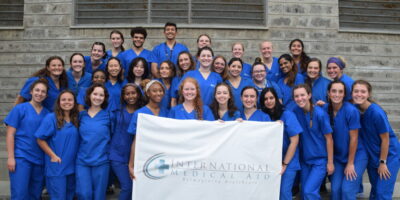
Global health internships have become increasingly popular among pre-health students. Many see these experiences as opportunities to expand clinical knowledge, build cultural awareness, and strengthen applications for medical school, PA, or nursing school. Yet not every program operates with the same commitment to ethical standards. Some prioritize student participation over patient safety, while others lack proper oversight or meaningful collaboration with local communities.
International Medical Aid (IMA) is addressing this issue directly at the UC Davis Pre-Health Conference in October. Our workshop, Ethical Engagement in Global Health: What Every Pre-Health Student Should Know About Responsible Clinical Internships, will be led by IMA staff, directors, and alumni. Attendees can also pick up exclusive free merchandise during the conference.
The Importance of Ethics in Global Health
Participating in global health work carries a responsibility beyond the classroom. Students often travel with the hope of learning, but the real lives of patients and families are at stake. Even if unintentional, missteps can cause harm, disrupt local healthcare delivery, or create mistrust in communities.
Ethics in global health involve more than just following rules. They involve respecting cultural norms, safeguarding patient dignity, and ensuring that learning does not come at the expense of vulnerable populations. Responsible programs prioritize these values and ensure that students are supported by licensed providers.
The Shift Toward Responsible Clinical Internships
A decade ago, “voluntourism” was a common term in global health. Well-meaning students would travel abroad to volunteer, often with little training and minimal oversight. While intentions may have been good, the lack of structure sometimes created more problems than solutions.
Today, the focus has shifted toward sustainability and reciprocity. Ethical internships prioritize long-term partnerships with local hospitals and clinics, invest in community well-being, and ensure that students contribute meaningfully within their scope of training. This shift helps protect patients and makes student experiences more credible when applying to advanced degree programs.
Common Pitfalls in Global Health Internships
Not all global health internships are created with the same care and accountability. Some of the most common problems include:
- Lack of proper supervision and training. Students are sometimes left to observe or even perform tasks without appropriate guidance.
- Scope of practice violations. In some programs, students are encouraged to take on responsibilities that belong to trained providers. This is unsafe and ethically unacceptable.
- Short-term engagement with no lasting benefit. Programs that cycle through students without building long-term infrastructure or relationships can drain resources from local systems.
- Overemphasis on the student experience. When the program’s marketing centers on what the student “gets” instead of what communities gain, it’s a red flag.
Recognizing these pitfalls helps pre-health students avoid programs that could harm both their professional reputation and the communities they intend to serve.
Core Principles of Ethical Engagement
Respect for Patients and Communities
At the heart of global health ethics is respect. Patients should never be treated as teaching material or as a means for students to gain clinical hours. Every interaction must be grounded in dignity, consent, and cultural awareness. Responsible programs teach students how to engage appropriately and recognize when their presence may not be helpful.
Supervision and Scope of Practice
Pre-health students are not licensed providers. Ethical programs clarify that distinction and place students in settings where they can learn under supervision. Observing procedures, assisting with non-clinical tasks, and shadowing experienced providers are valuable ways to gain insight without overstepping professional boundaries.
Sustainability and Reciprocity
A truly ethical internship benefits everyone involved. Host hospitals and clinics should receive long-term support, not just temporary help. As a result of the partnership, communities should see measurable improvements in access to care, education, or resources. Students should contribute within a structure that enhances, not disrupts, local health systems.
Transparency and Accountability
Responsible programs set clear expectations. Students know what they can and cannot do, how supervision works, and what kind of impact the program has on the host community. Transparency also extends to finances: where tuition fees go, how communities benefit, and how the program measures success.
How to Evaluate Global Health Programs as a Student
Choosing the right program requires asking the right questions.
Questions to Ask Before Applying
- Who supervises students during clinical activities?
- What kind of orientation or pre-departure training is provided?
- How long has the organization worked with its host institutions?
- How are patient safety and community needs prioritized?
Red Flags of Unethical Programs
- Promises of “hands-on clinical work” without proper context.
- No mention of long-term community partnerships.
- Lack of information about supervision or scope of practice.
- Marketing that focuses only on the student experience.
These warning signs indicate that the program may prioritize quick enrollment over responsible engagement.
Why Responsible Engagement Strengthens Your Future Career
Ethical engagement isn’t just about doing the right thing—it also has a direct impact on your professional future.
Admissions committees are increasingly attentive to how applicants describe their global health experiences. A resume filled with unsupervised procedures may raise concerns rather than impress. On the other hand, responsible, supervised internships that demonstrate cultural humility and respect for patients carry weight with evaluators.
By choosing carefully, you not only protect patients and communities but also show that you understand the responsibilities of a future healthcare professional.
IMA’s Approach to Ethical Global Health Internships
International Medical Aid has built its programs with these values at the core.
- Supervision by licensed providers. Students observe and learn in structured settings under the guidance of physicians, PAs, nurses, and other professionals.
- Comprehensive training. Pre-departure sessions prepare students for cultural engagement and ethical responsibilities.
- Sustainable partnerships. IMA works with hospitals and clinics in East Africa and South America that have hosted interns for years.
- Balanced experience. Students gain exposure to diverse medical settings while ensuring patient care remains the first priority.
- Alumni engagement. Former participants share their experiences and insights, creating a cycle of mentorship and accountability.
When pre-health students look for global health experiences, they often find an overwhelming number of programs that vary widely in quality and accountability. Some are built on strong partnerships with hospitals and clinics, while others exist primarily to attract tuition without safeguarding patients or communities. IMA has long recognized the importance of ethical engagement in global health, and its programs are designed around principles that protect patients, support local institutions, and provide students with meaningful, supervised experiences.
Supervision by Licensed Providers
One of the most important elements of an ethical internship is clear supervision. IMA programs place students in structured settings under the guidance of licensed physicians, physician assistants, nurses, and other healthcare professionals. This ensures that interns observe, learn, and participate in a way that is consistent with their training level.
For pre-health students, this means exposure to real-world medicine without crossing professional boundaries. Instead of being pushed into clinical tasks they are not qualified to handle, interns shadow providers, assist with non-clinical tasks, and engage in educational sessions designed to deepen their understanding. Patients remain safe, and students gain confidence knowing their role is appropriate and supported.
Comprehensive Training
Preparation begins before students arrive on site. IMA requires pre-departure training sessions that cover both cultural and ethical responsibilities. These sessions introduce the host country’s healthcare systems, explain students’ roles, and set clear expectations for conduct and professionalism.
Cultural engagement is a core focus of training. Students learn to interact respectfully with patients, families, and local staff. Ethical scenarios are discussed in advance so interns can recognize potential challenges and respond appropriately. When they arrive at their placement, participants understand the importance of humility, cultural awareness, and patient-centered care.
Sustainable Partnerships
Unlike short-term volunteer projects that come and go, IMA invests in long-standing relationships with hospitals and clinics in East Africa and South America. Many of these partnerships have lasted for years, creating trust and collaboration between local providers and IMA staff.
These partnerships are not extractive. Host institutions receive ongoing support, infrastructure assistance, and professional collaboration beyond individual interns’ presence. This long-term commitment helps strengthen healthcare systems and ensures the communities benefit from the relationship. Students entering these settings are welcomed into an established partnership rather than an ad hoc arrangement.
Balanced Experience
A well-designed global health internship must balance students’ needs with patients’ and communities’ priorities. IMA emphasizes that clinical care always comes first. Students may be eager for exposure, but that exposure is never allowed to disrupt patient safety or burden host providers.
Interns gain a wide range of experiences, from observing advanced clinical procedures to participating in community health education initiatives. This balance allows students to see the realities of healthcare delivery in different settings while also understanding how social, cultural, and economic factors shape health outcomes. The variety ensures that students gain insight into medicine as both a clinical practice and a community responsibility.
Alumni Engagement
IMA’s approach doesn’t end when the internship concludes. Alumni play a vital role in mentoring new students, sharing their experiences, and contributing to the ongoing refinement of programs. Many alumni go on to successful careers in medicine, nursing, or allied health professions and credit their internship with shaping their approach to patient care.
IMA creates a cycle of accountability and support by connecting current interns with past participants. Alumni share practical advice, reflect on challenges, and highlight the importance of ethical engagement. This ongoing network ensures that the lessons learned during the internship carry forward into future careers.
Lasting Benefits
IMA’s approach is designed to ensure that both students and host institutions gain meaningful benefits. Students return home with clinical exposure, cultural awareness, and a strong ethical framework. Host hospitals and clinics receive reliable support, professional collaboration, and ongoing investment. Communities see improvements not just from the presence of interns but from the sustained partnership that IMA maintains.
Not all global health programs uphold the same standards, and IMA stands out by embedding ethics into every level of its internships. For pre-health students serious about building a career in healthcare, these programs provide more than just hours to add to an application, as they provide a foundation for responsible, compassionate, and professional practice.
This approach ensures that students benefit from meaningful experiences while host institutions receive lasting support.
Important to Note
For high school students aged 16 and up who are passionate about medicine and global health, International Medical Aid’s High School Internship Programs offer a powerful head start. These immersive opportunities go far beyond traditional volunteering, are available for summer or gap-year periods, and span two to twelve weeks. Participants engage in structured hospital shadowing, community outreach projects, global health lectures, and language instruction, typically completing at least a four-week experience in places like Kenya or Peru.
UC Davis Pre-Health Conference 2025 Workshop
International Medical Aid will highlight these issues in our workshop, Ethical Engagement in Global Health: What Every Pre-Health Student Should Know About Responsible Clinical Internships, at the UC Davis Pre-Health Conference on October 18, 2025.
The session will be led by IMA staff, directors, and alumni who have firsthand experience with responsible program development. It will cover ethical frameworks, practical questions for students, and real-world examples of both effective and problematic models of global health internships.
Conference attendees who join us for the session will also receive exclusive free merchandise as part of our continued outreach to pre-health students.
Final Thoughts
Ethical engagement in global health is not optional—it’s an essential part of preparing to become a healthcare professional. Students who choose responsible internships protect patient safety, respect cultural traditions, and demonstrate the maturity that admissions committees value.
IMA’s UC Davis Pre-Health Conference workshop is an opportunity to learn directly from experts and alumni about how to evaluate programs and make informed choices. For those considering clinical internships abroad, understanding these principles ensures that your path forward strengthens both your future career and the communities you hope to serve.