
Health literacy in global health internships means learning how people find, understand and use health information, and seeing why that breaks down where schooling, language and clinic access are thin. On a supervised placement you watch clinicians explain care in plain words, check understanding and teach communities, skills every future clinician needs.
As Health Literacy Month draws to a close each October, it is worth taking stock of both the progress and the persistent gaps in how people around the world access, understand, and act on health information. Health literacy is not just a local issue. It is a global challenge that affects hundreds of millions of people, shapes health outcomes across every continent, and costs health systems billions of dollars each year. In 2026, with rising misinformation, strained global health workforces, and widening disparities in access to care, the need for well-prepared health professionals who understand these challenges has never been more urgent.
Key Points
- Health literacy is a shared job: patients need skills, and health systems need to make information easy to find, understand and use.
- In the most recent U.S. national assessment (2003), 36% of adults had Basic or Below Basic health literacy and only 12% were Proficient.
- WHO projects a global shortfall of about 11 million health workers by 2030, which leaves fewer people to explain care clearly.
- Teach-back, plain language and pictures do more for understanding than handing out more paper.
- On IMA placements in Mombasa and Cusco, interns see this in hospital wards, community clinics and health education sessions in schools, under licensed clinicians.
Health Literacy and Global Health: Why Structured Medical Internships Matter in 2026
Participating in international medical internships is one concrete way that pre-health students and early-career professionals can build real perspective on health literacy, contribute to community-based education efforts, and develop skills that carry forward into clinical careers. This article examines why health literacy matters, what the current data tells us, and how structured programs like those offered by International Medical Aid (IMA) connect individual learning with meaningful community impact. High school HOSA members can start with our guide to the HOSA Health Literacy Ambassador event.
What Health Literacy Actually Means, and Why the Numbers Are Alarming
Health literacy is the ability to obtain, process, and understand basic health information and services needed to make appropriate health decisions. The U.S. Office of Disease Prevention and Health Promotion (ODPHP) frames it as a shared effort between individuals and organizations: personal health literacy is the ability to “find, understand, and use information and services to inform health-related decisions for themselves and others.” It is a critical component of individual and community health, influencing outcomes ranging from disease prevention to management of chronic conditions.
The numbers paint a stark picture. The most recent national measurement, the 2003 National Assessment of Adult Literacy, found that 36% of American adults had only Basic (22%) or Below Basic (14%) health literacy, and only 12% were Proficient. The majority, 53%, fell into an Intermediate category. The Institute of Medicine’s 2004 report on health literacy put the number of U.S. adults who struggle to understand and use health information at about 90 million. The U.S. Department of Health and Human Services’ National Action Plan to Improve Health Literacy states that nearly 9 out of 10 adults have difficulty using the everyday health information routinely available in clinics, pharmacies and the media.
These gaps are not distributed evenly. In the same assessment, 30% of adults covered by Medicaid and 27% of adults on Medicare had Below Basic health literacy. Racial and ethnic disparities are pronounced: while 9% of White adults scored at the “Below Basic” level, 24% of Black adults, 41% of Hispanic adults, and 25% of American Indian and Alaska Native adults scored at that level. Among adults who never attended or did not finish high school, 49% fell into the “Below Basic” category, compared with 15% of adults whose education ended with a high school diploma. Yet education alone does not solve the problem: even 3% of adults with a bachelor’s degree had Below Basic health literacy, and many more college graduates struggle when they are sick, stressed or handed unfamiliar medical terms.
Globally, at least 763 million adults could not read or write as of 2020, according to UNESCO data. Two-thirds of those are women. Nearly half of the world’s population with no basic literacy lives in Southern Asia, with 27% in sub-Saharan Africa. And as the World Health Organization noted in its December 2025 fact sheet on health literacy, U.S. research shows health literacy is a stronger predictor of an individual’s health status than income, employment status, education level, or racial or ethnic group.
The Economic Cost of Low Health Literacy
Low health literacy is expensive. A widely cited 2007 analysis by Vernon and colleagues estimated that it costs the United States between $106 billion and $236 billion in healthcare spending annually. A 2020 county-level model from UnitedHealth Group projected that raising health literacy everywhere to the level of the best-performing counties could save Medicare $25.4 billion a year and prevent an estimated 993,000 hospital visits, most of them emergency department visits. On a per-patient level, the additional costs of limited health literacy range from $143 to $7,798 per person per year compared to those with adequate health literacy, according to a systematic review published in the peer-reviewed literature.
These figures matter for anyone entering healthcare. Understanding that a patient’s difficulty following a treatment plan may stem from literacy barriers, not noncompliance, is a clinical skill that starts with exposure and education. Programs that place students in settings where these challenges are visible, and where they can observe how experienced professionals address them, build the kind of awareness that textbooks alone cannot provide.
The Rise of Digital Health Literacy and Misinformation
Since the original version of this article was published, the landscape of health literacy has shifted significantly toward digital channels. In 2026, health information travels faster than ever, and so does health misinformation. A study published in JMIR Infodemiology found that over one-third of social media users (35.61%) perceived high levels of health misinformation, and approximately two-thirds (66.56%) reported high perceived difficulty in distinguishing accurate information from false claims.
Young people are not immune. A 2025 study published in JMIR found that nearly 31% of children and adolescents had a problematic level of digital health literacy, with an additional 4.63% at an inadequate level. Efforts to detect and counter health misinformation online are growing, but the evidence on what works remains mixed, with geographic imbalances and limited focus on the most vulnerable groups.
For students considering careers in healthcare, this means that cultural humility now extends to digital contexts. Understanding how patients encounter health information online, how misinformation shapes health behaviors, and how to communicate clearly across language and literacy barriers are skills that international health experiences can sharpen in ways that domestic settings alone may not.
The Importance of Health Literacy in Clinical and Community Settings
Health literacy encompasses a range of skills necessary for individuals to make informed health decisions. These skills include reading and understanding prescription labels, working within healthcare systems, and comprehending medical instructions. Low health literacy is associated with poor health outcomes, higher hospitalization rates, and increased healthcare costs.
Local Efforts During Health Literacy Month
Throughout October, communities worldwide come together to engage in activities aimed at promoting health literacy. Health Literacy Month, founded in 1999 by Helen Osborne and now observed for more than 25 years, serves as a catalyst for raising awareness about the importance of understanding health information and making informed decisions. Local efforts during this month are crucial, as they lay the foundation for healthier communities and empower individuals to take charge of their well-being.
Hosting Local Workshops
One of the most impactful activities during Health Literacy Month is the hosting of local workshops. These workshops are designed to empower neighbors with essential knowledge about various health topics, such as nutrition, exercise, and medication management.
- Nutrition Education: Workshops often include sessions on balanced diets, understanding food labels, and making healthier food choices. For instance, community nutritionists might demonstrate how to prepare affordable, nutritious meals using local ingredients. Participants learn about the importance of vitamins, minerals, and other nutrients in maintaining good health.
- Exercise and Physical Activity: Fitness instructors or health educators may lead workshops on incorporating physical activity into daily routines. These sessions highlight the benefits of regular exercise, such as reducing the risk of chronic diseases like heart disease and diabetes. They might also provide practical tips for staying active, like walking groups or community sports events.
- Medication Management: Pharmacists and healthcare professionals educate attendees on the proper use of medications. This includes understanding prescriptions, adhering to dosage instructions, and being aware of potential side effects. Such knowledge helps prevent medication errors and ensures that treatments are as effective as possible.
These workshops often employ interactive methods, such as demonstrations, hands-on activities, and open discussions, to engage participants actively. By matching content to the specific needs of the community, these sessions make health information more relatable and actionable.
Engaging in Awareness Campaigns
Awareness campaigns are another cornerstone of Health Literacy Month activities. These campaigns aim to spread the word about the importance of understanding health information and making informed health decisions.
- Public Service Announcements (PSAs): Local media outlets broadcast PSAs that highlight key health messages. These might focus on topics like the importance of vaccinations, cancer screenings, or mental health awareness.
- Social Media Outreach: Communities leverage social media platforms to reach a broader audience, sharing informative posts, infographics, and videos. Hashtags related to health literacy help in creating a unified message and encourage community participation.
- Health Fairs and Exhibitions: Organizing health fairs allows community members to access a variety of health services and information in one place. Attendees can receive free screenings, consult with healthcare professionals, and gather educational materials.
- School Programs: Collaborating with local schools to incorporate health literacy into the curriculum ensures that younger generations develop the necessary skills early on. Interactive sessions, such as quizzes and games, make learning about health fun and engaging for students. For high school students interested in healthcare, public health internships can reinforce these lessons through direct experience.
These campaigns are instrumental in reaching diverse segments of the population, including those who might not typically seek out health information. By making health literacy a visible and prominent issue, communities can foster a culture of informed health decision-making.
Collaborating with Healthcare Providers
Collaboration with healthcare providers is essential in promoting health literacy. By encouraging the use of plain language, healthcare professionals can make patient communications more accessible and effective.
- Training Sessions for Providers: Workshops and seminars are organized to train doctors, nurses, and other healthcare staff in health literacy best practices. This includes using layman’s terms instead of medical jargon, confirming patient understanding through techniques like “teach-back,” and providing clear written instructions.
- Developing Easy-to-Understand Materials: Healthcare facilities work on creating brochures, consent forms, and discharge instructions that are easy to read and comprehend. Visual aids and simplified language help patients grasp complex medical information.
- Patient-Centered Communication: Emphasizing active listening and empathy allows providers to better understand patients’ concerns and cultural contexts. This approach leads to more personalized care and improves patient satisfaction. Our guide to pre-nursing patient communication shows what this looks like for students on a ward.
- Community Health Workers: Engaging community health workers who share the cultural and linguistic backgrounds of patients can bridge communication gaps. They serve as liaisons between the community and healthcare providers, enhancing trust and understanding.
By fostering strong partnerships between communities and healthcare providers, these collaborations ensure that health information is not only delivered but also understood and acted upon effectively.
How Teach-Back Works in Practice
Teach-back is the simplest health literacy tool there is, and one of the most useful things a student can watch a good clinician do. After explaining a diagnosis, a medicine or a next step, the clinician asks the patient to say it back in their own words. The point is to check how well the explanation worked, not to test the patient. AHRQ’s Health Literacy Universal Precautions Toolkit recommends using it with every patient, because you cannot tell from appearance who will struggle.
What Does Teach-Back Sound Like?
A clinician might say: “I want to be sure I explained this clearly. Can you tell me how you will take this medicine when you get home?” If the answer is off, the clinician explains again in a different way, often with a picture or a demonstration, and checks once more. A related method, show-me, asks the patient to demonstrate a skill, such as using an inhaler or mixing oral rehydration salts.
Why Does It Matter So Much Abroad?
In places where written materials are scarce and patients may speak a different first language from their clinician, a pamphlet cannot do the job. Teach-back, pictures and demonstrations work across literacy levels. When you see a nurse in Mombasa check a mother’s understanding of a feeding plan, or a doctor in Cusco confirm a patient’s medicine schedule, you are watching health literacy in action.
Impact of Local Initiatives
These local initiatives have significantly improved health outcomes in many communities. For example:
- Increased Preventive Care: Education about the importance of screenings and vaccinations leads to higher participation rates, resulting in early detection and prevention of diseases.
- Better Chronic Disease Management: Patients with conditions like diabetes and hypertension are better equipped to manage their health, leading to fewer complications and hospitalizations.
- Enhanced Patient Engagement: When patients understand their health conditions and treatment options, they are more likely to adhere to medical advice and actively participate in their care.
- Empowered Communities: Health literacy initiatives foster a sense of community empowerment, as individuals feel more confident in making health decisions for themselves and their families.
The Global Disparity
However, it is important to recognize that the benefits of health literacy are not universally experienced. Underserved regions abroad often lack the resources and infrastructure to implement similar initiatives. Factors such as limited access to education, cultural barriers, and resource constraints hinder the promotion of health literacy in these areas.
- Educational Gaps: High illiteracy rates make it challenging to disseminate health information through traditional means. With 763 million adults globally unable to read or write, many individuals cannot access or comprehend vital health messages.
- Cultural Differences: Traditional beliefs and practices may conflict with modern medical advice, leading to misunderstandings or mistrust of healthcare interventions. Language barriers further complicate communication between healthcare providers and patients.
- Resource Limitations: A scarcity of healthcare facilities, professionals, and educational materials means that even when there is a willingness to learn, the necessary support is lacking.
As a result, these communities face heightened health risks, including the spread of preventable diseases, poor maternal and child health outcomes, and unmanaged chronic conditions.
The Need for Global Action
The disparities in health literacy between different regions highlight the need for global action. While local efforts during Health Literacy Month are commendable and have a positive impact, extending these efforts globally can help address the urgent health challenges faced by underserved populations.
By sharing knowledge, resources, and best practices, we can work towards reducing health inequalities and ensuring that everyone, regardless of where they live, has the opportunity to make informed health decisions.
The Global Perspective on Health Literacy in 2026
Challenges in Underserved Regions
Health literacy challenges are significantly magnified in many parts of the world due to a combination of factors. These include limited access to education, cultural barriers, and resource constraints. Together, they create a complex environment where understanding and utilizing health information becomes exceedingly difficult for large segments of the population.
Limited Access to Education
A fundamental challenge in underserved regions is the limited access to education. High illiteracy rates are prevalent in some areas, where a significant portion of the population cannot read or write. This inability directly hinders people’s capacity to understand health information, which is often disseminated through written materials such as pamphlets, posters, or prescription labels. Without basic literacy skills, individuals cannot engage with this information, making it nearly impossible for them to make informed health decisions.
Moreover, the lack of educational infrastructure exacerbates this problem. Schools may be under-resourced or entirely inaccessible, especially in rural or remote areas. Even where schools exist, they may lack qualified teachers, adequate facilities, or educational materials. This deficiency in educational resources means that many children grow up without the opportunity to attain even basic literacy and numeracy skills. As a result, entire communities remain trapped in a cycle of low education and poor health literacy.
Cultural Barriers
Cultural barriers also play a significant role in impeding health literacy in underserved regions. Traditional beliefs and practices are deeply ingrained in many communities and can sometimes conflict with modern medical advice. For example, reliance on traditional healers or herbal remedies may lead individuals to reject or mistrust conventional healthcare services. This skepticism can prevent people from seeking medical attention when needed or from following prescribed treatments.
Language differences further compound these cultural barriers, and students feel them too; our guide to staying engaged across a language barrier covers how to keep learning when you do not follow every word. In multilingual societies, health information may not be available in all local languages, making it inaccessible to those who do not speak the dominant or official language. Even when translations are available, they may not capture the nuances of local dialects or cultural contexts, leading to misunderstandings. This language gap hinders effective communication between healthcare providers and patients, resulting in decreased adherence to medical advice and poorer health outcomes.
Resource Constraints
Resource constraints are another critical factor that limits health literacy in underserved regions. There is often a scarcity of health education materials, with limited availability of pamphlets, posters, or digital resources. Without these educational tools, communities lack access to vital information about disease prevention, healthy lifestyles, and available healthcare services. This absence of resources leaves individuals uninformed about essential health practices that could significantly improve their well-being.
Inadequate healthcare facilities also contribute to the problem. Overburdened or distant healthcare centers make accessing professional medical advice challenging for many people. In some cases, the nearest clinic or hospital may be several hours away by foot or unreliable transportation methods. Even when individuals can reach these facilities, they may face long wait times and overworked staff, reducing the quality of care and the likelihood of receiving comprehensive health education. This scarcity of accessible healthcare services means that opportunities for learning about health and wellness are limited, perpetuating low levels of health literacy.
The Global Health Workforce Crisis and Its Connection to Health Literacy
The shortage of health workers worldwide compounds every health literacy challenge listed above. According to the World Health Organization’s 2025 workforce strategy update, the projected global health workforce shortage by 2030 has been revised upward to 11 million workers, compared to the previous estimate of 10 million. The pace of progress has slowed, and the trends across regions are diverging sharply.
In 2025, decisions by members of the OECD Development Assistance Committee to freeze or cut official development assistance created significant disruption across global health systems. A March 2025 WHO rapid assessment found that over half (63%) of WHO country offices reported job-related effects on health and care workers in their countries. Budget cuts are expected to reduce countries’ ability to absorb new health workers, worsening existing shortages. In Africa alone, the projected shortage is expected to increase by 600,000 health and care workers by 2030 compared to earlier estimates.
This matters directly for health literacy. When there are not enough trained professionals in a community, there is no one to explain a diagnosis in clear terms, demonstrate proper medication use, or conduct the workshops that make prevention possible. The global workforce stock in 2020 was approximately 65.1 million health workers, but that workforce was not equitably distributed, with a 6.5-fold difference in density between high-income and low-income countries. WHO’s World Health Report 2006 estimated that Africa, with roughly 10% of the world’s population at the time, bore 24% of the global disease burden yet had only about 3% of the world’s health workers, and the gap has not closed since.
For students considering where and how to build their clinical perspective, these workforce realities shape the environments they will eventually practice in. Understanding resource-limited settings firsthand, even through structured observation and guided learning, prepares future professionals for the conditions they will encounter. Students interested in exploring how location shapes the internship experience can read more in this article on why location matters for international health internships.
Impact on Global Health
These challenges in underserved regions have profound implications for global health. The lack of health literacy contributes to a range of health issues, including the prevalence of diseases, maternal and child health problems, and the mismanagement of chronic conditions.
Disease Prevalence
The spread of preventable diseases is a significant consequence of low health literacy. Without a proper understanding of disease transmission, communities experience higher infection rates of illnesses such as HIV/AIDS, malaria, and tuberculosis. Misconceptions about how these diseases are spread can lead to ineffective or harmful practices, further exacerbating the problem. For instance, if individuals are unaware that mosquitoes transmit malaria, they may not take preventive measures like using bed nets or eliminating standing water.
Poor sanitation practices are also a result of insufficient health education. Without knowledge of basic hygiene, communities suffer from waterborne and foodborne diseases. Lack of handwashing, improper waste disposal, and unsafe drinking water contribute to outbreaks of illnesses like cholera, dysentery, and typhoid fever. These diseases can be devastating, especially in areas without adequate medical facilities to treat them promptly.
Maternal and Child Health
Low health literacy significantly impacts maternal and child health outcomes. High infant mortality rates are often linked to limited prenatal care and a lack of understanding of infant health. Expectant mothers may not be aware of the importance of regular check-ups, proper nutrition during pregnancy, or warning signs of complications. As a result, preventable deaths during childbirth or early infancy occur at higher rates.
Malnutrition is another critical issue stemming from inadequate health education, a theme we return to in our World Food Day guide to nutrition and food access. Without knowledge about proper nutrition, families may not provide children with the necessary nutrients for healthy development. This lack of nutritional knowledge affects child growth, cognitive development, and long-term health, perpetuating a cycle of poor health outcomes across generations.
Chronic Conditions
The mismanagement of chronic conditions is a further consequence of low health literacy in underserved regions. Diseases like diabetes and hypertension often remain uncontrolled due to misunderstandings about treatment and lifestyle modifications. Individuals may not comprehend the importance of medication adherence, dietary changes, or regular monitoring of their conditions. This lack of understanding leads to complications, decreased quality of life, and increased mortality rates.
Mental health stigma also poses a significant challenge. Cultural perceptions often prevent individuals from seeking help for mental health issues. In some societies, mental illness may be associated with shame or considered a spiritual problem rather than a medical one. This stigma discourages people from accessing mental health services or even acknowledging their struggles, resulting in untreated conditions that can have severe personal and societal repercussions. Students interested in understanding the mental health landscape in global health settings can find relevant background in this guide to mental health internships.
Promoting Global Health Literacy Through International Medical Internships
Advancing global health literacy is a multifaceted endeavor that requires collaborative efforts and innovative approaches. One effective strategy to promote health literacy in underserved regions is through international medical internships. These programs provide aspiring healthcare professionals with the opportunity to work directly in communities that face significant health literacy challenges, allowing them to make a tangible contribution while gaining structured clinical exposure.
The Role of International Medical Aid (IMA)
International Medical Aid (IMA) plays a central role in this effort by offering structured programs that focus on improving health literacy in underserved communities. IMA provides a platform where medical interns can contribute to meaningful projects, engage with local populations, and develop skills that will serve them throughout their careers.
Founded by two Johns Hopkins alumni, IMA is a not-for-profit organization based in the United States, focused on creating mutually beneficial, ethical, and sustainable programs for interns, volunteers, and the communities they serve. In February 2026, IMA was recognized as a Top Rated Provider for 2025 by GoAbroad, placing it among a select group of international program organizations highlighted for delivering high-quality experiences as measured by verified alumni reviews. The organization’s GoAbroad profile reflects hundreds of reviews and a 9.96 verified rating.
IMA’s programs are built to serve a wide range of participants, including pre-med and pre-health students, pre-PA and PA-track applicants, and other emerging healthcare professionals seeking global health exposure. The organization’s model centers on supervised clinical observation and education, complemented by training and orientation components, including infection control guidance and region-specific preparation. Participants are supported by dedicated physician mentors and staff both in-country and in the United States.
Mission
The core mission of IMA is to bridge the gap in healthcare disparities by offering support to underserved regions. This involves not only providing immediate assistance but also addressing the underlying issues that contribute to poor health outcomes, such as low health literacy. By fostering global health education, IMA aims to create a ripple effect where educated professionals continue to advocate for and implement health literacy initiatives worldwide.
Programs
IMA offers internships and volunteer programs at two sites: Mombasa, Kenya, and Cusco, Peru. These programs are carefully designed to immerse participants in the local healthcare environment. Interns work alongside experienced professionals in hospitals, clinics, and community health centers, gaining exposure to medical conditions and practices that differ from those in their home countries. It is important to note that in all clinical settings, students observe, support within approved limits, learn professionally, and respect supervision, boundaries, and local rules.
Impact
Through collaboration with local organizations, IMA creates sustainable health improvements that extend beyond the duration of any single internship. By focusing on education and capacity building, the organization ensures that the benefits of its programs have a lasting effect on the communities served. Interns contribute to projects that address immediate healthcare needs while also helping local populations build the knowledge and resources to maintain and improve their health.
Benefits of Participating in International Medical Internships
Engaging in an international medical internship offers a range of benefits for aspiring healthcare professionals. These experiences not only enhance personal and professional development but also contribute significantly to global health literacy efforts.
Real-World Experience
One of the most compelling advantages of participating in an international medical internship is the acquisition of real-world experience. Interns have the opportunity to observe clinical work directly, learning from professionals who manage conditions in resource-limited settings every day.
Supervised Clinical Exposure
Interns engage in supervised observation and approved support roles under the guidance of experienced healthcare providers. This includes observing diagnoses, learning about treatment plans, and watching procedures in real time. Such direct involvement helps interns develop clinical awareness and critical thinking skills that are essential for their future careers. They learn what it means to work in resource-limited settings, adapt to different healthcare infrastructures, and think carefully about how to communicate clearly with patients. Students can learn more about why well-supervised internships reduce risk and increase value in a separate article.
Diverse Medical Exposure
Working in underserved regions exposes interns to a wide array of medical conditions not commonly seen in their home countries. They may encounter tropical diseases, advanced cases of illnesses due to delayed treatment, and health issues stemming from environmental factors unique to the region. This diversity in medical exposure broadens their clinical understanding and prepares them to handle a variety of health challenges in their future practice.
Cultural Immersion
Cultural immersion is another significant benefit of international medical internships. Understanding the cultural context in which healthcare is delivered is crucial for effective medical practice and health education.
Understanding Local Contexts
Interns learn about cultural practices, beliefs, and traditions that influence health behaviors. For instance, they may observe how certain dietary customs affect nutrition or how traditional healing practices impact the acceptance of modern medicine. This understanding enables them to consider how health education messages might be framed in a way that resonates with the community, making interventions more effective.
Building Trust
By living and working within the community, interns build trust with local residents. This trust is essential for successful health literacy initiatives, as people are more likely to engage with and accept information from individuals they know and respect. Building these relationships enhances the interns’ ability to communicate health information effectively and encourages community members to participate actively in health programs.
Professional Development
Participating in an international medical internship significantly contributes to an intern’s professional development. The experience gained not only enriches their medical knowledge but also strengthens their applications to health professional programs.
Strengthened Health Professional Applications
For students aspiring to attend medical, PA, nursing, or other health professional schools, international internship experience provides concrete material for applications and interviews. Admissions committees recognize the value of global health exposure and the skills developed through such programs. Interns demonstrate a commitment to addressing health disparities, cultural competence, and adaptability. For high school students beginning to think about these pathways, this article on how teen medical internships strengthen applications offers useful context.
Networking Opportunities
Interns have the chance to connect with healthcare professionals and organizations worldwide. These connections can lead to future collaborations, research opportunities, and mentorships. Networking with a diverse group of professionals expands their perspective on global health issues and opens doors to potential career paths in international health, public health, or clinical research.
How Interns Contribute to Global Health Literacy
Interns play a role in promoting health literacy in the communities they serve. Their contributions involve the development of educational materials, conducting workshops, and supporting local health workers, all within the boundaries of their approved roles and supervision structure.
Developing Educational Materials
Creating effective educational materials is a key component of improving health literacy. Interns leverage their developing medical knowledge and growing cultural understanding to contribute to resources that are accessible and relevant to the local population.
Culturally Appropriate Resources
Interns help design materials that respect and reflect local customs, languages, and values. This might involve translating information into local dialects, using culturally significant symbols, or addressing health topics in a way that aligns with community beliefs. By ensuring that materials are culturally appropriate, they increase the likelihood that the information will be understood and accepted.
Visual Aids
In regions with low literacy rates, visual aids become essential tools for communication. Interns utilize images, symbols, and diagrams to convey important health messages. For example, they might create posters illustrating proper handwashing techniques, nutritious food choices, or symptoms of common diseases. Visual aids help bridge the literacy gap and make health information accessible to all community members.
Conducting Workshops
Workshops are an effective method for engaging communities and disseminating health information. Interns organize and facilitate sessions that address pressing health concerns in the area.
Community Engagement
By organizing workshops on topics such as hygiene, nutrition, disease prevention, and maternal health, interns engage directly with community members. These sessions provide a platform for open dialogue, allowing participants to ask questions, share experiences, and voice concerns. Engaging the community in this way fosters a sense of ownership over their health and encourages proactive behaviors.
Interactive Learning
Interns employ interactive learning techniques to enhance understanding and retention of health information. This may include role-playing scenarios, demonstrations, group discussions, and interactive activities. For instance, a workshop on nutrition might involve cooking demonstrations using local ingredients to prepare healthy meals. Interactive learning makes the education process more engaging and effective.
Supporting Local Health Workers
Sustainability is a critical aspect of any health initiative. Interns contribute to long-term health literacy improvements by supporting local health workers who can continue the efforts after the internship ends.
Capacity Building
By equipping local volunteers and health workers with knowledge and skills, interns help build the community’s capacity to address its health needs. Support may cover topics such as basic health education techniques and methods for tracking health indicators. Empowering local health workers ensures that health literacy initiatives are maintained and adapted over time.
Sustainability
Supporting local individuals creates a foundation for sustainable health improvements. When community members possess the skills to educate others, the impact of the interns’ work extends far beyond their stay. These supported health workers become advocates for health literacy within their communities, continuing to promote healthy behaviors and disseminate information.
The Broader Impact of International Medical Internships
International medical internships have a ripple effect that extends beyond the immediate benefits to interns and the communities they serve. They contribute to global health initiatives, foster cross-cultural understanding, and support the development of more equitable healthcare systems.
Contribution to Global Health Initiatives
Interns participating in these programs become part of a larger movement to address global health disparities. Their work aligns with international goals, such as the United Nations Sustainable Development Goals (SDGs), particularly those related to health and well-being, education, and reducing inequalities.
By promoting health literacy, interns help to:
- Reduce the spread of communicable diseases.
- Improve maternal and child health outcomes.
- Support efforts to manage non-communicable diseases.
- Enhance the effectiveness of healthcare delivery in underserved regions.
Fostering Cross-Cultural Understanding
Living and working in different cultural settings fosters mutual understanding and respect. Interns gain insight into the challenges faced by underserved populations, while community members learn about different perspectives and practices. This exchange promotes global citizenship and can help break down stereotypes and misconceptions.
Supporting Equitable Healthcare Systems
The efforts of interns contribute to the development of more equitable healthcare systems. By addressing the root causes of health disparities, such as low health literacy, they help create environments where all individuals have the opportunity to achieve better health. Their work supports the notion that healthcare is a fundamental human right, not a privilege reserved for certain populations.
Challenges and Considerations
While international medical internships offer numerous benefits, they also come with challenges that must be thoughtfully managed.
Ethical Considerations
Interns must be prepared for ethical considerations related to working in different cultural and medical contexts. This includes respecting local customs, obtaining informed consent, and ensuring that their presence does not disrupt existing healthcare services. Organizations like IMA provide guidance and training to prepare interns for these challenges.
Cultural Sensitivity
Cultural sensitivity is crucial for successful engagement. Interns must approach their work with humility, recognizing that they are guests in the community. They should be open to learning from local residents and be adaptable in their methods to align with cultural norms.
Sustainability
Ensuring the sustainability of health initiatives is a critical concern. Interns must focus on empowering the community rather than creating dependency. This involves collaborating closely with local organizations and health workers to develop programs that can be maintained after the interns depart.
What This Means for Pre-Health Students in 2026
Promoting global health literacy through international medical internships is a substantive way to engage with health disparities in underserved regions. Organizations like International Medical Aid provide the structure and support necessary for interns to contribute meaningfully while gaining valuable experience. By engaging in supervised clinical observation, cultural immersion, and professional development, interns become better equipped to serve as informed advocates for health literacy throughout their careers.
Their efforts in developing educational materials, conducting workshops, and supporting local health workers have a lasting impact on the communities they serve. These initiatives not only improve immediate health outcomes but also lay the groundwork for sustained health improvements.
For aspiring healthcare professionals, participating in an international medical internship is an opportunity to build real perspective while contributing to something larger. It embodies the principle of “Think Locally, Act Globally,” recognizing that improving health literacy anywhere contributes to the well-being of all. Students who are not sure whether now is the right time can learn more about fall and winter program options as well.
Alignment with the National Action Plan to Improve Health Literacy
Advancing health literacy on a global scale requires strategic alignment with established frameworks that guide effective interventions. The National Action Plan to Improve Health Literacy provides such a framework, offering principles and goals that are universally applicable. By aligning international medical internships with this plan, organizations like International Medical Aid (IMA) can maximize their impact in underserved communities.
Overview of the National Action Plan
The National Action Plan to Improve Health Literacy is a comprehensive strategy designed to enhance the ability of individuals to access, understand, and use health information and services effectively. It is founded on two core principles that emphasize the rights of individuals and the responsibilities of health systems.
Right to Health Information
Every person has the inherent right to access health information that is understandable and actionable. This principle underscores the necessity of providing clear, accurate, and culturally appropriate health education to all individuals, regardless of their background or literacy level. It recognizes that informed individuals are better equipped to make decisions that positively affect their health and well-being.
Easy-to-Use Health Services
Health services should be delivered in a manner that is user-friendly and accessible to all. This principle advocates for the simplification of health systems to eliminate barriers that prevent people from receiving the care they need. It involves designing services that consider the diverse needs of the population, including language differences, cultural practices, and varying levels of health literacy.
The Seven Goals and Their Global Application
The National Action Plan outlines seven goals aimed at improving health literacy. These goals provide a roadmap for actions that can be implemented both domestically and internationally. By applying these goals globally, interns and organizations can contribute to significant improvements in health outcomes in underserved communities.
1. Develop and Disseminate Accurate Health Information
Creating and sharing accurate health information is foundational to improving health literacy.
Interns play a role in developing clear, accurate, and culturally sensitive health education materials. By immersing themselves in the local culture, they can contribute to information that aligns with community beliefs and practices. This may involve translating materials into local languages, using familiar symbols, or incorporating traditional concepts to enhance understanding.
Improving the quality of health information available empowers individuals in underserved communities to make informed decisions about their health. Accurate and accessible information helps dispel myths, reduces misconceptions, and promotes preventive health behaviors, leading to better health outcomes and enhanced quality of life.
2. Promote Changes in the Healthcare System
Systemic change is necessary to create an environment where health literacy can flourish.
Interns can advocate for healthcare systems to adopt practices that enhance health literacy. This includes encouraging the use of plain language in all forms of communication, simplifying consent forms, and making health services more approachable. By highlighting the benefits of health literacy to healthcare providers and administrators, interns can support positive changes.
Collaboration with policymakers is essential to prioritize health literacy in national health agendas. Interns can participate in discussions, provide evidence of successful interventions, and support the development of policies that mandate health literacy initiatives. Their on-the-ground experiences offer valuable insights that can shape effective policies.
3. Incorporate Health Education into All Levels of Society
Integrating health education across various societal platforms ensures widespread impact.
Introducing health topics in schools and community centers engages individuals at different life stages. Interns can develop curricula that cover essential health topics, fostering a culture of health consciousness from a young age. Education in schools not only reaches students but can also influence families as children share their learning at home.
Utilizing media and public events to raise awareness amplifies the reach of health messages. Interns can organize health fairs, community gatherings, and use local radio or social media to disseminate information. Public campaigns can address pressing health issues, promote healthy behaviors, and encourage community participation.
4. Support Local Efforts to Improve Adult Education
Enhancing adult education is pivotal for communities where literacy levels are low.
Interns can assist in teaching reading and writing skills, which are fundamental for understanding health information. By improving literacy, adults become more capable of working within health systems, comprehending medical instructions, and engaging in self-care practices.
Providing education on specific health topics relevant to adults addresses immediate health concerns. Interns can conduct workshops on chronic disease management, reproductive health, nutrition, and hygiene. These sessions empower adults with knowledge that can be applied in daily life, improving individual and family health outcomes.
5. Build Partnerships and Change Policies
Collaboration enhances the effectiveness and sustainability of health literacy initiatives.
Working with non-governmental organizations (NGOs), government agencies, and local organizations enables the pooling of resources, expertise, and networks. Interns can facilitate partnerships that strengthen program implementation, avoid duplication of efforts, and ensure that initiatives are culturally appropriate and community-driven.
Active participation in crafting policies supports the institutionalization of health literacy efforts. Interns can contribute by providing data, sharing best practices, and advocating for policies that allocate resources to health literacy programs. Policy changes can lead to long-term improvements in health systems and sustained support for health education.
6. Increase Research and Evaluation
Evidence-based approaches are essential for effective health literacy interventions.
Interns can gather valuable information on health literacy levels and the effectiveness of programs through surveys, interviews, and observations. This data helps identify gaps in knowledge, assess the impact of interventions, and inform future strategies.
Conducting studies to identify best practices and innovative approaches contributes to the global understanding of health literacy. Interns can collaborate with academic institutions or research organizations to analyze data, evaluate outcomes, and publish findings. Research enhances the credibility of health literacy initiatives and guides the development of more effective programs.
7. Disseminate Evidence-Based Practices
Sharing successful strategies ensures that effective interventions are replicated and scaled.
Interns can publish findings, present at conferences, or use digital platforms to share successful strategies with the global health community. Dissemination of knowledge fosters a collaborative environment where practitioners learn from each other and continuously improve health literacy efforts.
By replicating effective programs in other regions, the positive impact of health literacy initiatives is amplified. Interns can develop frameworks and toolkits that allow for adaptation and implementation in different cultural contexts. Scaling up successful interventions accelerates progress towards global health literacy goals.
The Global Significance of Alignment
Aligning international medical internships with the National Action Plan to Improve Health Literacy has significant global implications. It ensures that efforts are strategic, coordinated, and grounded in proven principles. This alignment maximizes the impact of internships by focusing on actions that are known to be effective in improving health literacy.
The National Action Plan provides a robust framework that guides the efforts of interns and organizations in promoting health literacy globally. By adhering to its principles and goals, international medical internships become more than just educational experiences; they become catalysts for meaningful change in underserved communities.
Interns contribute not only by providing immediate assistance but also by building the capacity of communities to sustain health improvements. Their work in developing educational materials, advocating for systemic changes, supporting education at all societal levels, and engaging in research and policy development embodies the comprehensive approach advocated by the National Action Plan.
By aligning with this plan, interns help ensure that the right to health information and easy-to-use health services becomes a reality for people around the world. Their efforts contribute to a global movement towards health equity, where all individuals have the knowledge and resources necessary to make informed health decisions.
One Health Literacy: An Emerging Framework for 2026 and Beyond
An important development in the health literacy field is the growing recognition that health literacy must extend beyond individual patient education to encompass a broader ecological perspective. Research published in Health Promotion International in 2026 frames “One Health literacy” as an approach that links human health, animal health, and environmental health into a single, system-wide educational framework.
This matters because many of the diseases that disproportionately affect underserved communities, such as zoonotic infections, waterborne illnesses, and conditions linked to environmental degradation, cannot be understood or prevented through clinical education alone. A community that understands the connection between water quality, livestock health, and human disease is better positioned to protect itself.
The same research underscores a troubling finding: children’s low health literacy levels consistently follow a social gradient, disproportionately affecting children from low socioeconomic family households and reinforcing pre-existing inequalities. A global One Health-oriented citizenry, the authors argue, requires system-wide adaptation of early health-promoting school interventions supported by policies that commit explicit funding and social investment.
For students participating in international health programs, this broadened framework offers a more complete picture of why health literacy programs in the field must go beyond pamphlets and workshops. Understanding the environmental and agricultural contexts of health in a rural community, for example, changes how you think about prevention, education, and community engagement. This is the kind of perspective that structured international experiences are well suited to develop.
Case Study: Sarah’s Journey with IMA
From Local to Global Impact
Sarah Thompson always believed in the power of individual action to effect meaningful change. Growing up in a small town in Vermont, she witnessed how health disparities affected her community. Limited access to healthcare and a lack of education on wellness topics were common issues among her neighbors. Motivated by these challenges, Sarah pursued a degree in public health with the hope of making a difference both locally and globally.
Local Involvement
After graduating, Sarah returned to her hometown with a mission to improve the well-being of her community. She began by organizing community workshops focused on nutrition and wellness. Every week, she transformed the local library’s meeting room into an interactive learning space. She brought in fresh fruits and vegetables to demonstrate healthy cooking methods, taught families how to read nutritional labels, and provided simple exercise routines that could be done at home. Her hands-on approach made the sessions engaging, and attendance grew steadily as word spread about the valuable information she was sharing.
Recognizing the need for broader outreach, Sarah also organized health fairs in collaboration with local clinics and businesses. She secured sponsorships to provide free health screenings, including blood pressure checks, cholesterol testing, and vision exams. These events became annual staples in the community, drawing hundreds of residents who otherwise might not have access to such services. Educational booths offered information on topics like smoking cessation, mental health awareness, and preventive care. Sarah ensured that each fair was family-friendly, complete with activities for children to promote healthy habits from a young age.
Transition to International Work
While proud of her contributions at home, Sarah felt a calling to extend her efforts beyond her local community. She learned about International Medical Aid (IMA) and their programs offering medical internships in underserved regions. Intrigued by the opportunity to make a global impact, she enrolled in an international medical internship in Kenya, East Africa.
Upon her arrival, Sarah was immersed in a world vastly different from her own. The vibrant colors of the marketplaces, the rhythmic sounds of Swahili conversations, and the rich tapestry of Kenyan culture captivated her. Understanding the importance of cultural sensitivity, she dedicated herself to learning the local languages, Swahili and Kikuyu. She attended language classes, practiced with locals, and even stayed with a host family to fully embrace the customs and daily life of the community.
Achievements Abroad
During her internship, Sarah noticed a significant gap in maternal health education. Many women lacked access to information on prenatal care, nutrition during pregnancy, and postpartum health. Determined to address this, she collaborated with local healthcare providers to develop informative pamphlets on maternal health. She worked closely with local artists to include culturally relevant illustrations and ensured the materials were translated into the local dialects. These pamphlets were distributed in clinics, community centers, and during home visits, reaching women who might not otherwise receive this critical information.
Understanding that education starts young, Sarah also initiated hygiene education programs in primary schools. She visited classrooms armed with colorful posters, interactive games, and engaging stories that taught children the importance of handwashing, dental care, and basic hygiene practices. By incorporating songs and dances popular among the children, she made learning fun and memorable. Teachers reported a noticeable improvement in students’ hygiene habits, and the program was adopted by other schools in the region.
Community Engagement
Sarah recognized that lasting change required engaging the community at all levels. She organized women’s groups, providing a safe space for open discussions on reproductive health, family planning, and women’s rights. These meetings empowered women to make informed decisions about their health and fostered a supportive network among participants. The groups also became platforms for addressing other issues like entrepreneurship and education, further enhancing their impact.
To reach the younger population, Sarah collaborated with local youth organizations to host outreach programs. She facilitated workshops that tackled topics such as disease prevention, sexual health, and the dangers of substance abuse. By using interactive methods like role-playing, group discussions, and peer education, she encouraged adolescents to take an active role in their health and well-being. The youth responded positively, often bringing friends to subsequent sessions and spreading awareness within their social circles.
Sustainable Impact
Aware that her time in Kenya was finite, Sarah focused on creating sustainable initiatives that would continue after her departure. She conducted training workshops for local health workers, sharing her educational materials and teaching methods. These sessions equipped them with the tools to carry on health literacy efforts independently. She emphasized the importance of adapting programs to suit the evolving needs of the community, encouraging innovation and ongoing development.
To ensure resources remained accessible, Sarah established a repository of educational materials. This included all the pamphlets, lesson plans, and interactive tools she had created. Housed in the community health center, the repository served as a valuable asset for educators, health workers, and community leaders. It provided a foundation upon which future programs could be built and adapted, fostering a culture of continuous learning and improvement.
Sarah’s journey with IMA is a testament to how one person’s dedication can lead to meaningful contributions across communities. Her efforts bridged cultural divides, addressed critical health education gaps, and empowered others to continue the mission. By starting locally and expanding globally, she demonstrated that passion, when combined with structured support and ethical engagement, can have a ripple effect far beyond initial expectations.
What Health Literacy Work Looks Like on an IMA Placement
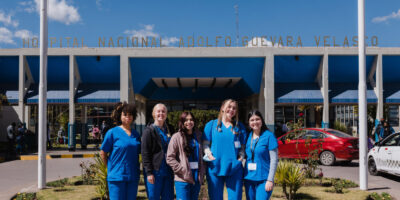
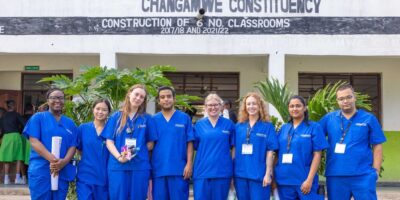
IMA’s pre-med internships abroad run at two sites. In Mombasa, most interns are placed at Coast General Teaching and Referral Hospital, where wards run largely in English and interns take medical Swahili lessons. In Cusco, the main site is Hospital Nacional Adolfo Guevara Velasco, the wards run in Spanish and you need at least two years of Spanish study; our list of medical Spanish phrases for Peru is a good place to start. Beyond the hospital, the program includes community medical clinics, hygiene and health education in schools, weekly community outreach and a weekly cultural activity.
Where Will You See Health Literacy Up Close?
You will see it at the bedside when a clinician explains a discharge plan, in outpatient clinics where patients ask how to take a new medicine, and in schools and community sessions where health workers teach handwashing, nutrition or oral hygiene. Our guide to public health dentistry shows how one specialty builds whole programs around this kind of teaching.
What Can Interns Do?
Under the supervision of licensed clinicians and within their training level, IMA interns take part in direct patient care. They take vital signs, help with patient intake and triage, conduct basic patient interviews and assist with noninvasive tasks, alongside ward rounds, department rotations, clinical simulations and community outreach. They do not diagnose, prescribe or perform invasive procedures, and some tracks set their own limits. In health education sessions, interns help prepare materials and support the local staff who lead them. IMA has maintained a 100% safety record for all high school and pre-health interns.
If you want a broader picture of how placements work across professions, start with our overview of medical shadowing abroad.
How You Can Make a Global Impact
Steps to Get Involved with IMA
Application Process
- Eligibility: Open to students and professionals in healthcare fields, including pre-med, pre-PA, pre-nursing, pre-dental, and pre-OT tracks.
- Submission: Complete an online application detailing your background and interests.
Preparation
- Training: Participate in pre-departure orientations covering cultural sensitivity, infection control, and project goals.
- Fundraising: Engage in efforts to support your internship and the communities you will serve.
What to Expect During the Internship
Daily Activities
- Clinical Observation: Observe and support work in local clinics and hospitals under professional supervision.
- Education Sessions: Plan and conduct health literacy workshops with guidance from experienced staff.
Cultural Experiences
- Program Residence: Share a room in IMA’s gated program residence, with meals and daily transport, and get to know the community through weekly outreach and cultural activities.
- Language Learning: Opportunity to learn or improve language skills.
Long-Term Benefits
Personal Growth
- Enhanced Cultural Competence: Ability to work effectively in diverse environments.
- Increased Empathy: Deeper understanding of global health disparities.
Career Advancement
- Professional Skills: Improved communication, problem-solving, and leadership abilities.
- Global Network: Connections that can open doors to future opportunities.
The Broader Impact on Global Health
International medical internships extend beyond individual experiences and local interventions; they contribute significantly to the broader landscape of global health. By engaging in these programs, interns not only enhance their own skills but also foster collaborations, advance international health goals, and empower communities for sustainable change.
Fostering Global Collaboration
One of the profound impacts of international medical internships is the promotion of global collaboration. Interns and organizations work together with various entities to amplify the effectiveness of health literacy initiatives.
Partnerships
Forming partnerships with international organizations such as the World Health Organization (WHO) and UNICEF is instrumental in aligning local health literacy efforts with global health priorities. Collaborating with these entities provides access to resources, expertise, and a broader platform to address health challenges. These partnerships enhance the credibility of health initiatives and facilitate the sharing of best practices across borders.
In addition to international bodies, collaborating with academic institutions plays a crucial role in advancing health literacy. By working with universities and research centers, interns can engage in program development and contribute to scholarly research. These collaborations enable the integration of evidence-based approaches into health interventions and support the training of future healthcare professionals in global health issues.
Advancing the Sustainable Development Goals (SDGs)
International medical internships contribute directly to the advancement of the United Nations Sustainable Development Goals, particularly SDG 3 and SDG 4, which focus on health and education. The WHO’s World Health Statistics 2025 report consolidates data for health-related SDG indicators and assesses progress towards globally agreed targets, making clear how much work remains.
SDG 3: Good Health and Well-being
By promoting health literacy, interns actively contribute to achieving SDG 3, which aims to ensure healthy lives and promote well-being for all at all ages. Health literacy initiatives play a pivotal role in reducing maternal mortality by educating women about prenatal care, safe childbirth practices, and postpartum health. Additionally, these programs help combat diseases by informing communities about prevention, early detection, and management of illnesses such as HIV/AIDS, malaria, and tuberculosis. Through these efforts, interns support global targets to reduce disease prevalence and improve health outcomes. Research suggests that poor health costs 15% of global real GDP annually, making investment in health literacy not just a moral imperative but an economic one.
SDG 4: Quality Education
Health literacy efforts also align with SDG 4, which seeks to ensure inclusive and equitable quality education and promote lifelong learning opportunities. By integrating health education into school curricula and community programs, interns enhance educational access and quality. These initiatives empower individuals with knowledge that not only improves their health but also contributes to their overall educational development. By fostering a culture of learning and awareness, health literacy programs support the creation of informed and resilient communities.
Empowering Communities
Empowerment of local communities is a cornerstone of sustainable health literacy initiatives. By focusing on capacity building and fostering local leadership, interns ensure that the positive impacts of their work endure long after their departure.
Capacity Building
Interns engage community members by providing training and resources that enable them to take an active role in health initiatives. This approach includes educating local volunteers, health workers, and leaders about health topics, communication strategies, and program management. By enhancing the skills and knowledge of community members, interns facilitate the development of local expertise that can continue to address health challenges effectively.
Sustainability
Creating programs that thrive independently is essential for lasting change. Interns collaborate with communities to design initiatives that are culturally relevant, resource-efficient, and adaptable. By involving local stakeholders in planning and decision-making processes, they ensure that programs are aligned with community needs and priorities. This participatory approach fosters ownership and commitment, which are critical for the sustainability of health literacy efforts.
Overcoming Challenges in Global Health Literacy Initiatives
Implementing health literacy programs in underserved regions presents several challenges that must be managed thoughtfully to achieve success.
Ethical Considerations
Ethical considerations are paramount when working within different cultural contexts. Respecting the values and practices of the community is essential to build trust and foster effective health interventions.
Cultural Sensitivity
Interns must approach their work with cultural sensitivity, acknowledging and respecting local customs and beliefs while promoting health practices. This involves understanding cultural norms, avoiding ethnocentric attitudes, and adapting health messages to be culturally appropriate. By demonstrating respect and empathy, interns can effectively engage with community members and encourage the adoption of healthy behaviors without causing offense or resistance.
Informed Consent
Ensuring that participation in health programs is voluntary and based on informed understanding is a critical ethical responsibility. Interns must provide clear explanations of program objectives, activities, and any potential risks or benefits. Obtaining informed consent upholds the autonomy and dignity of participants and fosters transparency and accountability in health interventions.
Resource Limitations
Resource constraints can hinder the implementation and expansion of health literacy initiatives. Addressing these limitations requires strategic planning and resource mobilization.
Funding
Securing adequate funding is essential to support program activities, materials, and personnel. Interns and organizations must seek grants, donations, and partnerships to finance their initiatives. This may involve writing grant proposals, engaging with donors, and demonstrating the impact and sustainability of their programs. Diversifying funding sources can enhance financial stability and enable programs to reach a wider audience.
Human Resources
Expanding the reach of health literacy programs often necessitates additional human resources. Recruiting and supporting local volunteers and staff is vital to deliver programs effectively. By building a team of committed individuals from the community, interns can enhance program delivery, ensure cultural relevance, and promote community ownership. Supporting local personnel also contributes to the sustainability of initiatives, as these individuals can continue the work independently.
Measuring Impact
Assessing the effectiveness of health literacy initiatives is crucial for continuous improvement and demonstrating value to stakeholders.
Data Collection
Implementing systems to collect and analyze data on program activities, outputs, and outcomes allows interns to measure progress and identify areas for enhancement. This may include tracking attendance at workshops, evaluating changes in knowledge or behaviors, and monitoring health indicators within the community. Reliable data supports evidence-based decision-making and can strengthen proposals for funding and support.
Feedback Mechanisms
Soliciting input from community members is essential to ensure that programs are meeting their needs and expectations. Establishing feedback mechanisms such as surveys, focus groups, and suggestion boxes enables participants to share their experiences and offer recommendations. Incorporating community feedback enhances program relevance, effectiveness, and acceptance, and demonstrates respect for the voices of those served.
By addressing these aspects, including fostering global collaboration, advancing the SDGs, empowering communities, and overcoming challenges, international medical internships make a significant contribution to global health. Interns not only gain invaluable experience but also play a vital role in building healthier, more informed communities worldwide. Their efforts exemplify the impact that dedicated individuals can have when they choose to “Think Locally, Act Globally.”
Health Literacy in 2026: Where We Go from Here
Health literacy is a cornerstone of global health, affecting everything from individual well-being to community development. The data in 2026 makes this clearer than ever: the economic costs are measured in hundreds of billions of dollars, the human costs in preventable deaths and untreated conditions, and the systemic costs in health workforces stretched thinner each year.
As the WHO stated in its December 2025 publication, low health literacy is costing health. It is not just a communication problem or an education gap. It requires strengthening the skills, systems, and environments that enable people to access, understand, and use health information effectively. And it requires health professionals who have seen these challenges up close, who understand the cultural and structural factors at play, and who enter their careers with the humility and perspective that only direct experience can build.
By participating in structured international medical internships with organizations like IMA, pre-health students can contribute to health literacy efforts in underserved communities while developing skills and perspectives that will serve them for decades. These are not casual volunteer trips. They are supervised, ethically grounded, community-centered experiences that treat both the intern’s learning and the community’s well-being as priorities.
Your next step toward making an impact does not have to wait for a specific month. Health Literacy Month may be in October, but the need for prepared, thoughtful health professionals is year-round. If you are considering how an international health experience might fit into your education and career path, this article on balancing adventure and learning abroad is a good place to start thinking through what matters most.
Frequently Asked Questions
What is health literacy?
Health literacy is the ability to find, understand and use health information and services to make decisions about your health. Healthy People 2030 also defines organizational health literacy: how well health systems make that information easy to find, understand and use.
Why does health literacy matter in global health internships?
In many low-resource settings, written materials are scarce, patients may not share the clinician’s first language and clinics are crowded. Watching how experienced clinicians explain care, check understanding and teach communities shows you skills that textbooks describe but rarely show.
What is the teach-back method?
Teach-back means asking a patient to explain, in their own words, what they need to do after a visit. It checks how well the clinician explained things, not how smart the patient is, and AHRQ recommends using it with every patient.
Do IMA interns lead health education sessions on their own?
No. Interns help prepare materials and support local clinicians and health workers, who lead the sessions. All clinical and community work happens under supervision and within each intern’s training level.
Do I need to speak Swahili or Spanish?
In Mombasa the wards run largely in English and interns take medical Swahili lessons. In Cusco the wards run in Spanish, and IMA asks for at least two years of Spanish study before you go.
How can high school students get involved in health literacy work?
HOSA members can enter the Health Literacy Ambassador event, which centers on a community project. Our guide to the HOSA Health Literacy Ambassador project walks through how to plan one.