Gaining clinical experience is non-negotiable for pre-med students. The trouble is the market that has sprung up around it. “Pre-med internships,” “medical mission trips,” and “voluntourism” pitches promise quick results but often operate with minimal oversight. What should help your application can become the most significant liability in your file if you choose poorly. Admissions readers have seen every version of this story. They are trained to distinguish between real, supervised learning and resume padding. The deciding factor is simple: supervision that is named, accountable, and backed by a written scope and active mentoring.
An unsupervised internship gambles with patient safety, your ethics, and your future. A supervised internship lowers those risks and builds the exact competencies committees look for. The difference shows up in letters, essays, and interviews. It also shows up in how you handle pressure when the stakes are real.
The High-Risk World Of Unsupervised Internships
When a program cannot show who is responsible for you, what you are allowed to do, and how you will be trained, the burden shifts to you. That is where damage happens. Some providers hint at “hands-on” tasks that would be illegal in the United States. Others bury expectations in vague language about “supporting care” without clearly defining its scope. If you are pushed toward injections, suturing, deliveries, or unsupervised patient contact, you are in the wrong place. Pre-med roles are observational. Anything else puts patients at risk and signals poor judgment.
This is not only an ethical problem. It is an admissions problem. Files that celebrate invasive tasks before training push readers to doubt maturity and reliability. Committees are seeking individuals who respect scope, ask for help when needed, and follow the rules that ensure patient safety. Unsupervised programs tend to be thin across the board. Infection control is handled casually. Exposure protocols are unclear or missing. Housing and transport are left to chance. Students take on risks they cannot see and will have to explain later.
How Supervision Turns Risk Into Value
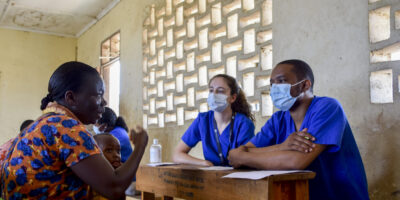
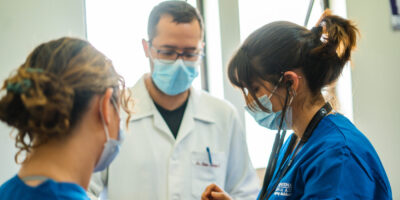
The proper structure prevents the problems above and creates real gains you can demonstrate. Supervision is not someone signing a form at the end. Supervision is an active system that sets expectations, teaches, and provides corrective feedback. You know your scope in writing. You have mentors who brief you, debrief you, and model clinical reasoning in front of you. You gain insight into the context behind decisions, not just a front-row seat.
This is where ethical judgment becomes visible. Choosing an observational program that adheres to the scope is your first indication of responsibility. You learn to recognize your limits, escalate concerns, and decline unsafe tasks without drama. That reads as maturity. It is also where observation becomes mentorship. When mentors explain why an attending changed a plan or why a patient needed to be transferred instead of undergoing another test, you move beyond “what I saw” and into “what I understood.” That shift shows up in how you write and how you answer questions.
Supervision also builds the “human-side” competencies that are hard to fake. Supervised internships are designed to develop specific professional traits rather than just technical skills. This alignment allows you to demonstrate the AAMC Core Competencies, such as reliability, ethical responsibility, and adaptability, that medical schools use to evaluate readiness for the profession.
Resource limits, language barriers, and time pressure test you. With guidance, you adjust without cutting corners. That is resilience and adaptability. Working inside a local system where you are not at the center teaches cultural humility. You stop telling stories where you are the hero and start telling stories that respect teams, constraints, and outcomes. In supervised settings, you also learn how teams really function. You watch nurses catch errors, pharmacists push back on dosing, and residents close loops on discharge details. That is teamwork you can describe with specifics.
What A Credible Structure Looks Like
A credible program shows its system before you pay. You should see the supervision plan, including named mentors and scope rules, in writing. You should see pre-departure training that covers infection prevention, exposure protocols, professionalism, and ethics. You should see secure housing that the program controls, vetted daily transport, and two continuous contacts for emergencies: one in-country and one in the United States. Travel medical coverage should be part of the package, not an afterthought. On-site, you should receive an orientation tailored to the hospital’s actual workflows. You should know where you can stand, when you can ask questions, and how to escalate issues.
If any of these pieces are missing, exposure should not proceed. The program is asking you to assume the risk that they should own. That is a bad trade for you and a worse one for patients.
The International Medical Aid Model
International Medical Aid (IMA) was established as the ethical, supervised alternative to the traditional trip-as-tourism model. The structure is the point. Programs are structured shadowing internships, not unsupervised practice. Interns learn under the guidance of dedicated physician mentors within established hospital partnerships. Your role is to observe, ask thoughtful questions, and assist with non-clinical tasks that align with your training. Details are published here: Medicine and Pre-Medicine Internships.
Ethics are explicit. A strict code of conduct protects patients and keeps you inside scope. Physician-led orientations cover what you may and may not do and how to raise concerns. Before you travel, review IMA’s guidance on Ethical Engagement in Global Health for grounding.
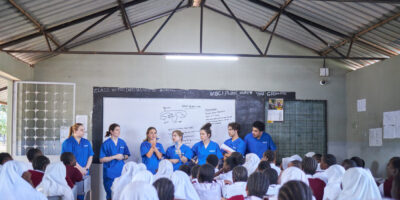
Learning is organized. Expect a global health lecture series led by local experts, case discussions that map evidence to decisions, simulations where available, and community education tailored to trainees. This turns exposure into understanding and gives you language for essays and interviews.
Personal safety is planned, not assumed. See IMA’s Program Safety and Security. Residences are located in gated communities with 24-hour security staff. Daily transport is vetted and program-managed. Support is available at all hours in the country and in the United States. Travel medical coverage is included. These are standard features across programs, not add-ons.
How To Vet Any Provider In A Single Call
You can assess most programs in one conversation by asking direct, verifiable questions. Who is my named clinical mentor and where do they work? What is the written scope for pre-med students, and where can I find it? What does orientation cover, and who leads it? What is the exact exposure protocol if a student sustains a needlestick or splash? Who arranges transport every day, and which company is used? Where are interns housed, and who is responsible for the lease? What insurance is included, and what does it cover? Who answers the phone at two in the morning if something goes wrong?
You are not looking for polished speeches. You are looking for documents, names, and procedures. If a provider hesitates, qualifies, or redirects to marketing language, move on. If they send the documents within minutes and invite follow-up questions, you are closer to a good fit.
Turn Supervised Experience Into Application Strength
Structured supervision makes it easier to write clearly and speak credibly. In activity entries, name the setting, supervision, frequency, duties, and one concrete outcome without filler. In a Most Meaningful entry, choose one case that tested judgment. Explain your role, what you saw, what you asked, how the team decided, and what changed in your behavior because of it. Keep it plain. Avoid slogans. End with how you will act in training as a result.
For interviews, prepare two domestic examples and one supervised international example. Each individual should demonstrate respect for the scope, clear communication, and remain calm under pressure. Practice aloud until the stories sound like you. If you made a mistake, own it, describe how you corrected it, and state the new habit you adopted. Committees respect precise, grown-up answers.
Why This Matters For Letters
Letters from casual or chaotic settings are easy to spot. They are vague and full of praise without evidence. Letters from supervised settings sound different. A nurse manager writes that you showed up early, helped with admissions, and caught a missing consent on a hectic night. A physician mentor explains that you asked focused questions, summarized a case accurately, and knew when to step back. Specifics build trust. Trust drives interview invites.
What You Will Actually Learn Under Real Mentorship
You learn to watch for the quiet risks that do not make it into marketing copy. You see how a missed med reconciliation creates a cascade of problems. You learn why one more test is not always the right move. You hear how clinicians explain uncertainty without losing patient trust. You see the difference between a plan that reads well and a plan that a family can follow. You practice professional habits that matter: clean notes, clear handoffs, and closing loops. None of this requires you to cross your scope. All of it prepares you for training.
The Cost Of Getting This Wrong
If you choose an unsupervised program, you may get lucky and come home with stories that sound exciting to your friends. You will not impress a committee that reads files every day. At best, your hours will be discounted. At worst, you will raise ethics flags that are hard to remove. If something goes wrong in the country, you could face health risks, legal issues, and bills that insurance does not cover. You could also hurt someone. That is unacceptable and unnecessary.
The Payoff For Getting This Right
A supervised internship gives you proof that you can be trusted in clinical settings. It helps you build a bank of specific moments you can explain without stretching the truth. It earns letters with real detail. It teaches you how to learn from teams. It gives you the confidence to say “I do not know yet” and then ask the next right question. It also shows your future program that you understand how to keep patients safe while you are still learning. That is the profile that does well in screening and in training.
How IMA Fits Into A Competitive File
IMA’s model is aligned with what committees respect. Shadowing is structured. Mentors are accountable. Ethics are enforced. Teaching is organized. Safety is planned. Suppose you need help translating your experience into your application. In that case, IMA’s team supports this work through medical school admissions consulting, so you can frame the experience correctly and avoid common mistakes. The goal is not to spend hours dressing up. The goal is to present accurate, specific evidence that you are ready for responsibility.
Final Thoughts
Experience helps only when it is safe, supervised, and honest. Unsupervised trips pose risks for both patients and applicants. Supervised internships reduce those risks and help you show judgment, teamwork, resilience, and humility with specifics, not slogans. If a provider cannot provide the supervision plan, scope of rules, training content, housing details, transport arrangements, insurance, and round-the-clock support in writing, choose an alternative path. If they can, you will come home with stories that hold up in committee and habits that carry into residency. That is the outcome that makes this worth doing.