For many high school students who already have an interest in medicine, it can feel like everyone talks about grades and test scores. Still, very few mention what truly makes a college application memorable, which is the real experience. The students who take the time to step into healthcare settings early not only show initiative but also gain a clearer sense of what kind of medical career might fit them best.
A growing number of organizations now offer medical internships for high school students, giving teenagers a firsthand look at hospitals, clinics, and public health programs. These internships are more than résumé fillers. They build confidence, professionalism, and communication skills that colleges notice immediately. For parents, they’re a way to help their kids explore healthcare responsibly and safely, guided by professionals who know how to mentor beginners.
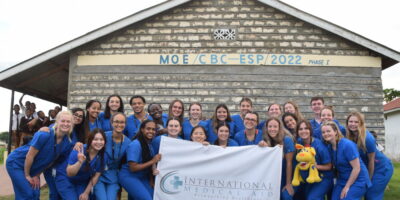
To see available programs specifically for high school participants, International Medical Aid provides internships for high school students that combine clinical observation, public health outreach, and community learning in a structured setting.
Why Medical Internships Matter More Than Ever
Healthcare is changing fast. The demand for doctors, nurses, physician assistants, and other medical professionals continues to grow, and competition for strong college and pre-med programs is intense. Having experience in a clinical or community health setting tells admissions committees that a student understands the reality of working in healthcare rather than just the idea of it.
For high schoolers, these internships often become their first real connection to patients, healthcare workers, and the systems that make modern medicine function. They start to see how teamwork, empathy, and responsibility matter as much as science grades.
Parents also benefit. These programs take the guesswork out of finding safe, supervised environments where students can observe professionals without being thrown into tasks beyond their ability. Internships can be local or abroad, lasting anywhere from one week to a full summer. Each version builds awareness of what different health careers actually look like.
How Early Exposure Builds Career Direction
Plenty of high school students say they want to go into medicine, but few understand what day-to-day medical work looks like. A structured internship solves that problem. Students shadow doctors, nurses, and public health workers, often rotating through several departments. They learn how a clinic operates, how a hospital triages patients, and how professionals manage both emergencies and routine care.
By the end of even a short rotation, many students can already identify whether they prefer hands-on patient care, lab-based work, or administrative leadership. This early exposure can prevent wasted time later in college. It also gives them stronger essays and interviews because they can talk about the real experiences of patients they met, lessons they learned, and moments that shaped their thinking.
One of the most valuable parts of these programs is mentorship. When a student connects with a medical professional who takes an interest in their growth, it often becomes the start of a long-term relationship that guides them through future decisions about majors, applications, and even medical specialties.
What Colleges Notice About Internship Experience
Admissions officers read thousands of essays filled with the same claims: “I’ve always wanted to help people.” The students who stand out are those who can describe what that means from experience. Talking about shadowing a rural health clinic, or observing how an emergency room team communicates under pressure, carries far more weight than another generic statement about wanting to make a difference.
Colleges look for evidence of initiative and persistence. Completing an internship that involves early mornings, unfamiliar situations, or cross-cultural experiences shows both. It tells them this student isn’t waiting for opportunities to come; they’re creating them.
These experiences can also shape future majors. A student who thought they wanted to be a surgeon might realize they’re more interested in global health policy or physical therapy after spending time in a community outreach program. That clarity matters. Colleges appreciate applicants who know why they want a particular path and can explain how past experiences guided that decision.
Types of Medical Internships for High School Students
Not all internships are built the same. Some focus on clinical observation in hospitals, while others emphasize research or public health education. A few combine all three. Understanding the main types helps students and parents find the right fit.
Clinical or Hospital-Based Internships
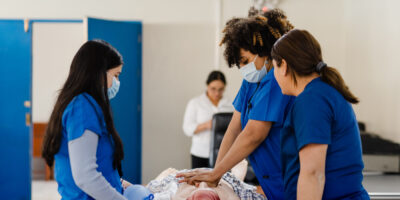
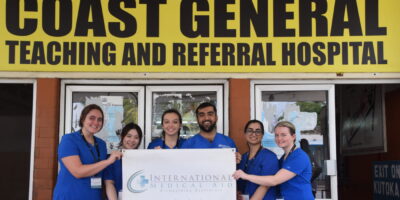
These are often the most popular. Students shadow physicians, nurses, and technicians in hospital departments, observing everything from patient intake to diagnostic procedures. Programs like these mirror hospital internships for high school students, offering real-world context and professional mentorship. They may also include seminars about medical ethics, patient confidentiality, and healthcare systems.
Public Health and Community Outreach Internships
These programs focus on health education, preventive care, and population health. Students might help organize vaccination drives, hygiene workshops, or nutrition campaigns in underserved communities. They learn how healthcare extends beyond the hospital walls and why preventive measures save more lives than emergency interventions.
Research Internships
For students who lean toward science and data, research internships are an excellent introduction to laboratory work. They involve assisting with sample preparation, data entry, or shadowing researchers during ongoing studies. It’s not hands-on surgery, but it’s invaluable exposure to the scientific side of medicine.
International Internships
These combine travel with service. Students shadow doctors abroad, gaining perspective on how healthcare functions in different environments. They return home with broader worldviews and the maturity that comes from adapting to new cultures and limited resources.
Medical Internships That Truly Stand Out
Not all medical internships make a real impression on college applications. The ones that stand out offer students structured learning, active involvement, and experiences that reveal character and purpose. Admissions officers are not looking for fancy program names. They want to see how a student used the opportunity to learn, grow, and contribute in a meaningful way.
Clinical Shadowing with Variety and Depth
Programs that allow students to observe several departments show initiative and curiosity. A student who spends time in pediatrics, surgery, and internal medicine gains a broader understanding of healthcare systems. These internships teach how teams work together, how professionals manage stress, and how compassion shows up in small, practical moments. When a student can talk about what they witnessed in detail, that story stands out far more than a generic summary of hospital life.
Community and Public Health Outreach
Colleges value applicants who have gone beyond observation and taken part in service. Helping run a hygiene class at a local school, organizing a blood drive, or assisting with community health screenings all show leadership and empathy. These internships connect students directly with the people healthcare is meant to serve, creating experiences that shape thoughtful essays and confident interviews.
International Medical Internships
Students who participate in structured international internships often return home with new awareness of global health challenges. Working alongside healthcare teams in developing regions teaches adaptability and humility. The goal is not to play doctor but to understand how healthcare operates in different cultures. When a student can describe these contrasts with respect and insight, it shows genuine learning and maturity.
Research and Laboratory Internships
Some students stand out by contributing to medical or scientific research. Collecting data, preparing samples, or assisting with clinical trials helps develop analytical skills and discipline. Even small contributions matter. When a student can explain how their work supported a larger project or how they interpreted a finding, that shows substance and critical thinking.
Programs with Verified Supervision and Academic Affiliation
Admissions teams can tell the difference between a real internship and a glorified tour. Programs connected to hospitals, universities, or established nonprofits demonstrate reliability and academic value. Students who complete these programs often receive mentor evaluations or certificates of completion that carry weight in an application.
The best internships give students more than a list of activities. They help them understand responsibility, teamwork, and service. Those are the qualities that stay with them through college and into professional life, and they are exactly what admissions committees look for when deciding who is ready for a career in healthcare.
The Benefits Extend Beyond College Applications
It’s easy to focus on the competitive advantage these internships provide for admissions, but the personal growth they spark may be even more significant. Students gain empathy by witnessing illness, recovery, and human resilience up close. They learn professionalism, how to dress, communicate, and respect boundaries in professional environments.
They also learn humility. Healthcare requires patience and teamwork, qualities that can’t be developed in a classroom. A student who once panicked during group projects might find themselves calmly assisting a nurse during a chaotic clinic shift. That kind of maturity tends to stay with them long after the internship ends.
Parents often notice a difference, too. Teenagers return home more focused, disciplined, and aware of the value of education. They’ve seen how hard healthcare professionals work and how long it takes to build a medical career. That perspective can change study habits and even strengthen family communication about college goals.
How to Choose a Reputable Program
Selecting an internship shouldn’t be a rushed decision. Families should review how programs are structured and what type of supervision students receive. A credible provider clearly explains who mentors the interns, what the daily schedule looks like, and how safety is managed.
Ask about the ratio of students to mentors, the level of clinical access provided, and whether the program carries educational affiliations. Some students want hospital-based exposure, while others might prefer public health outreach or laboratory research. Programs that offer multiple tracks can be especially useful for students still figuring out which part of healthcare excites them most.
Programs like healthcare internships for high school students offered by trusted organizations often include mentorship sessions, reflection writing, and evaluations that students can later reference in college essays. When reviewing options, prioritize those that provide clear learning objectives rather than those promising inflated “hands-on” experience beyond what minors are legally allowed to perform.
How to Prepare Before Starting an Internship
Preparation matters almost as much as participation. Students should start by reviewing basic anatomy and medical terminology, as it helps them follow conversations in clinical settings. Polishing communication and professionalism also goes a long way. Arriving on time, taking notes, and respecting all staff make lasting impressions.
Parents can support by helping gather required documentation such as health clearances, travel insurance for international placements, and program forms. Encouraging students to journal their experiences daily can also pay off later when they need material for essays or scholarship applications.
If the internship involves travel abroad, learning about local customs and healthcare challenges of the host region prevents misunderstandings and deepens the educational impact.
Students should remember that these internships aren’t tests. They’re opportunities to observe, ask smart questions, and learn from professionals who enjoy teaching motivated young people.
Balancing Schoolwork and an Internship
One challenge many students face is balancing internship schedules with school obligations or extracurricular activities. Summer programs are usually the easiest to manage since they occur during school breaks, but shorter weekend or spring opportunities also exist.
A good strategy is to treat the internship like a class, schedule specific times for reflection and research, and track completed hours. Keeping a detailed record helps when applying for scholarships, college programs, or volunteer awards requiring community service hours documentation.
Parents can help by maintaining realistic expectations. Internships should challenge students but not overwhelm them. Choosing the right duration and level of immersion ensures a positive experience rather than burnout.
Stories That Inspire Future Healthcare Leaders
Many former participants say their first internship changed how they saw medicine. One student who shadowed a midwife in rural Kenya came home planning to pursue obstetrics. Another who worked alongside nurses during community vaccination campaigns discovered a passion for public health.
These stories stand out because they show that exposure breeds understanding. The goal isn’t to decide on a lifelong career at sixteen. It’s to see how healthcare professionals live their commitment every day. That insight becomes the foundation for later studies in medicine, nursing, research, or healthcare policy.
It’s also common for students to keep in touch with mentors years later. Letters of recommendation, advice about college classes, or even introductions to medical school faculty can all trace back to that first summer internship.
Final Thoughts
For motivated teenagers, a medical internship is more than just a summer program. It’s a preview of a future they’re working hard to reach. These experiences connect classroom science to real-world healthcare, build independence, and teach professional responsibility in ways no textbook can.
Parents often see their children return more confident, compassionate, and focused on meaningful goals. Colleges see applicants who didn’t just talk about wanting to help. They actually did something about it.
Students who participate in programs like the internships for high school students offered through International Medical Aid come away with experience that strengthens applications and character. Whether in hospitals, public health projects, or international clinics, these internships provide a foundation that future medical professionals build on for years to come.