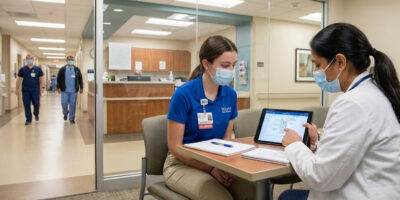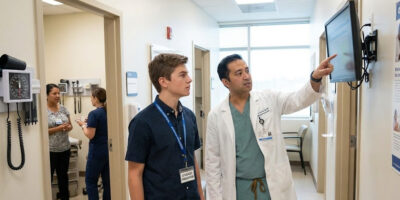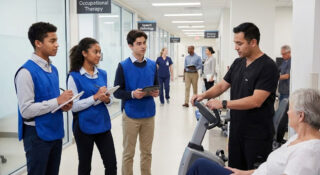
High school students who are interested in healthcare often picture doctors and nurses first, then realize most patient care is delivered by much larger teams. Therapists, laboratory staff, imaging technologists, nutrition professionals, and many other specialists all fall under the umbrella of allied health. For teens who want a realistic view of healthcare, early exposure to these careers can be just as important as physician shadowing, especially when they are considering structured medical internships for high school students in the near future.
As families move beyond basic volunteering and start seeking more focused experiences, they typically discover two things. First, genuine clinical exposure for high school students has to respect legal and safety limits, so most roles are observational or non-clinical. Second, strong programs are intentional about including allied health teams in that exposure, not just physicians. International Medical Aid approaches its high school placements with this broader view in mind and connects allied health exposure to an early healthcare exploration guide that helps students build a long-term plan rather than a one-time activity.
Below is a detailed look at what allied health actually entails, including how internships and observer roles work for high school students, how to find or evaluate these opportunities, and how IMA’s international programs help teens observe allied health teams at work in real clinical environments.
What Allied Health Means For Future Pre-Health Students
“Allied health” is a broad category that covers many licensed professionals who are not physicians or registered nurses but are essential to patient care. These roles support diagnostics, therapy, rehabilitation, and care coordination across almost every department in a hospital or clinic.
Common allied health careers include:
- Physical, occupational, and speech therapists
- Respiratory therapists
- Radiologic and ultrasound technologists
- Clinical laboratory scientists and technicians
- Dietitians and nutrition professionals
- Social workers and case managers
- Some behavioral health and community health roles
- Pharmacy technicians and certain pharmacy support positions
For high school students, allied health matters for two main reasons:
- It dramatically increases the number of healthcare careers they can consider.
- It shows how patient outcomes depend on coordinated teams, not only on the physician in the room.
A student who spends time watching physical therapists in a rehabilitation gym, observing a lab team process samples, and seeing dietitians counsel patients will have a more grounded sense of how healthcare really works than a student whose only experience is shadowing a single physician for a few days.
Where Teens Actually See Allied Health Professionals
High school students cannot directly enter licensed allied health roles, but they can observe and support these professionals in various settings. Most opportunities fall into three broad environments: hospitals, outpatient centers, and community or public health settings.
Hospital-Based Allied Health Exposure
In hospitals, allied health professionals appear in nearly every unit. Teen interns and volunteers may encounter them in:
- Rehabilitation wards
- Intensive care units where respiratory therapists are part of the core team
- Imaging departments such as X-ray, CT, MRI, and ultrasound
- Nutrition and diabetes education clinics located inside hospitals
- Emergency departments that rely on respiratory therapy, imaging, and laboratory teams
For high school students, typical hospital-based exposure to allied health looks like:
- Following therapists on rounds and observing individual or group therapy sessions when patients consent
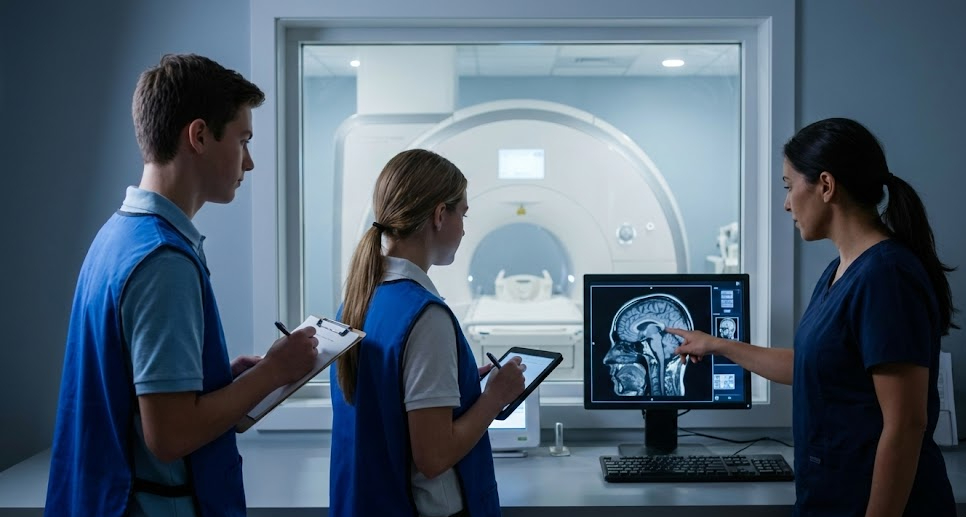
- Watching imaging technologists prepare patients and operate equipment from designated areas outside control rooms
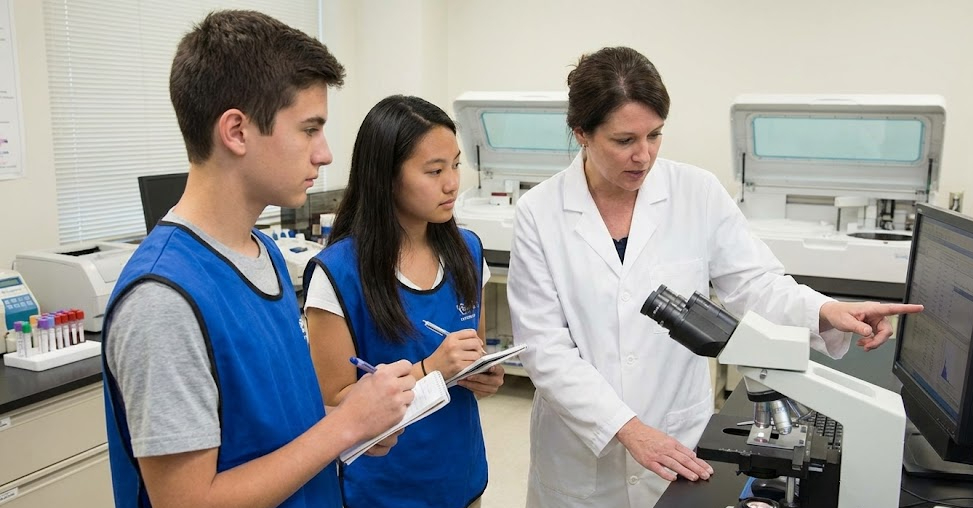
- Seeing how laboratory staff receive, label, and move samples through different testing stations
- Listening as social workers and case managers coordinate discharge plans and community resources
They are present to observe and learn. They are not performing technical tasks or making decisions about patient care.
Outpatient And Ambulatory Settings
A great deal of allied health work happens outside hospital walls. High school students may also see allied health teams in:
- Outpatient physical and occupational therapy clinics
- Speech and language therapy centers
- Audiology and hearing clinics
- Community nutrition and weight management programs
- Pulmonary rehabilitation or asthma education clinics
In these settings, roles for teens are often a blend of observation and non-clinical support. Students may observe therapists or dietitians during sessions, with patients’ consent, and then assist with simple tasks such as organizing equipment, resetting treatment rooms, or preparing educational materials.
Community Health And Outreach
Community health events often rely heavily on allied health professionals, particularly in areas such as screening, education, and follow-up planning. Teens may encounter:
- Therapists leading group exercises at rehabilitation outreach days
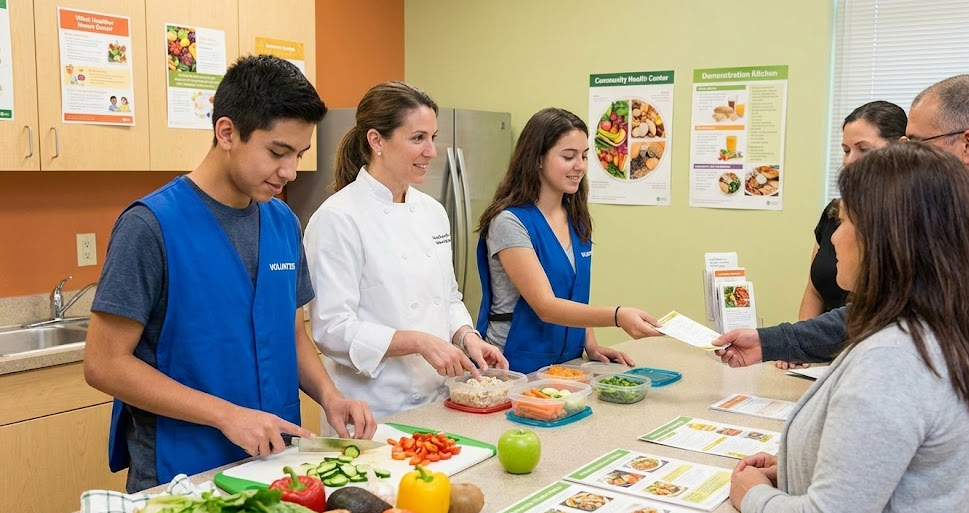
- Nutrition teams running healthy cooking demonstrations or counseling stations
- Respiratory therapists and nurses conducting asthma or COPD education sessions
- Laboratory staff and public health workers coordinating screening booths
In International Medical Aid programs, outreach days are a common way for high school students to see how allied health professionals contribute beyond the hospital, especially in regions where access to care is uneven and community-based work is critical.
What Allied Health Internships Look Like For High School Students
When programs use the term “internship” for high school students, they typically refer to a structured combination of observation, non-clinical tasks, and teaching sessions, rather than a job. For allied health fields, that structure matters even more because most departments work with specialized equipment and vulnerable patients.
Observation As The Core Activity
Shadowing and observation are at the heart of any ethical experience for teens in an allied health department. Students can expect to:
- Stand or sit where they can see and hear, without entering the flow of procedures
- Watch how professionals explain tests, therapies, or rehabilitation plans
- Observe how allied health staff interact with physicians, nurses, and family members
- See how documentation and communication support safe care
Programs that adhere to clinical guidelines clearly state that high school observers do not provide care and that patients have the right to decline their presence at any time. Staff introduce students as observers, not trainees or providers, and students are expected to step out when exams or conversations become particularly sensitive.
Non-Clinical Support Tasks
Most teen roles also involve non-clinical contributions that support allied health teams without requiring technical expertise. Typical tasks may include:
- Restocking non-sterile supplies such as towels, exercise bands, disposable gowns, or basic linens
- Tidying therapy gyms or waiting areas between sessions
- Helping at front desks by greeting patients and directing them to the correct rooms
- Preparing or organizing printed educational materials
- Assisting with simple logistics at outreach events, such as registration or line management
These tasks provide students with a defined role in the department’s daily routine and help them understand how many small actions contribute to direct care. They do not replace licensed staff or involve independent contact with patient records, medications, or diagnostic equipment.
Structured Teaching And Reflection
High-quality allied health internships for high school students do more than place teens in clinics. They also:
- Include short introductory talks on each profession that the student will observe
- Build in time each day or each week for questions and discussion
- Encourage students to keep a brief log of what they saw and what they learned
- Explain training pathways, degrees, and certifications for different allied health careers
International Medical Aid integrates this type of structure into our programs. Teens might spend mornings in hospital departments, then attend afternoon global health seminars that cover topics such as rehabilitation after injury, nutrition in low-resource settings, or the role of diagnostic laboratories in managing infectious disease.
What Allied Health Interns Do Not Do
Just as important as the tasks students may perform are the tasks that should remain completely off limits. High school interns and volunteers are not licensed and must not be placed in positions that require professional training.
In allied health environments, teen interns do not:
- Operate imaging equipment such as X-ray, CT, MRI, or ultrasound machines
- Perform blood draws, injections, or any invasive procedures
- Conduct therapy sessions or adjust treatment plans
- Handle medications or manage medication storage
- Access laboratory information systems or process patient samples independently
- Enter orders or chart in official medical records
If a program suggests that high school students will “perform procedures,” “treat patients,” or “run equipment,” families should ask very detailed follow-up questions. Ethical programs will explain that these activities are restricted to trained staff and that any hands-on practice for students takes place on models in a controlled simulation setting, not on real patients.
International Medical Aid is explicit about this line. High school participants are taught practical skills in simulation labs and supervised practice environments, but they remain observers and non-clinical helpers when real patients are involved.
Skills Teens Build In Allied Health Settings
Even when roles are strictly observational and non-clinical, exposure to allied health can build important skills for future healthcare pathways.
Communication And Listening
Allied health professionals spend a significant amount of their time explaining complex technical information in everyday language. Teens watching these interactions:
- Hear how therapists describe exercises and progress in ways patients can understand
- See how imaging technologists explain positioning and safety instructions before scans
- Watch dietitians and educators adapt explanations based on literacy, age, and culture
Over time, high school students begin to recognize patterns in effective communication, including using concise explanations, clear language, checking for understanding, and pausing to answer questions.
Teamwork And Role Clarity
Allied health professionals rarely work in isolation. They coordinate with physicians, nurses, case managers, and community workers. Observation helps students see:
- How therapy recommendations are incorporated into discharge plans
- How imaging results move from technologists to radiologists to ordering clinicians
- How nutrition or respiratory therapy input can change treatment choices
Seeing these interactions in real time gives teens a more realistic picture of clinical teamwork than shadowing a single physician alone.
Professional Habits
Allied health internships also reinforce basic professional habits:
- Arriving on time for shifts and sessions
- Following dress codes and infection control policies
- Protecting privacy and avoiding casual discussion of cases outside work areas
- Taking initiative on small tasks without waiting for constant prompts
These habits matter for any future healthcare path, whether a student later pursues an allied health degree, nursing, medicine, or public health.
Reflection And Career Exploration
Exposure to allied health fields helps students test their assumptions about what they enjoy. Some individuals may be drawn to hands-on work in therapy gyms. Others may feel more at home in imaging or laboratory environments that involve technology and data. Still others may be drawn to roles that focus on counseling, education, or case management.
Guided reflection, which IMA incorporates into our programs, helps students recognize these reactions and connect them to their long-term choices. Instead of asking “Did I like this internship?” teens can ask more focused questions, such as “What kind of patient interaction felt natural to me?” or “Which parts of the day made me feel the most engaged and focused?”
How To Find Allied Health Opportunities In High School
Finding an allied health exposure opportunity requires more planning than simply asking a family friend to shadow in a clinic for a day, but a simple search strategy can help.
Start With Hospital Volunteer And Teen Programs
Most large hospitals have volunteer offices that coordinate teen roles. When you visit their websites or contact staff, you can:
- Look for specific references to therapy, rehabilitation, imaging, or laboratory departments on volunteer pages
- Ask whether teen volunteers ever assist in those areas in non-clinical capacities
- Note age requirements, immunization rules, and seasonal application windows, which often open months before summer
If allied health departments are not listed, it is still worth asking whether they host occasional student observers or allow volunteers to support their work indirectly through centralized roles.
Look Beyond The Hospital
Many allied health professionals work in standalone clinics and community programs. Families can reach out to:
- Outpatient physical and occupational therapy clinics
- Speech therapy or audiology centers
- Community nutrition programs and public health departments
- Rehabilitation centers and long-term care facilities
A short, polite email that introduces the student, explains their interest, and asks whether the site ever hosts observers or teen volunteers can sometimes open doors that are not advertised. School counselors, science teachers, and local pre-health clubs may also know of allied health-focused roles that past students have held.
Use School Year Roles To Build Toward Larger Programs
Not every student will find an allied health placement close to home right away. Some start with more general health-related volunteering, such as working at hospital information desks or assisting at community health fairs, then move into more targeted allied health settings as opportunities arise.
Those early roles still matter. They show reliability and interest, which can make it easier to secure more specialized positions later, including international programs that expect some prior commitment to healthcare exposure for high school students.
Consider Structured International Programs
When local options are limited, or a student wants to explore how allied health functions in different healthcare systems, structured international programs become more attractive. The key is to choose programs that:
- Partner with established hospitals and clinics
- Provide clear descriptions of student roles and boundaries
- Emphasize supervision, safety, and ethics
- Include teaching on health systems and global health, not just observation
International Medical Aid’s high school programs fit this description. In IMA placements, allied health exposure is integrated into hospital and community rotations, allowing students to observe how therapists, imaging teams, laboratory professionals, and nutrition staff work within the realities of low and middle-resource settings.
How International Medical Aid Supports Allied Health Exploration
IMA’s model is built around multidisciplinary exposure rather than single-profession shadowing. For high school students interested in allied health, that approach offers several benefits.
Rotations That Include Allied Health Rich Settings
Depending on the site and capacity, IMA may place students in:
- Rehabilitation and physiotherapy units
- Pediatric or adult wards where respiratory therapists and nutrition teams are active
- Imaging departments where students can observe workflows and staff interactions
- Community outreach projects that rely heavily on allied health professionals for screening and education
Students move through these environments with mentors who can explain what they are seeing and answer questions about specific allied health careers.
Global Health Seminars That Highlight Allied Health Roles
In addition to hospital time, IMA runs seminars on topics such as:
- Rehabilitation after trauma and injury
- Maternal and child nutrition in low-resource settings
- Laboratory diagnostics in infectious disease control
- Chronic disease management and the role of education and coaching
These sessions make explicit connections between what students see day-to-day and the larger systems that allied health professionals help sustain.
Simulation And Skills Practice In Appropriate Settings
When students have the opportunity to practice skills, it typically occurs in controlled environments. That may mean:
- Practicing blood pressure measurement on peers or models
- Learning a basic range of motion principles with demonstration volunteers
- Handling sample equipment with guidance from allied health staff
No patient care is delegated to high school students. This structure allows teens to explore the technical aspects of allied health work without crossing ethical or legal boundaries.
Reflection On Career Pathways
Finally, IMA encourages students to reflect on what they have seen in terms of potential career paths. Mentors discuss:
- Training requirements for different allied health fields
- How allied health professionals work with physicians and nurses
- Typical work environments, schedules, and patient populations
- Ways to continue building relevant experience in high school and college
For some students, an IMA placement confirms their desire to pursue a career in medicine. For others, it opens their eyes to allied health careers they had never considered, but that fit their interests and strengths more closely.

Documenting Allied Health Experience For The Future
Every hour spent in an allied health setting is more useful when it is documented clearly. Students can:
- Keep a simple log with dates, approximate hours, site names, and supervising professionals
- Write brief, anonymized notes on what they observed and what they learned
- Save any official confirmation letters or completion certificates in one place
When it is time to apply to high school programs, colleges, or later pre-health opportunities, this record makes it easier to describe experiences accurately. Students can list roles truthfully as observation or non-clinical support, specify which allied health fields they saw, and reflect on how those experiences shaped their plans.
Next Steps For Students Interested In Allied Health
For high school students who are curious about allied health internships, a practical path forward might include:
- Learning about specific allied health careers through school resources, professional association websites, and conversations with local clinicians.
- Seeking local roles that bring them into contact with allied health teams, even if those roles start with non-clinical tasks.
- Building a steady record of participation in health-related activities during the school year.
- Exploring structured summer and international options, such as International Medical Aid, can broaden their exposure once they have established a foundation.
- Reflecting regularly on what settings, tasks, and patient interactions feel most engaging and sustainable.
Allied health internships for high school students are not about mastering a profession early. They are about seeing real teams at work, understanding that modern healthcare depends on many different roles, and starting to discover where a student might fit within that system. International Medical Aid’s programs are designed to support that exploration, giving teens a supervised, well-structured look at allied health fields while maintaining clear boundaries, strong supervision, and respect for both students and patients.