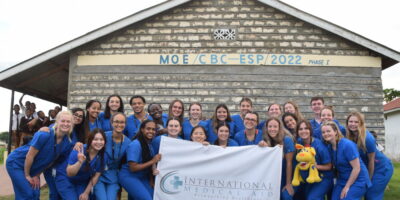

High school medical internship safety comes down to four things parents can check: who supervises your teen, what they are allowed to do, where they live and travel, and how problems reach you. At IMA, applicants must be 16 by the program start, HOSA members may apply at 15, and every intern is assigned a mentor.
You want your child to learn, grow and explore an early interest in healthcare without being placed in unsafe situations or asked to act beyond their training. Our high school medical internship guide covers the program as a whole; this article focuses on the questions families ask most about supervision, boundaries, housing and support.
As you compare local programs, summer options and international placements, you will need more than promises. You need specific answers. Who is supervising my teen hour by hour? What happens if my child feels sick or overwhelmed? How does the program protect patients as well as interns? Programs that answer these questions in writing, before you commit, usually have real structures behind them.
This guide walks through the main areas to review: clinical boundaries, supervision, health and travel preparation, housing and daily life, emotional support and readiness. Each section explains what to ask any program and how International Medical Aid handles the same issue in its medical internships for high school students. If you have a question this guide does not cover, our Parents’ Guide answers many program-specific questions.
What Parents Need to Know Before a Teen Enters a Hospital
Hospitals treat teen participants as part of the professional environment, even when their responsibilities are limited. Teens are held to the same expectations on confidentiality, respect and reliability as adult volunteers and trainees. Before your teenager starts any hospital-based experience, three points are worth understanding.
- Your teen is there to learn and to help within clear limits. Supervised teens can take part in patient interactions and basic noninvasive tasks, but they never make clinical decisions or perform procedures beyond their training.
- Hospitals expect professional behavior from day one. Punctuality, appropriate dress, confidentiality and respect for patients and staff are part of the role from the first shift.
- Well-designed programs have written policies, not just verbal assurances. Handbooks, consent forms, co-signed applications and privacy agreements show that an organization has thought carefully about minors in clinical settings.
International Medical Aid follows these principles. High school interns rotate through hospital departments with an assigned mentor, take part in patient interactions and health education, and assist with basic noninvasive tasks under the supervision of licensed providers. They are held to the professional standards of a teaching hospital.
Core Safety Questions to Ask Any Program
You do not have to accept vague answers. Ask direct questions in four areas: what your teen will do, who supervises them, how privacy is handled and what happens if something goes wrong.
What Will My Teen Actually Do During Clinical Hours?
You should hear specific, concrete boundaries when you ask what teens may and may not do. A well-run program will tell you that high school interns:
- Watch exams, rounds and procedures from safe positions when patients agree to their presence
- Take part in patient interactions and health education under supervision
- Assist with basic noninvasive tasks that licensed staff assign, such as escorting patients, preparing education materials or helping at community clinics
- Do not perform invasive procedures such as injections, blood draws or suturing
- Do not administer medications or handle medication storage
- Do not chart in official medical records or enter orders in electronic systems
Global health ethics frameworks such as the WEIGHT guidelines stress that short-term trainees should never work beyond their competence, particularly in low-resource settings where patients may be more vulnerable. Our article on what teens can and cannot do in hospital internships lists these boundaries in more detail.
At IMA, clinical skills that go beyond a teen’s level, such as basic suturing or blood pressure technique, are practiced in simulation sessions on models. In hospitals and clinics, teen interns take part under supervision and never act as providers.
Who Supervises My Teen, and How Closely?
Safety depends heavily on supervision. Parents should ask:
- Who is formally responsible for my teenager during clinical hours?
- How many supervising staff or mentors are there for each group of students?
- Are supervisors clinicians employed by the hospital, program staff or both?
- Is an on-site coordinator available whenever interns are in the hospital?
In any hospital, volunteers and trainees work under staff direction, and supervisors are responsible for assigning appropriate tasks and making sure policies are followed.
IMA assigns each high school student a mentor for the length of the program. Interns work in small groups, are introduced to local staff by program personnel, and have clear guidance on what to do if they are invited to do something outside agreed boundaries. On-site program coordinators are trained in emergency response, and Program Mentors, clinical coordinators and medical professionals are available around the clock.
How Is Patient Privacy Protected?
Teen participants commonly agree to confidentiality rules that mirror those for adult volunteers. These rules usually state that participants:
- Will not share any patient information, including names or identifying details, outside the hospital
- Will not discuss cases in public spaces such as hallways, elevators or cafeterias
- Will not post about patients or clinical situations on social media
Parents can ask how privacy training is delivered and whether the program teaches students how to write about their experience later without identifying anyone. Our guide to patient privacy during clinical placements explains why a single photo can break a patient’s trust, and how students can document their learning instead.
IMA covers confidentiality during orientation and revisits privacy throughout the program, especially in sensitive areas such as pediatrics and women’s health.
What Happens If Something Goes Wrong?
Any program that places minors in clinical or international settings should have clear plans for illness, injury and emergencies. Parents can ask:
- How are injuries, exposures or sudden illnesses handled?
- Which local medical facilities are used if an intern needs care?
- Who decides whether an intern should step away from clinical work or return home?
- How, and how quickly, will parents be contacted?
Guidance on global health experiences emphasizes preparing for emergencies before departure, with clear communication channels and plans for higher-level care when needed.
IMA has maintained a 100% safety record for all high school and pre-health interns, and its program safety and security page reports no incidents with interns or staff in any of its programs. Each location operates under a crisis management framework that includes defined response protocols for medical, natural disaster and security emergencies, regular drills on evacuation routes and communication, coordination with local authorities and embassy liaisons, and real-time incident alerts. Interns have immediate access to post-exposure prophylaxis after an infectious exposure, and the high school program page notes that on-site staff assist immediately if a student is sick and that parents are informed promptly.
Who to Contact, and When
The brief version of any safety plan is knowing who handles what. This table summarizes the roles IMA describes on its program pages and the kinds of situations each one handles.
| Situation | First contact | What happens next |
|---|---|---|
| A question or concern during a clinical shift | The assigned mentor or Program Mentor | The mentor clarifies the task, steps in if a request is outside agreed limits, or moves the student |
| Feeling unwell, injured or exposed to an infection | On-site program staff | Staff assist immediately, arrange care through local medical partners, and start post-exposure prophylaxis if needed |
| Stress, homesickness or a hard case | The mentor, then confidential counseling | Interns can reach licensed mental health professionals for confidential counseling |
| Housing, transport or schedule issues | The on-site program coordinator | Coordinators handle logistics and daily check-ins |
| A parent needs information or to reach their teen | IMA’s U.S.-based support staff | Staff provide real-time communication with families and updates on significant issues |
| A security or natural disaster event | On-site staff under the crisis framework | Defined response protocols, real-time alerts and coordination with local authorities and embassy liaisons |
Ask any program you are considering for a table like this. If it cannot name who handles each situation, that is useful information in itself.
Health, Travel and Insurance Considerations
For international internships, safety planning extends well beyond the hospital. Treat health and travel preparation as part of the internship itself.
Vaccines and Pre-Travel Medical Care
For children and teens, the CDC advises families to make an appointment with a primary care clinician or travel medicine specialist at least one month before departure and to make sure the child is up to date on all routine vaccines, including measles. For teens traveling abroad, parents should:
- Schedule the pre-travel visit early enough to complete any vaccine series
- Review routine vaccines such as MMR, Tdap, polio and varicella, and get any needed doses
- Check destination-specific recommendations, such as hepatitis A, typhoid or yellow fever, using CDC resources
- Discuss malaria prevention and any other preventive medicines if they apply to the destination
Before departure, IMA gives each intern a personalized country risk profile that outlines endemic diseases, climate-related hazards and seasonal considerations, and covers required and recommended vaccinations in pre-departure sessions. Families should still confirm every recommendation with their own clinician, since individual medical histories vary.
Personal Health, Medications and Mental Health
Review your teenager’s health needs in three areas:
- Chronic conditions. Conditions such as asthma, allergies or diabetes should be stable and well managed, and your teen should know how to manage their own routine day to day.
- Medications. Pack regular medications with enough supply for the whole program plus extra for delays, and carry a written list of medications and doses in case of an emergency.
- Mental health. International travel and clinical exposure can be stressful. If your teen has a history of anxiety, depression or another mental health condition, discuss coping strategies and support with their clinician before departure.
Pediatric global health educators note that preparing for electives should include attention to emotional resilience, support systems and strategies for coping with moral distress. The same logic applies to high school interns who will see illness and health inequities up close.
IMA encourages families to share relevant health information with program staff in advance, so that housing, clinical assignments and support can be adjusted if needed.
Insurance, Evacuation and Documentation
The CDC lists travel health insurance and medical evacuation insurance as types of coverage travelers should consider, especially for remote destinations, and recommends enrolling in the State Department’s Smart Traveler Enrollment Program. Parents should confirm:
- What your teen’s health insurance covers in the host country
- Whether the program includes medical evacuation coverage for serious emergencies
- What documents your teen will carry, such as insurance cards, copies of prescriptions and any necessary medical letters
IMA’s high school program includes travel medical insurance, and its safety page describes comprehensive travel, accident and medical coverage for interns. Families can add coverage if they wish. Read the policy details together with your teen before departure so they know how to use it.
Housing, Transportation and Daily Life Abroad
Many parental concerns are not about hospital time at all. They are about where teens sleep, how they move around and who is paying attention when clinical hours end.
Where Will My Teen Live?
A well-run program is transparent about housing. Look for:
- A clear description of the residence, such as program houses, dormitory-style housing or vetted host families
- Information about security, such as gated compounds, staffed entrances or night guards
- Details on room sharing, bathrooms and whether staff live on-site or nearby
IMA residences are located in gated communities with 24/7 security staff, and housing is shared with a small group of peers. The safety page also describes regular safety inspections for fire prevention, structural integrity and hygiene. Our guide to housing and support during an internship abroad explains what to ask about any residence.
How Will My Teen Get to the Hospital?
Transport is a significant safety factor. The CDC’s guidance for traveling families stresses road safety, including checking car seat rules for younger children and never riding in the back of a pickup truck. Parents should ask:
- Are teens moved in program vehicles, public transit or taxis?
- Who coordinates daily transport to and from hospitals or clinics?
- What rules govern any movement during free time?
IMA uses designated private transportation for interns and does not allow public transport. Its safety page describes program-arranged vehicles with GPS tracking, background-checked drivers, predefined routes and buddy-system protocols.
What Are the Rules for Free Time?
Parents should also understand:
- Curfew times and how they are enforced
- Expectations about leaving housing in groups rather than alone
- Policies on alcohol, tobacco and other substances, which should be strictly prohibited for high school students
- How staff check in each evening and confirm that every participant is accounted for
Clear rules about free time signal that a program understands its duty of care to minors. At IMA, evenings and weekends include staff-supervised activities, rest time and organized excursions, and the rules are covered in pre-departure materials and again on arrival.
A Typical Day for a High School Intern
Knowing what a normal day looks like helps families picture where supervision happens. IMA’s high school page publishes this sample weekday schedule:
| Time | Activity |
|---|---|
| 7:00 AM | Breakfast |
| 8:00 AM | Clinical shadowing begins at designated hospitals |
| 12:30 PM | Lunch and midday break |
| 1:30 PM | Medical Spanish or Swahili instruction |
| 3:00 PM | Global health seminars or community outreach |
| 5:00 PM | Structured reflection or mentorship time |
| 6:30 PM | Dinner and optional group discussions |
Weekends are set aside for cultural excursions, guided sightseeing, cultural workshops and rest. Ask any program for a sample schedule like this; gaps in a schedule are where questions about supervision matter most.
Emotional Safety and Support for Teens
Clinical environments and international travel can be emotionally intense. Understanding how a program supports students through hard moments is part of evaluating its safety.
Processing Difficult Cases
Teen interns may see:
- Patients with serious injuries or advanced disease
- Families coping with loss or difficult diagnoses
- Limited resources that affect what care is possible
Pediatric global health educators describe how learners can feel moral distress when they see problems they cannot fix or practices that differ from what they have been taught. Group debriefing and time to talk through these experiences help.
IMA builds in:
- Daily structured reflection or mentorship time, where students can describe what they saw and how they felt
- Space to discuss ethical questions and differences between health systems
- Permission for students to step out of clinical spaces for a while if they feel overwhelmed, without stigma
- Daily wellness check-ins and weekly one-on-one meetings, as described on the safety page
Managing Culture Shock and Homesickness
Beyond clinical content, teens may experience culture shock, including differences in language, food, social norms and economic conditions, along with homesickness or anxiety from being away from family. Global health training guides for pediatric trainees recommend structured orientation to local culture and communication styles before and during a placement.
IMA offers cultural orientation, daily language instruction in Swahili or Spanish, and supervised excursions that help teens understand host communities thoughtfully rather than treating the internship as tourism. Staff watch for signs of adjustment difficulties and involve parents if needed.
Staying Within Personal Limits
Encourage your teen to:
- Be honest about their limits around blood, procedures or emotionally charged events
- Talk with their mentor if a department or case feels like too much
- Remember that stepping back from a particular procedure is always acceptable
Ethical guidance for global health experiences stresses that learners should be able to opt out of particular situations without penalty, especially when emotional risk is high. IMA mentors tell students that stepping back when needed is a sign of self-awareness, not weakness.
How International Medical Aid Approaches Safety for Families
IMA designs its high school programs around the same ethical and safety frameworks that guide global health electives for university and medical trainees, adjusted for the needs of teenagers.
Program Design and Ethical Standards
The WEIGHT guidelines call for clear learning goals, partnerships with local institutions that define appropriate roles, and strong supervision with attention to host community needs. For high school interns, IMA applies these principles through:
- Defined roles with written boundaries: supervised patient interactions, health education and basic noninvasive tasks
- Rotations through hospital departments such as general medicine, pediatrics, emergency care, surgery and women’s health, with local partners
- A Global Health Lecture Series and weekly seminars, so students learn about health systems and ethics, not just individual cases
- A physician-led orientation at the placement site that reviews the AAMC’s guidelines for students in clinical experiences abroad and standard precautions for infection control
Supervision and Mentoring
IMA’s support model is layered:
- Assigned mentors guide each student through daily hospital activities, model professional conduct and help with reflection.
- On-site coordinators, trained in emergency response, handle logistics, daily check-ins and non-clinical issues.
- Program Mentors, clinical coordinators and medical professionals are available around the clock, with clear escalation pathways for complex issues.
This layered approach mirrors recommendations for structured support in global health education, and it gives every student more than one adult to turn to.
Communication With Parents
For many parents, communication is what makes the difference between worry and confidence. IMA:
- Shares detailed pre-departure information about housing, hospitals, daily schedules and rules
- Offers one-on-one virtual meetings with local program staff and mentors before departure
- Provides real-time parent communication through U.S.-based support staff while the program runs
- Informs parents promptly about significant health or safety issues and works with families to adjust plans when needed
Parents also co-sign the application, so families are part of the commitment from the start.
Deciding If Your Teen Is Ready
Even a well-run program is not right for every student at every point in high school. An honest readiness check helps set everyone up for success. Our guide to age requirements for hospital internships and shadowing explains the age rules; maturity matters just as much.
Maturity and Communication
Ask yourself:
- Does my teen follow rules at home and school without constant reminders?
- Do they speak up when something is wrong, or do they tend to hide problems?
- Have they handled responsibilities such as a part-time job, long-term volunteering or leadership roles?
- How do they respond to stress, unfamiliar situations and constructive feedback?
Programs abroad require a baseline of maturity. Teens who struggle with punctuality, honesty or basic self-care may need more time and practice at home before they are ready for an international clinical experience.
Practical Readiness Checklist
Before saying yes, look for signs that your teen can:
- Wake up and get to scheduled activities on time
- Manage personal medications or health routines with little prompting
- Follow a dress code and keep ID, passport and phone secure
- Respect quiet hours, curfews and staff instructions
- Ask for help when confused, sick or emotionally overwhelmed
IMA’s application includes a virtual interview with admissions staff and a parent or guardian co-signature, which together help confirm that the program fits a student’s readiness.
Matching Program Structure to Your Teen
Some teens thrive in shorter, highly structured experiences with little free time. Others are ready for slightly more independence within clear rules. When comparing programs, look for structures that match your teen:
- Highly scheduled days with defined hospital hours and group activities
- Small cohorts for closer supervision
- Regular reflection and group discussion rather than only independent exploration
IMA’s high school programs run from two to twelve weeks, with most participants staying at least four weeks, during summer and gap year periods. Shorter stays suit teens who are traveling without family for the first time; longer stays give more time in each department.
Questions Parents Can Use When Comparing Programs
Use the same questions with each organization so the answers are easy to compare. Our list of medical internship abroad safety questions goes further for college students; for teens, start here:
- What exactly will my teen do during clinical hours, and what is explicitly off limits?
- Who supervises them, how many students does each mentor support, and how are mentors trained?
- How do you teach confidentiality and privacy rules?
- What happens if my teen becomes ill, injured or emotionally distressed?
- Where will they live, who else lives there, and how is security managed?
- How do they get to the hospital each day, and who goes with them?
- What are the rules about free time, curfews and leaving housing?
- What vaccines and travel preparations are needed before departure?
- How will you communicate with me during the program if something important happens?
- How will my teen’s experience be documented for future applications?
Programs that answer these questions clearly and consistently are more likely to have solid structures behind their marketing. Look for a long safety record and a clear plan for when something does go wrong; IMA has both.
Next Steps for Families
A teen medical internship, especially an international one, is a significant commitment of time and trust. For many families it becomes a powerful experience that helps a teenager confirm an interest in healthcare, build professionalism and gain early clinical experience. Our overview of global health internships for high school students can help you weigh the options.
To move forward thoughtfully:
- Talk with your teen about why they want this experience and what they hope to learn, not just what they hope to add to a resume.
- Review program materials together, focusing on safety, supervision and boundaries, not only destinations and photos.
- Book a pre-travel visit with your teen’s clinician to cover routine and travel vaccines and any personal risk factors.
- Contact program staff with detailed questions, and notice how clearly and promptly they respond.
- Assess readiness honestly, considering both your teen’s strengths and the areas where they are still growing.
IMA’s high school internships are designed to support families through each of these steps, combining structured hospital experience abroad with layered safety practices and educational support. With the right questions and preparation, parents can help their teens explore healthcare early in a way that is responsible, ethical and genuinely useful for the years ahead.
Frequently Asked Questions
How Old Does My Teen Need to Be for an IMA High School Internship?
Applicants must be at least 16 by the program start, and they can apply before turning 16. HOSA members may apply at 15. Some international sites require students to be 17 because of hospital partner rules, so confirm the current rule for your preferred site with IMA admissions.
Will My Teen Take Part in Patient Care?
Yes, within limits. High school interns take part in patient interactions and health education and assist with basic noninvasive tasks under the supervision of licensed providers. They do not perform invasive procedures, give medications, chart in medical records or make clinical decisions.
Who Do Parents Contact During the Program?
IMA’s U.S.-based support staff provide real-time communication with parents while the program runs. On-site program coordinators, Program Mentors and clinical coordinators handle day-to-day issues, and parents are informed promptly if a significant health or safety issue arises.
What Happens If My Teen Gets Sick Abroad?
On-site staff assist immediately, students can be seen at local clinics and hospitals, and parents are informed promptly. Interns also have immediate access to post-exposure prophylaxis after an infectious exposure, and travel medical insurance is included.
How Do Interns Travel Between Housing and the Hospital?
IMA uses designated private transportation for interns and does not allow public transport. Its safety page describes program-arranged vehicles with GPS tracking, background-checked drivers and predefined routes.
Is a High School Medical Internship Abroad Completely Safe?
IMA has maintained a 100% safety record for all high school and pre-health interns, with no incidents involving interns or staff in any of its programs. That record rests on layered preparation and support: pre-departure health guidance, supervised clinical work, secure housing, private transport, 24/7 staff and a clear plan for emergencies.
How Can My Teen Talk About the Experience in College Applications?
Encourage your teen to describe what they did and learned without identifying any patient. Focus on specific moments, what they noticed about communication and teamwork, and how the experience shaped their goals. IMA provides a certificate of completion and a physician-authored recommendation letter.