A good medical internship travel schedule puts hospital learning on weekdays and travel on weekends. At IMA, interns spend about six to eight hours a weekday at the hospital, afternoons and evenings are free, and weekends are open for treks, rest or extra hospital time. Plan trips around that rhythm, not the other way around.
A health internship program abroad guarantees two things: an unforgettable learning experience and incredible adventures along the way. Both play important roles in your medical career journey, but finding the right balance is what makes the experience truly worth it. Our guide on how to make the most of a pre-med internship abroad covers the clinical side in more depth.
So, how do you balance adventure and learning during your health internship abroad? The answer starts with knowing how your days are actually structured, then setting goals, protecting your learning time and planning the fun on purpose.
Key Points
- On IMA programs, a typical weekday is six to eight hours at the hospital, with lectures and simulations in the morning and clinics or free time in the afternoon.
- One night shift a week is optional, and weekends are free for excursions or treks, or for extra time at the hospital.
- Optional treks and safaris are arranged separately, so you can choose how much travel to add.
- Cusco and Machu Picchu sit at high altitude; the CDC advises talking to your doctor about altitude sickness before you go.
- Rest is part of the plan. Burnout is common in medicine, and tired interns learn less.
What a Typical Week Looks Like
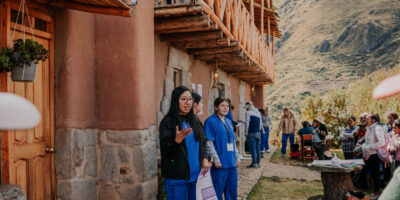
Before you plan a single trip, it helps to know what your weekdays already hold. IMA’s internships overview describes the typical day: interns spend six to eight hours in the hospital and have downtime in the afternoons for activities and local excursions. Mornings often include lectures and simulations, and afternoons can include medical and hygiene clinics. Interns are welcome to join one night shift a week, and weekends are free for excursions or treks, or for extra hours in the hospital if you prefer.
In Cusco, you arrive on a Saturday, attend orientation on Sunday and start at the hospital on Monday. In Mombasa, the program runs year-round, and our guide to a supervised week in a Kenya medical internship walks through a full week at the Kenya site.
Here is one way a balanced week can look. Your actual schedule depends on your department and your Program Mentor’s plan.
| Day | Daytime | Afternoon and evening |
|---|---|---|
| Monday | Hospital rotation, six to eight hours | Rest, review notes, early night |
| Tuesday | Hospital rotation | Short walk in town, dinner with other interns |
| Wednesday | Hospital rotation | Optional night shift, or a quiet evening |
| Thursday | Hospital rotation | Write your weekly reflection |
| Friday | Hospital rotation | Plan the weekend, pack a day bag |
| Saturday | Day trip, trek or extra hospital time | Back early enough to rest |
| Sunday | Slow morning, local market or cafe | Prepare for Monday |
The pattern matters more than the details. Weekdays belong to learning, at least one evening a week belongs to rest, and weekend travel ends early enough that Monday is not a write-off.
Set Clear Goals
First, think about what you’d like to learn. Are there any specific skills you’d love to pick up? Perhaps you want to master public health research, health communication, or trauma-informed care. Write these down.
Next, consider what adventures you’re hoping to experience. Are you planning on hiking to a breathtaking waterfall on your weekend off, or maybe trying every single dish at the local night market? Make note of these, too.
With clear goals, you won’t be overwhelmed by every new experience. You’ll know exactly where you need to be and what experiences you’re seeking.
A simple way to do this is to write two short lists before you fly: three things you want to learn at the hospital and three things you want to see or do outside it. Share the learning list with your Program Mentor in the first days so they can help you find the right departments, and use the adventure list to decide which weekends to keep free.
How Long Should You Stay to Fit Both In?
Length shapes everything. A two-week stay gives you two weekends, which is enough for one bigger trip and one quieter weekend. Four weeks or more leaves room for several excursions without crowding your learning. Our guide to choosing a clinical internship length compares the options week by week.
Put Learning First
Remember why you chose this internship in the first place, probably because you wanted to grow professionally. That needs to be your top priority, with everything else taking second place.
This internship doesn’t just impact your learning. It very likely lays the stage for career prospects, with data showing that interns are 25% more likely to start a full-time position barely six months after graduation.
So, show up every day ready to learn. If you’re observing surgeries, pay attention to even the tiniest details. How does the surgeon hold their tools? What questions do they ask the patient before starting? Ask for feedback from your mentors, too, and improve the experiential learning process based on their advice.
In practice, putting learning first means a few habits:
- Arrive on time and rested, especially after a weekend trip.
- Keep a small notebook for questions and write them down between patients.
- Spend 15 minutes each evening turning your notes into a short reflection while the details are fresh.
- Say yes to the optional night shift at least once if you can, since the hospital looks different after dark.
What Will You Actually Do at the Hospital?
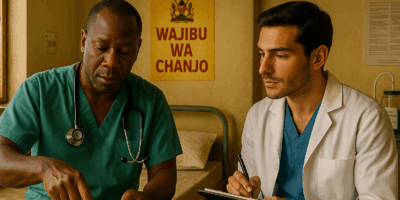
Under the supervision of licensed clinicians and within their training level, IMA interns take part in direct patient care. They take vital signs, help with patient intake and triage, conduct basic patient interviews and assist with noninvasive tasks, alongside ward rounds, department rotations, clinical simulations and community outreach. They do not diagnose, prescribe or perform invasive procedures. Your hours are logged and signed, which is one more reason to protect your weekday schedule. If you are still choosing a program, IMA’s pre-med internships abroad in Mombasa and Cusco follow this weekday structure.
Plan Your Adventures Wisely
There are many things to do, many places to see, and plenty of cultures to experience. That said, smart planning becomes essential. You want to experience as much as possible without letting adventures interfere with your learning.
Start by scheduling dedicated downtime. For instance, you could use your evenings or weekends to explore a few things. Say you’re in Peru. On Friday nights, join a salsa class with locals. Saturdays, hike to Machu Picchu. On Sundays, relax at a cafe with a book.
Also, look for ways to combine professional development and adventure. For example, if you’re interested in public health, consider visiting a community clinic during your free time. Not only will you meet new people, but you’ll also deepen your understanding of patient care and global health care systems.
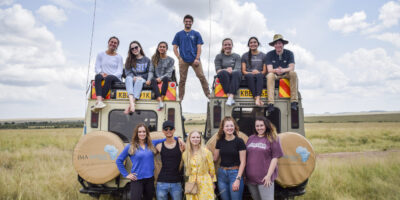
IMA’s program pages describe the options. Optional treks and safaris are arranged and paid for separately, so you choose how much to add. From Mombasa, interns often plan a safari or a coastal trip. From Cusco, the city itself, the Inca Trail and Machu Picchu are the classic weekend goals. IMA coordinates cultural excursions and trips with safety in mind, which saves you from planning every detail alone.
A few planning rules keep travel from eating into your learning:
- Book big trips for weekends, not weekdays, and check the dates with your Program Mentor.
- Leave a buffer. Aim to be back by Sunday afternoon, not late Sunday night.
- Go with other interns or on organized trips rather than alone.
- Pack a day bag in advance; our medical internship abroad packing list covers what to bring for both the hospital and the weekends.
Is Altitude a Problem in Cusco?
It can be. The CDC notes that many popular destinations in Peru, such as Machu Picchu, are at high altitudes, and that you may experience altitude sickness as a result. It advises talking to your doctor about ways to prevent and treat it. For your schedule, this means taking the first days in Cusco gently: walk slowly, drink water, skip strenuous hikes in your first week and save the Inca Trail for later in your stay.
Get to Know the Culture
Diverse cultures mean diverse experiences. And if you’re to make the most of your internship in new countries, you need to have at least a passing knowledge of how culture influences the lives of people there.
So, engage with locals whenever you can. Strike up conversations in line at the grocery store or grab coffee with a coworker after shifts. These interactions can provide insights that no guidebook could ever offer.
Ask questions whenever something intriguing pops up, too. People love talking about their traditions, holidays, and daily life. So, if someone mentions Tet (Vietnamese New Year), ask what it means to them personally. You’ll learn so much more this way. Also, if the opportunity presents itself, participate in cultural events. These experiences create lasting memories while deepening your appreciation for the communities you’re serving.
Culture also shows up inside the hospital. How families gather around a bed, how staff greet patients and how bad news is shared all teach you something. Notice these things during the week, then talk about them with other interns over the weekend. That turns your free time into part of your learning instead of a break from it.
Health and Safety
Burnout rates in the medical field were as high as 62% in 2021. But when you put your health and well-being first, you increasingly lower the odds of falling victim to this situation. The AMA reported that the rate later fell to 48.2% in 2023, which is still close to half of physicians.
Start by taking care of yourself physically. Eat well, drink plenty of water, and try to get enough sleep. Mental health matters, too. So, take breaks when you need to. If you need a quiet evening in instead of going out, do it. You’ll be sharper and happier for it. Our guide to the mental health side of global health work for interns explains how to handle hard cases and homesickness.
But it’s not just about health. Safety is another huge concern. So, research the area before heading out. Are there certain neighborhoods to avoid? Do you need to carry cash or use cards? Know the local emergency numbers and crisis hotlines, and keep them handy. Check the current State Department travel advisories for Kenya and Peru and the CDC’s travel health page for Kenya before you book weekend trips.
Travel insurance is another very important factor. About 68% of people consider taking it up when traveling abroad, and with good reason. You could lose your passport, get sick, or miss a flight. Travel insurance can cover these unexpected mishaps. Consider health insurance, liability insurance, and any other relevant coverage, too.
IMA’s support is part of your safety net. Its programs include safety briefings, cultural orientation, evening check-ins and set curfews, and designated mentors and support available 24 hours a day. IMA has maintained a 100% safety record for all high school and pre-health interns. Follow the curfew on weekend trips too, and tell staff where you are going.
How Do You Know You Need a Rest Day?
Watch for the early signs: you are dreading the hospital, you cannot remember what you saw yesterday, you are short with other interns or you are sleeping badly. Any one of these is a signal to make the next weekend quiet. Skipping one trip costs you little; arriving at the hospital exhausted for a week costs you much more.
Final Thoughts
Balancing adventure and learning during a health internship abroad might take some work and discipline, but with these strategies, it’s absolutely achievable.
Even better, arm yourself with the resources on our site. At International Medical Aid, we are dedicated to providing the support you need to make the most of your experiences in different places across the world. Get in touch with us today, and let’s partner with you in this very important stage of your career.
Frequently Asked Questions
How Many Hours a Day Do IMA Interns Spend at the Hospital?
Interns typically spend six to eight hours a weekday at the hospital, with lectures and simulations in the morning and clinics or free time in the afternoon. One night shift a week is optional.
Are Weekends Free During an IMA Internship?
Yes. Weekends are free for excursions or treks, and you are also welcome to spend extra time at the hospital if you prefer.
Can I Visit Machu Picchu During a Cusco Internship?
Yes, many interns plan it for a weekend. Because Cusco and Machu Picchu are at high altitude, give yourself a few days to adjust first and talk to your doctor about altitude sickness before you travel.
Should I Take Trips on Weekdays?
It is better not to. Your weekdays are your clinical time, and your hours are logged and signed. Keep big trips for weekends and confirm any plans with your Program Mentor.
Do Optional Excursions Cost Extra?
Yes. IMA arranges optional treks and safaris separately from the program, so you can decide how much travel to add.
How Do I Avoid Burnout While Traveling and Interning?
Protect your sleep, keep at least one quiet evening a week, return from weekend trips early and make every few weekends a rest weekend. Talk to your Program Mentor if you feel overwhelmed.