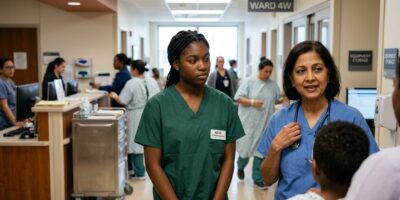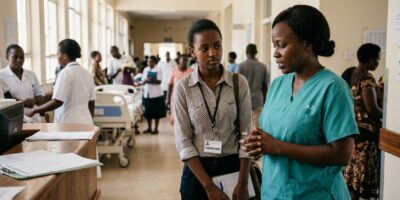
Global health internships for high school students offer something most domestic experiences cannot: the chance to observe healthcare delivery in settings where resources are limited, patient volumes are high, and the conditions patients present with look very different from what you would see in a typical American hospital. For students seriously considering a career in medicine, nursing, dentistry, or another health profession, that kind of early exposure builds perspective that is difficult to replicate in a classroom or even a local volunteer placement. Programs like the best medical internships for high school students are specifically structured so that minors observe and support clinical teams rather than practice medicine, which is an important distinction that both students and parents should understand from the start.
The appeal of an international health experience at 16 or 17 is understandable. It signals initiative. It broadens how a student thinks about illness, treatment, and the systems that deliver care. But it also raises real questions about safety, supervision, maturity, and whether the experience is genuinely educational or just expensive tourism with a medical label. Those are fair questions, and they deserve honest answers. The best medical internships for high school students address every one of them through clear structure, professional oversight, vetted housing, and daily programming that balances clinical observation with guided reflection and cultural engagement. This article breaks down what global health internships for high school students actually involve, what is realistic to expect, and how to evaluate whether a program is worth a family’s time and investment.
What a Global Health Internship for High School Students Actually Looks Like
The word “internship” can create confusion. For a high school student in an international clinical setting, the role is observational and supportive. Students shadow local doctors, nurses, clinical officers, and other providers. They watch consultations, rounds, diagnostic processes, and sometimes surgical procedures from an appropriate distance. They may assist with non-clinical tasks like organizing supplies or helping with patient intake paperwork. They do not diagnose, treat, administer medication, draw blood, or perform any procedure on a patient.
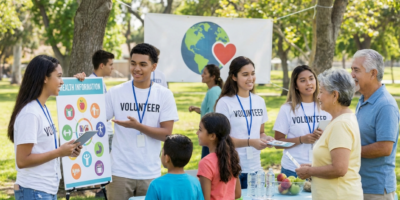
A typical day in a structured program begins with a group briefing and transport to the clinical site via vetted, private vehicles. Morning hours are spent in a hospital or clinic, observing specific departments or following a medical team. After lunch, the afternoon might continue with clinical observation or shift to an educational workshop, a lecture from a local physician, or a community health outreach activity. Evenings include a structured debrief with program staff, group reflection, dinner, and sometimes cultural activities. Curfews are enforced, and the daily schedule is planned in advance.
This structure matters because it keeps the experience educational rather than chaotic. Students are not left to figure things out on their own. Every clinical placement is supervised by local healthcare professionals and program coordinators who are responsible for the student’s learning and safety throughout the day.
Why International Settings Offer a Different Kind of Learning
Observing medicine in Kenya, Tanzania, Peru, Colombia, or Ecuador is not the same as shadowing in a well-resourced American hospital. The differences are not just geographic; they are systemic. In many public hospitals across East Africa, for example, a single clinical officer may see dozens of patients in a morning, making decisions about diagnosis and treatment with limited lab work and basic equipment. In parts of South America, public clinics serve communities where patients may have traveled hours for care and present with conditions at advanced stages because earlier access simply was not available.
For a high school student, witnessing these realities firsthand does something that reading about global health disparities cannot. It makes the concepts concrete. Students observe how providers adapt when a piece of equipment is unavailable, how families participate in care decisions differently than in the U.S., and how diseases like malaria, tuberculosis, or dengue shape the daily workload of a hospital in ways that American students rarely encounter at home. The WHO’s data on the projected global shortage of 10 million health workers by 2030 stops being an abstract statistic when you have watched a single nurse manage an overcrowded ward.
These observations also introduce students to the concept of cultural humility, which is the recognition that your own assumptions about health, treatment, and patient relationships are shaped by your own background. Developing that awareness early is genuinely useful, not just for future applications but for becoming a more thoughtful person. IMA’s blog on building cultural competence in global medical programs goes deeper into what that process looks like for students in the field.
Safety, Supervision, and What Parents Need to Know
If you are a parent reading this, your first concern is probably not what your child will observe in a clinic. It is whether they will be safe, supervised, and well cared for while thousands of miles from home. That concern is entirely reasonable, and it should be the first thing any program addresses clearly.
Structured programs designed for high school students build safety into every layer of the experience. That means secure, vetted accommodation with controlled access, not hostels or homestays without oversight. It means private transportation arranged by the program, not public transit. It means 24/7 in-country staff who serve as chaperones, mentors, and first responders. It means emergency protocols that include evacuation procedures, access to local medical care, and direct communication channels between program staff and parents.
Communication is a specific point worth pressing on. Parents should be able to reach program staff at any time, and the program should provide regular updates throughout the experience. If a program is vague about how it handles emergencies or how parents will be kept informed, that is a red flag. IMA’s parent guide to high school medical internships covers these questions in more detail and is worth reading before you evaluate any program.
Maturity and Readiness Are Real Factors
Not every high school student is ready for an international clinical experience, and that is not a criticism. Living in a group, following a structured schedule in an unfamiliar country, observing illness and suffering up close, and being away from family for an extended period all require a certain level of emotional maturity, flexibility, and self-awareness. Students and parents should have an honest conversation about readiness before committing. A student who is genuinely curious, willing to follow rules, comfortable with discomfort, and able to process difficult observations with the help of staff and peers is likely to benefit significantly. A student who is primarily motivated by a resume line may struggle with the realities of the experience.
How This Experience Connects to Future Health Professions Admissions
High school clinical observation is not the same as the clinical hours that medical, PA, dental, or nursing schools require from college-level applicants. No admissions committee expects a 17-year-old to have logged formal clinical hours. What they do notice, however, is a pattern of genuine interest that starts early and deepens over time.
A global health internship completed in high school can demonstrate several things that matter when a student eventually applies to a health professions program. It shows early and sustained curiosity about medicine. It shows willingness to engage with unfamiliar systems and populations. It shows maturity, since completing an international program as a minor is not trivial. And it provides material for personal statements and interviews that goes beyond generic claims about wanting to help people.
The AAMC’s guidance on what strengthens a medical school application consistently emphasizes authenticity, self-awareness, and the ability to reflect meaningfully on experiences. Admissions reviewers want to see that a student learned something real, not that they checked a box. A student who can describe a specific moment in a Tanzanian hospital, explain what it taught them about resource allocation or patient trust, and connect that observation to their evolving understanding of healthcare will always be more compelling than a student who lists “international medical trip” with no depth behind it.
It is also important to be honest in applications. Students should describe their role accurately as observational. Overstating involvement in patient care is not only unethical; it is the kind of claim that experienced reviewers see through immediately. The value is in what you witnessed, what you reflected on, and how it shaped your thinking.
What to Look for When Evaluating Global Health Programs for Teens
Not all international health programs are created equal, and the differences matter more when the participants are minors. Here are the specific things students and parents should evaluate before choosing a program.
Structure and Daily Programming
Ask for a detailed sample itinerary. A credible program will have a clear daily schedule that includes clinical observation, educational components, cultural activities, and structured downtime. If the program cannot describe what a typical day looks like, that is a concern. The balance between clinical time and other activities should feel intentional, not improvised.
Supervision Ratios and Staff Qualifications
Find out how many staff members are present for every group of students, what their qualifications are, and whether they are on-site 24/7. For high school programs, dedicated chaperones should be present at all times, not just during clinical hours. Staff should include both local coordinators who know the destination well and program leaders who understand the needs of young, pre-health students.
Clinical Partnerships and Ethical Standards
The hospitals and clinics where students are placed should be established facilities with real patient populations, not staged environments. The program should be transparent about its relationship with these facilities, how patient consent for student observation is handled, and what ethical guidelines govern student conduct. Programs that emphasize clinical ethics for students in medical settings as part of their curriculum are taking the right approach.
Housing, Transport, and Health Precautions
Housing should be secure, clean, and purpose-selected for minors. Transport should be private and arranged by the program. The program should provide clear guidance on required vaccinations, food and water safety, insect bite prevention, and what happens if a student becomes ill. Comprehensive travel insurance should be required, not optional.
Setting Expectations: What Students Gain and What They Do Not
The honest case for a global health internship is not that it will get you into medical school or that it will look impressive on a resume. The honest case is that it will give you a more grounded, more informed perspective on what healthcare looks like outside the American system, and it will help you figure out whether this path is genuinely right for you.
Students who complete these programs typically come away with a clearer understanding of health disparities, a stronger sense of what clinical environments feel like, and a more mature ability to reflect on what they have seen. They also develop practical skills like working in a group, adapting to unfamiliar environments, and communicating across cultural differences. The Bureau of Labor Statistics projects 13% growth in healthcare occupations through 2032, adding roughly 1.8 million jobs. The field is not going anywhere, and the students who enter it with the broadest perspective will be better prepared for its complexity.
What students do not gain is hands-on clinical experience, medical credentials, academic credit (unless separately arranged through their school), or a guarantee of any admissions outcome. Any program that implies otherwise is being dishonest. The value of this experience is real, but it is rooted in observation, reflection, and early professional exposure, not in doing the work of a licensed provider.
For families weighing whether a global health internship is the right next step, the best approach is to be specific in your questions, realistic in your expectations, and thoughtful about fit. The right program, at the right time, for the right student, can be one of the most meaningful experiences of high school. But it has to be the right match, and that takes honest evaluation from everyone involved.
Frequently Asked Questions
Will my high school student be performing any medical procedures during a global health internship?
No. High school students in structured global health internships observe and support clinical teams; they do not diagnose, treat, or perform any medical procedures on patients. Their role is to watch, ask questions, and learn from licensed local healthcare professionals under direct supervision. Any program that suggests minors will engage in hands-on patient care should be evaluated very carefully.
How are high school students supervised during international health programs?
Reputable programs provide 24/7 in-country staff who serve as chaperones and mentors throughout the experience. Students are accompanied during clinical placements, transported via private vetted vehicles, housed in secure accommodations, and subject to curfews and behavioral guidelines. Parents should have a direct communication channel with program staff for regular updates and emergencies.
Does a global health internship count as clinical hours for medical school applications?
High school observational experiences are generally not counted as formal clinical hours by medical, PA, dental, or nursing school admissions committees. However, the experience can strengthen a future application by demonstrating early interest, maturity, cultural competence, and the ability to reflect meaningfully on what you observed. The key is to describe your role honestly and focus on what you learned.