medical internships for high school students focused on women’s health offer early, structured exposure to one of the most critical areas of medicine, but the term “internship” can mean very different things depending on the program. Some are rigorous, well-supervised experiences that place students in real clinical environments alongside licensed providers. Others are loosely organized or over-promise what a minor will actually do. For students and parents evaluating these opportunities, the difference matters enormously. Understanding what these programs genuinely involve, what students are and are not permitted to do, and what kind of supervision to expect is the starting point for making a sound decision.
The field of women’s health is broad. It spans obstetrics and gynecology, maternal-fetal medicine, reproductive endocrinology, midwifery, gynecologic oncology, and community-based reproductive health education. According to AAMC data on women in medicine and specialty demographics, women now make up over 85% of OB/GYN residents, and more than 53% of all medical school enrollees are women. The pipeline into these specialties is growing, and interest is starting earlier. For a high school student drawn to healthcare, particularly to maternal health or reproductive medicine, summer medical internships for high school students can offer genuine perspective. But they need to be the right programs, with the right boundaries, and realistic expectations on all sides.
What a Women’s Health Internship Actually Looks Like for a High Schooler
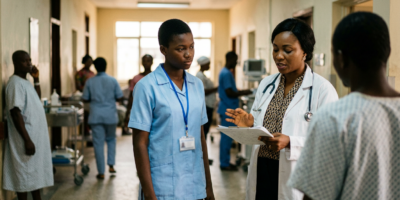
The most important thing to understand is scope. A high school student in a women’s health internship is not delivering babies, performing examinations, or making clinical decisions. That would be unsafe, unethical, and illegal. What students do is observe, learn, and support within clearly defined, supervised limits.
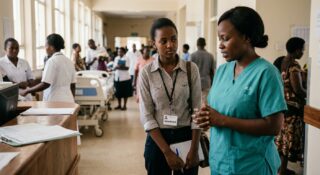
In a structured program, a typical day might begin with a morning briefing led by a program coordinator or supervising clinician. Students then shadow licensed healthcare providers during prenatal consultations, family planning sessions, or maternal health check-ups. They may observe postpartum care, cervical cancer screening procedures, or community health education programs. Under direct supervision, some students assist with basic tasks like recording vital signs, organizing patient education materials, or supporting data collection. These tasks are always supervised and never involve independent clinical responsibility.
The learning comes through watching experienced professionals work, asking questions in appropriate moments, and reflecting on what they observed. Programs with real educational value build in structured reflection time, where students process what they have seen with a mentor or coordinator. This is especially important in women’s health settings, where the emotional and ethical dimensions of care can be significant, even for an observer.
Students interested in understanding how healthcare careers begin at the high school level can find a helpful starting point through IMA’s overview of high school internship options, which outlines the structure and expectations of early clinical exposure programs.
Why Women’s Health Matters as a Focus Area
Women’s health is not a niche specialty. It sits at the center of some of the most pressing questions in global and domestic medicine. In the United States, the maternal mortality rate stands at 32.9 deaths per 100,000 live births, according to CDC maternal mortality data. That rate is significantly higher than in other high-income countries and reflects deep disparities by race, geography, and socioeconomic status. Globally, the World Health Organization estimates roughly 287,000 maternal deaths annually, with sub-Saharan Africa accounting for approximately 70% of those losses.
These are not abstract numbers. They represent gaps in access, training, infrastructure, and policy that healthcare professionals work to address every day. A high school student who spends time in a women’s health setting, whether in a domestic hospital or an international clinic, begins to see these realities up close. They observe how prenatal care is delivered in different contexts, how resources shape outcomes, and how patient education efforts work at the community level.
This kind of exposure does not make a student a clinician. But it does give them a reference point for understanding what a career in this field actually involves. For students who later apply to medical school, nursing programs, PA programs, or public health degrees, the ability to speak specifically about what they observed and what it taught them carries weight. It is more credible and useful than a vague claim about wanting to help people.
What Parents Should Know About Safety, Supervision, and Age-Appropriate Exposure
Parents are right to ask hard questions about any program that places a minor in a clinical setting. Women’s health environments involve sensitive subject matter, including reproductive health, labor and delivery, and conditions that carry emotional weight. A responsible program addresses this directly, not by avoiding the topic, but by building appropriate structure around it.
Supervision and Boundaries
In a well-designed program, students are never left unsupervised in clinical areas. They are accompanied by licensed providers, program coordinators, or both. Clear protocols exist for what students may and may not do, and these are reviewed during a mandatory orientation before any clinical exposure begins. Students observe sensitive examinations only with patient consent, and their role is always clearly communicated to patients and staff.
Housing, Communication, and Daily Structure
For programs that involve travel, particularly international programs, parents should expect transparency about housing arrangements, on-site supervision, emergency protocols, and communication channels. Students should have access to program staff around the clock. Daily schedules should be structured, with clear start and end times, designated reflection periods, and supervised free time. Programs that are vague about any of these details deserve scrutiny.
Emotional Readiness
Not every student is ready for clinical exposure at 16 or 17. Women’s health settings can include moments of joy, like healthy deliveries, and moments of difficulty, like complications or loss. A good program prepares students for this range and provides support when difficult observations arise. Parents and students should discuss this honestly before committing. Maturity is not just about age; it is about the ability to process complex experiences with support and to maintain professional boundaries in unfamiliar settings.
Students and families considering early clinical exposure in a structured context may find it helpful to read about how early medical exploration can shape a student’s long-term perspective.
How to Evaluate a Women’s Health Internship Program
Not all programs are built the same. Some are rigorous and transparent. Others trade on impressive-sounding descriptions without much substance behind them. Here are the questions that matter most when comparing options.
Ask About Clinical Supervision
Who supervises students in clinical settings? Are they licensed providers? What is the student-to-supervisor ratio? If a program cannot answer these questions clearly, that is a red flag. Supervision is not optional. It is the foundation of any safe, ethical clinical experience for a minor.
Ask What Students Actually Do
Get specific. A program should be able to describe a typical day in concrete terms. If the answer is mostly vague language about “immersing in healthcare” or “making a difference,” push for detail. The best programs are clear about the line between observation and participation, and they respect that line consistently.
Ask About Reflection and Mentorship
Clinical observation without processing is just tourism with scrubs. Strong programs include daily or regular reflection sessions led by experienced staff. These sessions help students connect what they observe to broader questions about healthcare systems, ethics, disparities, and career goals. This is where much of the real learning happens.
Ask About Ethical Standards
How does the program handle patient consent? How are students introduced to patients? What training do students receive on confidentiality, professionalism, and cultural sensitivity? In women’s health settings, where issues of privacy and dignity are especially important, these protocols should be well-established and clearly communicated.
How This Experience Connects to Future Applications
A women’s health internship completed in high school will not, by itself, determine whether a student gets into medical school, nursing school, or any other program. Admissions committees look at the full picture: grades, test scores, clinical hours, research, community involvement, leadership, and the quality of a student’s reflections on their experiences.
What a well-structured internship can provide is a specific, grounded experience to draw from. When an applicant writes about observing prenatal care in a rural clinic, or describes a moment when they saw how a midwife managed a patient’s fears, or explains how watching a cervical cancer screening program changed their understanding of preventive medicine, that specificity matters. It shows the student has actually been in a clinical environment and has thought carefully about what they saw.
The experience is relevant to many career paths. Future OB/GYNs, family medicine physicians, nurse-midwives, physician assistants, public health professionals, and healthcare administrators all benefit from early exposure to women’s health. According to HRSA workforce data on health professional shortage areas, maternal and women’s health remains a persistent area of need, particularly in underserved and rural communities. Students who can articulate an understanding of these gaps and a genuine interest in addressing them stand out.
For students already thinking about the longer arc of their pre-health preparation, understanding what medical students wish they had known earlier can help frame how high school experiences fit into the bigger picture.
Setting Honest Expectations Before You Commit
The best thing a student and parent can do before choosing a women’s health internship is to get honest with themselves about goals, readiness, and expectations.
If the primary goal is to test whether healthcare feels right, a well-structured shadowing experience can answer that question. If the goal is to build a specific, meaningful experience for future applications, the quality of reflection and mentorship in the program matters more than the destination or the number of hours. If the goal is to understand what women’s health looks like in practice, the program needs to place students in real clinical environments with real providers, not simulated settings with no connection to actual patient care.
Students should ask themselves whether they are prepared to be observers. This sounds simple, but it requires discipline. Observing means listening, watching, staying out of the way when necessary, and asking questions at the right time. It means respecting patients, providers, and local customs. It means being uncomfortable sometimes and processing that discomfort with the help of mentors rather than trying to fix things independently.
Parents should ask whether the program’s safety, supervision, and communication structures meet their standards. They should feel comfortable contacting the program with questions and should expect clear, honest answers. A program that is defensive or evasive about safety protocols is not the right fit for a minor.
Women’s health is a field that rewards curiosity, empathy, and commitment. An internship in high school will not make a student a specialist, but it can ground their interest in real experience and help them move forward with clearer intentions, better questions, and a more honest sense of what this work actually involves.
Frequently Asked Questions
Will my high school student be performing any medical procedures during a women’s health internship?
No. High school students observe and support within supervised, clearly defined limits. They do not perform examinations, deliver babies, or make any clinical decisions. Their role is to watch licensed professionals work, ask questions in appropriate settings, and learn through structured observation and reflection.
Is women’s health content appropriate for a high school-age student?
In a well-structured program, yes. The content is educational and focused on health promotion, preventive care, and clinical observation. Programs designed for minors manage exposure carefully, provide orientation on what to expect, and offer ongoing support from mentors and coordinators. Parents should discuss readiness and comfort level with their student before enrolling.
How does a women’s health internship in high school help with college or professional school applications?
It provides a specific, credible experience to reference in personal statements and interviews. Admissions committees at medical schools, nursing programs, and PA programs value applicants who can describe real clinical observations with maturity and reflection. The experience itself does not guarantee admission anywhere, but it can strengthen a student’s ability to articulate their interest in healthcare and their understanding of the field.