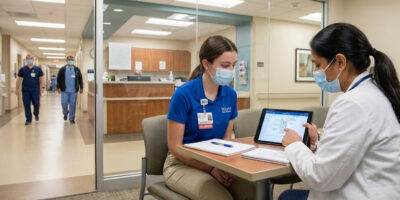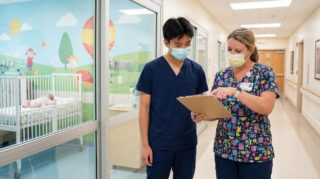
High school students who are drawn to medicine often feel a particular pull toward pediatrics or women’s health. They envision working with newborns, supporting pregnant patients, or caring for children with challenging illnesses. Parents want to know what this kind of exposure really looks like for a teenager, how hospitals handle safety, and which opportunities actually help students grow. As families compare local volunteering, short shadowing days, and structured international programs, many eventually consider medical internships for high school students as one way to gain deeper experience.
Once students move beyond general interest and start looking at pediatric and women’s health tracks, they discover that age, privacy requirements, and clinic rules shape what is possible. Hospitals must protect some of the most vulnerable patients in the system: infants, children, adolescents, and pregnant people. High school opportunities are carefully designed around observation, non-invasive support, and clear boundaries. International Medical Aid’s programs follow the same principles, and its dedicated pediatric and maternal health rotations build directly on IMA’s broader guide to clinical expectations.
Below is a detailed look at what pediatric and women’s health exposure can realistically include for high school students, how global health needs shape these departments, and how IMA’s hospital-based internships abroad create structured, ethical learning experiences in these areas.
Why Pediatrics And Women’s Health Matter In the Global Context
Pediatrics and women’s health are central to global health for a simple reason: many preventable deaths and long-term complications occur during childhood, adolescence, pregnancy, and childbirth.
- The World Health Organization estimates that each year, about 21 million adolescent girls become pregnant worldwide, and most of these pregnancies result in birth.
- Globally, more than 700 women died each day in 2023 from preventable causes related to pregnancy and childbirth, with about 94 percent of maternal deaths occurring in low and lower-middle-income countries.
These numbers translate into daily realities in hospitals where IMA places interns. Pediatric wards see illnesses that are less common in high-income countries, such as untreated infections, severe malnutrition, or advanced congenital conditions. Maternity units may care for adolescents whose pregnancies carry higher risks, or patients who arrive late in labor because they had limited access to prenatal care.
For high school students, this context matters for two reasons:
- It helps them understand why global pediatrics and women’s health are high-priority fields.
- It explains why hospitals are strict about who may participate in care and how minors must be supervised.
IMA’s pediatric and women’s health rotations are built around these realities. Students are not there to fix systemic problems. They are there to observe how local professionals respond to them and to learn how ethical, respectful care is delivered under constrained circumstances.
What High School Students Can Expect In Pediatric Settings
Pediatric environments look and feel different from adult units. They are often noisier, more colorful, and more emotionally intense. For teen observers, that combination can be both motivating and challenging.
Typical Pediatric Department Students May See
In IMA placements and similar hospital settings, high school students are most likely to rotate through:
- General pediatric wards where children are hospitalized for infections, respiratory conditions, malnutrition, and chronic illnesses.
- Outpatient pediatric clinics where families bring children for routine visits, vaccinations, and follow-up care.
- Neonatal units that care for premature or medically fragile newborns, sometimes in incubators or under phototherapy.
Students are placed only in units where hospital leadership has agreed to accept teen observers and where local privacy norms allow supervised presence at the bedside.

Observation, Not Procedures
Guidelines for premedical and student clinical experiences are clear: the primary purpose is observation, not hands-on treatment, and students must not perform procedures they are not trained or licensed to do.
In pediatric settings, that means high school students:
- Do not start IV lines, give injections, or perform blood draws.
- Do not insert feeding tubes, catheters, or other devices.
- Do not independently carry or restrain children for procedures.
Instead, they typically:
- Stand or sit where they can see and hear consultations and rounds, when caregivers consent.
- Watch how clinicians take histories from both children and caregivers.
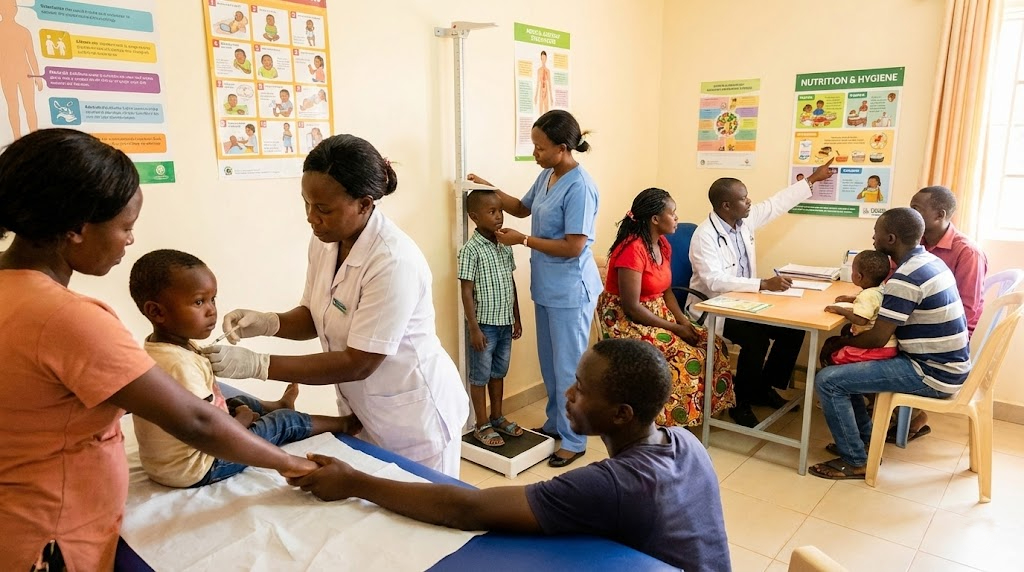
- Observe examinations, weighing and measuring, and vaccination processes.
- See how staff communicate with families about diagnoses, treatment, and follow-up.
In IMA programs, pediatric rotations are structured so that students move with a designated clinician or small team, rather than wandering between patients. Clinical mentors help them make sense of what they are seeing and emphasize that patient comfort always takes precedence over student learning.
Age-appropriate Supportive Tasks
Within strict boundaries, some noninvasive support tasks may be allowed. Examples that are commonly appropriate for high school students, when local policy and staff approve, include:
- Helping organize toys or books in play areas.
- Assisting with non-clinical comfort activities, such as reading to children or playing simple games in waiting areas.
- Restocking non-sterile supplies, such as gloves, wipes, or linens.
- Escorting families to appropriate desks or exam rooms when staff request help.
These tasks do not replace professional work. They give students a way to contribute while keeping all clinical decisions and procedures in the hands of licensed staff. In IMA placements, mentors closely supervise even these small tasks, especially in pediatric wards where safety and infection control are critical.
Connecting Observation to Academic Growth
While students cannot perform medical procedures, the intellectual engagement in these wards is immense. High school students often find that abstract concepts from their AP Biology or Anatomy & Physiology classes suddenly become tangible realities.
Observing a neonate under phototherapy brings the study of bilirubin and liver function to life; watching a clinician explain a diagnosis connects communication skills with pathophysiology.
Mentors encourage students to take notes on the science behind the cases they observe, transforming passive observation into an active academic case study that can deepen their understanding of their current schoolwork.
Emotional Considerations for Teen Observers
Pediatric settings can be emotionally demanding. Students may see:
- Children who are frightened or in pain.
- Families dealing with serious diagnoses or extended hospital stays.
- Cases where limited resources affect what care is possible.
IMA incorporates debrief sessions and group reflection to help interns process these experiences, in line with global health education recommendations that highlight the need for structured support after exposure to complex clinical situations.
High school students considering a career in pediatrics should be prepared to discuss their feelings honestly with mentors and parents, and to step away briefly if a particular scene becomes overwhelming. Respecting their own limits is part of learning to work in clinical environments responsibly.
What High School Students Can Expect In Women’s Health And Obstetrics
Women’s health, especially obstetrics and gynecology, involves some of the most intimate and vulnerable moments in medicine. That reality shapes how and when high school interns can be present.
Common Settings in Women’s Health Rotations
In hospitals where IMA works with partner institutions, supervised teen exposure in women’s health typically centers on:
- Antenatal clinics where pregnant patients receive routine checkups, ultrasound scans, and counseling.
- Labor and delivery units where interns may observe parts of the labor process from designated vantage points, with staff approval.
- Postnatal wards where new parents and newborns receive care after birth.
- General gynecology clinics for non-pregnancy-related issues, when privacy considerations allow.
Not every site or department is open to high school observers, and policies may differ between countries, regions, and individual hospitals.
Privacy and Consent are Central
Global ethics guidance is clear that sensitive examinations and encounters require special care, especially when minors are observing. In practice, this means:
- Patients must give explicit permission for a student to be present.
- High school students should be introduced clearly as observers, not as providers.
- Staff should remove student observers from rooms during intimate exams or discussions if there is any concern about the comfort or privacy of the individuals involved.
IMA emphasizes that a patient’s right to decline an observer is absolute. Students are taught that stepping out when asked is not a rejection, but a sign that the system is working as it should.
Observational learning in maternity care
When appropriate consent and supervision are in place, teen observers may see:
- Prenatal visits, including blood pressure checks, fundal height measurements, and fetal heart monitoring.
- Counseling on nutrition, warning signs in pregnancy, and birth planning.
- Parts of labor and delivery from defined positions where they do not interfere with care.
- Routine postpartum checks and breastfeeding support sessions.
Students do not perform pelvic exams, deliver babies, or manage complications. They watch how teams anticipate risks, respond to emergencies, and coordinate roles between midwives, nurses, doctors, and support staff.
In some IMA sites, students may be allowed to scrub in as sterile observers for specific procedures, standing at a safe distance inside the operating theatre under strict mentor oversight. They do not handle instruments or participate in the operation itself, and they are removed from the theatre immediately if there is any threat to sterile protocol or patient safety.
How IMA Structures Pediatric And Women’s Health Rotations Abroad
International Medical Aid designs its high school programs to align with ethical guidelines for student clinical experiences abroad, which emphasize that the primary goal is learning, not providing care, and that patient welfare must always come first.
Structured Schedules and Department Rotations
Rather than assigning students to a single preceptor, IMA organizes rotations that might include:
- Several days in general pediatrics to see common childhood conditions.
- Time in outpatient clinics where vaccination, growth monitoring, and health education occur.
- Supervised exposure to maternity units, antenatal clinics, and postnatal care.
- Opportunities to observe how pediatric and obstetric emergencies are triaged and managed, from appropriate distances.
Hospital time is often paired with:
- Global health seminars on topics like maternal mortality, adolescent pregnancy, child nutrition, and vaccine-preventable diseases, drawing on current WHO and UNICEF data.
- Simulation sessions allow students to practice technical skills, such as basic vital sign measurement, on models rather than on patients.
- Community health outreach that focuses on hygiene education, maternal nutrition, or child health promotion.
This mix helps students connect what they see at the bedside to broader systems and public health questions.
Clear Boundaries and Supervision
IMA integrates widely accepted principles for short-term global health experiences:
- Students should not perform invasive procedures or act independently.
- Supervision should be explicit, with identified clinicians responsible for each student group.
- Clinical tasks allowed for students must stay within the scope of their training and local regulations.
In practice, that means:
- High school participants stay with clinical mentors or designated staff in pediatric and women’s health departments.
- Any noninvasive task, such as assisting with height and weight measurements, is performed only under direct instruction and observation.
- Students are reminded regularly that they may always decline to observe a procedure or scene if they are uncomfortable.
Parents receive information about housing, transport, and hospital supervision so they can see how these safeguards operate in daily life.
Reflection and Ethical Discussion
Pediatric and maternal health cases can raise complex ethical questions, particularly in low-resource settings where supply shortages, staffing constraints, and social factors affect outcomes. Current literature on global health education emphasizes the need for structured ethics teaching alongside clinical observation.
IMA incorporates:
- Group discussions led by clinicians on topics such as informed consent, adolescent pregnancy, family decision-making, and cultural norms in reproductive health.
- Opportunities for students to write or present short reflections on cases that challenged their assumptions.
- Guidance on how to talk about these experiences later in applications without breaching privacy or sensationalizing hardship.
This approach helps high school interns move beyond simple “I saw this” narratives toward a more thoughtful understanding of pediatrics and women’s health in context.
Deciding Whether Pediatric Or Women’s Health Exposure Is A Good Fit
Not every student needs early experience in these specific areas, and not every teen is ready for the intensity of pediatric or maternity wards. Families can ask several questions when considering these tracks.
Interest and Readiness
- Does the student show sustained interest in working with children, adolescents, or maternal health, not just a passing curiosity?
- Have they already handled emotionally charged environments, such as crisis hotlines, special education classrooms, or serious family illness, with maturity?
- Are they willing to follow strict privacy and conduct rules, even when they are curious about what is happening?
If the answer to most of these questions is yes, a pediatric or women’s health rotation within a well-structured program may be appropriate.
Local Versus International Options
Some students can access pediatric or women’s health services through nearby hospitals, children’s hospitals, or community clinics. Others live in areas where teen clinical roles are limited or oversubscribed.
In those cases, options may include:
- Local non-clinical roles that still bring students into contact with child or maternal health, such as reading programs on pediatric units or support roles in family resource centers.
- Virtual programs or citizen science projects focused on maternal-child health data, as a starting point.
- Structured international programs like IMA’s high school track, which embed students in partner hospitals abroad under defined supervision.
The key is to choose experiences that are transparent about what students will actually do, how they will be supervised, and how their presence supports rather than disrupts patient care.
Long-term Goals
Pediatric and women’s health exposure can be particularly helpful for students who:
- Already suspect they may be interested in pediatrics, obstetrics, family medicine, or global maternal-child health.
- Want to understand health disparities affecting women and children in low and middle-income countries.
- Are considering careers that combine clinical work with public health, policy, or advocacy.
For others, a more general clinical rotation may be a better first step, with exposure to pediatric or maternity care coming later, once they have gained more experience navigating hospital environments.
How To Talk About Pediatric And Women’s Health Experiences Later
High school students often worry about “using the right language” when they later describe pediatric or women’s health experiences in applications. A few principles can help keep those descriptions accurate and respectful.
- Be clear about your role. Use phrases like “observed,” “shadowed,” or “supported non-clinical tasks” rather than implying direct patient care.
- Protect privacy. Avoid unnecessary detail that could identify specific patients or families, especially in sensitive areas like obstetrics or adolescent health.
- Focus on what you learned. Emphasize insights about communication, teamwork, cultural differences, and the realities of care in resource-constrained settings.
- Connect to future steps. Explain how the experience influenced your choices in coursework, volunteering, or plans to pursue further clinical exposure.
Programs like International Medical Aid support students in this process by providing documented hours, clear summaries of departments and responsibilities, and mentors who can help teens reflect on how to present their experiences honestly.
Next Steps
For high school students considering pediatrics or women’s health abroad, practical next steps usually include:
- Building a foundation through local service or general clinical observation, where possible.
- Reading about global pediatric and maternal health challenges from organizations such as WHO and UNICEF to understand the broader context.
- Talking with parents, counselors, and program staff about emotional readiness for pediatric and maternity environments.
- Comparing programs with a critical eye to supervision, safety, clinical boundaries, and educational structure.
Well-designed pediatric and women’s health rotations will not turn a high school student into a provider, and they should not try. What they can do is offer a careful, supervised view of how professionals care for some of the most vulnerable patients in the healthcare system, while helping teens decide whether a future in these fields aligns with their interests, strengths, and long-term goals. International Medical Aid’s high school programs are built around that balance: close observation, structured learning, and firm respect for the safety and dignity of both students and the patients they are there to learn from.