High school is no longer just about preparing for college. Students today are thinking about careers much earlier, exploring what they might want to do and how to get there. One of the most innovative ways to do that is through high school internships that give students a look at real careers while teaching responsibility and initiative. These experiences are changing how students approach college applications, personal development, and professional goals.
In 2025, internship programs have evolved beyond short shadowing sessions or classroom simulations. They now include meaningful, supervised healthcare, technology, business, and public service opportunities. For parents, the right internship can help teenagers gain independence and direction before college starts. For students, it can help confirm whether a dream career is something they truly want to pursue.
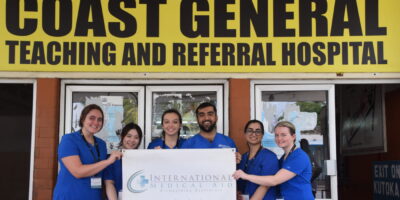
International Medical Aid’s summer internships for high school students are one of the leading examples of programs that combine academic value with real-world exposure. Students work with professionals in global healthcare settings and come away with confidence that helps them stand out when applying to college or future jobs.
Why Internships Are More Valuable Than Ever in 2025
The job market students will enter after college looks very different from what it was ten years ago. Employers expect applicants to already have some kind of professional experience, even for entry-level positions. Colleges are adjusting as well, giving preference to students who can demonstrate leadership, problem-solving, and community involvement.
Employers expect applicants to already have some kind of professional experience, even for entry-level positions. According to research from the National Association of Colleges and Employers (NACE), internships are one of the strongest predictors of future employability and career satisfaction.
Internships help bridge that gap. They give students a structured way to build professional habits and understand workplace expectations. Even a short-term internship can teach lessons that stay with a person for life—punctuality, teamwork, and follow-through.
These programs also help students identify what they enjoy. A student who thought they wanted to be a surgeon might realize they are more interested in public health policy after shadowing doctors in a clinic. Another might discover a love for research or healthcare technology. Real-world exposure brings clarity that no classroom can match.
Parents notice the change too. Students often return from internships more organized, confident, and mature. They’ve had to manage responsibilities, take directions from professionals, and sometimes work with people from different backgrounds or countries. Those experiences shape how they handle challenges later in life.
The Rise of Structured High School Internship Programs
A decade ago, finding quality opportunities for teenagers was difficult. Most programs were built for college students, and high schoolers were often limited to short observation visits. That has changed. Many organizations now offer formal high school internship programs that include training, mentoring, and evaluation.
These programs are carefully designed to be age-appropriate while still challenging. Students learn how professional environments operate without being placed in roles that exceed their experience level. For example, a student in a hospital setting might shadow doctors, take notes, and attend medical briefings rather than perform clinical procedures.
Internships have also become more accessible. Many programs run during the summer or school breaks, so they don’t interfere with academics. Some are in-person, while others allow remote participation, giving students more flexibility. A few even include college credit or community service hours, which can help with scholarship applications.
The best programs do more than assign tasks. They include mentorship, career counseling, and structured reflection activities that help students process what they learn. A student who spends time in a hospital might discuss patient privacy or cultural sensitivity during debriefing sessions. These conversations give context to their experience and help them connect it to future career goals.
Industries Offering Strong Internship Opportunities
While healthcare remains one of the most popular fields for young interns, 2025 has seen growth in opportunities across several sectors.
Healthcare and Public Health
Programs in global health, nursing, or clinical observation provide early exposure to real patient care. Students learn about medical teamwork, communication, and ethics. These experiences often inspire future careers in medicine, research, or healthcare administration.
Technology and Engineering
Internships in coding, software design, or robotics teach students how technology shapes the world. These programs emphasize creative problem-solving and technical skills that are valuable across nearly every career path.
Business and Marketing
Internships in entrepreneurship, social media, and marketing give students a sense of how companies operate. They also develop leadership and communication skills while learning how strategy and data affect real decisions.
Environmental Science and Sustainability
Many young people are drawn to programs that focus on climate change and conservation. Interning with local or international organizations in this space helps students turn environmental concern into concrete action.
No matter the field, the goal is the same—to help students connect their interests with real-world work and start building professional awareness early.
How High School Internships Shape Future Careers
Internships give students a realistic picture of professional life. They show how success often depends on teamwork, critical thinking, and persistence. These lessons help students make informed choices about college majors and future careers.
A student who experiences patient care firsthand gains insight into whether they can handle healthcare’s emotional and physical demands. Someone who observes research might realize they prefer analytical work to direct service. This early self-awareness saves time and energy later, helping students focus their education on what truly fits them.
The professional connections students make during internships can also open doors later on. Mentors can write letters of recommendation, offer guidance, and provide networking opportunities. Sometimes, internships lead to future jobs or research assistant positions after high school graduation.
Internships also teach accountability. Showing up on time, following instructions, and maintaining confidentiality are skills that serve students in every stage of life. These habits become part of their professional identity before college even begins.
What Makes Certain Internships Stand Out
Colleges and future employers look for substance over slogans. The internships that stand out are those that encourage reflection and genuine participation. Students who can describe what they did, what they learned, and how it changed their understanding of a field are the ones who impress admissions teams.
1. Internships with Real Mentorship
Programs that match students with dedicated mentors have lasting impact. Mentorship provides guidance, feedback, and insight into career paths. It helps students learn not just what professionals do but why they do it.
2. Internships with Community Impact
Students who participate in service-oriented work often show stronger leadership and empathy. Whether helping at a free clinic, supporting a public health campaign, or contributing to environmental cleanup, these experiences stand out in essays and interviews.
3. Internships with Academic or Global Components
International experiences and university-affiliated programs add depth. A student who studies healthcare delivery in another country or works with a research team gains a perspective that few high schoolers have. These stories make applications memorable.
4. Internships that Emphasize Reflection
Writing journals, group discussions, or final presentations help students process their experience. Programs that encourage this reflection produce applicants who can speak with clarity about what they learned and why it matters.
The common thread among standout internships is that they teach more than technical skills. They build awareness, maturity, and confidence—qualities that colleges and employers value most.
How to Find Internship Opportunities That Fit
Choosing the right internship takes planning. Families should start by identifying interests. A student drawn to healthcare might thrive in a hospital setting, while someone creative might prefer a media internship. Once the field is chosen, compare programs based on structure, supervision, and cost.
Legitimate internship opportunities for high school students always outline their learning goals, provide trained mentors, and maintain safety protocols. Avoid programs that promise hands-on clinical work for minors or lack clear guidance. Reputable organizations, including International Medical Aid, prioritize learning through observation and structured participation, not unsupervised practice.
Parents should also check whether the internship offers certification or documentation of hours completed. Many scholarship and college applications ask for proof of community service or work experience. Programs that provide this verification make the experience even more valuable.
Finally, apply early. The best internships fill quickly, especially international ones. Early preparation also allows time to complete health forms, background checks, or essays that may be required as part of the application.
What Students Gain Beyond Experience
An internship does more than fill a resume. It helps students build confidence, social awareness, and resilience. Working in professional environments teaches responsibility and adaptability. Students learn how to ask questions respectfully, follow through on assignments, and communicate clearly with adults outside their usual circles.
These are skills that translate directly to college and career life. A student who has already learned how to manage time and expectations will adjust more easily to the demands of higher education. Employers later on look for exactly these habits—dependability, curiosity, and initiative.
Parents often find that internships help their teens develop stronger motivation for academics. Once students see how classroom subjects connect to real careers, they begin to understand why learning matters. That connection can turn an average student into one who sets goals and follows through.
Why 2025 Is the Perfect Time to Start
The world is changing fast, and high school students have more options than ever before. Remote internships, hybrid programs, and international placements are now common. Schools are also becoming more supportive of students who want to gain professional experience early.
For families, 2025 is an ideal time to take advantage of this shift. Programs are more transparent, more structured, and more widely available. Whether a student wants to explore medicine, business, or engineering, there are options designed specifically for their age and interests.
The goal is not to decide an entire career path before college. It is to give students real exposure, help them make informed decisions, and show them that learning continues far beyond the classroom.
Final Thoughts
The future belongs to students who take initiative. In 2025, internships are more than just short-term experiences—they are stepping stones to understanding how education connects to real life. The right internship can open doors, build confidence, and help a student find their purpose.
For students interested in healthcare, opportunities like International Medical Aid’s summer internships for high school students provide a chance to learn from professionals in global settings while building skills that last a lifetime. Programs like these give teenagers direction, independence, and the kind of experience that truly shapes their future.