


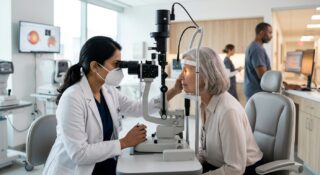
Ophthalmologists are medical doctors who specialize in the diagnosis, treatment, and prevention of diseases and disorders of the eye and visual system. Unlike optometrists, who primarily focus on vision correction and routine eye care, ophthalmologists are trained surgeons capable of performing complex procedures such as cataract removal, retinal repair, corneal transplants, and laser vision correction. They treat conditions ranging from glaucoma and macular degeneration to diabetic retinopathy and ocular trauma. Their work sits at the intersection of medicine, surgery, and precision technology, making the specialty one of the most technically demanding and rewarding fields in healthcare.
If you are considering a career in ophthalmology, understanding the full training pathway is essential. The road from undergraduate studies to independent practice is long and competitive, requiring a strong academic foundation, clinical dedication, and a genuine interest in both microsurgery and patient-centered care. This guide breaks down each stage of the process so you can make an informed decision about whether ophthalmology aligns with your goals, strengths, and long-term vision for your medical career.
What Does an Ophthalmologist Do?
Ophthalmologists are responsible for the full spectrum of eye care, from conducting comprehensive eye exams to performing intricate surgical procedures. Their scope of practice includes diagnosing and managing chronic conditions like glaucoma and age-related macular degeneration, treating acute problems such as eye infections and injuries, prescribing corrective lenses, and administering medications. Many ophthalmologists also manage systemic diseases that manifest in the eyes, such as diabetes and hypertension, coordinating care with other specialists to ensure patients receive complete treatment.
On a typical day, an ophthalmologist might see dozens of patients in a clinic setting, using specialized instruments like slit lamps, tonometers, and optical coherence tomography (OCT) scanners to evaluate eye health. Surgical days involve procedures that require extraordinary precision, often performed under a microscope. Common surgeries include phacoemulsification for cataracts, trabeculectomy for glaucoma, vitrectomy for retinal disorders, and LASIK or PRK for refractive errors.
Ophthalmologists work in a variety of settings, including:
- Private practices and group ophthalmology clinics
- Hospitals and academic medical centers
- Ambulatory surgery centers
- Veterans Affairs (VA) medical facilities
- Community health centers and global health organizations
Beyond clinical duties, many ophthalmologists are involved in research, medical education, and public health initiatives. Those affiliated with academic institutions often teach residents, publish peer-reviewed studies, and contribute to advancing surgical techniques and treatment protocols. The specialty also offers opportunities for international medical work, where ophthalmologists address preventable blindness in underserved communities around the world.
Education and Training Path
Undergraduate Education and Pre-Med Coursework
The journey to becoming an ophthalmologist begins with a four-year undergraduate degree. While there is no required major, most aspiring physicians choose biology, chemistry, biochemistry, or a related science field. Regardless of your major, you must complete a set of prerequisite courses required by most medical schools. These typically include:
- General biology with lab (two semesters)
- General chemistry with lab (two semesters)
- Organic chemistry with lab (two semesters)
- Physics with lab (two semesters)
- Biochemistry (one semester)
- English or writing-intensive courses (two semesters)
- Mathematics or statistics (one to two semesters)
In addition to coursework, competitive medical school applicants build their profiles through clinical volunteering, research experience, shadowing physicians (especially ophthalmologists, if possible), and leadership activities. Strong letters of recommendation from science faculty and physicians are also important components of a successful application.
The MCAT
Before applying to medical school, you must take the Medical College Admission Test (MCAT). This standardized exam assesses your knowledge of biological and physical sciences, critical analysis and reasoning skills, and understanding of psychological, social, and biological foundations of behavior. The MCAT is scored on a scale of 472 to 528, with a median score around 500. Competitive applicants to allopathic (MD) programs typically score at or above 510, though expectations vary by institution. Thorough preparation, often spanning three to six months of dedicated study, is strongly recommended.
Medical School
Medical school lasts four years and can lead to either a Doctor of Medicine (MD) or Doctor of Osteopathic Medicine (DO) degree. Both pathways qualify graduates to pursue ophthalmology residency, though the licensing exams differ (USMLE for MD students and COMLEX for DO students, with many DO students also taking the USMLE).
The first two years of medical school focus primarily on classroom and laboratory instruction in foundational sciences such as anatomy, physiology, pharmacology, pathology, and microbiology. The final two years are devoted to clinical rotations, during which students gain hands-on experience across multiple specialties, including internal medicine, surgery, pediatrics, psychiatry, and others. Students interested in ophthalmology should seek out elective rotations in the specialty and engage in ophthalmology research to strengthen their residency applications.
Internship and Residency
After graduating from medical school, the next step is a one-year internship, also known as a transitional year or preliminary year. This internship is typically completed in internal medicine, surgery, or a transitional program that exposes new physicians to a broad range of clinical experiences. This year is a prerequisite for entering an ophthalmology residency.
Following the internship, physicians enter a three-year ophthalmology residency program. Residency training is rigorous and highly structured, covering all major subspecialties of eye care. Residents learn to perform surgeries, manage complex medical eye conditions, interpret advanced diagnostic imaging, and develop the clinical judgment necessary for independent practice. Training takes place in hospitals, outpatient clinics, and surgical centers under the supervision of experienced attending ophthalmologists. By the end of residency, graduates are competent in both medical and surgical ophthalmology.
Fellowship (Optional)
Some ophthalmologists choose to pursue additional subspecialty training through a fellowship lasting one to two years. Common fellowship areas include:
- Retina and vitreous surgery
- Glaucoma
- Cornea and external disease
- Pediatric ophthalmology and strabismus
- Oculoplastic and reconstructive surgery
- Neuro-ophthalmology
- Uveitis and ocular immunology
Fellowships are not required for general ophthalmology practice, but they are essential for those who want to focus on a particular area of expertise or pursue careers in academic medicine and research.
Licensing and Board Certification
Medical Licensing Exams
To practice medicine in the United States, all physicians must pass a series of licensing examinations. MD graduates take the United States Medical Licensing Examination (USMLE), which consists of three steps. Step 1 and Step 2 (Clinical Knowledge and Clinical Skills components) are completed during medical school, while Step 3 is typically taken during the first year of residency. DO graduates take the Comprehensive Osteopathic Medical Licensing Examination (COMLEX-USA), which follows a similar structure. Both exam pathways fulfill the requirements for state medical licensure.
State Medical Licensure
Each state has its own medical board that grants licenses to practice medicine. Requirements vary by state but generally include completion of an accredited medical degree, passing the USMLE or COMLEX, finishing at least one year of graduate medical education (internship or residency), and submitting to a background check. Physicians must maintain their license through continuing medical education (CME) credits and periodic renewal, with specific requirements differing from state to state.
Board Certification Through the American Board of Ophthalmology
Board certification is not legally required to practice ophthalmology, but it is widely considered the standard of professional excellence and is often required by hospitals, insurance networks, and employers. The American Board of Ophthalmology (ABO) administers the certification process, which involves two components. First, candidates must pass a written qualifying examination (WQE), typically taken in the final year of residency or shortly after completion. Second, they must pass an oral examination that tests clinical judgment, diagnostic reasoning, and management of ophthalmic conditions.
Once certified, ophthalmologists must participate in the ABO’s Maintenance of Certification (MOC) program to keep their certification current. This involves ongoing professional development activities, periodic assessments, and demonstration of continued competence in the field.
Is This Specialty Right for You?
Job Outlook
The demand for ophthalmologists remains strong and is projected to grow in the coming years. An aging population means increasing rates of cataracts, glaucoma, macular degeneration, and diabetic eye disease. At the same time, many practicing ophthalmologists are approaching retirement, creating openings across the country. Both urban academic centers and rural communities have ongoing needs for qualified eye care specialists, giving graduates flexibility in choosing where to practice.
Lifestyle Considerations
Compared to some surgical specialties, ophthalmology is often cited as offering a more favorable work-life balance. Many ophthalmologists work primarily during regular business hours in outpatient clinic and surgery center settings. Emergency calls do occur, particularly for conditions like retinal detachments, traumatic eye injuries, and acute glaucoma attacks, but on-call demands are generally less frequent than in fields such as general surgery or obstetrics. The combination of intellectually stimulating work, procedural variety, and a relatively predictable schedule makes the specialty appealing to many physicians.
Who Thrives in Ophthalmology
Ophthalmology tends to attract individuals who are detail-oriented, technically skilled, and comfortable working at a microscopic scale. If you enjoy working with your hands, have strong spatial awareness, and appreciate the integration of technology into clinical practice, this field may be a natural fit. Successful ophthalmologists are also effective communicators who can explain complex diagnoses and treatment plans to patients in clear, compassionate terms. A genuine interest in restoring and preserving vision, combined with the patience required for microsurgery, is at the heart of what makes a great ophthalmologist.
The path to becoming an ophthalmologist requires significant time, effort, and commitment. From undergraduate coursework through residency and beyond, you can expect roughly 12 to 13 years of education and training after high school, or longer if you pursue a fellowship. However, those who complete this process enter a profession with strong career stability, meaningful patient impact, and the opportunity to restore one of the most valued human senses. For students with the drive and aptitude, ophthalmology offers a deeply fulfilling career at the forefront of medicine and surgery.
Ophthalmologist Salary in 2026
Ophthalmologists earn an average of approximately $545,000 in 2026 according to physician compensation surveys, with pay rising about 9% year over year. Surgical subspecialists in retina and cornea command the highest pay.
| Detail | 2026 Figure |
|---|---|
| Average compensation | About $545,000 (2026 physician surveys) |
| Year-over-year change | Up about 9% |
| Retina and cornea surgery | Highest-earning ophthalmology focuses |
For more on physician pay across specialties, see our guides to the highest-paid medical specialties and how much doctors make.
Frequently Asked Questions
How much does an ophthalmologist make in 2026?
Ophthalmologists average about $545,000 in 2026 according to physician compensation surveys, with surgical subspecialists earning more. Pay rose roughly 9% year over year.
Which ophthalmology subspecialty pays the most?
Surgical retina and cornea subspecialists generally earn the most, given their procedure volume and complexity.
Is ophthalmology well paid?
Yes. Ophthalmology is among the higher-paid specialties, and it was one of the fastest-growing for compensation in 2026.
