Why the Summer Before College Is the Best Time to Learn Who You’re Becoming
The few months between graduation and college are often treated like a blur, as a last stretch of freedom before adulthood begins. However, for students who are serious about healthcare, this short window can be the most productive time of their lives. Internships for high school seniors give you real-world context before stepping into your first college class. They offer a rare chance to explore medicine, develop professional skills, and see what healthcare looks like in action.
Medical programs like International Medical Aid’s internships for high school graduates are built around this exact transition period. Whether you plan to major in biology, nursing, pre-med, or public health, the hands-on exposure gained before freshman year can clarify your goals and give you an early advantage once classes start.
Why Medical Internships Stand Out for High School Seniors
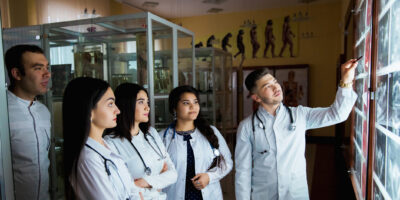
High school internships come in many forms, including research labs, community organizations, and even office positions. However, few experiences rival the impact of medical internships. In these programs, students observe doctors, nurses, and public health professionals in hospitals and clinics. They see the pressure of fast decision-making, the importance of teamwork, and the humanity behind each patient encounter.
Unlike general volunteering, “medical internships for high school students near me” often blend clinical shadowing with community involvement. Participants assist with health education, hygiene campaigns, and patient support initiatives. These experiences provide practical skills directly connected to pre-health coursework, including anatomy, microbiology, public health, and ethics.
Key Highlights
- Ideal for students pursuing medicine, nursing, or public health
- Builds early exposure before college science courses begin
- Provides mentorship from physicians and global health leaders
- Can strengthen college essays and scholarship applications
Types of Internships Available Before College Starts
High school seniors can choose from a wide range of healthcare internship options, depending on interest, comfort level, and travel readiness.
Local Hospital or Clinic Shadowing
Many hospitals in the U.S. allow seniors to observe patient interactions under close supervision. Students may rotate through departments like pediatrics, emergency medicine, or rehabilitation. Programs are short at typically two to four weeks, but can leave a lasting impression.
Community Health and Public Outreach
Some programs pair clinical observation with public health education. Students may help organize vaccination drives, deliver hygiene education, or assist with patient data collection. These experiences demonstrate a wider view of healthcare that goes beyond hospitals.
Global Health Internships
Through International Medical Aid, students can join structured internships in East Africa or South America. Locations include Kenya, Uganda, Tanzania, Peru, Ecuador, and Colombia. Participants shadow licensed medical professionals, take part in community outreach, and live with peers from around the world. It’s a professional yet immersive environment that pushes maturity, independence, and empathy.
How Medical Internships Help With College and Career Goals
College admissions committees value initiative. Spending your summer in a healthcare setting signals more than curiosity as it shows discipline, maturity, and a willingness to engage with real challenges.
For future pre-meds, internships demonstrate commitment to medicine early on. For future nurses or PAs, they show readiness to serve. They also help you confirm whether this path fits you before you invest years of coursework.
Students who’ve completed internships for high school students in medical programs often cite clearer academic goals. They enter freshman year more confident and motivated to succeed in biology and chemistry courses. Some even gain mentors who later write letters of recommendation for scholarships or medical school.
Examples of High School Medical Internships Across the U.S.
Northeast Region
- Boston Children’s Hospital Student Research Program – Offers high school seniors a chance to assist in pediatric research under professional supervision.
- NYU Langone High School Summer Program – Combines lab work with clinical exposure, ideal for students entering health science majors.
Midwest Region
- Cleveland Clinic’s ASPIRE Program – Focuses on underrepresented students in medicine, providing structured mentorship and hands-on projects.
- University of Chicago Research in Biological Sciences (RIBS) – A laboratory-based experience exploring molecular biology and biochemistry.
Southern Region
- Johns Hopkins Summer Scholars Program – Competitive internship offering direct engagement with hospital departments.
- Emory Pre-College Health Program – Exposes students to both academic and community health approaches.
Western Region
- Stanford Medicine High School Scholars Program – Selects high-achieving students to participate in biomedical research and seminars.
- UCLA Pre-Med Summer Institute – Blends clinical workshops and anatomy studies with campus life exposure.
Each of these programs provides value, but few match the cultural immersion and mentorship depth of IMA’s overseas options. Global experiences offer exposure to public health systems, limited-resource medicine, and preventive care models rarely seen in U.S. hospitals.
Avoid These First-Time Mistakes
Even the most ambitious students stumble in their first professional setting. A little awareness goes a long way.
- Focusing only on hours or certificates. The purpose of a medical internship isn’t to rack up credentials, but rather, it’s to observe, reflect, and connect.
- Failing to ask questions. Physicians expect curiosity. Silence can look like disinterest. Ask what you don’t understand.
- Underestimating cultural differences. If you’re interning abroad, humility matters as much as intelligence. Learn from local healthcare workers, not just the physicians.
- Skipping daily reflection. Write about what you see and feel each day. These notes become gold for personal statements later.
- Trying to “perform.” No one expects you to know medical terminology. The best interns listen more than they talk.
Mistakes aren’t failures; they’re lessons. The sooner students recognize that, the faster they mature in professional environments.
Pre-Med Readiness Index: Are You Ready for a Medical Internship?
Not every high school senior is automatically ready for a medical internship, and that’s okay. This short checklist helps you decide.
- Can you stay calm in medical settings, even when seeing procedures?
- Do you show respect for confidentiality and patient privacy?
- Are you motivated by service, not status?
- Can you handle early mornings and long observation days?
- Do you take feedback seriously from adults outside your family or school?
If you answered “yes” to most of these, you’re ready to take the next step. Programs like International Medical Aid’s internships for high school graduates are designed for students exactly at this level.
Why International Medical Aid Is Different
International Medical Aid (IMA) was founded by healthcare professionals who wanted to provide safe, meaningful clinical experiences abroad. Every placement is supervised by licensed practitioners in accredited hospitals and clinics.
Students rotate through departments like emergency medicine, pediatrics, internal medicine, and surgery. Outside of hospital hours, they join public health initiatives such as nutrition campaigns, hygiene education, and maternal health outreach.
IMA’s programs are structured for growth:
- Orientation and safety briefings before placement
- Continuous on-site mentorship
- Cultural immersion activities and excursions (such as safari or city exploration)
- Secure housing with meals and Wi-Fi
- 24/7 in-country support
Participants finish with certificates of completion, mentor evaluations, and lifelong connections. Alumni often describe it as the moment they realized they wanted to pursue medicine seriously.
Application Advice for Seniors
High school seniors should begin applying for internships as early as January for summer placements.
What to prepare:
- Personal Statement – A one-page essay explaining your interest in healthcare. Keep it genuine.
- Letters of Recommendation – Teachers, counselors, or mentors who can vouch for your maturity and character.
- Transcripts and Resume – These show academic readiness and initiative.
- Interview or Screening – Some programs require short interviews to confirm motivation and safety awareness.
When choosing between local and international options, consider your comfort zone, finances, and goals. Local programs fit shorter schedules, while international programs provide a deeper, more immersive perspective.
For Parents: What Makes a Safe, Worthwhile Internship?
Parents are often the decision-makers when it comes to approving travel and program costs. Safety, legitimacy, and value matter, and rightly so.
Here’s what you should expect from any credible program:
- Supervised Placements: Students must shadow licensed medical professionals, not assist independently.
- Structured Housing and Local Transport: Reliable transportation and vetted lodging reduce risk and stress.
- Academic Integration: Look for reflection sessions, mentorship meetings, and progress reports.
- Transparent Communication: Coordinators should be accessible before, during, and after the program.
IMA meets each of these standards, offering 24-hour on-site support and direct communication with parents. Families receive detailed itineraries, contact information, and updates throughout the experience. The organization’s record with high school and pre-health interns is one of the strongest in the field.
FAQs
Are high school seniors eligible for international internships?
Yes. IMA accepts students aged 16 and older for its global health programs, provided they meet maturity and academic criteria.
How long do the internships last?
Most placements range from two to six weeks, with flexible start dates. Students can choose based on their summer availability.
Do students earn academic credit or certificates?
While most programs don’t offer high school credit, students receive official certificates of completion and mentor evaluations which are valuable for college applications.
How safe are international placements?
IMA partners only with trusted hospitals and clinics, maintains 24/7 supervision, and houses students in secure accommodations. Staff are trained in emergency procedures and cross-cultural support.
When should seniors apply?
Applications open months in advance. For summer programs, apply by late winter or early spring to secure your preferred destination and housing.
Final Thoughts
The gap between high school graduation and the first day of college can either fade into leisure or become the start of something defining. Internships for high school seniors aren’t just resume lines, but are proof of initiative, curiosity, and compassion.
Medical internships, in particular, provide an unmatched view of healthcare in motion. They teach patience, empathy, and adaptability which are traits that set apart future nurses, physicians, and public health leaders. If you’re a senior looking for direction, there’s no better way to begin than by stepping into the real world of medicine through International Medical Aid’s internships for high school graduates.