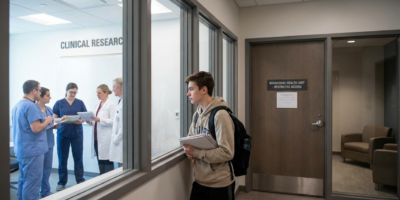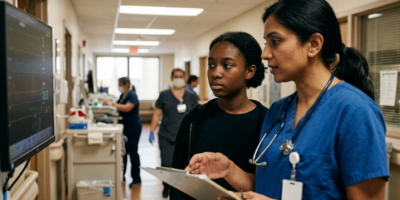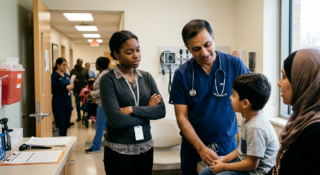
Medical specialty exposure for high school students is real, but it comes with important caveats that families need to understand before committing time or money to any program. Most high school students will not scrub into surgeries, diagnose patients, or perform clinical procedures. What they can do is observe, ask questions, assist within supervised boundaries, and start building the kind of informed perspective that helps them make smarter decisions about whether healthcare is genuinely the right path. A broad-based medical internship for high school students can expose you to multiple specialties in a single program, helping you narrow your focus before committing to a college major.
That distinction matters more than it might seem. Students who understand what a specialty actually involves, the daily realities, the types of patients, the pace, the emotional weight, are far better positioned to write compelling application essays, choose the right major, and avoid years of pursuing a career that doesn’t fit. For parents, the key concern is often simpler: Is this safe? Is it structured? Will my teenager actually get something meaningful out of it? Those are fair questions, and the answers depend heavily on the program.
What “Specialty Exposure” Actually Means for a High School Student
When medical schools and PA programs talk about clinical exposure, they mean time spent in or around clinical settings where a student observes the work of healthcare professionals. For high school students, this is almost always observational. A student might watch a physician conduct a patient consultation, see how a physical therapist works through a rehabilitation plan, or observe a nurse managing medication rounds in a hospital ward. They are not making clinical decisions, and no responsible program would place them in that role.
This is not a limitation. It is the appropriate scope for someone who has not yet completed any formal health science education. The value comes from proximity and reflection: watching how a surgeon prepares for a procedure, noticing how a mental health counselor communicates with a patient, or understanding why a pediatrician asks certain questions during a well-child visit. These observations build a foundation of understanding that textbooks alone cannot provide.
Some programs also incorporate community health components, where students may support health education efforts, assist with basic screenings under direct supervision, or help organize outreach activities. These experiences expose students to public health and primary care in ways that complement clinical observation. The Bureau of Labor Statistics Occupational Outlook Handbook provides detailed descriptions of what professionals in various health fields do daily, which can help students connect what they observe to specific career paths.
Which Specialties Are Realistically Accessible
Not every medical specialty lends itself to high school observation. Some settings involve patient populations or procedures that are not appropriate for minors. Others require advanced background knowledge to be meaningful. But several specialties consistently offer productive observation opportunities for younger students.
General and Family Medicine
Primary care settings are among the most accessible. Students can observe a wide range of patient interactions, from routine wellness visits to the management of chronic conditions. Because family medicine covers such a broad scope, students get exposure to multiple dimensions of healthcare in a single setting. They see how a physician communicates diagnoses, manages follow-up care, and coordinates referrals to specialists.
Allied Health: Physical Therapy, Occupational Therapy, and Speech Therapy
Rehabilitation settings are particularly strong for high school observation because the work is visible, the progress is measurable, and the patient interactions tend to be longer and more conversational than in acute care. Students interested in these fields can watch therapists design treatment plans, guide patients through exercises, and adapt their approach based on individual needs. For students considering paths in orthopedics, sports medicine, or physical therapy, early observation in these settings can be especially clarifying.
Nursing
Nursing observation gives students a realistic picture of what is arguably the most hands-on role in healthcare. Students see nurses manage patient intake, administer medications, educate patients and families, and coordinate care across teams. It is also one of the best specialties for understanding the emotional and physical demands of clinical work.
Public Health and Community Health
For students drawn to prevention, policy, or population-level health, public health exposure offers something distinct from clinical observation. Students may observe community health screenings, health education workshops, or disease surveillance activities. The World Health Organization’s health topics resource provides useful context on the global health challenges that drive much of this work.
Mental and Behavioral Health
Observation in mental health settings, when structured with appropriate boundaries and patient consent, can help students understand a growing and critical part of healthcare. Students may observe counseling sessions, group therapy, or intake assessments. This requires particular sensitivity, and programs should be clear about what students will and will not witness. IMA has written specifically about what mental health clinical exposure looks like for high school participants, which is worth reviewing if this area interests your student.
What a Structured Program Should Include
The difference between a meaningful experience and a questionable one often comes down to structure. Parents and students should evaluate any program, domestic or international, against a clear set of standards.
Supervision is non-negotiable. High school students should be accompanied by qualified adults at all times in clinical settings. There should be a defined ratio of supervisors to students, and the supervising professionals should have experience working with younger participants. Ask directly: Who is supervising my child, what are their qualifications, and what is the plan if something goes wrong?
Housing and logistics matter, especially for programs away from home. Students should be in secure, supervised housing with clear rules about curfews, communication, and emergency protocols. Parents should have a reliable way to reach program staff at any time. For international programs, this also means understanding the local safety environment, health precautions, and transportation arrangements.
Structured reflection is what turns observation into insight. The best programs build in daily or regular debriefing sessions where students process what they have seen, ask questions, and connect their observations to broader themes in healthcare. Without this component, students often walk away with fragmented impressions instead of a coherent understanding of what they experienced.
IMA’s high school internship programs are designed around these principles, with on-site mentorship, supervised clinical observation, structured reflection, and housing arrangements that prioritize safety and communication with families.
How Parents Should Evaluate Safety and Fit
Parents are right to scrutinize any program that places a minor in a clinical or international setting. Here are the specific things worth asking about.
First, clarify what the student will and will not do. Any program that implies a high school student will perform clinical procedures, work independently with patients, or take on responsibilities that require licensure is misrepresenting the experience. Students observe and support within defined boundaries. That is the appropriate and ethical scope.
Second, ask about the staff. Who are the on-site coordinators? Are there background checks? What is the emergency response plan? Reputable programs will answer these questions directly and in writing.
Third, consider your student’s readiness. Not every 15- or 16-year-old is prepared for the emotional realities of a clinical setting. Witnessing illness, injury, or resource limitations, especially in international contexts, requires a degree of emotional maturity. This is not a disqualification; it is simply a factor to weigh honestly. Some students benefit from starting with a domestic volunteer role and building up to a more immersive program. Others are ready earlier. You know your child, and a good program will help you assess fit rather than pressure you into enrollment.
Fourth, think about communication. International programs should provide clear information about how families stay in touch, what time zones are involved, and how frequently program staff check in with parents. If a program is vague about communication, treat that as a red flag.
How This Exposure Connects to Future Applications
Medical schools, PA programs, dental schools, nursing programs, and OT programs all value clinical exposure because it demonstrates that an applicant understands what they are signing up for. The AAMC’s guide on pre-med preparation emphasizes that meaningful clinical experience, where a student has observed real healthcare delivery and reflected on it thoughtfully, is far more valuable than a long list of hours with no depth.
For high school students, this does not mean the experience needs to check a specific admissions box right now. What it does mean is that early specialty exposure gives students a head start on understanding their own interests and motivations. A student who has observed physical therapy sessions and can articulate why rehabilitation medicine appeals to them will write a more compelling personal statement years later than a student who lists “shadowing” without context.
It also helps students rule things out. Realizing that surgery is not appealing, or that mental health work resonates more than expected, is genuinely useful information. The earlier a student learns this, the better they can shape their coursework, extracurriculars, and later clinical experiences to reflect a coherent, honest path.
That said, no single high school experience will make or break a future application. Admissions committees look at the full picture: grades, test scores, clinical hours, research, service, leadership, and personal qualities. Early specialty exposure is one meaningful piece. It is not a guarantee of anything, and any program that suggests otherwise is overselling.
Domestic Options vs. International Programs
Both domestic and international settings offer legitimate specialty exposure, and the right choice depends on the student’s goals, maturity, and family circumstances.
Domestic options include hospital volunteer programs, local physician shadowing, HOSA (Future Health Professionals) participation, and summer programs at universities. These carry the advantage of familiar language, healthcare norms, and proximity to home. They are often a good first step for younger students or those who have not yet spent time in clinical environments.
International programs offer exposure to different healthcare systems, patient populations, and resource environments. Students see how medicine functions when technology is limited, how community health workers fill critical gaps, and how cultural context shapes health outcomes. These programs also build adaptability, cultural awareness, and independence. For some students, the experience of seeing healthcare delivery in a low-resource setting is what solidifies their commitment to the field.
The right program, in any setting, is one that is structured, supervised, honest about what students will do, and responsive to the concerns of both the student and the family. If a program, whether domestic or abroad, meets the standards of a high-quality teen medical internship, it is worth considering regardless of geography.
Practical Steps for Students and Families Ready to Start
If your student is interested in specialty exposure, start by having an honest conversation about expectations. What specialties interest them, and why? Are they comfortable being in a clinical setting where they might see patients in pain or distress? Are they prepared to follow rules about confidentiality, supervision, and scope?
Next, research specific programs. Look for clear descriptions of what students do, who supervises them, where they stay, and how the program handles safety and communication. Compare at least two or three options before making a decision. Ask for references from past participants if possible.
For students not yet ready for a formal program, there are productive steps to take now. Volunteering at a local hospital or clinic, joining a health-focused student organization, or even reading about different specialties can build the foundation for a more immersive experience later. The goal is not to rush into something; it is to build readiness and genuine interest over time.
Parents, your involvement matters. Asking tough questions, reading program materials carefully, and talking openly with your student about what they hope to gain are all part of the process. The best experiences happen when both the student and the family feel informed and confident about the decision.
Frequently Asked Questions
Will my high school student be performing medical procedures during specialty exposure programs?
No. High school students observe, ask questions, and may assist with basic tasks under direct supervision, but they do not perform medical procedures, diagnose patients, or make clinical decisions. Any program that implies otherwise is not operating within appropriate boundaries. The role of a high school participant is to watch, support where approved, and learn from the professionals around them.
How do I know if my teenager is mature enough for a clinical observation experience?
Consider whether your student can handle emotionally difficult situations, follow instructions consistently, respect confidentiality, and stay focused in a professional setting. Maturity varies widely among high school students, and there is no single age cutoff. A good program will help you assess fit through an application or pre-enrollment conversation. If you have concerns, a shorter or domestic experience may be a strong starting point.
Does high school specialty exposure count toward medical school clinical hours?
Most medical school admissions offices do not formally count high school clinical hours in the same way they count undergraduate experiences. However, early exposure is still valuable. It demonstrates long-term interest in healthcare, provides material for personal statements and interviews, and helps students make more informed decisions about their academic path. The experience matters for what it teaches, not just for the hours logged.