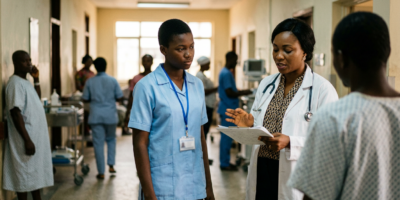
Summer medical internships for high school students give teens 16 and older (15 for HOSA members) a structured look at real healthcare through hospital rotations, supervised patient interaction, global health lessons and community outreach. IMA’s programs run two to twelve weeks, and applications for summer 2027 are already open, so planning in the fall gives you the widest choice.
Deciding on a career path in high school can feel overwhelming, especially when you are drawn to something as demanding as medicine. If you have been watching medical documentaries or hospital dramas, you might wonder what working in healthcare is really like. Knowing what to expect from medical internships for high school students helps you prepare, set realistic goals and get the most out of the experience.
That is where summer medical internships come in. They offer high school students a genuine look at the medical world, far beyond what textbooks and television can show. This guide covers when to plan, who is eligible, what a typical day looks like, what you will actually do, and how the experience can shape your next steps.
When to Start Planning a Summer Internship
Summer programs fill first, so the planning year starts earlier than many families expect. IMA accepts applications year-round with limited space for summer and gap year groups, and its high school page notes that early applications help secure preferred destinations, especially for summer, when demand is highest. As of October 2026, applications are open for summer and winter 2027 programs.
A simple timeline for a summer 2027 placement might look like this:
| When | What to do |
|---|---|
| Fall 2026 | Talk as a family about goals, length of stay and destination; read program pages and safety information |
| Late fall to winter | Submit the online application, complete the virtual interview and the parent or guardian co-signature |
| Winter to spring | After acceptance, book a pre-travel health visit, check passport validity and review pre-departure materials |
| At least one month before departure | Complete the CDC-recommended pre-travel visit and any remaining vaccines |
| Summer 2027 | Travel, orientation and the internship itself |
This is a general planning pattern, not a list of deadlines. Our guide on when to apply for medical internships abroad explains how rolling admission and fixed sessions affect timing.
Availability Is Not the Same as a Guaranteed Spot
An open application window means a program is accepting applications, not that every applicant will get a place on their preferred dates or site. IMA describes its high school slots as limited and competitive, and admission depends on the application and interview. Apply early, list backup dates if you can, and wait for a written acceptance before booking flights.
Who Can Apply
IMA’s high school applicants must be at least 16 by the start of their program, and they can apply before turning 16 as long as they will meet the age requirement when they travel. HOSA members may apply at 15. Some international sites require students to be 17 because of hospital partner rules, and admissions staff advise each family based on age and preferred destination. Our guide to age requirements for hospital internships explains how age rules differ across programs.
The application has three steps, as listed on IMA’s high school page:
- An online application with personal details, a resume, unofficial transcripts and written responses
- A one-hour interview over Zoom with IMA admissions staff
- A parent or guardian co-signature form, followed by a decision within two weeks
Language skills are not required. Students learn basic phrases on site, and IMA teams, mentors and hospital staff speak English. For help with the written part, see our guide to writing a strong high school medical internship application.
Gaining Real Clinical Experience
The most significant part of any medical internship is time in real healthcare settings. Unlike classroom learning, where everything stays theoretical, an internship puts you in the middle of actual care, in hospitals, clinics and community health centers.
On IMA’s high school programs, interns rotate through hospital departments including general medicine, pediatrics, emergency care, surgery and women’s health. They sit in on patient consultations, take part in health education and assist with basic noninvasive tasks under the supervision of licensed providers. Students may also join outreach teams running malaria prevention, nutrition education and maternal care campaigns in Kenya, or work in pediatric clinics, community wellness centers or mobile health units in Cusco, Peru.
What makes this valuable is that you are part of a working team rather than standing at a distance. You see the full range of healthcare delivery, including the hard moments that rarely make it into textbooks: how doctors explain a difficult diagnosis, how nurses manage several patients at once and how teams work together to care for one person.
There are firm limits. High school interns do not give medications, perform invasive procedures, chart in medical records or make clinical decisions. Our article on what a high school medical intern can and cannot do explains these boundaries in detail.
What a Typical Summer Day Looks Like
IMA’s high school page publishes this sample weekday schedule:
| Time | Activity |
|---|---|
| 7:00 AM | Breakfast |
| 8:00 AM | Clinical shadowing begins at designated hospitals |
| 12:30 PM | Lunch and midday break |
| 1:30 PM | Medical Spanish or Swahili instruction |
| 3:00 PM | Global health seminars or community outreach |
| 5:00 PM | Structured reflection or mentorship time |
| 6:30 PM | Dinner and optional group discussions |
Weekends are for cultural excursions, guided sightseeing, cultural workshops and rest. Each student is assigned a mentor, and IMA’s Global Health Lecture Series covers topics such as infectious disease, maternal and child health, emergency medicine and health equity.
Understanding the Daily Realities of Healthcare
Medical dramas make hospital life look fast-paced and glamorous. A summer internship shows the real thing. There are moments of intensity, but there is also routine paperwork, long hours on your feet and the emotional weight of caring for people who are sick.
This honest view is valuable. Even as a high school student, you quickly learn whether you have the stamina and temperament for a medical career. Some students discover they thrive in this setting, energized by patient interactions and the puzzle of diagnosis. Others realize they are drawn to a different role in healthcare, or to a different career altogether. Either outcome is useful, and it is far better to learn it in high school than after years of pre-med coursework.
Setting Goals for Your Summer
Going in with two or three specific goals helps you notice more and write about it better later. Examples include:
- Seeing how a nursing team sets priorities at the start of a shift
- Understanding how one patient moves from triage to treatment to discharge
- Helping deliver a community health education session and noticing which messages land
- Practicing clear, respectful communication through a language barrier
- Comparing two departments, such as emergency care and pediatrics, and deciding which suits you
Write your goals down before you leave and revisit them each week with your mentor.
Developing Professional Skills
Beyond clinical time, medical internships build professional skills you will use for years. You learn to communicate with people from many backgrounds, from patients and families to professionals in different specialties.
Time management matters when you follow a structured schedule in a busy hospital; the AMA’s study and time management tips for medical students apply surprisingly well to a demanding summer. You also sharpen your attention to detail, learning to notice small things that turn out to matter. These skills reach far beyond medicine and strengthen college applications and future opportunities.
Many programs include teaching sessions where professionals explain procedures, discuss cases or offer mentorship. At IMA, structured reflection time and the lecture series help you understand not just what healthcare workers do, but why they make the decisions they make.
Building Your Network and Resume
A summer medical internship can introduce you to professionals who become mentors, references and long-term contacts. That can lead to recommendation letters for college, advice on pre-med requirements and insight into different specialties. IMA high school students receive a certificate of completion and a personalized, physician-authored recommendation letter.
From a practical standpoint, a medical internship shows colleges a genuine commitment. Admissions readers see many applicants who say they want to become doctors. Concrete clinical experience on your resume shows that you took real steps to explore the career, and it gives you specific stories to tell. Our guide to writing a pre-med resume in high school shows how to describe the experience.
Building Cultural Awareness and Global Health Understanding
Programs abroad add cultural immersion. Working within a different health system exposes you to different approaches to medicine, resource constraints and diverse patient populations. IMA students receive daily language instruction, Swahili in Kenya and Spanish in Peru, focused on clinical communication.
These experiences also show health disparities and the social factors behind health in ways that local internships often do not. You may work with communities where access to basic care is limited, which builds appreciation for what many people take for granted. For many students, this perspective shapes both their career goals and how they see the world.
Preparing for the Commitment
A summer medical internship requires dedication. Healthcare settings demand maturity and responsibility regardless of age. You will need to act professionally, show up consistently and respect patient privacy and confidentiality at all times.
Most programs also require preparation before you travel, such as a pre-travel health visit, routine and travel vaccines, and reviewing basic medical terminology. The CDC recommends that families see a clinician or travel medicine specialist at least one month before an international trip. This preparation is part of the learning experience and introduces you to the practical side of healthcare work. Parents can find a full checklist in our guide to high school medical internship safety.
Finding the Right Program
Choosing the right program matters. Look for one that offers genuine clinical experience with clear supervision, teaching components and stated learning goals, and that can tell you in writing what students may and may not do.
International Medical Aid’s high school internships are designed for students exploring medical careers. They combine hospital rotations, supervised patient interaction, global health teaching, mentorship and cultural immersion in flagship sites in Kenya and Peru, with 24/7 staff support, secure housing and private transportation. Our high school medical internship guide explains how the program fits together.
Final Thoughts
A summer internship is more than another line on a college application. It is a chance to test whether medicine is truly your calling, with real clinical experience, new professional skills and mentors who can guide your next steps.
If summer 2027 is your target, start now: talk with your family, read the program details, and submit your application early while the most dates and destinations are still available.
Frequently Asked Questions
When Should I Apply for a Summer 2027 Medical Internship?
As early as you can. IMA accepts applications year-round, but summer spots are limited and fill first, and applications for summer 2027 are already open. Applying in the fall or winter gives you the widest choice of dates and destinations.
How Old Do I Need to Be?
You must be at least 16 by the start of your program, and you can apply before turning 16. HOSA members may apply at 15. Some sites require students to be 17, so check with IMA admissions for your preferred destination.
How Long Are IMA’s Summer Programs for High School Students?
Programs run from two to twelve weeks, and most participants stay at least four weeks. Longer stays allow more time in each department and more involvement in outreach.
Will I Work With Patients?
Yes, under supervision. High school interns sit in on consultations, take part in health education and assist with basic noninvasive tasks assigned by licensed providers. They do not give medications, perform invasive procedures or make clinical decisions.
Do I Need to Speak Spanish or Swahili?
No. Language skills are not required. You learn basic phrases on site through daily language instruction, and IMA teams, mentors and hospital staff speak English.
Does Applying Guarantee a Place?
No. Applying means you are being considered. Admission depends on your application and a one-hour interview, and spots are limited, so wait for a written acceptance before booking travel.