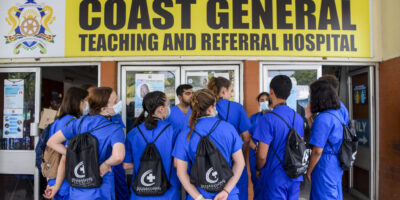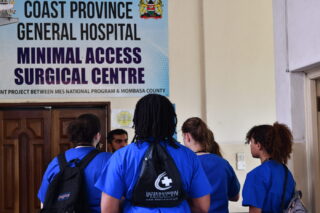

Knowing when to apply for a medical internship abroad starts with your break, not the application. Apply three to six months before you want to start. IMA reviews applications as they arrive, sessions often fill months ahead, and the process from application to decision takes about four to six weeks, leaving time for travel health and documents.
The path to medical school is competitive, and a well-planned international placement can show admissions committees your commitment to medicine and your understanding of patient care in a different health system. But planning is what separates a useful experience from a rushed one. This guide works backward from your school calendar, explains the difference between deadlines and rolling admission, and gives you a twelve-month timeline with a backup plan. For the practical side of getting ready once you are accepted, see our guide to how to prepare for a medical internship abroad.
Rolling Admission vs Fixed Deadlines
Programs handle applications in two main ways. Some set a single deadline and review every application together afterward. Others use rolling admission, reviewing applications as they arrive and filling places until a session is full.
Rolling admission sounds relaxed, but it rewards early applicants. Once a session fills, it closes, even if the dates are months away. IMA’s pre-med internships abroad use rolling admission and have no single deadline. According to the program page, summer and winter sessions often fill months ahead, which is why IMA recommends applying three to six months before you want to start.
Ask every program you consider which model it uses. If there is a deadline, put it in your calendar. If admission is rolling, treat “three to six months ahead” as your real deadline.
1. Define Your Goals First
The first step in planning is deciding what you want to achieve. Ask yourself why an international internship appeals to you. Are you drawn to a particular specialty? Do you want to see how care works in a public hospital with limited resources? Are you curious how culture shapes the way patients and physicians communicate?
Clear goals narrow your search and make your application stronger. Consider the specific skills or knowledge you want to gain. Some placements focus on hospital shadowing, others on research or community health. If you are unsure which experiences fit your stage, our guide to what internships a pre-med student should do compares the options.
2. Work Backward From Your Break
Start with the dates you are actually free. Write down your last exam, the first day of the next term and any commitments you cannot move, such as a job, a summer course or MCAT preparation. Then subtract travel days on each side.
Next, match those dates to what programs offer. IMA’s Kenya program runs year-round, with stays of 2 to 12 weeks. The Cusco, Peru program runs fixed summer and winter sessions of two, three or four weeks and requires at least two years of Spanish study. If your break is short or falls outside summer, Kenya gives you more flexibility. Our guide to winter medical internships covers how to fit a placement into a shorter break.
Finally, count back from your start date. If you want to start in early June, applying between December and March puts you inside the three-to-six-month window.
3. Research Thoroughly
Once your goals and dates are clear, research the programs and places that fit them. Look at the health system in each destination and the kinds of patients you would see. Then check the host country’s entry requirements. Yale’s guide to planning an international internship is a useful checklist for this stage.
Look for programs with a clear structure and a strong focus on ethics and safety. Ask who supervises you, what you will and will not be allowed to do, and what support you have outside the hospital. Ask whether the program helps after you return, for example with medical school applications. Pay attention to logistics too: where you will live, how you will get to the hospital and who to call in an emergency.
4. Start Planning Early
Many steps take longer than students expect. The application itself is quick: IMA’s online form takes about 45 minutes and asks for a resume, unofficial transcripts and short written responses. But the full process takes time:
| Step | Typical timing at IMA |
|---|---|
| Submit the online application | About 45 minutes |
| One-hour Zoom interview, if selected | Usually within two weeks |
| Admission decision | Within two weeks of the interview |
| Application to decision | About four to six weeks in total |
After acceptance, you still need travel health and documents. The CDC advises seeing a doctor at least a month before you travel for any vaccines or medicines you need, for both Kenya and Peru. Kenya requires an entry visa, which IMA processes through its visa intake form once your flights are booked. For Peru, citizens of the U.S., Canada and most European countries need no visa for stays under 180 days. Check that your passport is valid well beyond your return date.
Use the extra time for preparation that improves the experience. A language course, a review of medical vocabulary or a cultural orientation helps you follow conversations on the wards and connect with the people you meet.
A Twelve-Month Planning Timeline
This timeline assumes a summer start. Shift it to match a winter or gap year start.
| Months before start | What to do |
|---|---|
| 12 to 9 | Set goals, list your free dates and research programs and destinations |
| 9 to 6 | Shortlist programs, confirm eligibility and language rules, and ask advisors or referees if you need them |
| 6 to 3 | Apply. This is the recommended window for IMA’s rolling admission |
| 3 to 2 | Interview and decision. Book flights once accepted and start any visa process |
| 2 to 1 | Travel health visit, vaccines, language practice and packing |
| Final weeks | Confirm arrival details, share your itinerary with family and review the program’s orientation materials |
If you are applying to medical school in the same year, add your MCAT date and application deadlines to the same calendar. Our guide to choosing an MCAT date around your clinical internship shows how to fit both.
5. Plan Your Commitments at Home
An internship abroad affects more than your travel dates. Talk to your employer early if you need time off. If you hope to earn academic credit, ask your school what it requires before you apply, since credit is your school’s decision, not the host program’s. If you are studying for the MCAT, IMA suggests a session of two or three weeks at the start or end of summer, which keeps the rest of your break open.
Tell your family your plans early too. Share the program’s contact information and support arrangements so they know how to reach you while you are away.
Have a Contingency Plan
Even good plans change. A session can fill, a course can shift, or a family event can take priority. Decide in advance what you will do if your first choice falls through:
- Session full: ask about a different session length or a site with more flexible dates. Kenya runs year-round.
- Dates move: keep a second window in mind, such as a winter break or a gap year block.
- Application delayed: if you are inside three months of your start, ask the program whether places remain before you book anything.
- Plans fall through entirely: domestic options such as hospital volunteering or shadowing near home still build clinical experience.
Having a backup ready keeps a setback from costing you a whole season.
6. Budget and Fundraise Early
An international internship is a significant financial investment, so plan the budget as early as you plan the dates. Factor in travel costs, program fees and living expenses, and check the current figures for your site and session length on IMA’s program dates and fees page. Building the budget alongside your timeline means the money is ready when you need to confirm your place.
Many scholarships and grants support students pursuing global pre-health experience, and most have their own deadlines, so search and apply well in advance. Your university’s study abroad, pre-health or fellowship office is a good place to start.
Fundraising is another workable option. Students raise support through crowdfunding, local events or community organizations that share their interest in health care. Proactive budgeting and resourceful fundraising make the experience attainable.
7. Prepare for Cultural Immersion
A successful internship abroad depends on respecting cultural differences. Before you depart, learn about your host country’s customs and values, and pick up some of the local language. Even a few phrases show respect and goodwill.
Language expectations differ by site. In Cusco the wards run in Spanish, which is why IMA asks for at least two years of Spanish study. IMA’s Mombasa program runs in English, and interns also take medical Swahili lessons. Expect differences in how care is delivered and how patients and families take part in decisions, and approach them with curiosity rather than judgment. You will also work alongside interns from other universities and backgrounds, which is part of the learning.
Final Thoughts
The best time to apply for a medical internship abroad is earlier than you think. Start with your goals and your calendar, apply three to six months ahead, and leave time for travel health and documents. With a timeline and a backup plan, you can spend your energy on learning rather than logistics. When you are ready to compare sessions, check the current program dates and plan your pre-med summer internships around them.
Frequently Asked Questions
When Should I Apply for a Medical Internship Abroad?
Apply three to six months before you want to start. IMA reviews applications on a rolling basis and sessions often fill months ahead, so applying early gives you the widest choice of dates.
Is There a Deadline to Apply to IMA?
No. IMA has no single deadline. It reviews applications as they arrive and fills places until each session is full, so the practical deadline is when your preferred session fills.
How Long Does the Application Process Take?
About four to six weeks from application to decision. The online form takes about 45 minutes, a Zoom interview usually follows within two weeks, and the decision comes within two weeks of the interview.
Can I Apply Less Than Three Months Before My Break?
You can, but choices may be limited because sessions fill early. Ask whether places remain before booking travel, and remember to leave at least a month for a travel health visit.
Which IMA Site Has the Most Flexible Dates?
Kenya. The Mombasa program runs year-round for stays of 2 to 12 weeks, while Cusco runs fixed summer and winter sessions of two to four weeks.
How Early Should I See a Doctor Before Traveling?
The CDC advises seeing a doctor at least a month before your trip to get any vaccines or medicines you need. Book the appointment soon after you are accepted.
What If My Plans Change After I Apply?
Contact the program as early as possible. Keep a second window in mind, such as a winter break or a later summer session, so a change does not cost you the whole season.
How Can I Pay for a Medical Internship Abroad?
Plan the budget as early as the dates. Include travel, program fees and living expenses, apply for scholarships and grants well before their deadlines, and consider fundraising through crowdfunding, local events or community organizations.