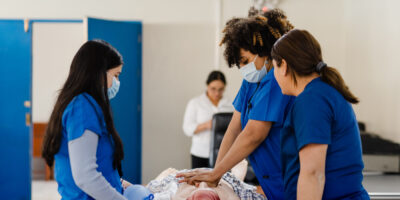

Winter medical internships can fit between semesters if you plan around travel days and your school calendar. IMA’s Kenya program runs year-round for stays of 2 to 12 weeks, and Cusco, Peru runs fixed winter sessions of two to four weeks, so even a short break can hold a supervised clinical observation block.
If summer placements filled before you were ready, you have not missed your chance. Fall and winter give you a second window, and planning it well can say as much about your commitment as a crowded summer. Our guide to what internships a pre-med student should do can help you decide where a winter block fits among your other experiences.
Missed the Summer Window? Plan Strategically Instead
Many high school students, pre-med undergraduates and allied health majors make the same assumption: if they are not in scrubs or shadowing physicians all summer, their application falls behind. That is not how admissions committees read an application. They look for steady engagement, clear reflection and an honest account of what you did, and those can come from any season.
Students in therapy fields feel this pressure too. If you are an occupational therapy student or applicant building observation experience, a winter block can add to what you already have at home rather than compete with a summer job or course.
The rest of this guide explains how winter and fall timing compares with summer, how to count travel days against a short break, what to do this month if you want to go this winter, and what to do instead if the dates do not line up.
Key Takeaways
- You are not behind. Fall and winter can hold supervised clinical observation that fits around your academic year.
- Admissions committees value consistent, reflective engagement over a single busy summer.
- IMA’s Kenya program runs year-round for 2 to 12 weeks, and Cusco, Peru runs fixed summer and winter sessions of two to four weeks.
- Interns observe. You shadow licensed clinicians and do not diagnose, treat or perform procedures in any season.
- If the dates do not fit, a spring block, summer 2027 or a steady role at home can serve the same goal.
Why Fall and Winter Internships Can Work Better Than Summer
Do Admissions Committees Notice School-Year Commitment?
They notice what you chose to do and how you describe it. Summer is when most students stack activities, so an experience that took real planning during the academic year can stand out, especially when you explain why you chose it and what you learned. The season alone proves nothing. A short winter block described honestly and connected to steady work at home tells a stronger story than any one season on its own.
Is the Experience Different Outside Summer?
The program structure does not change with the calendar. IMA’s pre-med interns shadow physicians on ward rounds, rotate through departments such as emergency medicine, maternity, pediatrics and surgery, and add clinical simulations, the Global Health Lecture Series and community clinics to the week. What changes is the size of the group and how your dates sit against your semester. Summer and winter sessions often fill months ahead, so apply three to six months before you want to start.
How Does Winter Timing Fit Your Application Timeline?
A winter block finishes before the spring, which gives you time to write about it, ask a supervisor whether they can speak to your work and plan what comes next. If you are also preparing for the MCAT, our guide to choosing an MCAT date around your clinical internship shows how to put both on one calendar.
Winter vs Summer: How the Commitments Compare
The table below compares the two windows using IMA’s published program details and the realities of an academic calendar.
| Factor | Winter or fall | Summer |
|---|---|---|
| Kenya availability | Year-round, 2 to 12 weeks | All summer, 2 to 12 weeks |
| Cusco, Peru availability | Fixed winter sessions of two to four weeks | Fixed sessions of two, three and four weeks |
| Language for Cusco | At least two years of Spanish study | At least two years of Spanish study |
| How places fill | Sessions often fill months ahead | Sessions often fill months ahead |
| Fit with your school year | Limited by the length of your break or a gap term | Fits between spring finals and fall classes |
| Hospital time per week | Six to eight hours a weekday | Six to eight hours a weekday |
| What two weeks covers | Emergency department and maternity | Emergency department and maternity |
Current start dates and availability for each site are on IMA’s program dates and fees page, which lists Fall/Winter 2026 alongside the 2027 sessions. Once you are accepted, prepare your deposit so you can confirm your spot before the session fills.
How to Count Travel Days Against a Short Break
A winter break shrinks quickly once you count every day it has to hold. Write your dates down before you choose a session.
- Your last exam and your first class. Use the real dates from your registrar, not the general break.
- Travel out and back. Long-haul flights to East Africa or South America can take a full day or more each way, and arrival often comes the day before orientation.
- Orientation. Programs begin with a physician-led orientation before hospital time starts.
- Recovery. Leave at least a day or two at home before classes, especially after an overnight flight.
- Family plans. Holidays inside the break are commitments too.
Here is a worked example with illustrative numbers. Say your break runs four weeks from your last exam to your first class. Two travel days out, two back and two quiet days at home leave a little over three weeks. That fits a two-week block comfortably and a three-week block if your flights cooperate. A four-week stay would only work as part of a gap term. At six to eight hours a weekday, two weeks adds roughly 60 to 80 hours of hospital time, which is simple arithmetic rather than a promise of how a school will classify them.
High School Students: Building the Foundation Now
When Can High School Students Start?
IMA’s medical internships for high school students accept applicants who will be at least 16 by the start of their program, and you can apply before your 16th birthday as long as you meet the age requirement when you travel. High school programs run year-round, with the largest groups in summer, which makes winter a quieter option if your school calendar allows it.
High school interns shadow physicians, experience different hospital departments and take part in community health clinics. The application includes an online form, a one-hour Zoom interview and a parent or guardian co-signature, and families receive a decision within about two weeks.
Does It Help With BS/MD and Pre-Med Honors Programs?
Combined programs and honors tracks want to see that your interest in medicine is informed. Nobody expects a 17-year-old to be a licensed EMT. They do want to know whether you explored health care beyond television and coursework, and whether you can describe what you saw with maturity. A supervised winter placement, described honestly, can be part of that answer alongside your classes and activities at home.
Can You Build Relationships for Future Recommendations?
Treat your supervisors and mentors as professionals you may want to stay in touch with. Ask good questions, keep notes, send a thank-you message and follow up when you have news. Whether anyone can later speak to your work depends on the relationship you build, so start it well.
College Pre-Meds: Stand Out Beyond Your GPA
Why Isn’t a Strong Science GPA Enough?
A strong science GPA keeps your application in the conversation, but many applicants share it. Admissions committees read applications holistically, so they also look for evidence of empathy, reliability and an informed motivation for medicine. Those qualities come through in how you describe real time spent around patients and care teams.
The AAMC points out that shadowing is not the only route. Its fact sheet on five ways to gain experience without shadowing describes hospice volunteering, work as a certified nursing assistant, volunteer EMT service, hospital scribing and caretaking, and reports that 87% of surveyed respondents accept an alternate activity instead of clinical shadowing. A winter placement abroad works best as one part of that mix, not a replacement for it.
What Do IMA Interns Actually Do?
During a placement you will:
- Shadow physicians on ward rounds and in departments such as emergency medicine, maternity, pediatrics and surgery
- Practice skills in clinical simulations rather than on patients
- Attend the Global Health Lecture Series
- Join community medical clinics and hygiene and health education in schools
You observe. A patient can always decline to have a student in the room, and in the operating room you stand back from the table and watch. Our guide to shadowing vs clinical experience explains how admissions committees tell the two apart.
Fall and Winter Give You Breathing Room
Summer brings a rush for the same hospital volunteer slots, shadowing arrangements and research positions. Planning outside that rush gives you more choice of dates. A winter break can hold a two- or three-week block, and a gap term or a pre-med gap year can hold a longer one, since the Kenya program accepts interns in the fall, winter and spring. If you are weighing a gap year, our guide to gap year options for medical school covers how to structure it.
IMA reviews applications on a rolling basis, so there is no single deadline. Places still fill, which is why applying three to six months ahead matters most for winter dates.
OT and PT Students: How These Hours Can Count
Occupational and physical therapy programs often ask for observation hours, and students sometimes struggle to find enough settings at home. IMA’s OT and physical therapy internships abroad run in Mombasa, Kenya, where you observe licensed therapists under supervision. Your hours are logged by date, role and shift and validated by IMA’s U.S.-based Medical Director, but each program decides whether and how it counts observation completed abroad, so ask your target programs before you rely on the hours. Treat a winter block as a way to see a different setting and broaden your understanding, not as a substitute for the observation each program requires at home.
What to Do Now If You Want to Go This Winter
Step 1: Apply Early
Start your application as soon as you know your dates. The online form takes about 45 minutes, and IMA follows up with a Zoom interview. Because review is rolling, the earlier you apply, the more session choices you keep.
Step 2: Talk to Your Advisor
Ask your advisor or registrar what your school needs if you want academic credit or want the experience recorded in a particular way. IMA logs and signs your hours, but credit and how your hours are classified are always your school’s decision, so get written guidance before you travel.
Step 3: Prepare Your Documents and Your Health
Check that your passport is valid and has blank pages, and book a travel health visit early. The CDC advises travelers to Kenya to visit a doctor at least a month before the trip, and it recommends prescription medicine to prevent malaria for travel to certain areas of the country. Our guide to preparing for a medical internship abroad has a full timeline and checklist.
Making the Most of a Winter Internship
Should You Keep a Journal?
Yes. What you do matters, but how you process it matters more. Interns who write a short reflection each evening, ask follow-up questions and debrief with their mentors come home with specific moments they can describe in essays and interviews. Note the setting, what you observed, what surprised you and the question you took to your mentor, and leave out anything that could identify a patient.
Who Will You Meet?
You will spend your weeks with other students preparing for careers in medicine, nursing, physician assistant studies, therapy and public health. IMA’s alumni come from more than 1,250 universities, so your group will bring different backgrounds and goals. Those connections can become study partners and a professional network long after the placement ends.
How Do You Describe It in Applications?
Describe it accurately. Name the hospital, your supervisors and your observational role, then focus on one moment that changed how you think about patients, teams or health systems. Medical school interviewers respond to honesty about what you saw and what you learned, not to claims of responsibility you did not have. Our guide to tracking clinical and volunteer hours shows how to record your time so the details are ready when you need them.
Alternatives If the Dates Do Not Line Up
Sometimes the calendar will not cooperate. Exams run late, travel is too long for the break or family plans come first. You still have good options.
- A spring or gap-term block. The Kenya program runs year-round, so a spring break that is long enough, or a semester off, can hold the same experience.
- Summer 2027. Applications are open now. Our guide to pre-med summer internships walks through a 2027 plan.
- A steady role at home. Hospice volunteering, scribing, CNA work and caretaking can all build clinical understanding during the semester, and they add the consistency that admissions committees look for.
- Plan the next step now. Even if this winter is full, choosing your next window today keeps you ahead of the rush.
There Is Still Time to Plan Well
Summer may be booked, but this winter, next spring or next summer may still have room. Whether you are a high school student exploring medicine, a college junior who feels behind or a therapy applicant building observation experience, you have options. Explore IMA’s pre-med internships abroad, check the session dates, and choose the window that lets you give the experience your full attention.
A winter placement is most valuable when it fits a larger plan: steady experience at home, honest reflection and a clear reason for going. Build those pieces, and the season you choose becomes a strength rather than a compromise.
Frequently Asked Questions
What Are the Benefits of a Medical Internship in Fall or Winter Instead of Summer?
Fall and winter give you a second window when summer is full or taken by a job, a course or family plans. You can choose your dates with less competition from the summer rush, and an experience planned during the academic year can show commitment when you describe it honestly.
Is a Winter Internship the Same as a Summer One?
The structure is the same. IMA interns shadow physicians on ward rounds, rotate through departments and join simulations, lectures and community clinics in every season. What differs is the length of your break and how your dates fit your semester.
How Long Should a Winter Medical Internship Be?
Two weeks covers the emergency department and maternity, and most interns stay four to six weeks. On a typical winter break, count your travel days and recovery time first, then choose the longest block that still fits comfortably.
Can a Fall or Winter Internship Count Toward Clinical Hours or Academic Credit?
IMA logs and signs your hours, but each school or graduate program decides how to classify observation completed abroad and whether to award credit. Get written guidance from your school or target programs before you travel.
Is It Too Late to Apply for a Winter Internship?
Not necessarily. IMA reviews applications on a rolling basis, but winter sessions often fill months ahead. Apply three to six months before you want to start, and check the program dates page for current openings.
Can I Still Plan a Summer 2027 Internship?
Yes. Applications for summer 2027 are open. Kenya accepts interns all summer for 2 to 12 weeks, and Cusco runs fixed sessions of two, three and four weeks.
Who Can Apply for Fall and Winter Internships?
Pre-med undergraduates, gap year students, recent graduates and medical students can apply, along with students in tracks such as nursing, physician assistant studies, occupational therapy and physical therapy. High school students can apply if they will be at least 16 when their program starts.
Do I Need to Speak Spanish for a Winter Session in Peru?
Yes. The Cusco program asks for at least two years of Spanish study. The Kenya program runs in English, with medical Swahili lessons.