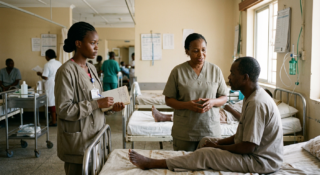
Mental health nursing in low-resource settings looks nothing like the psychiatric units most pre-nursing students encounter in their domestic clinical rotations. The staffing ratios are different. The available medications may be limited. The cultural frameworks that patients and families use to understand mental illness often diverge sharply from Western diagnostic models. For students considering careers in psychiatric or community mental health nursing, structured exposure to these realities builds a kind of clinical awareness that textbooks alone cannot provide.
The scale of the problem is staggering. According to the World Health Organization’s mental health fact sheet, nearly one billion people worldwide live with a mental disorder, and mental disorders account for 19% of years lived with disability. In many low- and middle-income countries, up to 90% of people with mental health conditions receive no treatment at all. Depression remains a leading cause of disability globally, and suicide is a leading cause of death among young people. For nursing students who want to understand the full scope of psychiatric care, and not just the version of it practiced in well-funded American hospitals, spending time in a setting where resources are scarce and demand is overwhelming offers something genuinely instructive. This article breaks down what IMA interns actually encounter, how the experience is structured, what ethical boundaries apply, and how it connects to a career in mental health nursing.
Why Mental Health Care in Africa and Other Low-Resource Regions Looks So Different
The gap between mental health needs and available services in low- and middle-income countries is not a matter of minor inconvenience. It is a structural crisis. Many countries in sub-Saharan Africa have fewer than one psychiatrist per million people. Psychiatric nurses are similarly scarce. Public healthcare systems are often underfunded across the board, and mental health services compete for resources with infectious disease programs, maternal health, and emergency care. The result is that the vast majority of people living with conditions like depression, anxiety, PTSD, psychosis, and substance use disorders go without professional support.
This shortage shapes everything about how mental health care is delivered. In many settings, nurses carry a disproportionately large share of psychiatric care responsibilities. They may be the only trained mental health professionals available in a clinic or district hospital. Clinical officers, a cadre of healthcare providers common in countries like Kenya, also play a significant role in diagnosing and managing mental health conditions, particularly in areas where physicians are unavailable. Community health workers and traditional healers fill additional gaps, sometimes in ways that complement clinical care and sometimes in ways that complicate it.
For pre-nursing students, observing this system firsthand creates a more complete picture of what psychiatric nursing global health work actually entails. It is not simply a matter of applying the same interventions in a different location. The entire care model adapts to the constraints and strengths of the local context. Understanding how and why that adaptation happens is a critical part of professional development for anyone considering a career in global mental health or community psychiatric nursing.
What IMA Interns Actually Observe and Do in Mental Health Placements
It is important to be straightforward about the scope of what interns do. IMA interns are not licensed clinicians. They do not diagnose patients, prescribe medications, or deliver therapy independently. What they do is observe, assist within approved limits, and learn under professional supervision. That framework is not a limitation; it is the responsible way to structure an early clinical experience, and it is where the real educational value lies.
Supervised Observation in Clinical Settings
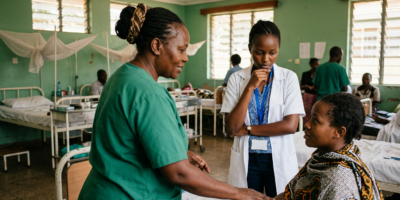
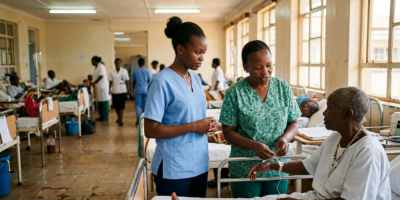
Interns are typically placed in hospitals, clinics, or community mental health centers where they shadow licensed nurses, clinical officers, and other providers. They observe patient consultations and intake interviews, seeing how clinicians assess patients who present with conditions ranging from depression and anxiety to psychosis and substance use disorders. They may observe medication administration and gain exposure to how psychotropic medications are managed when supply chains are inconsistent or formulary options are limited.
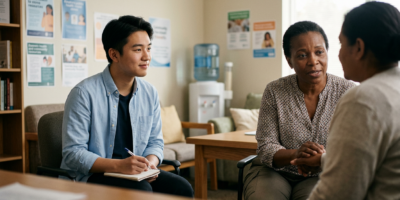
In some placements, interns observe group-based interventions or psychoeducation sessions where clinicians work with patients and their families. These sessions often address stigma, medication adherence, and coping strategies. Watching how a nurse communicates complex psychiatric information to a patient’s family in a culturally appropriate way is a valuable lesson that goes well beyond what most classroom simulations can replicate.
Community Outreach and Public Health Context
Mental health care in low-resource settings often extends beyond clinic walls. Interns may accompany staff on community outreach visits, observing how providers identify individuals in need of care, conduct basic screenings, and connect people with available services. This community-based approach reflects a public health model of psychiatric care that many U.S. nursing programs are increasingly emphasizing but that students rarely see practiced at scale during their domestic training.
These experiences also expose interns to the social determinants of mental health in a very direct way. Poverty, displacement, food insecurity, HIV/AIDS, and gender-based violence are not abstract concepts in these settings. They are the lived context of the patients interns encounter. Observing how these factors interact with mental illness gives students a grounded understanding of why psychiatric nursing requires attention to far more than symptom management.
Reflection and Debriefing
Structured reflection is a key part of the IMA experience. Interns debrief with supervisors and program staff to process what they have seen, discuss ethical questions, and connect their observations to broader clinical and public health concepts. This is not a formality. Working in settings where suffering is visible and resources are limited can be emotionally demanding, and guided reflection helps interns develop the professional resilience and ethical clarity they will need throughout their careers. If you are interested in what benefits this kind of structured mental health placement offers, IMA has written about the advantages of a mental health internship in practical terms.
Ethical Boundaries and Supervision in Psychiatric Settings
Mental health care carries particular ethical weight. Patients in psychiatric settings are often vulnerable. Confidentiality, informed consent, patient autonomy, and the principle of doing no harm are not just academic concepts; they are daily operational requirements. For interns, understanding and respecting these boundaries is non-negotiable.
What Interns Must Not Do
Interns must not provide unsupervised care, offer diagnoses, make treatment recommendations to patients, or share patient information outside of the clinical team. They must not attempt to apply therapeutic techniques they have not been trained and authorized to use. They must respect the scope of their role at all times, even when the staffing environment is stretched thin and the impulse to “do more” is strong.
This is a point worth emphasizing for pre-nursing students who are drawn to mental health work precisely because they want to help. The desire to help is important, but acting outside your training is not helping. It is a risk to the patient. Learning to sit with the discomfort of observing suffering you cannot directly fix is, in fact, one of the most professionally valuable skills a future psychiatric nurse can develop early.
How Supervision Works
IMA interns work under the supervision of licensed healthcare professionals at their placement sites. On-site IMA staff provide additional support, guidance, and context. Supervisors help interns understand what they are seeing, answer clinical questions, and model professional conduct. This layered supervision structure is designed to protect both patients and interns.
Cultural sensitivity is also embedded into the experience. Pre-departure preparation covers local norms, common health challenges, and safety protocols. Interns are expected to dress appropriately, respect local customs, and approach cultural differences around mental health with humility and curiosity rather than judgment. The assumption that Western clinical models are automatically superior is not only inaccurate in many cases; it is counterproductive to learning.
How Low-Resource Mental Health Nursing Exposure Connects to Your Nursing Career
For pre-nursing students, the question of how an international experience fits into your professional development is a practical one. You want to know whether the time and investment will meaningfully strengthen your application, your skills, or your understanding of the field. Here is how mental health nursing exposure in a low-resource setting connects to the things that actually matter in a nursing career.
Building Clinical Awareness Before Formal Training
Most nursing programs include a psychiatric rotation, but it comes later in the curriculum, and the hours are often limited. Students who enter that rotation with prior exposure to mental health settings, even as observers, tend to have a stronger baseline understanding of psychiatric assessment, therapeutic communication, and the realities of working with vulnerable populations. You will not walk in cold. You will have context.
The Bureau of Labor Statistics occupational outlook for registered nurses projects roughly 193,100 annual openings for registered nurses over the current decade. The field is broad, and specialization matters. Having early, structured exposure to psychiatric care, especially in a setting that requires adaptability and cross-cultural communication, helps you begin to define your professional interests before you are deep in a program and competing for limited specialty placements.
Strengthening Nursing School Applications
Nursing school admissions committees look for evidence of genuine clinical interest, self-awareness, ethical reasoning, and the ability to reflect meaningfully on experiences. An international mental health placement provides concrete material for all of these. The key is not simply listing the experience on your application but articulating what you learned, how it challenged your assumptions, and how it shaped your understanding of the nurse’s role.
Specific examples matter. Describing a moment when you observed a nurse manage a complex patient interaction with limited resources, or when you grappled with a cultural difference in how mental illness is understood, is far more compelling than vague statements about “wanting to help underserved populations.” Admissions reviewers have read thousands of those vague statements. They remember the specific ones. Students who want to think further about how healthcare professionals process the emotional demands of clinical work might benefit from reading about recognizing when it is time to seek support.
Developing Cultural Competence That Goes Beyond a Checkbox
Cultural competence is a required competency in nursing education, and for good reason. But real cultural competence is not learned by completing a module or reading a chapter. It is developed through experience, reflection, and the willingness to be uncomfortable. Spending time in a setting where the healthcare system, patient expectations, family dynamics, and explanatory models of illness differ from what you know forces you to practice genuine cultural humility, not just memorize definitions of it.
In mental health care specifically, cultural context is inseparable from clinical practice. How a patient describes their symptoms, whether a family seeks professional care or turns to a traditional healer, what stigma looks like in a given community: these factors shape every clinical encounter. Nurses who have observed these dynamics firsthand bring a depth of understanding to their practice that is difficult to acquire any other way.
Common Misconceptions Pre-Nursing Students Should Recognize
Several misconceptions tend to follow students into international mental health placements. Naming them upfront helps you prepare more honestly.
“I Will Be Providing Direct Patient Care”
You will not. You will observe, support within approved limits, and learn under supervision. This is appropriate for your level of training. The experience is educational, not service-delivery. IMA structures its programs to ensure that interns contribute to the clinical environment in ways that are helpful and safe, not in ways that overstate their qualifications.
“Western Psychiatric Approaches Are Always Best”
They are not always best, and they are not always applicable. Many low-resource settings have developed community-based and culturally grounded approaches to mental health support that work effectively within their context. Approaching the experience with the assumption that you are bringing superior knowledge undermines your ability to learn from the professionals and systems you are there to observe.
“A Few Weeks Will Make Me an Expert in Global Mental Health”
It will not. What it will do is give you a foundation, a set of observations, questions, and frameworks that you can build on throughout your education and career. Expertise takes years. What a structured placement offers is a well-supervised starting point and a more honest understanding of what the work involves. For students still evaluating how to spend their time abroad productively, it is worth considering how to balance structured learning with the broader experience of being in a new environment.
Preparing for a Mental Health Nursing Placement: Practical Steps
If you are seriously considering a mental health placement in a low-resource setting, preparation matters. Here is what to think about before you go.
Academic Preparation
Take whatever psychology, abnormal psychology, or introductory mental health coursework is available to you before your placement. You do not need to be an expert, but having a basic vocabulary for mental health conditions and treatment approaches will help you understand and contextualize what you observe. If your school offers courses on global health or health disparities, those are valuable as well.
Read about the healthcare system in the country where you will be placed. Understand how it is structured, who provides care, and what the major health challenges are. The WHO’s country-level health data profiles are a solid starting point for understanding health workforce statistics and disease burden in specific regions.
Emotional Preparation
Working in psychiatric settings, especially in environments with limited resources, can be emotionally intense. You may observe suffering that you cannot alleviate. You may feel frustrated by systemic barriers. You may encounter situations that challenge your assumptions about what good care looks like. These are normal responses, and they are part of the learning process. What matters is that you have support structures in place: supervisors to debrief with, peers to talk to, and the self-awareness to recognize when you need to step back.
IMA provides pre-departure training that covers cultural norms, safety protocols, and expectations for the clinical environment. Take that training seriously. It is not a formality; it is the preparation that allows you to show up ready to learn rather than scrambling to adjust.
Professional Mindset
Approach the placement as a professional experience, not a vacation with a clinical component. Show up on time. Dress appropriately. Ask thoughtful questions. Follow instructions. Respect the expertise of the local healthcare professionals who are hosting you. They are your teachers in this setting, and they are doing difficult, important work with far fewer resources than most American healthcare workers have access to. Your job is to observe, learn, and contribute where appropriate, with humility and attentiveness.
What Pre-Nursing Students Take Away From Mental Health Work in Low-Resource Settings
The students who get the most from these placements are the ones who come prepared, stay curious, and reflect honestly on what they see. They leave with a clearer understanding of what psychiatric nursing global health work actually involves. They have firsthand knowledge of how resource constraints shape care delivery. They understand, in a concrete rather than theoretical way, why cultural competence matters in mental health practice.
They also leave with better self-knowledge. Some students discover that psychiatric nursing is exactly the specialty they want to pursue. Others realize that while they value the exposure, their clinical interests lie elsewhere. Both outcomes are productive. The point of a structured clinical experience is not to confirm a predetermined plan; it is to give you enough real information to make a good decision.
For pre-nursing students building a career in mental health, low-resource mental health nursing exposure provides a perspective that is increasingly relevant as the nursing profession emphasizes health equity, community-based care, and culturally responsive practice. It does not replace your formal education. It does not guarantee any particular outcome. What it does is give you a stronger, more honest foundation on which to build the rest of your professional life.
Frequently Asked Questions
Do IMA interns provide therapy or diagnose patients during mental health placements?
No. IMA interns observe clinical interactions, assist with approved tasks under supervision, and learn from licensed professionals. They do not diagnose, prescribe, or deliver therapy. The experience is educational, and all activities are conducted within clear ethical and professional boundaries.
Will a mental health placement abroad count as clinical hours for nursing school applications?
IMA does not guarantee that placement hours will be counted as clinical hours by any specific nursing program. Policies on what qualifies as clinical experience vary by school. Contact the admissions office of the programs you are applying to and ask how they evaluate international observational experience. What you can always do is write and speak about the experience meaningfully in your application.
How does IMA support interns emotionally during psychiatric placements?
IMA provides pre-departure preparation that includes cultural context, safety protocols, and expectations for clinical environments. On-site staff and clinical supervisors are available for regular debriefing and support. Interns are encouraged to prioritize their own well-being and to communicate openly with staff if they are feeling overwhelmed or need additional support.