medical internships for high school students in neurology do exist, but they look very different from what most teens and parents expect. You will not be diagnosing patients, reading brain scans, or scrubbing into surgery. What you can do, at this age and stage, is observe how neurological care works, ask questions of practicing clinicians, and start building a foundation of knowledge that most of your peers will not have until college or later. That alone is worth taking seriously.
The brain and nervous system are responsible for everything from movement and memory to sensation and emotion. Neurological disorders affect over one billion people worldwide, according to the World Health Organization’s reporting on neurological conditions. In the United States, stroke affects roughly 795,000 people each year, and epilepsy impacts about 3.4 million Americans, including hundreds of thousands of children. These numbers point to a field with significant demand and enormous complexity. For a high school student drawn to the brain sciences, summer medical internships for high school students that offer structured observational exposure to neurology are unusual and valuable. But they need to be the right kind of exposure: supervised, age-appropriate, and honest about their limits.
What “Neurology Internship” Actually Means at the High School Level
The word “internship” can be misleading. In a professional or graduate context, an internship usually involves hands-on responsibilities and a degree of autonomy. For high school students, especially in clinical settings, the reality is much more bounded. A legitimate neurology internship for a teenager centers on observation, structured learning, and mentorship, not independent clinical work.
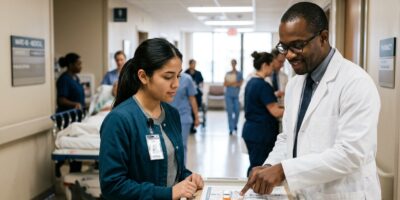
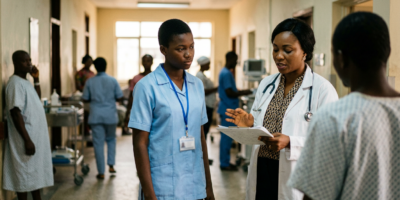
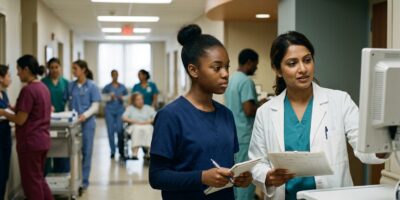
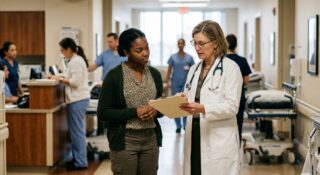
In practical terms, that means watching a neurologist or clinical officer conduct a patient consultation. It means observing basic neurological exams: reflex tests, coordination assessments, mental status evaluations. It might include sitting in on educational sessions about brain anatomy, neurological pathways, or specific conditions like epilepsy and stroke. In some structured programs, students may observe diagnostic procedures such as electroencephalograms (EEGs). But at no point should a high school student be touching patients, handling medical equipment independently, or communicating with patients without a supervisor present.
This is not a limitation to be frustrated by. It is the ethical and legal standard, and any program that suggests otherwise should raise a red flag. The purpose of early clinical exposure is perspective, not practice. You are learning what neurological care looks like, how clinicians think through complex symptoms, and what questions to ask yourself about whether this field fits you.
Why Neurology Exposure Matters Before College
Many students arrive at college planning to be pre-med without ever having seen a patient consultation. They have an idea of medicine built from television, social media, or family conversations, but not from direct observation. Early neurology exposure gives you something more grounded to work with.
Neurology sits at the intersection of medicine, psychology, and biology. Watching how a clinician approaches a patient with seizures or post-stroke recovery teaches you about differential diagnosis, the importance of patient history, and the real constraints of healthcare delivery. In resource-limited settings, where advanced imaging like MRI or CT may not be available, you see how much depends on clinical examination skills and careful reasoning. That kind of observation builds a type of understanding that textbooks alone cannot replicate.
From an academic standpoint, early exposure also helps you make better decisions about coursework, research interests, and extracurricular commitments once you reach college. If you have watched neurological care firsthand, your college neuroscience classes will mean more to you. Your motivation will be rooted in something concrete. If you are considering a career path that involves neurosurgery, for instance, IMA has written about the training length and realities of pursuing neurosurgery from high school onward, which is worth reading alongside this article.
What Parents Should Know About Safety, Supervision, and Structure
If your teenager is interested in a neurology internship, especially one abroad, your concerns about safety and supervision are legitimate and important. Do not let anyone dismiss them.
Supervision and Clinical Boundaries
Any well-run program will maintain strict boundaries around what minors can and cannot do in clinical environments. Students should be accompanied by licensed healthcare providers during all clinical observation. There should be a program coordinator or staff member available around the clock. Activities should be group-based, with age-appropriate peer support and clear rules about conduct in medical settings. Patient confidentiality must be maintained, and students should receive cultural sensitivity preparation before entering any clinical space.
Housing, Communication, and Emergency Protocols
For international programs, parents should expect clear answers about where their child will sleep, who will be supervising the housing, what transportation arrangements look like, and what happens if a student gets sick or injured. Travel insurance, including medical evacuation coverage, should be standard. You should have direct lines of communication with program staff, and your child should have reliable ways to contact you. If a program cannot provide detailed, specific answers to these questions, that is a reason to keep looking.
Readiness and Maturity
Not every 16-year-old is ready for a structured clinical experience abroad, and that is perfectly fine. Maturity, adaptability, and emotional resilience matter more than enthusiasm alone. Honest self-assessment is part of the process. Some students benefit from starting with domestic experiences first, such as hospital volunteering or structured public health programs designed for high school students, before moving to an international setting.
What to Look for When Evaluating Neurology Programs
Not all programs that market themselves as neurology internships are equally rigorous or responsible. Here are the things that matter most when you are comparing options.
Educational Structure Over Marketing Language
A good program will describe its daily structure clearly. You should be able to see what a typical day looks like: morning briefings, observation sessions, community health activities, and evening reflection or case study discussions. Programs that rely heavily on vague promises about “impact” or “making a difference” without specifying what students actually do each day are usually less substantial than they appear.
Honest Communication About Limitations
The best programs are upfront about what students will not be doing. If a program tells you that high school students will be performing clinical tasks, assisting with procedures, or functioning like medical students, that is a problem. Responsible programs frame the experience accurately: observation, mentorship, guided learning, and structured reflection.
Documentation and Reflection
Programs that include structured reflection journals, supervisor evaluations, or participation documentation are generally more thoughtful about educational outcomes. These materials can also be useful when you write college application essays or personal statements later. Admissions committees at medical schools value evidence of mature reflection on healthcare experiences. According to AAMC guidance on what medical schools look for in applicants, demonstrated empathy, cultural sensitivity, and understanding of social determinants of health all strengthen a candidate. Early, well-documented clinical observation can contribute to that profile, though it is never a guarantee of admission.
Destination and Context
Where a program operates matters. In some international settings, the neurological conditions you observe may differ from what you would see in a U.S. hospital. In sub-Saharan Africa, for example, infectious causes of neurological symptoms, such as complications from malaria or meningitis, may be more prevalent. In high-altitude regions of South America, altitude-related neurological issues and chronic headache management may be more common. These differences are part of the educational value, but they also require cultural preparation and context. Understanding that stigma around epilepsy varies significantly by region, or that traditional medicine practices play a role in many communities, is part of becoming a thoughtful future clinician.
IMA offers structured high school internship programs that include supervision, housing, educational programming, and age-appropriate clinical observation in several international settings. If you are considering this kind of experience, reviewing specific program details and asking direct questions is always the right approach.
How Neurology Fits Into the Bigger Picture of Pre-Health Preparation
A neurology-focused experience in high school is not a checkbox. It is one piece of a longer process of learning what healthcare actually involves and whether it suits you. The Bureau of Labor Statistics occupational data on physicians and surgeons shows that becoming a neurologist requires four years of college, four years of medical school, and additional residency training. That is a long commitment, and early exposure helps you test your interest with real information rather than assumptions.
Some students will observe neurological care and feel confirmed in their direction. Others will realize they are more interested in a related field, like neuroscience research, psychology, occupational therapy, or public health. Both outcomes are valuable. The goal is not to lock yourself into a specialty at 17. It is to build a realistic picture of what clinical neurology involves so that your future decisions are better informed.
If you are also considering other areas of healthcare, it helps to compare experiences across specialties. Reading about what nursing shadowing looks like for high school students or how other clinical fields structure teen observation can give you a clearer sense of what resonates most.
Practical Steps for Students Interested in Neurology
Start by being honest with yourself about what you want from the experience. If you are looking for clinical observation and structured learning in a supervised environment, a well-designed program can deliver that. If you are expecting to perform medical procedures or receive academic credit, adjust your expectations.
Talk to your school counselor or pre-health advisor about your interest. Some high schools have partnerships with local hospitals or university medical centers that include neuroscience-related shadowing. Others may know of summer programs at research institutions that focus on brain health. These domestic options can be a strong starting point, especially if you are not yet ready for an international experience.
If you pursue an international program, involve your parents in the research process from the start. Review safety policies, supervision structures, and daily schedules together. Ask programs for references from families whose children have participated. And once you are in the experience, take it seriously: write detailed notes, ask thoughtful questions during observation, and use reflection time to process what you are seeing. The students who get the most out of these experiences are the ones who engage deliberately, not passively.
Frequently Asked Questions
Will a neurology internship in high school help me get into medical school?
Early clinical observation can strengthen your application by giving you concrete experiences to reflect on in essays and interviews. Medical school admissions committees value demonstrated empathy, cultural awareness, and an understanding of healthcare delivery. However, no single experience guarantees admission. It is one component of a much larger application profile that includes academics, testing, research, service, and personal qualities.
Can high school students do anything hands-on during a neurology internship?
In legitimate programs, high school students observe clinical care and participate in educational activities, but they do not perform clinical tasks, handle medical equipment independently, or interact with patients without direct supervision. This is both an ethical and legal standard. The educational value comes from watching, asking questions, and reflecting, not from performing procedures.
How do I know if a neurology internship program is safe for my teenager?
Look for programs that provide specific, detailed information about supervision ratios, housing arrangements, emergency protocols, travel insurance, and daily schedules. Programs should be transparent about what students will and will not do in clinical settings. Ask for references from previous participants and their families. If a program cannot answer your safety questions clearly and directly, consider that a warning sign.