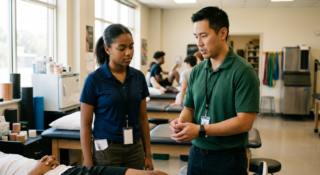
A sports medicine internship in high school gives students structured, supervised exposure to the professionals who prevent, diagnose, and treat athletic injuries. These experiences are not clinical training programs, and they will not turn a teenager into a practitioner. What they can do, when set up well, is help a student understand what careers in sports medicine actually look like, build early confidence in clinical environments, and start developing the observational habits that matter later in pre-health education. A well-structured medical internship for high school students in sports medicine can bridge the gap between classroom interest and real clinical understanding.
For parents, the question is usually more direct: Is this safe, is it appropriate, and is it worth the time and cost? For students, the question is often whether an internship will actually teach them something real or just look good on a resume. Both questions deserve honest answers. The reality is that the best sports medicine internships for high school students are built around observation, mentorship, and reflection, not hands-on patient care. Understanding that distinction early makes it much easier to find a program that is genuinely useful.
What a Sports Medicine Internship Actually Involves at the High School Level
The first thing to understand is that high school students in these internships do not treat patients. They observe. They ask questions. In some cases, they assist with minor logistical tasks under direct supervision, like organizing supplies or helping set up rehabilitation equipment. But the core of the experience is watching qualified professionals work and learning from what they see.
In a typical sports medicine setting, that might mean shadowing an athletic trainer as they evaluate an ankle sprain on the sideline, watching an orthopedic surgeon explain imaging results to a patient, or sitting in on physical therapy sessions where a clinician guides an athlete through a post-surgical rehabilitation protocol. The Bureau of Labor Statistics projects 14% employment growth for athletic trainers from 2022 to 2032, which reflects how much demand there is for these professionals and how broad the field has become.
Some programs also include educational components like short lectures, case discussions, or reflection journals. These are signs of a well-structured program. If an internship has no educational framework and simply places a student in a room without guidance, that is a red flag, not a learning experience.
For students who are also interested in adjacent fields like physical therapy, nursing, or physician assistant practice, sports medicine internships can overlap with those interests. The BLS occupational data for physician assistants shows that many PAs specialize in orthopedics and sports medicine, which means shadowing in this field can provide useful context for several career paths at once.
Where High School Students Can Find Sports Medicine Internships
There is no single directory of sports medicine internships for teens, which is part of what makes the search frustrating. But there are several reliable places to look.
Local Athletic Training Departments
High school and college athletic training rooms are often the most accessible starting point. Many athletic trainers are open to having a motivated student observe during practices, games, or pre-season conditioning, especially if the student’s own school has an athletic training staff. Start by asking your school’s athletic director or head athletic trainer whether observation is possible. Some high schools have formal student athletic trainer programs that allow students to assist with taping, hydration, and equipment setup under close supervision.
Orthopedic Clinics and Physical Therapy Practices
Orthopedic clinics and outpatient physical therapy offices sometimes accept high school students for short-term shadowing or structured observation programs. These tend to be more formal and may require an application, a parent consent form, and sometimes a background check. If you are interested in physical therapy specifically, IMA has written about how physical therapy internships build clinical competence, which can help clarify what to look for in that type of experience.
Structured Pre-Health Programs
Some organizations offer structured internship programs specifically designed for high school students who want exposure to healthcare settings, including sports medicine. These programs typically provide supervision, educational content, mentorship, and a defined schedule. IMA’s high school internship programs are one example of a structured option where students shadow and support healthcare professionals in supervised clinical environments. When comparing programs, look for clear descriptions of supervision ratios, daily structure, and what students will actually observe.
Hospital-Based Programs and Summer Opportunities
Some hospitals and medical centers run summer programs for high school students that include rotations in sports medicine, orthopedics, or rehabilitation. These are competitive and often have application deadlines months in advance. If you are looking for broader healthcare exposure beyond sports medicine, the IMA blog covers hospital-based internships for high school students in more detail.
What Parents Should Ask Before Saying Yes
Parents have every right to ask hard questions before a student commits to any internship, especially one that places a minor in a clinical environment. Here are the areas that matter most.
Supervision and Safety
Who is responsible for your child during the internship? Is there a named supervisor, and what are their credentials? How many students are supervised at a time? What happens if there is a medical emergency involving the intern, not a patient? A good program will have clear answers to all of these questions. If the program director cannot explain the supervision structure in specific terms, that is a problem.
Boundaries Around Patient Contact
Your child should never be placed in a position where they are expected to provide medical advice, perform clinical procedures, or make decisions about patient care. Observation and limited support tasks are appropriate. Anything beyond that is not. Ask the program directly: what are students allowed to do, and what are they not allowed to do?
Housing and Communication (for Residential or Travel Programs)
If the internship involves travel or overnight stays, ask about housing arrangements, adult supervision in living spaces, emergency communication protocols, and whether parents receive regular updates. For international programs, also ask about in-country support staff, proximity to medical facilities, and insurance coverage.
Emotional Readiness
Sports medicine settings can involve seeing real injuries, including fractures, dislocations, and post-surgical wounds. Some students are ready for this at 16; others are not. There is no shame in that. Talk honestly with your teen about what they might see and how they tend to handle stressful or graphic situations. A good program will also address this during orientation and offer debriefing after difficult observations.
How to Evaluate Whether a Program Is Legitimate
Not all internship programs are created equal, and the label “internship” gets applied to experiences that range from rigorous to nearly meaningless. Here are some practical ways to tell the difference.
A legitimate program will describe exactly what students will observe and do each day, or at least provide a general schedule. Vague promises about “immersive healthcare exposure” without specific activities are a warning sign. Look for programs that name the types of professionals students will shadow, the clinical settings involved, and the educational goals of the experience.
Ask whether the program includes any structured reflection, mentorship conversations, or educational sessions. These components are what turn passive observation into actual learning. Without them, a student might spend a week watching procedures without understanding what they saw or why it mattered.
Check whether the program has a track record. How long has it been running? Can you speak with alumni or their parents? Are there published reviews or testimonials? A program that cannot provide references or evidence of past participants is harder to trust.
Finally, be cautious of any program that implies or promises specific outcomes, such as guaranteed admission to a particular school, academic credit, certification, or a set number of clinical hours. Legitimate programs describe what they offer honestly and let the experience speak for itself. The CDC’s data on youth sports injuries makes it clear that the demand for sports medicine professionals is real, but no single high school internship is going to fast-track a career.
How Sports Medicine Experience Fits into a Pre-Health Profile
For students planning to apply to medical school, PA school, physical therapy programs, or athletic training programs, sports medicine internships can serve a specific and useful role. They demonstrate early interest in a clinical field, show initiative, and, most importantly, provide material for personal statements and interviews.
Admissions committees at health professional schools are not looking for students who performed surgery in high school. They are looking for students who observed carefully, reflected honestly, and can articulate what they learned about patient care, teamwork, and the realities of clinical work. A sports medicine internship gives a student something concrete to write and talk about.
That said, one internship is not the whole picture. It works best as part of a broader pattern of engagement that includes strong academics, community involvement, and continued exposure to healthcare over time. Think of it as one piece of evidence that supports a larger story, not the story itself.
Students who want to continue building their profile after a sports medicine internship might consider additional shadowing, research experience, or volunteering in health-related settings. The key is consistency and genuine curiosity, not a checklist.
Setting Realistic Expectations Before the First Day
The students who get the most out of a sports medicine internship are the ones who arrive with clear, realistic expectations. You will not diagnose injuries. You will not design rehabilitation programs. You will watch professionals do those things, and if you pay attention and ask good questions, you will start to understand how clinical thinking works.
Bring a notebook. Write down what you observe each day, including the things that surprised you or confused you. Ask your supervisor to explain their reasoning when time allows. Pay attention to how different professionals, athletic trainers, physicians, physical therapists, communicate with each other and with patients.
For parents, the most useful thing you can do is help your student prepare mentally and logistically, and then give them space to process the experience on their own terms. Ask open-ended questions at the end of each day. Let them tell you what was hard, what was interesting, and what they are still thinking about. That kind of reflection is where the real value of the experience takes root.
Frequently Asked Questions
Do high school students provide any patient care during a sports medicine internship?
No. High school students in sports medicine internships observe and support within approved, supervised limits. They do not diagnose, treat, or provide medical advice to patients. Their role is to watch qualified professionals work, ask questions, and learn from what they see. Any program that places minors in direct patient care roles without proper credentials and supervision is not operating appropriately.
Can a sports medicine internship help with college or professional school applications?
It can be a meaningful part of a pre-health profile, but it is not a guarantee of admission to any school. Admissions committees value the reflection and understanding a student gains from clinical observation, not the internship title itself. Students who can articulate specific things they learned, questions the experience raised, and how it informed their goals will benefit the most.
What should parents look for when evaluating a sports medicine internship program for their teenager?
Look for clearly defined supervision, named and credentialed supervisors, specific daily schedules or activity descriptions, explicit boundaries around what students will and will not do, and transparent communication about safety protocols. If the program involves travel or overnight stays, ask about housing, emergency procedures, and how parents are kept informed. A program that cannot answer these questions in detail is not ready to host minors.