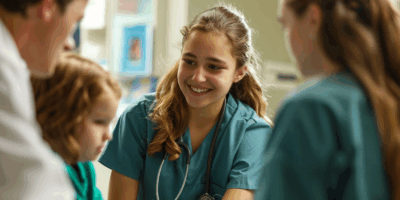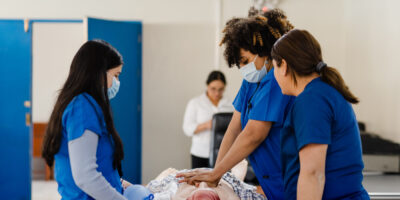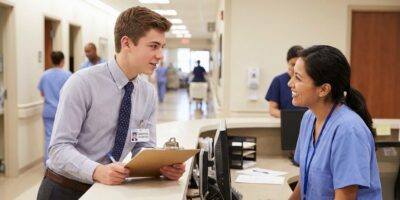
High school students who are serious about a healthcare career often wonder what a typical day in a hospital actually looks like in practice. They hear about volunteering, observing, and internships, but it is not always clear what they will do once they put on a badge and walk into a unit. Parents want to know precisely how their teen will spend those hours and what kind of contact they will have with patients. For many families, programs that resemble structured hospital internships for high school students sit at the center of that conversation.
Once teens and parents begin comparing opportunities, they find everything from front desk volunteer roles to clinically focused summer programs and international placements. Some are mostly errands and paperwork. Others combine observation, non-clinical support, and classroom-style learning. Hospital-based experiences such as internships for high school students medical programs fall on the more structured end of that spectrum, with defined schedules, supervision, and written limits on what minors can and cannot do near patients.
Hospital-based roles for teenagers are also limited in number, which means local opportunities are not always easy to secure and can fill quickly once applications open. Some students spend months on waitlists or find that their nearby hospitals do not have space for additional teen volunteers during the school year.
International Medical Aid offers a more comprehensive alternative by arranging structured, supervised hospital placements for high school students in partner institutions abroad, with planned rotations, clear supervision, and defined expectations designed explicitly for students exploring healthcare early.
Typical Daily Schedule For A Teen Hospital Observer
Daily life for a high school student in a hospital varies depending on whether they are participating in a local volunteer program or a more intensive internship; however, specific patterns emerge repeatedly. Most teen roles involve short, predictable shifts, allowing students to balance school, family responsibilities, and rest. Many hospital volunteer programs for teens, for example, require one 3- to 4-hour shift per week and a multi-month commitment, often four months or more, rather than a few scattered days.
A typical local shift usually starts with:
- Arriving early enough to sign in, put on a badge, and store personal items
- Checking the assignment board or reporting to Volunteer Services or a unit supervisor
- A quick review of that day’s tasks and any unit-specific instructions
Once on the unit, teens are usually anchored to a specific nurse station, escort desk, or service area. Their time is divided among simple support tasks, moving through the hospital with staff when asked, and quieter periods where they observe how phones, call lights, and staff communication are handled.
In structured high school programs like International Medical Aid, hospital time is longer and organized across full days. A common pattern is:
- Morning: 4 to 6 hours of supervised clinical observation on a ward or in outpatient clinics
- Midday: lunch and informal debrief with peers and a clinical mentor
- Afternoon: global health seminars, simulation labs, or community outreach work connected to what students saw on the wards
Within that schedule, students often rotate through several departments over a few weeks, such as general medicine, pediatrics, maternity, and outpatient clinics. The focus stays on observation and non-invasive support, not procedures or independent decisions.
Across both local and international settings, hospitals expect teen observers to:
- Arrive on time and ready to start at the agreed hour
- Stay in assigned areas unless a staff member asks them to move
- Take breaks only when and where staff specify
- Sign out at the end of the shift and report any concerns before leaving
The goal is for high school students to fit into the unit routine without slowing down care, while still seeing enough of the day to learn how a real clinical environment operates.
Non-Clinical Tasks That Support The Care Team
One of the biggest surprises for many students is how much of their day involves non-clinical work that still matters to patients and staff. Hospitals that accept high school volunteers and observers are very clear that minors do not perform medical procedures, give advice, or handle medications.
Instead, teens are often assigned tasks such as:
- Escorting patients by wheelchair under staff direction in escort services departments
- Delivering mail, lab specimens, charts, or supplies between units
- Answering basic questions at an information desk about directions and clinic locations
- Rounding on patients with a script to see if they need water, extra blankets, or a magazine, then reporting back to staff
- Supporting check-in areas by organizing clipboards and helping patients understand where to sign and where to sit
- Restocking non-sterile items such as gloves, wipes, gowns, and basic linens so that staff do not lose time searching for supplies
In many hospitals, teen roles are deliberately written to keep students away from computer systems that contain electronic health records and off medication distribution workflows. Observer policies at large academic centers often specify that visiting students may not log into hospital systems or access patient information via email, fax, or print, even if they can see or hear some details while present in the room.
International Medical Aid adheres to similar guidelines in its high school programs abroad. Students are encouraged to assist with basic non-invasive tasks, such as organizing supplies, facilitating patient flow, and recording simple measurements like height and weight, under direct supervision. However, they do not chart in official records or handle any medications. Hands-on technical practice, such as suturing, is kept in simulation sessions rather than done on patients.
Community health work adds another layer of non-clinical contribution. During outreach days, high school participants might:
- Register community members for basic screening events
- Demonstrate handwashing or toothbrushing techniques using models
- Help set up and break down tents, tables, and educational displays
- Distribute pre-approved educational materials in local languages
Those activities give students a sense of how prevention and education connect to hospital care without shifting any clinical responsibility onto them.
How Teens Interact With Nurses, Doctors, And Staff
For many students, the most valuable aspect of a hospital experience is learning how to communicate effectively with professionals and patients in a respectful manner. Daily interactions with nurses, physicians, therapists, and support staff teach teens how to behave in a clinical environment more than any manual can.
Most programs begin with an orientation that includes privacy training. Hospitals commonly require volunteers and observers, including minors, to sign confidentiality agreements and complete basic HIPAA education before going near patient areas.
That training covers:
- Not repeating what they hear about specific patients outside the hospital
- Avoiding casual conversations about cases in elevators, cafeterias, or online
- What to do if they see or hear something that seems like a privacy concern
On the unit, nurses are often the primary point of contact. Teens usually:
- Check in at the nurses station at the start of their shift
- Ask a designated nurse what tasks are needed and when to perform them
- Let the nurse know before leaving the unit, even for a short break
Physicians and advanced practice providers tend to interact with students more during calmer moments or during structured teaching rounds. In both local and international programs, teens may:
- Introduce themselves to clinicians with their name, school level, and role as an observer
- Follow along on rounds, standing where they are told to stand
- Ask short questions away from the bedside or after the encounter, rather than interrupting active care
In International Medical Aid settings, a clinical mentor often accompanies students during their first days on the wards, modeling introductions and showing them when it is appropriate to ask questions. Over time, students take more initiative, but they continue to wait for staff to invite them into sensitive spaces and to respect any decision to limit their presence.
Interactions with non-clinical staff matter too. Unit clerks, patient transporters, and environmental services staff show students how the hospital functions behind the scenes. Teens who are polite, responsive to direction, and willing to help with small tasks often learn a great deal from these team members about workflow and patient comfort.
Behaviors That Make A Strong Impression On The Team
What teens do day to day in hospitals is only one part of the picture. How they behave while doing it strongly affects how staff remember them and whether they are trusted with more responsibility over time. Across a wide range of hospitals, several expectations are consistent:
Reliability and punctuality
Many teen volunteer programs require students to maintain the same shift each week for several months. Repeated lateness or absences can result in dismissal, with no credit given for the hours worked. Arriving early, staying for the whole shift, and communicating promptly about unavoidable conflicts all signal that a student can handle commitments.
Respect for privacy and boundaries
Staff pay close attention to how students handle sensitive moments. Teens who step back when a room becomes crowded, leave when asked, and avoid unnecessary questions during serious conversations show that they understand their role. Respecting privacy also includes refraining from reading charts, avoiding the temptation to look at computer screens over a clinician’s shoulder, and never sharing details about cases with friends or online, even without mentioning names.
Professional appearance and conduct
Clean, appropriate clothing, adherence to dress codes, and consistent use of badges all contribute to safety and trust. On the unit, students who keep phones away, avoid side conversations, and respond quickly when staff address them stand out positively.
Willingness to help with small tasks
Hospitals notice when a student quietly refills glove boxes, straightens a waiting area, or offers to run a simple errand after checking with staff. Those actions may not look impressive on paper, but they shape staff impressions and often lead to more educational opportunities, such as being invited to observe an interesting case.
Emotional maturity
Clinical environments high school students experience, expose them to illness, stress, and sometimes loss. Teens who manage their reactions respectfully, ask for a break when needed, and utilize debrief sessions with mentors to process what they have seen are more likely to be trusted with continued access. International Medical Aid, for example, incorporates group reflection into its high school programs, allowing students to discuss challenging days in a structured manner rather than carrying those experiences alone.
Over time, these daily routines and behaviors matter as much as the official list of duties. Whether a student is volunteering at a local hospital or participating in a structured International Medical Aid placement abroad, the pattern is similar: they observe real patient care, support the team through simple tasks, and show staff they can handle responsibility.
When teens consistently arrive prepared, respect privacy, and respond well to guidance, supervisors are more likely to trust them, offer richer observational opportunities, and eventually write strong evaluations or recommendations. That is how day-to-day hospital experience in high school begins to support long-term goals in healthcare, one reliable shift at a time.