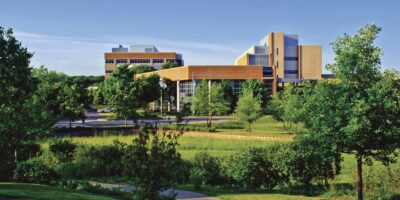
The University of Houston Tilman J. Fertitta Family College of Medicine is a public MD program on the University of Houston campus in Houston, Texas. It is one of the newest medical schools in the state. It welcomed its first class in July 2020, became the first new medical school in Houston in nearly 50 years, and took its current name in May 2022 after a $50 million pledge from the Fertitta family. Most people still call it the UH College of Medicine or Fertitta College of Medicine.
The college exists for one main reason: Texas does not have enough primary care physicians. The state ranks 47th out of 50 in primary care physicians per person, and the college was designed to help close that gap in urban and rural communities. That mission shapes everything about the school, from its weekly primary care clinic to the way it reads your application.
This guide covers the 2026-2027 application cycle for students who will start medical school in July 2027 (TMDSAS Entry Year 2027). The TMDSAS application deadline for this cycle is October 1, 2026, and Texas medical schools begin making offers on October 15, 2026. All facts were checked on October 30, 2026.
The college offers one degree, the Doctor of Medicine (MD). It holds LCME Provisional Accreditation, three classes have now graduated and matched into residency, and the entering class keeps growing: the Class of 2030 has 65 students, the largest in the college’s history.
In this definitive guide, we cover the college’s class profile, mission, accreditation status, curriculum, admissions requirements, current cost of attendance, the secondary application and how to practice for it, the interview format, the people who lead the school and the questions applicants ask most. Knowledge is power, so use what you learn here to make your application as strong as possible.
If you have questions about the medical school application process, reach out to us. International Medical Aid has helped thousands of students get into medical school through our medical school admissions consulting and healthcare internship programs. We’re here for you!
Key Takeaways
- Eligibility. You must be a U.S. citizen or permanent resident to be considered for an interview, and you need at least 90 undergraduate hours at an accredited U.S. or Canadian university. International and DACA applicants are not accepted.
- Texas focus. Texas law caps nonresidents at 10% of the class. In the 2025 entering class, 56 of 60 matriculants were Texas residents, and 98% of the Class of 2030 is from Texas.
- Academic context. Accepted applicants for the 2025 entering class had a median MCAT of 509 and a median GPA of 3.91. There is no minimum GPA or MCAT.
- Mission first. Applicants who show an inclination toward primary care are prioritized. Secondary applications are reviewed for alignment with the mission.
- Key dates. TMDSAS deadline October 1, 2026. Letters by October 15, 2026. Secondary due 14 days after your invitation. Interviews begin in September. Match results February 12, 2027.
- Cost. Annual tuition and fees are $24,268 for Texas residents and $37,368 for nonresidents. Total cost of attendance is $56,614 and $69,714. Average debt for indebted graduates was $41,752 in 2024-2025.
- Distinctive training. Every student spends a half-day each week in a primary care clinic for the whole curriculum, visits households with an interprofessional team and completes required rotations in rural health and emergency medicine.
- Next action. Build documented primary care and community experience now, and write down why primary care, so you can answer the secondary within its 14-day window.
Key Statistics About the University of Houston Tilman J. Fertitta Family College of Medicine

The snapshot above gives you the numbers most applicants ask about first. The table below adds the detail behind each one, including the cohort and the source. Two cautions apply. First, the medians describe accepted applicants, not minimums. Second, the college does not publish how many acceptance offers it makes, so no acceptance rate is shown. The interview count is the closest published measure of how selective the process is.
| Metric | Value | Cohort or year | Source |
|---|---|---|---|
| Degree and campus | MD, University of Houston campus, Houston, Texas (urban, public) | Current | School website; AAMC MSAR |
| Accreditation | LCME Provisional Accreditation; next LCME review planned October 2026 | As of October 30, 2026 | School About page |
| Median MCAT (mean) | 509 (508.6) | 2025 entering class, accepted applicants | AAMC MSAR, 2026 edition |
| Median overall GPA (mean) | 3.91 (3.84) | 2025 entering class, accepted applicants | AAMC MSAR, 2026 edition |
| Median science GPA (mean) | 3.85 (3.77) | 2025 entering class, accepted applicants | AAMC MSAR, 2026 edition |
| Verified applications | 5,247 (4,266 in-state, 952 out-of-state, 29 international) | 2025 entering class | AAMC MSAR, 2026 edition |
| Interviewed | 280 (267 in-state, 13 out-of-state) | 2025 entering class | AAMC MSAR, 2026 edition |
| Matriculants | 60 (56 in-state, 4 out-of-state) | 2025 entering class | AAMC MSAR, 2026 edition |
| Entering class size | 65 students, selected from nearly 3,400 applicants; 98% from Texas; 23% first-generation | Class of 2030 (entered July 2026) | University of Houston White Coat Ceremony story, 2026 |
| Total enrollment | 248 students | October 2025 | AAMC MSAR, 2026 edition |
| Tuition and fees | $24,268 Texas residents; $37,368 nonresidents | Current cost of attendance, per year | School Tuition and Fees page |
| Total cost of attendance | $56,614 Texas residents; $69,714 nonresidents | Current cost of attendance, per year | School Tuition and Fees page |
| Average graduate debt | $41,752 (indebted graduates); 100% of students receive aid | Academic year 2024-2025 | AAMC MSAR, 2026 edition (LCME Part I-B) |
| Most recent Match | All 51 students matched; 65% in primary care; 69% in Texas | Class of 2026 | University of Houston Match Day story, 2026 |
The number that stands out is the interview count. For the 2025 entering class, 280 applicants were interviewed out of 5,247 verified applications, which is about 1 in 19. Getting an interview is the hardest step at this school. Once you reach the interview, your odds improve a great deal, because the college matriculated 60 students from that interview pool. For a wider comparison of school medians, see our list of the average GPA and MCAT score for every medical school in the US.
Mission and Educational Priorities
The college’s mission is the single most useful thing to understand before you apply. Its secondary applications are reviewed for alignment with it, and its admissions team says plainly that applicants who show an inclination toward primary care will be prioritized.
The mission reads:
“Tilman J. Fertitta Family College of Medicine is accountable to society for improving the overall health and healthcare of the population of Greater Houston, Texas and beyond.”
It then lists four commitments:
- Educating a group of physicians “who will provide compassionate, high-value (high quality at reasonable cost) care to patients, families and communities, with a focus on primary care and other needed physician specialties, such as psychiatry and general surgery.”
- Conducting interdisciplinary research “to find innovative solutions to problems in health and healthcare.”
- Providing integrated, evidence-based, high-value care “delivered to patients by inter-professional teams.”
- Engaging, collaborating with, and empowering “patient populations and community partners to improve their health and healthcare.”
The college’s values spell RISE: Respect, Integrity, Servant Leadership and Equity.
Why primary care is the center of the school
The University of Houston built this college to help fix a workforce problem. Texas ranks 47th out of 50 states in primary care physicians per person, and the college cites a need for about 4,800 additional primary care physicians in Texas to reach the national average (AAMC 2019 workforce data). Primary care physicians are often a patient’s first point of contact, and they build the long-term relationships that keep people healthy. The college wants to graduate doctors who choose that work, especially in underserved urban and rural communities.
That goal has worked so far. In the 2025 Match, 63% of graduates went into primary care. In the 2026 Match, 65% did.
Primary care is the focus, not the only option
Some applicants assume the college is only for future primary care doctors. That is too narrow. The mission names “other needed physician specialties, such as psychiatry and general surgery,” and graduates have matched into anesthesiology, emergency medicine, neurology, general surgery, dermatology and neurosurgery. What the school wants is a genuine commitment to the kind of care the community needs. If you are drawn to a non-primary-care specialty, be honest about it, and show how you would serve patients and communities that lack access.
What the mission means for your application
The admissions team looks for applicants whose activities and reflections show:
- a commitment to service and to community engagement;
- a history of performing effectively in team settings;
- cultural and academic humility;
- capacity for academic excellence and innovative problem solving; and
- evidence of maturity, conscientiousness and resiliency.
Read that list as a set of instructions. “Activities and reflections” means the college wants both what you did and what you learned from it. “Team settings” points to the interprofessional training you will do here. “Cultural and academic humility” asks whether you listen to patients and admit what you do not know. Shadowing and clinical experiences help most when you can show how they shaped your career plans, and experiences that inform a primary care career are especially valued.
Accreditation and Institutional Identity
The college has Provisional Accreditation from the Liaison Committee on Medical Education (LCME), the body that accredits MD programs in the United States and Canada. The LCME plans its next review of the college in October 2026. The University of Houston itself is accredited by the Southern Association of Colleges and Schools Commission on Colleges (SACSCOC). You can read the college’s accreditation statement on its About Us page.
New MD schools move through three LCME stages: preliminary, provisional and full accreditation. The college received preliminary accreditation in February 2020, which allowed it to enroll its first class in July 2020. It now holds provisional status. Graduates of an LCME-accredited program, including one with provisional status, are eligible for the USMLE and for residency, and three classes have already matched. Check the college’s About page or the LCME directory for the result of the October 2026 review.
Name history
The school opened as the University of Houston College of Medicine. In May 2022, Tilman J. Fertitta, longtime chairman of the UH System Board of Regents, and his family pledged $50 million to the college, and it was renamed the Tilman J. Fertitta Family College of Medicine (Texas Medical Center announcement). You will see the school called the UH College of Medicine, the Fertitta College of Medicine and the Fertitta Family College of Medicine. They are the same MD program.
Where the college fits at UH
The college is the cornerstone of UH Health, the university’s health enterprise that brings together medicine, nursing, pharmacy, optometry, social work and research. That structure matters to you because the curriculum puts medical students on teams with students from other UH health colleges. The college also runs or works with several centers, including the Humana Integrated Health Systems Sciences Institute, the Institute for Housing, Homelessness, and Health, the Institute for Digital Healthcare Transformation and the UH Health Family Care Center.
A young school with a track record
The college is new, but it is no longer untested. Its first class of 22 graduated and matched in 2024. In 2025, 96% of the class matched. In 2026, all 51 students matched. For an applicant, a newer school offers smaller classes, close contact with founding faculty and a chance to shape student organizations. The tradeoff is a shorter alumni network and fewer established research programs than older Houston schools.
Medical Programs and Affiliations
Doctor of Medicine (MD)
The college offers one degree: the Doctor of Medicine. The MD program trains students “to be successful physicians and improve health in underserved populations by taking a comprehensive, community- and team-based approach to patient care.” The college describes it as “medicine with a mission: Improved health and healthy communities.” Students learn not only how to diagnose and treat disease, but how to prevent it.
No dual degrees or three-year pathway
The college does not list combined degree programs. There is no MD/PhD, MD/MPH or MD/MBA, and there is no three-year MD pathway. If a dual degree is central to your plans, look at other Texas schools as well. Within the MD, students can spend up to 12 weeks of elective time on a scholarly concentration in fields such as public health, health policy or health care administration, which covers some of the same ground.
Early Decision
The college describes an Early Decision option through TMDSAS for applicants with a competitive application whose goals align with the mission. Early Decision applicants may not apply to any other U.S. medical school until they receive a decision, and an applicant offered admission through Early Decision is required to attend. Applicants not accepted through Early Decision move into the general pool. Details and dates are in the admissions section below.
Transfers
The college does not consider transfer requests at this time.
Graduate medical education with HCA Houston Healthcare
The college and HCA Houston Healthcare offer residency and fellowship programs in multiple specialties through a consortium. Residencies and fellowships are based primarily at HCA Houston Healthcare’s Kingwood, West, Medical Center, Southeast and Clear Lake facilities. The partnership was planned to grow to five residency sites and more than 160 positions, with the goal of training and keeping primary care doctors in Texas.
Residency serves as the bridge between medical school and independent practice or fellowship. It places you in a clinical setting where you put your knowledge to use with growing responsibility. Having a residency consortium tied to the school gives graduates a local option, although every student still applies to residencies nationally through the Match. HCA Houston Healthcare also provides clinical training sites for medical students. You can read more on the college’s Graduate Medical Education page.
Humana partnership and interprofessional training
Humana and the University of Houston have a strategic partnership to train future health care leaders in holistic, collaborative care. It supports interprofessional, team-based care across the colleges of medicine, nursing, optometry, pharmacy and social work. The Humana Integrated Health Systems Sciences Institute grew out of that partnership.
Undergraduate pathway
The college’s admissions FAQ points University of Houston undergraduates to the Honors College’s HonorsMed site for information about undergraduate medical studies. No guaranteed admission track into the MD program is described.
Curriculum Overview
The MD program is a four-year curriculum built in three phases. Its stated goal is to prepare students “to practice high-quality, high-value patient-centered medicine in a rapidly changing and complex health system,” with a major emphasis on primary care in underserved populations, social determinants of health, community and population health, and behavioral health.
The college highlights five features:
- Students spend one half-day weekly in a primary care clinical setting throughout the entire curriculum.
- A focus on socioeconomic, environmental and other societal factors to improve patient outcomes.
- A hybrid clinical clerkship model that exposes students to several fields of medicine at the same time, in hospital and outpatient settings.
- Interprofessional teams of nursing, social work and medical students, community health workers and physician faculty that make regular visits to households facing significant challenges.
- Team-based, interactive classroom instruction.
The four-year curriculum chart is available as a downloadable PDF.
Phase 1: Pre-Clerkship (18 months, Years 1 and 2)
The pre-clerkship rests on four pillars: Biomedical Sciences; Physicians, Patients and Populations; Longitudinal Primary Care; and Clinical Focus Sessions.
Biomedical Sciences. These integrated courses cover anatomy, embryology, histology, physiology and pathophysiology, along with the symptoms, diagnosis, causes and treatment of common and complex conditions.
- Clinical Anatomy and Human Development (9 weeks): gross anatomy, histology basics, embryology and human development.
- Scientific Foundations of Medicine (9 weeks): molecular and cell biology, human genetics, key biochemical and metabolic pathways, and an introduction to pharmacology and immunology.
- Integrated Organ-System Courses (9 courses, 3 to 9 weeks each): Integumentary System; Hematologic and Lymphatic Systems; Nervous System; Musculoskeletal System; Gastrointestinal System and Nutrition; Cardiovascular and Respiratory Systems; Renal and Urinary Systems; Reproductive and Endocrine Systems; Behavioral Medicine.
Physicians, Patients and Populations (4 hours per week). These courses build clinical skills and the knowledge physicians need beyond the biology. Topics include communication, professionalism, medical ethics, social determinants, health disparities, evidence-based medicine, clinical reasoning and decision-making, population health, health informatics, quality improvement, patient safety, scientific methodology, and health systems and policy. Every student completes a scholarly project and presents the results at a Fertitta Family College of Medicine Research Day.
Longitudinal Primary Care. This course runs through the full 18-month pre-clerkship and resumes in the advanced clerkship phase. Students are placed in an ambulatory clinic where they take histories, perform physical exams, practice communication and help manage patients under the supervision of attending primary care physicians. They learn to work as members of a primary care team and to provide continuity of care. This is where the college’s mission becomes daily practice.
Household-centered Care. As part of an interprofessional team, students visit a household facing complex health challenges. They learn about the social determinants of health, how to find support services and how to make referrals. Teams include physician faculty, community health workers and students from other UH colleges, such as social work and nursing. Students also design and take part in community-oriented quality improvement projects that address social determinants at the community level. If teamwork with nurses appeals to you, our nursing internships abroad page shows how nursing and medicine overlap in direct care. Household-centered Care continues into the core clerkship.
Clinical Focus Sessions. Two one-week sessions are spread through the pre-clerkship. Each joins biomedical science with clinical and population health topics tied to the mission.
- Clinical Focus Session 1, Our Community, Our Mission: introduces the neighboring historic Third Ward community of Houston and the social determinants of health that affect its residents.
- Clinical Focus Session 2, Closing the Quality Gap: explores population health, health equity, health disparities and models for quality improvement. Through project-based learning, students combine biomedical, clinical, health systems and behavioral sciences. The idea behind it is simple: everyone deserves the same quality of care no matter where they live.
Advancement to Phase 2. Students take the National Board of Medical Examiners (NBME) Comprehensive Basic Science Examination, with two weeks set aside for review and testing (no grade is recorded on the transcript), and complete the Transition to Clerkships course. That course covers oral presentations, Advanced Cardiac Life Support (Basic Life Support should be completed before you start), common procedures, ECG and x-ray interpretation, history-taking and note writing.
Phase 2: Core Clerkship (11 months, Years 2 and 3)
The core clerkship covers six disciplines: surgery, internal medicine, pediatrics, obstetrics-gynecology, family medicine and psychiatry. It runs through the Longitudinal Integrated Clerkship (LIC), along with continued Longitudinal Primary Care and Household-centered Care.
The LIC uses a hybrid-rotation model. Students have concentrated inpatient experiences and, at the same time, longitudinal and mostly outpatient experiences that let them follow patients over months. LIC experiences include:
- Four inpatient immersions of 4 weeks each: surgery, internal medicine, pediatrics and obstetrics-gynecology.
- An inpatient psychiatry immersion of 2 weeks.
- A longitudinal ambulatory experience of 10 weeks per P.O.P. / F.I.S. block, with encounters in surgery, internal medicine, pediatrics, obstetrics-gynecology, family medicine and psychiatry.
- Additional weekly educational sessions of 8 hours per week, including case-based conferences that “reaffirm the fundamental principles of evaluation and management of common clinical problems, patient simulations and core biomedical content.”
Advancement to Phase 3. Students must pass USMLE Step 1. They have four weeks before Phase 3 to prepare for and take it, and up to eight weeks if needed. During that time they also take a Comprehensive Basic Sciences Exam to check readiness.
Phase 3: Advanced Clerkship (15 months, Years 3 and 4)
The advanced clerkship lets students pursue their own interests through required advanced rotations, at least 24 weeks of electives and continued Longitudinal Primary Care. The rotations, electives and scholarly concentrations are covered in the clinical rotations section below. To graduate, students must pass USMLE Step 2 CK (Clinical Knowledge) and complete the Transition to Residency course, which reviews the program’s competencies and prepares students to work as first-year residents.
What the curriculum means for you
Three features set this program apart from many Texas schools. You will be in a primary care clinic in your first semester and every week after that. You will visit patients at home with nurses, social workers and community health workers. And your core clerkship mixes inpatient blocks with months of outpatient continuity. If you already enjoy longitudinal work with the same patients, say so in your application and show it with real examples.
Admissions Requirements and Application Process
The college is now accepting applications for the class entering in Fall 2027. Classes for that class begin in July 2027. This section covers who can apply, what you need, how the three-step process works and the dates that matter.
Requirements for applicants
- Citizenship. Applicants must be a U.S. citizen or permanent resident to be considered for an interview. Canadian, international and DACA applicants are not accepted.
- Undergraduate hours. You need at least 90 undergraduate hours at an accredited university in the United States or Canada. A completed bachelor’s degree is not listed as a requirement.
- Where prerequisites are taken. All premedical requirements must be completed at a U.S. or Canadian university. Courses that do not meet this rule are not accepted, even if a U.S. or Canadian school gave transfer credit for them.
- Advanced Placement. AP credit is accepted only if the school granting the credit lists the specific course or courses and the number of units per course on an official transcript.
- MCAT. The MCAT is required. You must take it by September of the application year, and scores cannot be more than 5 years old. For this cycle, that means a test date between September 2021 and September 30, 2026. When you have more than one score, the admissions committee looks at your highest total. There is no minimum MCAT for screening.
- GPA. There is no minimum GPA required for application. The college considers applicants who have demonstrated academic excellence. The admissions office does not calculate GPAs for non-U.S. schools or non-grade-granting degrees.
- Residency. You do not have to be a Texas resident. However, Texas law allows no more than 10% of the class to be classified as nonresident. TMDSAS assigns residency based on Texas higher education rules, not the school.
- Background check. Newly admitted students must complete and pass a Criminal Background Check before matriculation. Offers are contingent on the result.
- Driving. Students are required to have a current driver’s license and a vehicle, which makes sense for a curriculum with household visits and clinical sites across the Houston area.
How GPA and MCAT are considered
The college treats GPA and MCAT as parts of the full application. The admissions committee uses your academic history as evidence that you can manage heavy workloads that grow more complex. The college suggests you ask yourself a few questions:
- Has there been consistent difficulty or success?
- Does your MCAT show weakness in the same areas where your grades are lower?
- Do your grades drop every time you take a heavy course load?
- If there was a period of difficulty, has there been a significant and sustained correction?
If your self-assessment shows you have not yet reached consistent success in essential subjects, the question becomes how you will prove you are ready for medical school. Note that the college does not use postbaccalaureate or graduate GPAs to offset a lower undergraduate GPA, so an upward trend in undergraduate science courses matters.
Prerequisite coursework for admission
Required
- General Biology (8 credit hours, 2 hours must be lab)
- Advanced Biology (3 credit hours, junior level or higher)
- General (Inorganic) Chemistry (8 credit hours, 2 hours must be lab)
- Organic Chemistry (8 credit hours, 2 hours must be lab)
- Biochemistry (3 credit hours)
- Physics, for science majors (8 credit hours, 2 hours must be lab)
- Statistics, taught in math, statistics or psychology departments (3 credit hours)
- English Composition (6 credit hours)
Recommended
- Foreign language
- Other biology courses: molecular, genetics, human physiology, immunology
You can apply with prerequisites still in progress or planned, but you must complete every required course by July 1 of the year you enter (July 1, 2027, for this cycle). Pass/fail grades are not accepted for prerequisites, while online and community college courses are accepted. For a broader checklist, see our guide to medical school prerequisites.
The recommended foreign language deserves attention. Houston is one of the most diverse cities in the country, and current students speak languages that include Spanish, Vietnamese, Arabic, Urdu, Hindi, Chinese, Tamil, Gujarati and French Creole. Clinical Spanish in particular will help you every week in the college’s primary care settings.
Clinical experience and shadowing
Shadowing is recommended, not required. The college values shadowing and other clinical experiences when you can show how they affected your decisions and career plans. Because the mission is to increase the number of primary care physicians, experiences that inform a primary care career are particularly valued. Hands-on work counts more than passive watching. Look for roles where you take vitals, do patient intake or help a care team over months. Many applicants start with local clinics, scribing or medical assistant jobs, and some add structured internships for pre-med students to build hands-on hours under supervision.
Letters of recommendation
The college asks for a minimum of three letters of recommendation, submitted through TMDSAS. TMDSAS also allows a committee letter or committee packet from your school’s pre-health office in place of individual letters, and it accepts one additional letter. Letter writers should be able to address specific professional, academic or community work that shows your readiness for medical school. A primary care physician you have worked with over time is a strong choice here. Upload letters by October 15, 2026.
Assessments
The college does not require AAMC PREview or any additional situational judgment test, and no CASPer requirement appears in its admissions policies.
Letters of intent and updates
The college does not accept letters of intent, letters of interest or notices of significant updates. Put your strongest material in your TMDSAS application and secondary from the start.
The application process
The college’s process has three steps: the TMDSAS primary application, an invitation-only secondary application and an interview.
Step 1: Primary application
Applicants submit their applications through the Texas Medical and Dental School Application Service (TMDSAS), the centralized service for participating Texas medical schools. The college follows the TMDSAS timeline. Only applications submitted through TMDSAS are accepted, and materials sent to the admissions office outside of TMDSAS are not considered. The college does not participate in AMCAS. Full instructions are on the TMDSAS website.
The TMDSAS application includes:
- Post-secondary academic work (official transcripts of all college coursework; high school transcripts are not needed)
- MCAT scores
- Personal essays
- A minimum of three letters of recommendation
- Activities and experiences
TMDSAS submission opened May 15, 2026, and the college begins reviewing applications on June 15, 2026. Because offers and interviews move on a rolling basis, apply early in the window even though the deadline is October 1.
Step 2: Secondary application
Qualified applicants receive an email invitation to submit a secondary application. The email contains a link to the college’s own submission portal, along with instructions. You do not submit the secondary through TMDSAS. The secondary is due 14 days from the time-date stamp on the invitation email, and the admissions office does not make exceptions for missed deadlines. The fee is $60, and fee waivers are available for qualified applicants, with instructions in the invitation. Applications are reviewed for alignment with the college’s mission.
Because the secondary is by invitation, not receiving one means the college will not consider you this cycle. You can still reapply in a future cycle. Check your spam folder often during application season so you do not miss the email.
Step 3: Interview
Qualified applicants are selected to interview as the final stage. Interview invitations begin going out in August, and interviews begin in September. Once you receive an invitation, you have 30 days to schedule your interview with the admissions office. All offers are made on the TMDSAS timeline. The interview format is covered in its own section below.
Early Decision
Early Decision gives you a decision early in the cycle. The college suggests it for applicants who have a competitive application and whose personal and professional goals align with the mission. Early Decision applications go through the same holistic review as the general pool.
- You may not apply to any other U.S. medical school until you receive a decision on your Early Decision application.
- When you apply, indicate in the TMDSAS Select Schools section that you are applying to the Fertitta Family College of Medicine through the restricted Early Decision Program.
- If offered admission through Early Decision, you are required to attend. You must obtain a formal release from the admissions office to apply to other schools.
- If you are not accepted through Early Decision, your application moves to the general pool once you are notified, and you may then be considered by other schools.
For the 2026-2027 cycle, the Early Decision submission deadline was August 1, 2026, and decisions were due October 1, 2026. Before you choose Early Decision in a future cycle, confirm that the college appears on the TMDSAS Early Decision Programs list for that year.
Timeline for the 2026-2027 cycle (Entry Year 2027)
| Date | What happens |
|---|---|
| May 15, 2026 | TMDSAS application submission opens |
| June 15, 2026 | College begins application review |
| August 1, 2026 | Early Decision submission deadline; interview invitations begin |
| September 2026 | Interviews begin; last MCAT date accepted (September 30, 2026) |
| October 1, 2026 | TMDSAS application deadline (11:59 p.m. CST); Early Decision decisions announced |
| October 15, 2026 | Letters of evaluation due at TMDSAS; Texas medical schools begin extending offers |
| 14 days after invitation | Secondary application due |
| January 29, 2027 | TMDSAS ranking of school preferences due (5 p.m. CST) |
| February 12, 2027 | TMDSAS Match results announced; rolling admissions begins |
| March 31, 2027 | $100 deposit due |
| April 30, 2027 | Applicants holding multiple offers choose one school |
| May 15, 2027 | Schools can no longer make offers to Texas applicants holding another seat |
| July 1, 2027 | All prerequisites must be complete |
| July 2027 | Orientation (July 12) and start of classes (July 19) |
If you are planning ahead for a future cycle, use the summer before you apply for MCAT study, letter requests and clinical work. Many students fit pre-med summer internships into that same window, but finish your TMDSAS essays before you leave.
Decisions, deposits, deferrals and the waitlist
Texas schools make offers on the TMDSAS schedule, with pre-match offers starting October 15 and the TMDSAS Match on February 12, 2027. After the Match, rolling admissions fills remaining seats. The college’s latest acceptance notices can go out as late as July 9, 2027.
- Response time. Admitted applicants have up to two weeks to respond to an offer before June, and response times are set case by case from June through July.
- Deposit. A $100 deposit is required for both residents and nonresidents. It is due March 31, 2027, is not refundable and is applied to tuition.
- Deferral. Deferral requests are considered case by case.
- Waitlist. The waitlist follows TMDSAS rolling admissions rules. In a recent cycle, 10 acceptance offers went to applicants from the waitlist.
- Tours. Live tours are part of the application process for invited applicants only. A tour video is available online.
Tuition, Cost of Attendance and Financial Aid
The college publishes one cost of attendance table for both residency groups. Tuition and fees are set each year by the University of Houston System Board of Regents. The other lines are estimates of what students spend. The figures below are the current published cost of attendance; the college’s downloadable four-year worksheets are labeled 2026-2027.
| Line item | Texas resident | Nonresident |
|---|---|---|
| Tuition and fees | $24,268 | $37,368 |
| Loan fees | $452 | $452 |
| Books and supplies | $3,500 | $3,500 |
| Room and board (estimate) | $21,250 | $21,250 |
| Transportation (estimate) | $3,686 | $3,686 |
| Miscellaneous (estimate) | $3,458 | $3,458 |
| Total cost of attendance | $56,614 | $69,714 |
The cost of attendance includes the cost of the student health insurance plan. The only difference between residents and nonresidents is tuition and fees: $13,100 more per year for nonresidents.
How tuition is billed
Students pay the same annual tuition regardless of their year in medical school. First- and fourth-year students split tuition and fees in half between the fall and spring semesters. Second- and third-year students split them into thirds across fall, spring and summer, because those years run year-round.
To estimate the full four years, download the college’s four-year cost of attendance worksheet for residents or nonresidents from the Tuition and Fees page. If costs stayed at today’s levels, four years of tuition and fees alone would be about $97,072 for a Texas resident. Line items change every academic year, so treat that as a rough planning figure.
What the numbers mean
Tuition at the college is low by national standards, especially for Texas residents. That is a major reason the average debt of indebted graduates was $41,752 in academic year 2024-2025, and 100% of students received some form of financial aid that year. Living costs are now the bigger share of the budget. Room and board alone is close to the resident tuition figure, and students need a car.
Students may not receive financial aid above their cost of attendance, so build a realistic budget. On-campus housing is available at UH. For a national comparison, see our guide to the cost of medical school.
Scholarships and financial aid
The college offers financial aid and scholarships to students who qualify. For most U.S. medical students, federal student loans, which require the FAFSA, cover much of the gap, and donor-funded scholarships reduce it.
Philanthropy has been central to the college since it opened. Beyond the Fertitta family’s $50 million naming gift, the Diehl family made a planned estate gift commitment in March 2026, estimated at $2.1 million, to establish a scholarship endowment for the college’s students. Ask the financial aid office which scholarships require a separate application and when they are awarded, because some are decided after you accept your offer.
A practical tip: if you are a Texas resident comparing offers, look at the total cost of attendance, not tuition alone. Housing and transportation in Houston can vary a lot depending on where you live and drive.
Campus Facilities and Student Life
The college is based on the University of Houston’s main campus, in an urban setting. The admissions office is at 5055 Medical Circle, Suite 1500, Houston, Texas. The campus sits next to the historic Third Ward, the community the curriculum introduces in the very first Clinical Focus Session.
Life in Houston
Houston is the fourth-largest city in the United States and one of the most diverse. For a medical student, that diversity shows up in clinic every week: patients speak many languages, come from many cultures and face a wide range of social and economic barriers. The college’s Life in Houston page covers housing, and UH offers on-campus housing. Because students must have a vehicle and a driver’s license, factor parking and commuting into your housing search.
A small, close class
With a class of 65 in 2026 and total enrollment of 248 in October 2025, the college is small. Students know each other and their faculty. In the 2025 entering class, 26 of 60 matriculants were 24 or older, 12% held a graduate degree and about 30% were science or math majors, so you will learn alongside career changers, former teachers and parents as well as recent graduates.
Student support and wellness
The college offers office hours and tutoring. Students also use the University of Houston’s broader support system, including Counseling and Psychological Services resources for students with disabilities, wellness programs through the Division of Student Affairs, and the university’s LGBTQ resource center. The college has its own student affairs team, led by an interim associate dean and an assistant dean for student affairs and professional development.
Student organizations and service
Medical students join college organizations listed on the Current Students and Student Life pages, and they can also use UH’s Center for Student Involvement. Service is part of the culture here. Household-centered Care and Longitudinal Primary Care put students in the community from the first semester, and students and graduates describe service work outside the curriculum as well. One 2026 graduate named a week on a medical brigade in Honduras as a standout memory of medical school. Many applicants who want this kind of work build the habit early through local free clinics or a medical internship in Peru that also strengthens clinical Spanish.
UH Health
As part of UH Health, the college shares an academic health enterprise with nursing, pharmacy, optometry, social work and research. In practice, that means you will train with students from those colleges, especially on household visits.
Clinical Rotations and Research Opportunities
Core clinical training
Clinical training starts early. In the pre-clerkship, students spend a half-day each week in an ambulatory primary care clinic under attending primary care physicians, and they visit households with interprofessional teams. During the 11-month Longitudinal Integrated Clerkship, students rotate through four 4-week inpatient immersions (surgery, internal medicine, pediatrics and obstetrics-gynecology) and a 2-week inpatient psychiatry immersion, while following patients longitudinally in ambulatory settings across all six core disciplines. HCA Houston Healthcare provides clinical training sites for medical students, and students rotate at sites across Houston and the surrounding area. Plan for driving.
Required advanced rotations
In Phase 3, every student completes four 4-week required rotations:
- Intensive Care Unit. Students choose a medical, surgical, pediatric or newborn ICU.
- Sub-internship. Students choose medicine, surgery, pediatrics, obstetrics-gynecology, psychiatry or family medicine. A sub-internship lets you act as a first-year resident would, under supervision.
- Emergency Medicine.
- Rural Health. This rotation reflects the college’s goal of closing the gap between rural and urban health care in Texas.
Electives and scholarly concentrations
Students complete at least 24 weeks of electives in clinical care, research and educational activities, chosen with their advisors. Students are encouraged to spend up to 12 weeks of elective time on a scholarly concentration and project. Concentrations can be in primary care, community health, population health, global health, health informatics, health care administration, quality improvement, patient safety, health policy or biomedical ethics. Projects can be original research, a systematic review, a quality improvement initiative, or a community engagement and partnership project.
Longitudinal Primary Care continues in Phase 3, with structured case work that builds diagnostic reasoning and clinical judgment. Students can also use up to eight weeks of the advanced clerkship for residency interviews, and the curriculum chart sets aside up to 16 weeks in Phase 3 for Step 2 preparation and testing, residency interviews and vacation.
Global health
Global health appears in the college’s scholarly concentrations, and 6% of graduating seniors reported a global health experience during medical school in the 2025 Graduation Questionnaire. If global health interests you, show that interest through sustained, supervised work. Many pre-med students explore it through healthcare internships abroad, then connect what they learned to underserved communities in Texas.
Research
Research at this college is centered on health systems, population health and community health rather than large basic science laboratories. Every student completes a scholarly project and presents at Research Day. The college’s institutes give students places to do that work:
- The Humana Integrated Health Systems Sciences Institute, focused on integrated health systems science.
- The Institute for Housing, Homelessness, and Health, focused on how housing affects health.
- The Institute for Digital Healthcare Transformation.
Applicants with research in community health, health services, quality improvement or public health will find a natural fit. Bench research is still valuable, but explain how you would bring that rigor to questions the college cares about.
Where graduates go
The college’s Match results show where its training leads:
- 2024 (first class): all 22 students matched, in programs that included pediatrics at Baylor College of Medicine and the U.S. Navy Medical Center in Portsmouth, Virginia, anesthesiology at Baylor Scott & White in Temple, and emergency medicine in Detroit.
- 2025: 96% matched, 63% into primary care. Two-thirds stayed in Texas, nine matched in the Texas Medical Center, one student matched in dermatology and another in neurosurgery.
- 2026: all 51 students matched, 65% into primary care, 69% in Texas, with matches in 13 other states, including Stanford, the University of Michigan and the Mayo Clinic in Florida.
Notable Alumni, Faculty, Leadership and Admissions Staff
The people below are listed on the college’s Dean’s Cabinet page or named in official University of Houston stories. Titles were checked on October 30, 2026. Knowing who leads the school helps you understand what it values, and it gives you context for what you hear in interviews and at information sessions. It does not give any applicant an advantage, so do not name-drop in your essays.
School leadership
Jonathan A. McCullers, M.D. is Dean of the College of Medicine and Vice President for Health Affairs at the University of Houston. He holds the Humana Endowed Dean’s Chair in Medicine and is a Clinical Professor of Pediatrics. As vice president for health affairs, he oversees UH Health, the university’s interdisciplinary health enterprise. At the 2026 White Coat Ceremony, he described the 65-student Class of 2030 as “another step toward building the healthcare workforce Texas needs.” His advice to future students, quoted on the college’s About page: “Go into medicine with an open mind and don’t be afraid to dream big.” His leadership matters to applicants because the college’s growth plans, from class size to residency partnerships, run through the dean’s office.
Stephen Scott, M.D., M.P.H. is Vice Dean for Education and a Clinical Professor of Clinical Sciences. He leads the education side of the college, including the MD curriculum described above. His combination of medical and public health training mirrors the curriculum’s blend of clinical medicine and population health.
Claudine D. Johnson, M.D. is Associate Dean for Medical Education and a Clinical Associate Professor. Medical education leadership shapes how the three phases fit together, from Longitudinal Primary Care through the LIC.
Stephen Spann, M.D., M.B.A., the college’s founding dean, led the school through its launch and its first Match in 2024. He framed the HCA Houston Healthcare partnership around a simple goal: “to train and keep primary care doctors in Texas to address the significant shortage.”
Admissions and student affairs
Michelle A. Carroll Turpin, Ph.D., is Associate Dean for Admissions and Outreach and a Clinical Associate Professor of Pharmacology. Her office runs the admissions process described in this guide, from secondary invitations to interviews. Outreach is part of the title for a reason: the college recruits heavily from Texas communities that need more physicians, and 23% of the Class of 2030 are first-generation students.
Colleen O’Connor, Ph.D., is Interim Associate Dean for Student Affairs, and Alechia Abioye, Ed.D., is Assistant Dean for Student Affairs and Professional Development and a Clinical Assistant Professor. Student affairs supports students through wellness, advising and the residency application process that ends in Match Day.
Faculty and institute leaders
David S. Buck, M.D., M.P.H., is Associate Dean for Community Health and a Clinical Professor of Family Medicine. Community health is at the heart of Household-centered Care and the college’s community partnerships, so this office connects directly to what students do in the field.
Winston Liaw, M.D., M.P.H., chairs the Department of Health Systems and Population Health Sciences and is a Clinical Professor of Family Medicine. His department reflects the curriculum’s emphasis on health systems science, quality improvement and population health.
Omolola E. Adepoju, Ph.D., M.P.H., is Executive Director of the Humana Integrated Health Systems Sciences Institute and a Clinical Professor. The institute grew from the Humana and UH partnership on interprofessional, team-based care.
Ben King, Ph.D., M.P.H., is Founding Director of the Institute for Housing, Homelessness, and Health and a Clinical Associate Professor. Students interested in how housing shapes health have a clear home for scholarly work here.
Marino A. Bruce, Ph.D., M.S.R.C., M.Div., is Associate Dean for Research and a Clinical Professor of Sociology and Population Health. Research leadership matters to applicants because every student completes a scholarly project.
Brian C. Reed, M.D., chairs Clinical Sciences and is a Clinical Professor of Family Medicine. Jake Valentine, M.D., M.Ed., directs the Emergency Medicine Clerkship, which every student completes, and serves as Assistant Dean for Clinical Skills.
Notable alumni
The college graduated its first class in 2024, so its alumni are early in their careers. Instead of famous names, here are graduates the university highlighted at Match Day, described as of their Match.
- Brittanie Cockrell (Class of 2024), from Port Arthur, Texas, matched in pediatrics at Baylor College of Medicine in Houston. She said she chose UH “because of its unique mission to improve health care and health outcomes in underserved communities.”
- Jalyce Taylor (Class of 2024), a Houston native, matched in pediatrics at the U.S. Navy Medical Center in Portsmouth, Virginia. She was the first student in the inaugural class to open her Match envelope.
- Anthony Carona (Class of 2024), from Dickinson, Texas, matched in anesthesiology at Baylor Scott & White in Temple, Texas. He went through medical school as a husband and father of two young children.
- Iliana Sanchez (Class of 2025), from Donna, Texas, matched at Yale New Haven Hospital, planning a career in emergency medicine. She worked as a public school teacher before medical school.
- Brendan Rosamond (Class of 2026), from Katy, Texas, matched in general surgery at the University of Michigan.
- Nyeomi McGaskey (Class of 2026) matched in pediatrics at Baylor College of Medicine. She is the first physician in her family.
- Stephanie Sanchez (Class of 2026), a Houston native, matched in neurology at Dell Medical School in Austin.
Two patterns stand out. Many graduates came from Texas communities and stayed in Texas for residency, and several entered medicine after another career or while raising a family. Both fit the mission.
Admissions Statistics and Class Profile
This section explains the numbers behind the snapshot. Each figure is labeled with its cohort. “2025 entering class” means students who started in summer 2025; “Class of 2030” means students who started in July 2026.
MCAT scores of accepted applicants (2025 entering class)
| Section | Median | Mean (SD) |
|---|---|---|
| MCAT total | 509 | 508.6 (6) |
| Chemical and Physical Foundations of Biological Systems | 127 | 127.3 (2.1) |
| Critical Analysis and Reasoning Skills | 126 | 126 (2) |
| Biological and Biochemical Foundations of Living Systems | 127 | 127 (1.9) |
| Psychological, Social, and Biological Foundations of Behavior | 129 | 128.4 (2) |
Source: AAMC MSAR, 2026 edition (AAMC Data Warehouse, as of October 29, 2025).
A standard deviation of 6 points means accepted applicants’ scores spread widely. A score in the low 500s is not automatic disqualification, and a score above 515 does not guarantee an interview. The Psychological, Social, and Biological Foundations section has the highest median, which fits a school that cares about behavior and social determinants.
GPA of accepted applicants (2025 entering class)
| Measure | Median | Mean (SD) |
|---|---|---|
| Overall GPA | 3.91 | 3.84 (0.18) |
| Science GPA | 3.85 | 3.77 (0.25) |
Source: AAMC MSAR, 2026 edition.
The GPA medians are higher than the MCAT median would suggest. Strong grades matter here, especially in science courses.
Applications, interviews and matriculants (2025 entering class)
| Category | In-state | Out-of-state | International | Total |
|---|---|---|---|---|
| Verified applications | 4,266 | 952 | 29 | 5,247 |
| Interviewed | 267 | 13 | 0 | 280 |
| Matriculated | 56 | 4 | 0 | 60 |
Source: AAMC MSAR, 2026 edition. Interview counts are reported by the school.
What these numbers mean:
- Interviews are the bottleneck. About 6% of Texas applicants (267 of 4,266) and about 1% of out-of-state applicants (13 of 952) were interviewed.
- Nonresidents face long odds. Four nonresidents matriculated, consistent with the 10% legal cap.
- No acceptance rate is published. The college does not report how many offers it made, so you cannot calculate a true acceptance rate. Dividing matriculants by applicants (about 1.1%) understates the chance of an offer and is not an acceptance rate.
The Class of 2030, which entered in July 2026, had 65 students selected from nearly 3,400 applicants. That figure comes from a different cohort and source than the 2025 table above, so compare the two with care.
Class profile
- Residency: 98% of the Class of 2030 is from Texas. In the 2025 entering class, matriculants came from Arizona, California, Iowa and Texas.
- First-generation students: 23% of the Class of 2030.
- Self-reported disadvantaged status: 64% of the 2025 entering class, up from 37% in 2022.
- Medically underserved background: 38% of the 2025 entering class reported growing up in an area that was not adequately served by health care providers.
- Age (2025 entering class): 34 students were 19 to 23, 23 were 24 to 29 and 3 were 30 to 39.
- Prior degrees and majors: 12% held a graduate degree, and 30% were science or math majors.
- Languages: current students speak Spanish, Vietnamese, Arabic, Urdu, Hindi, Chinese, Tamil, Gujarati, Punjabi, Malayalam, Korean, Amharic, French, French Creole, German, Portuguese and Turkish, among others.
Specialty outcomes
The best outcome data for a new school is the Match. The college reported 63% of the Class of 2025 and 65% of the Class of 2026 entering primary care. Both figures line up with the mission.
How to use these numbers
Use the medians to judge whether your academics are in range, not to rule yourself in or out. If you are a Texas resident within a few points of the medians and you have real primary care and community experience, this school belongs on your list. If you are a nonresident, apply only if you have a genuine tie to the mission and an application you would be proud of, because only a handful of seats go to nonresidents each year. Our guide on how many medical schools you should apply to can help you build a balanced list.
Tips and Strategies for Admission
1. Make primary care visible, not just stated
The college says it will prioritize applicants who show an inclination toward primary care. “Show” is the key word. A sentence in your personal statement is not enough. Admissions readers want to see months of work in primary care settings, such as community health centers, free clinics, family medicine offices or school-based clinics, and what you learned there. If you are still building experience, look for clinical internships for pre-med students and local roles that give you direct patient contact, then reflect on what continuity of care looked like up close.
2. Build depth in one community
The mission talks about community partners and Greater Houston. Long-term work in one community beats a dozen short volunteer stints. Screening programs, food access projects, health education in churches or schools and patient navigation all count when you can describe the people, the barriers and your role.
3. Prepare to write about teams
The college looks for “a history of performing effectively in team settings,” and its curriculum puts you on teams with nurses, social workers and community health workers from day one. Choose examples where you worked with people from other professions, handled a disagreement or learned from someone with less formal training than you.
4. Show humility and reflection
Cultural and academic humility appear in the college’s list of attributes. Strong applicants write about a time they were wrong, a time a patient taught them something or a time they changed how they worked after feedback. Reflection is what turns an activity into evidence.
5. Respect the academic bar
There is no minimum GPA or MCAT, but accepted applicants’ medians are 3.91 and 509. If your record has a weak period, show a significant and sustained correction in undergraduate science courses, since postbaccalaureate and graduate GPAs are not used to offset a lower undergraduate GPA.
6. Write your secondary material before invitations arrive
You will have 14 days from your invitation to submit the secondary, and the college does not make exceptions for missed deadlines. Draft responses on primary care, community health and your obligations during college before August. Then edit to the exact portal wording when your invitation arrives.
7. Choose letter writers who saw you with patients
Of your three letters, aim for at least one from a physician or supervisor who watched you work with patients over time, ideally in primary care. A letter that describes how you handled real patients carries more weight at this school than a letter from a famous name who barely knows you.
8. Use Early Decision only if this is clearly your first choice
Early Decision binds you to attend if you are admitted, and you cannot apply elsewhere until you have a decision. It makes sense for Texas residents with a competitive application whose plans fit the mission. If you are unsure, apply in the regular pool.
9. Get hands-on experience early
Start with what is close to home: scribing, medical assistant work, EMT shifts, hospice volunteering or free clinic intake. Undergraduates who want structured, supervised experience can add medical internships for undergraduates during breaks. Well-run pre-med internships let students take vitals, help with intake and triage and assist with direct care under supervision, which gives you concrete stories for your activities and essays.
10. Plan your gap year or reapplication with purpose
More than half of the 2025 entering class was 23 or younger, but many students take time off. If you take a gap year or are reapplying, use the year to fill a clear gap: more primary care hours, a stronger MCAT, a sustained community role or a full-time clinical job. Some students use pre-med gap year programs as one part of that year. Whatever you choose, be ready to explain what changed since your last application.
11. Learn TMDSAS inside out
The college accepts only TMDSAS applications. TMDSAS has its own essays, activity format and Match system, and Texas residents usually apply to several Texas schools at once. Read our TMDSAS guide early so you are not learning the format in the final weeks.
Secondary Application Questions, Example Responses and Analysis
The college sends a secondary application to qualified applicants after reviewing their TMDSAS application. If you are new to the two-stage process, our article on primary vs secondary applications explains how they differ.
What is confirmed for 2026-2027
- Who receives it. Qualified applicants receive an email invitation. Not every applicant gets one.
- Where you submit it. The email contains a link to the college’s own submission portal. You do not submit the secondary through TMDSAS.
- Deadline. 14 days from the time-date stamp on the invitation email. No exceptions are made for missed deadlines.
- Fee. $60. Fee waivers are available for qualified applicants, with instructions in the invitation.
- How it is read. Secondaries are reviewed for alignment with the college’s mission.
What is not published. The college does not post its secondary prompts publicly, and the exact 2026-2027 questions and character limits are not publicly posted. Write to the limits shown in your portal, even where they differ from the practice material below.
The college does have a secondary, and it includes essays. Because it is short and arrives with a two-week deadline, the best preparation is to have your story about primary care and community health ready before the invitation. Your personal statement should do some of this work already, but the secondary asks you to be more specific about this school. For general tactics, see our guide to medical school secondary essay prompts.
Practice With Recent Prompts
The prompts below come from recent cycles, as published by applicant-compilation sites. They are not confirmed as the 2026-2027 wording. Use them to practice, then answer the questions in your portal exactly as written. The examples are original teaching material written for this guide.
Primary care and community essay (2025-26 wording)
“Why are you interested in the primary care field(s) and care of the community as a whole?”
Limit (2025-26): 2,500 characters, including spaces.
What it asks. Two things: why primary care, and why care of the community. Many applicants answer only the first half. The question also uses “field(s),” which leaves room for family medicine, internal medicine, pediatrics or obstetrics-gynecology.
Approach. Start with one patient or moment that shows what primary care actually does. Name what you learned about continuity. Then widen the lens to the community: what barriers outside the clinic did you see, and what did you do about them? Close by linking your goals to specific features of this curriculum.
Illustrative example, not an actual applicant essay
The first patient I followed for more than one visit was Mr. D., a retired bus mechanic I roomed as a medical assistant at a community health center in southeast Houston. His A1C was 11 in March. By September it was 7.8. Nothing dramatic happened in between. He came back every month, I checked his feet and his glucose log, and his physician changed one medication at a time. When he finally missed a visit, I called. His daughter told me his car had died and his bus route had changed. Our community health worker found him a ride program within a week.
That call taught me what I now think primary care is: medicine that keeps showing up. A specialist can repair a valve. A primary care physician notices that a patient stopped coming, asks why, and has a team that can act on the answer. Over two years and about 1,600 hours, I saw that one of the most useful tools in our building was the follow-up phone call.
I also saw the limits of one clinic. Many of our patients lived where the closest grocery store was a gas station and a missed shift meant a missed rent payment. In college I helped run blood pressure screenings at two churches in the Third Ward. We found high readings every week, but we had few places to send people. That frustration is why community health matters to me as much as clinic care. A blood pressure reading is a number. Whether it improves depends on transportation, food, housing and trust.
The Fertitta Family College of Medicine is built around both halves of that lesson. A half-day in a primary care setting every week from the start would let me practice continuity long before clerkships. Household-centered Care would put me in a family’s home with social work and nursing students, which is exactly where I finally understood Mr. D.’s problem. The Clinical Focus Session on the Third Ward would give structure to work I have done informally for three years.
I want to be a family physician in a Houston neighborhood like the one I grew up in, where the clinic is the front door to the whole health system. I want to know my patients well enough to notice when they stop coming, and to work with a team and community partners who can bring them back.
Character count: 2,195 of 2,500.
Analysis. The essay answers both halves of the prompt. “Why primary care” is shown through Mr. D.: continuity over six months, small medication changes, a follow-up call and a team that solved a transportation problem. The definition the applicant offers, “medicine that keeps showing up,” is earned by the story rather than claimed. “Care of the community as a whole” is the church screening work and the honest frustration about having few places to refer people, which leads to the point that health depends on transportation, food, housing and trust. The fourth paragraph ties the applicant’s experience to three verified features of this college: the weekly half-day in primary care, Household-centered Care with social work and nursing students, and the Clinical Focus Session on the Third Ward. The ending states a clear career goal in Houston without overpromising.
Mistakes to avoid. Quoting the Texas physician shortage at length (the college already knows it). Listing every activity instead of telling one story well. Saying you want primary care because it is “less competitive.” Describing the community only as a group of people with problems instead of as partners. Ignoring the second half of the question.
Prior experience questions (2024-25 wording)
In recent cycles, the secondary opened with three yes/no questions asking whether you have prior experience in Primary Care, Medical or Social service for underserved area and Community or Public Health. For each “Yes,” applicants were asked to describe the setting (urban or inner city, suburban or rural), their role and responsibilities, and an approximate date range.
Limit (2024-25): 300 characters per description.
What it asks. Fast, factual evidence. These boxes are not essays. They let a reader confirm in seconds that you have experience in the areas the mission cares about.
Approach. Lead with the setting, then the role, dates and hours, then two or three concrete duties. Use verbs that show hands-on work.
Illustrative example, not an actual applicant essay
- Primary Care: Urban. Medical assistant at a community health center in southeast Houston, 2024 to present, about 1,600 hours. I room patients, take vitals, do diabetic foot checks under supervision, enter histories and make follow-up calls for patients who miss chronic care visits.
- Medical or Social service for underserved area: Urban. Volunteer intake coordinator at a free Saturday clinic, 2023 to present, about 220 hours. I register uninsured patients, record vitals, screen for food and housing needs with a short form and connect patients to the clinic’s social work volunteer.
- Community or Public Health: Urban. Co-lead of a student blood pressure screening program at two Third Ward churches, 2022 to 2025, about 180 hours. I trained 14 volunteers on cuff technique, kept the referral list current and tracked how many people with high readings got a follow-up visit.
Character counts: 268, 254 and 263 of 300 each.
Analysis. Each entry gives the reader exactly what the question requests in the order it asks: setting, role and responsibilities, and dates, with hours added for scale. The duties are specific (vitals, foot checks, needs screening, volunteer training), and each entry shows a link from the individual patient to the larger system, such as follow-up calls or tracking whether referrals led to visits. Nothing is padded.
Mistakes to avoid. Answering “Yes” without real experience to back it up. Writing a mini essay. Leaving out the setting, which the question specifically asks for. Repeating the same activity under all three headings.
Obligations that affected your education (2024-25 wording, optional)
“Describe any employment, family or other obligations that impacted your education that are NOT already indicated in your TMDSAS application.”
Limit (2024-25): 750 characters. Optional.
What it asks. Context the reader cannot find elsewhere. If work or family duties shaped your course load or grades, this is where you explain them.
Approach. State the obligation, the hours or scope, the effect on your education and what you did about it. Keep the tone factual. Skip this item if your TMDSAS application already covers the same facts.
Illustrative example, not an actual applicant essay
From my second year of college until graduation, I worked 25 to 30 hours a week as a night stocker at a grocery store to cover my share of rent after my father’s hours were cut. I also drove my younger brother to and from school most weekdays. Those obligations are why I took 12 credit hours in two semesters instead of 15, and why my organic chemistry grade in spring 2023 was a C. I did not retake the course, but I changed how I worked: I moved my shifts to weekends during exam months, studied in the store break room, and earned A grades in biochemistry and physiology while still working 20 hours a week. The job also taught me how many of our customers were choosing between groceries and prescriptions.
Character count: 711 of 750.
Analysis. The response names the obligation (night shifts, 25 to 30 hours a week, and driving a sibling), explains its effect on the transcript (lighter loads and one C) and shows a sustained correction with later A grades while still working. The last sentence links the experience to patient care without making it the focus. It reads as context, not as an excuse.
Mistakes to avoid. Using this space for a second personal statement. Writing about routine part-time work that did not affect your studies. Leaving out the correction, which the college’s own guidance on academic history asks you to show.
Mission-aligned activities (2022-25 wording)
“Describe up to 3 of your activities/life experiences that align with our mission. Explain how they might demonstrate a commitment to underserved communities.”
Limit (2022-25): 1,500 characters.
What it asks. Evidence, chosen by you, that your past matches the college’s mission, with an explanation of how each item shows commitment to underserved communities.
Approach. Choose two or three experiences that each show something different: clinical continuity, community work and a skill such as language. For each, give one specific action and what it taught you.
Illustrative example, not an actual applicant essay
Medical assistant, community health center, southeast Houston (2024 to present). Most of our patients are uninsured or on Medicaid. I make follow-up calls when patients miss chronic care visits, and I learned that the reason is usually a ride, a shift or a bill, not a lack of concern. I now log the reason for each missed visit so our care team can see patterns. This is the primary care continuity I want to practice.
Blood pressure screenings, two Third Ward churches (2022 to 2025). I co-led a student team that screened about 600 adults. When we saw that few people with high readings got a follow-up visit, I built a referral list of nearby clinics with sliding-scale fees and walk-in hours, and we started calling people two weeks later. Follow-up visits rose from about one in five to about two in five. It showed me that community trust is built by coming back.
Spanish medical interpreter training and volunteering (2023 to present). I grew up speaking Spanish at home, but medical Spanish was new. I finished a 40-hour interpreter course and now interpret at a free Saturday clinic. Watching a mother finally understand her son’s asthma plan in her own language showed me how often a language gap is a care gap.
Each experience points to the same commitment: I want to serve patients whose barriers sit outside the exam room, and to work with the teams and community partners who can help remove them.
Character count: 1,424 of 1,500.
Analysis. Each activity shows a different side of the mission. The first is primary care continuity and attention to non-medical barriers. The second is community engagement with a measurable, honestly approximate result and a lesson about trust. The third is a concrete skill, medical interpretation, that removes a barrier for patients. Every item explains how it shows commitment to underserved communities, which is the second half of the prompt, and the closing line connects all three to the college’s emphasis on teams and community partners.
Mistakes to avoid. Choosing three activities that all say the same thing. Using up the space on descriptions and leaving no room for reflection. Inflating numbers you cannot defend in an interview.
Track-specific and reapplicant prompts
The college offers only the MD degree, so there are no MD/PhD or other track-specific secondary prompts. No separate reapplicant prompt has been published. If you are reapplying, use the essay questions to show clearly what has changed since your last application.
Interview Format and Preparation
Congratulations if you receive an invitation to interview! The interview is the final step before an admissions decision, and at this school it is the hardest step to reach. For the 2025 entering class, 280 applicants were interviewed.
What is confirmed for the 2026-2027 cycle
- Timing. Interview invitations begin in August, and interviews begin in September.
- Scheduling. You have 30 days from your invitation to schedule your interview with the admissions office.
- Format. All interviews are virtual for this cycle. The interview has two parts: a Virtual Interactive (Group) Interview and a Virtual Individual MMI.
- Campus visit. On-campus experiences are separate from the interviews. Candidates schedule their on-campus dates after they complete the virtual interviews. Live tours are offered only to applicants in the process.
- Offers. All offers follow the TMDSAS timeline, starting October 15, 2026, with the TMDSAS Match on February 12, 2027.
The college does not publish the number of stations, the length of each one or the group activity, so the preparation advice below is based on how these formats usually work. Follow every instruction in your invitation.
Setting up for a virtual interview
Because both parts happen online, your setup is part of your first impression. Choose a plain wall with good lighting in front of you, not behind you. Make sure your outfit does not clash with your background. We recommend wearing the same outfit you would wear to an in-person interview; it will increase your confidence. Test your camera, microphone and internet connection the day before, close other programs and have a backup plan, such as a phone hotspot.
Please don’t treat a virtual interview as less important than an in-person one. It is still the step that decides whether you receive an offer, and it will have a real impact on your future.
The Virtual Interactive (Group) Interview
In a group interview, several applicants work together, usually on a discussion, a case or a problem, while interviewers watch how each person contributes. This format fits a college that looks for “a history of performing effectively in team settings” and trains students on interprofessional teams.
Interviewers in traditional one-on-one formats often have your file and ask about your experiences. In a group setting, they are watching behavior instead. How to do well:
- Contribute early, then make room. Share one clear idea in the first few minutes, then invite quieter members in.
- Build on others. Saying “I want to add to what Maria said” shows listening, which is exactly what reviewers look for.
- Keep the patient or community at the center. If the case involves a patient, bring the discussion back to what that person needs, including social factors such as transportation or language.
- Disagree respectfully. It is fine to raise a concern. Do it with reasons and without dismissing anyone.
- Help the group finish. Offering to summarize or keep time is a quiet form of leadership.
The Virtual Individual MMI
MMI stands for Multiple Mini Interviews, and it is exactly what it sounds like. Instead of one long conversation, you move through a series of short stations, each with a different interviewer and prompt. In a typical MMI, you read a scenario for about two minutes and then discuss it with the interviewer for about five to eight minutes before moving on. Your exact timing will be in your instructions.
The format has real advantages. Different interviewers at each station help reduce bias. Reading time lets you organize your thoughts instead of panicking. And the discussion lets your personality come through, which matters because discussion is a large part of medical school and practice.
MMI stations commonly test ethics, communication, teamwork, problem solving and your understanding of health care. At this college, expect topics close to the mission: access to care, social determinants of health, primary care, health equity, working with other professions and cultural humility. Practice with a simple structure:
- Restate the core issue.
- Name the people affected and what each needs.
- Lay out options and their tradeoffs.
- Choose a course of action and explain why.
- Mention what you would do to follow up.
For practice questions, see our list of the most common medical school interview questions and our full guide to the Multiple Mini Interview.
Questions to prepare for this school
- Why primary care? What would you do if you found another specialty more interesting during clerkships?
- What do you know about the Third Ward or another community you have served?
- Tell us about a time you worked on a team with people from different professions.
- How would you help a patient who keeps missing appointments?
- What does high-value care mean to you?
- Why Houston, and why this college instead of an older Texas school?
Practice makes perfect
Whatever the format, prepare. Here at International Medical Aid, our med school admissions consulting includes interview preparation. We run mock interviews with questions you are likely to face, including group and MMI-style practice. Practice helps with your nerves, too!
Frequently Asked Questions
Is the University of Houston College of Medicine fully accredited?
No. The Tilman J. Fertitta Family College of Medicine holds LCME Provisional Accreditation, the stage that comes before full accreditation for new MD programs. The LCME planned its next review of the college for October 2026. Provisional status still allows graduates to take the USMLE and enter residency, and three classes have already matched.
Does the Fertitta College of Medicine have secondary essays?
Yes. Qualified applicants receive an email invitation with a link to the college’s own portal. The secondary costs $60, fee waivers are available, and it is due 14 days from the invitation email. The exact 2026-2027 prompts are not publicly posted. Recent cycles asked why you are interested in primary care and care of the community as a whole.
Do I have to be a Texas resident to apply?
No, but Texas law limits nonresidents to 10% of the class. In the 2025 entering class, 4 of 60 matriculants were nonresidents. Residency status is assigned by TMDSAS under Texas higher education rules.
Does the college accept international or DACA applicants?
No. Applicants must be U.S. citizens or permanent residents to be considered for an interview. Canadian, international and DACA applicants are not accepted.
What MCAT and GPA do I need?
There is no minimum. For the 2025 entering class, accepted applicants had a median MCAT of 509 and a median overall GPA of 3.91. You must take the MCAT by September of the application year, and your score cannot be more than five years old.
How hard is it to get into the University of Houston medical school?
Very competitive. For the 2025 entering class, 280 of 5,247 verified applicants were interviewed, and 60 students matriculated. The college does not publish its number of offers, so a true acceptance rate is not available. Texas residents with real primary care experience have the strongest position.
Do I have to go into primary care?
No. Applicants who show an inclination toward primary care are prioritized, and about two-thirds of recent graduates matched in primary care. The mission also names other needed specialties, such as psychiatry and general surgery, and graduates have matched in fields from anesthesiology to neurosurgery.
Does the college offer dual degrees like an MD/MPH or MD/PhD?
No. The college offers only the MD. Students can spend up to 12 weeks of elective time on a scholarly concentration in areas such as public health, health policy or health care administration.
How much does it cost to attend?
Annual tuition and fees are $24,268 for Texas residents and $37,368 for nonresidents. The total cost of attendance, including living expenses and the student health plan, is $56,614 for residents and $69,714 for nonresidents. Tuition is the same in every year of the program.
What is the interview format?
All interviews are virtual for the 2026-2027 cycle. The interview has two parts: a virtual interactive group interview and a virtual individual MMI. Campus visits are scheduled separately after the virtual interviews.
Can I apply Early Decision?
The college describes an Early Decision option through TMDSAS. If admitted through Early Decision, you must attend, and you cannot apply to other U.S. medical schools until you have a decision. Confirm the college’s listing on the TMDSAS Early Decision page before you choose it.
Does the college require CASPer or PREview?
No. The college does not require AAMC PREview or any additional assessment, and no CASPer requirement appears in its admissions policies.
Is shadowing required?
Shadowing is recommended, not required. The college values clinical experience most when you can show how it shaped your career plans, and experience that informs a primary care career is especially valued. Hands-on patient contact through clinics, scribing or pre-health internships gives you stronger material than watching alone.
Can I apply before I finish my prerequisites?
Yes. You can apply with courses in progress or planned, but every required prerequisite must be complete by July 1 of the year you enter. All prerequisites must be taken at a U.S. or Canadian university.
Does the college accept transfer students?
No. The college does not consider transfer requests at this time.
Can I defer my admission?
Deferral requests are reviewed case by case. If you are offered a seat and need to delay, contact the admissions office as early as possible.
Related Medical School Guides
If the Fertitta Family College of Medicine is on your list, these guides cover schools that applicants often compare with it.
- McGovern Medical School at UTHealth Houston: another Houston MD program applied to through TMDSAS, with a much larger class and deep ties to the Texas Medical Center.
- UT Southwestern Medical School: a Dallas TMDSAS school with a strong research profile, useful as a contrast to UH’s community health focus.
- TCU Burnett School of Medicine: another young Texas MD school in Fort Worth, so its early-years experience is a natural comparison.
- UT Tyler School of Medicine: a new Texas MD school with a rural and East Texas focus that echoes UH’s rural health rotation.
- UTMB School of Medicine: a Galveston school close to Houston, often on the same applicant’s TMDSAS list.
- UTRGV School of Medicine: a mission-driven Texas school serving the Rio Grande Valley, with a similar focus on underserved communities.
- Baylor College of Medicine: Houston’s private medical school in the Texas Medical Center, and where several UH graduates matched for residency.
For a statewide view, read our guide to getting into Texas medical schools.
More medical school guides
We have written guides for schools all over the country, from the Caribbean to California. Here are more you may find useful:
- George Washington University School of Medicine
- Vanderbilt University School of Medicine
- St. George’s University School of Medicine
- Lake Erie College of Osteopathic Medicine (in Pennsylvania)
- Sidney Kimmel Medical College at Thomas Jefferson University
- Wake Forest University School of Medicine
- Western University of Health Sciences (in California)
- Drexel University College of Medicine
- Stritch School of Medicine at Loyola University Chicago
- Georgetown University School of Medicine
- Yale School of Medicine
- Perelman School of Medicine
- UCLA Medical School
- NYU Medical School
- Washington University School of Medicine
- Johns Hopkins School of Medicine
- Brown Medical School
How International Medical Aid Can Help
International Medical Aid (IMA) runs medical internships abroad for pre-health students, with clinical placements in Kenya and other sites. IMA is independent of the University of Houston, and taking part does not affect admissions decisions at any medical school. What it can do is give you supervised, hands-on clinical experience to reflect on.
In IMA’s pre-med internships abroad, interns take vitals, do patient intake and triage, and help with direct care under the supervision of local clinicians. Many of the patients are in communities with limited access to care, which gives you a concrete way to think about the questions this college asks: what continuity of care looks like when resources are scarce, how social factors affect health and how teams of different professionals work together. Students who are still exploring can compare IMA’s programs and choose the one that fits their goals.
Experience abroad works best as one part of a bigger story. Pair it with sustained primary care and community work at home, and be ready to explain how it changed the way you think about care in Houston or wherever you plan to practice.
IMA also offers med school admissions consulting. Our advisors can help you decide whether this college fits your goals, plan your TMDSAS list, prepare your secondary responses inside the 14-day window and practice for the group interview and MMI.
Final Thoughts and Sources
The University of Houston Tilman J. Fertitta Family College of Medicine is a strong choice for applicants who want to become physicians in Texas, especially in primary care and in communities that lack enough doctors. Tuition is low, the class is small, clinical training starts in the first semester and graduates have matched well in each of the college’s first three years. The school is still young and holds provisional accreditation, so check its accreditation page for updates.
Your next steps: confirm you meet the citizenship and prerequisite rules, build documented primary care and community experience, prepare your secondary material before invitations arrive and practice for a group interview and an MMI.
If you’re not sure which medical school program is right for you, International Medical Aid offers med school admissions consulting. We can help you narrow down your interests and figure out which programs to apply to. We wish you the very best on your journey!
Sources
All sources were checked on October 30, 2026.
- Fertitta Family College of Medicine, Admissions Requirements (Fall 2027 entry): citizenship, hours, coursework, MCAT, GPA.
- Fertitta Family College of Medicine, Application Process: TMDSAS, secondary ($60, 14 days), applicant attributes, interviews, Early Decision.
- Fertitta Family College of Medicine, Admissions FAQs: residency cap, GPA and MCAT, prerequisites by July 1, deferral, background check, transfers, tours.
- Fertitta Family College of Medicine, Tuition and Fees page: current cost of attendance (2026-2027 worksheets).
- Fertitta Family College of Medicine, About Us page: mission, values, LCME Provisional Accreditation, workforce figures.
- Fertitta Family College of Medicine, MD Program page and four-year curriculum PDF: curriculum phases, LIC, rotations, electives, graduation requirements.
- Fertitta Family College of Medicine, Dean’s Cabinet: leadership titles.
- Fertitta Family College of Medicine, Graduate Medical Education page: HCA Houston Healthcare consortium.
- University of Houston, 2026 White Coat Ceremony: Class of 2030 profile.
- University of Houston, Match Day 2026, Match Day 2025 and Match Day 2024: Match results and graduate profiles.
- University of Houston, Diehl family scholarship gift (March 2026).
- University of Houston, LCME preliminary accreditation announcement (February 12, 2020).
- Texas Medical Center, Fertitta family $50 million pledge announcement (May 19, 2022).
- TMDSAS, Deadlines and Important Dates, Entry Year 2027.
- AAMC Medical School Admission Requirements (MSAR), 2026 edition, school profile for the University of Houston Tilman J. Fertitta Family College of Medicine: 2025 entering class MCAT, GPA, applications, interviews, matriculants and demographics; interview format for Entry Year 2027; deposit, waitlist and letter policies; TSF 2025-2026 costs; LCME Part I-B 2024-2025 aid and debt; 2025 Graduation Questionnaire.
- Recent-cycle secondary prompt wording (practice only): ProspectiveDoctor, SavvyPremed and Admit.org compilations for 2022-2026.