A pre-clinical program for high school students teaches the foundations of medicine before students work around real patients: anatomy and physiology, medical vocabulary, and skills such as taking vital signs or suturing, practiced in classrooms, labs and on simulators. A pre-med program is a broader label for any program that prepares students for a medical career. A clinical program places students in a hospital or clinic under supervision. Many medical summer programs for high schoolers combine more than one of these.
While most adults consider their time in high school a relatively easy time, everyone knows it’s a period with a unique set of challenges. As kids venture into early adolescence, they’re learning to cope with mental and physical changes that can often be overwhelming. On top of this, it’s also the stage when they’re expected to start mapping out their careers and life, making it easy to tap out from the pressure or meander amidst the noise and haze.
Fortunately, some programs can help empower high schoolers. Undergoing an internship abroad brings life-altering experiences that can help enlighten high schoolers, allowing them to see the world through a different lens.
Here is how pre-clinical programs can empower high schoolers to find their passion and purpose.
What Does Pre-Clinical Mean?
“Pre-clinical” comes from medical school, which the American Academy of Family Physicians describes as four years in two phases, preclinical and clinical. The preclinical phase is mostly classroom and lab study of basic sciences; the clinical phase is rotations with patients. A high school pre-clinical program borrows the first idea: learning the science and skills of medicine in a setting built for teaching rather than patient care.
Pre-Clinical vs. Pre-Med vs. Clinical Programs: What Is the Difference?
The difference is where students spend their time. Pre-clinical programs happen in classrooms, labs and simulation centers. Clinical programs happen in hospitals and clinics with real patients. “Pre-med” describes the goal, preparing for a medical career, and can include either type.
| Pre-clinical program | Pre-med program | Clinical program | |
|---|---|---|---|
| Main setting | Classroom, lab, simulation center | Any: classroom, lab, hospital, online | Hospital, clinic, community health site |
| Typical activities | Lectures, dissection, skills practice on models and simulators | A mix of learning, mentoring and exposure | Rotations through departments with clinicians, outreach, supervised noninvasive tasks |
| Patient contact | Simulated patients | Depends on the program | Real patients, under supervision |
| Typical age | Often 14 or 15 and up | Varies | Usually 16 and up |
| Examples | Harvard Medical School MEDscience, Georgetown Medical Academy | HOSA, medical camps, pre-college courses | Hospital internships at home or abroad |
What Do Students Do in a Pre-Clinical Program?
Students learn by doing on models and simulators. At Harvard Medical School’s MEDscience program, small teams treat simulated emergencies on a lifelike patient simulator and practice vital signs, suturing and IV insertion. Georgetown’s Medical Academy lists suturing, orthopedic casting, small mammal dissection and a patient simulator among its labs. These skills build confidence before students step into a real clinical setting.
What Is a Clinical Program for High School Students?
A clinical program puts students inside a working hospital or clinic. Under supervision and within their training level, students rotate through departments, follow clinicians, help with noninvasive tasks such as vital signs or patient intake and join community health outreach. They do not diagnose, prescribe or perform invasive procedures. Most clinical programs require students to be at least 16 because of hospital rules.
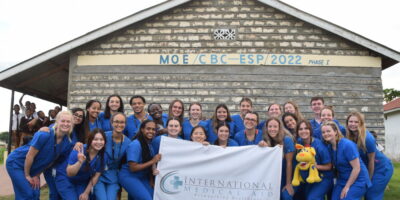
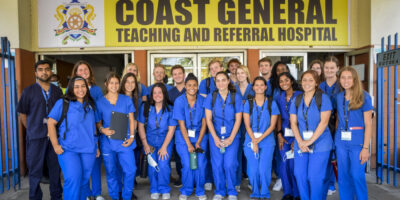
Our clinical internships for high school students work this way: students ages 15 and older rotate through general medicine, pediatrics, emergency care, surgery and women’s health in hospitals in Kenya and Peru, alongside medical language lessons and a global health seminar series. Our guide to what a summer medical internship looks like day by day walks through a typical week.
Which Type of Program Is Right for You?
Choose by age, goal and how much you already know. If you are 14 or 15, or want to learn the science first, start with a pre-clinical academy or course. If you are 16 or older and want to see whether you like working around patients, a clinical program gives the clearest answer. Many students do one of each across two summers, and our guide to pre-med programs during the school year covers what to do in between.
Expand Cultural Perspective
Traveling and being exposed to different cultures inevitably enhances your worldview. For high school students, this could help them develop a sense of gratitude and may profoundly affect them. It can help young adults see the good in the world, fueling them to pursue their passions.
While overseas internship programs will not affect everyone the same way, this will help them become more well-rounded individuals with an amplified perspective of the world and life.
Foster Personal Growth
Apart from developing their mindfulness of the world, building confidence through pre-clinical programs is possible. This is because participants will experience a level of independence and accountability they likely haven’t experienced before. While high schoolers won’t turn in patient hours, shadowing medical professionals can magnify responsibilities and their real-world consequences. And for high school students interested in the medical field, this experience can help illuminate potential career paths.
Get a Taste of Reality
Pre-clinical program interns undergo a shadowing program, where they observe the day-to-day activities of healthcare professionals. This experience affords high school students the following:
- Observe the realities of the medical profession
- Learn professional and ethical considerations involved in being a healthcare professional
- Witness innovative and resilient medical practices due to the lack of necessities
While participants won’t be tasked to perform any direct activity considered to be practicing medicine, the shadowing program puts them right where the action is. This exposure makes them feel what it is to be part of the medical community, reinforcing healthcare interests and building the confidence to pursue a medical career.
Observe Different Medical Fields
For students with a strong interest in pursuing a healthcare profession, pre-clinical programs provide exposure to different medical specialties that can include the following:
- Emergency Medicine
- Internal Medicine
- Pediatrics
- General Surgery
Exposure to diverse practices can ignite students’ passions and unlock their purpose to pursue medical careers. Moreover, when they enter pre-med and med school, they’ll have a distinct advantage over their peers without similar experiences. This can be a crucial advantage in a highly competitive field.
Get Mentored by International Healthcare Professionals
Pre-clinical programs not only allow students to see firsthand how medical professionals go about their jobs, but they also enable them to build relationships with international healthcare professionals. These interactions give them access to the minds and perspectives of international healthcare workers that they can’t get from classrooms and online resources.
Additionally, the network of mentors students gain can become invaluable connections should they pursue professional medical careers.
Witness Professionals Going the Extra Mile
Pre-clinical internships abroad allow students to observe the understated parts of medicine. Healthcare professionals in developing countries are often forced to navigate unique challenges while providing care. Going the extra mile is commonplace when working with inadequate equipment, limited staff and supplies.
Witnessing these acts of selflessness and compassion can ignite a fire in high school students, enabling them to take a more purpose-driven approach to their personal and professional pursuits.
Leverage the Magic of Traveling
Simply put, traveling changes people, often for the better. And when you get a memorable travel experience at such a young age, it gives you such an advantage as you traverse the complicated pathways of adolescence. Internship programs abroad combine the magic of traveling with practical learnings in the medical field and, ultimately, in life.
Frequently Asked Questions
Is a pre-clinical program the same as a pre-med program?
Not exactly. A pre-clinical program teaches medical science and skills in classrooms, labs and simulations. Pre-med is a broader term for any program or track that prepares students for a medical career, and it can include pre-clinical learning, clinical exposure or both.
Do pre-clinical programs count as clinical experience?
Generally not, because clinical experience usually means time around real patients. Pre-clinical programs are valuable preparation, and they make later clinical experience more meaningful, but most admissions readers treat them as academic enrichment.
What age can you start a pre-clinical program?
Many start in high school. Harvard Medical School MEDscience accepts students in grades 9 to 12, and Georgetown’s Medical Academy takes students 15 and older. Clinical programs in hospitals usually require students to be at least 16.
Final Words
Finding passion and purpose through pre-clinical programs is attainable, especially since these programs are powerful tools for growth and development for high school students. Being exposed to a different culture, shadowing international healthcare professionals, and learning from them is a priceless experience that entails lifelong lessons.
Whether you’re prospecting a medical career or are searching for a perspective-altering sojourn, consider enrolling in pre-clinical programs abroad. It could end up being one of the best decisions of your life.