To prepare for a pre-med internship in Peru, start with Spanish, since IMA’s Cusco wards run in Spanish and you need at least two years of study. Then set two or three learning goals, apply three to six months ahead, see a doctor at least a month before you fly and plan for Cusco’s altitude in your first days.
Preparation matters because the experience moves quickly once you land. Cusco sessions run two, three or four weeks, so there is little time to catch up on language or logistics after you arrive. This guide walks through each step, from choosing the right program to your first Monday on the wards. If you are still comparing destinations, our guide to the best country for a medical internship puts Peru and Kenya side by side.
Why Starting Early Pays Off
Getting into medical school takes years of steady work. A strong GPA and MCAT score open the door, and clinical experience shows admissions committees that you understand what the work involves. A placement abroad can add a perspective that is hard to get at home: how a public hospital in another health system cares for patients with fewer resources.
That perspective only helps if you are ready to take it in. Students who arrive with goals, workable Spanish and their travel health sorted spend their weeks learning. Students who arrive unprepared spend the first week catching up.
1. Be Clear About Your Goals
Not all pre-med programs are the same, so decide what you want before you apply. Ask yourself which part of medicine you want to see, which skills you want to build and how a placement abroad fits your path to medical school.
Good goals are specific and observable. “Learn about global health” is too broad to guide a single day. “Understand how an emergency department decides who is seen first when beds are full” gives you something to watch for and ask about. Write two or three goals like that before you apply, and you will also have strong material for your application answers and interview.
2. Choose a Program That Matches Those Goals
Pre-med experiences differ by setting. Clinical shadowing places you in hospitals and clinics beside physicians. Research roles place you in labs, universities and public health teams. If your goal is to understand patient care, a hospital-based program fits better. If you want to study a health question in depth, look for research.
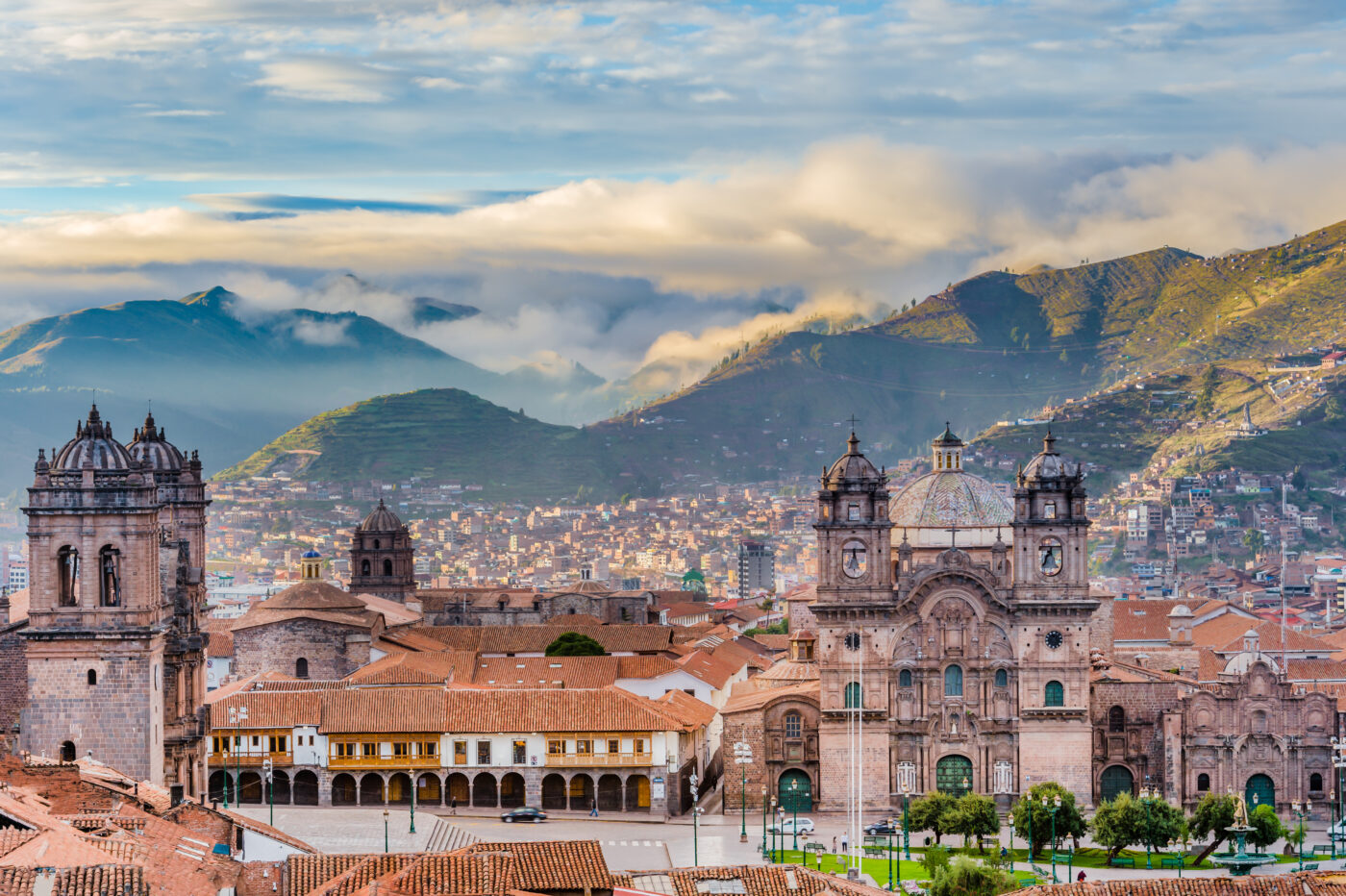
IMA’s pre-med internships abroad are hospital-based. In Cusco, the main site is Hospital Nacional Adolfo Guevara Velasco, a 250-bed teaching and referral hospital. Interns rotate through a new department each week, six to eight hours a weekday, often 8 AM to 4 PM. Global health lectures compare the Peruvian health system with the U.S. model of care, and clinical simulations let you practice skills away from real patients. Interns who want research experience can also ask to join ongoing projects led by local medical teams. If you are weighing Cusco against Mombasa, our guide to a supervised week in a Kenya medical internship shows how the Kenya site is organized.
Before you commit to any program in Peru, check three things: which hospital you will be in, who supervises you, and what you will and will not be allowed to do. You can read more about the trade-offs between settings in our guide to public vs private hospitals in Peru.
3. Build Your Spanish Before You Go
Language is the biggest difference between Peru and many other destinations. In Cusco, rounds, handoffs and patient conversations happen in Spanish, which is why IMA asks for at least two years of Spanish study. You will learn more from every encounter if you can follow the conversation without translating each word.
Focus your preparation on the Spanish you will hear in a hospital:
- Greetings, introductions and polite requests, so you can introduce yourself as a student observer
- Body parts, common symptoms and pain descriptions
- Department names and common hospital vocabulary
- Questions you can ask a physician between patients
Our list of medical Spanish phrases for interning in Peru is a good place to start. Practice out loud, not only on paper. You may also hear Quechua, an Indigenous language spoken in the region, so learning a greeting or two is a respectful gesture.
4. Make Sure You Qualify and Apply Early
Read the eligibility rules before you start an application. IMA’s pre-med program is open to undergraduates, gap year students, recent graduates and medical students. You need no minimum GPA, no chosen specialty and no previous clinical experience, though shadowing or volunteering at home helps.
IMA reviews applications as they arrive, and Cusco sessions often fill months ahead, so apply three to six months before you want to start. The process has a few steps, according to the pre-med program page:
| Step | What happens | Typical timing |
|---|---|---|
| Application | Online form with a resume, unofficial transcripts and short written responses | About 45 minutes to complete |
| Interview | A one-hour Zoom interview if you are selected | Usually within two weeks |
| Decision | You hear back after the interview | Within two weeks of the interview |
| Whole process | From submitting to a decision | About four to six weeks |
Use your application to connect past experience to your goals. Volunteering with a youth group, for example, may have built the listening and relationship skills that matter on a hospital ward. If you are not sure how to present your experience, your school’s career or pre-health advising office can review your resume, and you can practice interview answers with a friend. Current session options are listed on the program dates page.
5. Get Your Travel Health and Documents in Order
Peru’s geography ranges from desert coast to high mountains to rainforest, and health risks vary with it. The CDC’s Peru travel health page advises seeing your doctor at least a month before your trip to get any vaccines or medicines you need. It recommends hepatitis A for unvaccinated travelers and asks all international travelers to be fully vaccinated against measles.
Two points are specific to Cusco. First, the CDC does not recommend the yellow fever vaccine for travel limited to the highland tourist areas, including the city of Cusco, the Inca Trail and Machu Picchu, but it can apply if you plan to visit lower jungle regions. Second, Cusco sits at high altitude, and the CDC notes that altitude sickness is a risk at popular destinations such as Machu Picchu. Ask your doctor how to prevent and treat it, and plan a gentle first day or two.
For documents, IMA’s program page notes that citizens of the U.S., Canada and most European countries need no visa for stays under 180 days in Peru. If your country does require one, apply as a tourist. Check the State Department’s Peru country information for current entry requirements and safety advice before you book.
6. Get Ready to Travel
Once you are accepted, learn as much as you can about where you are going. Read about Peruvian culture, the structure of the health system and daily life in Cusco. Knowing how public and social security hospitals differ, for example, helps you understand the patients you meet.
Pack for the climate you will actually be in. Cusco days can be bright and warm while nights turn cold, so bring layers, a warm jacket and comfortable closed shoes for long hospital days. If you plan weekend trips to other regions, pack for those too. Peru’s coastal, mountain and forest areas have very different weather.
A simple packing checklist for a hospital-based placement in Cusco:
- Scrubs or the clinical clothing your program specifies, plus closed-toe shoes
- Warm layers and a rain jacket
- A small notebook for observations without patient names
- Any personal medicines in their original containers, with a copy of prescriptions
- Copies of your passport and travel documents stored separately from the originals
- A pocket Spanish phrase list for the first week
What Your First Week Looks Like
IMA’s Cusco interns arrive on a Saturday, attend orientation on Sunday and start at the hospital on Monday. Orientation comes in two parts. A program coordinator covers the local area, the residence and ground rules. A physician then explains how the hospital works, infection control, the AAMC guidelines interns follow and the standard precautions every clinical student uses.
From Monday you rotate through one department a week, under the direction of the licensed clinicians who supervise you. A Program Mentor helps you build your schedule and checks in during the placement. Afternoons may include lectures, simulation sessions or community work, such as hygiene education sessions for schoolchildren. Weekends are free, with local outings such as Sacsayhuaman and Qoricancha in Cusco.
What You Will and Will Not Do
Pre-med internships abroad are observational. Under the AAMC guidelines that IMA follows, you observe and learn under supervision. You follow the host hospital’s rules, protect patient privacy and respect that a patient can always decline to have a student in the room.
| You will | You will not |
|---|---|
| Shadow physicians on rounds, in consultations and in the operating room | Diagnose, prescribe or perform procedures |
| Ask questions between patients and take notes without identifiers | Stand in for local staff |
| Practice skills in simulation sessions | Practice skills on real patients |
| Help teach hygiene and health education sessions | Photograph patients or share their stories online |
In the operating room you stand a few feet from the table and watch. If anyone asks you to do something beyond your training, decline politely and tell your Program Mentor.
What to Expect as a Pre-Med Intern in Peru
Expect to grow in knowledge and confidence. You will see how physicians make decisions with the resources available, how teams communicate across professions and how patients’ circumstances shape their care. Your mentors and fellow interns can teach you a lot, and the connections you make may help you later when you ask for advice or plan your next step.
Keep a short daily reflection. Note one patient interaction, one question you asked and one thing that surprised you, without any identifying details. Those notes become the raw material for your personal statement and your interviews, and they help you describe the experience honestly as observation.
Final Thoughts
A pre-med internship in Peru rewards preparation. Strong academics open the door, but what admissions committees notice is a clear purpose, a willingness to learn and the maturity to work respectfully inside someone else’s hospital. Build your Spanish, set specific goals, apply early and arrive healthy, and your weeks in Cusco will give you far more than a line on your resume. You can also explore IMA’s healthcare internships in Peru for more about the setting.
Frequently Asked Questions
How Much Spanish Do I Need for a Pre-Med Internship in Peru?
IMA asks for at least two years of Spanish study for its Cusco program, because rounds and patient conversations on the wards happen in Spanish. Focus on medical vocabulary, symptoms and polite introductions before you go.
How Long Are Cusco Sessions?
IMA’s Cusco program runs fixed summer and winter sessions of two, three or four weeks. Kenya is the option if you need a longer or year-round placement, with stays of 2 to 12 weeks.
Do I Need a Visa for Peru?
According to IMA’s program page, citizens of the U.S., Canada and most European countries need no visa for stays under 180 days. If your country requires one, apply as a tourist, and check the State Department’s Peru page for current entry rules.
Do I Need a Yellow Fever Vaccine for Cusco?
The CDC does not recommend the yellow fever vaccine for travel limited to the highland tourist areas, including the city of Cusco, the Inca Trail and Machu Picchu. It may apply if you visit lower jungle areas, so tell your doctor your full itinerary at least a month before you travel.
What Happens When I Arrive in Cusco?
IMA’s Cusco interns arrive on a Saturday, attend orientation on Sunday and start at the hospital on Monday. Orientation covers the local area, the residence, how the hospital works, infection control and the AAMC guidelines you follow.
Will I Provide Patient Care in Peru?
No. IMA’s pre-med internships are observational. You shadow physicians and learn under supervision, and you do not diagnose, prescribe or perform procedures. Skills practice happens in simulation sessions.
When Should I Apply?
Apply three to six months before you want to start. IMA reviews applications as they arrive, and sessions often fill months ahead. The whole process usually takes about four to six weeks.