Public vs private hospitals in Peru offer different lessons to a pre-med intern. Public hospitals run by the Ministry of Health and EsSalud serve most of the country’s 33 million people, with high patient volumes, many specialties and real resource limits. Private clinics have more staff time per patient and newer equipment, but fewer cases and narrower services. Neither is better for everyone.
Getting into a strong medical school is challenging. Applicants need a solid academic record and a competitive MCAT score, and they also need experience that shows they understand what medicine involves, preferably clinical, laboratory or research experience. A clinical internship is one of the clearest ways to build that experience, and Peru is one of the places students go to do it. If healthcare internships in Peru appeal to you, it helps to understand the hospital system first, including whether a public or private setting fits what you want to learn.
Several organizations work with government, academic and private partners to offer pre-med training in the U.S. and overseas, including Peru. This guide explains how Peru’s health system is organized, what each type of hospital tends to look like from the inside, the trade-offs of each, and the questions to ask before you choose a program.
Healthcare System in Peru: An Overview
Peru is a middle-income country on the western side of South America. It is home to more than 33 million people, who rely on a mix of public and private health services.
Peru’s health system is decentralized. The Ministry of Health (Ministerio de Salud, or MINSA) sets national policy, and regional and local health authorities run services in their own areas. Care is delivered through several separate subsystems, each with its own network of facilities:
- MINSA and regional governments run public health posts, health centers and hospitals at the primary, secondary and tertiary levels.
- EsSalud, the social insurance program under the Ministry of Labor, serves people in formal employment, retirees and their families through its own hospitals and clinics.
- The Armed Forces and National Police run their own health services for members and their families.
- The private sector includes for-profit clinics and hospitals as well as nonprofit and faith-based providers.
Who Pays for Care in Peru?
MINSA’s public insurance program, Seguro Integral de Salud (SIS), is the largest insurer. According to the U.S. International Trade Administration’s Peru healthcare resource guide, SIS covers about 60% of the population and EsSalud covers about 25%, mostly people in the formal economy. The remaining share receives services from the Armed Forces, the National Police and the private sector. SIS mainly serves low-income and extremely low-income families, informal workers and pregnant women, and MINSA authorizes some hospitals to treat people with no insurance at all.
Insurance coverage has grown fast. The OECD’s 2025 review of Peru’s health system reports that coverage rose from 61% in 2009 to over 97% in 2023, and it still describes the system as both segmented and fragmented, with multiple public subsystems serving different groups. Having insurance on paper does not always mean having a doctor nearby, which is exactly what you notice when you spend time in a public hospital.
How Many Facilities Does Peru Have, and How Well Equipped Are They?
Peru has more than 25,000 health facilities nationwide, about one for every 1,300 people, according to a 2023 World Bank analysis of healthcare coverage in Peru. The same analysis found that 52% of primary healthcare centers run by MINSA and regional governments lack medical professionals, and 98% lack the infrastructure and equipment needed for proper patient care.
Public facilities cannot always accommodate everyone because resources are limited. The government has worked to improve the system by strengthening primary care, increasing health spending and investing in infrastructure, and it has plans to spread health workers and resources more evenly across the country. For a wider comparison of how these pieces differ from what you know at home, read our guide to Peru and US healthcare systems.
Peru’s Private Healthcare
Most private hospitals and clinics in Peru have modern medical equipment and adequate staffing. The main downside is cost. Private care is expensive for most Peruvians, so only a small share of the population uses it regularly.
Private facilities are also concentrated in Lima and a few other large cities, which makes them hard to reach for patients in rural and remote areas. Many patients who use private clinics also hold EsSalud or SIS coverage and move between systems depending on what they need and what they can pay for.
Public vs Private Hospitals in Peru at a Glance
| Feature | Public hospitals (MINSA, regional, EsSalud) | Private hospitals and clinics |
|---|---|---|
| Who the patients are | Most of the population, including SIS and EsSalud members | Patients with private insurance or the means to pay |
| Patient volume | High, with busy wards and waiting rooms | Lower, with scheduled appointments |
| Range of cases | Wide, including advanced and late-presenting disease | Narrower, sometimes focused on one specialty |
| Resources | Often stretched: staff, beds, equipment, supplies | Generally well equipped and staffed |
| Pace for a learner | Fast; teaching happens between patients | Slower; more time for questions |
| Where they are | Throughout the country, from health posts to referral hospitals | Concentrated in Lima and large cities |
| What you learn most | Health systems, equity, triage under pressure | Patient communication, continuity, workflow |
Pros and Cons of Working in Public Hospitals
Public hospitals in Peru generally follow good clinical standards, but staffing, equipment and supplies are often stretched. That combination shapes almost everything a student sees there.
Pros
A strong work ethic to learn from. Public health workers often multitask and work long hours to cover staffing gaps. While you rotate alongside them, you can see how dedicated clinicians keep care moving in difficult conditions. Watching that up close helps you become more adaptable and better prepared for demanding settings later in training.
Exposure to many specialties. Public hospitals care for thousands of patients with a wide range of conditions, so they employ doctors across internal medicine, obstetrics and gynecology, pediatrics, surgery and emergency medicine. If you have not yet decided which field interests you, a public hospital lets you compare several in a short time. Our guide to conditions interns see by region and specialty shows what that range can look like.
A clear view of health equity. In a public ward you see how insurance status, distance and income affect when patients arrive and what care they can get. That is the kind of systems thinking medical schools look for in applicants.
Cons
Strained resources. Staff in public hospitals do not always have the equipment or supplies they need, and that can limit what care is possible on a given day. It can also be hard to watch. If you do not manage stress well, the pace and the gaps can wear you down, and research on medical learners links demanding clinical environments to a higher risk of burnout in medical trainees.
A lack of resources can still be a learning opportunity. Seeing clinicians improvise safely and set priorities teaches resourcefulness and quick thinking, skills that matter in medical school and in practice.
Less individual attention. On a busy day, the clinician supervising you may have little time to explain each case. Plan to save your questions for quieter moments and keep notes so you can ask them later.
Pros and Cons of Working in Private Hospitals
Private hospitals mostly serve patients who can afford them, so patient numbers tend to be lower.
Pros
More meaningful patient interactions. Because private hospitals usually have more staff per patient, you have more time with each patient and can follow a case from intake through the visit.
Better focus. You and your supervising clinician do not have to rush or juggle several emergencies at once, so you can concentrate on learning how hospital work is organized.
More flexibility. A more manageable workload means you spend less time decompressing after clinical hours, which makes it easier to keep a healthy balance during your placement.
Cons
Fewer clinical activities. Some private hospitals do not have the wide referral network that public facilities have, and others focus on treating certain conditions. Those limits can narrow what you see as a pre-med intern. If you are interested in their specialty, though, a focused private setting can still be a good place to learn.
A narrower picture of the country. Because private patients are a small, mostly urban share of the population, a private-only placement shows you less of how most Peruvians get care.
Your Role as an Intern in a Peruvian Hospital
What Will You Do in a Peruvian Hospital?
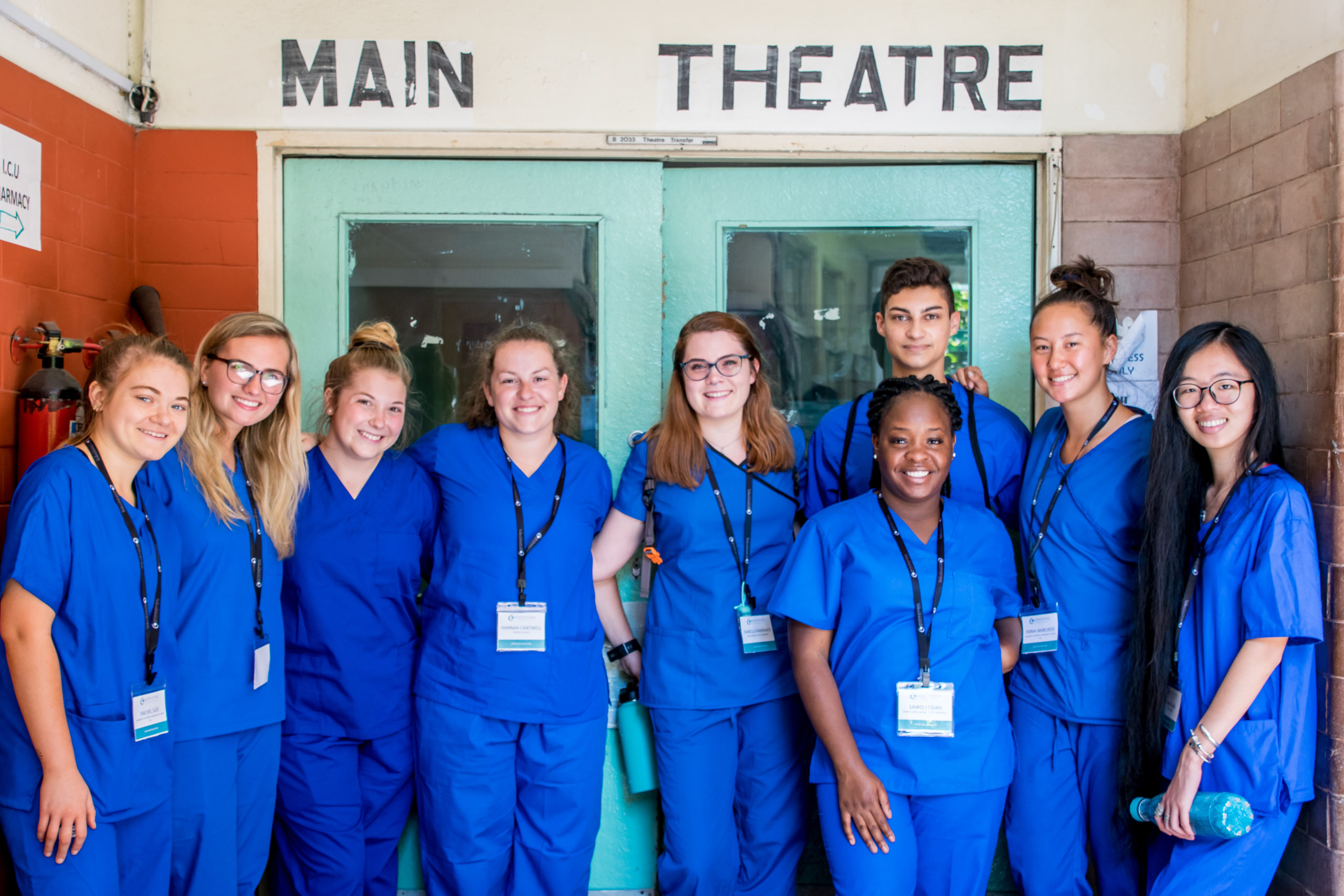
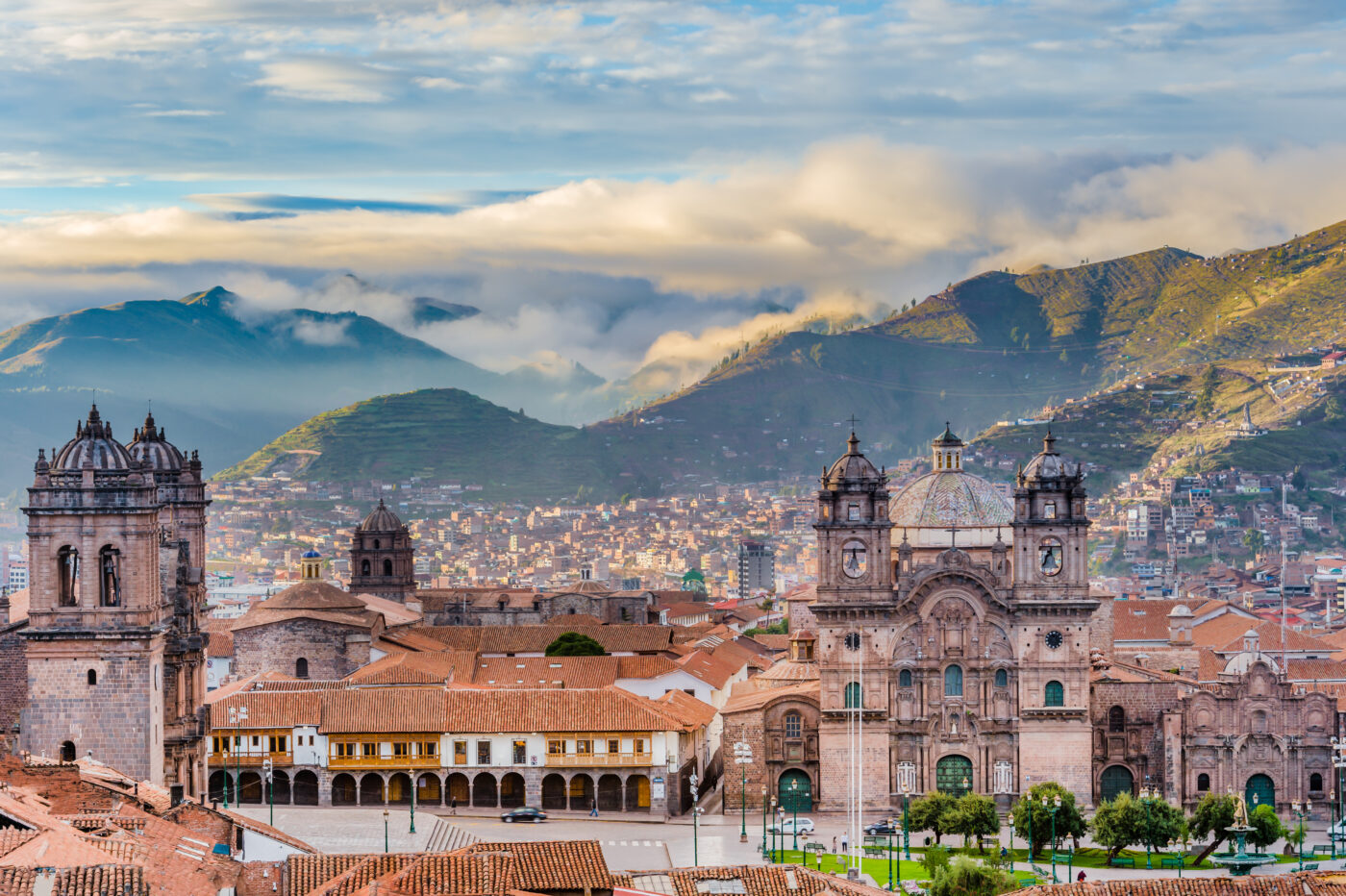
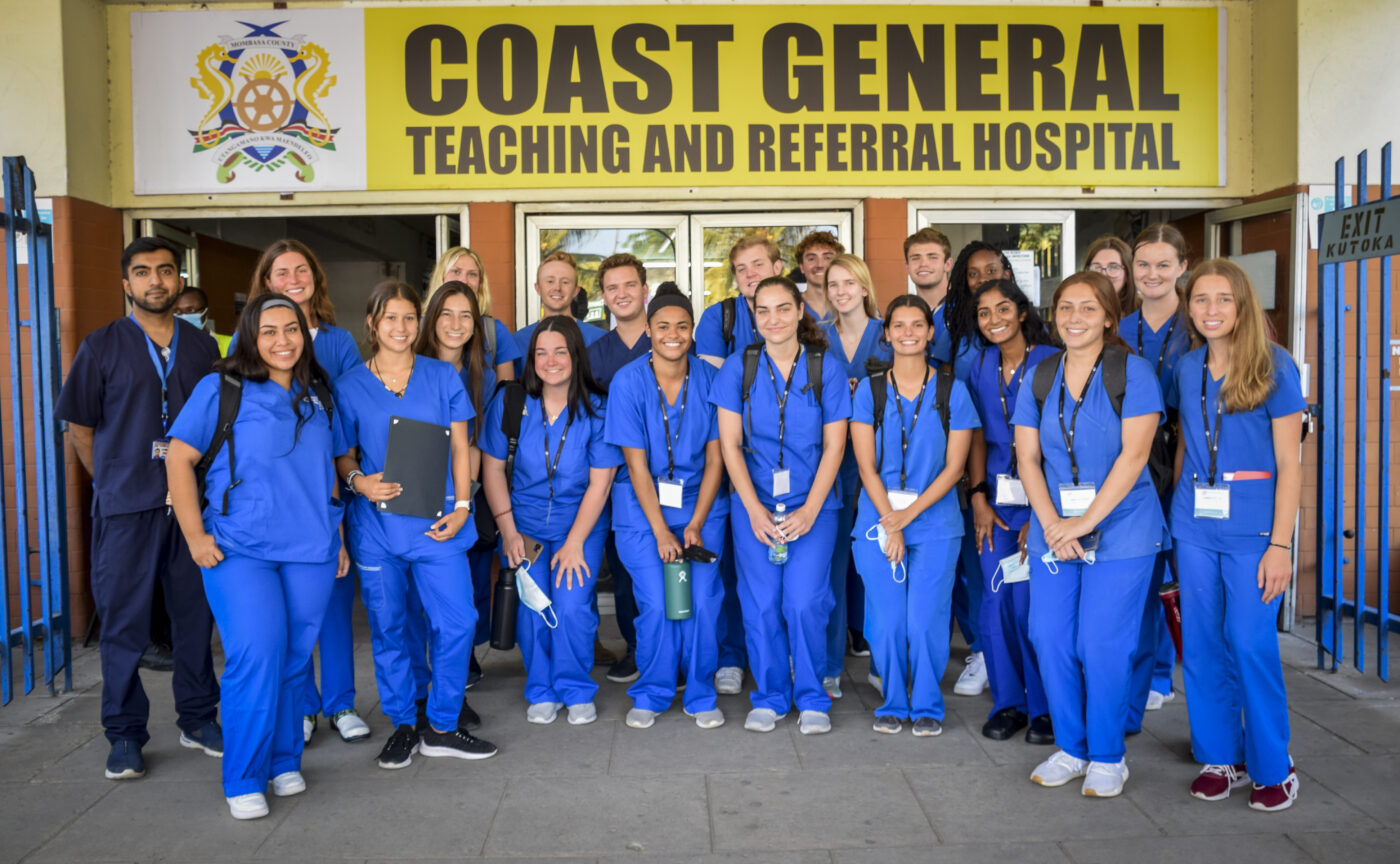
Your role depends on the program and the hospital, not only on whether it is public or private. On IMA’s program, interns work in major hospitals in Cusco across multiple medical specialties. Under the supervision of licensed clinicians and within their training level, interns take part in direct patient care, such as taking vital signs, helping with patient intake and conducting basic patient interviews, alongside hospital rotations, clinical simulation sessions, global health lectures and community outreach. Interns do not diagnose, prescribe or perform invasive procedures.
Language matters in every setting. Patients in Cusco may speak Spanish or Quechua, and even basic phrases help. Our list of medical Spanish phrases for Peru is a good place to start before you travel.
Choosing Between a Public and Private Setting
Which Setting Is Better for a Pre-Med Intern?
There is no single right answer. Choose a public hospital if you want breadth, volume and a direct look at how a health system serves people with limited means. Choose a private setting if you learn best with more time per patient and a calmer pace. Many students get the most from a placement that includes both, or from a public hospital placement paired with community outreach.
Before choosing which setting to explore, revisit your internship goals and make sure they match the activities planned for your training. Our guide to pre-med internships abroad explains how IMA structures clinical rotations, and our guide to making the most of a pre-med internship abroad covers how to prepare.
Questions to Ask a Program About Its Hospitals in Peru
Before you commit, ask the program to answer these in writing:
- Which hospitals will I rotate in, and is each one public (MINSA, regional or EsSalud) or private?
- Which departments can I expect to rotate through, and how is that decided?
- Who supervises interns, and what is my role in patient care at my training level?
- How does the program support students who do not speak Spanish or Quechua?
- How long has the program worked with each hospital, and what does the hospital gain from the partnership?
- What community outreach is included, and who leads it?
The last two questions matter more than they seem. A good program can explain how its presence supports the host hospital rather than drawing on its staff. Our guide to evaluating a program’s community partnerships explains what strong answers look like.
Final Thoughts
Pre-med internships help aspiring health professionals build the skills they need as students and future clinicians, and they give you a clearer picture of the many roles inside a hospital. Public and private hospitals in Peru teach different things. A public hospital shows you medicine at scale and under pressure, and a private clinic shows you medicine with time to spare. Knowing which lesson you want most is the best way to choose.
Frequently Asked Questions
What Is the Difference Between Public and Private Hospitals in Peru?
Public hospitals are run by the Ministry of Health, regional governments or EsSalud and serve most of the population, often with stretched resources. Private hospitals and clinics serve patients who can pay or hold private insurance, and they generally have more staff and newer equipment.
What Is SIS in Peru?
Seguro Integral de Salud (SIS) is the Ministry of Health’s public insurance program. It is the country’s largest insurer and mainly covers low-income families, informal workers and pregnant women.
What Is EsSalud?
EsSalud is Peru’s social health insurance program under the Ministry of Labor. It covers people in formal employment, retirees and their families through its own network of hospitals and clinics.
Is a Public or Private Hospital Better for a Pre-Med Internship in Peru?
It depends on your goals. Public hospitals offer more patients, more specialties and a direct view of health equity. Private hospitals offer a slower pace and more time per patient. Many students learn the most from public hospital rotations combined with community outreach.
Do I Need to Speak Spanish for a Hospital Internship in Peru?
It helps a great deal. Most patients speak Spanish, and some in the Cusco region speak Quechua. Learning basic medical phrases before you arrive will make your placement more useful.
Where Do IMA Interns Work in Peru?
IMA interns work in major hospitals in Cusco across multiple medical specialties, with hospital rotations, clinical simulation sessions, global health lectures and community outreach.