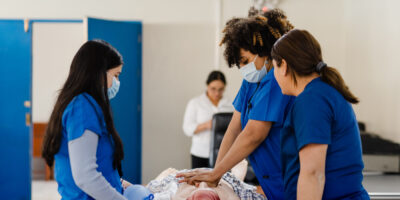
Helping Future Healthcare Students Find Their First Real Experience
Parents often wonder how to help their teenagers explore medicine meaningfully before college begins. The answer is not another classroom course or club but real exposure to healthcare environments. Among all the entry points into the field, dentistry provides one of the clearest, most accessible paths. Through programs like dental internships for high school students offered by International Medical Aid, students can observe patient care, build confidence, and better understand the connection between oral health and overall wellness.
A dental internship allows students to move beyond curiosity and into structured learning. It shows daily clinical life, how professionals communicate, and how science, compassion, and precision all come together to improve lives. For many families, it is the first professional experience that helps their teen decide whether healthcare truly feels like the right path.
Why Dentistry Is a Smart Starting Point
Dentistry is both technical and deeply human. Students quickly see that oral health influences far more than a smile. It connects to heart health, nutrition, and even early signs of systemic disease. By shadowing dental professionals, interns begin to understand how something as routine as a cleaning can reveal necessary information about a person’s well-being.
These experiences teach responsibility and empathy. They also help high school students see how different healthcare specialties work together. Many interns who start in dental settings later explore nursing, psychology, or public health. Others commit fully to dentistry, inspired by mentors who demonstrate both precision and care. International Medical Aid makes these experiences possible in safe, well-supervised environments where students can learn without pressure or risk.
What a Dental Internship Includes
A dental internship through IMA combines observation, education, and service. Before entering a clinic, each student participates in orientation sessions focused on professionalism, ethics, and cultural sensitivity. Once in placement, interns shadow licensed dentists, hygienists, and assistants during patient consultations, preventive care, and simple procedures.
The emphasis is on exposure, not participation. Students watch how professionals explain treatment plans, manage sterilization, and interact with patients from diverse backgrounds. They learn that healthcare depends as much on trust and communication as it does on instruments and techniques.
In many IMA programs, participants also join outreach projects that provide dental hygiene education to local communities. This dual focus on clinical and public health perspectives helps students understand how access to care affects quality of life. It turns the internship into more than a shadowing experience; it becomes an early lesson in global health and empathy.
How Parents Can Evaluate Program Quality
Finding the right internship for a high school student requires more than looking at websites. Parents should confirm that any healthcare program includes structured supervision, clear educational goals, and reliable housing and support. Programs must ensure that students never perform procedures, that privacy standards are maintained, and that there is always an adult professional present.
IMA’s global health internships meet these standards and have earned a strong reputation for transparency. Each site operates within licensed hospitals or clinics under the direction of experienced healthcare professionals. Students are housed in secure accommodations with staff available at all times. The organization provides full orientation, emergency protocols, and regular communication with parents throughout the program. This structure allows students to learn safely and parents to stay informed and confident.
The Learning Value of Observation
Students often underestimate how much they can learn simply by watching. Observation teaches focus, patience, and awareness. Seeing how professionals move through a busy clinic or comfort a nervous patient offers lessons that textbooks cannot provide.
By the end of a two- to four-week program, most interns can explain how oral health relates to cardiovascular and nutritional systems, describe basic preventive care procedures, and recognize the importance of teamwork in medical settings. The experience builds vocabulary, maturity, and understanding, which are all essential preparations for college-level science courses and future clinical training.
Common Mistakes First-Time Interns Make
Parents can help their teens get the most from an internship by discussing expectations early. Students should understand that these experiences are not about performing tasks but about purposefully observing. Some students focus too heavily on getting certificates instead of engaging with mentors. Others arrive shy about asking questions. Encourage curiosity. Professionals expect it.
Another common mistake is underestimating cultural differences during international programs. Respecting local customs, being open-minded, and listening to local healthcare staff is part of the learning process. Reflection also matters. Keeping a short daily journal helps students process what they’ve seen and express those experiences later in college essays or interviews.
Why International Experience Matters
While domestic programs can offer short-term exposure, global experiences provide a different level of perspective. In many communities abroad, oral health is deeply connected to public health challenges such as access to clean water or preventive care. Seeing those realities broadens a student’s understanding of healthcare as service, not just science.
IMA’s pre-dentistry programs in East Africa and South America place students alongside local dentists and physicians in hospitals and outreach clinics. They observe how teams adapt to limited resources, manage patient flow, and emphasize prevention through education. This exposure helps young people appreciate the global nature of medicine and the universal need for compassionate practitioners.
The Parent Perspective
Every parent wants to know their child is safe. IMA designs its programs with that concern at the center. Students are never placed without supervision. Housing is inspected and secure, transportation is arranged, and 24-hour staff support is available. Parents receive itineraries, contact information, and updates during their student’s stay.
But safety is only part of what makes these programs worthwhile. The structured reflection, mentorship, and cultural learning components ensure that every participant grows both academically and personally. Parents often report that their teens return home more mature, more confident, and far more certain about what they want to study.
The Long-Term Impact on College and Career
The value of a dental internship reaches well beyond the summer it takes place. Students who have observed real clinical work tend to write stronger college essays because they can describe authentic experiences. They speak about teamwork, observation, and empathy instead of abstract goals.
Admissions committees notice the difference. A student who can reflect meaningfully on what they witnessed in a clinic demonstrates both initiative and self-awareness. These are the qualities that predict success in pre-health and science programs. Many IMA alumni later apply for advanced healthcare opportunities and reference their high school internship as the moment that clarified their ambitions.
For Students Who Continue Exploring
Some students finish a dental internship certain that healthcare is their future, while others use it as a springboard to explore related fields. International Medical Aid supports this broader growth through its additional healthcare and global health programs. A student who starts in dentistry might later participate in nursing or public health placements, or even gain patient-care exposure through its psychology internships for high school students and related global programs. The goal is not to lock a student into a single career, but to help them find direction through experience.
Professional Dental Resources for Students and Parents
Before or after a dental internship, students can benefit from understanding how professional associations shape the field they hope to join. These organizations set ethical standards, guide continuing education, and often provide free or low-cost resources for students. For families supporting a teenager interested in healthcare, these sites can deepen understanding of how dental professionals are trained, licensed, and supported throughout their careers.
The American Dental Association (ADA) is the largest professional organization for dentists in the United States. Its website offers an extensive section for students and educators that explains what dental school entails, how licensing works, and which specialties exist within the field. Parents can explore how dentistry connects to overall health, the importance of early prevention, and the ADA’s national programs promoting oral health equity. The site also features the MouthHealthy portal, which simplifies complex topics such as fluoride, dental anxiety, and the link between oral and systemic diseases. Visiting https://www.ada.org/ or https://www.mouthhealthy.org/ can help students and families understand the profession’s scope beyond basic clinical care.
For those considering academic pathways, the American Dental Education Association (ADEA) provides clear, detailed information about dental and pre-dental education in the United States and Canada. Its GoDental initiative, found at https://www.adea.org/GoDental/, is tailored specifically for students exploring dentistry as a career. The site explains the admissions process, dental school prerequisites, and the many subfields within the profession, from prosthodontics to oral pathology. Families can also find mentoring programs and virtual events that help students connect with current dental students and educators. These resources complement International Medical Aid’s experiential programs by helping students map out the academic next steps once their internship ends.
Another respected resource is the American Student Dental Association (ASDA), which represents dental students and predental members nationwide. It is not a governing body but a professional network that advocates for students’ interests in education and healthcare policy. The ASDA’s Predental Portal offers advice on preparing for dental school, developing leadership skills, and understanding the business side of dentistry. The site at https://www.asdanet.org/ provides news, webinars, and student spotlights that can inspire high school and college students who are just starting their journey. Parents can also gain insight into how young professionals balance the academic rigor and emotional demands of healthcare careers.
Students drawn to public health or international service may appreciate the work of the World Dental Federation (FDI), a global organization that promotes oral health through advocacy, education, and research. The FDI’s website, https://www.fdiworlddental.org/, highlights initiatives addressing disparities in access to dental care and preventive education in developing regions. Reading about its programs helps students understand the broader mission of dentistry and why organizations like International Medical Aid include oral health in their global health internships.
Finally, the National Institute of Dental and Craniofacial Research (NIDCR) offers research-based insight into oral health issues. As part of the National Institutes of Health, it publishes accessible summaries of current studies on everything from enamel regeneration to oral microbiome research. The NIDCR’s educational materials, available at https://www.nidcr.nih.gov/, are excellent for students who want to explore the scientific side of dentistry or consider careers in research or public policy.
Exploring these organizations gives both students and parents context for what comes after an internship. They reveal the standards, ethics, and career pathways that guide real practitioners and reinforce the value of early professional exposure through programs like those at International Medical Aid. Whether a student plans to attend dental school, work in public health, or pursue a related healthcare field, these associations provide credible, non-commercial resources that support informed choices and long-term growth.
Final Thoughts
For families who value education through experience, dental internships for high school students are one of the most responsible and rewarding ways to prepare for college. They provide structure, mentorship, and purpose during a time that often feels uncertain. Dentistry offers a window into healthcare that is technical yet personal, precise yet compassionate.
Through International Medical Aid’s programs, high school students step into the world of real medicine under professional supervision, gaining lessons in communication, ethics, and cultural understanding. Parents gain peace of mind knowing their child is supported, learning safely, and building a foundation for both academic and personal growth.
The summer before college should mean more than rest. It can mean progress, insight, and a glimpse of the person your teen is becoming, someone ready to serve others and pursue a meaningful career in healthcare.