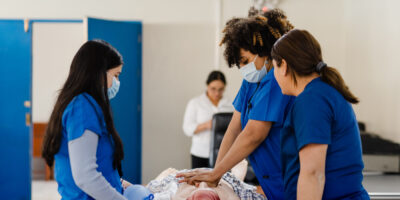
Obstetrics and Gynecology, often referred to as OB/GYN, is a medical specialty focused on women’s health throughout every stage of life. Obstetricians support patients through pregnancy and childbirth, while gynecologists care for the reproductive system from adolescence through older adulthood. Because the field combines both roles, an OB/GYN might spend the morning in the clinic doing routine exams and counseling, then move straight into surgery or an emergency C-section later that day.
What makes this specialty stand out is the range of care it covers. OB/GYNs handle prevention, diagnosis, surgery, and some of the most meaningful moments patients ever experience. They help reduce maternal and infant mortality, manage high-risk pregnancies, and guide patients through reproductive decisions with clarity and respect. The work can be demanding, but it is also rewarding in a straightforward, human way.
If you are in high school and already curious about a career in medicine, OB/GYN can be a strong place to start exploring. Getting early exposure through medical internships for high school students or pre-med internships for high school students can help you see what real patient care looks like and what physicians in this field handle every day. You get a clearer sense of the science, the pace, and the responsibility involved, long before you have to choose a college major. Women’s health is a major part of healthcare and public conversation, and OB/GYNs often advocate for prenatal care, cancer screening, and family planning. Learning about the specialty now can shape your goals and give you a solid head start on the path ahead.
High school is the ideal time to establish a solid foundation in science and cultivate empathy and communication skills – attributes that are crucial for any physician, particularly in a people-centered field like OB/GYN. In this guide, we’ll walk you through what OB/GYNs do, how to become one, and steps you can take right now in high school to begin your journey toward this exciting career.
What This Specialty Involves
An OB/GYN’s work is incredibly varied – there truly is “no typical day”. OB/GYNs are unique in that they practice both medicine and surgery, often in the same day. Here are some of the key roles and responsibilities this specialty involves:
- Women’s Health Care: As gynecologists, OB/GYNs conduct routine wellness exams for women. They perform Pap smears to screen for cervical cancer, advise on birth control and family planning, manage menstrual problems, and treat infections or sexually transmitted diseases. They care for patients from adolescence through post-menopause, addressing issues like polycystic ovary syndrome (PCOS), endometriosis, fibroids, and menopausal symptoms.
- Pregnancy and Childbirth: As obstetricians, these doctors care for women during pregnancy, labor, and after delivery. They monitor the health of the mother and fetus with regular checkups and ultrasounds, provide prenatal counseling on nutrition and health, and manage labor and delivery. OB/GYNs are the physicians who deliver babies, whether via vaginal birth or by performing Cesarean sections (surgical deliveries). They also handle pregnancy-related complications such as ectopic pregnancies, preeclampsia, or preterm labor.
- Surgical Procedures: OB/GYNs are trained surgeons for female reproductive health. In a given week, an OB/GYN might perform surgeries like hysterectomies (removal of the uterus), oophorectomies (removal of the ovaries), salpingectomies (removal of the fallopian tubes), or tubal ligations (surgical contraception). They also do minimally invasive surgeries with laparoscopy or robotic tools, for example, to remove ovarian cysts or fibroid tumors. In the office, they may do minor procedures like colposcopy (examining the cervix for abnormal cells) or endometrial biopsies. This surgical side means OB/GYNs need good hand-eye coordination and comfort with operating room protocols.
- Emergencies and Critical Care: OB/GYNs must be ready to manage emergencies, often with two lives on the line (the mother and baby). For instance, if a baby shows signs of distress during labor or a mother has severe bleeding (hemorrhage), the OB/GYN must act quickly to ensure a safe outcome. Some OB/GYNs train additionally in Critical Care or work in intensive care units for obstetric patients. Quick decision-making and staying calm under pressure are critical skills in these moments.
- Patient Relationships: Many OB/GYNs develop long-term relationships with their patients. Women often see their OB/GYN annually for checkups and throughout pregnancies. This continuity means OB/GYNs get to know patients over the years, sharing in very intimate and important moments of their lives. One physician noted that the trust built with patients is incredible – patients depend on their OB/GYN to deliver their babies or perform delicate surgeries, and seeing those patients through different life stages is “truly amazing,” she said. Because of this, communication and empathy are key; OB/GYNs discuss sensitive topics (sexual health, fertility struggles, pregnancy loss) and must support patients emotionally as well as medically.
- Teamwork and Collaboration: In practice, OB/GYNs work closely with many other healthcare professionals. In a hospital labor and delivery unit, they coordinate with labor and delivery nurses, midwives, anesthesiologists (especially if an epidural or surgical delivery is needed), and pediatricians or neonatologists who care for newborns. They may consult with oncologists for a patient with cancer or endocrinologists for hormonal disorders. Being a team player is essential, as is the ability to lead a team during emergencies like a crisis in the delivery room.
- Settings: OB/GYNs practice in a variety of settings. Many work in hospitals (especially for deliveries and surgeries) and have outpatient clinics for routine visits. Some are in private practice groups, where a group of OB/GYNs share responsibilities (and night calls). Others work in academic medical centers, teaching medical students and residents while also doing research on women’s health issues. There are OB/GYN hospitalists (“laborists”) who work shifts in the hospital managing all deliveries, which can improve work-life balance. A few OB/GYNs even work in public health or global health settings, focusing on community programs and preventative care. This range means you can tailor your career: some OB/GYNs focus more on office practice, some on surgery, and some on delivering babies, depending on their interests and practice environment.
- Emotional Highs and Lows: Perhaps more than any other field, OB/GYN encompasses extreme emotional moments – both joyful and painful. Obstetricians witness the miracle of birth on a regular basis, sharing in what is often one of the happiest days of a family’s life. But they also confront tragedies like miscarriage, stillbirth, or diagnoses of fetal abnormalities. As one OB/GYN described, there is a “dichotomy of emotion” in this specialty: “You have a lot of happy medicine, but you also have a lot of very tragic medicine – and that may occur in back-to-back patients”. This means OB/GYNs must be resilient and emotionally strong, able to support their patients through grief while maintaining their own wellness. It can be “very emotionally draining”, as that physician noted, to constantly put patients’ emotions first. Yet, OB/GYNs find balance in knowing they play a major part in patients’ lives, often with deeply rewarding relationships and outcomes.
OB/GYN is a dynamic specialty that blends preventive care, acute care, and surgery. An OB/GYN might spend the morning in the clinic doing prenatal visits and annual exams, the afternoon in the operating room performing a hysterectomy, and the night on call delivering babies – with each day bringing new challenges.
If you thrive on variety, hands-on procedures, and forming meaningful patient connections, OB/GYN offers all of that. It requires excellent clinical skills across multiple domains (medicine, surgery, obstetrics), stamina and quick thinking for emergency situations, and compassion for patients’ most personal health issues.
Educational Pathway
Becoming an OB/GYN requires extensive education and training – typically 12 or more years after high school. It’s a long journey, but each step builds essential knowledge and experience. Here’s an overview of the path:
High School: While still in high school, focus on building a strong academic foundation, especially in science and math. Take biology and chemistry (and physics if available), and challenge yourself with Advanced Placement (AP) or International Baccalaureate courses in those subjects if your school offers them. Anatomy or physiology classes can be great if available, since you’ll learn basic human biology that will later apply to women’s reproductive anatomy. Also, prioritize developing good study habits and time management now – medical school will be academically intense, so learning how to learn effectively is a skill you can start early. Beyond science, take English and other classes that strengthen your critical thinking and communication skills. Doctors need to read, write, and communicate well, so classes like literature, history, or debate help you practice analyzing information and presenting your ideas clearly.
During high school, you should also begin exploring medicine through extracurricular activities (we’ll discuss specific ideas in the next section). While you won’t start specialized medical training until after college, high school is when you can confirm your interest in a healthcare career and start building a track record of involvement in science and service.
College (Undergraduate Education): After high school, you’ll attend a four-year college or university to earn a bachelor’s degree. There is no required “pre-med” major – medical schools accept students from all kinds of majors as long as you complete the core pre-med prerequisite courses. These typically include: one year of biology with labs, one year of general chemistry with labs, one year of organic chemistry with labs, one year of physics with labs, and often a year of math (including calculus or statistics) and a year of English. Many pre-med students choose science majors like Biology or Chemistry because they include most prerequisites.
But it’s also common to major in something entirely different (English, History, Psychology, etc.) and take the required science courses as electives. If you’re especially interested in women’s health, you might consider majors or minors in fields like Biology (with a focus on human biology) or Public Health, or even Women’s and Gender Studies, alongside your science courses – but again, major in something you enjoy and can excel in, since GPA matters for med school admission.
During college, you’ll also take the MCAT (Medical College Admission Test), usually in your junior year. This exam tests your knowledge of science, critical thinking, and problem-solving and is a key component of your medical school application. In addition, you’ll want to continue or expand your healthcare experiences (volunteering, research, shadowing doctors) as a college student to strengthen your application and confirm your interest in OB/GYN or medicine in general.
Medical School: Medical school is a four-year professional degree (either M.D. – Doctor of Medicine, or D.O. – Doctor of Osteopathic Medicine). You apply to medical school in your senior year of college (or after graduation for some). Getting into medical school is competitive, so your college grades, MCAT score, and activities (including any leadership or volunteer work) are all important. Once admitted, you’ll spend about two years in classroom-based learning and two years in clinical rotations:
- Pre-Clinical Years (Years 1-2): You’ll study the foundational sciences – anatomy, physiology, biochemistry, pharmacology, etc. Expect to be in lectures, labs (for anatomy, you might dissect a cadaver), and small group discussions. You’ll learn how the normal human body works and the science behind diseases.
In the second year, courses often focus more on pathology (how diseases develop in different organ systems). OB/GYN topics during pre-clinical years may be part of a broader physiology or pathology course (e.g., learning about the menstrual cycle, hormones, pregnancy, and diseases like ovarian cancer). In these years, you’ll also have some early clinical exposure – perhaps learning how to take patient histories and do basic physical exams. Near the end of the second year (or beginning of third, depending on the school), you’ll take the first step of your medical licensing exam (USMLE Step 1 or COMLEX Level 1 for D.O. students). - Clinical Rotations (Years 3-4): The third year of med school is typically when you do core rotations in major specialties: internal medicine, surgery, pediatrics, obstetrics/gynecology, psychiatry, and others. During your OB/GYN rotation (often 6-8 weeks long), you will work on a team with residents and attending physicians, seeing patients in both obstetrics and gynecology settings. This is often a thrilling experience – many medical students deliver their first baby under supervision during this rotation!
You’ll assist in prenatal visits, help in deliveries, and maybe scrub in on surgeries like C-sections or tubal ligations. This rotation gives you a taste of what being an OB/GYN is like and is usually when students decide if they want to pursue OB/GYN as a career. In the fourth year of med school, if you decide on OB/GYN, you can take elective rotations to get more experience or do “sub-internships” in OB/GYN to prepare for residency.
You’ll also be applying to residency programs during fourth year, going on interviews, and then participating in the Match (the process that pairs applicants to residency spots) in March of your graduation year. - Degrees and Exams: By the end of medical school, you will have earned an M.D. or D.O. degree. You also must pass your remaining licensing exams (Step 2 during fourth year, and eventually Step 3 during residency) to be fully licensed as a physician. Graduation from med school, however, is not the end of training – next comes residency.
Residency (Graduate Medical Education): After medical school, new doctors enter a residency training program in their chosen specialty. OB/GYN residency is a 4-year program that immerses you in the practice of obstetrics and gynecology under supervision. As a resident, you are a doctor but in training: you work in the hospital and clinics, seeing patients, performing procedures, and taking on increasing responsibility as you gain experience. Here’s a brief look at OB/GYN residency:
Year 1: Internship
Your first year builds core skills. You rotate through obstetrics, gynecology, and related areas like ultrasound and newborn care. Most days are frontline work: admitting patients, monitoring labor, writing notes, and assisting in the clinic.
You scrub into surgeries and start learning decision-making under close supervision. Nights can be busy. You learn to track labor progress, spot warning signs early, and call for help when needed. The learning curve is steep, but the team keeps you supported.
Years 2–3: Growing Responsibility
In the middle years, your role expands. You begin performing more procedures yourself, starting with minor cases and moving toward C-sections and abdominal hysterectomies with an attending guiding you. On labor and delivery, you manage more complicated births and respond to emergencies like shoulder dystocia or heavy bleeding.
You rotate through subspecialties such as Maternal-Fetal Medicine, Gynecologic Oncology, Reproductive Endocrinology and Infertility, and Urogynecology. Clinic time increases, and you follow your own panel for prenatal care and gynecology visits. Night call remains a constant, and you get better at managing fatigue, triage, and teamwork.
Year 4: Chief Resident
As a chief, you run services and set the tone for the team. You coordinate the labor floor, lead rounds, manage the operating room schedule, and teach junior residents and students. Surgical independence increases. You are often the primary surgeon with the attending assisting or supervising.
By graduation, you should be ready to practice independently. You take the written board exam from the American Board of Obstetrics and Gynecology and, after required practice experience, the oral exam. Board certification shows you have met the specialty’s standards for knowledge, judgment, and patient care.
Fellowship (Optional Subspecialty Training)
After completing their residency, some OB/GYNs pursue a fellowship to gain advanced, specialized training. Most fellowships last two to three years. They provide more profound expertise, more complex case exposure, and a path to roles in tertiary centers or academia. Fellowship is not required. Many OB/GYNs practice as generalists, enjoying a balanced mix of obstetrics and gynecology. If you want to build a career centered on a specific niche, a fellowship is the route.
Maternal–Fetal Medicine (MFM)
MFM specialists care for high-risk pregnancies. They manage complex maternal conditions such as cardiac disease, diabetes, and autoimmune disorders. They also address fetal issues like structural anomalies and growth restriction. MFM physicians coordinate advanced monitoring and interventions in collaboration with neonatal intensive care teams. An overview of OB/GYN subspecialties, including MFM, can be found here.
Reproductive Endocrinology and Infertility (REI)
REI focuses on fertility and hormonal disorders. Physicians in this field diagnose and treat infertility with options such as fertility medications, intrauterine insemination, and in vitro fertilization. They also manage endocrine conditions affecting menstruation, ovulation, and early pregnancy.
Gynecologic Oncology
Gynecologic oncologists treat cancers of the reproductive tract, including ovarian, uterine, cervical, and vulvar cancers. Training spans complex cancer surgery and systemic therapy. These specialists work closely with medical oncologists, radiation oncologists, pathologists, and palliative care specialists to deliver comprehensive cancer treatment.
Female Pelvic Medicine and Reconstructive Surgery (Urogynecology)
Urogynecologists manage pelvic floor disorders such as urinary incontinence and pelvic organ prolapse. Care includes surgical reconstruction, minimally invasive procedures, and non-operative therapies aimed at restoring function and quality of life.
Complex Family Planning
This subspecialty trains physicians to provide advanced contraception and abortion care, including management for patients with significant medical comorbidities. Expertise spans all contraceptive methods, early pregnancy complications, and multidisciplinary care planning.
Other Fellowship Paths
Additional options include Pediatric and Adolescent Gynecology, Menopause medicine, and Critical Care Medicine for obstetric patients. Some physicians pursue research-focused fellowships that prepare them for careers in clinical trials, epidemiology, or basic science related to women’s health.
Licensing and Board Certification
After residency, physicians obtain a state medical license by documenting training and passing the USMLE or COMLEX examinations. Most OB/GYNs then become board-certified by the American Board of Obstetrics and Gynecology. Certification typically involves a written exam soon after residency and an oral exam after one to two years of practice, using real case logs. Ongoing continuing medical education and periodic recertification are part of maintaining certification. Many hospitals and employers require board certification or active eligibility.
Timeline Summary
A straight path is four years of college, followed by four years of medical school, and then four years of residency. That is about 12 years after high school to become an attending OB/GYN. Adding a fellowship extends training by one to three years, bringing the total to roughly 13 to 15 years. Individual timelines vary. Some physicians take gap years, complete MD-PhD programs, or dedicate additional time to research. Residents are paid employees who provide patient care under supervision, so you begin working as a physician during residency even while training continues. The path is long, but the skills gained enable you to manage emergencies, perform complex surgeries, and care for patients throughout pregnancy and beyond.
Experiences to Pursue in High School
If you’re a high school student eyeing a future in medicine (and possibly OB/GYN), now is a great time to start gaining experiences and skills that will set you up for success. Here are some activities and pursuits you should consider:
1) Take Advanced Science and Math Classes
Load up on Biology, Chemistry, Physics, and the AP versions if you can handle them. Add Anatomy or Health Science if offered. Keep math strong through algebra, geometry, and ideally calculus. Psychology and Sociology help, too. These choices make college-level science less brutal and signal you’re serious about healthcare. Strong writing still matters. You’ll need it for essays, patient notes, and interviews later.
2) Join Science and Health Clubs
Join or start HOSA-Future Health Professionals, Science Olympiad, Red Cross, or a Pre-Med Club. Compete, volunteer, and take on officer roles. If your school has nothing, organize a health fair or invite a clinician for a Q&A. IMA partners well with students who already show initiative; you can reference your club projects when applying to IMA programs.
3) Volunteer In Healthcare Settings
Hospitals, community clinics, public health departments, and women’s health organizations often take teen volunteers in support roles. You won’t do clinical tasks, but you’ll learn the pace, language, and expectations of care. Consistent volunteering stands out. If clinical placements are limited where you live, pair local service with an IMA high school internship to gain structured exposure abroad.
4) Shadow A Doctor (OB/GYN If Possible)
Shadowing is observation only, with patient permission and site rules. If OB/GYN is hard to access, start with any physician. Keep a brief reflection log after each session. IMA builds this into its programs with supervised, ethics-first observation so high school participants understand scope, privacy, and professionalism the right way.
5) Join Medical Programs And Competitions
Look for summer academies, research camps, and science fairs. Build a small but real project: infection control, health literacy, or survey-based work. IMA’s High School Internships offer structured exposure to global health systems, public health outreach, and physician shadowing in supervised settings that are appropriate for your age.
If you want structured, resume-ready exposure, start with how to shadow a doctor in high school to learn exactly who to ask, what to bring, and how to document hours. For hands-on observation and mentoring in clinical settings, explore medical internships for high school students with clear supervision and safety standards. If you’re comparing options by season, location, or specialty focus, review curated medical programs for high school students and pick the track that fits your timeline and goals.
6) Build The Soft Skills That Clinicians Use Daily
Practice teamwork, leadership, and clear communication. Lead a project in HOSA. Run logistics for a blood drive. Volunteer where you’ll interact with different communities. IMA programs emphasize cultural humility and team-based work—expect daily briefings, basic responsibilities within your trainee scope, and reflection sessions that strengthen these skills.
7) Find Mentors
Ask a science teacher, counselor, or coach for introductions. A short, respectful email can open a door to shadowing or advice. IMA’s mentors and site supervisors provide structured feedback during programs. Keep in touch after you return; a mentor who has seen your commitment can later write a strong recommendation.
8) Consider IMA High School Internships
IMA’s high school tracks focus on safe, ethics-aligned observation, public health education, and non-clinical support in real healthcare environments. You’ll learn how care is delivered in resource-constrained settings, attend seminars, and practice professional conduct. No scope creep. No unsafe tasks. Expect clear rules, supervision, and learning objectives you can cite in college essays and interviews.
Keep grades up, stack meaningful service, get supervised exposure, and document what you learn. Pair local volunteering with a structured IMA high school internships to show sustained commitment and mature, ethics-first experience.
What Makes This Specialty Unique
Every medical specialty has its appeal, but OB/GYN stands out in several ways. It’s often said to offer “the best of both worlds” – a blend of primary care and surgery – along with the profound reward of bringing new life into the world. Here are some factors that make obstetrics and gynecology a truly unique field:
1. Dual Role as Physician and Surgeon: Most doctors either focus on medical management (like internists, pediatricians) or do primarily surgery (like general surgeons, orthopedists). OB/GYNs do both. In a single day, an OB/GYN might switch from being a physician — examining a patient and prescribing medications for an infection — to being a surgeon performing a C-section or removing a tumor.
This dual nature keeps the work interesting and requires a diverse skill set. You develop hands-on surgical skills and long-term patient management skills. For students drawn to surgery who also want long-term patient relationships, OB/GYN is one of the few specialties that offers that mix. As one OB/GYN put it, “Every day is different, and the variety keeps me busy,” which is a big part of the appeal.
2. Continuity of Care with Patients: OB/GYNs often act like a primary care provider for women. Many patients see their OB/GYN annually for years, not just during pregnancies. An OB/GYN might take care of a patient from her teen years (helping with issues like menstrual problems or birth control), through her first pregnancy in her 20s/30s, then deliver her subsequent children, and later guide her through menopause in her 50s.
Few specialists see the full spectrum of life stages in the same way. This continuity means relationships run deep. You share in intimate moments – the joy of childbirth, the sorrow of a miscarriage, the relief of a successfully treated condition – forging bonds built on trust. One veteran OB/GYN noted that after decades in practice, she felt “put on this Earth to take care of moms and babies and women of all ages,” finding it incredibly special to see healthy outcomes and know she was part of those families’ lives. If developing long-term relationships appeals to you, OB/GYN offers that in a way many surgical fields do not.
3. Emotional Depth and Reward: As mentioned, OB/GYN experiences extreme highs and lows. Delivering a baby is often cited as one of the most emotionally uplifting experiences in medicine – you’re literally the first person to welcome a new life and hand the baby to their parent. The happiness in those moments is infectious.
On the other hand, OB/GYNs also help patients through some of the hardest times (like pregnancy losses or cancer diagnoses). The emotional resilience required is significant, but many OB/GYNs find meaning in being the rock for their patients. “You need to be there emotionally to support your patients where they are, and that sometimes means your own emotions take a back seat to patient care,” as one doctor explained. This emotional aspect is unique – not every specialty deals with life-and-death in such a personal context of family and creation of life.
The reward is the impact: OB/GYNs are major figures in their patients’ life stories. They often get thank-you notes and baby pictures from families years later, reminders of the difference they made. If you thrive on human connection and can handle the emotional ride, OB/GYN can be incredibly fulfilling.
4. Focus on Women’s Empowerment and Preventive Care: OB/GYNs are advocates for women’s health. They educate patients about their bodies, reproductive choices, and preventative health (like Pap smears or HPV vaccinations that prevent cervical cancer). In many communities, an OB/GYN might be the one doctor a woman sees regularly, so they counsel on general wellness too.
This advocacy role – whether it’s promoting maternal health, supporting access to contraception, or fighting disparities in healthcare – gives the specialty a larger purpose. For students passionate about women’s rights, public health, or reducing health disparities, OB/GYN is a field where you can work on these issues directly.
There’s also unique patient education in OB/GYN: topics like family planning, sexual health, and childbirth preparation require effective communication and sensitivity. Many OB/GYNs love that they can help empower patients with knowledge and choices about their own health.
5. Teamwork and Leadership in Critical Moments: Obstetrics, especially, is a team sport. During a labor or a surgical delivery, the OB/GYN leads a team that might include nurses, anesthesiologists, pediatricians, and sometimes other specialists. When an emergency like a hemorrhage or fetal distress occurs, an OB/GYN must coordinate everyone’s efforts swiftly. This requires confidence and leadership under pressure – a unique challenge not every specialty faces so intensely.
Some have compared working on a busy labor floor to working in an ER or trauma center, due to the unpredictability and urgency. If you enjoy fast-paced, high-stakes situations and rallying a team, you may find this aspect of OB/GYN exciting. At the same time, collaboration is fundamental; OB/GYNs work closely with midwives in some practices, share care with family physicians or maternal-fetal specialists, and rely on support staff. It’s a specialty where interpersonal skills and teamwork are truly part of daily life.
6. Female Representation: A notable and unique trend in OB/GYN is that it has become a female-dominated specialty. Historically, most doctors were male, including OB/GYNs. But over the past few decades, more women entered medicine, and OB/GYN in particular saw a shift – today, over 80% of OB/GYN residents are female, and many practices have mostly women physicians. For a young woman aspiring to be a doctor, OB/GYN is often appealing because you see many role models who look like you.
Of course, men are absolutely still part of OB/GYN and can be excellent in it (some male students might worry if they’d be welcome, and the answer is yes – what matters is your dedication to patients). But as a field, OB/GYN has led the way in women physicians becoming the majority.
This can contribute to a certain culture; for example, practices might be more understanding of work-life balance needs like maternity leave, and some patients prefer female doctors for intimate care. The gender shift is an interesting unique facet that reflects OB/GYN’s focus on women’s health.
7. Technological and Scientific Innovations: OB/GYN sits at the cutting edge of some exciting developments. For instance, reproductive technology has advanced dramatically – techniques like IVF, genetic screening of embryos, and fertility preservation (freezing eggs/embryos) are continually improving, allowing OB/GYNs to help patients have children in ways that weren’t possible decades ago.
On the obstetrics side, there’s been progress in prenatal diagnostics (non-invasive prenatal testing can check fetal DNA from the mother’s blood) and treatments (even fetal surgery to correct certain birth defects before a baby is born). In gynecologic surgery, minimally invasive and robotic surgery has become common, meaning patients have smaller incisions and faster recovery. OB/GYNs also use ultrasound frequently – it’s one of the only fields where doing imaging is a routine part of the physical exam (every OB office has an ultrasound machine for prenatal care). If you like technology and the idea of using devices (from surgical robots to ultrasound probes) as part of your practice, OB/GYN offers that.
There are also emerging areas of research in OB/GYN, such as addressing maternal health crises, understanding the microbiome’s role in pregnancy, or improving contraception options for the future. An intellectually curious student will find plenty of new developments to keep up with, making OB/GYN a continually evolving field.
8. Balance of Work Types: OB/GYN is sometimes referred to as having components of “medicine, surgery, and psychiatry.” Why psychiatry? Because OB/GYNs have to counsel patients through sensitive and emotional situations (similar to a therapist at times), whether it’s discussing infertility options or comforting a patient who has had a miscarriage.
So in a single day, an OB/GYN might solve a diagnostic puzzle with labs (like an internist), operate (like a surgeon), and provide counseling (like a psychologist). This balance of work – intellectual problem-solving, procedural tasks, and emotional support – is quite unique and keeps the job well-rounded.
In short, OB/GYN is unique for its variety, impact, and human connection. It isn’t an easy path – you will be challenged physically (with long hours and late nights), technically (mastering surgeries), and emotionally (caring deeply for patients’ outcomes).
But for many doctors, those very challenges are what make it worthwhile. As one OB/GYN advised those considering the field: “You have to love what you do. When you are up at 3 a.m. delivering a baby or doing emergency surgery for an ovarian torsion, you have to remember you are there because this is what you love to do.” That kind of passion and sense of purpose is a hallmark of this specialty.
Career Outlook
When choosing a career, it’s important to consider not only personal interest but also job prospects, demand, and lifestyle. OB/GYNs are in demand, but the field also faces challenges such as workforce shortages in certain areas and concerns about work-life balance.
Let’s break down the outlook for a career in obstetrics and gynecology.
Demand and Job Market
Overall, OB/GYNs continue to be needed in the healthcare system, especially as women’s healthcare needs grow. In the United States, there are currently around 19,800 practicing OB/GYNs (not including those who might be primarily researchers or administrators), according to federal labor statistics.
However, multiple reports warn of a looming shortage of OB/GYN physicians. The Department of Health and Human Services projected a deficit of about 5,000 OB/GYNs by the year 2030.
This shortfall is due to several factors: a large portion of the current OB/GYN workforce is nearing retirement age, and not enough new OB/GYNs are coming out of training to replace them. Plus, the population of women, especially older women and those having babies later in life, is increasing, driving more demand for services.
The shortage is felt especially in rural and underserved areas. For example, as of the mid-2020s, over one-third of U.S. counties have no OB/GYN practicing in them, leading to so-called maternity care deserts. More than 5.5 million women in the U.S. live in counties with no or limited access to maternity care services (no hospital offering obstetrics or no OB providers).
This stark statistic highlights that if you choose OB/GYN, there are many communities that urgently need your skills. Job opportunities are plentiful in many regions. Even as some urban areas are well served, many hospitals and practices across the country are actively recruiting OB/GYNs. The AAMC predicts that by 2036, there will be significant shortfalls in surgical specialties, which include OB/GYN, if trends continue.
What does this mean for you as a future OB/GYN?
It suggests excellent job security. You’re unlikely to struggle to find employment after training. In fact, you might have multiple offers, especially if you’re open to working in smaller cities or rural areas.
Programs like loan repayment incentives or bonuses are sometimes offered to OB/GYNs willing to work in underserved regions. Additionally, demand is driving innovation in how OB/GYN services are delivered. For instance, some places use OB hospitalists or traveling OB/GYNs to cover gaps. It’s a field where you can truly go where you’re needed.
Salary and Compensation
OB/GYNs are among the higher-earning physicians, though not at the very top of the pay scale. Surgical subspecialties like orthopedics or neurosurgery tend to earn more, and primary care like pediatrics earns less.
The median annual income for obstetricians/gynecologists in the U.S. is typically reported around the $250,000–$300,000 range. According to the Bureau of Labor Statistics, the mean annual wage is about $278,000.
Salaries can vary widely based on geographic location, type of practice, and experience. For example, OB/GYNs in high-cost metropolitan areas or those with specialized skills, like gynecologic oncologists, may earn above $350,000 per year, whereas those in academic or public sectors might earn less than $200,000.
It’s also worth noting that many OB/GYNs receive additional compensation for being on call or for each delivery or surgery they perform, which can add to their base salary. While money should not be the primary motivator for a career in medicine, it’s fair to say an OB/GYN can expect a comfortable income that reflects their many years of training and the high level of responsibility they carry.
Importantly, some OB/GYNs choose to work part-time or in job-share arrangements to balance lifestyle, which, of course, would affect earnings but can improve quality of life.
Lifestyle and Work Hours
OB/GYN has a reputation for being a demanding specialty in terms of hours and lifestyle. Babies can decide to arrive at 3 a.m. or on weekends or holidays, and OB/GYNs must be available for those deliveries or emergencies.
Traditionally, OB/GYNs in private practice would take call every few nights, which can mean frequent sleep disruption. This led to the image of OB/GYNs having long, irregular hours and sometimes struggling with work-life balance.
However, the field has been evolving to become more family-friendly and flexible. Many practices now adopt an OB hospitalist or laborist model, where specific doctors are assigned to be in-house for deliveries in shifts, while others focus on clinic. This means an OB/GYN might take shifts, like 12 or 24 hours on, then off, rather than being on call 24/7 for their patients.
One OB/GYN noted that in his practice, they had specialists covering labor and delivery, which reduced the call burden and allowed others to have a more regular schedule. Additionally, large groups often rotate call, so any one physician might only be on call a few weekdays and perhaps one weekend a month.
There’s also increasing accommodation for those who want to work part-time. Some OB/GYNs, especially once established, choose to cut back to 3–4 days a week or half days to have more time with family, and group practices can make this work by adjusting patient loads. An example from an OB/GYN profile: a doctor mentioned several colleagues working part-time in order to have more time with their children, and the system accommodates those needs well. This indicates that modern healthcare systems recognize the burnout issue and are trying to offer more flexibility.
Despite improvements, expect that OB/GYN will at times be intense. Residency, for instance, involves long shifts, often 24-hour calls in labor and delivery, and averaging perhaps 60–80 hours a week in the hospital. After training, you can choose a practice that fits your desired lifestyle. Academia might have more predictable hours with some trade-off in salary. Private practice could mean more entrepreneurship and potentially more hours if you’re building a practice. HMO or hospital-employed positions might give set shifts.
Burnout is a concern in OB/GYN as in many fields. Surveys have found a significant percentage of OB/GYNs report feeling burned out due to long hours, documentation burdens, and the emotional toll. About 1 in 3 OB/GYNs in a 2025 survey reported burnout symptoms. The positive news is that conversations about physician wellness are leading to systemic changes, like better scheduling and mental health resources. By the time you practice, the hope is you’ll benefit from a culture that values work-life balance for doctors as much as patient care.
Malpractice and Stress Considerations
OB/GYN is known to carry one of the highest rates of malpractice lawsuits among medical specialties. This is largely because if something goes wrong in childbirth, the outcomes can be severe, and some families pursue legal action. This has made malpractice insurance for OB/GYNs quite expensive, and the stress of possible litigation is something OB/GYNs have to cope with.
Many OB/GYNs practice very safely and will never face a lawsuit, but statistically, the risk is there. It’s one reason some areas have fewer OB providers, as some doctors left obstetrics due to insurance costs or fear of litigation. As a high school student, you don’t need to worry about this yet, but it’s a reality of the field that you must pay attention to detail and excellent communication to minimize risks and keep trust. Even then, outcomes can sometimes be unpredictable.
The flip side is that, being aware of these pressures, OB/GYNs often develop strong peer support and protocols to ensure safety. That also means you become a very thorough and careful practitioner.
Global and Public Health Impact
Looking beyond the U.S., OB/GYN skills are in critical demand worldwide. In many developing countries, there’s a severe shortage of trained obstetricians, contributing to high maternal mortality rates. Hundreds of women still die every day from childbirth-related causes globally.
As an OB/GYN, you could volunteer or work with organizations like Doctors Without Borders or UNICEF on short-term missions to provide maternal health care in crisis zones or underserved areas. Some OB/GYNs dedicate their careers to global health, helping train local doctors or midwives in safer birth practices.
Even domestically, OB/GYNs may engage in public health efforts, such as improving prenatal care access in rural America or advocating for policies that support women’s health services. The global outlook for OB/GYNs is one of need. If you are internationally minded, this field offers opportunities to make a huge difference in communities by preventing maternal and infant deaths and improving women’s health outcomes.
It’s a sobering but motivating fact that the presence of a skilled OB/GYN or trained midwife can mean the difference between life and death in childbirth for many women. This gives the specialty a humanitarian dimension that can be very meaningful.
Career Advancement and Diversity of Roles
After some years in practice, OB/GYNs can take on various roles. Many become leaders in hospitals, like heading a Labor and Delivery unit or serving as department chair, or get involved in quality improvement initiatives to better their healthcare systems.
Some go into research or become faculty at medical schools, training the next generation. Others might open their own practice or join multi-specialty groups. There’s even the possibility of working in non-clinical sectors. For example, an OB/GYN might work in biotech on women’s health products, in public policy shaping reproductive health laws, or in business as a hospital administrator or consultant.
So while the typical career is clinical practice, the skill set you gain, like knowledge of women’s health, surgical ability, and handling emergencies, can translate to many pathways. The American College of Obstetricians and Gynecologists (ACOG) is the main professional body for OB/GYNs, and being active in ACOG through committees or conferences is a way some physicians influence guidelines and advocacy nationally.
All these options mean you can somewhat tailor your career as it evolves. You might deliver babies full throttle for 15 years, then decide to cut back and do more office gynecology or administrative work as you get older to lighten the physical demands.
Geography and Practice Setting Differences: The career outlook can also depend on where and how you practice:
- In big cities, there may be many OB/GYNs, so patients have a choice and doctors might subspecialize (some OB/GYNs in cities focus only on gynecology and no obstetrics, for instance, or vice versa, because they join large groups that allow that). Academic medical centers in cities often handle the highest-risk cases.
- In small towns or rural areas, an OB/GYN might truly do “everything” because you could be one of only a few providers. You might have a broader scope (delivering all kinds of cases, performing a wide range of surgeries, etc.), which can be very rewarding but also means being on call more frequently due to fewer colleagues to share duty.
- In private practice, you have more autonomy and potentially a higher income if the practice is run efficiently, but also the responsibilities of managing a business (overhead, hiring staff, etc.). In hospital or group employment, you trade some autonomy for stability – the hospital handles management, you get a set salary, possibly less admin burden, but maybe less control over your schedule or patient load.
- There’s also military service – OB/GYNs serve as physicians in the armed forces, caring for service members and their families, which is another unique career route (with its own commitment and benefits like loan repayment or leadership opportunities).
Overall, the outlook for an OB/GYN career is positive in terms of demand and compensation, but does come with cautions regarding lifestyle management. Many OB/GYNs absolutely love their work despite the challenges; they find the joy of the job outweighs the tough moments.
As one doctor advised, the key question to ask yourself is “How do I handle stress?” because obstetrics can be high-pressure. If you learn healthy ways to cope and choose a supportive work environment, OB/GYN can provide a long, satisfying career with the flexibility to shape your practice to your life goals.
The field is actively working to address pain points like burnout and coverage gaps, which means by the time you enter it, you’ll hopefully find a more balanced career than OB/GYNs of decades past. And importantly, the meaningfulness of the work – being so integrally involved in life’s pivotal moments – tends to sustain OB/GYNs through the harder days.
How High School Students Can Start Now
Build a Strong Science Foundation
Take biology, chemistry, and physics by graduation. Honors or AP helps if you can handle it. Use Khan Academy to review tough topics and practice problem sets.
Keep math steady: algebra, geometry, and calculus make college pre-med smoother. If offered, add anatomy or health science. Psychology and sociology help, and strong writing matters for future applications.
Get Involved in Health-Related Activities
Join HOSA–Future Health Professionals or the Science Olympiad. Volunteer at a hospital or clinic. Consider Red Cross youth opportunities if hospital slots are full.
Log your hours and what you learned. Pick one role that builds leadership or teamwork, like a club officer or project lead. Medicine is collaborative, so start practicing that now.
Seek Mentorship and Advice
Tell your counselor you want medicine. Ask about local programs, dual-enrollment science, or hospital contacts. Read timelines and planning tips at AAMC Students & Residents.
If you want exposure to research environments, check NIH programs for high school students. Build a small circle of mentors and check in with focused questions.
Develop Key Soft Skills
Work on empathy, communication, and problem-solving. Volunteer with different communities to widen your perspective.
Strengthen speaking and writing through debate, theater, or regular presentations. For analytical skills, try robotics, coding, or the math team. Manage your time with a simple weekly plan and stick to it.
Stay Curious and Motivated
Read physician memoirs and follow credible women’s health news. Pick a small project: a teen health blog, a fundraiser, or a science fair entry related to OB/GYN topics.
Keep balance. Colleges and medical schools want capable people who can sustain effort without burning out.
Optional, Structured Clinical Exposure
If you want organized, observation-based exposure with strong supervision, consider our High School Medical Internships. Expect shadowing, education activities, and a global health context that stays within appropriate boundaries for your level.
Final Thoughts
Obstetrics and gynecology is more than just a medical specialty – it’s a calling that touches lives at their most significant moments. From seeing that first ultrasound heartbeat to hearing a newborn’s first cry, from curing a painful condition to consoling a loss, an OB/GYN’s role is profound. As you consider your path to medicine, think about what drives you. If you find yourself drawn to the blend of science and human connection, to advocating for women’s health, and to the idea of lifelong learning in service of patients, then OB/GYN might one day be the perfect fit.
Keep in mind that the journey to becoming a doctor is long and demanding. There will be tough exams, long nights studying or working, and moments of doubt. But there will also be incredible rewards – not just the prestige of “Doctor” before your name, but the real, tangible impact you’ll have. Imagine the day you help deliver a healthy baby to a mother who had nearly lost hope, or the day you successfully remove a cancer and tell a patient she’s going to be okay. Those are life-changing moments – for your patients and for you as a physician. They make all the sacrifices worthwhile.
As a high school student, you don’t have to decide your specialty now. Stay open-minded: explore various fields, do well in school, and aim for college and med school first. Perhaps you’ll discover a different passion along the way, and that’s okay. The beauty of the medical field is its diversity – OB/GYN is just one of many paths.
What’s important now is setting yourself up with the knowledge, experiences, and mindset that will let you pursue any medical career. Build that strong foundation, and you will have choices.
Finally, remember that becoming a doctor is not just about personal achievement; it’s about joining a profession of service. The Path to Medicine you’re starting now is really a path of learning how to heal, help, and lead. Whether you end up delivering babies as an OB/GYN, treating kids as a pediatrician, or any other role, the values of compassion, curiosity, and commitment you cultivate now will carry you forward.
Stay focused, keep your enthusiasm alive, and don’t be afraid to seek help and mentorship when you need it. The road is long, but you are not alone – many have walked it before, and you can too. Your journey to becoming a physician begins with the steps you take today. Good luck, future doctor, and never stop believing in the difference you can make!
Frequently Asked Questions (FAQs)
How long does it take to become an OB/GYN?
It takes approximately 12 years after high school to become a fully trained OB/GYN. This includes 4 years of college, 4 years of medical school, and 4 years of OB/GYN residency. If you choose to subspecialize with a fellowship (in areas like maternal-fetal medicine or gynecologic oncology), that can add 2-3 more years. So, if you graduate high school at 18 and go straight through, you’d be around 30 years old by the time you finish residency and can practice independently. It’s a long road, but you’ll be actively learning and taking care of patients throughout much of that time.
What should I major in for undergraduate if I want to go to med school?
You can major in anything as long as you complete the required pre-med courses (biology, chemistry, physics, etc.). Common majors for pre-meds are Biology, Chemistry, or Neuroscience because they cover many prerequisites. However, medical schools appreciate diversity; you could major in English, Economics, or History and still get into med school – as long as you do well in science classes and on the MCAT. Choose a major that interests you and in which you can maintain a strong GPA. If women’s health fascinates you, you might incorporate related coursework (e.g., a minor in Women’s Studies or Public Health), but it’s not required. Medical schools will look at your academic record, MCAT score, and experiences, rather than a specific major.
Are OB/GYNs mostly women? Can men go into OB/GYN?
It’s true that OB/GYN has become a female-majority field – about 80% of current OB/GYN residents are women, and many patients do prefer female doctors for personal comfort. However, men absolutely can and do become excellent OB/GYNs. Historically, the field was dominated by men, and many of today’s renowned OB/GYNs (especially older generations) are male. What matters is being a skilled, compassionate doctor. If you’re a male student interested in OB/GYN, don’t be discouraged; you should pursue it if you’re passionate about it. You might need to be mindful and empathetic about patient comfort (which all OB/GYNs should be), but as long as you provide good care, many patients are happy with male OB/GYNs too. Both men and women in OB/GYN share the same dedication to women’s health. The bottom line: gender should not deter you from the specialty – patients value professionalism and kindness above all.
What are some high school activities that will help me explore OB/GYN?
You likely won’t find high school programs specifically labeled “OB/GYN”, but you can seek out broader medical or biology experiences. For instance:
- Volunteer at a hospital, especially if you can request the maternity or labor & delivery unit (some hospitals allow teen volunteers in those areas to assist staff with errands – it’s indirect exposure but you’ll feel the atmosphere).
- Join HOSA-Future Health Professionals and maybe do a competition in an area like Medical Terminology or Health Education, which could tie into women’s health topics.
- If there’s a local summer camp or workshop at a university about anatomy or biomedical sciences, sign up – you might get to see things like a simulation of childbirth or surgery videos.
- Consider interviewing an OB/GYN for a school project (maybe for a career research paper or science class assignment). This can give you personal insight into the job.
- Read about the field: there are memoirs and books written for laypeople about delivering babies or being an OB/GYN. For example, “Babies Catcher” type books or blogs by OB/GYNs. These can be fascinating and give you a sense of daily life in the specialty.
How competitive is it to get into OB/GYN residency?
OB/GYN residency is moderately competitive. It’s not as ultra-competitive as specialties like dermatology or plastic surgery, but it’s also not the easiest. In recent years, the number of applicants has often exceeded the number of available residency slots (for example, in 2025 there were about 2,150 applicants for ~1,590 OB/GYN residency positions in the US).
The field attracts many academically strong students, especially those interested in women’s health. To match into OB/GYN, a medical student typically needs solid board exam scores, good grades (including in the OB/GYN rotation), and relevant experiences like research or volunteering in women’s health. Being involved in organizations like a medical school OB/GYN interest group or doing an elective rotation in OB/GYN can strengthen one’s application.
If you’re committed to OB/GYN, there are also residency spots at a range of hospitals – some are more competitive university programs, others are community programs that might be a bit less competitive. Overall, if you do well in med school, there’s a good chance you can match into OB/GYN. It’s advisable to stay open-minded and work hard no matter what specialty you aim for.
What if I’m interested in women’s health but not sure I want to be a doctor?
There are many careers in women’s health besides being a physician. If delivering babies and women’s health is your passion but you aren’t set on the lengthy path of an MD/DO, consider other roles such as:
- Certified Nurse Midwife (CNM): Midwives are advanced practice nurses who provide prenatal care and deliver babies, usually for uncomplicated pregnancies, and they focus heavily on patient-centered, holistic care. You would typically get a nursing degree and then a master’s in midwifery. Midwives work closely with OB/GYNs and can handle a lot of obstetric care (with OBs as backup for high-risk cases or emergencies).
- Women’s Health Nurse Practitioner (WHNP): These are nurse practitioners who specialize in female reproductive health. They often work in OB/GYN offices doing routine exams, family planning, and managing common issues. This path also goes through nursing (BSN then MSN or DNP).
- Physician Assistant (PA) in OB/GYN: A PA is a master’s-level provider who can work in various specialties, including OB/GYN, often doing exams, assisting in surgeries, and writing prescriptions under a physician’s supervision. PAs in OB/GYN may first assist in C-sections or see patients in the clinic for follow-up appointments.
- OB/GYN Nurse or Ultrasound Technician: Labor and delivery nurses play a critical role in caring for moms during childbirth. Ultrasound techs (sonographers) specialize in doing imaging, such as prenatal ultrasounds. These careers require specialized training (an associate’s or bachelor’s degree for nursing, or a technical program for sonography).
- Public Health or Research: With a degree in public health (MPH) or a PhD, you could work on women’s health research or programs – for example, designing interventions to reduce maternal mortality or managing a community clinic for women.
If you’re still drawn to being a doctor but maybe not OB/GYN, you could consider related fields like family medicine (some family doctors do obstetrics and women’s health), or pediatrics (care of children, which often overlaps with caring for newborns and advising new mothers), or endocrinology (hormone specialist, addressing issues like diabetes in pregnancy or thyroid disease that affect pregnancy). There are many ways to contribute to women’s and reproductive health. High school is early – as you go through college, you’ll learn more about each role. Shadowing different professionals can also help you decide which path aligns with your interests and desired lifestyle.
How can I handle the stress and emotional aspects of OB/GYN?
Learning to cope with stress is important in any medical career, especially one as high-stakes as OB/GYN. The good news is that coping skills can be learned and strengthened over time. Here are a few strategies:
- Build a Support System: In medical training and practice, having colleagues or mentors you can talk to is crucial. Even now, talk about your feelings with friends, family, or teachers when school is stressful. In the future, you’ll lean on med school classmates or co-residents. Don’t bottle things up.
- Self-Care Habits: Develop healthy routines for your body and mind. Exercise regularly (it’s a great stress reliever), find hobbies that relax you (music, art, sports, etc.), and practice some form of mindfulness or reflection (like journaling or meditation). If you start these habits in high school, they can stick with you. Doctors need outlets outside medicine to avoid burnout.
- Perspective and Purpose: Remember why you’re doing what you do. Yes, some days in OB/GYN will be heartbreaking or exhausting. But keeping the big picture – that you’re helping people and that most outcomes are positive – can balance the stress. Celebrate the successes: healthy baby deliveries, cured patients, grateful smiles. Those positive experiences act as emotional fuel.
- Training: Realize that you won’t face intense situations without preparation. Medical training is designed to gradually build your confidence. The first time you encounter an emergency delivery, you’ll have senior doctors guiding you. Over time, you become the expert. So, while the responsibility is huge, you’re not thrown in unready. By the time you’re an attending, you will have seen and handled many crises in training.
- Professional Help: Doctors are increasingly encouraged to seek therapy or counseling when needed. There’s no shame in talking to a mental health professional. In fact, many medical schools and hospitals offer resources for burnout and stress. Knowing when to ask for help is a strength, not a weakness.
Yes, OB/GYN (and medicine in general) can be stressful, but you can learn to manage it. If you’re passionate about the field, don’t let fear of stress deter you. With the right coping mechanisms and support, most physicians find a way to balance the weight of the job. They also find that the meaning and joy of the work far outweigh the tough moments – that’s why, despite the challenges, OB/GYNs continue to love bringing new life into the world and caring for their patients every day.
By starting early, you’re giving yourself a head start. Stay curious, stay compassionate, and stay determined. The road is long but incredibly worth it for those called to it. Good luck on your path to medicine!