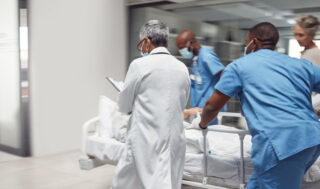
Emergency Medicine is the frontline of healthcare. It is the bustling emergency room (ER) where life and death decisions are made in seconds, and where students can start getting exposure early through medical internships for high school students. An emergency physician might treat 25 to 30 patients in a single eight-hour shift, making quick decisions in a fast-paced environment where time is critical. From heart attacks and severe injuries to strokes and allergic reactions, ER doctors are trained to handle any medical crisis that comes through the hospital doors.
For high school students considering a career in medicine, Emergency Medicine offers an exciting and meaningful path. It’s a field that combines intense medical knowledge with rapid problem-solving and teamwork under pressure. ER doctors are the first point of care for countless patients, demonstrating courage and adaptability amid a global crisis. If you’re someone who thrives in dynamic situations, enjoys science, and truly wants to help people when it matters most, emergency medicine might already appeal to you.
Starting to think about the path to Emergency Medicine in high school can give you a head start on developing the skills, experiences, and academic foundation you’ll need. In this guide, we’ll explore what life in the ER is really like, what education and training are required to become an ER doctor, and how you can begin preparing right now in high school. By familiarizing yourself with this specialty and the journey toward it, you can decide if emergency medicine is the right fit for your passions and start paving your own path to the ER.
This specialty is vital to the healthcare system because it provides immediate care when patients need it most, often on what may be the worst day of their lives. As Dr. Andy Little, an emergency physician, put it: “When people feel terrible, we get to make them feel better. And on their worst day we get to be here and comfort them.”
What Emergency Medicine Involves
Emergency medicine is often described as “controlled chaos.” ER doctors never quite know what cases they’ll see on a given day, and that unpredictability is a defining feature of the field. Day-to-day responsibilities of an emergency physician include rapidly evaluating patients, stabilizing those with life-threatening conditions, performing procedures to treat acute problems, and making critical decisions about who can go home and who needs to be admitted to the hospital or seen by a specialist. The ER is truly the front door of the hospital. It’s the initial point of contact for nearly all serious illnesses or injuries.
Typical Settings
Most emergency physicians work in hospital emergency departments (EDs), which operate 24/7. You’ll find them in large urban trauma centers, community hospitals, and sometimes urgent care clinics. In any setting, emergency doctors work shifts (often 8 to 12 hours long) covering days, nights, weekends, and holidays, because emergencies don’t take days off. Unlike an office-based doctor, an ER physician doesn’t have scheduled appointments or a regular roster of patients.
Instead, they treat whoever comes in with an urgent problem. Teamwork is essential. ER doctors collaborate with nurses, paramedics, physician assistants, and other specialists. For example, if a patient comes in with a heart attack, the ER team stabilizes the patient and quickly calls the on-call cardiologist for emergency intervention. If a car accident victim arrives with severe injuries, an ER doctor and trauma surgeons work hand-in-hand. The emergency physician is often the quarterback of these situations, coordinating care and making split-second decisions to save lives.
Types of Patients and Cases
One of the unique aspects of emergency medicine is the incredible variety of medical issues you’ll manage. On any given shift, an ER doctor might treat: a child with a high fever, an adult with chest pain that could be a heart attack, a teenager with a broken arm, an elderly person who had a stroke, someone who nearly drowned, a patient with a serious asthma attack, or a person experiencing a mental health crisis.
Emergency physicians truly see all ages and all types of conditions. In fact, over 155 million emergency department visits occur in the U.S. each year, spanning everything from minor cuts to major traumas. Common cases include acute injuries (like fractures from accidents), chest pain or heart attack symptoms, difficulty breathing (asthma attacks, pneumonia), abdominal pain (which could be appendicitis or many other things), strokes, drug overdoses, severe infections (sepsis), and psychiatric emergencies. Anything that is sudden, severe, or potentially life-threatening will likely land in the ER.
Because of this, emergency doctors must have a broad knowledge base. They are trained to quickly evaluate a patient who may have any medical or surgical condition. The primary role of the ER doctor is often summarized as: stabilize, diagnose (or at least narrow down the problem), and direct the patient to the next step. For example, if someone comes in after a car accident, the ER team will stabilize their airway and breathing, stop any major bleeding, and do rapid tests (like X-rays or ultrasounds) to see if there are internal injuries.
They might perform emergency procedures (such as inserting a chest tube to reinflate a collapsed lung) and give pain control. Once the patient is stable and initial tests are done, the ER doctor will decide: does this patient need emergency surgery? Should they be admitted to the intensive care unit? Or can they be treated and observed for a while, then safely sent home with follow-up instructions? In another scenario, an ER doctor seeing a patient with chest pain will immediately do an EKG and blood tests to check for a heart attack, give medications to stabilize blood pressure or pain, and consult a cardiologist if needed.
Procedures and Skills
Emergency physicians are often procedurally oriented, meaning they do a lot with their hands. They are trained to perform life-saving procedures such as intubation (placing a breathing tube in a patient who can’t breathe on their own), CPR and defibrillation for cardiac arrest, inserting IV lines or even central lines (large IVs into big veins) to give fluids and medications, putting in chest tubes to reinflate lungs, suturing (stitching up) deep cuts, splinting broken bones or dislocated joints, draining abscesses (infections), and more.
They can also perform emergency childbirth if a baby delivers suddenly in the ER. In essence, ER doctors have to be jacks-of-all-trades, ready to do whatever procedure is needed to stabilize a patient. Modern emergency rooms are equipped with tools like ventilators (to support breathing), defibrillators, and often point-of-care ultrasound machines that ER physicians use at the bedside to quickly look inside the body. For example, checking for internal bleeding in trauma.
Skills Required
To thrive in emergency medicine, certain personal skills and traits are as important as medical knowledge. First, staying calm under pressure is critical. The ER can be hectic, with multiple critical patients arriving at once. Doctors must keep a level head and make decisions methodically even amidst chaos. Quick decision-making and problem-solving are everyday requirements. Often you won’t have the luxury of waiting hours for test results, so you make the best decision you can with limited information, then adjust as new information comes.
Teamwork and communication are huge. In a crisis, the ER doctor leads a team and must communicate clearly with nurses, techs, and other doctors (“I need 2 units of blood now,” or “Call the stroke team and prepare for a CT scan!”). Good communication with patients and families is also key. You have to convey information or instructions in ways a stressed patient can understand, and show empathy, since people in the ER are often scared and in pain. Multi-tasking is another skill.
An ER physician might be caring for several patients at once, charting notes on one while keeping an ear out for a paramedic bringing in another, all while a lab calls with critical results on a third patient. It truly is an exercise in prioritization: who needs attention right now and who can safely wait a few minutes.
Finally, an underrated skill is breadth of knowledge and adaptability. Emergency physicians don’t specialize in one organ system. They must know enough about everything (heart, lungs, brain, gastrointestinal, orthopedic injuries, skin, psychiatry, pediatrics, obstetrics, etc.) to manage the acute phase of illness or injury. They stabilize and start treatments, then often hand off to specialists for ongoing care. In other words, the ER doctor is the master of the first critical minutes or hours of any medical emergency.
This requires constantly keeping up to date with medical advances across all fields. One emergency medicine resident described it as “a study in controlled chaos, quick thinking, and deep human connection.” You never know what’s next, but you’re prepared to handle anything. For those passionate about helping others and seeking a medical career full of variety, working in an emergency room can be one of the most rewarding careers in medicine.
Educational Pathway
How do you become an emergency physician? It’s a long but rewarding journey. In total, it typically takes at least 11 years of education and training after high school to become an attending (fully trained) ER doctor. That path includes four years of college, four years of medical school, and 3 to 4 years of residency in emergency medicine. Let’s break down each stage and what you can do at the high school level to start preparing.
High School Preparation
Your journey truly begins now, in high school. While medical school and residency might seem far away, the habits and foundations you build in high school will set you on the right track. Academically, focus on taking a strong science and math curriculum. Courses like biology, chemistry, and physics are particularly important, as they give you fundamental knowledge about living systems and the physical world.
This is the kind of knowledge you’ll build on in college pre-med classes. If your school offers Advanced Placement (AP) or honors courses in sciences (AP Biology, AP Chemistry, AP Physics) or math (AP Calculus or Statistics), consider taking those to challenge yourself. Doing well in these subjects will prepare you for the science coursework of a pre-med college program. Also, if your high school has electives like anatomy & physiology, biomedical science, or even medical terminology, those can be great introductions to concepts you’ll encounter later. They aren’t required, but they can spark your interest and show you early what medical studies might be like.
Beyond science, don’t neglect writing and communication skills. English and writing classes will help you develop the ability to communicate clearly, a critical skill for any doctor. And maintaining a strong overall GPA in high school will position you well for college admissions (especially into good pre-med programs). While medical schools will not look at your high school grades directly (more on that later), developing good study habits and a solid academic record now will carry forward into college.
Extracurriculars and exploration: High school is also the time to explore your interest in medicine outside the classroom. Joining science clubs or health-related student organizations can expose you to the medical field. One great option is HOSA – Future Health Professionals (formerly Health Occupations Students of America). HOSA is a national student organization specifically for those interested in health careers, and many high schools have a HOSA chapter.
Through HOSA, you could compete in health science events, learn medical skills, and meet like-minded peers. It provides leadership development and recognizes achievement in health-related knowledge, which is a fantastic preparation and resume booster for future medical careers. If your school doesn’t have a HOSA chapter, see about starting one, or consider other clubs like a science Olympiad team, biology club, or Red Cross club. Even general leadership activities such as student government or debate team can be useful. They develop communication, decision-making, and confidence, all of which will help you as a future physician.
Volunteering and healthcare exposure
Medical schools and colleges love to see students who are motivated and caring, so volunteering is a big plus. In high school, you might volunteer at a local hospital or clinic (some hospitals have junior volunteer programs for teens), a nursing home, or a community health fair. Even volunteering with non-medical community service (like a food bank or homeless shelter) is valuable. It shows you care about helping people. If possible, try to get some exposure to the ER or emergency services. Some high school students volunteer with local ambulance services or fire departments as cadets (this may depend on your area and age requirements).
Others shadow an emergency physician for a day or two to see what the ER is like. Shadowing means you observe a doctor during their work. For example, you might spend a few hours following an ER doctor (with patient permission) to watch how they diagnose and treat. This can be an eye-opening experience. One future emergency doctor said her “interest in medicine blossomed in high school after I shadowed a few doctors… I loved the patient interaction and the challenge of the work. I was hooked after my first experience.” Seeing medicine in action can inspire you and also let you judge if you enjoy the ER atmosphere.
Developing soft skills
While you focus on academics and activities, remember to nurture qualities like empathy, resilience, and teamwork. Emergency medicine (and medical training in general) can be intense and sometimes stressful. Being able to manage your time, handle pressure in healthy ways, and work well with others will benefit you greatly. Part of this comes from challenging yourself, taking hard classes, balancing school with activities, and part comes from experiences where you need to communicate and lead.
If you can, take on leadership roles (perhaps as a club officer or project leader in a volunteer effort). These experiences build maturity and confidence. Doctors are leaders of healthcare teams, so start practicing those leadership muscles early. Even something like working a part-time job or playing team sports can teach responsibility, teamwork, and time management.
During high school aim to: excel in science/math classes, engage in health/science extracurriculars, volunteer or shadow to see healthcare up close, and build strong study and leadership skills. By graduation, you should have a solid academic foundation and a clear motivation for pursuing medicine. Many high school students dreaming of being doctors also ask: are there any shortcuts? In the U.S., the standard path is to go to a four-year college before medical school, but there are a few special programs. Let’s discuss the next steps, including those options.
College (Undergraduate Years)
After high school, the next step is college, typically a 4-year undergraduate program. In college, students who plan to become doctors are often called “pre-med,” which just means they are taking courses required for medical school admission. Choosing a college and major: You do not have to attend an Ivy League or ultra-prestigious university to get into medical school. What’s more important is that you go to a college where you can get a good education, maintain a strong GPA, and have opportunities for research or volunteering.
Some universities have dedicated pre-med advising and strong science departments, which can be helpful. When selecting schools, look for those with good biology or chemistry programs or any with a specific pre-med track. However, you can pursue any major as long as you complete the required courses. We’ve seen doctors who majored in everything from English to engineering. That said, common majors for pre-meds are biology, biochemistry, chemistry, neuroscience, or related fields, because those programs cover many of the med school prerequisites naturally.
Pre-med Requirements
Medical schools typically require certain college courses: one year of general biology with lab, one year of general chemistry with lab, one year of organic chemistry with lab, one year of physics, often a year of math (calculus or statistics), and increasingly some social sciences like psychology. Many also require or recommend biochemistry and English composition. So as a college student you’ll need to plan your schedule to fit these in (usually with the help of a pre-med advisor). These courses ensure you have the foundational knowledge for the MCAT (Medical College Admission Test) and medical school itself.
College Academics
Grades in college are very important for med school applications. Admissions are competitive, so you’ll want to aim for a high college GPA (often a 3.5 or above on a 4.0 scale is considered competitive). That doesn’t mean you must be perfect, but you will need to work hard and develop effective study habits. The science courses can be challenging (organic chemistry has a notorious reputation, for instance), so the discipline you built in high school will pay off. Balancing academics with other experiences is key. Medical schools look for well-rounded candidates, not just bookworms.
Extracurriculars in College
In addition to coursework, in college you should continue seeking experiences that prepare you for medicine. This can include: volunteering at hospitals or clinics (in an ER or elsewhere), engaging in research with a professor (many pre-meds work in biology or chemistry labs part-time), leadership roles in student organizations (maybe you’ll lead your campus pre-med club or organize a community health fair), and shadowing physicians in various specialties.
By college, you might be able to get more substantial clinical experience. For example, working as a medical scribe in an ER (scribes assist doctors by writing patient charts in real-time, giving you a front-row seat to ER medicine), or becoming an Emergency Medical Technician (EMT) if you get certified. Some college students join campus EMS squads or volunteer ambulance companies, which is a great way to get emergency care experience.
In fact, becoming an EMT is one popular option for pre-med students interested in emergency medicine: it allows you to respond to 911 calls and care for patients in the field. Many EMT training courses are available and some undergrads take the course over a summer. Keep in mind, to be certified as an EMT usually you must be 18 (some states allow 17 with conditions), so it’s something you typically do in college or the summer after high school. Working as an EMT even just a few hours a week can solidify your interest in emergency medicine and give you lots of stories and insights to talk about in med school essays or interviews.
The MCAT and applying to medical school: Usually in your junior year of college, you’ll tackle the MCAT, a standardized exam required for med school admissions. The MCAT tests your knowledge of biology, chemistry, physics, psychology, and critical reasoning. Many students spend several months preparing for it, often taking practice tests or a prep course. A strong MCAT score combined with a high GPA will make you a competitive applicant.
During junior or senior year of college, you’ll start the med school application process. This involves writing personal statements (essays about why you want to be a doctor, your experiences, etc.), gathering letters of recommendation (from your college professors, research mentors, etc.), and listing all your activities and accomplishments. Medical schools look at the whole picture: academics, MCAT, experiences, and personal attributes. They’ll be asking: have you shown dedication to medicine? Do you have compassion and leadership? For example, having volunteered regularly or done one of our pre-health and medical internships will show commitment.
Some students take a gap year after college before medical school to gain more experience or strengthen their application, but many go straight through. Either way is fine. About half of med school entrants now take at least one year after undergrad to work, do research, or earn a master’s degree.
Combined Programs from High School
It’s worth noting an alternative path. A few universities offer combined B.S./M.D. programs (also called direct medical programs). These allow high school seniors to apply for a spot that is directly linked to a medical school, so they don’t have to go through the separate med school application later.
These programs often shorten the overall training by a year or two (some are 6 or 7 years total instead of 8 for college and med school). They are extremely competitive and usually geared toward students who are 100% certain about becoming a doctor at a very early age. As of 2024, more than 40 U.S. medical schools offer combined undergraduate/MD programs.
For example, Brown University has an 8-year Program in Liberal Medical Education (PLME) where you get your bachelor’s and MD in one integrated sequence, and the University of Missouri-Kansas City has a 6-year program where you start med school coursework in your second year of college.
These combined programs typically still require you to maintain certain grades in college, but they “reserve” your spot in med school, often making the journey a bit more seamless. However, only a small percentage of physicians take this route (around 3% of medical graduates in 2022 came from combined BA/MD programs). It’s an option to explore if you’re a top student and absolutely sure about medicine while in high school. Keep in mind, even in these programs you must complete undergrad coursework and meet performance standards. They just spare you the traditional med school application stress.
Medical School
Whether through a combined program or (more commonly) applying during college, the next phase is medical school. Medical school in the U.S. is typically 4 years long. You’ll enter as a medical student (often right after college, so around age 22, though many students are older with gap years). The structure of med school is usually the same everywhere: the first two years are mostly classroom-based (learning anatomy, physiology, pharmacology, pathology, basically how the body works and how disease happens), and the last two years are clinical rotations in hospitals and clinics.
In the first half, you’ll dissect cadavers in gross anatomy lab, memorize biochemical pathways, learn about different diseases, and maybe even start learning basic physical exam skills. It’s very intense academically, probably an order of magnitude more information than undergrad. Students often find it challenging but also exciting because everything you learn is directly about medicine. Toward the end of year 2, med students take Step 1 of the USMLE (United States Medical Licensing Exam) for MD students or COMLEX for DO (Doctor of Osteopathic Medicine) students. This is a big exam on the basic medical sciences.
The third year of medical school is when you finally get to be in the hospital full-time doing clinical rotations. You’ll rotate through all the major specialties. Typically internal medicine, surgery, pediatrics, obstetrics/gynecology, psychiatry, neurology, family medicine, etc., and importantly for our focus, often an Emergency Medicine rotation either in third or early fourth year.
During these rotations, med students function sort of like apprentices. You follow doctors around, see patients under supervision, and learn how to apply your knowledge to real cases. The emergency medicine rotation is usually brief (a few weeks) but it might be the first time you experience what it’s like to manage multiple ER patients and work under the supervision of ER attendings and residents.
Many med schools also let you take electives in fourth year, so if you love ER, you can do additional emergency medicine rotations (sometimes at other hospitals, these are called away rotations or sub-internships) to get more experience and to make a good impression on residency programs you might apply to.
During med school, you’ll also take the Step 2 exam (clinical knowledge) usually in fourth year. By the end of med school, you’ll earn your MD or DO degree. You are now a “doctor,” but not yet licensed to practice independently. The next crucial step is residency training.
Residency in Emergency Medicine
After graduating med school, new doctors enter residency, which is hands-on training in their chosen specialty. To become an emergency physician, you must complete an Emergency Medicine residency program. How do you get into one? In your final year of med school, you’ll apply to residency programs in emergency medicine (there are hundreds across the country). It’s a competitive process, but emergency medicine historically has been moderately competitive. Good grades and solid exam scores plus some positive ER rotation evaluations will usually land a spot. In recent years, there have been fluctuations in competitiveness due to workforce trends (we’ll discuss that in Career Outlook), but many programs are available.
Length of Training
An emergency medicine residency is typically 3 or 4 years long after medical school. About two-thirds of EM residency programs are 3-year programs, and others are 4-year programs. Both lead to the same end point (eligibility for board certification in emergency medicine). There has been debate in the specialty about whether residencies should all become 4 years, but as of now, both formats exist.
Some academic hospitals prefer a 4-year training to incorporate more research or specialty training, whereas many community-based programs are 3 years focusing on intensive clinical experience. A handful of combined programs exist too. For example, some residencies combine Emergency Medicine with Internal Medicine or Pediatrics, which might be 5 years long to get dual training.
Residency
During residency, you are a paid doctor (though the salary is relatively modest, roughly $60K a year). The first year of residency is often called internship. As an Emergency Medicine resident, from day one you’ll be working in the ER under supervision, seeing patients yourself and learning to make decisions.
Residency is where you truly learn the art and practice of emergency medicine: interpreting EKGs, managing ventilators, leading a code blue resuscitation, treating gunshot wounds, delivering babies in the ER, setting broken bones, all under the guidance of senior doctors. It’s hard work. Shifts can be long and odd hours, and you’ll rotate through various areas: trauma, pediatric ER, intensive care units, maybe anesthesiology (to hone airway skills), and even some time with paramedics or in an ambulance to understand pre-hospital care. By your senior year of residency, you’re typically supervising junior residents and handling the toughest cases.
Board Certification
Upon finishing residency, you’ll take a specialty board exam (the American Board of Emergency Medicine exam for MDs, or the osteopathic board equivalent for DOs). Passing that makes you board-certified in Emergency Medicine, a credential most employers require. Board certification proves you have met all training requirements and have the knowledge to practice independently.
Fellowship and Subspecialties
Emergency medicine by itself is broad, but there are opportunities to subspecialize further if you have a particular interest. These optional extra trainings are called fellowships and usually last 1 to 2 years after residency. Some of the subspecialties an ER doctor can pursue include:
- Pediatric Emergency Medicine: Focused training on emergency care for children. (Typically a 2-year fellowship if you did an EM residency, or if you were a pediatrician first, a 3-year fellowship).
- Medical Toxicology: Specialists in poisoning, overdoses, and toxic exposures (often a 2-year fellowship).
- Emergency Medical Services (EMS): Focuses on pre-hospital care, such as medical direction of ambulance systems and disaster medicine (usually 1 year).
- Critical Care Medicine: Some ER doctors train additionally in critical care (ICU medicine) to work in intensive care units. These fellowships are about 2 years and allow dual practice in ER and ICU.
- Ultrasound: Many ERs use bedside ultrasound. Some docs do a 1-year ultrasound fellowship to become experts and educators in this area.
- Sports Medicine: A 1-year fellowship open to ER physicians (and some other specialties) to specialize in musculoskeletal injuries and athlete care.
- Undersea & Hyperbaric Medicine: A 1-year fellowship on using hyperbaric oxygen therapy (e.g., for diving injuries, carbon monoxide poisoning).
- Disaster Medicine: Focused on large-scale emergency response and planning for disasters (length varies, sometimes combined with EMS or public health).
- Research or Education fellowships: For those who want an academic career, focusing on research methodology or medical education.
It’s important to note that you do not need a fellowship to have a great career in emergency medicine. The majority of ER doctors practice general emergency medicine without subspecialty, and they find plenty of challenge and variety in that role. Fellowships are just an option if you have a niche passion or want to work in specific settings (for example, Pediatric EM if you prefer a children’s hospital environment, or critical care if you want to also work in an ICU).
When all your training is complete (medical school, residency, and fellowship if pursued) you’ll finally be an attending emergency physician. This means you can work independently in an ER, leading the team and making decisions on patient care without direct supervision. It’s a long road, but consider this: every current ER doctor was once a high school student just like you, wondering how to get there. With dedication and the right preparation, you can join their ranks someday.
Experiences To Pursue In High School
If emergency medicine already has a special pull on you, there are many ways you can start building relevant experiences while still in high school. These experiences will not only strengthen your future applications (to college, med school, etc.), but also help you confirm that this career fits your interests. Let’s explore some opportunities:
Focus on Science and Math Courses
We touched on this earlier, but it’s worth emphasizing: load up on science classes in high school. Take biology and chemistry for sure, and physics if possible. These form the foundation for all medical science to come. If your school offers Advanced Placement (AP) or International Baccalaureate (IB) courses in these subjects, they can give you a taste of college-level expectations.
Even if you don’t earn college credit from AP/IB, the deeper understanding will help later on. Anatomy & physiology classes (if offered) can be fun electives. They let you learn about the human body systems, which is directly relevant to medicine. Some high schools also have Biomedical Science programs or career-tech tracks related to health. If yours does, that’s a golden opportunity.
These might include project-based learning like diagnosing fake patients or learning CPR, etc. Building a strong foundation in science will also help you with the MCAT down the line, since that exam covers a lot of basic biology, chemistry, and physics concepts.
Don’t ignore math. Algebra, geometry, and ideally calculus by senior year will sharpen your logical thinking and problem-solving. Statistics is also useful because medical research and epidemiology rely on it. In emergency medicine specifically, quick calculations can matter (for drug doses, interpreting lab results, etc.), so comfort with numbers is an asset.
Join Health and Science Clubs
High school clubs are a fantastic way to explore your interest in the medical field. HOSA – Future Health Professionals is one of the top recommendations. HOSA chapters (at high school or state levels) let you compete in healthcare knowledge competitions, do community service, and attend conferences with other aspiring medical students. For example, you might compete in a CPR/First Aid event, a medical terminology exam, or present a health science project. This not only builds your knowledge but also demonstrates your commitment to medicine. HOSA also develops leadership skills.
Many chapters elect officers, organize blood drives, etc., which you can be part of. Being active in HOSA can show colleges you’re serious about a healthcare career. IMA is actually a partner of HOSA for providing healthcare experiences abroad for high school students, so these organizations often interconnect to enhance student opportunities.
If HOSA isn’t available, consider a science club or STEM club at school. Participating in science fairs or Olympiads can sharpen your analytical skills. Some students do health-related projects for science fairs (for example, studying a public health issue or biomedical engineering concept). Academic decathlon or quiz bowl teams might have science categories that push you to learn beyond the classroom. Even debate club or Model UN can be surprisingly relevant. Those develop public speaking and the ability to think on your feet, which are great skills for an ER doc who has to communicate clearly in emergencies. First Aid/CPR training could be turned into a school club or activity. Maybe you can coordinate a CPR training event for students (with help from local Red Cross or EMS).
And don’t forget about leadership and teamwork activities: student council, sports teams, band, these all cultivate qualities like leadership, time management, and collaboration. Medicine, especially emergency medicine, is team-oriented, so showing you’ve been a team player (whether as captain of a sports team or section leader in orchestra) is valuable.
Volunteering and Shadowing Opportunities
Getting real-world exposure to healthcare is one of the most important things you can do in high school to affirm your interest and learn about patient care. Many hospitals welcome high school volunteers. As a volunteer, you might not be directly involved in medical care (liability issues mean you’ll do tasks like delivering water to patients, running errands, or staffing the information desk), but you will absorb the hospital environment.
If you can specifically volunteer in the Emergency Department, you might get to see the pace of the ER and how the staff work. Even tidbits like seeing an ambulance arrive or watching nurses triage patients can be enlightening at this stage. Plus, volunteering shows altruism, something both colleges and future medical schools value highly.
Shadowing is another excellent avenue. While some hospitals have formal “summer teen programs” that include shadowing, often it requires some networking. You could ask your family doctor or any physician you know if they’d allow you to shadow for a day. If you’re interested in emergency medicine, see if you can shadow an ER physician.
Keep in mind, some ERs have policies about under-18 observers due to the intense environment and privacy concerns. But if allowed, it could be as simple as spending a few hours following the doctor around (you’d get permission from patients to observe their care).
Seeing an actual ER shift, the doctor rapidly moving room to room, reading X-rays, talking to families, can either ignite your passion further or help you realize what’s involved. One high school student on a career forum asked how to pursue emergency medicine, and a physician replied with a detailed roadmap, starting with advice to volunteer at local hospitals or clinics and to arrange shadowing with emergency physicians to gain insight into their daily challenges. This is spot-on advice.
Volunteering And Shadowing With International Medical Aid (High School)
If you’re in high school and want real exposure to healthcare, International Medical Aid offers structured, supervised programs designed for students starting at age 15. You will observe physicians, learn how teams work, and assist with non-clinical tasks that support patient care and public health.
What you can expect with IMA
- Physician-led shadowing: Observe patient consultations, ward rounds, and select procedures from an appropriate distance, with patient permission and privacy safeguards.
- Public health activities: Help with health education sessions, basic screening events (e.g., height/weight/BMI recording with oversight), and community outreach.
- Clinical context without risk: You learn how cases are triaged, how imaging and labs inform decisions, and how hospital workflows function—without crossing scope.
- Daily teaching: Case discussions, short lectures, and debriefs focused on ethics, teamwork, and how different specialties collaborate.
- Documentation of hours: Verified observation and service logs suitable for college and, later, pre-med files.
Safety, ethics, and supervision
IMA programs operate under clear rules: strict patient privacy, no invasive tasks, no medication handling, and direct supervision at all times. You’ll be trained on professionalism and confidentiality before stepping into clinical areas.
Locations and timing
Programs run year-round across IMA partner sites (East Africa and South America). Schedules align with school breaks so you can participate over spring or summer without wrecking your academic calendar.
Who should apply
Motivated high-school students (15+) with steady grades, solid conduct, and genuine interest in healthcare. Prior volunteering helps, but it isn’t mandatory.
What you’ll leave with
- Realistic clarity about clinical work
- Verified hours and a detailed reflection portfolio
- A stronger foundation for future college and pre-med applications
Next steps
Submit an application, indicate your preferred dates and site, and complete a short interview. If accepted, you’ll receive a pre-departure curriculum, safety briefing, and a schedule outlining shadowing blocks, teaching sessions, and community work.
EMS and first responder experience
If you’re drawn to the emergency side, consider engaging with local emergency medical services. Some communities have Explorer programs or junior firefighter/EMT programs for teens. For example, certain ambulance companies or fire departments have youth programs where you learn basic first aid, CPR, maybe even ride along on calls in a limited capacity. By age 16 or 17, you might be able to do a certified CPR course and become a certified CPR provider. You could then volunteer at community events (like doing blood pressure checks or first aid at a marathon).
If you’re 18 by senior year or the summer after, you could enroll in an EMT-Basic course. Passing that would allow you to work or volunteer as an EMT. Being an EMT in high school is challenging but not unheard of. Some high school seniors become certified and volunteer on ambulances, gaining firsthand experience with emergencies.
Note that official EMT certification typically requires you to be at least 18 by the exam date (some jurisdictions allow 17-year-olds in courses with parental consent, with certification upon turning 18). If you can’t get certified yet, even joining a local Red Cross chapter’s youth program or Community Emergency Response Team (CERT) training can teach you disaster response basics.
International or specialized programs
Another unique opportunity is to attend a medical summer camp or internship designed for high schoolers. Organizations like International Medical Aid (IMA) offer healthcare internships abroad for students 15 and older. Our programs let you shadow doctors in hospitals overseas, participate in public health outreach, and experience healthcare in different cultures. For instance, our high school internships in East Africa or South America combine clinical shadowing with global health education and community service.
Participants might observe emergency care in a developing country’s hospital, which can be eye-opening in terms of seeing trauma or tropical diseases not common in the U.S. These programs are structured and mentored, ensuring you learn safely and ethically. They also often include cultural immersion activities.
Aside from IMA, some universities and hospitals have summer programs (like “mini medical school” camps or research internships) specifically for high school students. Any opportunity to engage deeply with medicine or research will be valuable. Just be sure to choose reputable programs, those affiliated with known universities, hospitals, or nonprofit organizations, and consider cost and safety (especially for abroad programs).
One thing to remember: high school experiences primarily help you grow and decide if medicine is right for you. Medical schools will mainly look at what you did in college, not high school. So don’t overstress thinking “I have to do all these things to get into med school.” Rather, do them to learn and to strengthen your college applications (which comes sooner).
The passion and knowledge you gain will carry forward. And if you do something truly significant (say you got EMT certified at 18 and logged a lot of ambulance hours, or you conducted a research project that got published), those can sometimes be mentioned later in med school applications, but usually only if they continued into your college years. The key is to build a narrative of your interest.
By the time you’re applying to med school, you can say “I first developed my interest in emergency medicine back in high school, when I volunteered in my local ER and became an EMT at 18. That experience inspired me to pursue shadowing and research in college.” This tells a compelling story of sustained commitment.
Develop Soft Skills and Leadership
Emergency physicians often say that while medical knowledge can be taught, qualities like communication, compassion, and leadership are just as crucial to success. High school is a perfect time to start honing those. How can you do this? Step outside your comfort zone. If public speaking scares you, push yourself to do a presentation in class or take a speech/debate elective. If you tend to be shy, maybe working part-time in a customer service job can help you become more comfortable interacting with all kinds of people, analogous to what doctors do with patients.
Team activities (sports, band, drama, group projects) teach you how to work with others toward a common goal. In the ER, teamwork is literally life-saving. The way you coordinate with your nurses and technicians affects patient outcomes. By reflecting on your roles in teams now (“What makes a good team player? How can I motivate others? How do we handle stress or conflict?”), you prepare for the collaborative nature of healthcare.
Problem-solving and staying calm can be practiced too. Maybe you volunteer for your school’s peer tutoring program. Helping a classmate through a difficult math problem requires patience and clarity, similar to explaining a treatment plan to a patient. Or take on organizing an event (like a fundraiser or blood drive). Logistics and problem-solving there mirror project management skills needed in hospital quality improvement projects.
Crucially, try to find mentors if you can. A mentor could be a science teacher, a coach, or a healthcare professional you meet. They can guide you, provide advice, and sometimes open doors to opportunities (like a shadowing stint or a recommendation letter). Don’t be afraid to express your interest in medicine to your teachers and counselors. They might connect you with alumni or local contacts who are doctors willing to chat or mentor you.
Finally, keep an open mind and curiosity. Emergency medicine requires a mindset of continuous learning. You can cultivate that now by exploring beyond the syllabus. Read a book about emergency room stories, watch a documentary about global health, or follow medical news (like new technologies in emergency care).
This habit of staying informed will benefit you in the long run and also give you interesting talking points in essays or interviews. For example, being able to mention, “I recently read about how telemedicine is being used to help rural ERs connect with specialists in real time” shows you’re already thinking about the field’s future.
Use high school to build yourself into a well-rounded, curious, and caring individual. Excel in academics, yes, but also get out there in the community, take on challenges, and develop your character. Not only will this prepare you for the path ahead, but it will also confirm that your interest in emergency medicine (or generally in healthcare) is genuine and lasting.
What Makes Emergency Medicine Unique
Emergency medicine is unlike any other medical specialty in several ways. It has its own culture, challenges, and rewards. Understanding what sets it apart can help you figure out why you might be drawn to it (or not) compared to other fields.
Fast-Paced Variety vs. Routine
One hallmark of emergency medicine is the sheer variety of cases and the unpredictability of each day. Where a family doctor might see a lot of the same (coughs, colds, diabetes check-ups) and a surgeon might operate on variations of a few types of procedures, an ER physician truly sees everything. In one shift, you might treat a patient having a heart attack, next a child with an asthma flare, then a pregnant woman in premature labor, followed by a psychiatric patient in crisis, and then a trauma from a car accident, all in a row. This breadth is exciting for many doctors.
It keeps you on your toes and means you continually use a wide range of medical knowledge. As one emergency resident described, even in just the first two hours of his day he managed a diabetic patient in severe distress, a suicidal patient needing psychiatric admission, a post-surgery infection case, and then dropped everything to resuscitate a man who was rolled in unconscious with no blood pressure.
That kind of “anything can happen next” atmosphere is thrilling to some people and daunting to others. If you love variety and don’t want to be tied to one organ system or one type of patient, EM offers that in spades. It’s hard to get bored when no two days are the same.
On the flip side, other specialties have more predictability. For instance, an ophthalmologist knows their day is filled with eye exams and perhaps a couple of eye surgeries, and they generally see fairly healthy patients aside from eye issues. In emergency, you must be ready for any emergency in any patient at any time.
That unpredictability extends to workload too. Some days might be surprisingly quiet, while others are overwhelming with hallways full of patients on gurneys because all rooms are occupied. Flexibility and adaptability are key traits in EM. If you prefer a structured, planned-out day, emergency medicine might feel too chaotic. But if you thrive on adrenaline and quick changes of plan, it’s perfect.
Immediate Impact and Crisis Management
Emergency physicians deal with acute problems. One unique reward of this is the immediate impact you often have. In the ER, you might literally save someone’s life in the space of minutes, like reviving a person whose heart stopped or opening an airway of someone who couldn’t breathe. The sense of being able to make such a crucial difference instantly can be incredibly gratifying. Dr. Little, the ER doctor we quoted earlier, said one of the most rewarding parts is that “when people feel terrible, we get to make them feel better,” sometimes almost right away. Treating pain, alleviating suffering, offering comfort on a patient’s worst day, those provide a deep sense of purpose.
Another aspect is crisis management. ER doctors are trained to stay calm when everyone else is panicking. They run toward the chaos rather than away. This draws certain personalities. Many EM doctors love activities or careers that involve a bit of risk and crisis (you’ll find ER docs who are volunteer firefighters, who love wilderness adventures, etc., paralleling that rush). There’s an old saying: “Emergency medicine: hours of boredom punctuated by moments of terror.” While not entirely accurate (ER shifts are rarely boring nowadays), it captures that idea of sudden critical moments. If you find a certain satisfaction in stepping up when something urgent happens, like being the person who takes charge when someone faints at a grocery store, then you might have the kind of demeanor that fits well in EM.
In comparison, other doctors often manage chronic issues over long periods. For example, a primary care doctor might work for years to help a diabetic patient get their blood sugar under control. An emergency doctor might never know what happens after the initial crisis. You treat the heart attack and send the patient to the cardiac unit. It’s the cardiologist who sees them later and in follow-ups. Lack of long-term follow-up is a notable aspect of EM. Some physicians miss having ongoing relationships with patients, which you get in clinics but not in the ER.
In emergency medicine, you must be okay with the idea that you do your best for patients in the moment and then often you won’t know the final outcome. You also see a lot of patients just once. For some doctors, that’s a downside. They miss continuity and building bonds over time. For others, it’s liberating. You treat the acute issue and then you’re not responsible for the long-term management paperwork, etc. In fact, many ER doctors appreciate that once their shift ends, they hand off patients to the next doctor and they’re done (no carrying a pager at night for patient calls, no dealing with refills or follow-up bureaucracy; when you’re off, you’re off).
Teamwork and Comradery
Emergency departments function like high-performance teams. In a major trauma or resuscitation, you might have an ER doctor, a trauma surgeon, nurses, respiratory therapists, radiology tech, pharmacists, and others all in one room working in concert. EM physicians often talk about the camaraderie of the ER. It tends to be a less hierarchical environment compared to some other specialties. Everyone addresses each other by first names, and nurses and docs work very closely together. There’s something about facing life-or-death cases side by side that forges strong bonds. Many ER teams will debrief after tough cases and support each other like a family. If you value collaborative work environments, EM is very much that.
Also, emergency medicine colleagues often share a certain personality: generally laid-back, able to joke even in stressful times (gallows humor is common as a coping mechanism), and supportive of each other. The specialty historically attracted a bit of a “cowboy” reputation, independent thinkers who don’t love authority, since it was a newer specialty that had to fight for recognition in the 1970s. That culture persists in a positive way. EM doctors pride themselves on being adaptable and not overly formal. If you talk to medical students, they often say the Emergency Department had the friendliest or coolest attendings compared to some other rotations. Obviously, that’s not universally true, but it’s a common sentiment.
Challenges: Stress, Shift Work, and Burnout
It’s important to be candid about the challenges of a career in emergency medicine. The job can be highly stressful. You bear a lot of responsibility. Any patient could have a life-threatening condition and it’s your job not to miss it. The mental load of knowing that a mistake can cost a life is heavy. And the environment can be hectic: noise, full waiting rooms, patients in pain or distress (some yelling or crying), families anxious for news, paramedics rushing in with critical cases. ER doctors have to make peace with controlled chaos. Not everyone is built for that pressure day in and day out.
Another challenge is the shift work and odd hours. Emergency departments are open 24/7/365, which means as an ER doc you will work nights, overnights, weekends, and holidays, at least early in your career. Most ER physicians have schedules that rotate through day shifts and night shifts. Working overnight can be tough on the body’s circadian rhythm. Sleeping during the day and being up at 3 AM treating patients takes adjustment. Some people handle night shifts fine, others struggle with it.
Over years, irregular schedules can contribute to fatigue. The plus side is you’re usually working fewer days a week (e.g., maybe 3-4 shifts per week instead of a 5-day workweek) and you have days off sprinkled throughout the month that others might not (you might be free on a random Tuesday because you worked Sunday). This can allow for flexibility. An ER doc might schedule errands or family time when others are at work. But missing holidays (Thanksgiving dinner or New Year’s Eve with family because you’re in the ER) is a real sacrifice sometimes. Some emergency physicians find ways to mitigate this, like working in larger groups where you can trade shifts or moving into administrative roles later that have more regular hours. Nonetheless, unsocial hours are part of the package in EM, especially in the beginning.
Burnout is a concern in emergency medicine. Burnout is when work-related stress and emotional exhaustion become overwhelming. Sadly, emergency medicine has one of the highest burnout rates among specialties. Recent data showed about 56.5% of ER physicians reported symptoms of burnout (though that was a slight improvement from even higher numbers the year before). Factors contributing to this include the stress, shift work, and also increasing patient loads and administrative tasks (yes, even ER docs have paperwork, documenting charts, insurance issues, etc.).
The ER can be emotionally draining. You will witness trauma and death more often than most doctors. Telling someone that their loved one has died, or treating victims of violence, or seeing child abuse cases, these take an emotional toll. During the COVID-19 pandemic, ER physicians were under tremendous pressure, and stories of burnout and even traged.
The field is working on solutions: wellness initiatives, better schedules, more resources, but it remains a demanding job. Students drawn to EM should be aware and proactive about self-care and resilience. The good news is that many ER doctors still love their jobs despite these challenges. The thrill, the meaning, the camaraderie often outweigh the negatives. A Medscape survey noted that many ER physicians find the most reward in “being good at what they do” and “helping others/gratitude of patients,” rather than money or prestige. This intrinsic reward can buffer against burnout to some extent.
How It Compares to Other Specialties
If you’re trying to decide among medical fields, think about what environment and patient interaction you want. Emergency vs. Primary Care: Primary care (family medicine, general pediatrics, general internal medicine) involves building relationships with patients over years, managing chronic conditions, and usually working normal office hours. Emergency medicine is the opposite: one-time acute encounters, little continuity, but intense interventions. Some students like the idea of being “there at the beginning” in emergencies and then moving on, whereas others prefer being an ongoing health guide for patients. That’s a personal inclination.
Emergency vs. Surgery
Surgeons have high intensity too, but they focus on operating. They see a narrower scope of problems (surgical ones) and they often have to follow their patients post-op for some time. Surgeons might have on-call nights but also have more routine built in (scheduled surgeries, etc.). EM is broader but you won’t be doing big surgeries (though you do minor surgical procedures).
Also, emergency doctors typically don’t have to be “on call” once a shift is over. Contrast that with surgeons or obstetricians who might be called in at 2 AM for an emergency surgery or delivery even on their day off. EM’s shift model means when you’re done, someone else takes over. That appeals to many who want a clearer work-life separation.
Emergency vs. Specialization
Many medical fields specialize (cardiology deals with heart, neurology with brain, etc.). If you have one organ system you love deeply, you might lean to that specialty. But if you’re more of a generalist and like aspects of every specialty, EM lets you touch them all (a joke is that ER docs know a little about a lot, whereas specialists know a lot about a little).
Emergency docs need to be okay with stabilizing and then handing off the detailed management to someone else. If you’re someone who always wants to see how the story ends, you might prefer a specialty where you follow through. If you’re happy being the hero of the first hour and then letting others handle the recovery, EM is fitting.
One more unique aspect
Procedural vs. Cognitive balance. Emergency medicine strikes a balance between doing procedures and thinking through diagnoses. You get to use your hands (intubations, line placements, etc.) but you’re not doing long surgeries. You do a lot of cognitive workup too (figuring out what’s wrong with a patient who just arrived with vague symptoms). It’s a bit of a detective game combined with action. Some fields are heavily procedural (like surgery, interventional cardiology) while others are mostly cognitive (like psychiatry, or endocrinology where you adjust meds). EM gives you a taste of both regularly.
Emerging Trends and the Future of EM
Emergency medicine is a relatively young specialty. It only became officially recognized in 1979 and it continues to evolve quickly. High school students entering this path should be aware of how things might change in the next decade (which is about when you’d be finishing training!).
Telemedicine in Emergency Care
Telehealth isn’t just for routine doctor visits. Now, some ERs, especially in rural areas, use telemedicine to consult specialists remotely. For example, a small hospital ER can connect via video with a stroke neurologist in a city to guide treatment of a stroke patient before transfer. Paramedics in the field might video-call an ER doctor for advice before transport. Tele-ER is expanding reach and could reduce crowding by treating some patients at home with remote guidance.
Artificial Intelligence (AI) and Diagnostics
AI tools are being developed to assist in triage (determining who’s sickest in the waiting room), interpreting imaging (AI that flags possible findings on X-rays or CT scans to help the doctor), and even predicting patient needs. An ER of the near future might use AI to quickly analyze EKGs or lab patterns to warn doctors of a potential sepsis case earlier. Of course, AI won’t replace the physician’s judgment, but it can be a powerful aid in the high-volume, data-heavy environment of the ER.
Mental Health and Substance Abuse
There’s growing recognition that emergency departments are on the front lines of mental health care. Many people with psychiatric crises or drug overdoses end up in the ER because other services in the community are lacking. ERs are adapting by having more mental health resources on-site (like social workers or psych nurses in the ER) and protocols for managing such patients compassionately and effectively. Future ER doctors will likely have even more training in handling behavioral health emergencies, as this trend continues.
Expanded Roles of Non-Physician Providers
Another trend is the use of physician assistants (PAs) and nurse practitioners (NPs) in emergency settings, sometimes called “advanced practice providers.” They often handle lower-acuity patients to free up doctors for critical cases. This team-based approach will likely grow. Also, concepts like “virtual nursing” (nurses monitoring patients remotely via cameras, etc.) are being tested. As a future emergency physician, you’ll be working in teams that might include these professionals more and more.
Public Health and Preparedness
The COVID-19 pandemic underscored the ER’s role in public health emergencies. Going forward, emergency medicine is putting focus on disaster preparedness and health equity. ERs are improving protocols for pandemics, bioterror attacks, or mass casualty incidents. Also, recognizing disparities (for instance, certain communities using ER for primary care due to lack of access) is shaping policy. Emergency physicians often advocate for better systems to reduce preventable ER visits and improve community health.
Workflow and Overcrowding Solutions
Overcrowding in ERs has been a chronic issue. Innovations to address it include “fast tracks” for minor injuries, observation units where patients can stay 24 hours for further testing instead of being admitted, and better triage algorithms. As a future EM doc, you may see improved systems that streamline patient flow so you can deliver care more efficiently. Informatics (smart electronic health records) might automate some documentation tasks (one pain point for doctors is charting on the computer). Technology could ease that burden by 2030.
Emergency medicine stays on the cutting edge by necessity. It adapts to whatever new health challenges arise in society. For example, if you become an ER doctor, you may treat cases related to climate change effects (like heat stroke in heatwaves, or injuries from extreme weather events) or new drug epidemics. The field requires a mindset of continuous learning and adaptation. Many ER doctors say that flexibility is one of the specialty’s defining characteristics, and that is unlikely to change.
Why students might be drawn to EM: After considering all these unique features, you might see some clear appeals: the excitement, the immediacy of impact, the team spirit, the use of both mind and hands, and the fact that you never stop learning. High school students who love action, who say “I perform best under pressure,” or who have broad interests might find this specialty especially attractive. It’s also a specialty that values diversity. Since you treat diverse patients, the field itself has been relatively welcoming to diverse practitioners.
Emergency medicine was one of the first specialties to have a significant number of women and minorities in its ranks compared to some older, more traditional fields. The culture of EM tends to be egalitarian and open-minded (after all, in an emergency, everyone gets cared for, regardless of background or ability to pay. EMTALA law in the U.S. mandates ERs treat all, making EM the safety net).
Challenges vs. Rewards
Weighing them is a personal matter. Some find the challenges (stress, nights, occasional frustrating cases like treating people who use the ER inappropriately or dealing with insurance hassles for admissions) too much, and they pivot to something else. Others feel the rewards far outweigh them. One emergency physician described the work as “a calling and a deep privilege,” noting that “we come to work and try our best to suspend judgment and simply listen and treat. This is a calling and a deep privilege.” That perspective shows the heart of EM. Being there for anyone in need, any time, is indeed a privilege and draws those with a true service mindset.
As you consider this field, think about whether these unique aspects align with your personality and life goals. Emergency medicine can offer an incredibly fulfilling career if the fit is right. You’ll have stories to tell, lives saved, and the knowledge that you are the person people rely on in their most dire moments. Not every doctor can handle that role, but those who do often can’t imagine doing anything else.
Career Outlook
When choosing a medical specialty, it’s wise to consider the career outlook: Will there be jobs? What’s the earning potential? How is the lifestyle? Emergency medicine has gone through some interesting changes recently, and as a high school student, you’d be entering the workforce in perhaps 10 to 15 years. Let’s explore the trends.
Demand for Emergency Physicians
Historically, emergency medicine grew rapidly in demand from the 1980s through 2010s. The U.S. built more emergency departments and recognized the need for residency-trained ER doctors in every hospital. There was a long period where emergency physicians were in short supply and essentially every residency graduate could easily find a job wherever they wanted. In fact, emergency medicine became a very popular specialty for medical students (for years, essentially all residency spots filled easily).
However, a notable 2021 workforce study by the American College of Emergency Physicians (ACEP) projected that by 2030 the U.S. might face a surplus of emergency physicians, nearly 7,000 to 9,000 more ER doctors than needed. This prediction was based on factors like increasing numbers of residency programs (so more new ER doctors each year), as well as potential changes like more physician assistants and nurse practitioners in ERs and possibly fewer ER visits due to urgent care centers/telemedicine.
The news of a possible oversupply had immediate effects. In 2022 and 2023, for the first time, some emergency medicine residency programs went unfilled (hundreds of spots didn’t get trainees, whereas before 99.5% of spots were filled). This indicates that medical students grew cautious about entering EM, worrying about job prospects a decade down the line.
So, what does this mean for you as a future aspiring ER doctor?
It means the job market could become more competitive in certain areas, especially popular urban centers where lots of doctors want to live. If there truly are “too many” ER doctors by 2030, you might not have as many choices of location or you might have to be flexible. For example, maybe big city jobs are tight but there are still plenty of needs in rural or underserved areas. Already, we see differences regionally. Some rural communities struggle to recruit ER physicians, so those areas will likely still have demand.
It’s also important to note the healthcare system is dynamic. The ACEP projection assumed current conditions. Changes in healthcare policy could swing things. For instance, if more Americans gain health coverage and use ERs more, or if a lot of older ER doctors retire (burnout could accelerate retirements), or if new roles emerge for ER docs in telehealth or urgent care leadership, the surplus might be absorbed. There’s also the factor of population aging. Older populations tend to have more ER visits. The U.S. population is aging, which could increase emergency care needs.
Another factor
Global demand. In many other countries, emergency medicine is still developing as a specialty. If you are open to global health, there may be opportunities to work abroad or help train EM doctors in other countries. The skills of an emergency physician are valued worldwide. Some doctors work with organizations like Doctors Without Borders or global disaster response teams. While that might not be a permanent career (often more of a stint or volunteer work), it’s a facet of EM. You have a very transferable skill set for crisis situations anywhere.
The job outlook within the U.S. is in flux. By the time you’d be finishing residency (mid/late 2030s), there could be a stabilization or maybe even a shortage again depending on policy and system changes. It’s wise to keep an eye on these trends as you go through college and med school. But remember, healthcare will always need emergency care providers. People aren’t going to stop having accidents or sudden illnesses.
The question is more about how those needs are met by teams of providers. It might mean more teamwork with PAs/NPs, or working in different settings (freestanding ERs, etc.). Being adaptable, a core trait of emergency medicine, will serve you well in navigating the future job landscape.
Salary and Compensation
Emergency physicians are generally well-compensated, ranking around the middle-upper range among medical specialties. According to recent data, the average emergency medicine physician salary in the U.S. was about $379,000 per year in 2023. This was based on a large survey (Medscape’s annual report) and represented an 8% increase over the previous year’s average. For context, that average is slightly above the overall physician average (~$363,000). It placed EM roughly 15th highest out of 29 specialties. Not as high as fields like orthopedic surgery or cardiology (which were $500k+ on average), but certainly higher than some primary care fields like pediatrics or family medicine.
Starting salaries for a new residency graduate in EM might be a bit lower than the average (since the average includes experienced doctors). But emergency docs often have the opportunity to earn more by working extra shifts or taking on administrative roles. Some do locum tenens (temp work at hospitals that need coverage) for higher hourly pay.
To Break it Down
Many ER doctors are paid hourly because of the shift nature. A typical rate might be $200 to $250 per hour (this can vary widely by region and whether the position is in a high-cost city vs. rural, academic vs. community hospital). If you work roughly 1,500 hours a year (which is about 30 hours/week average, accounting for vacation), $200/hour yields $300k, $250/hour yields $375k, etc. Some places also offer bonus structures, for example, extra pay if you see more patients or if certain performance metrics are met.
According to the Bureau of Labor Statistics, the median annual wage for emergency physicians (as of May 2023 data) was around $224,000, but that BLS number is often an underestimate because it might not account for the highest earners or it’s dated. Indeed, industry surveys like Medscape’s suggest most full-time EM docs are in the high $200k to $400k range.
Lifestyle and schedule
We discussed the shift aspect. That can ironically be a lifestyle perk for some. Emergency physicians, when not on shift, generally don’t have work duties (no patient calls at 2am, no clinic paperwork). They also can work part-time more easily than some specialties. For example, some choose to do 10 shifts a month instead of 15 and thereby have more free time (with proportionally less pay). The flexibility is there. You can often swap shifts or adjust how much you work, which is harder for a surgeon who has a clinic of patients waiting or a panel of ongoing care patients.
About 55% of EM physicians in a survey said they supplement their income with additional work (like extra moonlighting shifts or non-clinical side gigs). This shows that if one desires, there are chances to increase earnings by working more, but it also indicates some might need to if they want a certain income level. The balance is personal.
Job market trends: As noted, a recent worrying sign was that in 2022-2023, some residency programs closed or shrank due to concerns of oversupply. If too many ER docs, that could put downward pressure on salaries in the future (supply-demand). However, currently, emergency medicine still commands a high salary relative to many jobs and likely will remain a well-paying career. If anything, changes might affect how hard you work for that salary (e.g., needing to see more patients per hour to justify pay, etc., as hospitals also face cost pressures).
Work-Life Balance
The lifestyle of emergency docs can be paradoxical. You work odd hours and sometimes intense shifts, but you also have days off when others work. Many ER physicians appreciate that they don’t have long-term responsibilities for patients beyond their shift. Once they clock out, they can focus on personal life without being on call.
An ER doctor might work, say, 3-4 days a week (maybe a mix of day and night shifts) and have the other days off. So if someone values free weekdays to attend their kid’s school events or pursue hobbies, EM can allow that. Also, an ER schedule can sometimes be compressed (some docs do something like 7 days on, 7 days off, though that week on can be brutal hours).
However, the irregularity can strain family or social life. For example, you might frequently sleep in the day when family is awake, or be at work on Friday nights when friends gather. Many ER docs learn to adjust and develop routines to cope (blackout curtains for day sleep, etc.). A positive trend is that many ER groups now try to accommodate more humane scheduling, like limiting number of night shifts in a row and ensuring some holidays off in a rotation.
Burnout and job satisfaction: We touched on burnout. It’s an issue, but awareness is leading to action. Many ED employers now run wellness programs, counseling support, etc. Interestingly, surveys show around half of EM doctors still feel fairly compensated and find their work rewarding. The top rewards they cite are intangible ones: the feeling of doing good, saving lives, the thrill of successful critical interventions.
The top frustrations included difficult patients (some violent or abusive, unfortunately ER staff sometimes face that), bureaucracy, risk of lawsuits, and long hours. Emergency medicine is high-risk for malpractice lawsuits because if something is missed in the ER, it can have big consequences. That pressure is something ER docs learn to live with and mitigate by practicing careful medicine and good communication.
Geographic and Global Considerations
In the U.S., emergency physicians are needed in all areas, but you may find more opportunities in certain regions. Rural areas and smaller cities often have trouble recruiting. They might offer higher pay or sign-on bonuses to entice doctors. Major cities (especially on the coasts) can be saturated with EM doctors because many people like living there, so those jobs might be more competitive or pay a bit less relative to cost of living (supply-demand again).
If you consider working in other countries: Some countries (like Canada, UK, Australia) have emergency medicine as a well-established specialty too, and there can be opportunities but usually requiring licensure in that country. Other places, like many low-middle income countries, are building their emergency care systems. One could volunteer or work with international groups to train local doctors in EM, or on disaster response teams. As healthcare becomes more global, emergency skills (like disaster medicine, humanitarian relief) may provide exciting intermittent opportunities alongside a domestic career.
The versatility of an emergency physician’s skill set also allows for alternative careers. Some go into hospital administration (since they interact with all departments, they often make good chiefs or quality improvement leaders). Some do research (e.g., in trauma outcomes, toxicology, etc.). Some transition to urgent care or telemedicine jobs for more regular hours late in career. And some combine their clinical work with teaching (academic medical centers) or writing (many EM docs write textbooks, protocols, or even media appearances as medical experts). So, there’s flexibility to shape your career.
Conclusion on Outlook
To sum up: Emergency medicine offers a financially rewarding career with a mix of intense work and schedule flexibility. The field is in a state of evaluating its workforce needs, so by the time you’re entering it, the competition might be stiffer than in the past. But good people are always needed, and commitment plus adaptability will position you well.
If you pursue this path, you should do it because you love the work and the mission of emergency care, not purely for a high salary (though the salary is high). Interestingly, surveys found that many EM doctors chose the specialty despite salary rather than because of it. In one report, 79% of EM physicians said future earnings were a minor factor or not a factor in choosing the field. This suggests that people go into emergency medicine for passion and fit, which is important to note.
Even with potential challenges in the job market, the core need for emergency care isn’t going away. There’s also the possibility that by the time you’re there, new roles (like more involvement in community health or taking on roles in care coordination) could expand what ER docs do. For example, some ER physicians now also work with fire departments as medical directors, or run observation units, or help design urgent care systems, using their acute care expertise in various ways.
In any case, it’s crucial to stay informed and network during med school and residency. Emergency medicine has a strong professional community (organizations like ACEP, EMRA for residents, etc.), and they actively monitor trends. By engaging with those, you’ll be able to navigate any shifts in the job landscape.
For now, as a high school student, focus on becoming a great future candidate. The medical system will always have room for outstanding, caring, skilled doctors. If you cultivate those qualities, you’ll find your place in emergency medicine or elsewhere in healthcare regardless of the market fluctuations.
Profiles and Stories from the ER
Sometimes the best way to understand a specialty is to hear the stories of those living it. Let’s take a glimpse into the lives of a few emergency medicine doctors and trainees, and see how they found their path and what a typical day can entail.
A Day in the Life of an ER Resident
Dr. Aadil Vora, in his second year of emergency medicine residency at Emory University, shared a journal of one of his shifts. His day (or rather, 24-hour period) provides a vivid window:
- 5:00 am: The alarm buzzes. He considers a quick gym workout before work, but after a late night at a mentor’s gathering, he opts for an extra hour of sleep.
- 6:30 am: Arrives at the hospital for his shift. Today he’s at a community hospital ER that their residency rotates through, which serves both affluent and underserved populations, giving residents a mix of cases. He meets the attending doctor and the nurses in his zone; three patients are already waiting to be seen.
- 7:00 am: First patient: a middle-aged man with severe abdominal pain. Dr. Vora pieces together the clues (pain radiating to the back, history of alcohol use) and suspects pancreatitis (inflammation of the pancreas), possibly with diabetic ketoacidosis complicating it. He orders labs and imaging. Labs come back confirming pancreatitis (very high lipase enzyme) and showing the patient is in DKA (dangerously high blood sugar with acid buildup). Along with his attending, he starts the patient on an insulin drip, IV fluids, and pain meds, and calls the ICU to arrange admission.
- 8:00 am: Next cases: one is a patient with suicidal thoughts, emotionally heavy. Dr. Vora coordinates with the psychiatric team to have the patient evaluated and admitted for safety. The other is a woman with an infection at a surgical site. Instead of admitting her, he’s able to coordinate an urgent follow-up with her surgeon later that day, a small victory in avoiding a hospital stay. Just as he finishes those, EMS rolls in with a critical patient: a man found unresponsive outside, with a dangerously low heart rate, no blood pressure, and barely breathing, essentially about to go into cardiac arrest. Dr. Vora and the attending jump into a full resuscitation. They have to address every vital sign: get a breathing tube in (he performs rapid sequence intubation), start chest compressions or medications for the heart rate, warm the patient if hypothermic, etc. It’s a whirlwind of action. These moments are what ER training is all about, the teamwork and quick critical thinking to try to save a life.
- 9:00 am – 12:00 pm: The trauma/code likely continued for some time. Later in the morning, he mentions a series of other cases: car accident victims come in (multiple at once, requiring simultaneous management), patients with COVID-19 symptoms (this was during the pandemic’s tail end, requiring him to put on protective gear and quickly triage those to keep others safe). He dashes between triage and acute rooms, trying to keep flow moving.
- Midday: After a few intense hours, he finally gets a brief pause to catch up on documentation (charting all those patients) and grab a sip of water. But ER shifts rarely have long breaks. As soon as he sits, another critical patient might arrive or the nurse says, “We have a chest pain in room 4 that needs you.”
- Afternoon: The cases keep coming. Chest pain that might be a heart attack (he evaluates and decides if they need admission or can go home after tests), a schizophrenic patient arguing with voices only they hear (challenging communication, often needs calming medications or psychiatric consult), a homeless individual with nowhere else to go but feeling ill. Dr. Vora treats them and also tries to arrange some social support.
One memorable case he recounts: an older patient arrives with a severe nosebleed (blood pressure sky-high and on blood thinners). The bleeding is profuse (this is actually a common but dramatic ER scenario). He has to pack the nose, give IV blood pressure meds, and coordinate with an ear/nose/throat specialist. He jokes that in ER, “one hand giveth and one hand taketh away,” a reference to how treatments can fix one issue but sometimes another problem arises (like blood thinners help prevent strokes but then cause bleeding). - Evening: Near end of shift, things might slow or might ramp up (ER is unpredictable!). Let’s say by 3:00 pm his relief arrives. They “sign out” any remaining patients, meaning he tells the incoming doctor, “Bed 5 is waiting on a CT result, likely appendicitis; Bed 12 is feeling better, likely going home after one more lab,” etc. He then can finally leave.
- Post-shift: He’s exhausted but also energized from the day. As a resident, he might have a conference or educational session after shift on some days. Or he might just go home, crash for a bit, then study a little (residency involves constant studying for boards and to keep up).
- Reflection: In Dr. Vora’s narrative, you sense pride and excitement: “I love it when the stars align like this!” he says after quickly arranging that follow-up for the surgery patient. Little wins in the ER, such as solving a case efficiently or avoiding an unnecessary hospital admission, feel great. He also acknowledges emotional toll, like feeling drained after dealing with a psychiatric emergency, but also notes those are good learning experiences.
Residency is arguably the toughest time: irregular schedule, lower pay, and learning curve. But it forges you into an attending. Residents often form tight bonds with each other, going through night shifts and challenges together. They might even have some fun traditions (e.g., grabbing breakfast together after a night shift, albeit at 8 am when finishing “work”). Dr. Vora’s day highlights the variety and intensity that become normal in EM.
An Attending Physician’s Perspective
Dr. Yogin Patel, an experienced emergency physician (and interestingly, now a chief executive of a physician group), wrote a reflective piece about a shift which gives a sense of the mindset.
- He starts at 4:20 am with a groggy wake-up and commute in the dark, remarking how the EMERGENCY sign at the hospital door welcomes him like it has for 12 years. That longevity shows a career in one ER where he’s become part of the fabric (he even mentions portraits of previous medical staff leaders on the wall, some of them ER doctors like himself, demonstrating leadership roles they’ve taken on).
- During his shift, Dr. Patel emphasizes some humanistic and team aspects.
- He always first helps “get the night guy out,” meaning relieve the overnight doc and smoothly transition care.
- He notices the environmental services worker (the janitor) who has been cleaning the ER for 40 years, and he takes time to thank her and chat. He calls this Cardinal rule #3, “Respect the team. And everyone is on the team.” This underlines how a good ER doctor values everyone’s contribution, from nurses to techs to cleaning staff, because they all keep the ER running.
- Through his day he sees a range of patients: from a dental pain (where he can only do so much, offer temporary relief and direct to a dentist, a common minor case), to patients with COVID symptoms (where he tries to quickly triage them to not spread infection), to a dialysis patient in fluid overload (a bread-and-butter emergency case for kidney failure patients, he stabilizes and admits them), to multiple car accident victims, to a nursing home patient who is frail and failing to thrive. He reflects on the sad social issues behind many cases (homelessness, chronic mental illness, etc.), noting “the rhythm of the shift prevents you from dwelling on these existential questions.” That hints at a coping mechanism: you have to keep moving, or the weight of these systemic issues could overwhelm you.
- One vivid scenario: a patient arrives by ambulance “gushing blood from her nose” with blood pressure over 200, and on anticoagulant medication. This is a high-stress but fairly routine scenario in ER: severe nosebleed in someone whose blood doesn’t clot well. He calls it another instance of that irony (“one hand giveth…” referring to blood thinners saving from clots but causing bleeding). He stabilizes that patient presumably by controlling the bleeding and lowering blood pressure.
- At the end of the day, Dr. Patel’s partner comes to relieve him, and he goes home likely around evening. He ends with a thought: “Working on this Monday, a holiday, I remind myself that it is a privilege to be alive, to be whole, and to have had this opportunity to serve… and I would do it all again in a heartbeat.” That kind of statement from a seasoned ER doctor shows the deep reward and meaning they derive from the job, despite the sacrifices (it was a holiday he worked, he left presumably tired).
- He refers to the work as “our ministry… for all in need, with no questions asked,” highlighting how ERs treat everyone, insured or not, pleasant or difficult, saint or sinner, when they need help. This altruistic mission attracts many to EM. It’s truly frontline, no one is turned away.
From High School Dream to ER Career – A Journey Profile
Let’s profile a hypothetical (but representative) journey of a student becoming an ER doctor, weaving in real elements:
Meet Dr. Sarah Nguyen: When Sarah was a sophomore in high school, she took a Red Cross CPR class after seeing a fellow student collapse at a sports practice (thankfully, that student was okay). The experience lit a fire in her. She realized she wanted to be someone who could act in emergencies. She joined her school’s HOSA club and started volunteering at the local hospital’s ER transport team, ferrying patients on wheelchairs and chatting with families in the waiting room. One weekend, a nurse invited her to observe in the trauma bay during a drill, and she was in awe of the coordination and skill.
By senior year, Sarah was sure about medicine and got into a strong pre-med college. In college, she majored in Biology and also became an EMT at 19. She spent some evenings working with the campus EMS squad, responding to calls ranging from drunk students with injuries to serious allergic reactions at dorms. That confirmed her love for acute care. She found she stayed calm when others panicked, and she felt a rush (in a good way) when she knew exactly what to do from her training.
In medical school, Sarah gravitated to emergency medicine early. She joined the Emergency Medicine Interest Group, shadowed in the ER whenever possible, and during third-year rotations, she thrived in her EM rotation, impressing the attendings with her EMT-honed practical skills (she could place an IV or cervical collar with ease, thanks to EMT experience). She loved that during her ER rotation, she might go from delivering a baby in one room to resuscitating a cardiac arrest in another. One attending wrote in her evaluation, “Ms. Nguyen has the calm demeanor and quick thinking of a natural ER doctor.”
She applied to emergency medicine residencies and matched at her top choice, a busy urban hospital. Residency was tough. She handled everything from gang violence victims to multi-car pileups to treating the city’s homeless population’s medical needs. She also had nights where multiple cardiac arrests came in back to back. But with each case, her confidence and skills grew. She had mentors guiding her. One was a senior resident who taught her how to decompress a collapsed lung with a needle, another was an attending who debriefed emotional cases (like a child drowning incident) with her, teaching coping strategies.
By age 30, Dr. Sarah Nguyen completed residency and became a board-certified ER doctor. She joined a community hospital ER group in a suburban area where she now works. A typical day for her now: She arrives for a 10-hour shift at 2 pm. The ER is full (as usual). She sees a range of patients. One with signs of stroke (she quickly orders a CT scan and calls a stroke neurologist, enabling tPA clot-busting treatment within minutes), one a teenager after a car accident (she calmly explains the minor fractures and sets him up with orthopedic follow-up), a construction worker who fell and may have a spinal injury (she coordinates getting an MRI and involving a neurosurgeon). She intubates an elderly COVID patient who can’t breathe, stabilizes a toddler with a high fever and seizure (reassuring the frantic parents), and even sutures the cut on a nervous 10-year-old’s forehead (making him laugh by talking about his favorite cartoon as she stitches).
At the end of her shift, she’s handed off remaining cases. On her drive home, she reflects: earlier that day she literally saved a life. The stroke patient walked out of the hospital a week later with minimal damage because of the timely care initiated in the ER. Those moments, to her, outweigh the harder parts (like telling one patient that their CT showed cancer, delivering bad news is part of the job too).
Dr. Nguyen, now in her late 30s, might mentor high schoolers or college pre-meds herself. Perhaps she volunteers with a local high school EMT club or speaks at career days. Many doctors give back by guiding the next generation, remembering they were once that eager student. She would tell you: “If you love constant learning, can handle pressure, and really want to make a difference one patient at a time, emergency medicine is amazing. It’s not easy, the hours can be crazy and not every story is a happy one, but I can’t imagine doing anything else. Every day I go to work, I know I’ll see something new and help someone through their worst moment.”
Notable Figures in Emergency Medicine
Emergency medicine hasn’t been around as long as, say, surgery or internal medicine, but it has its pioneers and heroes:
- Dr. John G. Wiegenstein: Founder and first president of the American College of Emergency Physicians (ACEP) in 1968. He helped formalize EM as a distinct specialty when most ERs were staffed by rotating physicians.
- Dr. James Keaney: Early ACEP leader and outspoken advocate for the specialty. Author who called out unsafe ER staffing and pushed for residency-trained emergency physicians.
- Dr. Bruce Janiak: Among the first EM residents in the United States (University of Cincinnati, 1970). His training helped prove that dedicated residency programs improve emergency care.
- Dr. Peter Rosen: Foundational educator and senior editor of Rosen’s Emergency Medicine, a core text that shaped modern EM training.
- Dr. Judith Tintinalli: Longtime editor of Tintinalli’s Emergency Medicine, another flagship reference that advanced academic standards in the field.
- Dr. Lorna Breen: An EM physician and medical director in New York whose death by suicide in 2020 spotlighted clinician mental health. The Dr. Lorna Breen Health Care Provider Protection Act (2022) supports mental health programs for health workers.
- Television’s ER: Created by Michael Crichton, M.D., with emergency physician Dr. Lance Gentile as medical consultant and writer/producer. The show raised public awareness of EM’s pace and teamwork, inspiring many future ER doctors.
Hearing these profiles and stories, you might pick up common themes: variety, intensity, teamwork, and passion. ER doctors often have personalities that mix compassion with toughness, and expertise with humility (because you never know what case will challenge you next). They accumulate incredible experiences, both heartwarming saves and heartbreaking losses. They comfort families, they sometimes face violence (some ER docs have been assaulted by confused or angry patients, hospitals now train staff in de-escalation and self-protection), and they truly see humanity in all forms.
For a high school student, it might be hard to imagine yourself in those shoes yet. But remember, each of those doctors started with a spark of interest just like you have now. Over years of schooling and training, they gained the knowledge and confidence to handle those situations. What sustains them is a genuine love for the work and a deep commitment to helping others. If you nurture those qualities, one day your story could be among these: “the high school student who set her sights on the ER and became the doctor saving lives in her community.”
How High School Students Can Start Now
If emergency medicine excites you, you don’t have to wait until you’re a doctor to start developing relevant skills and experiences. Here is a step-by-step roadmap for things you can do right now in high school to set you on the path toward a future in the ER:
- Build a Strong Science Foundation: Enroll in the toughest science courses you can handle. Aim to take biology, chemistry, and physics before graduating. If AP or honors classes are available, take those to challenge yourself. Not only will this knowledge be essential later, but doing well in these classes will prepare you for pre-med college work. Also, engage actively in lab sessions. Learn to love the process of scientific inquiry. Medicine is applied science, so get comfortable with observation, hypothesis, and analysis early.
- Explore Medical Careers through Clubs and Programs: Join your school’s HOSA chapter or science club. If there’s none, consider starting a “future medical professionals” club. Participate in competitions or health fairs. Look for summer programs: many universities host pre-college medical or science camps. For example, some have one-week “mini med school” camps for high schoolers where you might learn basic anatomy and even do simple dissections or clinical simulations. This shows initiative and gives you material to talk about in college essays (“My week at XYZ Health Camp confirmed my desire to pursue medicine by allowing me to suture a model wound and shadow a med student.”).
- Volunteer in Healthcare Settings: Start with what’s accessible. Maybe it’s the local hospital, or a clinic, or even a nursing home. Commit to a regular volunteering schedule (e.g., 2 hours every Saturday for a year). Consistency is more impressive (and rewarding) than doing a one-time 8 hour stint. While volunteering, be proactive: ask staff about their jobs, observe interactions, and reflect on what you see. Keep a journal of meaningful experiences or patient encounters (without identifying info). This can later help you when writing personal statements about why you chose medicine.
- Seek Out Shadowing or Mentorship: It may require persistence, but try to arrange at least one shadowing opportunity each year of high school. Perhaps through a family friend who’s a doctor, or by politely contacting the hospital’s physician liaison. Even a single day following an ER doctor can be eye-opening. When shadowing, come prepared. Have a notebook, jot down questions, be attentive but stay out of the way when needed. Afterward, politely ask the physician any questions you have about the career (doctors generally enjoy teaching interested students!). If you forge a strong connection, that doctor might become a mentor figure you can check in with over the years.
- Engage in Community Emergency Preparedness: Consider joining community programs like CERT (Community Emergency Response Team) training if available for teens. Some regions have teen CERT programs where you learn disaster response basics, fire safety, light search and rescue, and medical ops. It’s a great primer in emergencies and shows you how organized response works. Also, consider getting certified in CPR and First Aid if you haven’t. Many organizations run classes. Once certified, you could even organize a CPR training drive at your school (train the trainers style) to certify classmates, demonstrating leadership and a commitment to public health.
- Develop Communication and Leadership Skills: Sign up for activities that force you to communicate, be it debate, theater, or being an announcer for a school event. These will make you comfortable speaking clearly (handy for patient communication and leading a medical team). Run for a leadership position in a club or student council. Even if it’s not medical, leading the chess club or being captain of the soccer team teaches responsibility, strategic thinking, and people management. Emergency physicians often act as team leaders during critical resuscitations, so practice leading teams now in a non-medical context.
- Cultivate Healthy Study Habits and Time Management: The road to becoming a doctor is long and demanding. Use high school as a training ground to hone your study skills. Experiment with different note-taking methods, time-blocking, and resources until you find what works best for you. Balancing school, activities, and perhaps a part-time job now will mirror the balancing act you’ll do later in college and med school. If you find yourself struggling in a class, seek help early (tutors, study groups). Learning to recognize when you need assistance and not being afraid to ask for it is an underrated skill. In medicine, consulting colleagues or specialists when a case is tough is critical, so shed any ego about asking questions.
- Seek Mentorship and Guidance: Talk to your guidance counselor about your goals. They might know of local opportunities or scholarships for aspiring medical students. If there’s a nearby medical school or college, see if they have mentorship programs linking high schoolers with med students or doctors. Some areas have pipeline programs aimed at increasing workforce diversity in medicine. For example, programs for minority students or those in underserved areas to encourage medical careers. Plug into those if applicable. They often provide enrichment like MCAT prep down the line or med school application guidance.
- Stay Curious and Informed: Start reading about medicine beyond textbooks. Pick up a book like “Better” by Dr. Atul Gawande or “Emergency Doctor” by Edward Ziegler to get personal perspectives on the field. Follow medical news (maybe set a Google alert for “emergency medicine” or follow ER doctors on social media who share insights). Being informed will make you a more engaged student and also impress during interviews (imagine being able to discuss how telemedicine is affecting ERs, as a high schooler, that would stand out!).
- Maintain Balance and Resilience: Finally, cultivate your own well-being. Medicine is a marathon, not a sprint. Develop stress-relief habits now, whether it’s exercise, journaling, a hobby like painting or playing guitar. Keep up friendships and fun activities so you don’t burn out academically. Colleges and med schools seek well-rounded individuals who can handle stress in healthy ways. If you have a difficult setback (a bad grade, not winning a competition), practice resilience: analyze what went wrong, how to improve, and move forward. Every doctor faces setbacks (not matching a top residency, losing a patient, etc.), and the ability to persevere is key.
By following these steps, you’ll not only bolster your future applications but also confirm for yourself that this is the path you want. Each experience will either strengthen your interest or teach you something new about yourself. Perhaps you’ll find you love patient interaction more than research, steering you one way, or you find lab science exciting which might lead you to integrate research into your career. High school is the time to lay a strong foundation and explore broadly.
Remember, every step counts. Even the seemingly small things, like learning to talk to an elderly patient kindly while volunteering, or managing your time between AP Chemistry and soccer practice, are building blocks for the physician you will become. Emergency medicine, in particular, will call on all these little skills: multitasking, empathy, quick thinking, teamwork.
So as you pursue these action steps, envision yourself in that future ER: monitors beeping, team at your side, a patient in need. And you, calm and prepared thanks to years of deliberate preparation, stepping up to lead and heal. That future starts now with the choices you make and the effort you put in during high school.
Final Thoughts
Emergency medicine is often described as the “pulse” of healthcare. It’s immediate, vital, and responsive. As we’ve explored, it’s a specialty where no two days are the same, where challenges are intense but the rewards can be life-saving and life-changing. High school students eyeing this path are embarking on a significant journey. It will require dedication in school, perseverance through many years of training, and a true passion for helping others in their most critical moments.
If there’s one takeaway, it’s that it’s never too early to start preparing. The doctors saving lives in ERs today were once students like you, fascinated by science, driven by compassion, maybe a bit nervous about the long road ahead, but ultimately committed to their dream. By focusing on your education, seeking out learning opportunities, and developing yourself personally and academically, you are planting the seeds for your future success in medicine.
Also, keep in mind that medicine is a broad field. As you progress, you might discover another specialty that calls to you more, and that’s okay. The important thing is to keep doors open. The foundational efforts (good grades, volunteer work, etc.) will serve you in any medical career. But if emergency medicine remains your calling, then you’ll have a strong head start.
Emergency physicians often say they have “the best job in the world,” despite the hardships, because they make a difference every single shift. They are there for people on the worst day of their lives and have the skills to make it one of the better days, relatively speaking (turning tragedy into survival, panic into relief). It’s a profound privilege to be in that role.
As you continue on your “Path to Medicine,” remember to enjoy the journey too. Each science experiment, each volunteer interaction, each anatomy fact you memorize, it’s all part of becoming a healer. Celebrate your milestones (aceing that tough exam, getting into that summer program, etc.). Surround yourself with supportive people who believe in your goals.
The road is long, but picture yourself a decade or so from now: wearing your white coat in an emergency department, stethoscope in hand. Perhaps a high school student is shadowing you and you’re teaching them how to read an X-ray or find a vein. You’ll think back to where you are today and realize all the effort was worth it.
In conclusion, emergency medicine is an exciting, essential field. If your heart races (in a good way) at the thought of rushing to resuscitate a patient or diagnosing a mystery illness in minutes, then keep that flame alive. Stay curious, stay compassionate, and stay committed. The world will always need skilled, passionate ER doctors, and in the future, that could very well be you. Your path to the ER starts now, in high school, with the steps you take and the experiences you embrace. Good luck on your journey along this Path to Medicine!
Frequently Asked Questions – High School Students & Emergency Medicine Careers
What does an emergency physician do in a typical shift?
Emergency physicians rapidly assess patients, stabilize life-threatening problems, order and interpret tests, perform procedures, and decide on admission, specialty consultation, or safe discharge. They lead a team that includes nurses, techs, and often residents or PAs, and they manage multiple cases at once with clear triage priorities.
How many years does it take to become an emergency physician after high school?
Plan on about 11 to 12 years. That usually includes 4 years of college, 4 years of medical school, and 3 to 4 years of residency in emergency medicine. Optional fellowships can add 1 to 2 years.
What should a high school student do now to prepare for emergency medicine?
Take the strongest science and math courses available, build solid study habits, volunteer in healthcare settings, complete CPR and First Aid, join HOSA or similar clubs, and seek shadowing opportunities if allowed. Develop communication and leadership skills through roles at school or in the community.
Do high school grades matter for medical school later?
Medical schools will evaluate your college record, not your high school transcript. High school matters because it builds the habits and foundation that help you earn a strong GPA in college and handle pre-med requirements.
Which college major is best for future emergency physicians?
There is no single best major. Many students choose biology, biochemistry, or neuroscience because they overlap with prerequisites, but any major is acceptable if you complete required courses in biology, chemistry, physics, math, and English, and you perform well.
Is EMT certification useful for students interested in emergency medicine?
Yes. EMT training builds clinical judgment, patient interaction skills, and comfort in urgent situations. Many pre-meds work or volunteer as EMTs during college. Age and local regulations determine when you can enroll and certify.
How competitive is emergency medicine residency?
Competitiveness varies by year and region. Strong clinical evaluations, solid Step scores, committed ER experiences, and strong letters from emergency physicians improve your chances. Flexibility on location opens more options.
What procedures do emergency physicians commonly perform?
Common procedures include airway management and intubation, defibrillation and cardioversion, laceration repair, fracture and dislocation reduction, procedural sedation, chest tube placement, central venous access, abscess incision and drainage, and point-of-care ultrasound.
What are the biggest challenges of an emergency medicine career?
Shift work with nights, weekends, and holidays; high cognitive load with time pressure; crowding and throughput constraints; exposure to trauma and loss; documentation demands; and a nontrivial risk of burnout without good support and recovery habits.
What are the most rewarding parts of working in the ER?
Immediate impact on patient outcomes, meaningful teamwork, a broad scope of practice across ages and conditions, a clear end to responsibility at shift handoff, and frequent opportunities to teach patients and trainees.
What does the salary and lifestyle look like for emergency physicians?
Compensation is generally in the upper middle among physician specialties, often paid hourly. Schedules include nights and weekends, but when a shift ends you are typically off. Many groups allow part-time options and shift trading, which can provide flexibility.
Do emergency physicians have long-term relationships with patients?
Not usually. Most encounters are episodic. Emergency physicians stabilize and start treatment, then admit to inpatient teams or discharge with follow-up plans. If long-term continuity is important to you, consider whether this model fits your goals.
How is point-of-care ultrasound used in the ER?
Emergency physicians use bedside ultrasound to answer focused questions quickly, such as evaluating for internal bleeding, cardiac activity in arrest, gallbladder inflammation, urinary retention, pneumothorax, deep vein thrombosis, and early pregnancy location and viability.
What ethical standards should high school students follow during shadowing or internships?
Respect patient privacy and consent, follow all hospital policies, do not take photos or share identifiable stories, and defer to staff. Your role is observation and learning, not clinical decision making.
What future trends will shape emergency medicine for today’s high school students?
Expect broader use of telehealth in triage and specialty consultation, expanded point-of-care ultrasound, decision-support tools that surface risks earlier, closer integration with behavioral health, and continued team-based care models that include PAs and NPs.