Answering the Call
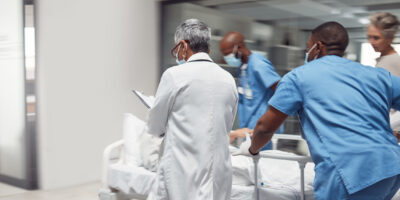
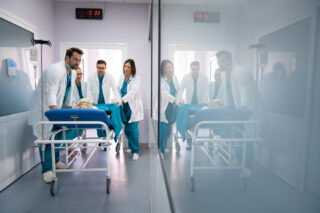
For the aspiring physician, the journey begins in the clean, structured world of lecture halls and textbooks. This academic foundation is essential, but it exists a world away from the art of healing. The gap between theoretical knowledge and the dynamic, high-stakes reality of clinical practice is vast. This gap is nowhere more apparent than in the acute care settings of Emergency Medicine (EM) and Critical Care (CC). These fields represent the crucibles of modern medicine, environments where the abstract desire to help people is tested and forged into a concrete professional identity.
Choosing a healthcare profession is a complicated and overwhelming decision. To make this choice with confidence and to be a competitive applicant for medical school, a student must convey a deep and realistic awareness of what a career as a practicing physician entails. Early exposure to EM and CC is a vital diagnostic tool for the student. It provides the most effective and unfiltered answer to the two most critical questions a pre-med student must ask: “Can I do this?” and, more importantly, “Do I want to do this?”.
This early exposure is no longer an optional extracurricular. It is a fundamental component of pre-professional development that builds the essential cognitive, clinical, and emotional competencies required of a 21st-century physician.
We will examine the distinct worlds of emergency and critical care, the emerging clinical realities that are blurring their boundaries, and the tangible skills this exposure provides. It will also examine how to navigate the profound challenges of these environments and how to strategically leverage this experience to build a compelling medical school application.
The Two Front Lines of Acute Care and Defining the Domains
Before a student can appreciate the value of acute care, they must first understand the distinct philosophies, environments, and patient populations of its two main pillars: the Emergency Department (ED) and the Intensive Care Unit (ICU). While both specialties treat patients facing severe and life-threatening conditions, their focus and function are fundamentally different.
The Emergency Department (ED): The Open Door
The Emergency Department (ED) or Emergency Room (ER) is the primary point of contact for individuals with acute illnesses and injuries. Its primary function is rapid assessment and stabilization for immediate medical concerns.
- Patient Population: The ED physician must be a master of managing the undifferentiated patient. The work is defined by its immense variety. An ED must manage a massive range of conditions, from minor, treatable issues like lacerations and fractures to acute, life-threatening emergencies such as heart attacks, strokes, and severe trauma.
- Environment & Timeline: The ED environment is famously fast-paced, unpredictable, and can often be chaotic. Care is short-term and episodic, with a patient’s stay typically measured in minutes to hours (usually 24 hours or less). The core cognitive skill for an emergency physician is task-switching, the ability to care for multiple patients simultaneously and rapidly shift focus based on acuity.
The Intensive Care Unit (ICU): The Controlled Center
In contrast, the Intensive Care Unit (ICU) provides continuous, comprehensive, and meticulous monitoring and care for patients who are already critically ill.
- Patient Population: ICU patients are not undifferentiated. They have confirmed severe, life-threatening conditions requiring intensive support. This includes patients with respiratory failure, multi-organ support needs, shock, or those recovering from severe trauma or complex surgery.
Environment & Timeline: The ICU is a controlled environment. Care is organized, meticulous, and planned, managed by a multidisciplinary team of intensivists, nurses, and specialists. The timeline is long-term, with patients staying for days, weeks, or even months. The focus is on the deep, longitudinal management of complex physiology and pharmacology.
Understand the critical distinctions between Emergency Medicine and Critical Care.
| Feature | Emergency Medicine (ER/ED) | Critical Care (ICU) |
|---|
A common misconception among students is to view emergency medicine as a generalist and critical care as a specialist. This is an oversimplification. Both are highly advanced specialties requiring distinct training. Evidence shows that EM personnel are not adequately trained for ICU work, and ICU personnel are not skilled to function in an emergency department.
A physician who wishes to be dually trained must complete a residency in EM and an advanced fellowship in critical care medicine (CCM). For the pre-med student, this distinction is vital: observing in these two areas means witnessing two unique and non-interchangeable sets of expert-level skills.
The Blurring Boundary: The New EM-CC Clinical Reality
For the advanced student, it is critical to understand that the clean separation described above is rapidly evolving. A grey zone is emerging at the intersection of EM and CC, driven by systemic pressures on the healthcare system.
The most significant driver is the national crisis of ICU patient boarding. As hospitals run at full capacity, critically ill patients who have been stabilized in the ED must be boarded, which is where the patient is held in the emergency department for hours or even days, because no ICU beds are available. This has profound consequences. The ED, designed for rapid stabilization, is not staffed or equipped for long-term intensive management. As a result, these critically ill patients are languishing without optimal care.
This clinical necessity has sparked a new wave of innovation, creating a new frontier in acute care:
- The ED-ICU: To combat boarding, institutions are creating ED-ICUs—specialized units within the emergency department that have the same staffing, monitoring, and therapeutic capabilities as an inpatient ICU.
- The EM-Intensivist (EPI): This crisis has created a new sub-specialist: the Emergency Physician Intensivist (EPI). This is a physician dually trained and certified in both Emergency Medicine and Critical Care Medicine (EM-CCM), capable of managing patients at an ICU level, whether in the ED or in the main ICU.
This new model is guided by the philosophy of Upstairs Care, Downstairs, which is the principle that a patient’s standard of care should not depend on their physical geography in the hospital.
For a future physician, understanding this convergence is essential. The silos of medicine are breaking down. This trend addresses a long and somewhat controversial history of tension that often existed between the ED and ICU. The founding fathers’ original vision of a smooth continuum of care is finally being realized, not through politics, but through clinical necessity.
Early exposure to both EM and CC provides a student with an invaluable systems-level perspective. They can observe the entire acute care continuum, from the initial rapid assessment in the ED to the complex, long-term handoffs to the ICU. They witness the clinical tensions and the new, integrated solutions firsthand. This demonstrates a sophisticated understanding of modern healthcare challenges, a quality highly valued by medical school admissions committees.
Forging the Future Physician and The Tangible Skillset from Acute Care
Moving from the what to the so what, exposure to these high-acuity environments is a powerful forge for the specific competencies a pre-med student must develop. These skills can be grouped into three key areas: cognitive, procedural, and interpersonal.
Cognitive Acumen: Thinking Under Fire
Rapid Assessment: In the ED, students witness physicians making almost immediate decisions with incomplete histories and limited baseline information. They must rapidly assess for inconsistencies and avoid cognitive bias. This exposure can be structured, with some clerkships teaching formal models, such as the RAPID approach (Resuscitation, Analgesia, Assessment, Patient needs, Interventions, Disposition), or focusing on triage assessment skills.
Decision-Making Under Pressure: Both EM and CC are defined by time pressure, uncertainty, and stress. Students observe a masterclass in clinical reasoning. Instead of slow, analytical strategies, they often employ Recognition-Primed Decision-Making (RPD), a process in which experienced clinicians use deep pattern recognition to make rapid, expert choices.
Crisis Management: Students are exposed to the management of acute, life-threatening conditions, including shock, respiratory failure, and vital organ system failure. They observe resuscitations and, as a result, develop well-honed crisis management and team leadership skills.
Procedural Confidence: From Theory to Practice
Many medical students enter their clinical clerkships feeling unprepared for hands-on tasks. Early exposure to acute care environments is the most effective way to bridge this confidence gap.
Studies show that early clinical programs, even those using simulation, measurably improve students’ clinical skills performance, including history-taking and physical exams. Just as importantly, this exposure significantly increases student confidence in performing these procedures.
Skills observed, or practiced in associated simulation workshops, include:
- Basic Life Support: CPR (Cardiopulmonary Resuscitation) and basic airway management.
- Trauma Care: Stop the Bleed techniques, splinting fractures, and wound dressing.
- Advanced Procedures: Observation of advanced skills such as intubation, central venous access, and chest tube insertion.
This early procedural exposure can set students up for success by expanding their learning opportunities and allowing them to become active members of the care team during their clerkships.
Interpersonal Skills: The Team and the Patient
Acute care is, by definition, a team sport. It is impossible for a single provider to manage a critically ill patient. These settings are a living example of interprofessional education (IPE).
A Masterclass in Teamwork
Students witness true interdisciplinary cohesion. They see physicians, nurses, clinical pharmacists, and respiratory therapists working in constant, high-stakes collaboration. Shadowing in this environment has been shown to improve students’ appreciation for the roles, knowledge, and pressures of other health professionals.
Communication & Empathy
Observing the care of critically ill patients is taxing, requiring not only clinical acumen but also profound compassion and communication skills. Students witness difficult conversations with families and the complex handoffs between team members. This directly demonstrates the service orientation and empathy that admissions committees actively seek.
The old model of pre-med shadowing, standing passively in a corner, is becoming obsolete. Modern medical education, recognizing its benefits, is integrating early clinical exposure and simulation into curricula. The value of EM and CC lies in their inherent immersive nature. When this immersion is part of a structured program that includes didactics and simulation, students transition from passive observers to active learners, which is what truly prepares them for their clinical years.
Building the Core Competencies for Medical School Admission
This high-intensity exposure is not just for personal development; it is a strategic asset for the medical school application. It provides the most compelling evidence for the key competencies that admissions committees are trained to find.
Confirming Your Calling and Crafting Your Why Medicine Narrative
Admissions committees need to know that an applicant’s why medicine narrative is grounded in reality. Shadowing is essential to see exactly what medicine is about and to confirm, for oneself and the committee, that it is the right career path. Because acute care settings provide such an unfiltered view of medicine, they are the ultimate litmus test.
Admissions officers value quality over quantity. A single, impactful story from an ED rotation can be far more powerful in a personal statement or interview than months of passive, low-acuity volunteering. This experience provides the raw material for a compelling personal statement that captures your commitment to medicine. Furthermore, this exposure is strongly associated with helping students discover their passions, with many citing it as the reason for their greater interest in EM as a specialty.
Resilience & Adaptability: The AAMC Core Competency
The Association of American Medical Colleges (AAMC) 15 Core Competencies are the blueprint that admissions committees use to evaluate applicants. One of the most critical interpersonal competencies is Resilience and Adaptability.
There is a reason for this. Students describe medical school as a gas—it expands to fill every available space in your life. It is an environment of inherent stress, with medical students experiencing depression and anxiety at significantly higher rates than the general population.
Admissions committees need to see evidence that an applicant possesses effective coping skills in stressful or changing environments. They are looking for students who have faced daunting obstacles and persevered.
Exposure to the ED and ICU is the single best way to demonstrate this competency. Experience in the fast-paced, high-stress, and emotionally demanding environments of acute care serves as tangible proof that the applicant has been tested and is prepared for the journey ahead.
This leads to the most important rule of applications: Demonstrate, don’t tell. An applicant should not simply claim I am resilient in their personal statement. They should tell a story from their time in the ED that shows them witnessing and processing a stressful resuscitation. They should not claim I am a team player; they should describe the interprofessional ballet of a trauma team in action. The high-stakes, emotionally resonant, and team-based nature of EM and CC provides the most powerful raw material for these stories, which directly exhibit the core competencies admissions officers are required to find.
A Dose of Reality: Navigating the Emotional and Ethical Landscape
To present this experience as uniformly exciting would be a disservice. To build trust, an expert guide must be honest about the profound challenges they face. The value of this exposure lies not in its ease but in its difficulty.
The Emotional Crucible: What to Expect
The ED is a frenzied, high-volume environment. The ICU is a place of profound illness. Students will inevitably witness patient distress, which can trigger internal conflicts. This work is emotionally taxing. It is normal for both students and seasoned professionals to feel emotional strain, anxiety, and a fear of inadequacy. It is vital to practice self-care: to rest, eat, exercise, and talk it out with a trusted mentor or peer.
The Inevitable Encounter: Coping with Patient Death
In both the ED and ICU, resuscitation and deaths are common. For many pre-med students, this will be their first, unshielded exposure to death. Many students report feeling inadequately prepared for this significant milestone. They may fear they will not have the knowledge to save a life or be shaken by the reality of human suffering.
Having a healthy coping strategy includes acknowledging emotions rather than shutting them off, engaging in reflection, and initiating conversations with colleagues. While deeply challenging, this experience is a critical part of a student’s personal and professional development. One resident, recalling her first patient death, called the experience remarkable as it cemented her understanding that the job is to alleviate suffering.
The Ethical Frontier: Navigating the Grey
Students in the ED will be observers in a theater of complex ethical dilemmas. Gaps in clinical ethics knowledge are prevalent even among trainees, making these situations challenging for a pre-med observer.
Key dilemmas include:
- Autonomy vs. Beneficence: The core principles of the doctor-patient relationship. Students will see this conflict when a competent patient with decision-making capacity has the right to refuse life-saving care (Autonomy), even when it conflicts with the family’s wishes or the physician’s duty to help (Beneficence).
- Justice and Resource Allocation: Students will witness triage in action, where limited resources (such as beds, staff, and time) are allocated. They will also see the ethical strain of resource misuse, such as patients using the ED for non-emergencies.
- End-of-Life Care: Students will observe some of the most difficult decisions in medicine, such as when to terminate a code or participate in discussions surrounding Do Not Resuscitate (DNR) orders.
- Professionalism: As an observer, a student may witness improper treatment, a lack of empathy, or poor communication from a staff member who is burned out. This can create a unique ethical tension for the student, who is a guest in that environment.
These challenges are not a reason to avoid acute care; they are the core reason to seek it out. The purpose of early exposure is to prove to medical schools (and yourself) that you are comfortable and capable in the real clinical setting, assisting those who are ill, infirm, hospitalized, or dying. Confronting these realities is what forges a mature, resilient, and unwavering commitment to the profession.
Your Pathway to the Front Lines: From Observer to Participant
Given the critical importance of this experience, the final question is practical: How does a pre-med student gain access to these front lines?
Traditional Pathways to Exposure
There are several traditional, domestic pathways to gain this experience:
- Volunteering: Many hospitals offer volunteer positions in the emergency department, though roles may be limited to patient transport or comfort measures. Hospice volunteering is another powerful way to gain exposure to end-of-life care.
- Paid Clinical Work: Working as an Emergency Medical Technician (EMT) is one of the most hands-on ways to gain pre-hospital emergency experience. Other paid roles include medical scribe or Certified Nursing Assistant (CNA).
- Shadowing: This involves directly contacting physicians at local hospitals or clinics and asking to observe them.
- Domestic Internships: Some academic medical centers offer structured, but highly competitive, summer pre-med programs that may include rotations in the ED or ICU.
While valuable, these traditional pathways are often characterized by two significant problems: scarcity and passivity. The number of students seeking experience greatly exceeds the number of available spaces. Students must be prepared to be turned down, and even in highly competitive programs, they are not guaranteed a shadowing experience in every single department. Access barriers are so high that some are even exploring augmented reality (AR) as a substitute.
The International Medical Aid Advantage: A Premier Pathway to Acute Care
International Medical Aid (IMA) has developed a premier pathway that solves these problems, offering structured, guaranteed, and active learning opportunities. Our Healthcare and Pre-Med Internships are designed specifically for pre-med undergraduates, high school students, and gap year medics seeking high-impact clinical exposure.
Unlike the uncertainty of local volunteering, IMA customizes placements to align with an intern’s specific career goals. We provide guaranteed hospital shadowing programs with structured rotations in high-acuity specialties, including Emergency Medicine and Intensive Care Units.
Crucially, IMA’s programs are not observational-only. They are a comprehensive learning experience that balances academic enrichment with hands-on learning. This integrated model includes:
- Active Clinical Shadowing: Interns gain hands-on clinical exposure in busy international hospitals, shadowing experienced physicians and observing multidisciplinary care teams in action.
- Didactic Learning: This clinical experience is supported by a robust academic curriculum, including a global health lecture series and access to Harvard HMX online courses, which provide deeper insights into medical theory.
- Simulation Clinics: Interns participate in clinical simulation clinics, which enable them to build confidence and practice skills in a safe and controlled environment.
Furthermore, our internships in East Africa, South America, and other global locales provide a global footprint and invaluable insight into diverse healthcare delivery systems, allowing students to grow in ways that most people can only dream of.
IMA prioritizes intern safety and support above all else. All programs include comprehensive 24/7 in-country and U.S.-based support, travel medical insurance, private, secure accommodations, and all in-country transportation.
Our focus is on your future. IMA alumni go on to top MD, DO, and PA programs. To ensure this success, our programs include dedicated graduate school admissions support, including application review, personal statement guidance, and letters of recommendation. For additional resources, students are encouraged to explore our pre-health blog for expert advice on everything from pre-med requirements to navigating gap year options.
Your Journey Starts at the Front Line
Early exposure to Emergency Medicine and Critical Care is far more than an item to check off an application list. It is a journey that fundamentally shapes an aspiring physician. It is an immersive experience that builds clinical confidence, hones crisis management skills, and provides the ultimate evidence of the resilience and adaptability demanded by medical schools.
This exposure will challenge you. It will test you. And it will fuel your passion for medicine by revealing the profound impact a physician can have on the most critical moments of a patient’s life. This experience is the first and most important step in your professional development.
We invite you to take that step. Develop your healthcare career and explore the world by learning more about International Medical Aid’s global healthcare internships. This once-in-a-lifetime opportunity to stand on the front lines of medicine and make a difference is the ideal way to begin an unforgettable summer or winter break and a rewarding career.