Most envision very different things when they hear about teenagers interning in hospitals. Some students envision helping with procedures or using medical equipment, while parents focus on safety, supervision, and whether the responsibilities are suitable for minors. The most straightforward way to set expectations is to examine how hospitals define the roles of teenagers in hospital internships for high school students.
Hospitals and partner organizations establish roles for teens in medical internships based on rules derived from liability policies, patient privacy regulations, and program objectives. Those same rules are closely tied to early eligibility criteria, as programs only admit students who can adhere to specific boundaries in clinical areas.
Typical Tasks Teen Observers Are Allowed To Do
Teen placements are structured around observation and support rather than direct medical care. Coordinators design schedules that allow students to observe how a unit operates, assist with appropriate tasks, and remain in approved areas under clear supervision. Within that structure, most programs organize responsibilities into clerical help, non-clinical support, and supervised observation.
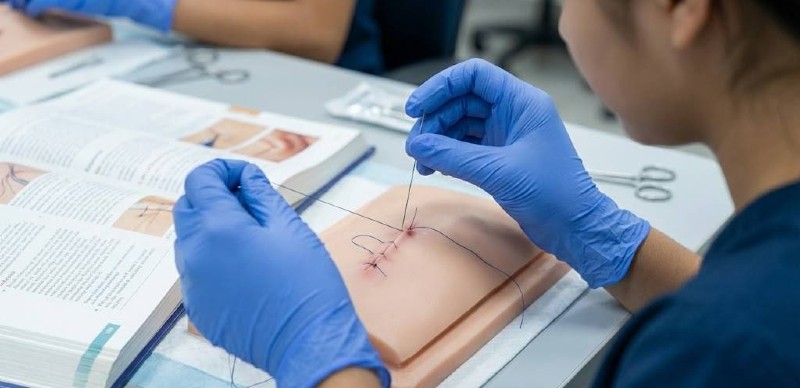
These roles provide students with steady contact with hospital staff and workflows, without placing them in situations that require clinical training or independent judgment. For many participants, this is the first time they see how different departments, roles, and routines work together to support patient care.
Clerical help
Clerical work is a central part of what teens can do in typical hospital internships. Common activities include:
- Sorting, filing, or organizing non-clinical paperwork
- Preparing information packets for visitors or families
- Restocking printed materials in waiting rooms and family spaces
- Assisting with simple data entry that does not involve sensitive medical details, when policies allow
These tasks support front desks, unit coordinators, and administrative staff. Students observe how accurate paperwork and well-organized materials impact wait times, communication, and overall efficiency.
Clerical responsibilities also require attention to detail and consistent focus, which are essential habits for future health career exploration for high schoolers.
Non-clinical support
Non-clinical support tasks keep units safe, orderly, and welcoming. Depending on age, training, and hospital policy, teen participants might:
- Restock non-sterile supplies such as gloves, wipes, or basic linens in designated areas
- Straighten chairs, tables, and reading materials in lounges and waiting rooms
- Deliver approved comfort items, books, or activity kits under staff direction
- Help with simple preparations for patient education events or community outreach inside the hospital
These activities introduce students to the many roles that support direct care. Teen participants observe how environmental services, food services, volunteers, and administrative staff contribute to the patient experience, even though they are not directly providing clinical treatment. For healthcare internships for high school students, this broad view of a hospital is often just as important as time spent near exam rooms or nursing stations.
Supervised observation
Supervised observation is often the most memorable part of teen hospital programs. Under clear rules and with staff permission, students may:
- Observe how nurses receive handoff reports and set priorities at the start of a shift
- Watch physicians and advanced practice providers during non-sensitive parts of rounds
- See how therapists, technicians, and other allied health professionals interact with patients
- Observe team huddles, briefings, or discharge planning meetings from appropriate locations
Staff decide when a student may be present and when the student should step out, particularly in emergency or highly sensitive situations. Programs that emphasize teen clinical experience encourage participants to listen carefully, observe how staff communicate, and write down questions to ask at appropriate times later.
Activities That Are Off Limits For Minors
Even in structured, education-focused programs, there are clear limits on what teens are allowed to do. These limits do not reflect a lack of trust in students. They exist because specific tasks require professional training, licensure, and legal accountability that high school students do not yet have.
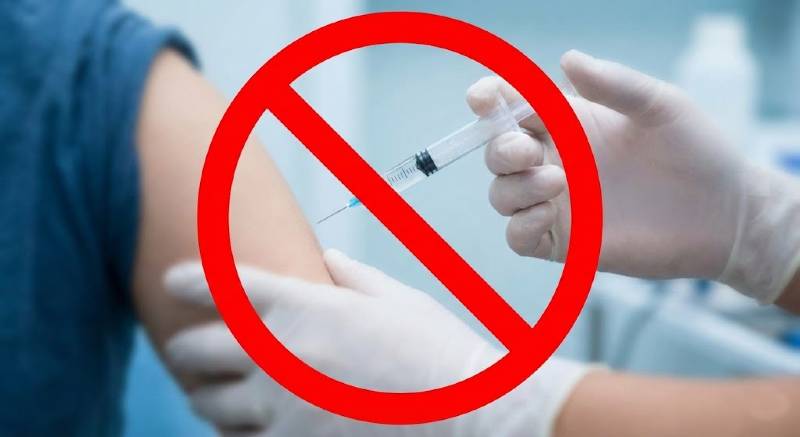
Most programs categorize these restrictions into four main areas: medications, procedures, charting, and clinical decision-making. Orientation sessions typically provide a detailed explanation of each category, and coordinators reinforce the rules throughout the placement.
Meds, procedures, charting, and direct clinical decisions
Medications
Teen participants do not handle medications. That typically includes:
- Retrieving medications from automated dispensing systems or secure storage
- Transporting medications to patient rooms
- Measuring, preparing, or labeling medications
- Participating in any official double-check or waste process
Medication safety rules apply even to experienced staff, and many hospitals use multi-step protocols with strict verification processes. Involving minors at any point in that chain would conflict with those standards.
Procedures
Hands-on procedures are also prohibited. High school students do not:
- Perform injections, blood draws, or IV placements
- Assist with wound care, dressing changes, or suturing
- Provide respiratory treatments or other therapies
- Operate clinical equipment in ways that affect diagnosis or treatment
In some units, teens may be allowed to stand in a corner of the room during a routine procedure if everyone involved agrees and the policies permit observers. Staff can ask the student to step out at any time. The purpose is observation only, not participation.
Charting
Electronic health record systems are tightly controlled. Teen participants generally:
- Do not enter information into patient charts
- Do not open complete patient records on clinical computers
- Do not view sensitive notes, test results, or consults except in rare, supervised teaching situations
Some programs use de-identified examples or training platforms to explain how documentation works. This approach allows students to view the structure of clinical notes without exposing actual patient information.
Direct clinical decisions
Teen participants do not influence clinical decisions. They do not:
- Offer diagnoses or treatment suggestions
- Give medical advice to patients or family members
- Share test results or prognosis information
- Participate in official consent discussions
Students may listen while professionals discuss options and ask questions afterward during debriefing. Responsibility for care decisions always rests with licensed staff.
HOSA Partnership
International Medical Aid’s partnership with HOSA–Future Health Professionals ties high school programming to a Career and Technical Student Organization recognized by the U.S. Department of Education, which operates under strict educational and ethical standards.
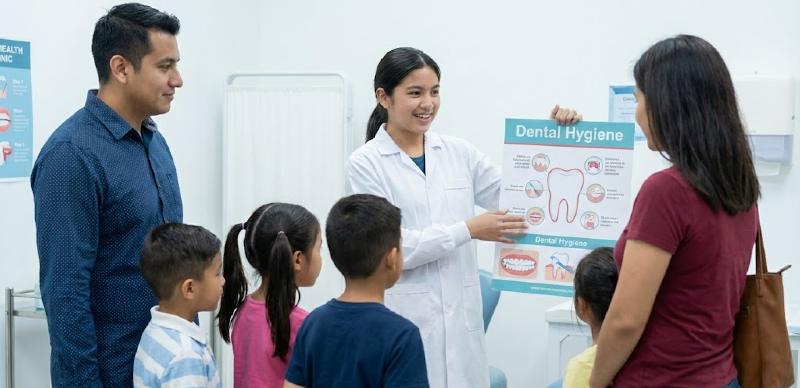
Within that partnership, IMA commits to a structured, regulation-aligned curriculum that keeps minors within a clearly defined observational and noninvasive scope of practice. High school participants shadow licensed clinicians, participate in public health and hygiene outreach, and attend simulation-based skills sessions, but do not perform invasive procedures or provide independent patient care.
Physician-led orientations, on-site clinical mentors, and written program policies are all designed to align with host-country regulations and U.S. pre-health ethics, ensuring activities remain compliant in both settings.
How Supervision Works On The Floor
Supervision structures are designed so that teens always know where to go, who to report to, and what to do in uncertain situations. Programs usually assign each participant:
- A central coordinator who manages schedules, orientation, and overall expectations
- One or more designated staff contacts on each unit where the student spends time
When students arrive, they check in at a central location and then proceed to their assigned unit. A staff member reviews the plan for the shift, reminds the student of relevant boundaries, and points out approved workspaces. Teens are expected to stay in those spaces unless a staff member directs them explicitly elsewhere.
Supervision also covers emotional support. Hospital environments can include serious illness, grief, and sudden changes in patient status. Coordinators encourage teens to:
- Tell a staff member if they feel overwhelmed or lightheaded
- Step away briefly if they need time to regroup
- Ask to debrief a difficult situation before leaving for the day
Structured programs often incorporate short check-ins or end-of-shift conversations, allowing students to clarify what they saw and ask questions in a calm setting. That approach is essential for first-time observers.
Clear rules about communication ensure adequate supervision. Teens are asked to:
- Ask for permission before entering patient rooms or restricted areas
- Confirm instructions back to staff when given a new task
- Report new concerns immediately, even if they are not sure if something is a problem
Staff, for their part, set consistent expectations about dress codes, badge use, phone storage, and break times. These routines help teen observers fit smoothly into existing workflows.
In cases where operating-room observation is appropriate, scrubbing in follows the exact strict boundaries that apply to every other part of the program. In IMA placements, “scrubbing in” refers to joining the surgical team as a sterile observer when hospital policy, the supervising surgeon’s approval, and local regulations permit it, without assisting with the procedure.
Before entering the operating theatre, selected students are coached on sterile field rules, proper gowning and gloving, and where they may stand so that they can observe the operation without handling instruments, touching the patient, or influencing clinical decisions.
IMA clinical mentors remain in the room to monitor behavior, reinforce protocol, step in if any inappropriate hands-on task is offered, and remove a student from the theatre if sterile technique, safety, or patient comfort is at risk.
Matching Expectations With Program Rules
Many concerns about hospital programs come from a gap between what students expect and what policies actually allow. Some teens hope for hands-on tasks that are more appropriate for older trainees or licensed staff. Others worry that they will not be helpful if they cannot perform procedures. Realistic expectations make it easier to focus on the strengths of teen roles.
Before applying, students can list specific goals, such as:
- Seeing how nurses and physicians coordinate care over a full shift
- Watching how staff communicate with families in routine situations
- Learning how different departments, like imaging or laboratory services, connect to a single patient case
- Practicing professional communication with adults in a busy setting
Goals like these align with what teens can accomplish in hospital internships and adhere to typical program guidelines. They also fit well with future steps such as additional clinical observation for students, volunteering, and later college-level opportunities.
Parents can review written program materials and, when needed, send concise questions to the coordinator. Reasonable topics include:
- How often do students interact directly with patients and families
- Whether teens rotate through multiple departments or stay in one area
- How staff handle situations that might be difficult for younger observers
- What kind of feedback or evaluation do students receive by the end of the placement
Programs that host hospital internships for teens should be able to answer these questions clearly and consistently. Transparent explanations suggest that the hospital has given careful consideration to age-appropriate roles, safety, and education.
When teens, families, and staff share a common understanding of daily tasks and limits, students are more likely to follow rules, maintain steady attendance, and build constructive relationships with the care team. Over time, such experiences support ongoing clinical work, future applications, and informed decisions about whether a long-term path in healthcare feels like a good match.