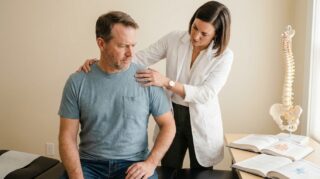
Osteopathic Manipulative Medicine (OMM) is one of the most defining yet often misunderstood aspects of osteopathic medical practice. In the United States, Doctors of Osteopathic Medicine (DOs) complete the same basic medical training as their MD counterparts – four years of medical school and residency – but with the addition of OMM training as a core component.
This extra training equips DOs with manual techniques to diagnose and treat patients, emphasizing the body’s structure-function relationship and self-healing potential. For healthcare professionals and students unfamiliar with OMM, skepticism is natural, especially in an era focused on evidence-based practice. This article takes a neutral, fact-driven look at the history, principles, education, clinical use, and current evidence for OMM. By understanding its context and applications, skeptics can better appreciate what OMM is (and isn’t) in modern medicine.
Historical Background of Osteopathic Medicine and OMM
Osteopathic medicine was founded in 1874 by Dr. Andrew Taylor Still, a Missouri physician disillusioned by the harsh medical practices of his time. In an era when treatments like bloodletting, arsenic, and mercury often did more harm than good, Still sought a gentler, more holistic approach. He theorized that many diseases were rooted in problems with the musculoskeletal system and impaired nerve or blood supply. If the body’s structure could be corrected, function and health would be restored. This philosophy led Still to develop manipulative techniques to “restore nerve health and increase circulation so the body can cure itself”.
Andrew Taylor Still, founder of osteopathic medicine, emphasized treating the whole patient and harnessing the body’s self-healing capabilities.
In 1892, Still opened the first osteopathic medical school in Kirksville, Missouri (now A.T. Still University), where he taught these principles. The early osteopathic profession faced stiff opposition from the established medical community – the American Medical Association in the early 20th century branded osteopathy a “cult” and forbade MD physicians from associating with DOs. Despite this, osteopathic medicine grew.
Vermont became the first state to license DOs in 1896, and over the next decades, DOs fought for recognition. By 1973, all 50 states and D.C. granted full practice rights to DO physicians, with Mississippi being the last holdout. This hard-won legitimacy was further cemented in 1966 when the U.S. military began accepting DOs as physicians, and in recent years by the integration of osteopathic and allopathic (MD) residency training under a single accreditation system (fully implemented in 2020).
Philosophical Tenets: The founding osteopathic philosophy centered on a few key principles that set it apart from conventional medicine of the time. These principles are still taught today as the four tenets of osteopathic medicine:
- The body is a unit (mind, body, and spirit): A person’s body, mind, and spirit function together as a unified whole. No part of the body works in isolation, so a disturbance in one system can affect the others. This holistic view urged physicians to treat the whole patient rather than just isolated symptoms or diseases.
- Self-Regulation and Self-Healing: The body has inherent mechanisms to self-regulate and heal itself. Osteopathic medicine emphasizes supporting these natural healing processes. The physician’s role is often to remove obstacles to the body’s self-healing, helping restore normal function. (This idea was revolutionary in Still’s era, when preventive care was minimal and suppressive treatments were common.)
- Structure and Function are Interrelated: The form and function of the body are reciprocally interlinked. In other words, an anatomical problem (structure) can lead to physiological dysfunction, and vice versa. For example, a misalignment or restricted joint might contribute to pain or organ dysfunction; correcting it could improve function. This principle underpins OMM’s focus on the musculoskeletal system’s influence on health.
- Rational Treatment is Based on These Principles: Effective medical care is rooted in applying the above understanding of unity, self-healing, and structure-function relationships. Osteopathic physicians use all modern medical tools but also include manipulative treatment when appropriate, guided by a holistic assessment of the patient.
These concepts, while once unique to osteopathic medicine, will sound familiar to any modern clinician – they align closely with today’s emphasis on whole-person care and preventive medicine. Indeed, a survey of MD medical school faculty found nothing objectionable in the osteopathic tenets; many saw them as broad medical commonsense.
This reflects how far integration has come. Today, DOs practice evidence-based medicine indistinguishable from MDs in most respects, with OMM as an additional modality in their toolkit.
What Is OMM (Osteopathic Manipulative Medicine)?
OMM, also called osteopathic manipulative treatment (OMT), refers to a collection of hands-on techniques DOs learn to diagnose and treat illness or injury. In simple terms, OMM is “the therapeutic application of manual pressure or force” to the body with the goal of improving health or function.
While that definition is broad, OMM techniques specifically target the body’s musculoskeletal framework – bones, joints, muscles, and connective tissues – and their relationship to other systems. By manipulating these structures, a DO aims to “treat structural and functional issues in the bones, joints, tissues and muscles of the body”, thereby restoring mobility, easing pain, and supporting the body’s ability to heal.
It’s important to clarify what OMM is not. It is not a replacement for medications or surgery when those are necessary; rather, it’s a complementary approach that can be used alongside standard treatments. OMM is also not identical to chiropractic care, despite both involving manual spine and joint manipulation. Chiropractors focus almost exclusively on spinal alignment and do not attend medical school, whereas DOs are fully licensed physicians who use OMM as one part of a broader medical practice.
Osteopathic manipulative techniques are diverse – ranging from gentle soft tissue stretching and muscle energy techniques, to high-velocity low-amplitude (HVLA) thrusts (the classic quick “adjustment” that can produce a joint pop). DOs also use strain-counterstrain positioning, myofascial release, lymphatic pump techniques to enhance fluid circulation, and even cranial manipulation.
Some of these methods (like HVLA) resemble what chiropractors do, but others (like cranial osteopathy or lymphatic pumps) are distinct to osteopathic training. All are taught within a medical framework that emphasizes understanding pathology, neurology, and contraindications to ensure safety.
To someone unfamiliar, OMM might sound a bit mystical – manipulating the body to treat disease? However, in practice, it often looks similar to physical therapy or orthopedic manual therapy. For example, a DO might use OMM to relax tight back muscles, mobilize a frozen shoulder, or improve rib cage motion in an asthmatic patient.
The goals of OMM are typically to relieve musculoskeletal pain, improve range of motion, support circulation of blood and lymph, and help the body function optimally. It provides a non-invasive, drug-free option for many common ailments.
According to the American Association of Colleges of Osteopathic Medicine, OMM can treat a wide variety of conditions, including headaches, arthritis, sports injuries, and pain in areas such as the lower back, neck, shoulders, and knees, while also serving as a useful adjunct in managing issues like sinus congestion, asthma, or menstrual pain. OMM techniques can be safely applied in almost any care setting – outpatient clinics, hospitals, even the emergency department – as long as the physician is trained and the patient’s condition is appropriate.
OMM is always performed with standard medical evaluation and diagnosis. A DO will take a history, perform a conventional exam, and order tests or imaging as needed, just like any physician. OMM comes into play when the DO finds somatic dysfunctions – areas of impaired or altered function in the musculoskeletal system that can be improved manually. For instance, a patient with pneumonia might have restricted motion at certain rib joints; a DO could treat those to help the patient breathe easier and potentially aid clearing of secretions.
A patient with migraine may have tight neck musculature or cranial bone restrictions that, when gently released, provide symptomatic relief. In short, OMM is one more therapeutic modality a DO can employ, alongside prescribing medicine or performing procedures.
As one osteopathic physician described it, “it is yet another layer of care you can provide to your patients” beyond the standard treatments. Patients often appreciate this extra dimension of care – especially those seeking more holistic or hands-on relief – which can strengthen the doctor-patient relationship.
OMM Training in U.S. Osteopathic Medical Schools
One of the biggest differences between D.O. and M.D. medical schools is the formal training in osteopathic manipulative medicine. All accredited U.S. osteopathic colleges (37 schools at 58 teaching sites as of the mid-2020s) include a robust OMM curriculum throughout the four-year DO program.
Program Hours
In practice, this means DO students spend hundreds of hours learning OMM theory and techniques in addition to the standard medical coursework. The American Association of Colleges of Osteopathic Medicine (AACOM) notes that a typical osteopathic program provides “an additional 200 hours in musculoskeletal medicine”, most of it focused on learning OMM for pain treatment and functional improvement.
These hours usually come in the first two preclinical years via weekly OMM lab sessions and lectures. For example, a DO school might have a 2-hour hands-on lab and a 1-hour lecture each week devoted to OMM, where students practice palpation and techniques on each other under faculty supervision. Over two years, this adds up significantly (hence the ~200-hour figure, which is above and beyond what MD students get in musculoskeletal medicine).
During the third and fourth years, as osteopathic students enter clinical rotations, OMM training doesn’t disappear; it’s integrated into patient care. Students are expected to consider structural exam findings on their patients and apply OMM when appropriate under their instructors’ guidance.
Some colleges have dedicated OMM rotations or clinics where students treat patients with supervision, refining their skills. Comprehensive OMM training occurs throughout a student’s curriculum, including during clinical clerkships. This continuum helps ensure new DOs are competent in OMM by graduation, even if their level of interest or proficiency may vary individually.
Learning Approach
In OMM labs, students gradually learn a wide array of techniques, starting with basic skills such as detecting tissue texture changes or asymmetries by touch. They progress to mastering specific treatment techniques – for instance, soft-tissue techniques to relax muscles, muscle-energy techniques where the patient’s own muscle contraction is used to help reset joint position, or HVLA thrusts to quickly correct a misaligned segment.
They also learn more subtle methods, such as counterstrain (identifying tender points and holding the body in positions of ease) and cranial osteopathic manipulation (a controversial technique involving very gentle pressure on cranial bones). An important part of training is learning when to use or avoid OMM.
Students memorize contraindications (for example, not doing high-velocity neck manipulation on a patient with rheumatoid arthritis or Down syndrome due to risk of spinal injury). They also learn to integrate OMM with medical management. A common teaching is “OMM is not a cure-all; use it judiciously as one tool among many.”
OMM Specialization
While every DO graduates with training in OMM, not all DOs will use it to the same extent in practice. Some develop a passion for it and even pursue postgraduate specialization. The osteopathic profession offers residency/fellowship programs in Neuromusculoskeletal Medicine and OMM (often a one-year fellowship after a primary residency like family medicine).
Physicians who complete these become OMM specialists, often working in OMM clinics or academic centers, treating complex cases with manipulative therapy. However, the majority of DO graduates go into the same wide range of specialties as MDs – family medicine, internal medicine, surgery, pediatrics, emergency medicine, etc.
In those fields, the extent of OMM use depends on the individual practitioner and the clinical context. Surveys have found that many primary care DOs employ OMM for common complaints (like back or neck pain), whereas DO surgeons or radiologists, for example, might rarely use it due to the nature of their practice.
Importantly, all DOs have at least some knowledge of OMM, which can enhance their understanding of anatomy and physical exam skills. Even those who don’t regularly perform OMM often say the training made them more attuned in diagnosing musculoskeletal issues – an educational benefit in itself.
Educational Example
To illustrate OMM training, consider a typical scenario in a DO school’s lab: A small group of second-year students gathers around a table, and one lies down as the “patient.” The instructor, a DO, demonstrates a technique – say, a rib raising treatment to improve chest wall motion. Students then pair up to practice, palpating along each other’s spine and ribs to find tight spots, then gently lifting and mobilizing the rib angles.
The instructor circulates, offering guidance on hand placement or the amount of force. Students give feedback (“that was tender” or “now I feel looser there”), simulating patient responses. Over time, this hands-on practice builds both technical skill and confidence. Initially, many medical students are actually skeptical about OMM – they might not fully believe these maneuvers will have real clinical effects.
One osteopathic student admitted, “I had doubts that what worked for my healthy classmates would work well for a patient with chronic arthritis or irritable bowel syndrome”, noting that certain concepts like cranial manipulation seemed especially hard to believe. But exposure to real patients during rotations can change that perspective.
In the words of the same student after an OMM rotation, “seeing real improvement in patients is what convinced me that OMM really worked”. This mix of healthy skepticism and experiential learning is common – DO students are taught to question and also to observe outcomes firsthand, forming their own conclusions about the value of OMM.
Osteopathic medical students and an instructor practice a hands-on technique in OMM lab. DO students receive roughly 200 extra hours of training in manual medicine, honing skills that they can later apply to patient care.
OMM in Clinical Practice Today
In modern healthcare settings, OMM is used both by primary care physicians and certain specialists to enhance patient care. While OMM’s roots lie in treating musculoskeletal pain, today DOs apply it to a broad range of patient complaints. Here are some examples of how OMM is utilized in clinical practice.
Primary Care & Family Medicine
A family medicine DO might see a patient with acute low back strain and, in addition to prescribing an NSAID and advising rest, perform a short OMM session to speed recovery. They could use soft tissue massage to reduce muscle spasm and a gentle HVLA thrust or muscle energy technique to realign a lumbar vertebra that’s restricted.
The patient often leaves feeling immediate relief from pain or improved mobility. For patients with chronic back pain, periodic OMT can be part of a multidisciplinary plan alongside physical therapy and exercise. Family docs also use OMM for conditions like sinus congestion (facial effleurage and neck soft-tissue techniques to help drainage) or tension headaches (addressing neck and upper back muscle tension).
Pediatrics
Some pediatric DOs use OMM for conditions such as otitis media (ear infections) or infant colic. Techniques such as gentle lymphatic drainage of the neck and auricular drainage can complement antibiotics in the treatment of ear infections by promoting fluid clearance. For infants with torticollis (a twisted neck) or head shape asymmetries, very gentle OMM may help improve mobility. It’s worth noting that the use of OMM in children can be controversial due to limited research in pediatrics – we’ll discuss evidence shortly – but many parents report subjective improvements, and DOs take great care to use only the mildest techniques on kids.
Sports Medicine and Orthopedics
DOs in sports medicine use OMM alongside standard sports injury care. For example, treating an ankle sprain might involve not just RICE (rest, ice, compression, elevation) but also OMM to ensure the bones of the foot and ankle are properly aligned and to reduce swelling via lymphatic pumps. Athletes with muscle strains or restricted range of motion can benefit from muscle energy stretching or myofascial release. In some osteopathic orthopedic clinics, surgeons will refer post-operative patients for OMT to aid rehab (e.g. working on scar tissue or alleviating compensatory strains after surgery).
Obstetrics & Gynecology
Some DO obstetricians utilize OMM to help pregnant patients with back pain or sacroiliac joint discomfort (common in later trimesters). Techniques such as sacral rocking or lumbar soft-tissue release can ease pain without medication. There are also specialized obstetric OMM maneuvers believed to help with labor readiness by aligning the pelvis. Additionally, OMM has been used for post-partum issues like headaches or helping the body recover structural balance after delivery.
Hospital Medicine
In hospital settings, OMM is less commonly used due to time constraints, but it has notable applications. DOs on inpatient services may use OMM for patients with pneumonia to improve chest expansion and clear secretions (e.g., rib raising or thoracic pump techniques). In post-surgical patients, some DOs perform gentle techniques to stimulate bowel function (helping relieve postoperative ileus) or to reduce pulmonary complications.
A classic historical example: During the 1918 influenza pandemic, osteopathic physicians applied manipulation (such as rib springing and lymphatic pumps) to flu patients, reporting significantly lower mortality rates (0.2% in DO-treated cases vs. ~12–15% nationally for influenza, according to osteopathic surveys). While those old statistics are debated, they hint at OMM’s potential in supporting physiological function during illness. Even in the COVID-19 pandemic, some hospitals piloted OMM protocols for COVID patients to aid breathing, though evidence is still emerging.
Specialty Us
Certain specialties have niche OMM uses. For instance, some osteopathic neurologists might use OMT on patients with migraines or tension headaches (targeting neck muscle tension and cranial strains). Osteopathic psychiatrists occasionally use OMM adjunctively for patients with somatic manifestations of stress (like muscle tension). Perhaps one of the more esoteric uses is in ophthalmology: there are case reports of OMT alleviating some symptoms of Graves’ disease-related eye bulging by addressing tight facial and scalp tissues, but such uses are not mainstream.
It should be emphasized that not all DOs routinely incorporate OMM. Some may rarely use it due to a focus on practice or skepticism about its benefits. Surveys have indicated that barriers such as time constraints, lack of reimbursement, and concerns about the evidence base can limit OMM use among DOs. There is also diversity in patient receptiveness – some patients specifically seek DOs for OMM as a natural treatment, while others are unaware of it or uninterested.
DOs generally respect patient preference when it comes to OMM. If a patient is uncomfortable with the idea of a spinal manipulation, a DO won’t force it – they’ll just treat with standard care. On the other hand, many patients who experience OMM become fans.
One skeptic-turned-believer DO noted, “patients…kept coming back [for OMM] because they got results” in terms of pain relief and improved function. When appropriately applied, OMM often earns high patient satisfaction as it can provide relief without additional drugs or invasive procedures.
Finally, OMM in practice is always evolving. New research and techniques continue to be integrated. For example, there’s growing interest in using OMM to address lymphatic flow and immune function – an extension of concepts used in the influenza pandemic.
For example, a DO might treat a pneumonia patient with antibiotics, oxygen, and OMM. It’s the combination that can be powerful, addressing the infection directly while also supporting the patient’s body (e.g., helping clear the lungs and reduce pain). This holistic, dual approach is at the heart of osteopathic medicine’s value in today’s healthcare.
What Does the Evidence Say? (Research on OMM)
A crucial question for skeptics and all practitioners is: Does OMM actually work, and what is the evidence? Historically, osteopathic medicine built its reputation on reported successes – for example, the markedly low death rates under osteopathic care in the 1918 flu were often cited as proof of OMM’s efficacy.
Early osteopaths also published case series showing the benefits of manipulation for various ailments. However, anecdotal and uncontrolled observations don’t satisfy modern standards of evidence. Over the past few decades, researchers have studied OMM through clinical trials and systematic reviews to better quantify its effectiveness. The evidence is growing, though it varies by condition:
Musculoskeletal Pain
The strongest and most consistent evidence for OMM is in treating musculoskeletal pain conditions – especially low back pain and neck pain. Multiple randomized controlled trials and meta-analyses have found that OMT can significantly reduce acute and chronic low back pain and improve functional status compared to control treatments like sham therapy or standard care.
For example, a 2021 randomized trial published in JAMA Internal Medicine found OMT provided a small but statistically significant improvement in subacute/chronic low back pain-related activity limitations compared to sham treatment, although the clinical relevance of the effect was debated.
A comprehensive 2022 overview of systematic reviews (covering 55 trials and 3,740 patients) concluded that “promising evidence suggests the possible effectiveness of OMT for musculoskeletal disorders.” In particular, OMM was more effective than comparators in relieving non-specific low back pain, neck pain, and chronic non-cancer pain in those reviews.
These are important findings, considering back and neck pain are leading causes of disability, and OMM offers a non-pharmacologic therapy option amid concerns about opioid use. The same 2022 review noted that no serious adverse events were reported in most studies, suggesting OMM is quite safe in experienced hands. (Minor soreness is the most common side effect after OMT, similar to after a deep massage or workout.) The caveat is that some of the included trials had methodological limitations, so higher-quality research is needed to confirm optimal OMM protocols and long-term outcomes.
Other Conditions
Evidence outside the musculoskeletal realm is more limited or mixed. For headaches, a few studies indicate OMT (especially focusing on the neck and cranial manipulation) may help reduce migraine frequency or tension headache intensity, but results are inconsistent.
The 2022 overview found only low-quality or inconclusive evidence regarding OMT for primary headaches. Irritable Bowel Syndrome (IBS) is another area OMM has been tried (the idea being that visceral manipulation and treating spinal segments might ease GI function). Here too, there is some positive data but not enough to draw firm conclusions – the systematic review overview deemed OMM’s efficacy for IBS unproven with current evidence.
In pediatric conditions, research has been sparse. Many DOs report anecdotal success using OMT for infants with feeding difficulties, children with recurrent ear infections, etc., but rigorous trials are few. One systematic review on pediatric OMT found heterogeneous results and generally insufficient evidence to claim a clear benefit.
A notable (and often cited) study in the 1990s suggested OMT reduced middle ear effusion duration in kids with recurrent otitis media, but larger follow-ups have not been done. In children with asthma, trials have not shown significant objective improvements, though some patients report breathing easier after OMT. Given the sensitive nature of treating children, more research is needed to validate any pediatric uses of OMM – as of now, most pediatricians (even DOs) rely on standard treatments first and may use OMT only as an adjunct.
Systemic Illness and Hospitalized Patients
One of the most intriguing areas of research is the use of OMT in hospitalized patients with infections or systemic illness. A body of work by researchers such as Dr. Ralph Noll and colleagues looked at OMT as an adjunct in pneumonia. In a multicenter randomized trial of elderly patients with pneumonia, those who received OMT in addition to standard antibiotics had significantly shorter hospital stays and shorter durations of intravenous antibiotics than those who received standard care alone.
They also had lower rates of respiratory failure and mortality in some subsets. However, when all patients (including dropouts) were analyzed or when OMT was compared with a light-touch placebo treatment, some of these differences narrowed, suggesting the results must be interpreted cautiously.
Still, these studies, published in osteopathic journals, provided proof of concept that OMT might confer tangible benefits in acute illness by improving things like airway clearance, rib cage mechanics, and autonomic balance.
Similarly, during the COVID-19 pandemic, case reports emerged of OMT helping COVID-19 patients breathe more easily and perhaps shortening recovery, though controlled studies are pending. Outside of infections, small trials have examined OMT for conditions like postoperative recovery (e.g., reducing gut paralysis after surgery), menstrual pain, fibromyalgia, and even depression (via the relaxing effects of touch).
These studies are generally preliminary or have mixed outcomes – some show benefit, others no significant change. The overall scientific consensus is that more high-quality research is needed, especially for non-musculoskeletal applications of OMM.
Safety and Skepticism
When evaluating OMM, one must also consider the safety profile and patient preference. OMM performed by a trained physician is remarkably safe; unlike high-risk medications or surgeries, the physical nature of OMT means that if done correctly, it should not cause harm.
There are rare case reports of complications (for example, cervical spine manipulation causing arterial dissection in a vulnerable patient – a risk shared with chiropractic neck adjustments), but DOs are taught strict screening to avoid these situations. In the 2022 overview of reviews, no adverse events were reported in most systematic reviews analyzed. This makes OMM an attractive conservative option to try for certain conditions before escalating to more invasive measures.
However, skepticism persists in parts of the medical community, often due to the uneven evidence base. Critics point out that some osteopathic techniques (notably cranial osteopathy) have very limited scientific support and rely on palpation of subtle “rhythms” that may not exist. Even among DOs, cranial OMT is divisive – some swear by it, others label it pseudoscience. Another criticism is that some early osteopathic concepts (like the idea that correcting spinal lesions can cure visceral diseases) were overstated.
Modern osteopathic physicians largely acknowledge that OMM is not a cure-all; it has its place mainly in musculoskeletal care and as a complementary therapy. It’s telling that the majority of DOs practice virtually indistinguishably from MDs in most respects, using OMM as an adjunct when appropriate rather than as primary treatment for serious diseases. In fact, osteopathic medical schools and accreditation emphasize that DOs must be fully competent in all aspects of modern medicine; OMM is taught as in addition to, not instead of, standard diagnostics and treatments.
For the skeptical medical student or colleague, the best evidence of OMM’s value often comes anecdotally through patient stories or personal experience. A patient who failed to get relief from multiple other modalities might try OMT and finally improve – that tends to open eyes more than any paper. Still, from an academic standpoint, the osteopathic profession continues to push for more rigorous research to back its practices.
The American Osteopathic Association and AACOM have funded research initiatives, and there is increasing inclusion of DO-led studies in mainstream journals. The trajectory is similar to that of other complementary therapies (such as acupuncture or yoga): initial skepticism, gradual accumulation of evidence, and eventual selective acceptance for certain indications.
As of now, one could summarize: OMM is evidence-based for some things (especially back/neck pain), has suggestive evidence in others (like pneumonia recovery, some headaches), and is unproven or investigational in the rest. Osteopathic physicians are the first to admit that more studies will help clarify exactly when and how OMM should be used for maximum benefit.
Common Misconceptions and Skepticism Addressed
Osteopathic medicine and OMM have attracted various misconceptions over the years. Let’s tackle a few common ones head-on, focusing on facts.
DOs aren’t real doctors, or they’re just like chiropractors.
This misconception likely stems from the separate historical origin of osteopathic medicine and its use of manual therapy. In truth, DOs in the U.S. are fully licensed physicians indistinguishable from MDs in terms of legal rights and medical scope. They attend four-year medical schools accredited by the same national bodies that oversee MD schools, complete residency training, and can prescribe medications, perform surgeries, and practice in every specialty.
The only difference in training is the additional OMM component and a more holistic philosophy. Modern DO education includes all the same biomedical and clinical coursework as MD education, plus OMM. So while chiropractors are limited licensed practitioners focusing on spinal manipulation, DOs are physician practitioners who can do much more. A useful analogy: comparing a DO to a chiropractor is like comparing an airplane pilot who also knows some sailing, to a person who only sails – the scope of practice is vastly different. As for equivalence, since 2020 all osteopathic and allopathic residency programs are under one accreditation system, and DOs routinely train alongside MDs.
Many patients are surprised to learn their surgeon, cardiologist, or hospitalist is a DO – because in practice there’s no quality gap. If anything, patients under DO care might get the added benefit of OMM or a slightly different communication style (some patients report DOs spend time looking at lifestyle and environment factors, consistent with their training).
The proof of parity is in the numbers: one out of every four U.S. medical students today is enrolled in an osteopathic medical school, and DOs now comprise over 11% of actively practicing physicians nationwide. DOs also serve at the highest levels of medicine – recent White House physicians to the U.S. President have been DOs, as are physicians in the NASA astronaut program and numerous leaders in the military medical corps. These facts underscore that DOs are fully “real doctors.”
Osteopathic Manipulative Medicine is pseudoscience or voodoo.
It’s understandable why hands-on healing might trigger skepticism, especially given the existence of some fringe alternative therapies. However, OMM is not mystical; it’s grounded in anatomy and physiology. Many OMM techniques have a clear biomechanical rationale – for instance, freeing a stuck rib to allow proper chest motion, or loosening tight paraspinal muscles to relieve nerve root irritation. These are tangible effects.
That said, osteopathic medicine does have a few approaches (such as cranial manipulation or the concept of Chapman reflex points) that skeptics find hard to swallow, given scant empirical evidence. The osteopathic profession itself recognizes this and continues to research these areas. The majority of OMM used in practice today is evidence-informed and conservative.
Techniques overlap considerably with well-accepted practices in physical therapy and sports medicine. In fact, some allopathic physicians unknowingly use “osteopathic” methods – for example, a sports MD might do muscle energy stretching or myofascial release without labeling it OMT. The key difference is DOs have a systematic approach for diagnosis and treatment with OMM. Importantly, OMM is not offered as a cure-all panacea; it is one modality to be used when appropriate.
When critics call OMM pseudoscience, they may be picturing its early grand claims or its most debated techniques. The reality is more moderate: OMM is a collection of manual techniques, some better studied than others, applied by physicians who also use standard medicine. The evidence base is actively being built, and where it’s strong (e.g., in back pain), OMM is increasingly recognized as a valid therapeutic option.
Where evidence is lacking, DOs are generally cautious and use OMM adjunctively rather than as sole therapy. It’s also worth noting that patient satisfaction with OMM is typically high – many patients report it helps them and often prefer a try at OMM before escalating to opioids or invasive procedures, which is aligned with current pain management guidelines favoring non-pharmacological treatments.
Do all practitioners of alternative medicine practice alternative medicine, or don’t use medications?
This is false – DOs prescribe drugs and follow the same clinical guidelines as MDs for managing diseases. The osteopathic philosophy emphasizes preventive care and minimal medication when possible, without excluding necessary treatment. A DO will absolutely prescribe antibiotics for an infection or recommend surgery for appendicitis; they just might also use OMM to aid recovery or suggest lifestyle modifications in tandem. In essence, DOs add tools; they don’t subtract the standard ones.
Surveys of recent graduates show that osteopathic physicians overwhelmingly practice modern, science-based medicine and value OMM as a complement. An old joke says “DO stands for ‘Diploma in Osteopathy,’ but also for ‘Doctor’s Options’” – meaning a DO has all the options an MD has, plus additional ones like OMM. The emphasis on treating the whole person (mind, body, spirit) is something many MDs also embrace today, so this aspect no longer sets DOs apart as much as it once did.
Billing and Acceptance Issues
Some skeptics (including DO students themselves) worry that using OMM will slow them down or not be accepted in conventional settings. It’s true that performing OMT can take a bit of extra time in an office visit, but many DOs incorporate quick techniques efficiently. Regarding insurance, OMT has its own billing codes and is reimbursed by most insurers, including Medicare. For example, one can bill based on regions treated – treating a couple of body regions might add a modest reimbursement (on the order of $30) to an office visit.
In busy practices, not all DOs find it feasible to do OMM and they may refer to an OMM specialist for that. But increasingly, healthcare systems recognize the value of non-pharmacological pain treatments and are supportive of OMM especially amid the opioid crisis. The osteopathic community has actively highlighted how OMM can help manage pain without drugs. As public concern about opioids rose, osteopathic colleges even revamped curricula to reinforce OMM for pain as a first-line tool. So the environment is arguably becoming more favorable for OMM use rather than less.
Skepticism toward OMM is best addressed by education and evidence. Once people understand that osteopathic physicians are regular physicians with extra skills, and once they see or experience the musculoskeletal benefits OMM can offer, much of the hesitation fades. Even within the osteopathic student body, there are “OMM skeptics” initially – but through rotations and patient care, many come around.
One medical student wrote about how he started as an OMM skeptic and ended as a believer after seeing case after case where patients improved significantly from OMT when other treatments had failed. His advice to peers was to “leave any biases behind, be hands-on and practice… find your own anecdotal evidence” during training.
This pragmatic approach, combined with a growing base of clinical research, is forging OMM’s role in mainstream healthcare. Skeptics don’t need to take it on faith – the invitation is simply to examine the data, perhaps observe or try OMM in practice, and judge for themselves where it might fit in patient care.
International Medical Aid: Supporting Holistic Pathways in Healthcare
For students interested in the holistic philosophy exemplified by osteopathic medicine, gaining broader exposure to healthcare can be invaluable. International Medical Aid (IMA) is one organization that helps provide this exposure through global health programs. IMA offers global health internship opportunities for pre-medical and medical students (as well as other health professions), allowing them to shadow and assist healthcare providers in underserved regions worldwide.
Our programs emphasize a holistic approach to patient care – students learn to consider not only a patient’s immediate symptoms but also the community and environmental factors that affect health. Working in clinics abroad, participants see firsthand how factors such as nutrition, sanitation, and cultural beliefs affect illness, reinforcing the osteopathic tenet of treating the whole person. IMA’s initiatives are community-focused and sustainable, often involving mobile clinics and public health education that address root causes of disease in addition to acute care.
This integrative outlook aligns closely with osteopathic principles of preventive medicine and caring for patients’ overall well-being. By engaging in IMA’s internships, a student considering a DO path can broaden their horizons, develop cultural competency, and appreciate the value of compassionate, comprehensive care.
Beyond clinical shadowing, IMA also provides mentoring and admissions guidance – including for those applying to medical and osteopathic schools – to help students succeed in their healthcare careers. In essence, organizations like International Medical Aid support the next generation of healers in becoming globally minded and holistically oriented, complementing the osteopathic philosophy that a truly great physician treats the patient, not just the disease.
Final Thoughts
Osteopathic Manipulative Medicine may once have been viewed with raised eyebrows, but over the past century, it has evolved from a fringe idea to an accepted component of American healthcare. Understanding OMM requires looking at the context – a time when medicine needed new ideas – and seeing how those ideas persisted and integrated into modern practice. Today’s DO physicians carry the torch of holistic, hands-on care while standing firmly on the foundation of rigorous medical science.
For skeptics, the key takeaways are: OMM is a tool, not magic; it has demonstrable benefits, especially for musculoskeletal issues, and minimal downsides when used appropriately. It doesn’t claim to replace standard treatments, but rather to augment them in the service of better patient outcomes. Skepticism is healthy in medicine – it drives us to seek evidence and demand results.
By that standard, OMM has earned its place, though continued research will further clarify its optimal uses. Pre-med and medical students exploring osteopathic medicine can take comfort that they’re entering a profession that values both innovation and integration – blending the art of hands-on healing with the science of modern medicine.
In an era where patients and providers alike are searching for effective, patient-centered, and opioid-sparing therapies, OMM offers a timely skill set. Skeptics and believers alike ultimately share the same goal: improving patient care. And as the story of osteopathic medicine shows, sometimes an approach that initially sparks skepticism can, over time and with evidence, become an appreciated part of the medical repertoire – helping physicians help patients in ways they might not have imagined before.