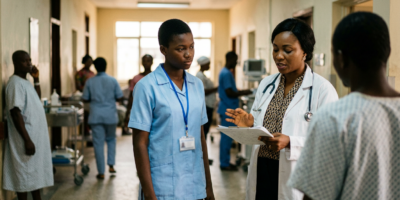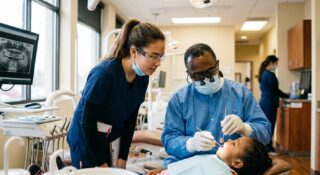
Dental internships for high school students exist, but they look very different from what most teens and parents picture when considering medical internships for high school students. There are no drills, no fillings, no extractions performed by a 16-year-old. What these programs actually offer is structured observation, supervised exposure to clinical settings, community health education, and a chance to see oral healthcare from the inside before committing years to a dental career path. For a student genuinely interested in dentistry, that kind of early, honest exposure matters more than most people realize.
The reason these programs have gained attention is straightforward, especially as summer medical internships for high school students become more popular across healthcare fields. Dental school is expensive, competitive, and long. The American Dental Education Association reports average dental school debt exceeding $290,000 for public school graduates, and dental school acceptance rates hover around 53% for first-time applicants. Students who enter that pipeline without ever having spent meaningful time in a clinical setting risk discovering too late that they do not actually enjoy the work. High school dental internships, when structured properly, help students build realistic expectations and make better decisions about their futures.
What a Dental Internship for a High Schooler Actually Involves
The first thing families should understand is the boundary between observation and practice. High school students in dental internship programs do not treat patients. They do not handle sharp instruments, operate equipment, or make clinical decisions. In the United States and in international programs alike, these students observe licensed providers, assist with non-clinical tasks like organizing supplies or preparing materials, and participate in community oral health education.
A typical day in a structured dental internship might include morning preparation of materials and observation of sterilization protocols, followed by watching dental examinations and screenings. In the afternoon, students might join community education sessions at local schools, where they help demonstrate brushing technique or explain the connection between diet and tooth decay. Evenings often involve reflection sessions or educational discussions led by supervisors about the cases observed that day.
This may sound less exciting than what some program advertisements suggest. But for a student who has never seen a dental clinic from the provider side, the value is real. Watching how a dentist communicates with a nervous patient, learning why infection control matters, and seeing the difference between preventive care and emergency extraction in an underserved setting are experiences that help a student decide whether this career fits them.
If you are a parent reading this, the honest framing matters. Programs that promise high school students hands-on dental procedures should raise a red flag. Legitimate programs are clear about the observational nature of the experience and explicit about what students will and will not do. For more on the general rules and expectations around age requirements and clinical settings for teens, IMA has addressed this directly.
Why Oral Health Exposure Matters Before College
Many students interested in healthcare gravitate toward the idea of becoming a physician, but dentistry is a distinct career with its own rewards and demands. Early exposure helps students understand that distinction.
Dentistry sits at the intersection of clinical care, public health, and patient education in ways that are not always obvious from the outside. The Bureau of Labor Statistics occupational profile for dentists projects 8% job growth from 2022 to 2032, faster than the average across all occupations. But the numbers do not tell the full story. Dentistry involves a specific set of manual skills, a particular kind of patient relationship, and a practice model that differs significantly from hospital-based medicine. Students who spend time observing dental care, even briefly, begin to understand whether those realities appeal to them.
There is also the global health dimension. The World Health Organization reports that oral diseases affect nearly 3.5 billion people worldwide, and in low- and middle-income countries, tooth decay affects 60 to 90 percent of school-age children. For students who care about health equity and prevention, oral health is one of the most tangible areas where the gap between need and access is visible and measurable. An internship that includes community oral health education gives students a way to see that gap firsthand, without pretending they are going to close it in two weeks.
For students still weighing different healthcare fields, it can be helpful to compare this kind of experience with other early clinical exposure options. IMA offers a broader look at structured pre-health internships for high school students across several health disciplines.
Safety, Supervision, and What Parents Should Know
If your child is considering a dental internship, especially one abroad, you have every right to ask hard questions. Good programs expect those questions and answer them directly.
Supervision Structure
In any reputable program, high school students are supervised by licensed healthcare providers during all clinical observation. This means a qualified dentist, dental officer, or clinical officer is present and responsible for every interaction a student observes. Students should never be left alone with patients or asked to perform any clinical task independently. Programs should also have a clear supervisor-to-student ratio during clinical activities and a dedicated program coordinator who is available for non-clinical concerns.
Housing, Communication, and Daily Life
For international programs, housing should be arranged in advance and vetted for safety. Students should have reliable ways to communicate with parents or guardians, whether through Wi-Fi access, phone service, or scheduled check-ins. Ask the program directly: Where will my child sleep? Who else will be in the housing? What happens if there is an emergency at 2 a.m.? If a program cannot answer these questions clearly, that is a problem.
Emotional Readiness
This is a factor that does not get discussed enough. In settings where dental care is limited, students may observe advanced disease, pain, and conditions they have never encountered. A student who has never seen someone in significant dental distress may find it difficult, and that is normal. Good programs build in time for processing, offer peer support, and give students permission to step back when they need to. Parents and students should talk honestly about emotional readiness before applying, not as a reason to avoid the experience, but as a way to prepare for it.
Health and Safety Protocols
Students should be up to date on all recommended vaccinations before departure. Programs should require training in universal precautions and provide personal protective equipment. Emergency medical evacuation insurance should be in place. These are baseline standards, not extras.
How This Experience Relates to Future Applications
Let’s be clear about something: no single internship guarantees admission to dental school, medical school, PA school, or any other program. Admissions committees at schools accredited by organizations like the American Dental Education Association evaluate applicants on a full picture: grades, test scores, research, service, clinical exposure, letters of recommendation, and personal statements.
What a structured dental internship can do is give a student something genuine to write and speak about. A student who has observed oral health screenings in a rural clinic, participated in community education, and reflected on the gap between need and resources has specific, concrete material for a personal statement. That is different from a student who lists “dental shadowing” on an activity sheet but cannot describe what they actually saw or what it meant to them.
The experience also helps students build familiarity with clinical environments, infection control, and professional communication. These are not skills that show up on a transcript, but they matter when a student enters college pre-dental coursework or begins volunteering in a clinic setting. Students who have already spent time in a clinical environment, even as observers, tend to feel less overwhelmed and more purposeful when those opportunities come.
For students weighing whether dental exposure or another health field is the right starting point, it is worth reading about eligibility requirements for early medical internships to compare timelines and expectations across different paths.
Domestic Options Compared to International Programs
Dental shadowing opportunities for high school students exist in the United States, typically through a family dentist, a community health center, or a local dental school’s outreach program. These are worth pursuing. Spending a few days or weeks shadowing a practicing dentist in your own community is a low-cost, low-risk way to begin building clinical exposure.
The difference with an international program is primarily one of context. In a domestic private practice, a student will observe routine cleanings, check-ups, fillings, and cosmetic procedures in a well-equipped office. In an international setting, particularly in areas with limited dental access, the picture is different. Students see what happens when preventive care is unavailable for years. They observe how healthcare providers work with limited equipment and high patient volumes. They participate in public health education rather than individual treatment.
Neither experience is inherently better. They serve different purposes. A student who wants to confirm basic interest in dentistry may benefit most from local shadowing. A student who is already fairly certain about their interest and wants to understand oral health from a public health perspective may find an international program more informative.
The important thing is that any program, domestic or international, is structured, supervised, and honest about what students will do. Avoid any program that promises clinical participation for minors or uses vague language about “hands-on” dental work.
Deciding Whether a Dental Internship Is the Right Fit
Not every student interested in dentistry needs to do a dental internship in high school. Some students are ready at 16; others are better served waiting until college, when they will have more foundational science knowledge and more emotional maturity. Neither timeline is wrong.
Here are some honest questions for students and parents to consider together. Has the student spent any time in a clinical environment before, even briefly? Can the student handle seeing people in pain or distress without becoming overwhelmed? Is the student genuinely interested in oral health specifically, or are they still figuring out which area of healthcare appeals to them? Is the student motivated by their own curiosity, or by pressure from parents, peers, or a college admissions strategy?
If the answer to that last question is pressure rather than genuine interest, the experience is unlikely to be meaningful. Admissions committees can tell the difference between a student who engaged deeply with an experience and one who checked a box. More importantly, the student can tell the difference.
For students who are ready, a structured dental internship offers something valuable: a realistic, supervised look at a career they are considering, set within a broader context of health equity and community health. It will not make them a dentist. It will not guarantee admission to anything. But it can help them figure out whether this is a path worth pursuing, and that kind of clarity is worth a lot.
Frequently Asked Questions
Will my high school student perform any dental procedures during an internship?
No. In any properly structured program, high school students observe dental procedures and participate in non-clinical activities such as community health education and supply organization. They do not treat patients, handle sharp instruments, or operate dental equipment. Direct supervision by licensed providers is required at all times during clinical observation.
How does a dental internship differ from dental shadowing?
Dental shadowing typically involves following a single dentist during their regular practice, often for a few hours or days. An internship is usually longer, more structured, and may include additional components such as community health education, reflection sessions, and exposure to public health approaches alongside clinical observation. Both are observational for high school students, but internships tend to offer a broader perspective on oral healthcare systems.
Is a dental internship in high school necessary to get into dental school?
It is not necessary. Dental school admissions committees evaluate applicants on a combination of academic performance, test scores, clinical exposure, service, and personal qualities. Early clinical exposure can strengthen an application if the student engaged meaningfully and can reflect on the experience with specificity. But many successful dental school applicants build their clinical exposure during college rather than high school.