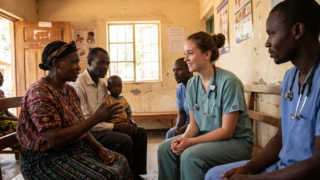
Cultural competency is one of the most consistently cited preparation gaps among students entering clinical training. Medical schools, nursing programs, and allied health institutions increasingly identify the ability to communicate respectfully and effectively across cultural differences as a core professional requirement, not an optional enhancement. Students who participate in high school medical internships in global health settings encounter this requirement directly and early, in ways that domestic clinical observation rarely replicates.
The 2026 updates to the AAMC Premed Competency Framework specifically refined two competencies to reflect this priority. Cultural Humility became Self-Awareness, and Cultural Awareness became Understanding Others, both emphasizing active, reflective engagement with difference rather than passive exposure. For a structured look at how clinical observation in international settings is organized for teen interns, including supervision, safety, and role boundaries, this clinical expectations overview provides the practical foundation students need before beginning any global program.
What Cultural Competency Means in a Clinical Context
Cultural competency in healthcare is not about memorizing facts about different ethnic or national groups. It is the practiced capacity to recognize how a patient’s cultural background, communication norms, beliefs about illness and healing, and relationship to the healthcare system affect their engagement with clinical care, and to adjust professional behavior accordingly.
A physician treating a patient whose cultural background includes deep skepticism of institutional medicine needs to approach informed consent differently than they would with a patient who has extensive prior experience with clinical care. A nurse explaining discharge instructions to a patient whose primary language is not the dominant clinical language needs communication tools that go beyond slower speech and louder repetition. These are not edge cases. They are routine features of clinical work in any diverse healthcare setting.
For high school students, the goal is not to achieve cultural competency in a single program. It is to begin developing the observational habits, reflective practices, and genuine curiosity about difference that cultural competency requires over time.
What Students Observe in Global Health Clinical Settings
In structured international medical programs, students observe cultural competency in practice across every component of the clinical day. The differences are not confined to language. They extend to how patients and providers relate to each other, how illness is understood and explained, how family members participate in clinical decisions, and how community trust in the healthcare system is built and maintained.
In East African clinical settings, for example, students may observe that extended family involvement in patient care decisions is common and expected, rather than the patient-only consent model that dominates in many Western clinical contexts. In Latin American clinic settings, students may observe that community health promoters, known as promotoras, play a significant role in connecting patients to clinical care and that their cultural authority within the community directly affects patient follow-through on clinical recommendations.
These observations are not anecdotal. They reflect documented patterns in how health systems function in different cultural and economic contexts, and understanding them gives students a clinical literacy that purely domestic training does not provide.
Language and Communication in Cross-Cultural Clinical Environments
Language access is one of the most practically important dimensions of cultural competency in clinical settings. In healthcare, communication errors caused by language barriers have direct patient safety consequences. Clinical teams in multilingual settings use professional interpreters, trained bilingual staff, and structured communication tools to manage this risk.
Teen interns in global health programs often have some prior exposure to Spanish or other relevant languages, and structured programs typically include daily language instruction as part of the internship curriculum. The goal of this instruction is not fluency. It is orientation to the linguistic context of care, including the vocabulary of clinical encounters, the cultural norms embedded in language use, and the practical limits of communication without full fluency.
Students who have observed how professional interpreters work in clinical settings, or who have watched a bilingual clinician navigate a patient consultation in a second language, understand something about communication under constraint that classroom language learning does not teach.
Self-Awareness as a Professional Skill
The shift in AAMC language from Cultural Humility to Self-Awareness reflects a recognition that cultural competency begins with an honest assessment of one’s own assumptions. Students who enter global health settings without examining their prior beliefs about healthcare, economic development, patient behavior, or clinical practice in low-resource settings are at risk of misinterpreting what they observe.
A student who arrives in a resource-limited clinic expecting to see inferior medicine may fail to recognize the clinical creativity and community-based knowledge that experienced providers in those settings bring to their work. A student who assumes that patients in low-income communities do not value preventive care may miss the structural barriers that make preventive care difficult to access, rather than viewing it as unvalued.
Self-awareness in this context means noticing these assumptions, questioning them, and remaining open to evidence that challenges them. This is a professional skill that medical schools are increasingly explicit about evaluating, and students who have practiced it in real cross-cultural clinical environments are better equipped to demonstrate it.
Reflective Practice as a Tool for Cultural Learning
Structured reflection is the mechanism through which clinical observation becomes cultural learning. Students who observe a cross-cultural patient interaction and then write privately about what they observed, what surprised them, what assumptions the interaction challenged, and what questions it raised for them are engaging in the kind of professional development that cultural competency training at the graduate level formalizes.
This does not require a specific format. A private journal kept throughout a global health internship, in which the student records observations, questions, and reflections without identifying any patient or clinical situation, serves this function effectively. Over the course of a multi-week program, patterns emerge. Students begin to see which of their prior assumptions held up, which did not, and where their knowledge gaps are most significant.
The American Medical Association’s Ethics resources provide a professional framework for understanding cultural competency as an ethical obligation in clinical practice, which gives students useful context for why this skill is treated as seriously as it is in medical training.
What Admissions Committees Look For in Cross-Cultural Clinical Experience
Medical and nursing school admissions committees are specifically interested in how applicants describe cross-cultural clinical experiences, not merely that they had them. A personal statement that describes an international clinical observation in terms of what the student saw, what it challenged in their thinking, and how it affected their understanding of healthcare as a system demonstrates the reflective capacity that graduate programs are trying to identify.
Students who can articulate the difference between observing poverty and understanding its clinical implications, or between noticing a language barrier and grasping its patient safety consequences, are demonstrating clinical and cultural literacy that is genuinely competitive. Global health internship experience, when accompanied by structured reflection, provides the raw material for exactly this kind of articulate, specific, and honest application narrative.
Frequently Asked Questions
What does cultural competency mean in a healthcare context?
Cultural competency in healthcare is the practiced capacity to recognize how a patient’s cultural background, communication norms, beliefs about illness and healing, and relationship to the healthcare system affect their engagement with clinical care, and to adjust professional behavior accordingly. It is not the memorization of facts about specific ethnic or national groups. It is an ongoing, reflective professional skill that requires self-awareness, genuine curiosity about difference, and the willingness to adjust clinical behavior based on individual patient needs rather than assumptions about group characteristics.
How does an international medical program develop cultural competency in high school students?
International medical programs develop cultural competency through sustained, structured exposure to clinical and community environments where cultural difference is present in every patient interaction. Students observe how providers adjust their communication approach for different cultural contexts, how family involvement in clinical decisions varies across cultures, how community health workers leverage cultural trust to support patient engagement, and how beliefs about illness and healing shape the clinical encounter. This observational exposure, paired with structured daily reflection, develops the self-awareness and curiosity about difference that cultural competency requires.
What did the AAMC change about cultural competency in its 2026 updates?
The 2026 updates to the AAMC Premed Competency Framework renamed two competency categories to better reflect the behaviors medical schools are evaluating. Cultural Humility became Self-Awareness, emphasizing the student’s capacity to examine and question their own assumptions about patients and clinical practice. Cultural Awareness became Understanding Others, focusing on genuine curiosity about individual backgrounds and the ability to adapt professional behavior based on that understanding. Both changes reflect a shift away from passive exposure to difference and toward active, reflective engagement with it.
Why does language instruction matter in a global health internship for high school students?
Language instruction in a global health program gives students orientation to the linguistic context of clinical care in the program’s setting, including the vocabulary of common clinical encounters and the cultural norms embedded in how language is used between patients and providers. The goal is not fluency. It is a functional awareness of how language shapes the clinical relationship and what is lost, clinically and ethically, when communication occurs without shared language. Students who have observed how professional interpreters or bilingual clinicians manage cross-language clinical encounters understand patient communication under constraint in a way that classroom language learning does not teach.
How should a high school student describe cross-cultural clinical experience in a personal statement?
A personal statement describing cross-cultural clinical experience should focus on what the student observed, what it challenged in their prior thinking, and how it changed or refined their understanding of healthcare as a system. Strong descriptions are specific, honest, and reflective. They describe a particular interaction or situation, identify the assumption it tested, and explain what the student concluded. Weak descriptions catalogue activities without analysis or express general enthusiasm without evidence of genuine reflection. Admissions committees distinguish between students who were present in a cross-cultural setting and students who engaged with it thoughtfully.
Is self-awareness actually evaluated in medical school admissions?
Yes. The AAMC explicitly identifies Self-Awareness as a premed competency that admissions committees evaluate through applications, essays, and interviews. Evidence of self-awareness includes the ability to describe one’s own assumptions, acknowledge limitations honestly, reflect on how experiences have changed one’s thinking, and demonstrate openness to perspectives that challenge prior beliefs. Students who have practiced this kind of reflection in the context of cross-cultural clinical exposure are better prepared to demonstrate it in the application process than students who have not had structured opportunities to develop it.
What is the difference between cultural sensitivity and cultural competency for teen interns?
Cultural sensitivity refers to an awareness that cultural differences exist and a general disposition to be respectful of them. Cultural competency is a developed professional skill that involves specific behaviors, including adjusting communication style, seeking clarification rather than making assumptions, recognizing the limits of one’s own cultural perspective, and actively working to understand individual patients rather than generalizing from cultural categories. For teen interns, the goal is to begin developing cultural competency rather than to arrive fully formed. Structured international clinical programs that include reflection components are specifically designed to support this development at the high school level.