

Are you thinking of applying to a Texas medical school? Texas now has 16 places to earn a medical degree: 13 MD programs and three osteopathic (DO) colleges. Each school is unique and notable for what it offers students. Even so, medical schools in Texas are often under-sung, because many pre-med students focus on a short list of nationally “popular” schools. Texas has so much to offer that every pre-med student should take a look at what each Texas medical school is about.
In this guide, we talk about each Texas medical school: where it teaches, the latest class MCAT and GPA it publishes, what the first year costs and the rule that matters most to many applicants, whether the school admits students who are not Texas residents. We also explain TMDSAS, the application service most Texas schools use, and how to make your application stand out. It’s all part of our medical school admissions consulting, and each school profile links to IMA’s full guide for that school.
Key Takeaways
- Texas has 13 MD programs and three DO colleges. The newest MD programs are the University of Texas at Tyler School of Medicine (preliminary LCME accreditation; class statistics posted since entry year 2023) and the University of Houston’s Tilman J. Fertitta Family College of Medicine (provisional LCME accreditation).
- Most Texas schools take applications through TMDSAS. TCU’s Anne Burnett Marion School of Medicine uses AMCAS, and the University of the Incarnate Word School of Osteopathic Medicine uses AACOMAS. Baylor’s MD program uses TMDSAS, but its MD/PhD program uses AMCAS.
- Public Texas medical schools must fill at least 90% of each entering class with Texas residents. Baylor, TCU and UIWSOM do not follow that rule, and TCU and UIWSOM charge one tuition rate to every student.
- UT Southwestern posts the highest class MCAT average in the state: 517 for the Class of 2030, with a 3.93 average GPA.
- The Texas College of Osteopathic Medicine has the lowest tuition in the state for Texas residents, $13,078 for 2026-27. TCU’s $75,700 in tuition and fees is the highest.
- TMDSAS applications for the 2027 entering class were due October 1, 2026. Texas residents take part in the TMDSAS Match, with results announced February 12, 2027.

About Each Texas Medical School
Below is the full list of Texas medical schools. Click a link to read IMA’s full guide to that school, with details on the application process, what the school looks for, campus life, interviews and secondary essay prompts with sample answers.
MD programs
- Baylor College of Medicine (Houston, with a branch campus in Temple)
- Anne Burnett Marion School of Medicine at TCU (Fort Worth)
- University of Texas at Austin Dell Medical School (Austin)
- Long School of Medicine at UT Health San Antonio, now the Joe R. and Teresa Lozano Long School of Medicine at The University of Texas at San Antonio
- McGovern Medical School at UT Health (UTHealth Houston)
- Texas A&M College of Medicine, now the Texas A&M University Naresh K. Vashisht College of Medicine
- Texas Tech University Health Sciences Center Paul L. Foster School of Medicine (El Paso)
- Texas Tech University Health Sciences Center School of Medicine (Lubbock, with clinical campuses in Amarillo and the Permian Basin)
- University of Houston College of Medicine, now the Tilman J. Fertitta Family College of Medicine
- John Sealy School of Medicine at the University of Texas Medical Branch (Galveston)
- University of Texas Rio Grande Valley School of Medicine (Edinburg)
- UT Southwestern Medical School (Dallas)
- The University of Texas at Tyler School of Medicine (Tyler)
DO programs
- Sam Houston State University College of Osteopathic Medicine, the Russell and Glenda Gordy College of Osteopathic Medicine (Conroe)
- University of North Texas College of Osteopathic Medicine, now UNT Health Fort Worth Texas College of Osteopathic Medicine (TCOM)
- University of the Incarnate Word School of Osteopathic Medicine (San Antonio)
All 13 MD programs are listed in the Liaison Committee on Medical Education (LCME) directory. Eleven hold full accreditation, the University of Houston’s Fertitta Family College of Medicine holds provisional accreditation and UT Tyler’s School of Medicine holds preliminary accreditation. All three DO colleges are accredited by the Commission on Osteopathic College Accreditation (COCA), and none of the pre-accredited osteopathic colleges in COCA’s September 2026 directory is in Texas.
Texas Medical Schools Admissions Profile
| School | Degree, type and campuses | Average MCAT | Average GPA | Class size | Applications and outcomes | Class or cohort | Source |
|---|---|---|---|---|---|---|---|
| Baylor College of Medicine | MD, private; Houston (Texas Medical Center) and a branch campus in Temple | Not published | Not published | 226 first-time matriculants | Not published | Entering class 2026 | Baylor 2026-2027 enrollment statistics, checked October 17, 2026 |
| Anne Burnett Marion School of Medicine at TCU | MD, private; Fort Worth | 513 | 3.81 | 60 | Not published | Entering class of 2026 (Class of 2030) | TCU Burnett 2026 Class Profile and How to Apply page, checked October 17, 2026 |
| Dell Medical School at UT Austin | MD, public; Austin | Not published | Not published | 50 | Not published | Current class size | Dell Med admissions FAQs, checked October 17, 2026 |
| Long School of Medicine at UT San Antonio | MD, public; San Antonio | Not published | Not published | 234 | About 1,000 interviewed each cycle | Class of 2030 (entered July 2026) | UT San Antonio white coat news story (September 2026); Long SOM interview page, checked October 17, 2026 |
| McGovern Medical School | MD, public; Houston (Texas Medical Center) | 512 (mean) | 3.84 | 240 | Not published | Class of 2029 (entered 2025) | McGovern facts and figures, checked October 17, 2026 |
| Texas A&M Vashisht College of Medicine | MD, public; Bryan-College Station, Dallas, Houston and Round Rock | Not published | Not published | 200 per year | 740 interviewed per year on average (last five years) | Current | Texas A&M MD degree and FAQ pages, checked October 17, 2026 |
| Paul L. Foster School of Medicine | MD, public; El Paso | 509 (mean) | 3.84 (science 3.81) | 130 | 4,814 applicants; 656 interviewed | Entry year 2025 | Foster School of Medicine class profile, checked October 17, 2026 |
| Texas Tech School of Medicine (Lubbock) | MD, public; Lubbock, with clinical campuses in Amarillo, Covenant (Lubbock) and Odessa | Not published | Not published | 182 (estimated) | 5,200 to 6,000 applicants a year | Current | TTUHSC MD program page and admissions FAQ, checked October 17, 2026 |
| UH Fertitta Family College of Medicine | MD, public; Houston; LCME provisional accreditation | Not published | Not published | 480 students at full enrollment | Not published | Current | UH College of Medicine home page, checked October 17, 2026 |
| UTMB John Sealy School of Medicine | MD, public; Galveston, with UTMB Health hospitals in League City, Angleton Danbury and Clear Lake | About 513 | About 3.78 | About 230 | Not published | No class year given | UTMB School of Medicine admission policies and FAQs, checked October 17, 2026 |
| UTRGV School of Medicine | MD, public; Edinburg and clinical sites across the Rio Grande Valley | Not published | Not published | 55 | 4,738 applications; 510 interviewed | Class of 2026 (entered 2022), newest posted | UTRGV Class of 2026 statistics and admissions FAQ, checked October 17, 2026 |
| UT Southwestern Medical School | MD, public; Dallas | 517 (mean) | 3.93 | 239 | Not published | Class of 2030 (entered 2026) | UT Southwestern class profile, checked October 17, 2026 |
| UT Tyler School of Medicine | MD, public; Tyler; LCME preliminary accreditation | 503 | 3.81 | 40 | 309 interviewed | Entry year 2025 | UT Tyler School of Medicine admissions statistics, checked October 17, 2026 |
| Sam Houston State Gordy College of Osteopathic Medicine | DO, public university; Conroe | Not published | Not published | 162 first-year matriculants | Not published | 2024-25 academic year | Choose DO Explorer profile for SHSU-GCOM, checked October 17, 2026 |
| Texas College of Osteopathic Medicine (TCOM) | DO, public; Fort Worth | 507.2 | 3.82 (BCPM 3.75) | 233 | 4,495 applications; 683 interviews; 435 acceptances | Fall 2025 entering class | TCOM admissions statistics, checked October 17, 2026 |
| UIW School of Osteopathic Medicine | DO, private (Catholic); San Antonio | 506 | 3.7 (science 3.6) | 159 matriculated (Class of 2025) | 3,595 applications; 883 interviewed (Class of 2025) | Averages: entering class of 2026; counts: Incoming Class of 2025 | UIWSOM admission information and admissions FAQ, checked October 17, 2026 |
Texas Medical Schools Cost and Residency Rules
| School | First-year tuition (Texas resident / nonresident) | First-year cost of attendance (resident / nonresident) | Who may apply | Nonresidents in the latest class | Secondary fee and service | Source |
|---|---|---|---|---|---|---|
| Baylor College of Medicine | $19,682.50 / $32,782.50 tuition (2026-27) | $65,462.85 / $78,784.85, Houston campus (2026-27) | Texas and out-of-state applicants judged on the same criteria; no state cap; MD program does not accept international or DACA applicants | 26 of 226 (25 other U.S., 1 international), entering 2026 | $100, all applicants; TMDSAS (MD/PhD: AMCAS) | Baylor tuition and fees, enrollment statistics, admissions FAQs and supplemental application pages, checked October 17, 2026 |
| TCU Burnett School of Medicine | $75,700 tuition and fees, one rate (2026-27) | $114,492, one rate (2026-27) | No state preference; coursework from accredited U.S. or Canadian schools | 23 California residents alone in the entering class of 2026 | $100, waived for AAMC fee assistance; AMCAS | TCU Burnett cost of attendance, FAQ, How to Apply and 2026 Class Profile, checked October 17, 2026 |
| Dell Medical School | $22,074 / $37,138 tuition and fees, fixed for four years (2026 incoming class) | Not published | No more than 10% nonresidents (about five seats); U.S. citizens and permanent residents | Not published | Video secondary by invitation, free portal; TMDSAS | Dell Med FAQs and application details; UT Austin tuition rates, checked October 17, 2026 |
| Long School of Medicine | $21,823 / $37,239 tuition, plus $4,631 in fees (2026-27) | $61,389 / $76,805 (2026-27) | Up to 10% nonresidents; U.S. citizens and permanent residents | Not published | No secondary application; TMDSAS (MD/PhD: AMCAS) | Long SOM 2026-27 cost of attendance PDF and admissions requirements, checked October 17, 2026 |
| McGovern Medical School | $21,083 / $28,738 tuition, fees separate (2026-27) | Not published | No more than 10% nonresidents; U.S. citizens, permanent residents or pending permanent residents may interview | 13 of 240, Class of 2029 | $80; TMDSAS (MD/PhD: AMCAS) | UTHealth Houston 2026-2027 catalog; McGovern facts and figures; TMDSAS secondary list, checked October 17, 2026 |
| Texas A&M Vashisht College of Medicine | About $23,778 / $36,878 tuition and required fees (Fall 2026 plus Spring 2027) | Not published as a single total | No more than 10% nonresidents; U.S. citizens and permanent residents | Not published | $75, all applicants; TMDSAS (MD/PhD: AMCAS) | Texas A&M tuition calculator rates; MD degree and requirements pages, checked October 17, 2026 |
| Paul L. Foster School of Medicine | $21,483.80 / $36,434.80 tuition and fees (current page; year not printed) | $50,590 / $63,690 | About 90% Texas residents; U.S. citizens and permanent residents | 11 of 130, entry year 2025 | $100; TMDSAS | Foster School of Medicine tuition and expenses, class profile and how-to-apply pages, checked October 17, 2026 |
| Texas Tech School of Medicine (Lubbock) | $23,982.97 / $37,082.97 tuition and fees (2026-27) | Not published for 2026-27 | About 10% nonresidents under the 90/10 rule; U.S. citizens and permanent residents | Not published | Secondary required of all applicants, fee not stated; TMDSAS only | TTUHSC 2026-2027 first-year tuition estimate; SOM admissions FAQ and requirements, checked October 17, 2026 |
| UH Fertitta Family College of Medicine | $24,268 / $37,368 tuition including fees (2026-27) | $56,614 / $69,714 (2026-27) | No more than 10% nonresidents; U.S. citizens and permanent residents | Not published | $60 by invitation, waivers available; TMDSAS only | UH 2026-2027 MD cost of attendance PDFs; admissions FAQs and application process, checked October 17, 2026 |
| UTMB John Sealy School of Medicine | $27,470.50 / $42,436.50 tuition and fees, excluding health insurance (2026-27) | Not published | No more than 10% nonresidents; U.S. citizens and permanent residents | Not published | $70 by invitation; TMDSAS | UTMB School of Medicine fee sheet details, admission requirements and FAQs, checked October 17, 2026 |
| UTRGV School of Medicine | $22,372 / $35,472 tuition and fees (2026-27) | $61,617 / $74,717 living off campus (2026-27) | No more than 10% nonresidents; U.S. citizens and permanent residents | 2 of 55, Class of 2026 (entered 2022) | By invitation, fee amount not published; TMDSAS | UTRGV cost of attendance, admissions FAQ and Class of 2026 statistics, checked October 17, 2026 |
| UT Southwestern Medical School | $25,436 / $38,536 tuition and fees (2026-27) | $66,847 / $79,947 (2026-27) | No more than 10% nonresidents; U.S. citizens and permanent residents | Not published | No fee; TMDSAS (MD/PhD: AMCAS) | UT Southwestern medical cost of attendance and admissions pages; TMDSAS secondary list, checked October 17, 2026 |
| UT Tyler School of Medicine | $22,572 / $38,512 tuition and fees (2026-27) | $60,935 / $76,875 not living with family (2026-27) | Nonresidents admitted; strong interest in East Texas; U.S. citizens and permanent residents | 3 of 40, entry year 2025 | Four-essay secondary, fee not published; TMDSAS | UT Tyler School of Medicine tuition, admissions statistics and FAQ, checked October 17, 2026 |
| SHSU Gordy College of Osteopathic Medicine | $26,500 / $41,600 program fee (2026-27) | $60,340 / $76,080 (year 1) | U.S. citizens, permanent residents or those lawfully present and eligible for Texas residency classification | Not published | $75, no waiver; TMDSAS | SHSU cost of attendance (revised March 1, 2026); Choose DO Explorer profile; SHSU-COM how to apply, checked October 17, 2026 |
| Texas College of Osteopathic Medicine (TCOM) | $13,078 / $28,766 tuition (2026-27) | $60,308 / $75,996 (DO year 1) | At least 90% of seats for Texas residents; 10% open to nonresidents | 15 of 233, fall 2025 | $75; TMDSAS | TCOM admissions statistics, FAQ and requirements; UNT Health DO year 1 cost of attendance; Choose DO Explorer, checked October 17, 2026 |
| UIW School of Osteopathic Medicine | $64,875, one rate (2026-27) | $101,157 (fall 2026 plus spring 2027) | No resident or nonresident distinction in cost | 22% out of state, Incoming Class of 2025 | $50, waived with AACOMAS fee assistance; AACOMAS | UIWSOM financial assistance page and FAQ; UIW 2026-2027 cost of attendance, checked October 17, 2026 |
A few notes on reading these tables. An acceptance rate is the number of applicants offered admission divided by the number who applied. Among Texas schools, only TCOM publishes both numbers: 435 acceptances on 4,495 applications for the fall 2025 class, or about 9.7%. Other schools publish applications, interviews or matriculants, but not offers, so their acceptance rates cannot be calculated from their own figures. Dividing matriculants by applicants understates the real acceptance rate, because some admitted students enroll elsewhere. Costs are also reported differently: some schools fold fees into tuition and some list them separately, and the cost of attendance adds living expenses. IMA’s guide to the cost of medical school explains how tuition, fees and living costs add up over four years.
TMDSAS: How Most Texas Medical Schools Take Applications
The TMDSAS (Texas Medical and Dental Schools Application Service) is a centralized application for Texas medical, dental, podiatry and veterinary schools. Every Texas resident who applies to a participating school must apply through TMDSAS, and you submit one application per cycle to as many participating schools as you like for a flat $235 fee.
For the 2027 entering class, 14 medical programs take applications through TMDSAS: Baylor College of Medicine, Dell Medical School, the Long School of Medicine, McGovern Medical School, Sam Houston State’s Gordy College of Osteopathic Medicine, the Texas A&M Vashisht College of Medicine, Texas Tech’s Foster School of Medicine in El Paso, Texas Tech’s School of Medicine in Lubbock, UH’s Fertitta Family College of Medicine, TCOM, UTMB’s John Sealy School of Medicine, UTRGV, UT Southwestern and UT Tyler.
Two Texas schools do not participate. TCU’s Burnett School of Medicine is “not on the TMDSAS application site at this time” and takes applications through AMCAS. UIW’s School of Osteopathic Medicine, as a private osteopathic school, takes applications through AACOMAS.
Some dual-degree programs also run on AMCAS. Baylor’s MD/PhD applicants complete AMCAS, not TMDSAS. The MD/PhD programs at UT Southwestern, McGovern, the Long School of Medicine and Texas A&M also use AMCAS, and an applicant who also wants to be considered for those schools’ MD-only programs must submit a TMDSAS application as well. Texas Tech’s Lubbock School of Medicine takes every program, including MD/PhD, through TMDSAS only, and UTMB’s MD/PhD applicants complete the MD/PhD component of the TMDSAS application. Texas A&M also lets nonresident applicants to its EnMed engineering medicine track apply through either AMCAS or TMDSAS.
Key TMDSAS dates for the 2027 entering class:
- May 1, 2026: the application opened; submission opened May 15.
- August 1, 2026: deadline for Early Decision Programs at Texas Tech’s Lubbock School of Medicine, TCOM and UTRGV, and for Texas A&M’s Engineering to Medicine early admission program.
- October 1, 2026: submission deadline for medical programs, 11:59 p.m. CST. TMDSAS does not grant extensions.
- October 15, 2026: medical schools begin extending offers, and letters of evaluation should be uploaded.
- January 29, 2027: deadline to rank school preferences for the TMDSAS Match (Texas residents who have interviewed).
- February 12, 2027: Match results are announced and the rolling admissions period begins.
- April 30, 2027: applicants holding more than one offer must choose a school.
Read IMA’s complete TMDSAS application guide for a section-by-section walk-through, and see “Standing Out With Your TMDSAS Application” below for the essay and activity limits. TMDSAS asks you to list healthcare activities such as shadowing, scribing and direct patient care, and pre-health internships with supervised patient contact belong in that section.
Which Texas Medical Schools Admit Nonresidents?
Residency shapes your chances in Texas more than almost any other factor. Texas law requires public medical schools to fill at least 90% of each entering class with Texas residents, so no more than 10% of seats can go to nonresidents. Here is where each program stands:
- Public MD schools: up to 10% nonresidents. UT Southwestern, McGovern, the Long School of Medicine, UTMB, Dell, UTRGV, Texas A&M, Texas Tech in Lubbock, Texas Tech’s Foster School of Medicine and UH all state the 90/10 rule. Dell notes that with a class of about 50, that means about five nonresident seats. In the latest classes that schools report, McGovern enrolled 13 nonresidents among 240 students, Foster enrolled 11 among 130 and UTRGV enrolled 2 among 55.
- UT Tyler: nonresidents admitted, East Texas preferred. The school looks for “students who are invested in improving the health of East Texas.” Its entry year 2025 class included 3 nonresidents among 40 students.
- TCOM: at least 90% Texas residents. TCOM plans for about 230 first-year students and states that “the remaining 10% are open to non-residents.” The fall 2025 class had 218 Texas residents and 15 nonresidents.
- Sam Houston State’s Gordy College of Osteopathic Medicine: applicants must be U.S. citizens, permanent residents or individuals lawfully present in the United States who are eligible for Texas residency classification without visa sponsorship. Nonresidents pay a higher program fee ($41,600 versus $26,500 for 2026-27).
- Baylor College of Medicine: no state cap. Baylor is private, and its admissions committee “uses the same criteria to evaluate applicants whether they are in-state or out-of-state residents.” Its 2026 entering class of 226 included 25 students from other U.S. states and one international student. Texas residents pay lower tuition ($19,682.50 versus $32,782.50 for 2026-27).
- TCU Burnett School of Medicine: no state preference. TCU is private, charges one tuition rate and draws students from across the country. Its entering class of 2026 included 23 California residents alone.
- UIW School of Osteopathic Medicine: no state preference in cost. UIWSOM “does not distinguish between resident and non-resident for educational costs.” The Incoming Class of 2025 was 78% Texas residents and 22% out of state.
If you live outside Texas, your strongest options are Baylor, TCU and UIWSOM, with the public schools as possibilities for a small number of very strong nonresident applicants. If you are a Texas resident, you can apply to all 16, and the public schools were built with you in mind. Most public Texas schools consider only U.S. citizens and permanent residents, and Baylor’s MD program does not accept international or DACA applicants, so check each school’s citizenship rules before you apply.
Texas Medical School Profiles
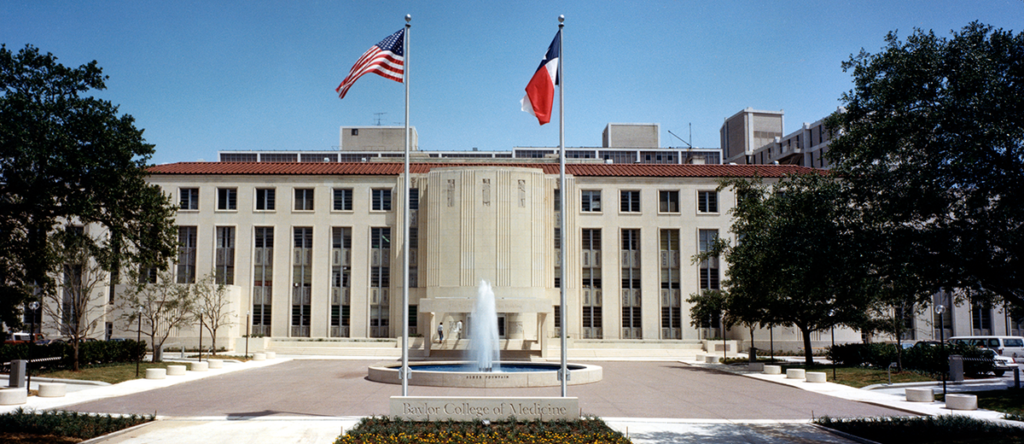
Baylor College of Medicine
Baylor College of Medicine is the first Texas medical school that many pre-med students think of. The name “Baylor” is simply really popular, and some applicants assume the medical school is in Waco. It is not: Baylor College of Medicine is in Houston, at the heart of the Texas Medical Center, which Baylor describes as “the largest medical center in the world.” It also runs a branch campus in Temple at Baylor Scott & White Medical Center-Temple, and students stay at their assigned campus for all four years. Baylor is one of the best-known medical schools in Texas and in the nation, and it works with multiple hospitals and institutions to give students as many opportunities as possible.
Baylor College of Medicine stands in a unique position among medical schools in Texas. The school is private, but Texas residents pay much lower tuition than nonresidents: $19,682.50 versus $32,782.50 for 2026-27. With living costs, the first-year cost of attendance on the Houston campus is $65,462.85 for Texas residents and $78,784.85 for nonresidents. That pricing makes Baylor affordable for Texas residents, and because it has no 90% residency rule, many out-of-state students apply to Baylor as well. Its 2026 entering class of 226 first-time students included 200 Texas residents, 25 students from other U.S. states and one international student.
Baylor College of Medicine’s MD program uses the Texas Medical and Dental School Application Service rather than the American Medical College Application Service. All traditional MD applicants complete a TMDSAS application, and every applicant then receives Baylor’s supplemental application, which carries a $100 fee. MD/PhD applicants to Baylor’s Medical Scientist Training Program are the exception: they complete AMCAS, not TMDSAS. Public Texas medical schools do not choose between the two services for their MD programs; they all use TMDSAS, and AMCAS comes into play mainly for some MD/PhD programs and for TCU. Baylor does not publish a class MCAT or GPA average on its own site.
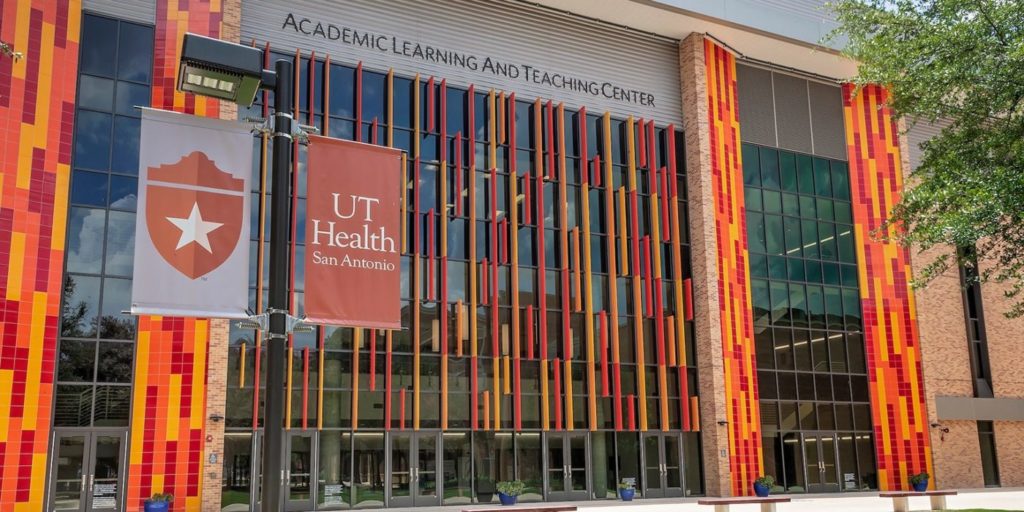
UT Health Science Center at San Antonio Long School of Medicine
The Long School of Medicine is now the Joe R. and Teresa Lozano Long School of Medicine at The University of Texas at San Antonio, following the merger of UT Health San Antonio into UT San Antonio. It focuses on health care for Texas, and its mission is “to provide education, research, and service of the highest quality in order to meet the health-related needs of the citizens of Texas.” It is not uncommon for students to graduate and then stay in San Antonio and South Texas to serve local residents.
During your time at Long School of Medicine, you can earn distinctions in research, medical education or medical humanities. The school also offers MD/MBA, MD/MPH and MD/PhD options; the South Texas Medical Scientist Training Program takes applications through AMCAS. Long School of Medicine partners with the South Texas Veterans Health Care System, and the VA hospital serves as a clinical training site, which allows students to care for veterans and gain broader clinical experience.
The Class of 2030 brought 234 new students to San Antonio in July 2026. The school does not publish class MCAT or GPA averages, and it selects about 1,000 applicants for interviews each cycle. Long School of Medicine does not have a secondary application; interviewees complete Casper and a one-way video interview instead. For 2026-27, first-year tuition is $21,823 for Texas residents and $37,239 for nonresidents, plus $4,631 in fees, and the first-year cost of attendance is $61,389 for residents and $76,805 for nonresidents. Out-of-state students are eligible for competitive scholarships that allow them to pay in-state tuition. Check out our comprehensive guide to getting into Long School of Medicine for more details.
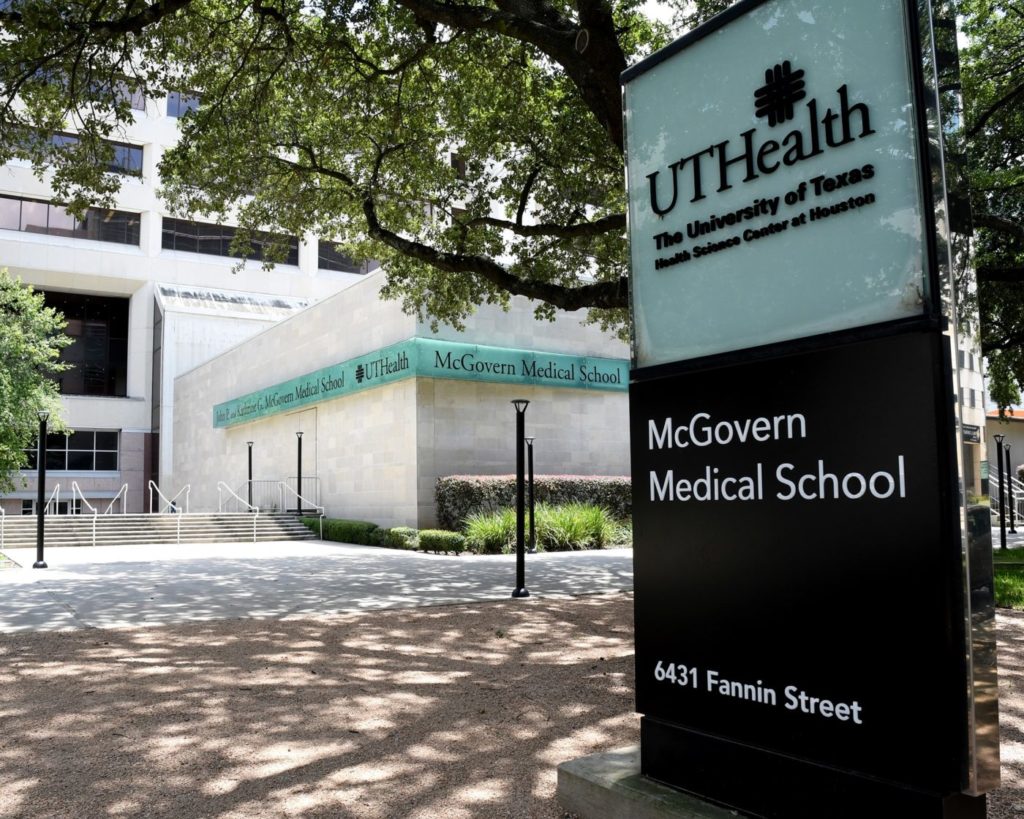
McGovern Medical School at UT Health Science Center Houston
McGovern Medical School at UTHealth Houston is one of the largest medical schools in the country. It describes itself as the 11th-largest medical school in the United States, with 1,132 total students, and it is the largest of UTHealth Houston’s schools. More students apply to McGovern than to any other public medical school in Texas.
McGovern helps new medical students adapt by grading its first-semester courses pass/fail, and it offers an optional Scholarly Concentration Program with a faculty-mentored independent project. Like Baylor, McGovern sits in the Texas Medical Center, and students train at Memorial Hermann-Texas Medical Center, Harris Health’s Lyndon B. Johnson Hospital and other Houston hospitals. If you want to attend a large school with plenty of opportunities for learning and growth, check out McGovern Medical School.
McGovern’s incoming Class of 2029 (entered 2025) had 240 students, with a 512 average MCAT and a 3.84 average GPA; 227 were Texas residents and 13 came from out of state. Tuition for 2026-27 is $21,083 for residents and $28,738 for nonresidents, with fees billed separately. McGovern’s secondary application fee is $80, and MD/PhD applicants, who train with the MD Anderson UTHealth Houston Graduate School, apply through AMCAS.
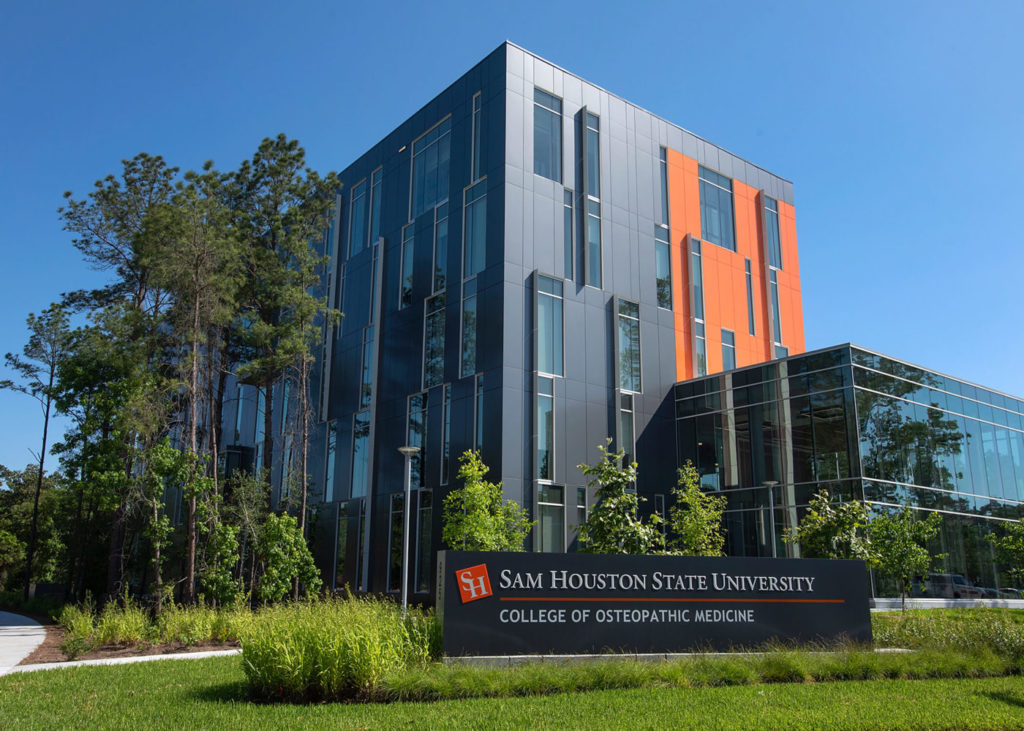
Sam Houston State University College of Osteopathic Medicine
Sam Houston State University College of Osteopathic Medicine, now named the Russell and Glenda Gordy College of Osteopathic Medicine, is one of three osteopathic medical schools in Texas. It opened in 2020 in Conroe, north of Houston, and graduated its first class in 2024. A significant part of its mission is “to increase the physician workforce in the eastern region of Texas and to increase access to primary care,” and it recruits applicants from areas where they would likely want to return and practice. That focus exists because East Texas needs more doctors.
Primary care and rural medicine take center stage in SHSU’s curriculum. Its mission emphasizes “primary care and rural practice,” and 56% of its 2024 and 2025 graduates matched into primary care specialties, while 61% matched in Texas. So, if you want to be an osteopathic physician focused on primary care or rural medicine, this Texas medical school belongs on your list. IMA’s full guide to Sam Houston State University College of Osteopathic Medicine covers the school in detail.
SHSU-COM is part of a public university, and it charges a program fee rather than standard tuition. For 2026-27, the program fee is $26,500 for Texas residents and $41,600 for nonresidents, and the year 1 cost of attendance is $60,340 and $76,080. That is higher than TCOM’s resident tuition but well below the private Texas schools, and the school calls itself one of the most affordable osteopathic medical schools for Texas residents. SHSU-COM takes applications through TMDSAS and follows the TMDSAS Match, then fills seats through rolling admissions. It has no minimum GPA or MCAT, and it does not publish class averages. Its 2024-25 first-year class had 162 students. The supplemental application fee is $75, and Casper is required.
TCU and UNTHSC School of Medicine
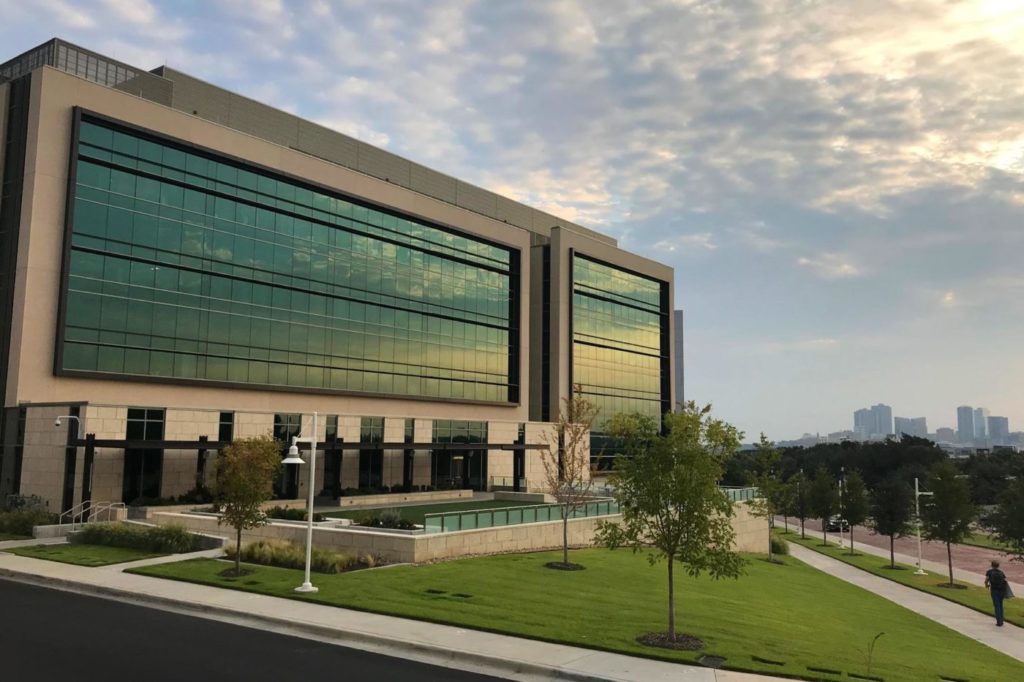
The school that opened as the TCU and UNTHSC School of Medicine is now the Anne Burnett Marion School of Medicine at TCU, a newer private medical school in Fort Worth that earned full LCME accreditation. Its mission is “to transform health care by inspiring Empathetic Scholars.” That mission defines how the curriculum is taught and what students are exposed to, from medical humanities and physician communication to a longitudinal integrated clerkship in which students follow their own panel of patients over time.
After an introductory course, TCU teaches basic, clinical and behavioral sciences by organ system, “primarily using structured small group learning.” Weekly small-group Learning and Pondering Sessions connect basic science with clinical skills and patient care. This turns the classroom from a lecture hall into a learning space where students are actively involved.
TCU stands out with its application process. It uses AMCAS instead of TMDSAS. The school is private and charges one rate to every student: $75,700 in tuition and fees for 2026-27, with a first-year cost of attendance of $114,492. With only 60 seats, admission is competitive. TCU’s entering class of 2026 averaged a 513 MCAT and a 3.81 GPA, and 23 of its students are California residents. Applicants with four or fewer MCAT attempts and at least 90 completed credit hours may receive a secondary invitation; the secondary costs $100, with a waiver for AAMC fee assistance recipients, and Casper is required. For the 2027 entering class, the AMCAS deadline is November 15, 2026 and the secondary deadline is December 15, 2026. Read IMA’s guide to the Anne Burnett Marion School of Medicine at TCU for more.
Texas A&M College of Medicine
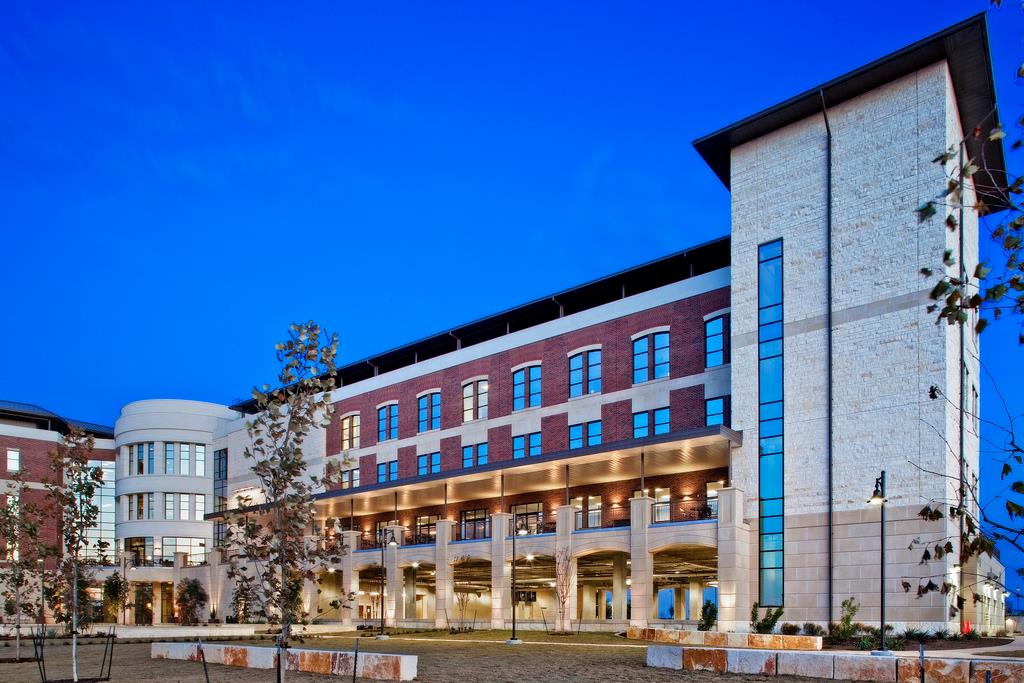
The Texas A&M College of Medicine became the Texas A&M University Naresh K. Vashisht College of Medicine on August 9, 2025. It enrolls 200 students per year and has four campus locations: Bryan-College Station, Dallas, Houston and Round Rock.
All students complete an 18-month pre-clerkship phase before clerkships. Students on the Bryan-College Station track stay there for all four years. Students on the Dallas and Round Rock tracks spend the first 12 months in Bryan-College Station and then move to their campus. Students on the Houston track complete 18 months in Bryan-College Station before moving to Houston for clinical training, and students in EnMed, the engineering medicine track run with Houston Methodist, spend all four years in the Texas Medical Center. Each campus offers unique opportunities.
Texas A&M is a land-grant university, and its medical school supports a Rural Medicine Program and community-based training across rural and urban Texas. For pre-med students interested in military health, Texas A&M runs an Aerospace, Austere and Military Medicine program, plus early admission pathways through TMDSAS for Corps of Cadets students (Cadet to Medicine) and military academy students (Military Academy to Medicine). Other early admission programs include Aggie to Medicine, Premed Fellows and Rural and Underserved Populations to Medicine.
Texas A&M does not post class MCAT or GPA averages. Over the last five years it has interviewed 740 applicants a year on average. Every applicant receives the secondary application, which has a $75 fee. Based on the university’s Fall 2026 and Spring 2027 rates, first-year tuition and required fees total about $23,778 for Texas residents and $36,878 for nonresidents. By state mandate, nonresidents may not exceed 10% of enrollment.
Texas Tech University Health Sciences Center Paul L. Foster School of Medicine at El Paso
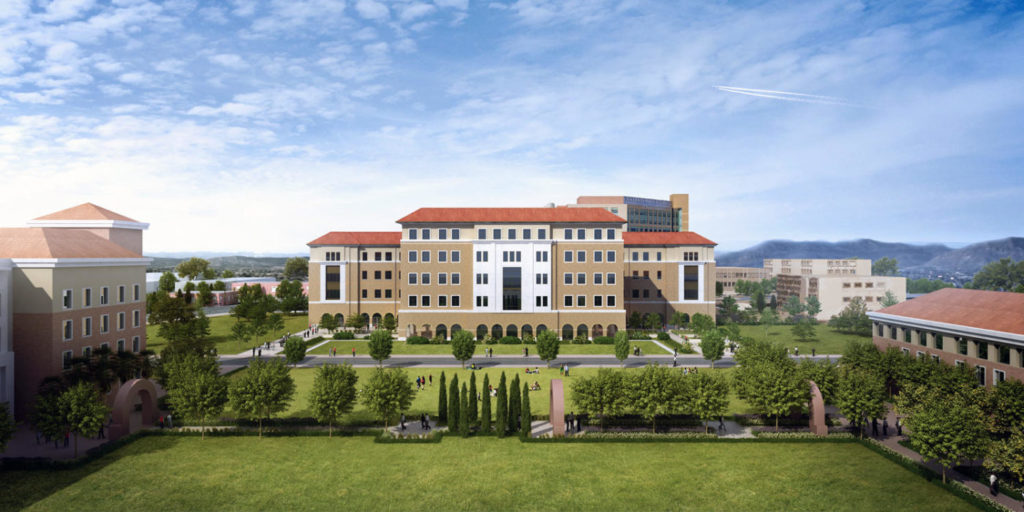
The Paul L. Foster School of Medicine belongs to Texas Tech Health El Paso (Texas Tech University Health Sciences Center at El Paso), which operates separately from the Lubbock health sciences center. It enrolled its first class in July 2009. The school’s vision is “to promote wellness and relieve suffering through excellence in clinical service, innovation, and leadership in border healthcare,” and its mission is to “serve the needs of our border region and beyond.” It works toward that vision through everything it does.
The Foster School of Medicine focuses on the socially and culturally diverse populations of the border region, including patients who face real barriers to care. Located in El Paso, at the border of Texas and Mexico, the school gives students daily opportunities to live out that mission.
Unique requirements set the Foster School of Medicine apart. Every student takes medical Spanish throughout medical school so they can care for patients who speak Spanish at home. This narrows the health care gap and improves the quality of care that underserved patients receive. Students who want more Spanish-language clinical practice before medical school sometimes look at a medical internship in Peru.
The Foster School of Medicine publishes one of the most complete class profiles in Texas. In entry year 2025, it received 4,814 applications, interviewed 656 applicants and enrolled 130 students with a 509 average MCAT, a 3.84 overall GPA and a 3.81 science GPA; 119 were Texas residents and 11 were not. Tuition and fees are $21,483.80 for residents and $36,434.80 for nonresidents, and the first-year total with expenses is $50,590 and $63,690. The secondary application fee is $100. IMA’s full guide to the Texas Tech University Health Sciences Center Paul L. Foster School of Medicine has more.
Texas Tech University Health Sciences Center School of Medicine at Lubbock
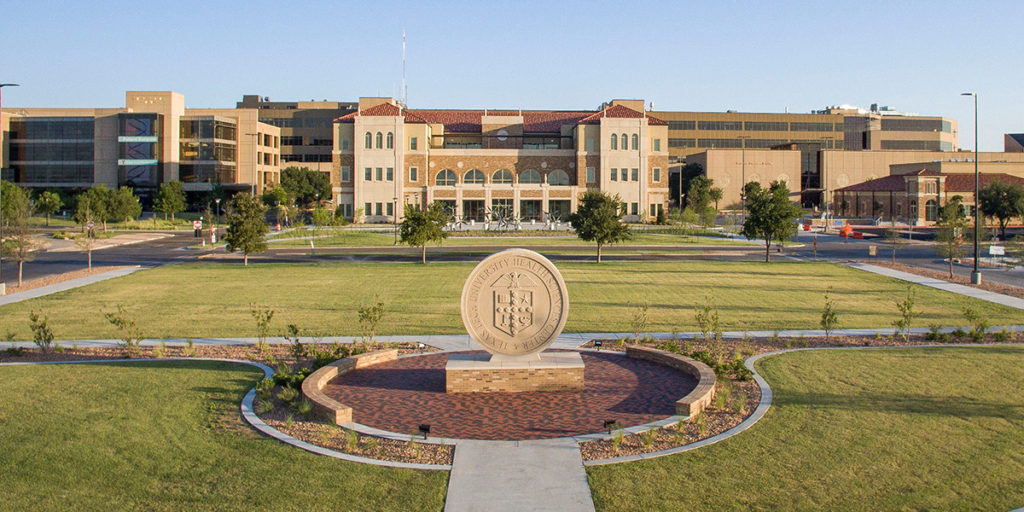
The Texas Tech University Health Sciences Center School of Medicine at Lubbock serves West Texas. Its mission draws on “the expertise and insight forged in our communities across West Texas,” and its secondary application asks about your ties to the region. If you want to help fill gaps in care and address disparities in rural West Texas, this Texas medical school is the place for you.
Students spend about 18 months of pre-clerkship training in Lubbock and then move to one of four clinical training sites in their third year: Lubbock, Amarillo, Covenant or Odessa in the Permian Basin. Texas Tech also offers the Family Medicine Accelerated Track (FMAT), a three-year MD that leads into a family medicine residency in Lubbock, Amarillo or Odessa, and dual degrees in medicine and engineering, business, law, public health and biomedical research.
The school estimates a class size of 182 and receives 5,200 to 6,000 applications a year. It takes applications only through TMDSAS and has not accepted AMCAS for any program since 2021. Its secondary application is required of all applicants. For 2026-27, first-year tuition and fees are estimated at $23,982.97 for Texas residents and $37,082.97 for nonresidents. Texas Tech held its LCME review in 2025 and received full accreditation for an eight-year term. IMA does not yet have a dedicated guide to the Lubbock school.
University of Houston College of Medicine
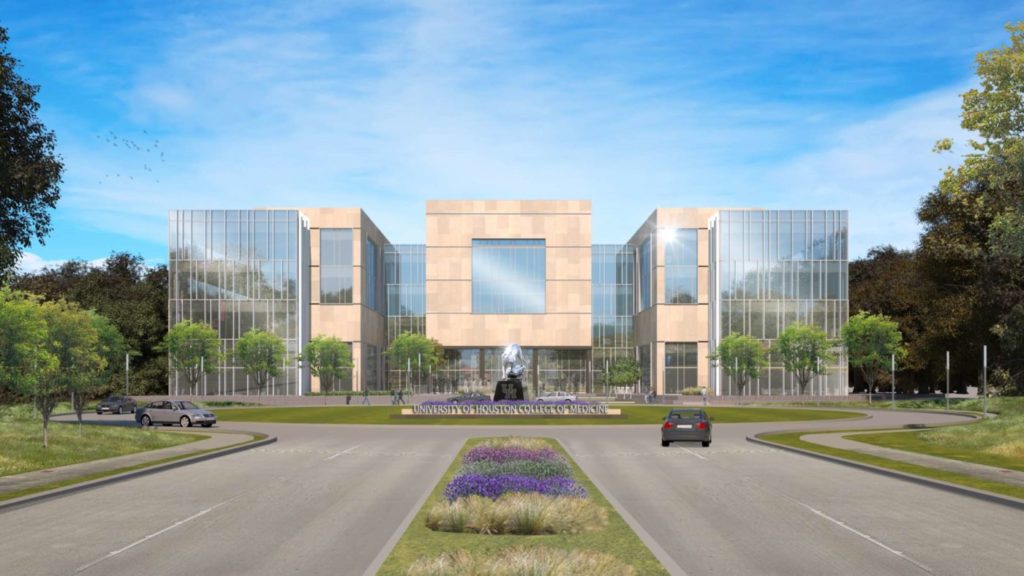
The University of Houston College of Medicine, now the Tilman J. Fertitta Family College of Medicine, is another new Texas medical school. It holds provisional LCME accreditation, and the LCME’s next review was set for October 2026. Out of all the medical schools in Texas, UH stands out for its focus on primary care: it is “accountable to society for improving the overall health and healthcare of the population of Greater Houston, Texas and beyond,” with a focus on primary care and other needed specialties such as psychiatry and general surgery.
UH wants doctors who will practice in urban and rural areas, with an emphasis on prevention and the non-medical drivers of health such as food insecurity, housing and the environment. Students spend a half day each week in a primary care clinic throughout the curriculum, and applicants inclined toward primary care are prioritized.
UH started with a small inaugural class and is growing toward 480 students at full enrollment, or 120 per class. The Class of 2030 received its white coats in summer 2026. UH does not publish class MCAT or GPA averages. It uses TMDSAS and does not participate in AMCAS. Selected applicants receive a secondary application with a $60 fee, and fee waivers are available. For 2026-27, M1 tuition including fees is $24,268 for Texas residents and $37,368 for nonresidents, and the M1 cost of attendance is $56,614 and $69,714.
University of the Incarnate Word School of Osteopathic Medicine
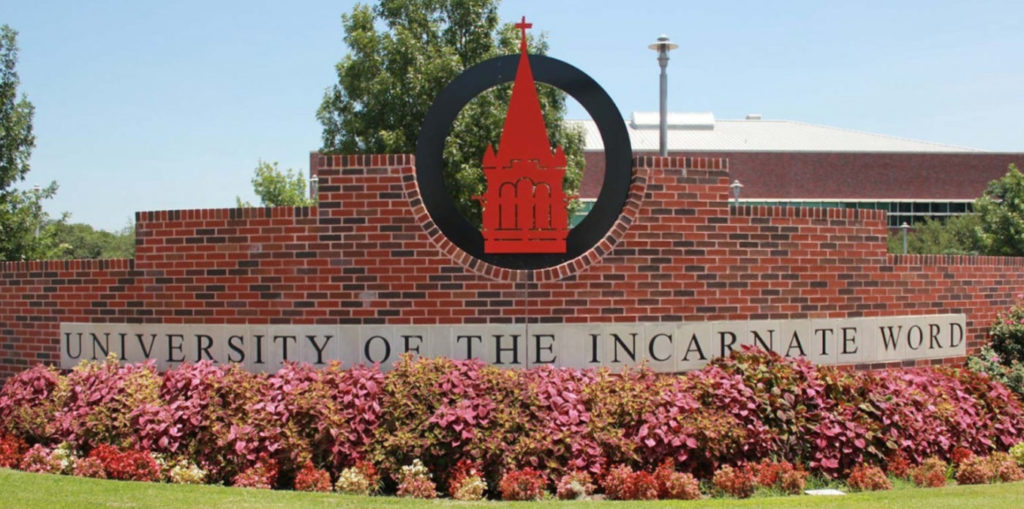
Located in San Antonio, the University of the Incarnate Word School of Osteopathic Medicine is a private college focusing on osteopathic medicine. The University of the Incarnate Word has been around for many years, but its School of Osteopathic Medicine is newer: it admitted its first class of 162 students in July 2017 and earned full COCA accreditation in May 2021. It sits at the UIW Medical Campus at Brooks.
UIW’s focus is on primary care and serving the underserved, specifically in South Texas, and the school prepares physicians for “the ethical, compassionate, and altruistic practice of medicine.” Its mission is to prepare students “for successful careers as patient-centric physicians, committed to serving the communities of San Antonio and South Texas.” UIW is the largest Catholic university in Texas, but you do not have to be Catholic to attend; it “welcomes persons of diverse backgrounds.”
UIW uses the American Association of Colleges of Osteopathic Medicine Application Service instead of TMDSAS. Its 2026-2027 cycle closes March 15, 2027, and admissions are rolling until its 150 seats are filled. The entering class of 2026 averaged a 3.7 overall GPA, a 3.6 science GPA and a 506 MCAT. The Incoming Class of 2025 drew 3,595 applications, interviewed 883 applicants and matriculated 159 students, 78% of them Texas residents. Tuition is $64,875 for 2026-27 for every student, and the first-year cost of attendance is $101,157. The supplemental application fee is $50, waived for applicants with an approved AACOMAS fee waiver. If you’re looking for a private, Catholic, osteopathic school to attend, this Texas medical school should be on your list. IMA also keeps an earlier UIW School of Osteopathic Medicine guide with additional background.
University of North Texas Health Science Center at Fort Worth Texas College of Osteopathic Medicine
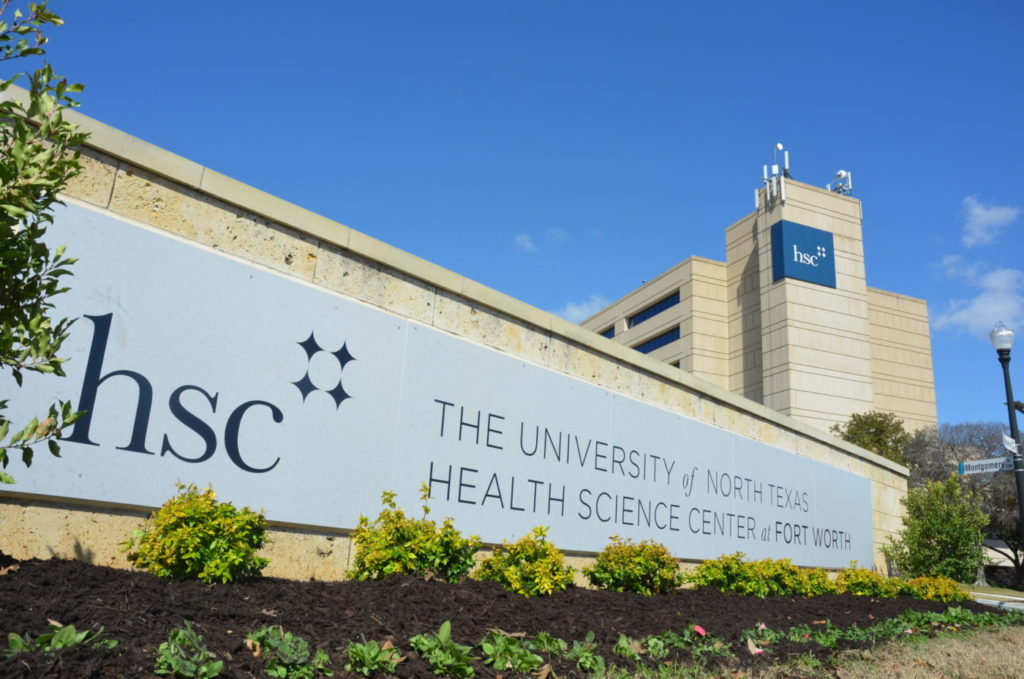
The Texas College of Osteopathic Medicine, now UNT Health Fort Worth Texas College of Osteopathic Medicine, is one of the top DO schools in the United States. It received a 10-year COCA accreditation with exceptional outcome in 2018, and research is built into its mission of “advancing the continuum of medical knowledge, discovery and osteopathic health care.” Opportunities abound at this school.
TCOM graduates have “one of the highest percentages of primary care physicians in the nation,” and a majority of graduates enter primary care. Students who want to practice in rural Texas can join TCOM’s ROME Rural Scholars Program.
TCOM is a state-supported school, so at least 90% of its seats go to Texas residents. Its fall 2025 entering class drew 4,495 applications; the school conducted 683 interviews, offered 435 acceptances and enrolled 233 students (218 Texas residents and 15 nonresidents) with a 507.2 average MCAT, a 3.82 overall GPA and a 3.75 BCPM GPA. Tuition for 2026-27 is $13,078 for residents and $28,766 for nonresidents, the lowest resident tuition of any Texas medical school, and the DO year 1 cost of attendance is $60,308 and $75,996. TCOM applicants complete TMDSAS plus a secondary through the TCOM portal, with a $75 fee. TCOM also offers an Early Decision Program and a DO/PhD.
University of Texas at Austin Dell Medical School
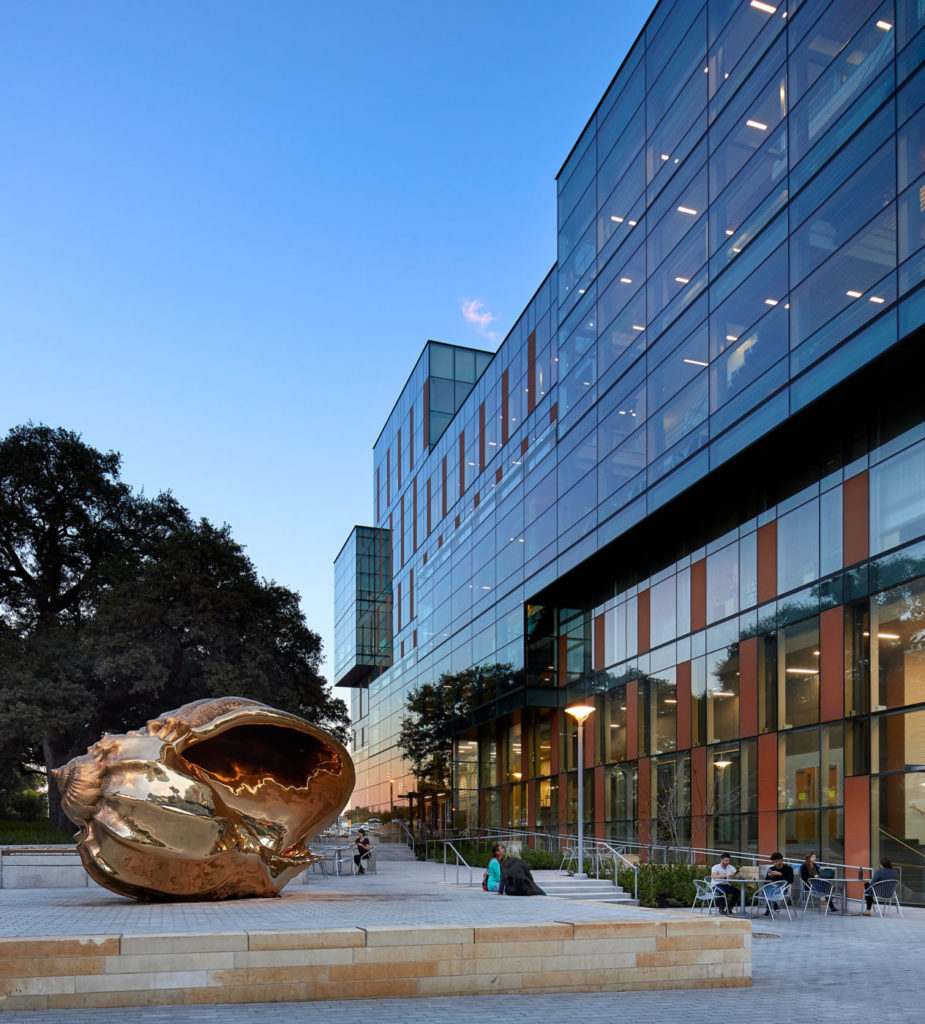
University of Texas at Austin Dell Medical School is another newer school, but it has made its mark on the Texas medical school scene with its mission “to revolutionize how people get and stay healthy.” Its entire curriculum reflects this. From educating students to become leaders in health care to improving how care is delivered, Dell is a Texas medical school to watch. It received continued full LCME accreditation in February 2025 for an eight-year term.
Dell keeps its class small, at 50 students per year. The first year is graded pass/fail to help students adjust to the heavy workload. Students complete the preclinical sciences in 12 months, start core clerkships in their second year and use part of their third year for an Innovation, Leadership and Discovery block, where they can work on research, an independent project or a dual degree such as an MBA, MPH or Master of Public Affairs. Clerkships run mainly at Ascension Seton Medical Center Austin, Dell Seton Medical Center at The University of Texas and Dell Children’s.
Dell does not publish class MCAT or GPA averages. Tuition and fees are fixed for all four years: $22,074 a year for Texas residents and $37,138 for nonresidents in the 2026 incoming class. Dell uses TMDSAS and invites selected applicants to a video secondary submitted through a free online portal. Applicants must be U.S. citizens or permanent residents, and no more than about five of the 50 seats can go to nonresidents.
University of Texas Medical Branch Galveston School of Medicine
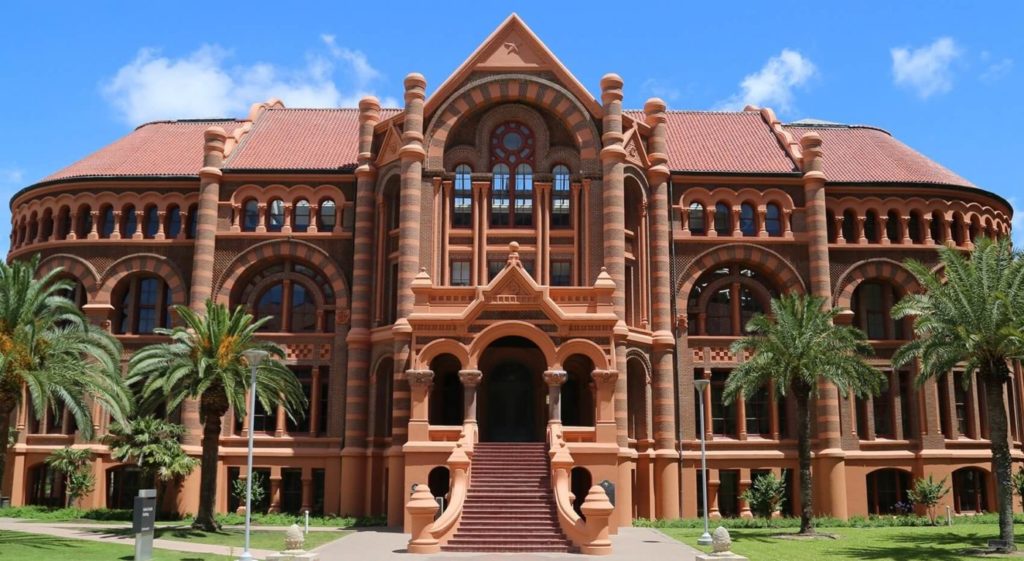
The University of Texas Medical Branch Galveston School of Medicine, now the John Sealy School of Medicine, made a name for itself long ago and has faithfully upheld it. UTMB is home to the Galveston National Laboratory, it partners with the Texas Department of Criminal Justice to care for incarcerated patients, and its aerospace medicine team provides contract support for the Human Health and Performance Contract at NASA’s Johnson Space Center.
UTMB’s hospitals operate on four campuses: Galveston, League City, Angleton Danbury and Clear Lake. During clerkships, students also work in community clinics and hospitals, which broadens their horizons. Interviews use a virtual multiple mini interview of seven 7-minute stations.
About 230 students matriculate each year, with no more than 10% from out of state. The school states an approximate average GPA of 3.78 and an average MCAT of 513 and has no minimum GPA or MCAT. For 2026-27, first-year tuition and fees are $27,470.50 for Texas residents and $42,436.50 for nonresidents, not counting health insurance. UTMB takes applications through TMDSAS, and invited applicants complete a supplemental application with two essays and two recorded video responses; the fee is $70 and the deadline is November 6, 2026.
University of Texas Rio Grande Valley School of Medicine
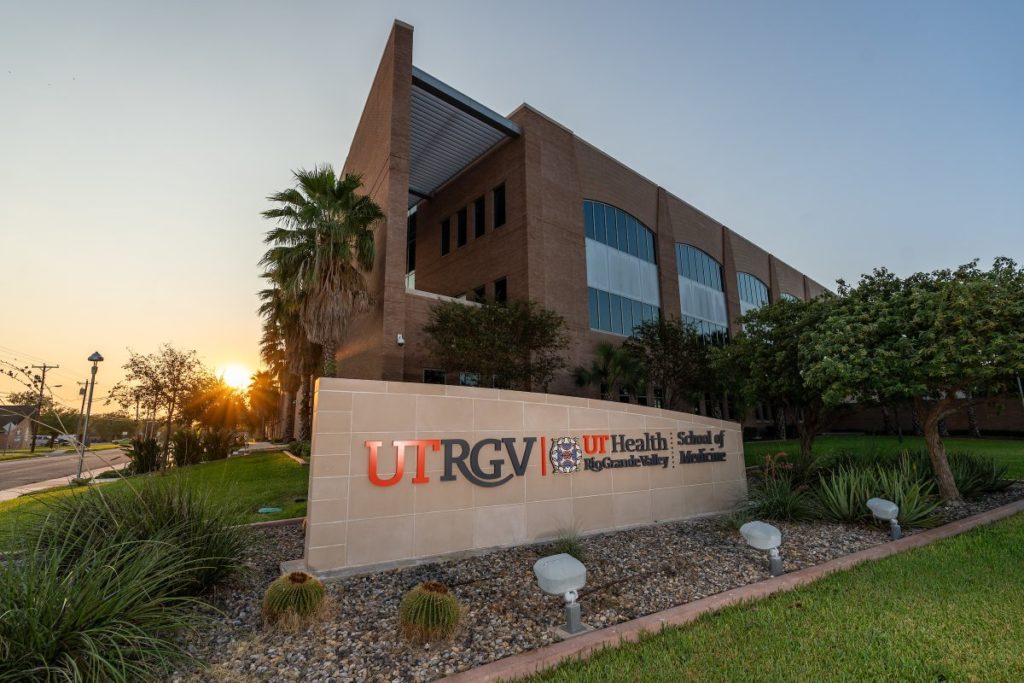
The University of Texas created the Rio Grande Valley School of Medicine to serve the Rio Grande Valley, a region along the U.S.-Mexico border with deep health disparities. Its mission is to “nurture the next generation of medical students, residents, and scientists” who will transform health care in the Rio Grande Valley and beyond, and it names diabetes among the region’s research priorities. Students learn about the region and the health issues they will treat.
Interprofessional teamwork, clinical and community learning and plenty of clerkships define the UTRGV School of Medicine experience. The 21-month pre-clerkship curriculum uses problem-based and team-based learning, including work with students from other disciplines at clinical and community sites, followed by 50 weeks of third-year clerkships and fourth-year sub-internships and electives. Clinical training sites stretch across the Valley, from Rio Grande City and McAllen to Harlingen and Brownsville. UTRGV received continued full LCME accreditation in November 2025.
UTRGV admits 55 students to each entering class, and no more than 10% may be nonresidents. Its newest posted class statistics, for the Class of 2026 (which entered in 2022), show 4,738 applications, 510 interviews and 55 matriculants, including 53 Texas residents and 2 from out of state; 55% came from the Rio Grande Valley. The school does not publish class MCAT or GPA averages. For 2026-27, MS1 tuition and fees are $22,372 for residents and $35,472 for nonresidents, and the MS1 cost of attendance living off campus is $61,617 and $74,717. UTRGV also runs an Early Decision Program through TMDSAS.
University of Texas Southwestern Medical School
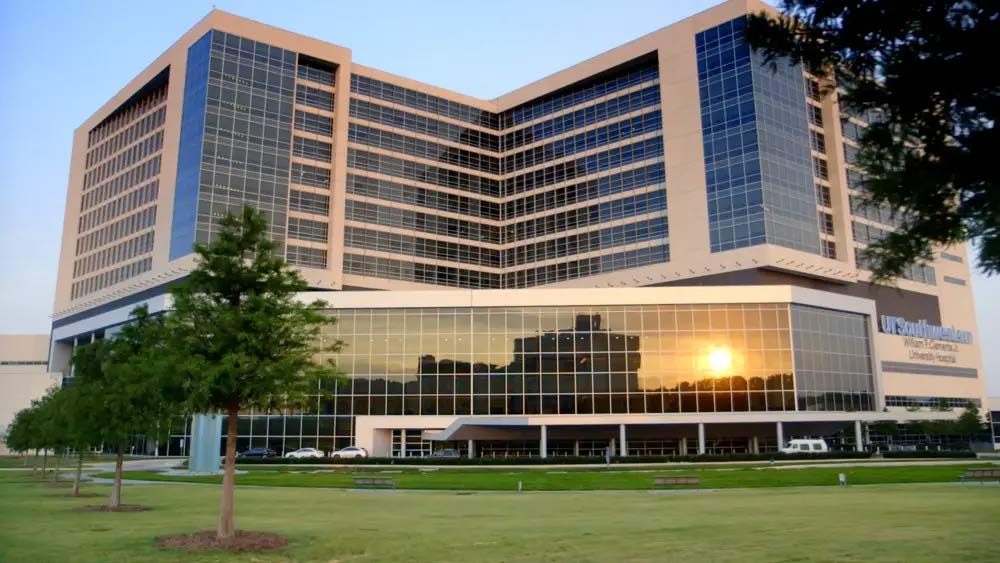
UT Southwestern is known for its research, and primary care and community health are part of its training mission. You won’t be lacking if you receive your MD training here. UT Southwestern is committed to mentoring its students and giving them the kinds of experiences they need to succeed in medicine, with faculty mentorship as a core feature and pathways in community health, global health, medical education, quality and safety and research.
UT Southwestern works with Parkland Hospital, “one of the nation’s top public hospitals,” and students spend a significant portion of their clinical training there. Parkland serves a wide variety of patients. Students also train at Clements University Hospital, Children’s Medical Center Dallas, the Dallas VA Medical Center and other affiliated hospitals.
UT Southwestern’s Class of 2030 has 239 students with a 517 average MCAT and a 3.93 average GPA, the highest class MCAT average posted by any Texas school. State law limits nonresidents to 10% of the class, and only U.S. citizens and permanent residents are considered. The secondary application has no fee. For 2026-27, MS1 tuition and fees are $25,436 for Texas residents and $38,536 for nonresidents, and the MS1 cost of attendance is $66,847 and $79,947. MD/PhD applicants to the Medical Scientist Training Program apply through AMCAS.
The University of Texas at Tyler School of Medicine
The University of Texas at Tyler School of Medicine is the newest medical school in Texas. It holds preliminary LCME accreditation, with its next LCME visit set for early 2027, and its posted class statistics begin with entry year 2023. The school “was founded to address the shortage of physicians and lack of access to healthcare in East Texas,” with a focus on primary care and preventive health. In April 2026 it opened a new School of Medicine Building next to UT Health East Texas Tyler.
UT Tyler admits 40 students a year. Its entry year 2025 class averaged a 503 MCAT and a 3.81 GPA, with a 3.90 average for the last 30 hours of science coursework; the school interviewed 309 applicants, and 37 of the 40 students were Texas residents. Applicants apply through TMDSAS and complete a secondary with four essays, including one about ties to East Texas. For 2026-27, MS1 tuition and fees are $22,572 for Texas residents and $38,512 for nonresidents, and the MS1 cost of attendance for students not living with family is $60,935 and $76,875. If you want to practice in East Texas, UT Tyler was built for you.
Getting Into Texas Medical Schools
So, you see the great opportunities that each Texas medical school presents. How do you choose which Texas medical schools to apply to? And how do you make your application stand out from the rest? Medical school admissions consulting covers all of those questions and more. In this section, we answer them. If you have any further questions, don’t hesitate to reach out to us.
Standing Out With Your Grades and Test Scores
The first step is studying. Earn the best grades you can in all your classes, but especially in your science classes. Doing well in those classes will help prepare you for the MCAT, and Texas schools look closely at your science (BCPM) GPA as well as your overall GPA. IMA’s list of medical school GPA and MCAT averages shows how Texas programs compare with schools in other states. Grades are only part of the picture: Texas schools also want clinical hours, and college students who are still building them can look at medical internships for undergraduates alongside volunteer and work roles closer to home.
Texas schools set their own limits on how old an MCAT score can be, and those windows are shorter than many applicants expect. For the 2027 entering class, TCOM accepts only scores from 2022 or later, UIWSOM accepts test dates no earlier than June 2022, SHSU-COM considers scores back to January 1, 2021, and TCU’s Burnett School of Medicine accepts only 2024, 2025 or 2026 scores. Check each school’s window before you plan a retake. If you are not happy with your first score, you can take the test again and submit a better score, but this takes planning around the application cycle, so give yourself plenty of time.
TMDSAS strongly encourages applicants to take the MCAT by May of the year they apply, so the application is complete and in the pool when interview season starts in August. Applicants who first test in July, August or September may see action on their application delayed. Plan your MCAT date and your summer together: many students study in the spring, test by May and use pre-med summer internships or summer clinical jobs to add patient-care hours before their activities section is due.
Standing Out With Your TMDSAS Application
Texas uses three application services. The University of the Incarnate Word School of Osteopathic Medicine uses AACOMAS. The Anne Burnett Marion School of Medicine at TCU uses AMCAS. Every other Texas medical school, including Baylor College of Medicine’s MD program, Sam Houston State’s DO program and TCOM’s DO program, takes applications through TMDSAS. Several MD/PhD programs use AMCAS, as explained above.
The Texas Medical and Dental School Application Service is different from AMCAS and AACOMAS. The systems don’t share applications, so if your list includes TCU, UIWSOM or out-of-state schools, you will complete more than one primary application. IMA’s comparison of AMCAS, AACOMAS and TMDSAS walks through the differences in detail. Here are the TMDSAS rules that matter most for the 2027 entering class:
- Personal statement: 5,000 characters, including spaces. The prompt asks you to explain your motivation to seek a career in medicine and the value of the experiences that prepare you to be a physician. When you are trying to fit your story into a fixed number of characters, every sentence has to earn its place.
- Activity descriptions: 300 or 500 characters. Most activity categories, such as employment and academic or non-academic recognition, allow 300 characters per entry. Leadership, research, healthcare and planned activities allow 500 characters.
- Most meaningful activities: up to three, 500 characters each. You must identify at least one most meaningful activity and explain why it mattered.
- Personal characteristics essay: 2,500 characters, required of all applicants. The prompt is new for the 2027 entry year: “Describe your personal qualities, characteristics, skills, or strengths, and how they will contribute meaningfully to the lives of others.”
- Optional essay: 2,500 characters. It asks you to “briefly discuss any circumstances or experiences that are relevant to your application, which have not previously been presented.” It is optional, but TMDSAS strongly encourages applicants to use it. We agree: any dedicated student should treat it as another chance to show the admissions committee who they are, as long as it adds something new rather than repeating your other essays.
- One application, one flat fee. You submit one TMDSAS application per cycle and select as many participating schools as you like for a flat, nonrefundable $235 fee. TMDSAS does not grant fee waivers.
- Essays cannot be changed after you submit. Type directly into the application, save often and remember that character counts include spaces.
Every Texas medical school you apply to through TMDSAS sees the same essays. These essays will make an impression on all of your schools, and when secondary applications are sent selectively, those essays help decide whether you receive one. Even though you write up to three essays for TMDSAS, you will still complete secondary essays for most individual schools.
If you are a Texas resident, you will also go through the TMDSAS Match. Only Texas resident medical applicants who have interviewed at one or more TMDSAS schools by the ranking deadline take part. Nonresidents, MD/PhD, DO/PhD, MD/MBA and Assured Acceptance Program applicants are not included. For the 2027 entering class, schools can begin extending offers on October 15, 2026, the ranking deadline is January 29, 2027 (5 p.m. Central), and Match results are announced February 12, 2027, when the rolling admissions period begins. Applicants holding more than one offer must choose by April 30.
Apply According to Your Strengths
We include required courses, grades and test scores in every Texas medical school guide we write. If you don’t meet a school’s minimum requirements, you won’t be considered for admission. As tough as that can be, knowing this up front saves you time and money.
Schools like UT Southwestern (517 MCAT, 3.93 GPA), TCU (513, 3.81) and McGovern (512, 3.84) post high GPA and MCAT averages, and Baylor and Dell are also very selective even though they do not post class averages. The comparison table above shows the latest published figures for each school. Your scores should reflect those averages for the best shot at an interview.
If your MCAT is in the middle range of Texas averages, look closely at schools like Texas A&M, the Texas College of Osteopathic Medicine and the University of Houston’s Fertitta Family College of Medicine, and compare your numbers with each school’s latest class profile in the table.
If grades and test scores aren’t your strongest areas, apply to schools whose missions match your experiences and look at programs like the University of the Incarnate Word School of Osteopathic Medicine, Sam Houston State University’s Gordy College of Osteopathic Medicine or the University of Texas Rio Grande Valley School of Medicine. The first two schools are osteopathic programs. Rio Grande Valley has an MD program. None of these schools is easy to get into, so a strong application still matters.
By playing to your strengths, you greatly increase your chances of getting into at least one of the Texas medical schools to which you apply. If your application needs another year, a planned gap year with more clinical work, research or coursework can help, and pre-med gap year programs are one way to add supervised patient-care experience before you reapply. IMA’s guide on how many medical schools to apply to can help you decide how many Texas programs belong on your list next to schools in other states.
Applying Based On In-State and Out-of-State Status
A publicly funded Texas medical school must fill at least 90% of each entering class with Texas residents. State funding is what keeps tuition so low, and it comes with this rule.
So, if you are an out-of-state student wanting to attend medical school in Texas, consider the schools that do not follow the 90% rule:
- Baylor College of Medicine
- Anne Burnett Marion School of Medicine at TCU
- University of the Incarnate Word School of Osteopathic Medicine
This isn’t to say that you won’t get into a publicly funded Texas medical school. Up to 10% of seats at each public school can go to nonresidents, and TCOM’s fall 2025 class, for example, included 15 nonresidents. It simply means that your chances are usually higher at schools without a state-mandated residency rule. At the same time, TCU and UIWSOM charge the same tuition to everyone, and that tuition is well above public in-state rates. Baylor sits in between: it is private, but its tuition for Texas residents is much lower than its nonresident rate.
Sam Houston State’s Gordy College of Osteopathic Medicine is part of a public university. It admits applicants who are U.S. citizens, permanent residents or individuals lawfully present in the United States who are eligible for Texas residency classification without visa sponsorship, and it charges nonresidents a higher program fee.
Apply Based On Where You Want to Practice Medicine
If you read our profiles of each medical school, you’ll know that several schools hope you will practice medicine in their region. Texas Tech Health Sciences Center in Lubbock trains physicians for West Texas, Paul L. Foster in El Paso and UTRGV focus on the border region, UT Tyler serves East Texas and SHSU-COM’s mission is to grow the physician workforce in the eastern region of Texas. So, if you don’t want to treat patients in West Texas, you probably wouldn’t want to attend Texas Tech University Health Sciences Center School of Medicine in Lubbock.
If you want to treat military personnel, look at Texas A&M’s Vashisht College of Medicine. It runs early admission pathways for Corps of Cadets members and military academy students, described in its profile above.
We recommend reading the individual guides we’ve written for each school. We also recommend visiting each university’s website to decide whether it is a good fit for you. If you don’t think it’s a good fit, there’s no use in applying.
Apply Based On Your Goals
If you want to practice osteopathic medicine, apply to the University of the Incarnate Word School of Osteopathic Medicine, the Texas College of Osteopathic Medicine and Sam Houston State University’s Gordy College of Osteopathic Medicine. In your personal statement, share the life experiences that not only made you want to become a doctor, but also made you want to practice osteopathic medicine. IMA’s guide to the differences between MD and DO programs can help you explain that choice.
Let this theme run through all your essays. Choose different experiences that each reflect osteopathic principles, such as treating the whole person or caring for patients in rural and underserved places. This will help you naturally come across as a good fit for the school. Of course, this doesn’t guarantee getting into a Texas medical school, but it will help you.
If research is your goal, look at the MD/PhD and DO/PhD programs at UT Southwestern, Baylor, UTMB, McGovern, Long School of Medicine, Texas A&M, Texas Tech and TCOM, and check which application service each one uses. If you want to practice family medicine quickly, Texas Tech’s three-year Family Medicine Accelerated Track (FMAT) is built for that goal.
Apply Based On The School’s Mission
Aligning yourself with the school’s mission is another way to stand out from the crowd. Applying to multiple schools gets tedious, but staying on top of each school’s mission shows the admissions committee that it is not just “another school” on your list.
Dell Medical School at UT Austin set out to “revolutionize how people get and stay healthy.” If you apply to Dell, let one of your essays focus on helping people live healthier lives and preventing disease, not just treating it.
The University of the Incarnate Word School of Osteopathic Medicine prepares physicians for “the ethical, compassionate, and altruistic practice of medicine,” with a focus on primary care and the underserved populations of South Texas. The school wants doctors who practice medicine selflessly and compassionately while staying mindful of ethics. Think of experiences in your past that explain why you want to practice medicine with these character traits. Service with underserved communities, at home or through pre-med internships abroad, can give you concrete stories for that essay, as long as you write about what you learned from patients rather than what you did for them.
Texas Tech’s Paul L. Foster School of Medicine has the vision “to promote wellness and relieve suffering through excellence in clinical service, innovation, and leadership in border healthcare.” The words “relieve suffering” are a big part of that statement, so focusing on how you want to relieve suffering and serve communities along the border through your medical practice is a great route to take.
TCU’s Burnett School of Medicine has the mission “to transform health care by inspiring Empathetic Scholars.” Empathy is about understanding your patient’s needs and experience. That matters in health care because patients do better when physicians truly listen instead of only treating symptoms, prescribing medications or performing procedures. Show TCU how you listen to people and how that has changed the way you help them.
Frequently Asked Questions
How many medical schools are in Texas?
Texas has 16 medical schools: 13 MD programs and three osteopathic (DO) colleges. The MD programs are Baylor College of Medicine, TCU’s Anne Burnett Marion School of Medicine, Dell Medical School, the Long School of Medicine, McGovern Medical School, the Texas A&M Vashisht College of Medicine, Texas Tech’s Foster School of Medicine in El Paso, Texas Tech’s School of Medicine in Lubbock, UH’s Fertitta Family College of Medicine, UTMB’s John Sealy School of Medicine, UTRGV, UT Southwestern and UT Tyler. The DO colleges are Sam Houston State’s Gordy College of Osteopathic Medicine, TCOM and UIWSOM.
What is the newest medical school in Texas?
The University of Texas at Tyler School of Medicine is the newest. It holds preliminary LCME accreditation, it has posted class statistics since entry year 2023 and admits 40 students a year. The University of Houston’s Fertitta Family College of Medicine is also new and holds provisional LCME accreditation.
Do all Texas medical schools use TMDSAS?
No. Fourteen of the 16 programs use TMDSAS for their MD or DO programs. TCU’s Burnett School of Medicine uses AMCAS, and UIW’s School of Osteopathic Medicine uses AACOMAS. Several MD/PhD programs, including those at Baylor, UT Southwestern, McGovern, the Long School of Medicine and Texas A&M, use AMCAS as well.
Does Baylor College of Medicine use TMDSAS?
Yes, for its MD program. All traditional MD applicants to Baylor complete a TMDSAS application and then Baylor’s supplemental application, which has a $100 fee. Applicants to Baylor’s MD/PhD program apply through AMCAS instead.
Is Baylor College of Medicine in Waco?
No. Baylor College of Medicine is in Houston, in the Texas Medical Center, and it has a branch campus in Temple. The Waco connection is a common mix-up caused by the shared Baylor name.
Which Texas medical schools accept out-of-state students?
All of them accept some. Baylor, TCU and UIWSOM have no state residency cap, so they are the most realistic options for out-of-state applicants. Public schools, including TCOM, must fill at least 90% of each class with Texas residents, so no more than 10% of their seats go to nonresidents. Baylor’s 2026 class included 26 students from outside Texas, and TCU’s entering class of 2026 included 23 California residents.
What is the 90/10 rule for Texas medical schools?
Texas law requires public medical schools to fill at least 90% of each entering class with Texas residents, which leaves no more than 10% for nonresidents. At a school with a class of 50, such as Dell, that means about five nonresident seats. Private schools such as Baylor, TCU and UIWSOM do not follow this rule.
What MCAT score do I need for medical school in Texas?
There is no single cutoff, and several schools say they have no minimum MCAT. The latest published class averages range from 503 at UT Tyler (entry year 2025) to 517 at UT Southwestern (Class of 2030). TCU reports 513, McGovern 512, Texas Tech’s Foster School of Medicine 509, TCOM 507.2 and UIWSOM 506. Use the averages as a target, not a minimum.
What GPA do I need for medical school in Texas?
Most Texas schools do not set a minimum GPA, but the latest class averages run from 3.7 at UIWSOM to 3.93 at UT Southwestern. Most published averages fall between 3.78 and 3.84. Texas schools also look closely at your science (BCPM) GPA.
Which is the cheapest medical school in Texas?
For Texas residents, TCOM has the lowest tuition, $13,078 for 2026-27. Among MD programs, Baylor’s resident tuition of $19,682.50 is the lowest posted tuition figure, although schools bundle fees differently. TCU ($75,700 in tuition and fees) and UIWSOM ($64,875 in tuition) are the most expensive and charge the same rate to every student.
What is the TMDSAS Match?
The TMDSAS Match places Texas resident medical applicants who have interviewed at one or more TMDSAS schools. Applicants rank their schools by the deadline (January 29, 2027 for the 2027 entering class), and results are announced February 12, 2027. Out-of-state applicants and MD/PhD, DO/PhD, MD/MBA and Assured Acceptance Program applicants do not take part. Schools may also extend offers before the Match, starting October 15.
When is the TMDSAS deadline?
For the 2027 entering class, the TMDSAS medical application deadline was October 1, 2026, at 11:59 p.m. CST, and TMDSAS does not grant extensions. Early Decision Program applications at Texas Tech in Lubbock, TCOM and UTRGV were due August 1, 2026. TCU’s AMCAS deadline is November 15, 2026, and UIWSOM’s AACOMAS cycle closes March 15, 2027.
Do Texas medical schools accept international or DACA students?
Most Texas MD schools consider only U.S. citizens and permanent residents, and Baylor’s MD program states that it does not accept international or DACA applicants. Baylor’s MD/PhD program does accept international students. Sam Houston State’s osteopathic college considers individuals who are lawfully present in the United States and eligible for Texas residency classification without visa sponsorship. Check each school’s current rules before you apply.
Do I have to write secondary essays for Texas medical schools?
Usually, yes. Even though TMDSAS includes a personal statement, a personal characteristics essay and an optional essay, most schools add their own secondary or supplemental application. The Long School of Medicine is an exception: it has no secondary application. Dell uses a video secondary, and UT Southwestern charges no secondary fee. Fees elsewhere range from $50 at UIWSOM to $100 at Baylor, TCU and the Foster School of Medicine.
How much clinical experience do Texas medical schools want?
Texas schools do not all publish a set number of hours, but every TMDSAS application asks you to list healthcare activities such as shadowing, scribing and direct patient care, and to explain your most meaningful experiences. Schools want to see that you understand what physicians do and that you have worked with patients. Many applicants build those hours through local clinical jobs, volunteering and internships for pre-med students that include supervised patient contact.
Conclusion
Applying to a Texas medical school is a great idea for many reasons:
- Low tuition for Texas residents at the public schools, and resident rates at Baylor
- MD and DO programs are both available, through TMDSAS, AMCAS and AACOMAS
- Medical schools are spread throughout the state, from El Paso and Lubbock to Tyler, Edinburg and Galveston
- Unique tracks and scholarly opportunities, from engineering medicine and three-year family medicine to MD/PhD programs
- The chance to practice medicine in urban and rural areas
- Training in medical Spanish to communicate with Spanish-speaking patients
Out-of-state applicants can also do well in Texas, especially at Baylor, TCU and UIWSOM, and up to 10% of seats at each public school are open to nonresidents.
Clinical experience ties all of these goals together. Texas schools want to see that you understand what physicians do, and many applicants build those hours through local work and volunteering, shadowing and clinical internships for pre-med students. IMA’s pre-med internships give students the opportunity to work with patients in underserved parts of the world. Interns take vitals, do intake and triage and help with direct care under supervision in hospitals and clinics, and they never perform tasks that would require a medical license in the United States. IMA’s medical internships abroad also include programs for nursing, pre-PA, mental health and other health careers, and the international healthcare internships overview describes every track.
If you need further guidance on any Texas medical school, International Medical Aid offers medical school admissions consulting. We can help you sort through each Texas medical school to determine whether it is a good fit for you. We can also help you with your personal statement, your TMDSAS personal characteristics and optional essays and your secondary application essays. We offer hourly consulting and tiered packages, so we can accommodate you, no matter what your needs might be. Our Medical School Secondary Essay Prompts Database is another free place to start.
Good luck with your applications. Each Texas medical school has something unique to offer. Take your time going through each school, and know that thousands of other applicants are going through the exact same thing. You’re not alone. We’re here to help. Any Texas medical school would be lucky to have you!
Sources
- Liaison Committee on Medical Education, Directory of Accredited Programs (updated October 14, 2026); American Osteopathic Association, COCA directory of colleges of osteopathic medicine (September 2026).
- TMDSAS: participating schools; about the application; medical special programs (Early Decision, MD/PhD and dual degrees); Entry Year 2027 deadlines; residency guide; essays guide; activities guide; after submitting (secondary applications, CASPer and the TMDSAS Match); MCAT timing. Checked October 17, 2026.
- Baylor College of Medicine: 2026-2027 enrollment statistics; MD tuition and fees (2026-27); admissions FAQs; how to apply; supplemental application; campuses; MSTP; about us. Checked October 17, 2026.
- Anne Burnett Marion School of Medicine at TCU: 2026 and 2025 class profiles; cost of attendance (2026-27); how to apply; admissions FAQ; mission and values; curriculum. Checked October 17, 2026.
- Dell Medical School: admissions FAQs; application details; mission and vision; undergraduate medical education and curriculum; UT Austin tuition rates. Checked October 17, 2026.
- Long School of Medicine at UT San Antonio: 2026-27 cost of attendance; admissions requirements, interview and paying for school pages; mission; about; clinical training; South Texas MSTP admissions; UT San Antonio white coat news (September 2026). Checked October 17, 2026.
- McGovern Medical School: facts and figures (Incoming Class of 2029); UTHealth Houston 2026-2027 catalog (MD program); application process; about us; why McGovern. Checked October 17, 2026.
- Texas A&M University Naresh K. Vashisht College of Medicine: MD degree, FAQ and requirements; campuses; about; home page (renaming); special programs; Aerospace, Austere and Military Medicine; Texas A&M tuition calculator rates (Fall 2026 and Spring 2027). Checked October 17, 2026.
- Texas Tech Health El Paso Foster School of Medicine: class profile (EY2025); tuition and expenses; admissions FAQ; how to apply; about; institutional mission and vision; medical Spanish program; degree programs. Checked October 17, 2026.
- Texas Tech University Health Sciences Center School of Medicine: MD program; admissions FAQ and requirements; 2026-2027 first-year tuition estimate; regional campuses; FMAT; about; LCME accreditation. Checked October 17, 2026.
- Tilman J. Fertitta Family College of Medicine at the University of Houston: 2026-2027 resident and nonresident MD cost of attendance; admissions FAQs; application process; about; home page; Class of 2030 white coat news (September 8, 2026). Checked October 17, 2026.
- UTMB John Sealy School of Medicine: admission policies and FAQs; admission requirements; School of Medicine fee sheet (2026-27); admissions information; vision and mission; UTMB Health campuses; Galveston National Laboratory; Aerospace and Exploration Medicine. Checked October 17, 2026.
- UTRGV School of Medicine: Class of 2026 admissions statistics; admissions FAQ; cost of attendance (2026-27); home page; accreditation; our story; curriculum. Checked October 17, 2026.
- UT Southwestern Medical School: class profile (Class of 2030); medical cost of attendance (2026-27); admissions; about the school; MSTP admissions. Checked October 17, 2026.
- UT Tyler School of Medicine: admissions statistics (EY 2023-2025); tuition and financial aid (2026-27); admissions FAQ; mission and vision; accreditation; School of Medicine Building news (April 24, 2026). Checked October 17, 2026.
- Sam Houston State University Gordy College of Osteopathic Medicine: SHSU cost of attendance (revised March 1, 2026); admissions FAQs; how to apply; student outcomes; history and accreditation; AACOM Choose DO Explorer profile. Checked October 17, 2026.
- UNT Health Fort Worth Texas College of Osteopathic Medicine: admissions statistics (fall 2024 and fall 2025); admissions FAQ; admissions requirements and selection; online applications; DO year 1 cost of attendance; about TCOM; accreditation; residency placement data; ROME Rural Scholars Program; AACOM Choose DO Explorer profile. Checked October 17, 2026.
- University of the Incarnate Word School of Osteopathic Medicine: admission information (entering class of 2026); admissions FAQ (Incoming Class of 2025); financial assistance and tuition (2026-27); UIW 2026-2027 cost of attendance; mission and vision; about; AACOM Choose DO Explorer profile. Checked October 17, 2026.