
If you are considering a career in healthcare, you may already have a subject you love or a profession you hope to enter. Seeing healthcare at work can give you more specific questions about that interest. It can also make you notice parts of the work you had not considered.
For HOSA members Sarah Benish and Sid Girada, their time with us at International Medical Aid in Mombasa, Kenya, did both. Sarah’s interest in pediatrics expanded into questions about prevention and access to care. Sid’s interest in mental health became more closely connected to listening, patience, and the limits of his own understanding.
Their experience included clinical observation, instruction, and opportunities to learn beyond the hospital. In a follow-up interview and their final written assignments, they described the people who helped them learn and the questions that stayed with them afterward.
For you and your family, their accounts offer a detailed look at two students’ experiences and a way to think about what you want from your own.
You can hear more from Sarah and Sid during our live IMA and HOSA webinar on Thursday, October 29, 2026, at 8:00 PM ET / 5:00 PM PT. Register for the webinar to be considered for a fully funded IMA scholarship valued at up to $12,000 for eligible HOSA members.
Bringing HOSA Experience to a New Setting
Sarah and Sid were already involved in HOSA before traveling to Kenya. That involvement gave them opportunities to study healthcare subjects and meet people with similar interests, even though their competition experiences were different.
Sarah first competed in Medical Law and Ethics. She later joined a HOSA Bowl team that placed first at the state level and advanced to the International Leadership Conference, or ILC. She valued the variety of topics she needed to understand for HOSA Bowl and spoke enthusiastically about continuing her involvement.
Sid had competed in events, including Medical Math, and also advanced to ILC with a teammate. At the conference, he stopped at our booth to ask questions about his upcoming trip. That conversation was part of his preparation for an experience he was already planning.
Their stories connect with our established relationship with HOSA as a Premier Partner. For Sarah and Sid, the connection became personal through the questions they asked and the subjects they wanted to understand better.
Your HOSA interests may give you a starting point of your own. Think about a topic you have studied and what you still want to know about its place in healthcare. A competition can introduce you to the terminology and concepts. Observation may help you recognize questions about how people apply them in practice.
Arriving With Different Interests
Sarah came with an interest in pediatrics. In the interview, she described spending time in oncology and the newborn unit, as well as an additional night shift and an afternoon observation in surgery. These settings gave her different perspectives on healthcare and her own interests.
Sid focused much of his time on mental health. He also described observing other departments through additional shifts. His interest in the brain and mind had begun before the program. Kenya gave him opportunities to watch professionals whose work connected with that interest.
Neither student’s experience should be treated as a standard itinerary for everyone. Department access, educational activities, and schedules depend on the program and setting. If a particular field interests you, ask our team what exposure may be available and how placements are arranged.
It can help to arrive with a specific question while remaining open to others. Sarah wanted to understand a field involving children, yet oncology prompted some of her strongest reflections. Sid wanted to learn about mental health, and the way a therapist communicated became as memorable as the subjects being discussed.
You may find that the question you bring changes once you have more context. That is something you can discuss with a mentor throughout the experience.
Learning From Clinicians Who Made Time to Explain
Sarah remembered an oncology nurse whose dedication was especially noticeable. She watched the nurse manage competing demands and use the resources available. She also valued the willingness of clinicians to explain what they were doing.
“And everybody was so willing to help you and explain anything and answer any questions you had,” Sarah said in the interview.
For a student, that willingness matters because seeing an activity does not automatically mean understanding it. You may recognize a term from class without knowing why a team uses a particular approach. You may also need help understanding what you have misunderstood.
Sid described a therapist who became an important mentor. He noticed her patience, kindness, and care with language. Observing those qualities gave him a more concrete understanding of how communication can be part of a professional’s daily work.
When you think about mentorship, consider what you want to learn from someone’s behavior as well as their explanations. Who makes time to listen? How does a professional respond when someone is unsure or distressed? How do colleagues communicate with one another?
Those questions can help you pay attention without assuming you already understand the full situation. They can also give you a useful starting point for a conversation after an observation period, when a mentor has time to explain the context.
Understanding Observation and Skills Instruction
Sarah and Sid described different kinds of learning. Their hospital accounts included observing healthcare professionals. They also remembered separate educational sessions, including suturing instruction. Sid spoke about a laparoscopy simulation led by people with experience in the field.
Keeping those activities distinct helps you understand a program and describe your experience accurately. Watching a professional care for a patient, practicing in a training setting, and participating in outreach are different activities. Each has its own purpose and expectations.
Our high school medical internship programs combine clinical shadowing with global health education, outreach, and cultural learning. High school interns shadow clinicians and assist with basic noninvasive tasks under the supervision of licensed providers.
Before you travel, ask our team to explain your role on the wards and how the skills sessions are organized, and who to go to when you have a question during a shift.
Afterward, use precise language when talking about the experience. You can explain what you observed, what you practiced in a simulation, and what you learned from an instructor. The detail makes your account more useful to someone trying to understand what you actually did and how it affected your thinking.
Sarah Began Asking About Prevention
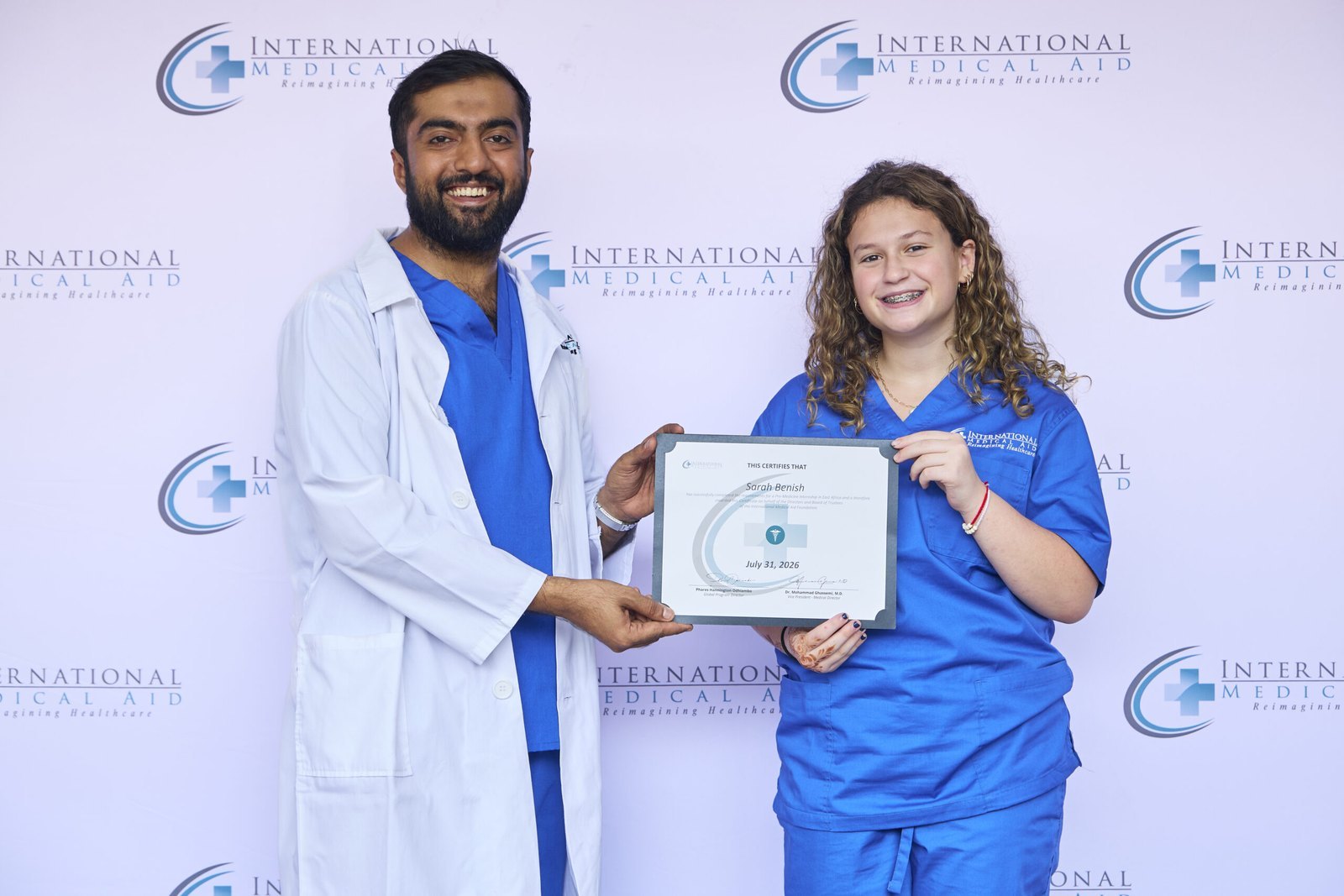
Sarah’s learning continued after her scheduled activities. In her final assignment, she described returning to the residence after time in oncology and researching cervical cancer. She wanted to understand more about the illness and the role of prevention and early detection.
Her account describes a change in the questions she associated with medicine. Before the trip, her interests centered on science, treatment, and helping people. The hospital experience made her think about what happens before someone reaches a clinician, including whether they can obtain information or timely care.
“Before I traveled to Kenya, I often thought about medicine as treating a problem,” she wrote. “Now I look back and realize how important preventative care can be.”
Her time in the newborn unit also prompted questions about prenatal care and the resources available to families. She connected her observations with a broader interest in the circumstances surrounding a person’s health.
Sarah’s interest in pediatrics gave those questions a personal direction. She was beginning to think about how the care of children connects with the information, services, and support available to their families. That wider perspective gave her more to investigate as she considered her future studies.
If an observation raises a question for you, make time to discuss it with a qualified mentor and follow up with reliable reading. Sarah’s decision to research what she had seen gave her another way to engage with the experience beyond the hours spent in a department.
Sid Reconsidered His First Impressions
Sid arrived with a pressure that many students may recognize. He wanted to seem prepared in front of people whose work he admired. Looking back on the interview, he described his initial thinking: “I need to know it all. I have to impress these doctors.”
An encounter in mental health made him reconsider that expectation. In his final assignment, he acknowledged that information in a case file had shaped his reaction before he understood the person in front of him. The lesson involved recognizing his own judgment and how little information it rested on.
“Now, I realize that what I saw was the limit of my own understanding,” he wrote.
In the interview, Sid returned to the idea that a person’s experience extends beyond what a clinician can read in a file. He spoke about accepting that there will always be parts of another person’s life you do not know.
The change Sid described began with paying attention to his own reaction. He became more aware of the assumptions he brought to an interaction and more interested in listening. His therapist mentor’s patience offered an example of the attention he hoped to bring to his own future work.
For someone considering mental health or another patient-facing profession, that is a useful subject to examine. When do you think you understand a situation? What information are you missing? Who could help you consider another interpretation? Sid’s account gives those questions a place in his future education.
Turning an Existing Interest Into Outreach
Sid’s interest in mental health also extended beyond the hospital. Through his Mind Matters Club, he had already been involved in community activities before traveling to Kenya. He brought the idea of an outreach activity to our team, and we helped him arrange it.
He and other interns visited a local children’s home, where they discussed mental well-being, distributed first-aid kits, and explained the supplies. In the interview, Sid described being pleased that the idea could become part of his experience with other participants.
The activity connected several parts of Sid’s experience. His existing interest in mental health gave him a subject to discuss. Our staff helped with the arrangements, and other interns joined the visit. Working together gave him another way to explore education and communication beyond the clinical observation he described.
If you have an idea of your own, raise it with our program team before making commitments or bringing supplies. Ask what local partners have requested, what is appropriate for your role, and how your idea would fit with existing activities. We can explain the practical limits and whether an idea is suitable.
Sid’s example also offers something to think about after returning home. An interest you bring to an experience can remain part of your education afterward, through further study, conversations, and continuing service in your own community.
Learning Alongside Students at Different Stages
Both alumni spoke candidly about meeting participants who were older or further along in their education. Sarah felt intimidated at first by people who had already completed college. Sid noticed that some interns had experience and knowledge he did not yet have.
Their initial discomfort changed as they got to know the group. Sarah described feeling welcomed and included. Sid remembered the friendships that had developed and how difficult it had become to say goodbye.
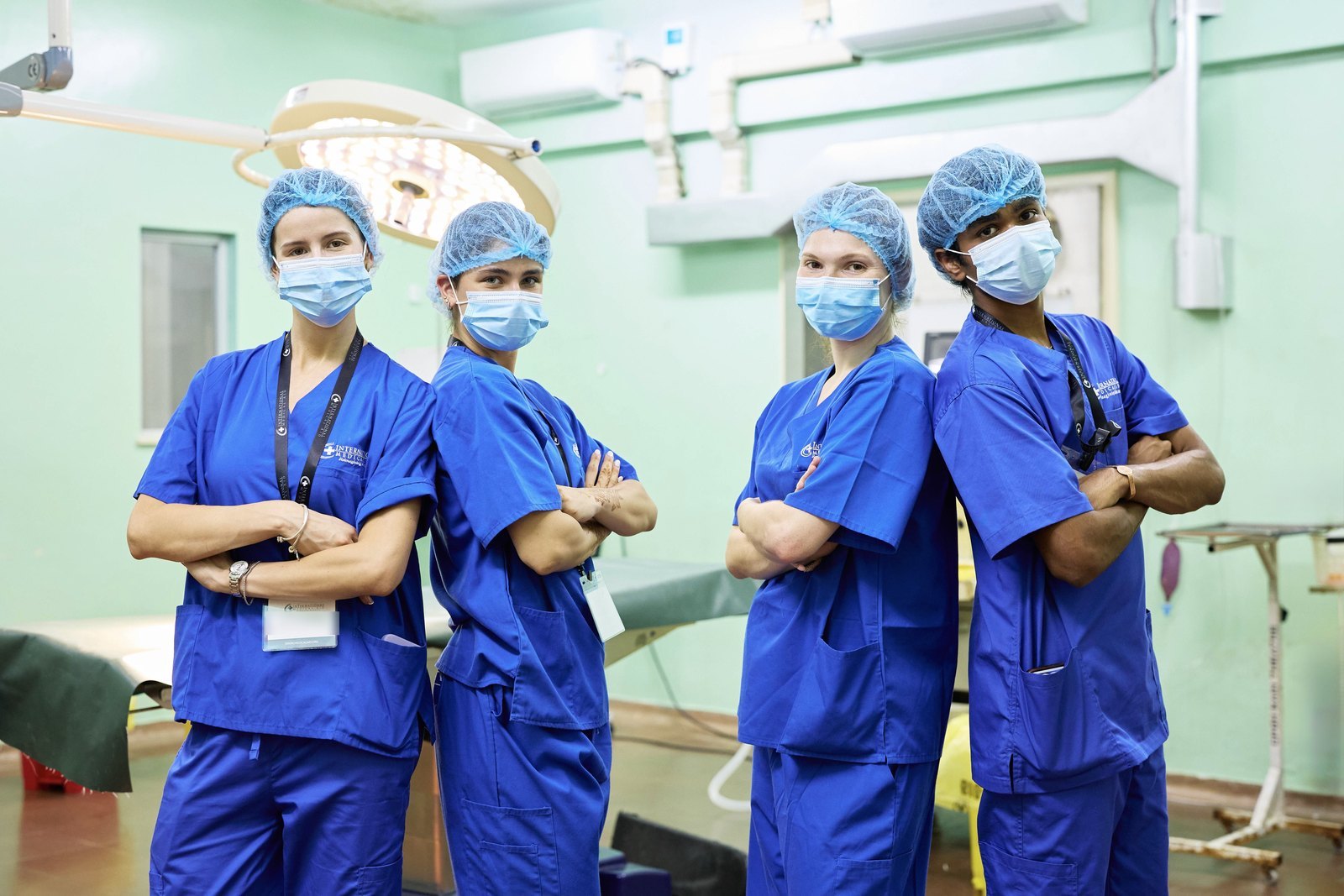
These experiences were part of their accounts of daily life, alongside the clinical and educational activities. When you are away from home, the people around you can become an important part of how you discuss new experiences and spend time outside of scheduled learning.
You may have questions about the age range of participants, shared activities, or how students at different educational stages are supported. Ask us those questions directly when reviewing our programs. Sarah and Sid’s positive experiences provide personal perspectives, while our team can explain the arrangements for your session.
You can also think about what makes it easier for you to join a new group. Being willing to introduce yourself and ask an ordinary question may feel more manageable than expecting to arrive already confident. Neither alumnus described feeling fully comfortable from the first moment.
Preparing for Travel and Communication
Travel arrangements were a memorable part of Sarah’s experience. She described a delayed flight and difficulty using her phone while in Nairobi. She was worried about arriving late, then recalled seeing one of our staff members waiting when she reached her destination.
Sid also emphasized having someone available to help. “I never really felt like I was alone or I had no one to go to,” he said.
Both students described staying in touch with their families during the program. Sid said his mother had arranged a conversation with our team before departure to ask questions. Sarah spoke about her mother’s initial concern about the distance and her later interest in what Sarah was learning.
Those conversations are a useful part of preparing together. A student may be thinking about the people they will meet or the subjects they will study, while a parent may be focused on arrival plans and staying in touch. Making time for both sets of questions helps a family discuss the decision more fully.
Use our Parent’s Guide as a starting point for questions about arrival plans, housing, communication, and support. Talk through what you would do if a flight changes, a phone stops working, or you need help outside a scheduled activity. Getting those answers in advance gives both you and your family a clearer understanding of the plan.
Making Room for Reflection
An experience can leave you with more to process than you expect. Sarah continued researching after leaving the hospital. Sid used his final assignment to reconsider a reaction that had made him uncomfortable. Both found ways to examine what they had observed after the immediate moment had passed.
For your own reflection, distinguish between what happened, what someone explained to you, and what you concluded. Those are related, but they are not interchangeable. If an explanation is incomplete, you can record the question and discuss it with a mentor rather than treating your first interpretation as a fact.
Keep patient information out of personal posts and public reflections. You can describe a change in your thinking without including a person’s diagnosis, identifying circumstances, or private conversation. Sid’s lesson about judgment, for example, can be understood through his self-reflection.
It may also help to give your response time to develop. An event that feels confusing at first may raise a different question after you have read more or spoken to someone with experience. You do not have to reach a final conclusion while you are still learning about the setting.
If something is upsetting, speak with our team about the support you need. Learning about healthcare includes recognizing when you need an explanation, a pause, or a conversation about what you have experienced.
Deciding What Fits Your Own Situation
Sarah and Sid’s experiences may connect with some of your interests, but your decision should also reflect your readiness, schedule, and family circumstances. It is reasonable to want more information before joining one of our programs.
Begin with the learning question that matters most to you. Then ask our team whether the available activities, guidance, and setting are a good match for that question. Consider how comfortable you are being away from home, how you respond to unfamiliar situations, and what support helps you learn.
Review our current program dates and fees with your family. Ask us for the details that apply to the session you are considering, including what is included and which additional costs you need to plan for. Avoid making a decision based on another participant’s old schedule or an amount remembered from a previous year.
Your HOSA adviser or a school counselor may help you think through how an opportunity fits with your existing commitments. That conversation can include your academic workload, other interests, and the questions you would like to pursue afterward.
You can remain interested in healthcare while deciding that a different time or a different kind of experience fits you better. The important part of the decision is understanding what you are choosing and why it makes sense for you now.
Bringing the Learning Back to HOSA
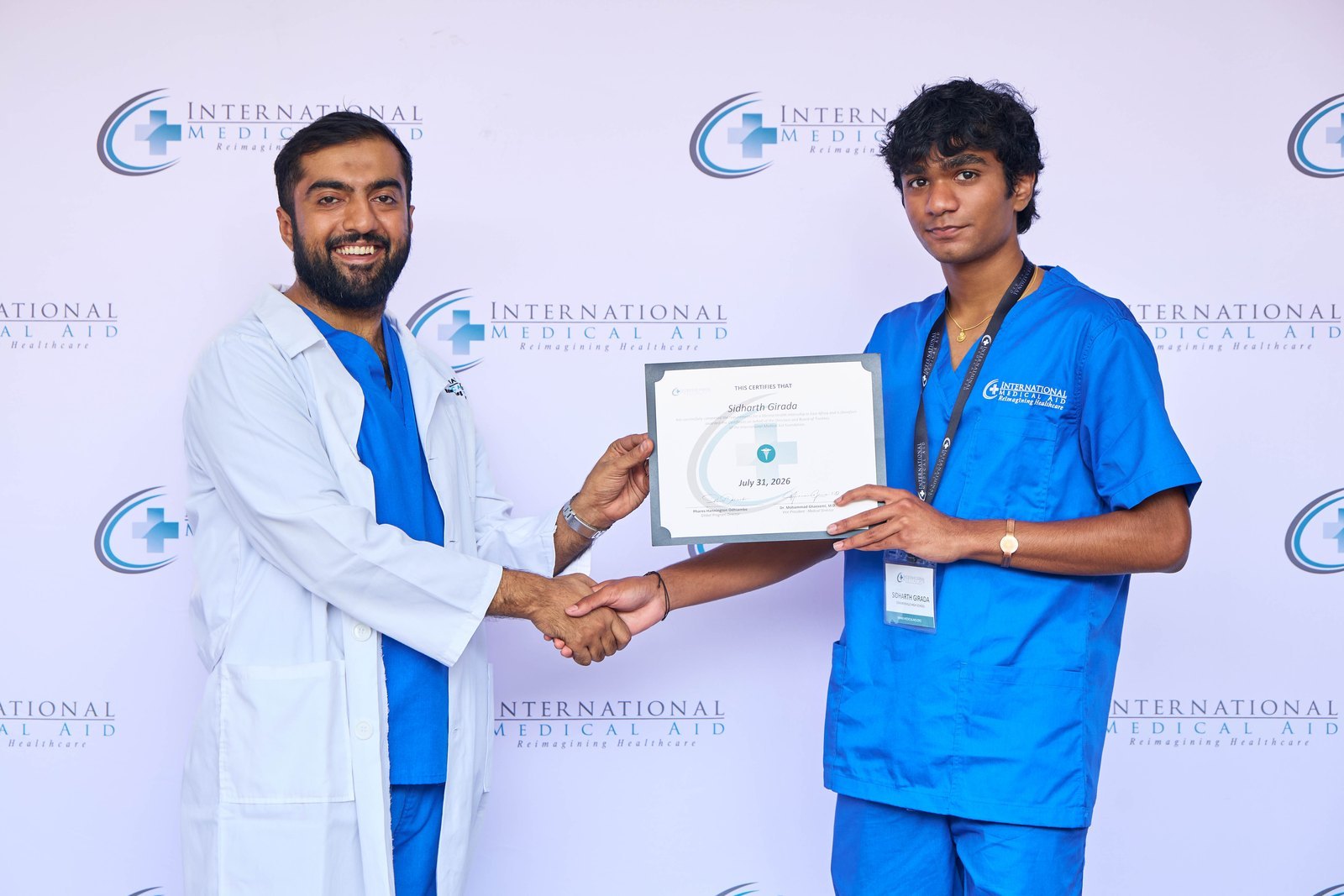
Sarah and Sid returned with different subjects to think about. Sarah’s interest in pediatrics now included more questions about prevention and access. Sid’s interest in mental health included a clearer commitment to listening and recognizing the limits of his own knowledge.
For a HOSA member, those reflections can become the beginning of another conversation. You might talk with an adviser about a subject you want to study, compare questions with a teammate, or consider how an existing community activity relates to what you have learned.
Be specific when sharing your experience. Explain your role, the context you understood, and the questions that remain. You do not need to make a broad claim about a country or a healthcare system to describe something meaningful about your own learning.
Sarah’s written reflection emphasized listening before making assumptions in an unfamiliar environment. Sid’s assignment ended with a commitment to “never let a diagnosis become a person’s identity.” Those statements reflect their developing views of healthcare and the kind of professionals they hope to become.
If Sarah and Sid’s experiences raise questions about your own interests, speak with the International Medical Aid team. We can discuss the program with you and your family and help you understand what to expect.
Join Sarah and Sid for Our Live HOSA Webinar
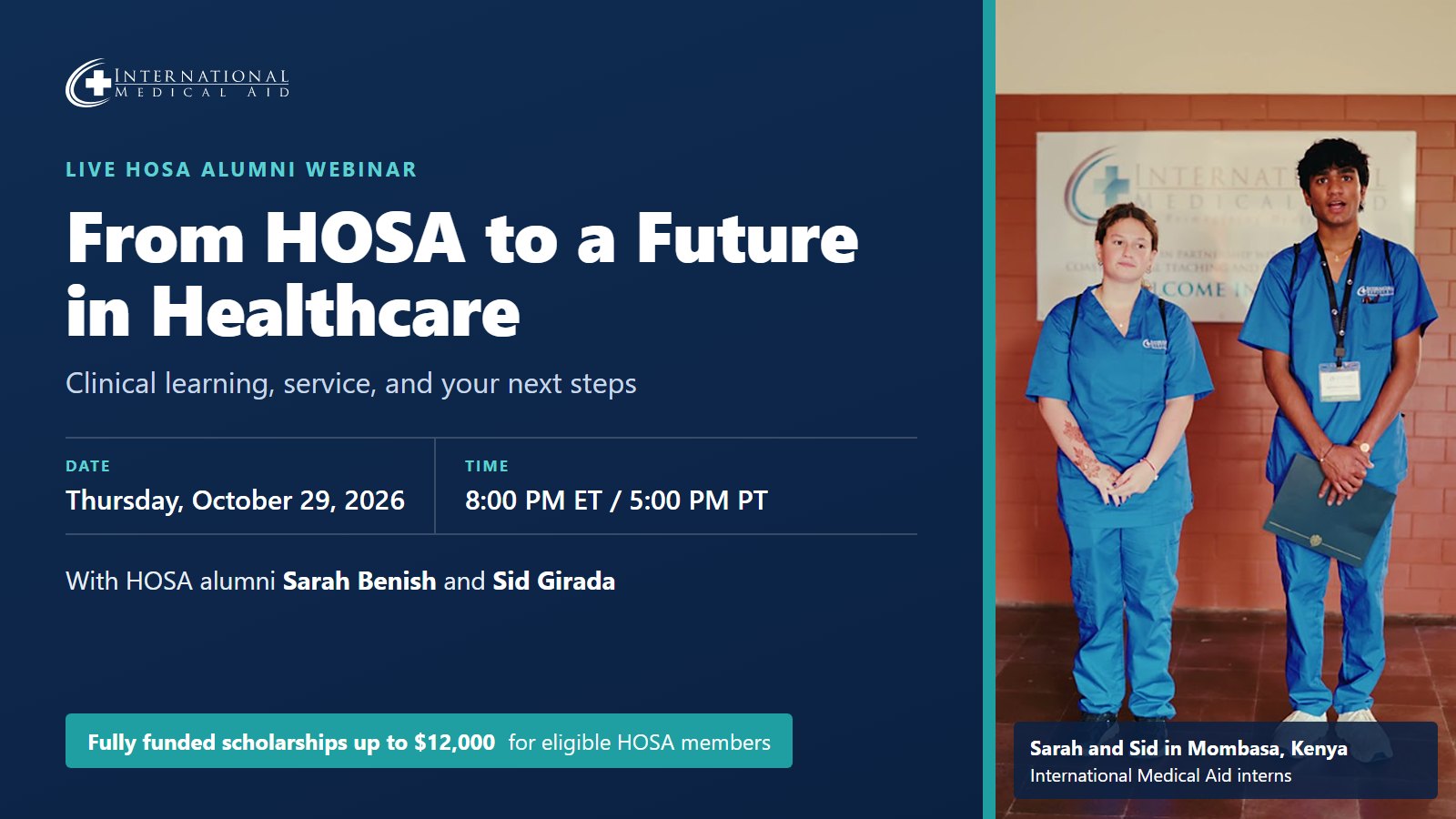
Join us on Thursday, October 29, 2026, at 8:00 PM Eastern Time (5:00 PM Pacific Time) for From HOSA to a Future in Healthcare: Clinical Learning, Service, and Your Next Steps. Sarah Benish and Sid Girada will share more about their experiences in Kenya and answer questions from students and families considering a healthcare learning experience.
The session begins with a brief introduction to IMA, followed by the alumni conversation and a live audience Q&A. Sarah will reflect on her learning in oncology and the newborn unit, while Sid will discuss mental health mentorship and community outreach. Students, families, and HOSA advisers are welcome to join us and bring questions about preparation, learning, and life during the program.
HOSA Scholarship Opportunities Up to $12,000
Eligible HOSA members may be considered for fully funded IMA scholarships valued at up to $12,000. To be considered, you must attend the webinar live, ask at least one question during the live Q&A, and apply to and be admitted to an IMA program.
Watching a recording alone does not qualify, and meeting these requirements does not guarantee a scholarship award. If you would like to be considered, register for the October 29 webinar and come ready with a question for Sarah, Sid, or the IMA team.
Frequently Asked Questions
Who Are Sarah Benish and Sid Girada?
Sarah and Sid are HOSA members who participated in our programs in Mombasa, Kenya. Sarah described interests in pediatrics, with time in oncology and a newborn unit. Sid focused on mental health and described an interest in neuroscience. Their experiences were discussed in a follow-up interview and final written assignments.
What Did Sarah and Sid Do During Their Internship?
Sarah spent time in oncology and the newborn unit, with an extra night shift and an afternoon in surgery. Sid focused on mental health, where a therapist became an important mentor, and joined shifts in other departments. Both took part in hands-on skills sessions, including suturing instruction and a laparoscopy simulation, and Sid led an outreach visit to a local children’s home. In our high school programs, interns shadow clinicians and assist with basic noninvasive tasks under the supervision of licensed providers. Ask our team what your own placement will include.
Do I Need to Know Which Healthcare Career I Want?
You can use an educational experience to ask more specific questions about your interests. Sarah and Sid arrived with interests they continued to examine. You do not need to decide on a specialty to identify something you want to understand, such as teamwork, communication, or a profession’s daily responsibilities.
How Can My Family Assess the Program?
Review our current program information together and discuss eligibility, supervision, housing, communication, arrival arrangements, costs, and support. Ask us which details apply to your destination and session. Alumni accounts provide personal perspectives; our team can answer questions about current arrangements and your individual circumstances.
Will My Experience Be the Same as Theirs?
No two participants should assume they will have identical experiences. Schedules, departments, activities, and available opportunities can vary. Sarah and Sid’s stories describe their own learning in Kenya. Ask our program team what is planned for the session you are considering and which preferences can be accommodated.
When Is the IMA and HOSA Webinar?
The live webinar takes place on Thursday, October 29, 2026, at 8:00 PM Eastern Time / 5:00 PM Pacific Time. The title is From HOSA to a Future in Healthcare: Clinical Learning, Service, and Your Next Steps. Sarah Benish and Sid Girada will discuss their experiences in Kenya, followed by a live audience Q&A. Students, families, and HOSA advisers are welcome.
How Can HOSA Members Be Considered for a Scholarship?
Eligible HOSA members may be considered for fully funded IMA scholarships valued at up to $12,000. You must attend the October 29 webinar live, ask at least one question during the live Q&A, and apply to and be admitted to an IMA program. Watching the recording alone does not qualify. Meeting these requirements allows scholarship consideration but does not guarantee an award.