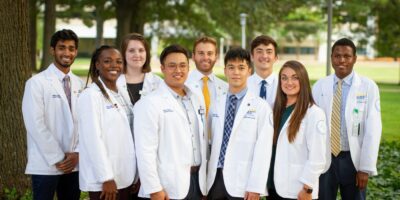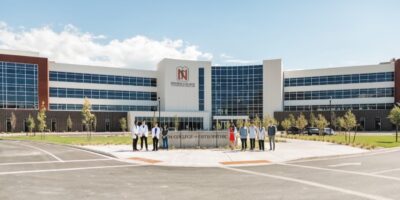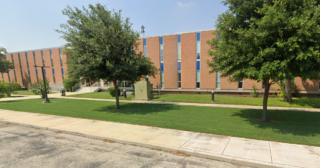
The University of the Incarnate Word School of Osteopathic Medicine (UIWSOM) in San Antonio, Texas, is a mission-driven institution dedicated to preparing culturally responsive, compassionate physicians to meet South Texas’s critical primary care needs. Located on the historic Brooks campus, once home to the Air Force Aerospace Medical School, UIWSOM emphasizes learner-centered, case-based education, justice-based research, and community-focused osteopathic clinical service. Since welcoming its first class in 2018 and achieving full accreditation in May 2021, UIWSOM has established itself as a leader in osteopathic medicine, equipping graduates to deliver equitable, effective care across diverse and underserved populations.
Purpose of This Guide
This comprehensive guide provides prospective applicants with a detailed roadmap to apply to UIWSOM successfully. As an organization committed to empowering future physicians through admissions consulting and global health internships, IMA is here to help you navigate the competitive landscape of medical school admissions. In this guide, you’ll explore UIWSOM’s mission, programs, facilities, curriculum, student life, admissions process, financial considerations, and strategies to strengthen your application. Whether you’re a pre-med student exploring osteopathic medicine or a dedicated applicant ready to submit your AACOMAS application, this guide will equip you with the knowledge and tools to make UIWSOM the right choice for your medical education journey.
Topics Covered in This Guide
- Key Statistics
- Mission Statement
- Accreditation & Affiliations
- Facilities
- Student Activities & Support Services
- Student Demographics
- Curricular Offerings
- Preparatory & Dual-Degree Programs
- Premedical Coursework
- Admissions Process
- Application Components & Timeline
- MCAT & GPA Requirements
- Tuition, Fees & Financial Aid
- Notable Faculty and Alumni
- Tips for Admission Success
- Frequently Asked Questions
- Final Thoughts & Next Steps
Key Statistics
UIWSOM’s key statistics offer a snapshot of its student body, admissions requirements, and financial considerations, highlighting its accessibility and commitment to diversity in medical education. Below is a detailed overview of the most critical data points for the 2025–2026 academic year:
- Location: Brooks Campus, San Antonio, Texas (urban, known as “Military City, USA”)
- Year Founded: 2017 (first class matriculated 2018; full accreditation May 2021)
- Institution: University of the Incarnate Word (founded 1881)
- Campus Setting: Urban, spanning 155,000 square feet across four buildings in the Brooks Development
- Total Enrollment (2024–2025): 622 students (243 Male / 379 Female)
- First-Year Class (2025–2026): 159 students (67 Male / 92 Female; 117 in-state / 42 out-of-state)
- Primary Application Service: AACOMAS (opens May 5, 2025; deadline April 15, 2026)
- Supplemental Application: Online UIWSOM portal (due within 14 days of invitation; $50 fee; waivers available)
- Interview Options: Virtual or in-person; one-on-one traditional format
- MCAT Requirement: Waived in limited cases (High School Direct Admit); otherwise required (oldest score June 21, 2021; latest February 1, 2026)
- Tuition (2025–2026): $63,600 (both in-state and out-of-state)
- Annual Fees: $2,350; health insurance $4,983
- Deposits: $1,200 (matriculation); additional $1,000 deferral deposit
- Financial Aid: 94% of students receive aid; average scholarship $20,840
These statistics underscore UIWSOM’s dedication to fostering a diverse, mission-driven student body while maintaining accessibility through robust financial aid options.
Mission Statement
UIWSOM’s mission statement encapsulates its vision to address South Texas’s healthcare needs through osteopathic education: “UIWSOM’s mission—rooted in the Sisters of Charity of the Incarnate Word—is to empower all members of the medical education community to achieve academic, professional, and personal success. We commit to lifelong learning through learner-centered, patient-focused education; justice-based research; and meaningful osteopathic clinical service. By applying osteopathic principles across four years, we advance culturally, linguistically, and community-responsive care to enhance patient safety and outcomes.”
Empowering Academic, Professional, and Personal Success
Rooted in the values of the Sisters of Charity of the Incarnate Word, UIWSOM’s mission emphasizes empowering students, faculty, and staff to achieve success in all facets of their medical journey. This holistic approach ensures that graduates are not only skilled clinicians but also compassionate professionals who thrive personally and contribute meaningfully to their communities. The focus on lifelong learning encourages a growth mindset, preparing students for the evolving demands of medicine.
Commitment to Learner-Centered, Patient-Focused Education
UIWSOM’s curriculum is designed to be learner-centered, using case-based learning to integrate foundational sciences with clinical practice from day one. This approach ensures that students develop patient-focused skills, such as cultural competence and empathetic communication, which are critical for serving South Texas’s diverse populations. By emphasizing osteopathic principles, including osteopathic manipulative medicine (OMM), UIWSOM ensures graduates adopt a holistic approach to patient care.
Justice-Based Research and Osteopathic Clinical Service
The mission highlights UIWSOM’s commitment to justice-based research, focusing on health disparities in underserved communities. This research informs clinical practice, enabling students to address systemic inequities in healthcare delivery. Through meaningful osteopathic clinical service, such as volunteering at the UIWSOM Free Clinic, students gain hands-on experience serving South Texas’s underserved populations, aligning with the school’s goal of enhancing patient safety and outcomes.
Serving South Texas’s Diverse Communities
UIWSOM prioritizes culturally, linguistically, and community-responsive care, preparing graduates to serve South Texas’s diverse and underserved populations. This mission drives admissions, curriculum design, and community partnerships, ensuring that students are equipped to address the region’s unique healthcare challenges, such as language barriers and socioeconomic disparities. The emphasis on primary care specialties—family medicine, internal medicine, and pediatrics—addresses South Texas’s critical physician shortage.
Alignment with IMA’s Values
At International Medical Aid, we deeply admire UIWSOM’s dedication to underserved communities, a value that mirrors our own mission of promoting global health equity. Through our global health internships and admissions consulting services, IMA supports students who share UIWSOM’s vision of compassionate, community-focused medicine, helping them prepare for a medical education at this esteemed osteopathic medical school.

Accreditation & Affiliations
UIWSOM is fully accredited, ensuring its graduates meet national standards for licensure and residency training. Below is a detailed overview of its accreditation status and affiliations, which affirm the school’s credibility and commitment to excellence.
COCA Accreditation
UIWSOM achieved Full Accreditation from the American Osteopathic Association’s Commission on Osteopathic College Accreditation (COCA) in May 2021, a significant milestone following its first graduating class. This accreditation reflects UIWSOM’s adherence to standards in curriculum, faculty qualifications, student outcomes, and institutional resources. The next COCA review is scheduled for 2028, providing long-term assurance of the program’s quality. COCA accreditation ensures that UIWSOM graduates are eligible to take the Comprehensive Osteopathic Medical Licensing Examination (COMLEX-USA) series, a requirement for D.O. licensure, and pursue residency programs nationwide.
SACSCOC Accreditation
The University of the Incarnate Word (UIW), UIWSOM’s parent institution, is accredited by the Southern Association of Colleges and Schools Commission on Colleges (SACSCOC) to award degrees from associate to doctoral levels, including the Doctor of Osteopathic Medicine (D.O.). SACSCOC accreditation validates UIW’s academic integrity, governance, and institutional effectiveness, ensuring that UIWSOM operates within a robust educational framework. This regional accreditation enhances the portability of UIWSOM’s degree, allowing graduates to practice across the United States.
University Affiliation
UIWSOM is part of the University of the Incarnate Word, a private Catholic institution founded in 1881 by the Sisters of Charity of the Incarnate Word. UIW’s mission of service and education aligns with UIWSOM’s focus on compassionate care, providing students with access to university-wide resources, including libraries, counseling services, and interprofessional collaboration opportunities with nursing, pharmacy, and optometry programs.
Clinical and Community Affiliations
UIWSOM has established partnerships with clinical sites across South Texas, including San Antonio, Laredo, Corpus Christi, and Houston, as well as California starting in 2025. These affiliations, facilitated by the Texas Institute for Graduate Medical Education & Research (TIGMER), provide diverse training opportunities in primary care and specialty fields. TIGMER sponsors ACGME-accredited residencies in Family Medicine, Internal Medicine, Psychiatry, and more, ensuring a seamless transition for UIWSOM graduates. Community partnerships, such as those with local free clinics and border health initiatives, align with the school’s mission to serve underserved populations.
Why Accreditation Matters for Applicants
Choosing an accredited medical school like UIWSOM guarantees that your education meets national standards, paving the way for licensure, residency placement, and a successful career in osteopathic medicine. COCA and SACSCOC accreditations reflect UIWSOM’s commitment to excellence, making it a reliable choice for students passionate about primary care and underserved healthcare. IMA encourages applicants to leverage UIWSOM’s accredited programs as a foundation for achieving their goals, supported by our admissions consulting and global health internship opportunities.
Facilities
UIWSOM’s Brooks campus in San Antonio spans 155,000 square feet across four connected buildings, offering modern resources for hands-on learning, research, and wellness. Set in an urban environment rich in military and medical history, the campus provides an ideal setting for medical education and community engagement.
Campus Setting
- Location: The Brooks campus is located in San Antonio, Texas, the 7th largest city in the U.S., often referred to as “Military City, USA” due to its significant military presence. The campus occupies a former Air Force Aerospace Medical School site, now part of the Brooks Development, a mixed-use district that blends historical significance with modern innovation.
- Environment: The urban setting offers access to San Antonio’s cultural, medical, and military resources, including proximity to major hospitals and community clinics, enhancing clinical training opportunities. The campus’s four connected buildings are designed to foster collaboration and innovation, supporting UIWSOM’s learner-centered approach.
Learning and Simulation Spaces
- Anatomy Lab: The full dissection suite features individual computer-linked workstations, allowing students to engage in hands-on cadaveric dissection while accessing digital resources like anatomical software. This lab integrates osteopathic principles, preparing students for clinical applications of anatomy in OMM.
- Small Group Collaboration Rooms: Multiple breakout spaces are equipped with audiovisual tools, facilitating case-based and team-based learning. These rooms support UIWSOM’s curriculum, where small-group sessions revolve around clinical problems, fostering discussion and critical thinking.
- Experiential Learning Center: The center includes high-fidelity simulation labs with manikins that simulate acute care scenarios (e.g., cardiac arrest, pediatric emergencies) and 12 standardized-patient exam rooms. Trained actors portray patient cases, providing feedback on history-taking, physical exams, and communication skills, essential for culturally responsive care.
Osteopathic Clinical Skills Studio
The Osteopathic Clinical Skills Studio is a dedicated space with treatment tables and ultrasound units for practicing osteopathic manipulative medicine (OMM) techniques. Students refine methods like myofascial release and cranial manipulation under faculty supervision, mastering the hands-on skills that define osteopathic medicine. The studio’s integration with interprofessional learning ensures students develop collaborative skills for diverse clinical settings in South Texas.
Research and Innovation
- Dedicated Research Space: UIWSOM offers 1,530 square feet of wet labs and project benches for student–faculty investigations, focusing on health disparities in South Texas’s underserved communities. These labs support justice-based research, such as studies on healthcare access or chronic disease management.
- Justice-Based Research Support: Facilities are equipped to study systemic inequities, aligning with UIWSOM’s mission to advance equitable care. Students can collaborate on projects that address local health challenges, presenting findings at conferences like the AOA Research Conference.
Student Life and Wellness
- Recreational Facilities: An on-site gym, e-sports room, and outdoor sports court provide opportunities for physical wellness, encouraging students to maintain a healthy lifestyle amidst medical school demands.
- Community Kitchen & Garden: This space hosts nutrition workshops, student gatherings, and wellness events, promoting healthy eating and community bonding. Students can participate in gardening activities, fostering relaxation and teamwork.
- Library & Study Areas: The campus library offers quiet stacks, group study rooms, and accessible reference collections, including digital resources like PubMed and UpToDate. These spaces support individual study and collaborative projects, such as COMLEX-USA preparation.
Housing
UIWSOM does not offer on-campus residence halls, reflecting its urban setting and the availability of nearby housing options. The admissions office provides a curated list of apartments and houses within five miles of the Brooks campus, accessible via the UIWSOM “About San Antonio” page. San Antonio’s housing market is diverse, with one-bedroom apartments typically ranging from $1,200 to $1,800 per month, offering students affordable options close to campus.
Why Facilities Matter for Applicants
UIWSOM’s facilities, from the Experiential Learning Center to the Community Kitchen & Garden, create an ideal environment for students passionate about osteopathic medicine and underserved healthcare. These resources ensure hands-on training, research opportunities, and wellness support, preparing graduates to serve South Texas effectively. For applicants, UIWSOM’s modern campus underscores its commitment to a holistic education, making it a compelling choice for those seeking to make a difference in diverse communities, supported by IMA’s admissions consulting and global health opportunities.
Student Activities & Support Services
UIWSOM fosters a vibrant student life that balances academic achievement with personal growth, community involvement, and professional development. With over 50 student organizations, extensive wellness resources, and robust academic support, UIWSOM ensures each Bearkat thrives personally and professionally. IMA highlights the richness of UIWSOM’s student activities and support services, which align with our mission to empower aspiring physicians through community engagement and personalized guidance.
Student Organizations
UIWSOM’s 50+ student-led organizations cater to a wide range of interests, from medical specialties to diversity and wellness, providing opportunities for leadership, networking, and advocacy:
- Specialty Societies: Groups like the Family Medicine Interest Group and OB/GYN Club host guest lectures, skills workshops, and networking events with practicing D.O.s, helping students explore career paths in primary care and specialties.
- Diversity & Inclusion: The Latino Medical Student Association and BIPOC Health Alliance promote diversity in medicine through mentorship, community service, and advocacy, addressing healthcare disparities in South Texas.
- Health & Wellness: The Mindful Medicine Club and Yoga for Health offer mindfulness sessions, yoga classes, and stress-relief activities, supporting student well-being during medical school.
- Community Outreach: The UIWSOM Free Clinic Volunteers and Border Health Initiative organize health fairs, free clinics, and border health projects, providing hands-on service to underserved communities in San Antonio and beyond.
Wellness and Counseling
UIWSOM prioritizes student wellness through comprehensive programs that promote mental, physical, and spiritual health:
- Mental Health: 24/7 tele-counseling, on-site licensed counselors, and stress-management workshops ensure students have access to mental health resources at all times, addressing the demands of medical school.
- Physical Wellness: Gym classes, an e-sports league, intramural sports, and healthy cooking demos in the Community Kitchen encourage physical activity and nutrition, fostering a balanced lifestyle.
- Spiritual Care: Reflecting UIW’s Catholic heritage, interfaith chapel services and pastoral counseling provide spiritual support, welcoming students of all faiths to explore their beliefs and find community.
Academic and Career Support
UIWSOM provides robust academic and career support to ensure students succeed in the D.O. program and prepare for residency:
- Learning Center: Peer tutoring for basic sciences, board prep resources (e.g., COMBANK, UWorld), and study-skill seminars help students navigate challenging courses and prepare for COMLEX-USA exams.
- Advising & Mentoring: Faculty mentors are paired with students based on specialty interests, providing guidance on academic and career goals. A peer-coach program supports early academic success, fostering collaboration.
- Career Services: Residency-application workshops, CV and personal-statement reviews, and mock interviews prepare students for the match process, ensuring they are competitive for primary care and specialty residencies.
Why Student Activities and Support Services Matter for Applicants
UIWSOM’s diverse organizations, comprehensive support services, and focus on wellness create a holistic medical school experience that prepares students for the challenges of underserved healthcare. Engaging in student activities builds leadership and teamwork skills, while academic and wellness resources ensure success in a demanding curriculum. For applicants, UIWSOM’s vibrant student life reflects its commitment to nurturing well-rounded physicians, making it an ideal choice for those passionate about osteopathic medicine and community service. IMA’s admissions consulting can help you highlight your involvement in similar activities to demonstrate fit with UIWSOM’s culture.
Student Demographics
UIWSOM’s student body reflects its commitment to diversity in academic preparation, cultural background, and life experience, ensuring a culturally aware physician workforce. Below is the demographic data for the 2024–2025 academic year:
- Total Enrollment: 622 students
- Gender: 243 Male / 379 Female
- First-Year Matriculants (Class of 2025): 159 students (67 Male / 92 Female)
- In-State vs. Out-of-State: 117 in-state / 42 out-of-state
- Race/Ethnicity:
- American Indian/Alaska Native: 0.6%
- Asian: 38.9%
- Black/African American: 3.1%
- Hispanic/Latino: 23.8%
- Native Hawaiian/Pacific Islander: 1.6%
- White: 28.9%
- Undisclosed: 1.2%
- Academic Background:
- Science Majors: 75.5%
- Non-Science Majors: 24.5%
- Graduate Degrees: 40%
Diversity and Inclusion at UIWSOM
UIWSOM’s demographics highlight its commitment to diversity, with significant representation from Hispanic/Latino (23.8%) and Asian (38.9%) students, reflecting South Texas’s cultural landscape. The inclusion of students with graduate degrees (40%) and non-science majors (24.5%) ensures a broad range of perspectives, enriching the learning environment. Student organizations like the Latino Medical Student Association and BIPOC Health Alliance foster an inclusive community, preparing graduates to provide culturally sensitive care in diverse settings.
Why Demographics Matter for Applicants
Understanding UIWSOM’s student demographics can help you assess whether the school’s community aligns with your values and background. The emphasis on diversity and inclusion ensures a rich learning environment, while the focus on recruiting in-state students reflects UIWSOM’s commitment to serving South Texas. Applicants can highlight their own diverse experiences or ties to the region in their applications to demonstrate fit, supported by IMA’s admissions consulting services.
Curricular Offerings
UIWSOM’s Doctor of Osteopathic Medicine (D.O.) curriculum is an integrated, two-phase design that scaffolds foundational science, osteopathic principles, and clinical skills to ensure graduates enter residency as competent, patient-centered physicians. The curriculum emphasizes cultural responsiveness, community engagement, and primary care, preparing students to serve South Texas’s diverse populations.
Phase I: Foundations & Systems (Years 1–2)
Duration: 24 months
Structure:
- Eight-Week Foundations Unit: Introduces case-based learning, osteopathic philosophy, ethics, and evidence-based medicine. Students explore the interconnectedness of body, mind, and spirit, setting the stage for holistic care.
- Six Systems-Based Units: Each unit (e.g., Cardiovascular, Respiratory, Musculoskeletal) runs 8–10 weeks, anchored by patient cases and interprofessional activities. These units integrate anatomy, physiology, pathology, pharmacology, and OMM, ensuring a comprehensive understanding of human health.
- Weekly Themes: Lectures, labs, and small-group sessions revolve around specific clinical problems, such as managing diabetes in a rural patient, encouraging students to apply knowledge to real-world scenarios.
- Longitudinal Threads:
- Mental Health & Wellness: Focuses on resilience, burnout prevention, and patient mental health.
- Spirituality & Service: Reflects UIW’s Catholic heritage, encouraging service-oriented care.
- Social Accountability & Community Engagement: Emphasizes addressing health disparities in South Texas.
- Student Success, Mentoring & Advising: Provides academic and professional guidance.
- Board Preparation & Readiness for Clerkship: Prepares students for COMLEX-USA Level 1 and clinical rotations.
Assessment:
- Unit exams include multiple-choice and clinical reasoning questions to evaluate knowledge and application.
- Objective Structured Clinical Examinations (OSCEs) assess history-taking, physical exam, and OMM skills.
- Reflective assignments on professionalism and cultural sensitivity ensure personal growth and alignment with UIWSOM’s mission.
Phase II: Clinical and Transition (Years 3–4)
Duration: 24 months
Structure:
- Core Clerkships: Required rotations in Family Medicine, Internal Medicine, Pediatrics, OB/GYN, Surgery, Psychiatry, and Emergency Medicine occur at affiliated sites in San Antonio, Laredo, Corpus Christi, Houston, and California (starting 2025). These rotations provide hands-on experience in primary care and specialty settings.
- Selectives & Electives: Students explore specialties of interest (e.g., Neurology, Radiology) or global health electives, gaining exposure to diverse practice environments.
- Transitional Courses:
- Readiness for Clerkship: Prepares Phase I graduates for the clinical environment with advanced skills training.
- Readiness for Residency: Focuses on advanced clinical reasoning, professionalism, and board prep for COMLEX-USA Level 2.
- Continuing Threads: Clinical reasoning, osteopathic integration, interprofessional collaboration, and community service continue throughout Phase II, ensuring a seamless transition to residency.
- Community Engagement: Students participate in the UIWSOM Free Clinic and Border Health Initiative, providing care to underserved patients under faculty supervision, reinforcing patient-centered care.
Assessment and Feedback:
- Milestone-based evaluations are aligned with ACGME competencies, ensuring students meet clinical benchmarks.
- Faculty mentors provide feedback through individualized learning plans, supporting professional growth and readiness for residency.
Sponsor & Graduate Medical Education Support
The Texas Institute for Graduate Medical Education & Research (TIGMER) serves as UIWSOM’s institutional sponsor for ACGME-accredited residencies in Family Medicine, Internal Medicine, Psychiatry, Advanced Endoscopy, Sports Medicine, and Hand Surgery. TIGMER’s partnerships with clinical sites across South Texas and beyond ensure graduates have access to high-quality residency programs, aligning with UIWSOM’s mission to expand the physician workforce in the region.
Unique Features
- Cultural Responsiveness: The curriculum integrates cultural competency training, preparing students to address language barriers and socioeconomic challenges in South Texas.
- Justice-Based Research: Students engage in research addressing health disparities, such as access to care in rural areas, aligning with UIWSOM’s mission.
- Interprofessional Education: Collaboration with nursing, pharmacy, and optometry students fosters teamwork skills, essential for community-responsive care.
Why the Curriculum Matters for Applicants
UIWSOM’s curriculum is ideal for students who thrive in case-based, community-oriented learning environments and are committed to primary care and underserved practice. Applicants should highlight experiences that demonstrate their alignment with these values—such as volunteering in underserved clinics or engaging in cultural competency initiatives—in their AACOMAS personal statement and supplemental essays. IMA’s admissions consulting can help you craft a narrative that resonates with UIWSOM’s mission.
Preparatory & Dual-Degree Programs
UIWSOM offers preparatory and dual-degree programs to support diverse pathways into medical education, enhancing students’ academic preparation and career prospects.
Master of Biomedical Sciences (MBS)
- Format: 1-year, 36-credit program
- Audience: Post-baccalaureate students seeking to strengthen their scientific foundations before applying to professional schools (MD, DO, PA, Pharmacy, PT, Dentistry, PhD).
- Curriculum: Courses in biochemistry, physiology, and medical ethics, paired with research opportunities and MCAT preparation, ensure students build the skills needed for medical school success.
- Benefits: Successful completion strengthens applications to UIWSOM and other programs, with many MBS graduates gaining admission to medical school. The program also offers personalized advising to support career goals.
DO/MPH Dual Degree
- Structure: Concurrent enrollment in UIWSOM’s DO program and the UIW Master of Public Health (MPH).
- Delivery: MPH coursework is delivered online, allowing flexible scheduling across the four-year DO program, typically completed during summer breaks or alongside clinical rotations.
- Curriculum Highlights: Focuses on biostatistics, epidemiology, health policy, and program planning, with a capstone project addressing a public health issue in South Texas, such as maternal health disparities.
- Outcome: Graduates are skilled in clinical practice and population health leadership, prepared to address systemic health challenges in underserved communities.
- Benefits: The DO/MPH dual degree provides a competitive edge for residencies in primary care and public health tracks, aligning with UIWSOM’s mission to advance community-responsive care.
Why These Programs Matter for Applicants
The MBS program is ideal for applicants needing to strengthen their academic foundation, while the DO/MPH dual degree suits those interested in combining clinical practice with public health leadership. If either program aligns with your goals, highlight relevant experiences—such as research or public health volunteering—in your application to demonstrate fit. IMA’s global health internships offer hands-on public health experience, which can enhance your candidacy for these programs.
Premedical Coursework
UIWSOM requires a robust foundation in sciences and humanities to ensure readiness for its integrated curriculum. Below is a detailed breakdown of required and recommended coursework, reflecting the school’s emphasis on academic preparation.
Required Coursework
- Biology/Zoology: 8 semester hours (including lab)
- Ensures a foundational understanding of biological systems, critical for anatomy and physiology coursework.
- Organic Chemistry: 8 semester hours (including lab)
- Prepares students for biochemistry and pharmacology, key components of the pre-clinical curriculum.
- Inorganic Chemistry: 8 semester hours (including lab)
- Builds a foundation in chemical principles, essential for understanding metabolic processes.
- Physics: 8 semester hours (including lab)
- Provides insights into biomechanics and medical imaging, relevant for clinical practice.
- College English: 6 semester hours
- Enhances communication skills, vital for patient interactions and professional writing.
Recommended Coursework
- Anatomy: Strongly recommended
- Enhances readiness for the anatomy lab and clinical applications in OMM.
- Biochemistry: Strongly recommended
- Provides a deeper understanding of metabolic pathways, critical for pre-clinical coursework.
- Cell/Molecular Biology: Strongly recommended
- Complements genetics and physiology, ensuring a comprehensive biological foundation.
- Genetics: Strongly recommended
- Provides insights into hereditary diseases, relevant for primary care and underserved practice.
- Immunology: Strongly recommended
- Enhances understanding of immune responses, crucial for managing infectious diseases in South Texas.
- Microbiology: Strongly recommended
- Prepares students for studying infectious diseases, a common challenge in underserved communities.
- Physiology: Strongly recommended
- Complements anatomy training, ensuring readiness for organ-system-based learning.
- Neuroscience: Strongly recommended
- Provides insights into neurological conditions, relevant for primary care and psychiatry rotations.
- Behavioral Science: Strongly recommended
- Enhances understanding of patient behavior and mental health, aligning with UIWSOM’s wellness focus.
- Math/Statistics: 6 semester hours (at least 3 in statistics)
- Develops analytical skills, with statistics being crucial for epidemiology and evidence-based medicine.
- Philosophy & Humanities: 6 semester hours
- Fosters ethical reasoning and cultural competence, essential for serving diverse populations.
Flexibility and Notes
UIWSOM does not accept pass/fail grades for prerequisites, requiring letter grades to ensure a clear assessment of academic performance. Applicants should verify that their coursework meets UIWSOM’s standards by consulting with the admissions office or using IMA’s admissions consulting services to review their academic preparation. Completing recommended courses can strengthen your application, demonstrating readiness for the curriculum.
Why Premedical Coursework Matters for Applicants
Completing the required and recommended coursework demonstrates your academic readiness for UIWSOM’s curriculum, particularly its focus on foundational sciences and cultural responsiveness. If you’re missing prerequisites, consider enrolling in a post-baccalaureate program like UIWSOM’s MBS to strengthen your application. Highlighting your academic preparation in your AACOMAS application can position you as a competitive candidate, supported by IMA’s guidance.
Admissions Process
UIWSOM’s admissions framework emphasizes a mission-driven, holistic review, seeking candidates committed to primary care, social accountability, and service to South Texas’s underserved populations. Below is a detailed breakdown of the process, timelines, and strategies to succeed.
Primary Application (AACOMAS)
- Service: American Association of Colleges of Osteopathic Medicine Application Service (AACOMAS)
- Opens: May 5, 2025
- Deadline: April 15, 2026 (complete by February 2026 for best consideration due to rolling admissions)
- Components:
- Official transcripts from all post-secondary institutions, reflecting your academic performance in required and recommended coursework.
- Personal statement (5,300 characters) focusing on your commitment to service, compassion, and osteopathic philosophy.
- Academic history and GPA, including cumulative and science GPA calculations.
- Activities list detailing clinical experiences, community service, and leadership roles.
- Letters of evaluation (at least one from an MD or DO; committee letters accepted).
- MCAT scores (waived only for High School Direct Admit candidates).
- IMA Tip: Use your personal statement to tell a compelling story about your connection to underserved healthcare, such as volunteering in a South Texas clinic or working with diverse populations. IMA’s essay editing services can help you craft a narrative that resonates with UIWSOM’s mission.
Supplemental Application (UIWSOM Portal)
- Invitation: Sent via email to applicants meeting GPA/MCAT and initial screening criteria.
- Due: Within 14 days of invitation (earliest June 3, 2025; no later than May 1, 2026).
- Fee: $50 (credit card; waivers available for those with an AACOMAS fee waiver).
- Components:
- Demographic and biographical details, including residency status and background information.
- Secondary essays aligned with UIWSOM’s mission (e.g., “How will you advance culturally responsive care in South Texas?”).
- Verification of MCAT, CASPer, and Duet submissions, ensuring all assessments are complete.
- Immunization records and background check documentation to meet matriculation requirements.
- IMA Tip: Tailor your secondary essays to UIWSOM’s focus on underserved care, emphasizing specific experiences like volunteering at a border health clinic or participating in IMA’s global health internships.
Holistic Review and Selection Factors
UIWSOM evaluates applications holistically, considering the following factors:
- Mission Alignment: Demonstrated passion for primary care, social accountability, and serving South Texas’s underserved communities, particularly through clinical or volunteer experiences.
- Academic Metrics: Cumulative and science GPA (mean 3.60), MCAT performance, and coursework (e.g., advanced science electives).
- Personal Attributes: Communication, ethics, resilience, and cultural competence, assessed through essays, letters, and interviews.
- Experiential Learning: Clinical exposure, community service, and leadership roles, such as shadowing a D.O. or organizing health fairs.
- Diversity Contributions: Unique backgrounds and perspectives that enrich the cohort, such as linguistic skills or socioeconomic diversity.
Interview Format
- Options: Offered virtually or in-person, providing flexibility for applicants.
- Structure:
- One-on-One Interviews: 30-minute traditional interviews with faculty or staff, focusing on your motivation for osteopathic medicine, commitment to service, and ethical reasoning.
- Assessment of Motivation & Fit: Questions explore your understanding of osteopathic principles, experiences with underserved populations, and ability to handle ethical scenarios (e.g., managing a patient with language barriers).
- Timing: Interviews are conducted on a rolling basis from September 2025 to February 2026, with decisions communicated within two weeks.
- IMA Tip: Prepare for ethical questions by practicing scenarios involving cultural competence, and highlight your commitment to South Texas in your responses. IMA’s mock interview services can help you build confidence.
Timeline and Key Dates
- AACOMAS Opens: May 5, 2025
- Supplemental App Released: June 3, 2025
- AACOMAS Deadline: April 15, 2026
- Supplemental App Deadline: May 1, 2026
- Interview Period: September 2025–February 2026
- Admission Decisions: Rolling, through June 2026
- Matriculation & Orientation: Late July 2026
Why the Admissions Process Matters for Applicants
UIWSOM’s holistic review prioritizes mission alignment, making it essential to showcase your commitment to primary care and underserved South Texas in every application component. Applying early through AACOMAS and preparing thoroughly for the interview can position you as a competitive candidate. IMA’s admissions consulting can help you navigate this process with personalized guidance.
Application Components & Timeline
Crafting a compelling application for UIWSOM requires careful attention to each component, from the AACOMAS primary application to the supplemental essays. Below is a detailed breakdown of the components and timeline.
AACOMAS Primary Application
- Transcripts: Submit official transcripts from all post-secondary institutions, reflecting your academic performance in required and recommended coursework.
- Personal Statement: Write a 5,300-character essay explaining your motivation for osteopathic medicine and interest in UIWSOM’s mission. Highlight experiences that demonstrate your commitment to primary care and underserved communities.
- Activities List: Detail clinical experiences, community service, and leadership roles, focusing on activities that align with UIWSOM’s mission, such as volunteering in South Texas.
- Letters of Evaluation: Submit letters, including at least one from a physician (MD or DO), with committee letters accepted. Letters should attest to your clinical exposure, professionalism, and fit for osteopathic medicine.
- MCAT Scores: Required unless waived (High School Direct Admit); scores must be from June 21, 2021, to February 1, 2026.
- IMA Tip: Choose letter writers who know you well and can provide detailed insights. A letter from a D.O. practicing in an underserved area can strongly support your application.
Supplemental Application
- Essays: Address prompts related to UIWSOM’s mission, such as your commitment to culturally responsive care or experiences serving underserved communities.
- Verification: Confirm MCAT, CASPer, and Duet submissions, ensuring all assessments are complete.
- Documentation: Provide immunization records and background check documentation to meet matriculation requirements.
- IMA Tip: Use the supplemental essays to showcase how your background will contribute to UIWSOM’s inclusive community, supported by IMA’s essay editing services.
Application Timeline
- May 5, 2025: AACOMAS opens; begin submitting your primary application.
- June 3, 2025: Supplemental application released upon AACOMAS verification.
- April 15, 2026: AACOMAS deadline; submit by February 2026 for best consideration.
- May 1, 2026: Supplemental application deadline; complete within 14 days of receipt.
- September 2025–February 2026: Interview period; prepare for virtual or in-person interviews.
- Rolling Decisions: Decisions communicated within two weeks of the interview, through June 2026.
- Late July 2026: Matriculation and orientation for accepted students.
Why Application Components Matter
Each application component contributes to a holistic portrait of your readiness for UIWSOM’s mission-driven program. A cohesive narrative that highlights your academic preparation, clinical exposure, and commitment to underserved healthcare can set you apart. IMA’s admissions consulting offers personalized support to ensure your application aligns with UIWSOM’s values.
MCAT & GPA Requirements
UIWSOM values strong academic preparation but offers flexibility with standardized testing under specific circumstances. Below is a detailed overview of MCAT and GPA requirements.
MCAT
- Requirement: Required for most applicants; scores must be from tests taken between June 21, 2021, and February 1, 2026.
- Waiver: Waived only for candidates in the High School Direct Admit program, which targets exceptional high school students committed to UIWSOM.
- IMA Tip: Aim for a competitive MCAT score (e.g., 500 or above) to strengthen your application, as UIWSOM uses holistic review but values academic readiness. IMA’s admissions consulting can help you develop an MCAT study plan.
GPA
- Mean Cumulative GP3.60 (based on matriculants).
- Minimum Threshold: UIWSOM recommends a minimum GPA of 3.0 overall and in prerequisites to be competitive, though holistic review considers upward trends and coursework.
- IMA Tip: If your GPA is below 3.60, consider taking additional science courses or enrolling in UIWSOM’s MBS program to demonstrate academic improvement.
Why MCAT & GPA Matter for Applicants
Strong MCAT and GPA performance demonstrate your readiness for UIWSOM’s curriculum, particularly its integrated, case-based approach. However, the holistic review process allows flexibility, so highlighting your mission alignment and clinical experiences can offset lower scores. IMA’s admissions consulting can help you balance your academic profile with a compelling narrative.
Tuition, Fees & Financial Aid
UIWSOM offers a comprehensive financial aid program to ensure access to medical education for qualified students. Below is a detailed breakdown of tuition, fees, and financial aid options for the 2025–2026 academic year.
Tuition and Fees
- Tuition: $63,600 (both in-state and out-of-state)
- Annual Fees: $2,350 (covers technology, student activities, and health services)
- Health Insurance Fee: $4,983 (mandatory unless waived with proof of coverage)
- Acceptance Deposit: $1,200 (non-refundable, applies toward tuition)
- Deferral Good-Faith Deposit: $1,000 (additional for deferred enrollment, non-refundable)
Estimated Living Expenses
- Housing & Utilities: Market rates within 5 miles of the Brooks campus; one-bedroom apartments in San Antonio average $1,200–$1,800 per month.
- Food, Transportation & Supplies: Approximately $12,000 annually, depending on lifestyle and proximity to campus.
- Books & Equipment: Approximately $2,500 per year, covering textbooks, medical equipment, and study materials.
Financial Aid and Scholarships
- Aid Participation: 94% of UIWSOM students receive some form of financial aid, ensuring accessibility.
- Scholarships:
- Average scholarship award: $20,840 per student.
- Merit-based awards for academic excellence and mission alignment.
- Mission-based awards for students committed to underserved care in South Texas.
- External scholarships through AACOM and specialty organizations.
- Loans:
- Federal Direct Unsubsidized Loans and Grad PLUS Loans cover tuition and living expenses.
- Alternative private loans are available for additional funding.
- Work-Study: Limited on-campus opportunities, such as library assistants or research aides, provide additional financial support.
- Advising & Workshops: Dedicated financial aid counselors offer budgeting and debt-management workshops, helping students plan for a sustainable future.
Why Financial Aid Matters for Applicants
UIWSOM’s robust financial aid program, with 94% of students receiving aid and significant scholarship support, makes it an accessible choice for students from diverse economic backgrounds. Highlighting your eligibility for mission-based scholarships in your application can demonstrate alignment with UIWSOM’s values. IMA’s financial aid advising can help you navigate scholarship applications and loan options to make your education at UIWSOM financially feasible.
Notable Faculty and Alumni
UIWSOM’s faculty and alumni are pivotal in advancing the school’s mission to train compassionate, culturally responsive physicians for South Texas’s underserved communities. With a faculty composed of experienced educators, clinicians, and researchers, and an emerging alumni network since its first graduating class in 2022, UIWSOM is building a legacy of service and excellence in osteopathic medicine.
International Medical Aid celebrates UIWSOM’s commitment to producing skilled doctors and highlights the notable faculty and alumni who shape its reputation as a leader in medical education. For applicants, understanding the caliber of UIWSOM’s faculty and the achievements of its graduates underscores the school’s supportive environment and potential for impactful careers.
Notable Faculty
UIWSOM’s faculty comprises dedicated professionals who blend academic expertise with clinical practice, ensuring students receive a comprehensive education grounded in osteopathic principles. Faculty members are actively involved in teaching, research, and community engagement, often focusing on health disparities and primary care in South Texas. Below are some notable faculty members who have made significant contributions to UIWSOM and the field of osteopathic medicine:
- Robyn Phillips-Madson, DO, MPH, FAAFP: As the Founding Dean of UIWSOM, Dr. Phillips-Madson has been instrumental in shaping the school’s mission and achieving full COCA accreditation in May 2021. A board-certified family physician with over 30 years of experience, she previously served as Dean of the Liberty University College of Osteopathic Medicine, where she developed innovative curricula focused on primary care. Her leadership ensures UIWSOM’s commitment to culturally responsive care, and her public health background (MPH) informs the school’s justice-based research initiatives addressing South Texas’s health disparities.
- Michael W. Best, DO: Associate Dean of Clinical Affairs, Dr. Best oversees clinical education and rotations across South Texas and California, ensuring students gain hands-on experience in diverse settings. With a background in emergency medicine and medical administration, he has strengthened UIWSOM’s partnerships with TIGMER, facilitating ACGME-accredited residencies in Family Medicine, Internal Medicine, and more. His focus on clinical training prepares students for primary care roles in underserved communities, aligning with UIWSOM’s mission.
- Safiatu O. Lopes, MD: Assistant Professor of Family Medicine and Director of Community Engagement, Dr. Lopes leads UIWSOM’s community outreach initiatives, such as the UIWSOM Free Clinic and Border Health Initiative. Her work focuses on addressing healthcare disparities in South Texas, particularly for Hispanic/Latino and immigrant populations, through service and education. She mentors students in community-based projects, fostering a commitment to social accountability and culturally responsive care.
- J. Manuel Sanchez, MD: Associate Professor of Osteopathic Principles and Practice, Dr. Sanchez is a leader in teaching osteopathic manipulative medicine (OMM). With extensive experience in osteopathic education, he ensures students master techniques like myofascial release and cranial manipulation, integrating OMM into primary care practice. His mentorship prepares students to apply holistic care principles in underserved settings, a core aspect of UIWSOM’s curriculum.
- Elena V. Rios, MD, MSPH: Adjunct Faculty and Guest Lecturer, Dr. Rios is a nationally recognized advocate for health equity, serving as President & CEO of the National Hispanic Medical Association. She delivers guest lectures at UIWSOM on health policy and cultural competence, inspiring students to address systemic inequities in South Texas. Her involvement enhances UIWSOM’s justice-based research focus, providing students with insights into population health leadership.
These faculty members create a supportive academic environment, guiding students through UIWSOM’s integrated curriculum and fostering skills for primary care and community service.
Notable Alumni
As a relatively new school, UIWSOM graduated its first class in 2022, and its alumni network is still growing. However, early graduates have already made significant strides in primary care and underserved healthcare, reflecting the school’s mission-driven training. Below are notable achievements and representative alumni profiles:
- Maria Elena Gonzalez, DO (Class of 2022): Dr. Gonzalez matched into a Family Medicine residency with TIGMER in San Antonio, where she now serves as a resident physician at a community health center. Her work focuses on maternal health in Hispanic/Latino communities, addressing disparities in prenatal care access. During her time at UIWSOM, she was a leader in the Latino Medical Student Association, organizing health fairs in South Texas.
- James Carter, DO (Class of 2023): Dr. Carter secured a residency in Internal Medicine at a TIGMER-affiliated hospital in Corpus Christi, where he works with underserved populations managing chronic diseases like diabetes. At UIWSOM, he contributed to justice-based research on healthcare access in rural Texas, presenting his findings at the AOA Research Conference, showcasing the school’s emphasis on scholarly activity.
- Aisha Khan, DO (Class of 2023): Dr. Khan matched into a Psychiatry residency, focusing on mental health disparities in South Texas’s immigrant communities. She was an active member of the Mindful Medicine Club, leading stress-management workshops for peers, and volunteered extensively at the UIWSOM Free Clinic, providing care to uninsured patients.
- General Alumni Achievements: UIWSOM’s early graduates have achieved a 98% residency match rate, with 65% entering primary care specialties such as Family Medicine, Internal Medicine, and Pediatrics, addressing South Texas’s physician shortage. Alumni have also excelled on COMLEX-USA exams, with pass rates consistently above the national average, reflecting the strength of UIWSOM’s curriculum and board preparation resources.
UIWSOM alumni are building a legacy of service, particularly in South Texas, where they address critical healthcare needs through primary care and community engagement, aligning with the school’s mission to advance equitable care.
Why Faculty and Alumni Matter for Applicants
UIWSOM’s distinguished faculty and promising alumni highlight the school’s ability to deliver a world-class osteopathic education. Faculty members like Dr. Robyn Phillips-Madson and Dr. Safiatu Lopes provide mentorship, research opportunities, and clinical training that prepare students for the challenges of underserved medicine.
Alumni like Dr. Maria Gonzalez and Dr. James Carter demonstrate the impact UIWSOM graduates can have in primary care and community service, inspiring applicants to join this legacy. For prospective students, UIWSOM’s faculty and alumni underscore its supportive environment and proven track record, making it an ideal choice for those passionate about osteopathic medicine and social accountability. IMA’s admissions consulting and global health internships can help you craft an application that aligns with UIWSOM’s values, positioning you to learn from and contribute to this esteemed community.
Comparing UIWSOM with Other Osteopathic Medical Schools
Selecting an osteopathic medical school is a significant decision that requires careful consideration of multiple factors, such as location, cost, class size, and alignment with your career aspirations. The University of the Incarnate Word School of Osteopathic Medicine (UIWSOM) in San Antonio, Texas, offers a learner-centered education focused on culturally responsive care and primary care for South Texas’s underserved communities. To help you determine if UIWSOM is the right fit, this section provides a framework for comparing it with other osteopathic medical schools based on key metrics. International Medical Aid (IMA) presents this objective analysis to assist you in exploring your options and making an informed choice about your medical education journey.
UIWSOM is located on the historic Brooks campus in San Antonio, an urban setting that provides access to diverse clinical training opportunities across South Texas, including San Antonio, Laredo, Corpus Christi, Houston, and California starting in 2025. The tuition for the 2025–2026 academic year is $63,600 for both in-state and out-of-state students, with annual fees of $2,350 and a mandatory health insurance fee of $4,983 (waivable with proof of coverage). The first-year class consists of 159 students, creating a relatively small community, and 94% of students receive financial aid, with an average scholarship of $20,840. UIWSOM’s mission emphasizes justice-based research, osteopathic clinical service, and addressing health disparities, particularly for South Texas’s diverse populations, such as Hispanic/Latino and immigrant communities.
Comparing UIWSOM to other osteopathic medical schools can help you evaluate how its offerings align with your goals. Location impacts the type of clinical exposure you’ll receive—urban settings like San Antonio may offer diverse patient populations, while rural campuses might provide more focused rural health experiences. Tuition and financial aid vary widely, affecting affordability, and class size influences the level of individualized attention you might receive.
Additionally, each school’s mission reflects its priorities, whether centered on primary care, research, or specific regional healthcare needs. To assist in your decision-making, the following list compares UIWSOM with other osteopathic medical schools across these critical dimensions, enabling you to assess which program best matches your academic, financial, and professional objectives.
[Insert Medical School List]
Tips for Admission Success
Securing admission to UIWSOM requires a strategic approach that showcases your academic readiness, mission alignment, and personal qualities. Below, International Medical Aid offers expert tips to help you stand out in a competitive applicant pool.
Engage Early
Begin preparing your application well in advance by building meaningful clinical and community service experiences, particularly in South Texas. Volunteer at local clinics or participate in health fairs serving underserved populations, such as Hispanic/Latino or immigrant communities. Engage in IMA’s global health internships to gain hands-on experience in underserved settings, demonstrating your commitment to UIWSOM’s mission of social accountability and community-responsive care.
Align with Mission
UIWSOM prioritizes applicants who demonstrate a genuine commitment to primary care and underserved practice in South Texas. In your AACOMAS personal statement, supplemental essays, and interview responses, connect your experiences to UIWSOM’s mission. For example, discuss a time you volunteered at a border health clinic or worked with diverse populations, highlighting how these experiences inspired your career goals. If you have ties to South Texas—such as growing up in the region or having family there—emphasize these connections to show your likelihood of serving the area.
Excel Academically
Academic excellence is a key factor in UIWSOM’s holistic review. Aim for a cumulative GPA of 3.6 or higher, matching the mean of matriculants, and focus on a strong science GPA by taking advanced courses like biochemistry or microbiology. If your GPA is below 3.6, consider enrolling in UIWSOM’s MBS program to demonstrate academic improvement. For the MCAT, aim for a competitive score (e.g., 500 or above) unless waived through the High School Direct Admit program. IMA’s admissions consulting can help you develop a study plan to meet UIWSOM’s academic expectations.
Practice Interviews
The interview at UIWSOM assesses your motivation, mission fit, and ethical reasoning through one-on-one sessions. Practice answering questions like “‘Why do you want to pursue osteopathic medicine?”’ and “‘How will you address healthcare disparities in South Texas?”’ Focus on service-driven scenarios and ethical reasoning, such as managing a patient with language barriers. Conduct mock interviews to build confidence, and use IMA’s mock interview services to receive feedback and refine your responses.
Showcase Diversity
UIWSOM values diversity and seeks candidates who bring unique cultural, linguistic, or life experiences to the cohort. Highlight these in your supplemental essays, such as fluency in Spanish, experience working with immigrant populations, or overcoming socioeconomic challenges. These experiences demonstrate your ability to contribute to UIWSOM’s inclusive community and provide culturally responsive care, aligning with the school’s mission.
Organize Timeline
Use a structured timeline to track AACOMAS and supplemental application deadlines. Submit your AACOMAS application by June or July 2025 to benefit from rolling admissions, and complete the supplemental application within 14 days of receipt. Ensure all components, transcripts, letters, MCAT scores, and essays, are submitted on time. IMA’s application strategy sessions can help you create a checklist to stay organized and submit a polished application.
Additional Reading
To further support your journey to the University of the Incarnate Word School of Osteopathic Medicine (UIWSOM) and a career in osteopathic medicine, International Medical Aid (IMA) recommends exploring the following resources. These articles provide valuable insights into medical school admissions, professional development, and global health experiences, aligning with UIWSOM’s mission to train compassionate physicians for South Texas’s underserved communities.
- Medical Schools in Hawaii: A Comprehensive Guide (2024)
This guide explores medical education in Hawaii, focusing on the John A. Burns School of Medicine, and offers insights into admissions and shadowing opportunities. It’s a useful resource for UIWSOM applicants interested in understanding diverse medical education landscapes and preparing for competitive admissions processes. - Medical Schools in Nevada and How to Get Accepted In 2024
This article details the admissions process for Nevada medical schools, including osteopathic programs, with insider tips for success. It complements the UIWSOM guide by providing strategies to strengthen your application, such as shadowing, which aligns with UIWSOM’s emphasis on clinical exposure. - What to Wear When Shadowing a Doctor: Dressing for Success
This article offers guidance on professional attire for shadowing experiences, a key component of UIWSOM’s admissions expectations. It helps applicants present themselves professionally while gaining clinical experience, supporting the guide’s advice on building a strong application. - Top Reasons to Complete Your Physiotherapy Internship Abroad
This piece highlights the benefits of international physiotherapy internships, such as cultural immersion and skill development. For UIWSOM applicants, it underscores the value of global health experiences, which can enhance your understanding of diverse healthcare needs in South Texas. - Top Emergency Medicine Residency Programs (2025)
This article explores top emergency medicine residency programs, offering insights into post-graduate training options. It’s relevant for UIWSOM applicants planning their future careers, especially those interested in primary care specialties that may intersect with emergency medicine. - Are Medical Mission Trips Worth It?
This article evaluates the benefits and challenges of medical mission trips, helping UIWSOM applicants understand how such experiences can demonstrate a commitment to underserved communities, a core aspect of the school’s mission, and enhance their applications.
These resources provide practical guidance and inspiration for your application to UIWSOM and your future in osteopathic medicine.
Frequently Asked Questions
Is the MCAT required?
Yes, the MCAT is required for most applicants, with scores accepted from June 21, 2021, to February 1, 2026. Exceptions are made for candidates in the High School Direct Admit program.
Are prerequisite pass/fail grades accepted?
No, UIWSOM requires letter grades for prerequisites to ensure a clear assessment of academic performance.
Can I interview virtually?
Yes, UIWSOM offers both virtual and in-person interview options, providing flexibility for applicants.
Do you accept DACA students?
No, UIWSOM does not accept international or DACA applicants at this time.
When will I know my admission decision?
UIWSOM issues decisions on a rolling basis, typically within two weeks of your interview, conducted from September 2025 to February 2026.
What clinical sites are affiliated?
UIWSOM partners with sites in San Antonio, Laredo, Corpus Christi, Houston, and California (starting 2025), providing diverse training opportunities in primary care and specialties.
How do I apply for scholarships?
Admitted students are automatically considered for merit and mission-based scholarships, averaging $20,840. External scholarships require separate applications, supported by financial aid advisors.
What is student life like in San Antonio?
San Antonio offers an urban setting with a rich cultural landscape, including military history and diverse communities. Students enjoy the Brooks campus’s recreational facilities, community events, and proximity to San Antonio’s healthcare resources.
Final Thoughts & Next Steps
UIWSOM combines learner-centered osteopathic training with a deep commitment to South Texas’s underserved communities, making it an ideal choice for students passionate about primary care and social accountability. With its modern facilities, diverse student body, and robust financial aid program, UIWSOM offers a transformative education that prepares graduates to deliver equitable, culturally responsive care. By aligning your experiences with the school’s mission, excelling academically, and preparing thoughtfully for each application step, you’ll position yourself strongly for admission.
Next Steps
- Visit the Brooks Campus: Schedule an in-person tour or join a virtual info session to explore UIWSOM’s facilities and connect with faculty.
- Connect with Current Students and Faculty Mentors: Join UIWSOM pre-med groups on social media or attend open houses to gain insights into student life and the application process.
- Finalize Your AACOMAS Personal Statement: Draft your personal statement, focusing on your commitment to underserved care, and secure strong letters of evaluation.
- Prepare for Interviews: Practice mission-driven scenarios and ethical questions to showcase your alignment with UIWSOM’s values, supported by IMA’s mock interview services.
International Medical Aid is proud to support your journey toward osteopathic medicine at UIWSOM. Our admissions consulting and global health internships are here to help you succeed in this transformative process. Best of luck as you take these next steps!