South Carolina has four places to earn a medical degree: three MD programs and one osteopathic (DO) campus. The Medical University of South Carolina (MUSC) College of Medicine in Charleston, the University of South Carolina Kay and C. Edward Floyd, M.D. School of Medicine in Columbia and the University of South Carolina School of Medicine Greenville all grant the MD. The Edward Via College of Osteopathic Medicine (VCOM) trains DO students on its Carolinas campus in Spartanburg, the only osteopathic medical school in the state.
This guide compares all four programs side by side: where each one teaches, the latest class MCAT and GPA averages, what the first year costs, and the rule that matters most for many applicants, which schools admit students who are not South Carolina residents. Each school profile ends with a link to IMA’s full admissions guide for that school.
Key Takeaways
- South Carolina has three MD programs (MUSC, USC Floyd in Columbia and USC Greenville) and one DO campus (VCOM-Carolinas in Spartanburg). No new South Carolina medical school is in the LCME or COCA accreditation pipeline.
- MUSC’s Fall 2026 incoming class posted the highest class averages in the state: an average MCAT of 511.4 and a mean GPA of 3.86 across 186 first-year MD students.
- USC Floyd’s Class of 2030 averaged a 509 MCAT and a 3.80 GPA, and USC Greenville reports typical matriculant averages of 509 and 3.7 to 3.75.
- All three MD programs give primary consideration to South Carolina residents. MUSC is the strictest: out-of-state applicants need at least a 511 MCAT, a 3.7 GPA and strong “Close Ties” to South Carolina, and 94% of its Fall 2026 class is from the state.
- The two USC schools charge the same 2026-27 tuition: $42,888 for South Carolina residents and $87,150 for nonresidents. MUSC charges $38,658 and $67,773, and VCOM charges every DO student $52,500.
- VCOM-Carolinas is private and has no residency requirement, and in 2024-2025 more than half of its 162 first-year students came from outside South Carolina.

Application Strategies for South Carolina Medical Schools
We at International Medical Aid (IMA) developed this guide to help aspiring physicians review each of the four medical schools in South Carolina. You may have found us by searching online for “medical schools near me,” and perhaps you have come across a large amount of information that can get a little overwhelming. One of the benefits of this guide is that it takes a lot of information and condenses it into a brief look at the medical colleges in South Carolina, all in one place. We hope it helps you make your decision or come up with a shortlist.
Bear in mind that every medical school is different, and each admissions committee has its own list of requirements, preferences, goals and bottom lines when it comes to selecting candidates. It is important to explore each school you are interested in thoroughly, and our detailed medical school guides can help with that process as well.
Some foundational assets are highly valued by most, if not all, medical schools. Maintaining a high GPA, particularly in science courses, is a plus, and a solid MCAT score can also help a great deal. Take all recommended and required prerequisites during your undergraduate work, and take every opportunity to get clinical experience along the way. Medical colleges in South Carolina are highly competitive, and the caliber of matriculating students has risen over the years. Being as prepared as possible gives you the advantage needed to advance to the interview stage and to an acceptance.
In South Carolina, a few basic rules decide who can apply before the rest of the application is even read:
- Citizenship. All four programs consider only U.S. citizens and permanent residents. USC Greenville, USC Floyd and VCOM say so directly, and MUSC requires international applicants to hold a permanent resident visa for its regular MD program. MUSC also considers applicants with Deferred Action for Childhood Arrivals (DACA) status under the same policies as everyone else.
- State residency. MUSC, USC Floyd and USC Greenville are public, state-assisted schools that give primary consideration to South Carolina residents. Their early decision programs are open to South Carolina residents only. This is covered in detail below.
- Health care experience. USC Floyd expects “some health care experience at the time of application,” such as volunteering at a free clinic or hospital, shadowing, scribing or EMT or CNA work, and sets no required number of hours. College students who are still building those hours can look at medical internships for undergraduates alongside volunteer and work roles closer to home.
When you do your “medical schools near me” search and select a few schools to apply to, take some time to research what each school is known for, passionate about and looking for in candidates. This is how you determine whether you are a good fit for the school and whether it is a good fit for you. Do you share the same values, goals and vision for medical care? South Carolina’s four programs answer that question differently: Greenville builds its first year around EMT training and lifestyle medicine, Columbia sends students to a rural-focused regional campus in Florence, MUSC runs the state’s only comprehensive academic health system, and VCOM trains osteopathic physicians for underserved Appalachian and Southern communities. IMA’s guide to how many medical schools to apply to can help you decide how many South Carolina schools belong on your list.
Take your time to do the research, and save yourself the time, stress and money of applying to schools where there is clearly a difference in core beliefs.
Make Your Application Count: Medical School Admissions Consulting
As you do your research, you may discover that there is plenty of advice out there about how to get into medical school, but most of it is very general. The truth is that earning acceptance to medical school is a very personal endeavor, because most admissions committees want to get to know what makes each applicant an individual. They want to know what makes you unique.
At IMA, we believe that every journey to medical school is as unique as the candidates who are applying. That is why we offer personalized, one-on-one guidance that takes your application to a whole new level. Our experts are available for personalized advice, support and preparation coaching.
Services at IMA include:
- Strategy meetings
- Essay editing
- Interview preparation
- Mock interviews
Our professionals will help you put your best foot forward, stand out to the admissions committee and be as prepared as possible for the interview. To learn more, visit IMA’s Medical School Admissions Consulting page and schedule your own initial consultation.
South Carolina Medical Schools: Pre-Med Considerations
If you are among the future medical professionals who are researching and planning early, there are some great ways to build a solid admissions application now:
- Take good science classes that are likely to be prerequisites, such as biology, biochemistry and general and organic chemistry. Do well in your science classes and keep your GPA up. USC Floyd has no formal course prerequisites but strongly recommends general biology, general chemistry, organic chemistry and biochemistry, plus social science coursework. IMA’s Medical School GPA Calculator can help in this area, including the science (BCPM) GPA that USC Floyd reports for its entering class.
- Leave yourself plenty of time to take the MCAT, maybe even twice, in case the first score does not meet your expectations or make you a competitive candidate. USC Floyd goes further and recommends taking the exam at least twice to help ensure you submit your best possible score. USC Greenville considers your highest composite score but looks at every attempt, including section scores and trends.
- Sign up for clubs and extracurricular activities. Get involved with the student body. Student government is a great option, and sports are fantastic. Also look for clubs and activities related to science and medicine.
- Volunteer or sign up for clinical experiences as often as possible. You can work in a doctor’s office, get involved with medical research or volunteer at a clinic. The more experience, the better. Summer is often the easiest time to add concentrated hours, and pre-med summer internships can fit between semesters.
One of the most valuable clinical experiences you can add is one of IMA’s healthcare internships abroad. You learn about practicing medicine in another country, with patients who speak a different language and come from backgrounds very different from your own. IMA’s pre-med internships abroad currently run in Kenya and Peru, where interns take vitals, do intake and triage and help with direct care under supervision. If you are interested in learning more, visit our site.
When it comes to your GPA, all medical schools in South Carolina, no matter how holistically they review applications, are drawn to applicants with strong grades. The latest class averages run from 3.72 at VCOM-Carolinas to 3.86 at MUSC, with USC Floyd at 3.80 and USC Greenville at a typical 3.7 to 3.75. Calculate your GPA and check what each school expects. MUSC sets a minimum cumulative undergraduate GPA of 3.0 for South Carolina residents and 3.7 for out-of-state applicants, VCOM requires at least a 3.4 science and cumulative GPA in your last 90 hours, and the two USC schools set no minimum. Our Medical School GPA Calculator can shed a lot of light on the topic and help with this important step.
IMA has compiled the average GPA and MCAT score for every medical school in the US, and it can be useful as you plan your path to matriculation. It may motivate you to raise your scores as far as you can and give you an idea of what the medical schools in South Carolina and around the country are looking for.
Ultimately, if you want to get into one of the medical schools in South Carolina, get your GPA as high as possible.
Which South Carolina Medical Schools Admit Nonresidents?
Residency shapes your chances in South Carolina more than almost any other factor. Here is where each program stands for the 2026-27 cycle:
- MUSC College of Medicine: South Carolina residents first, and a high bar for everyone else. More than 90% of each entering class comes from South Carolina, and the Fall 2026 class is 94% in-state. Out-of-state applicants must have at least a 511 MCAT, a cumulative undergraduate GPA of at least 3.7 and strong, well-established “Close Ties” to South Carolina; applicants without those ties are not considered. In-state applications are reviewed first, and eligible out-of-state applicants are typically invited to interview in December, with interviews in late January and February. For the Class of 2029, 17 of 180 acceptances went to out-of-state applicants, from 2,871 out-of-state applications.
- USC Floyd School of Medicine (Columbia): primary consideration to South Carolina residents. Floyd accepts out-of-state applicants, and about 25% of each class comes from outside the state. Its Class of 2030 includes 24 nonresidents among 102 students. The MD program puts an emphasis on selecting qualified students from South Carolina, or out-of-state students who hold a tie to the state. Early Decision is open to South Carolina residents only.
- USC School of Medicine Greenville: out-of-state applicants welcome. About 30% of each Greenville class comes from outside South Carolina. Early Decision is open to South Carolina residents only.
- VCOM-Carolinas: no state requirement. VCOM is private and charges one tuition rate. It recruits heavily from its target states, which include South Carolina and North Carolina, and 87% of VCOM students come from target states. In the 2024-2025 academic year, 87 of VCOM-Carolinas’ 162 first-year students were out-of-state. VCOM’s Early Decision track is open to in-state and out-of-state applicants.
At both USC schools, an out-of-state student can establish South Carolina residency during the first year of medical school and then pay resident tuition for the second through fourth years. Residency decisions are made by the University of South Carolina’s Residency Office, not by either medical school.
If you live outside South Carolina, VCOM-Carolinas and USC Greenville are the most open to you, with USC Floyd a realistic option if you have a tie to the state. MUSC is a reach unless you meet its out-of-state minimums and can show strong Close Ties. If you are a South Carolina resident, you can apply to all four, and the three public MD programs were built with you in mind.
South Carolina Medical School Profiles and How to Get Accepted
Below is an alphabetical list of medical schools in South Carolina. Click a link to read IMA’s full guide to that school, with details on the application process, what the school looks for in a candidate, campus life, interviews and secondary essay prompts with sample answers.
- Edward Via College of Osteopathic Medicine (VCOM) (VCOM-Carolinas campus in Spartanburg)
- The Medical University of South Carolina (MUSC)
- The University of South Carolina School of Medicine (Columbia), now the University of South Carolina Kay and C. Edward Floyd, M.D. School of Medicine
- The University of South Carolina School of Medicine (Greenville), covered in the same University of South Carolina medical school guide
South Carolina Medical Schools Admissions Profile
| School | Degree, type and location | Average MCAT | Average GPA | Class size | Applications and outcomes | Class or cohort | Source |
|---|---|---|---|---|---|---|---|
| University of South Carolina School of Medicine Greenville | MD, public; Greenville; first class 2012 | 509 (typical) | 3.7 to 3.75 (typical) | 110 positions | About 4,000 applications; about 8% of applicants interviewed | Typical matriculating class (year not stated) | USC School of Medicine Greenville admissions FAQ, checked November 10, 2026 |
| USC Kay and C. Edward Floyd, M.D. School of Medicine | MD, public; Columbia, with a regional clinical campus in Florence; first class 1977 | 509 | 3.80 (cumulative); 3.76 (BCPM) | 102 | 3,254 applicants; offers not published | Class of 2030 (entered 2026) | USC Floyd MD Admissions page, Class of 2030 Profile, checked November 10, 2026 |
| Medical University of South Carolina College of Medicine | MD, public; Charleston, with a clinical campus in Anderson (MUSC AnMed); MUSC founded 1824 | 511.4 | 3.86 (mean) | 186 | 3,417 applications; 333 interviews; 180 acceptances (Class of 2029) | Fall 2026 incoming class; outcomes for the Class of 2029 | MUSC College of Medicine Facts & Figures and M.D. Admissions Snapshot, checked November 10, 2026 |
| Edward Via College of Osteopathic Medicine, Carolinas campus | DO, private; Spartanburg; campus established 2011 | 501.7 (mean) | 3.72 (cumulative undergraduate) | 162 first-year (2024-2025); 150 to 162 admitted per class | Not published | 2026-2027 profile (MCAT and GPA cohort not labeled) | AACOM Choose DO Explorer, VCOM-Carolinas; VCOM-Carolinas campus page, checked November 10, 2026 |
South Carolina Medical Schools Cost and Residency Rules
| School | First-year tuition | First-year cost of attendance | Who may apply | South Carolina residents in the latest class | Secondary fee | Source |
|---|---|---|---|---|---|---|
| University of South Carolina School of Medicine Greenville | $42,888 resident; $87,150 nonresident (2026-27) | $74,149 resident; $118,411 nonresident (2026-27, fall and spring) | Residents and nonresidents; Early Decision for South Carolina residents only; U.S. citizens and permanent residents | About 70% (about 30% of each class from out of state) | $100 | USC Office of Financial Aid estimated 2026-27 costs; Greenville admissions FAQ and application steps, checked November 10, 2026 |
| USC Kay and C. Edward Floyd, M.D. School of Medicine | $42,888 resident; $87,150 nonresident (2026-27; $21,444 and $43,575 per semester) | $72,036 resident; $116,298 nonresident (2026-27, fall and spring) | Primary consideration to South Carolina residents; nonresidents accepted; Early Decision for residents only; U.S. citizens and permanent residents | 78 of 102 (Class of 2030) | $100 | USC Office of Financial Aid estimated 2026-27 costs; Floyd MD tuition page and Admissions page, checked November 10, 2026 |
| Medical University of South Carolina College of Medicine | $38,658 in-state; $67,773 out-of-state (2026-27) | $82,333 in-state; $111,448 out-of-state (2026-27) | Primary consideration to South Carolina residents; out-of-state applicants need a 511 MCAT, 3.7 GPA and strong Close Ties | 94% (Fall 2026 incoming class) | $95 | MUSC Doctor of Medicine cost of attendance (2026-27), Selection Criteria, Facts & Figures and Application Timeline, checked November 10, 2026 |
| Edward Via College of Osteopathic Medicine, Carolinas campus | $52,500 for every student (2026-2027) | $92,178 (2026-2027, first year) | No state requirement; preference for VCOM target states, including South Carolina; U.S. citizens and permanent residents | 75 of 162 first-year students in-state (2024-2025) | $25 | VCOM 2026-2027 tuition page and First Year Cost of Attendance 2026-2027; AACOM Choose DO Explorer, VCOM-Carolinas, checked November 10, 2026 |
A few notes on reading these tables. An acceptance rate is the number of applicants offered admission divided by the number who applied. MUSC is the only South Carolina school that publishes both numbers for the same class: 180 acceptances on 3,417 applications for the Class of 2029, or about 5.3%. For South Carolina residents the picture is very different, with 163 acceptances on 546 in-state applications (about 29.9%), against 17 acceptances on 2,871 out-of-state applications (about 0.6%). USC Floyd publishes its applicants and matriculants, and USC Greenville publishes approximate applications and positions, but neither posts the number of offers, so their acceptance rates cannot be calculated from their own figures. Dividing matriculants by applicants understates the real acceptance rate, because some admitted students enroll elsewhere. IMA’s guide to medical school acceptance rates explains the difference, and our guide to the cost of medical school explains how tuition, fees and living costs add up over four years.

University of South Carolina School of Medicine (Greenville)
The University of South Carolina School of Medicine Greenville prides itself on being different from other medical schools in South Carolina, with immersive EMT training for all new students and a curriculum that puts students in a clinical setting during their first week. The school grew out of a partnership between the University of South Carolina and the Greenville Health System, now Prisma Health, the state’s largest health care system. It received preliminary LCME accreditation in October 2011, opened to its charter class of 48 students in July 2012 and earned full accreditation in 2015. In 2021 the LCME granted it full accreditation for the full eight-year term, through academic year 2028-29.
Medical Degrees
- Doctor of Medicine (MD), four-year program
- Primary Care Accelerated Track (PCAT), a three-year MD pathway launched in July 2024
- South Carolina Honors College to Greenville MD Program, a pathway for students in USC’s Honors College
The University of South Carolina School of Medicine (Greenville) Highlights
Here are a few key points that set the University of South Carolina School of Medicine Greenville apart from other South Carolina medical schools.
EMT immersion training. Greenville was the first school in the country to integrate EMT training and certification into its first-year medical curriculum. All new students go through immersive EMT training right after orientation, which gives them a real-life look at the challenges of health care delivery. Once certified, students work as EMTs 12 hours a month, with teams on ambulances and in the emergency department, and each year M1 EMT training ends with a disaster exercise run with Prisma Health-Upstate.
Integrated Practice of Medicine. The curriculum focuses on bringing the art back to practicing medicine through small-group learning, clinical skills training and a longitudinal Integrated Practice of Medicine course. Greenville is also the first U.S. medical school to fully incorporate lifestyle medicine into all four years of the MD program, covering healthy eating, physical activity, stress, relationships, sleep and avoiding harmful substances, which addresses the health of the whole patient.
A three-year primary care track. PCAT scholars complete the MD in three years and move directly into a three-year Prisma Health family medicine residency in Greenville, Seneca or Greer. In exchange for a full Greenville tuition scholarship, they commit to four years of primary care practice with Prisma Health after residency.
The University of South Carolina School of Medicine (Greenville) Selection Factors
The Greenville admissions committee reviews each applicant holistically, weighing undergraduate GPA and MCAT scores alongside letters of recommendation, clinical and research experience, work and volunteer experience, leadership roles, unique accomplishments, the ability to overcome adversity, long-term goals and extracurricular activities.
GPA. There is no minimum GPA. The average GPA for matriculating students is typically 3.7 to 3.75.
MCAT. There is no minimum MCAT score. The average MCAT for matriculating students is typically 509. The committee considers your highest composite score and reviews every attempt. For the 2026-2027 cycle, Regular Decision applicants may submit MCAT scores through January 2027.
Letters of recommendation. Greenville requires at least three and no more than five letters, submitted through AMCAS. A premedical advisory committee letter from your college fulfills the requirement. Letters must come from professional contacts who can evaluate your academic and clinical abilities, such as professors, research advisors or supervising physicians. The school does not consider letters from family members or close friends.
Supplemental application. Every applicant receives a supplemental application through the school’s AMP portal, with a $100 processing fee that is waived for applicants approved for the AMCAS Fee Assistance Program. For the 2026-2027 cycle, the Regular Decision primary application was due November 1, 2026, and the supplemental application and fees are due December 15, 2026. The Early Decision primary application, open to South Carolina residents only, was due August 3, 2026.
How Competitive is the University of South Carolina School of Medicine (Greenville)?
The University of South Carolina School of Medicine Greenville is a challenging school to gain acceptance to, and the applicants who succeed are meticulous about the application process, make an impression by being themselves and are as prepared as possible. Greenville receives about 4,000 applications for 110 positions and interviews about 8% of its applicant pool each year. Interview days are held on Thursdays from August through April, and each applicant has one 50-minute interview with two members of the Admissions Evaluation Committee.
- Positions in the class: 110
- Applications: about 4,000
- Applicants interviewed: about 8%
- Typical average MCAT: 509
- Typical average GPA: 3.7 to 3.75
- About 70% in-state students
- About 30% out-of-state students
Greenville does not publish the number of offers it makes, so its acceptance rate cannot be calculated from its own figures. Admissions are rolling, so apply as early in the cycle as you can. For more information and helpful tips about applying, read How to Get Into the University of South Carolina School of Medicine: The Definitive Guide.

University of South Carolina School of Medicine (Columbia)
Located in the state capital of Columbia, the University of South Carolina Kay and C. Edward Floyd, M.D. School of Medicine has been training physicians since 1977, when it enrolled its first class of 24 students. The state authorized the university to seek federal support for a medical school in 1973, the school received provisional LCME accreditation in 1976, and the charter class graduated in 1981, when the school was fully accredited. Today almost 400 medical students are enrolled in the four-year program. The MD program is fully accredited by the LCME and provides students with an integrated academic and clinical education. The school’s basic science campus sits on the Dorn VA Hospital campus, most clinical departments are on the Richland Medical Park campus, and a new School of Medicine building is under construction in Columbia’s BullStreet District.
Medical Degrees
- Doctor of Medicine (MD)
- MD/PhD dual degree
- Physician Assistant (PA)
- Master’s and PhD in Biomedical Science
- Doctorate in Nurse Anesthesia (CRNA), with Prisma Health
- Master of Science in Genetic Counseling
- Master of Arts in Counseling and Rehabilitation, including psychiatric rehabilitation
The PA program began in January 2017 and holds Accreditation-Continued status from the ARC-PA. Students weighing a PA career alongside medicine can explore pre-PA internships to test the fit with direct patient contact.
The University of South Carolina School of Medicine (Columbia) Highlights
Here are a few key points that set the Floyd School of Medicine apart from other South Carolina medical schools.
Community-focused care. Serving the people of South Carolina is at the center of the school’s mission. Admissions emphasize qualified students from the state and out-of-state students with a tie to it, and students rotate through clinical learning environments from the Midlands to the Pee Dee region in the hope that they will return to serve the state.
Florence Regional Campus. Up to 20 students per class can spend their third and fourth years at the Florence Regional Campus, with primarily unopposed learning opportunities at two tertiary care hospitals, a large federally qualified health center and specialty practices. The program is part of the school’s effort to reduce the shortage of primary care physicians in rural South Carolina. Students can choose Florence as early as M1 orientation, on a first-come, first-served basis.
Ultrasound in all four years. Floyd was the first school to introduce ultrasound education into all four years of the MD program, and it now teaches other universities how to do it.
Research. If you are interested in the research side of medicine, Floyd is part of a Tier 1 research university. Students conduct research and take classes at the Arnold School of Public Health, the biology department and the College of Engineering, and the MD/PhD track gives future physician-scientists mentorship from both clinical and research faculty from the start of the M1 year.
The University of South Carolina School of Medicine (Columbia) Selection Factors
The Floyd admissions committee looks closely at a few key factors when considering your eligibility and suitability as a candidate.
GPA. There is no minimum GPA for interview consideration. The Class of 2030 had an average cumulative GPA of 3.80 and an average BCPM (science) GPA of 3.76. Floyd prefers applicants who will hold a bachelor’s degree at enrollment, though it occasionally admits students with 90 semester hours of outstanding undergraduate work.
MCAT. There is no minimum MCAT score. The Class of 2030 averaged 509. Take the MCAT no earlier than four years before you apply and no later than September of the application year; for this cycle, the last test date considered was September 12, 2026. Early Decision applicants should at least meet the class averages of a 3.8 GPA and a 509 MCAT.
Letters of recommendation. Submit three individual letters or a committee evaluation through AMCAS. Floyd highly recommends that two of the letters come from science faculty, and it considers a maximum of five letters.
Secondary application. Every applicant who passes the initial screen receives a secondary application, with a nonrefundable $100 fee that is waived automatically for applicants approved for the AAMC Fee Assistance Program. For the 2026-27 cycle, the AMCAS deadline was November 2, 2026, and Regular Decision secondary applications and letters are due December 15, 2026.
How Competitive is the University of South Carolina Medical School (Columbia)?
The Floyd School of Medicine is highly competitive. It has no minimum MCAT score or GPA, and the admissions committee takes a holistic approach to selecting candidates. The school is extremely selective at the interview stage: it typically interviews about 375 applicants out of more than 3,800. Interviews are virtual, held through Zoom on Wednesday afternoons, and each applicant has one 45-minute interview with two members of the Admissions Committee. Here is Floyd’s Class of 2030 profile:
- Total applicants: 3,254
- New students matriculating: 102
- South Carolina residents: 78
- Nonresidents: 24
- Men: 48
- Women: 54
- Average MCAT: 509
- Average cumulative GPA: 3.80
- Average BCPM GPA: 3.76
Floyd does not publish the number of offers it makes, so its acceptance rate cannot be calculated from its own figures. For more information and helpful tips about applying, read How to Get Into the University of South Carolina School of Medicine: The Definitive Guide.

Medical University of South Carolina (MUSC)
Founded in 1824 in Charleston, MUSC describes itself as the state’s only comprehensive academic health system. More than 37,000 people work for MUSC, including faculty, physicians, researchers and care team members, and its health system has 18 hospitals across the state with five more in development. MUSC Health University Hospital has been named the No. 1 hospital in South Carolina by U.S. News & World Report for the 10th year in a row. The goal is to meet the needs of patients head-on while preparing the next generation of doctors, nurses, pharmacists, dentists and other health professionals to do the same. The College of Medicine admits approximately 180 students each year.
Medical Degrees
- Doctor of Medicine (MD), four-year program
- Accelerated MD, a three-year track for a select number of students who join a participating MUSC residency program
- Primary Care Parallel Track at the MUSC AnMed Clinical Campus in Anderson (third and fourth years)
- MD/PhD through the Medical Scientist Training Program
- Master of Public Health (MPH) candidates are also enrolled in the College of Medicine
- MUSC’s other colleges offer degrees in dental medicine, pharmacy, nursing, the health professions and graduate studies, 42 health sciences degree programs in all
MUSC Highlights
Here are a few key points that set MUSC apart from other South Carolina medical schools.
Integrated health care system. With 18 hospitals across South Carolina, more than 3.2 million patient encounters a year and five more hospitals in development, MUSC gives students a wide range of clinical settings. MUSC also trains more than 900 residents and fellows in its health system.
Six colleges. MUSC educates more than 3,200 students in six colleges: Dental Medicine, Graduate Studies, Health Professions, Medicine, Nursing and Pharmacy. Residency training is also available at MUSC, and 34 members of the Class of 2026 matched into MUSC programs.
A community-based primary care option. Students who choose the Primary Care Parallel Track spend their clinical years at the MUSC AnMed Clinical Campus in Anderson, with a longitudinal continuity clinic serving an underserved population, more ambulatory experience and a primary care emphasis.
The Medical University of South Carolina Selection Factors
The MUSC admissions committee looks closely at a few key factors when considering your eligibility and suitability as a candidate.
GPA. South Carolina residents need a cumulative undergraduate GPA of at least 3.0, or a cumulative post-baccalaureate or graduate GPA of at least 3.5. Out-of-state applicants need at least a 3.7. The mean GPA of the Fall 2026 incoming class is 3.86.
MCAT. South Carolina residents need an MCAT score of at least 500, and out-of-state applicants need at least 511. The Fall 2026 incoming class averaged 511.4. For the 2026-27 cycle, the last MCAT date accepted for Regular Decision is September 12, 2026, and scores from before 2024 are not accepted for Fall 2027 entry. Early Decision is open to South Carolina residents with a cumulative undergraduate GPA of 3.5 or higher and an MCAT of 506 or higher.
Letters of recommendation. MUSC requires at least three and no more than five letters, submitted through the AMCAS Letters Service. A pre-health or pre-medical advisory committee letter or packet fulfills the requirement. Without one, include at least one letter from a faculty member, preferably in the sciences, and at least two from other faculty or individuals who can evaluate you in depth.
Supplemental essays and secondary application. After your AMCAS application is verified, MUSC invites you to answer its supplemental essay questions through the AMCAS Applicant Gateway, and you should complete them within two weeks. Applicants who meet the minimums may then receive the MUSC secondary application, which carries a $95 fee that may be waived for applicants in the AAMC Fee Assistance Program. The MUSC supplemental application deadline for Fall 2027 entry is December 15, 2026.
Number of attempts. You may apply to MUSC a maximum of three times, with exceptions only for previous applicants who show a substantial change in their qualifications. If you are planning a second application, use the time between cycles to add real clinical depth; pre-med gap year programs are one way to build patient care hours before you reapply.
How Competitive is the Medical University of South Carolina?
MUSC is a competitive school to gain admission to. Its minimum MCAT and GPA requirements, and its much higher bar for out-of-state applicants, restrict who may apply, so it is important to meet every requirement and follow every instruction. Interviews are offered virtually for the current cycle, and interviewers do not see your MCAT score or cumulative GPA.
- Applications, Class of 2029: 3,417 (546 in-state, 2,871 out-of-state)
- Interviews, Class of 2029: 333 (290 in-state, 43 out-of-state)
- Acceptances, Class of 2029: 180 (163 in-state, 17 out-of-state)
- First-year MD students, Fall 2026: 186 (plus 4 MD/PhD students)
- Men: 35.5%
- Women: 64.5%
- Average MCAT, Fall 2026: 511.4
- Mean GPA, Fall 2026: 3.86
- 94% in-state students
- 6% out-of-state students
With 180 acceptances on 3,417 applications, about 5.3% of applicants to the Class of 2029 were accepted, which makes MUSC a challenging school to gain acceptance to, especially from out of state. For more information and helpful tips about applying, read How to Get Into the Medical University of South Carolina (MUSC): The Definitive Guide.
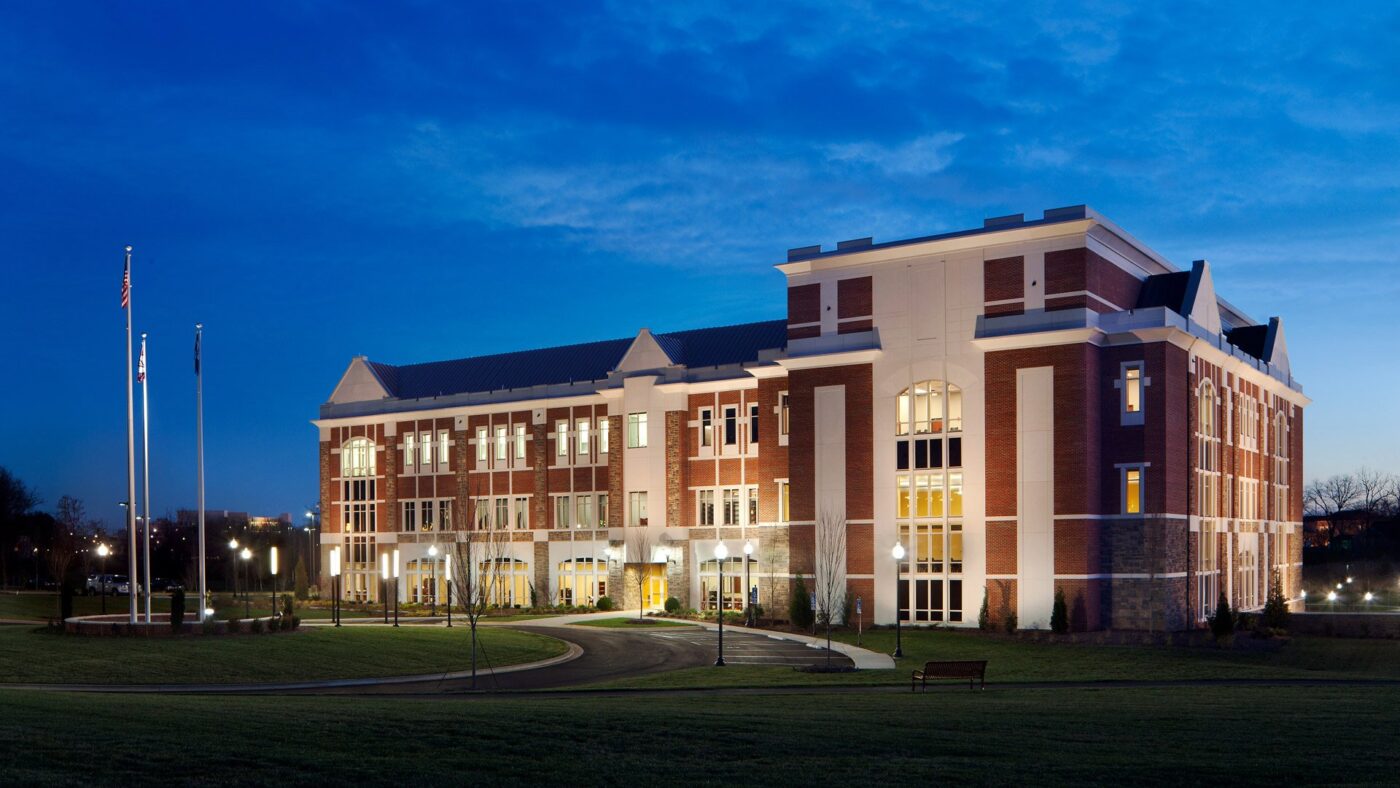
Edward Via College of Osteopathic Medicine (VCOM Carolinas)
The Edward Via College of Osteopathic Medicine (VCOM) was established in 2003 to address a shortage of physicians in rural and medically underserved areas of the South and Appalachia. If you search for DO schools in South Carolina, you will find VCOM to be the only one of its kind. The main campus is in Blacksburg, Virginia, and VCOM added branch campuses in Spartanburg, South Carolina (2011), Auburn, Alabama (2015) and Monroe, Louisiana (2020). The mission from the beginning has been clear: to educate osteopathic physicians who will provide quality health care to the underserved regions of these states.
VCOM opened its Carolinas campus in 2011 in collaboration with Spartanburg Regional Healthcare System, choosing Spartanburg because of the state’s significant need for primary care physicians. The campus is part of Spartanburg’s College Town Consortium of seven colleges and universities. All four campuses hold COCA accreditation, and the Carolinas campus’s next accreditation visit is in academic year 2034-2035.
Medical Degrees
- Doctor of Osteopathic Medicine (DO)
- DO with Research Distinction
- Master of Arts in Biomedical Sciences (MABS), offered in collaboration with Bluefield University (affiliated)
VCOM Highlights
Here are a few key points that set VCOM apart from other South Carolina medical schools.
Rural practice. From the beginning, VCOM has had one prominent purpose: to train osteopathic physicians who will practice in underserved, rural regions of the country. VCOM-Carolinas says it has filled the western Appalachian region of North Carolina and the upstate region of South Carolina with new physicians, and that South Carolina’s family medicine residencies are filled with its graduates.
Osteopathic medicine. Osteopathic medicine focuses on the whole patient, not just a handful of symptoms. VCOM promotes osteopathic medicine and healthy living that prevents illness before it starts whenever possible.
Simple pricing. VCOM charges the same tuition, $52,500 for 2026-2027, at every campus and to in-state and out-of-state students alike. Tuition is the only fee VCOM charges for the DO program.
Edward Via College of Osteopathic Medicine Selection Factors
The VCOM admissions committee looks closely at a few key factors when considering your eligibility and suitability as a candidate.
GPA. VCOM requires a minimum 3.4 science and cumulative GPA on a 4.0 scale in the last 90 hours of your bachelor’s or master’s degree, and it places emphasis on those last 90 hours and the science GPA. The average cumulative undergraduate GPA at VCOM-Carolinas is 3.72.
MCAT. A score greater than 496 is generally required, and the average MCAT of accepted applicants falls between 500 and 506. The mean MCAT at VCOM-Carolinas is 501.7. The MCAT is always balanced with your GPA and the non-academic qualities tied to the profession and VCOM’s mission, and VCOM considers target-state applicants with a GPA above 3.7 even with lower but acceptable MCAT scores. For the Carolinas campus this cycle, the oldest MCAT considered is from April 10, 2023, and the latest accepted is from January 31, 2027.
Letters of recommendation. VCOM requires a letter from a premedical advisor, pre-health committee or science faculty member who has taught you. If you have worked with a physician as a volunteer or employee, a physician letter is also recommended. Experience in a clinical setting gives you something concrete to show here, and pre-health internships are one way to work alongside physicians before you apply.
Secondary application. VCOM screens AACOMAS applications and invites qualified applicants to a secondary application. One secondary and one $25 fee cover any or all four campuses, and the AACOMAS fee waiver is honored. The primary and supplemental application deadline for the 2026-2027 cycle is April 15, 2027, but admissions are rolling and seats may fill before then, so VCOM advises submitting at least five weeks before the deadline. IMA’s guide to the AACOMAS application explains how the DO application works.
How Competitive is Edward Via College of Osteopathic Medicine?
It can be difficult to gain acceptance to VCOM because of its strong reputation and its minimum GPA and MCAT requirements. Follow the application process carefully and put your full effort into every step.
- Students admitted per class at VCOM-Carolinas: 150 to 162
- First-year students, 2024-2025: 162 (75 in-state, 87 out-of-state)
- Total VCOM-Carolinas enrollment, 2024-2025: 645
- Mean MCAT: 501.7
- Average GPA: 3.72
- Minimum GPA: 3.4 (science and cumulative, last 90 hours)
- MCAT generally required: greater than 496
VCOM does not publish its number of applications or offers for the Carolinas campus, so its acceptance rate cannot be calculated from its own figures. For more information and helpful tips about applying to VCOM, read How to Get Into Edward Via College of Osteopathic Medicine (VCOM): The Definitive Guide.
How Can IMA Help?
International Medical Aid (IMA) offers useful tools and memorable experiences to pre-health students, medical students and clinicians. Our global internship opportunities give participants experiences that shape them as future doctors and as people.
IMA’s pre-med internships give students the opportunity to work with patients who live in underserved parts of the world and lack access to consistent, quality medical care. These internships for pre-med students take place in hospitals and clinics, where interns take vitals, do intake and triage and help with direct care under supervision, and they never perform tasks that would require a medical license in the United States. IMA’s medical internships abroad also include programs for nursing, pre-PA, mental health and other health careers, and our international healthcare internships page describes every program. This clinical experience will stand out to the admissions committees of the medical schools in South Carolina.
IMA also offers medical school admissions consulting to help applicants gain acceptance to the medical school of their choice. Our experts provide one-on-one, personalized guidance, tips and coaching throughout the process, and guidance on essay writing and mock interviews goes a long way.
Another IMA resource you may find useful is our Medical School Secondary Essay Prompts Database. Take the secondary essay section seriously. It is a big part of how admissions committees make their decisions, because it gives them a glimpse of what makes you unique, how you will contribute on campus and what kind of physician you are likely to become.
Good Luck!
As you research which of the medical schools in South Carolina is right for you, or which DO school in South Carolina fits your goals, we hope this guide comes in handy. You may want to print it and keep it nearby. If you are still wondering “what are the best medical schools near me?”, read the individual guides for a closer look at each school, and if you are open to neighboring states, compare the medical schools in North Carolina and the medical schools in Georgia.
Please contact us at IMA if you are interested in our medical school admissions consulting or would like more information about gaining clinical experience through our internships. Let us help you earn your acceptance to one of your favorite medical colleges in South Carolina.
Frequently Asked Questions
How many medical schools are in South Carolina?
South Carolina has four medical school programs: three MD programs (the Medical University of South Carolina College of Medicine in Charleston, the University of South Carolina Kay and C. Edward Floyd, M.D. School of Medicine in Columbia and the University of South Carolina School of Medicine Greenville) and one DO program, the Carolinas campus of the Edward Via College of Osteopathic Medicine in Spartanburg. No new South Carolina school is in the LCME or COCA accreditation pipeline.
Which medical schools in South Carolina accept out-of-state students?
All four accept out-of-state applicants, but on very different terms. VCOM-Carolinas has no state requirement, and in 2024-2025 more than half of its first-year students came from outside South Carolina. USC Greenville draws about 30% of each class from out of state and USC Floyd about 25%. MUSC accepts out-of-state applicants only if they have at least a 511 MCAT, a 3.7 GPA and strong Close Ties to South Carolina, and 94% of its Fall 2026 class is in-state.
What MCAT score do I need for medical school in South Carolina?
It depends on the school. The latest class averages are 511.4 at MUSC (Fall 2026), 509 at USC Floyd (Class of 2030), a typical 509 at USC Greenville and 501.7 at VCOM-Carolinas. MUSC sets minimums of 500 for South Carolina residents and 511 for out-of-state applicants, VCOM generally requires a score above 496, and the two USC schools set no minimum.
What GPA do I need for medical school in South Carolina?
The latest average GPAs are 3.86 at MUSC, 3.80 at USC Floyd (with a 3.76 science GPA), a typical 3.7 to 3.75 at USC Greenville and 3.72 at VCOM-Carolinas. MUSC requires a cumulative undergraduate GPA of at least 3.0 for residents and 3.7 for out-of-state applicants, and VCOM requires at least a 3.4 science and cumulative GPA in your last 90 hours. Neither USC school sets a minimum.
Which is the cheapest medical school in South Carolina?
For South Carolina residents, MUSC has the lowest first-year tuition at $38,658 for 2026-27, although its first-year cost of attendance ($82,333) is higher than at either USC school ($72,036 at Floyd and $74,149 at Greenville, for fall and spring). MUSC bills tuition for fall, spring and summer terms, and its estimate includes $4,000 for health insurance. Both USC schools charge residents $42,888 in tuition. For nonresidents, VCOM’s $52,500 tuition is the lowest, compared with $67,773 at MUSC and $87,150 at both USC schools.
Is there a DO school in South Carolina?
Yes. The Edward Via College of Osteopathic Medicine’s Carolinas campus in Spartanburg is the only osteopathic medical school in South Carolina. It opened in 2011, admits 150 to 162 students per class and charges $52,500 in tuition for 2026-2027 to every student.
Do South Carolina medical schools accept international students?
No South Carolina medical school accepts international applicants who are not permanent residents. USC Greenville, USC Floyd and VCOM consider only U.S. citizens and permanent residents, and MUSC requires a permanent resident visa for its regular MD program. MUSC does consider applicants with DACA status under the same policies as other applicants.
How much clinical experience do South Carolina medical schools want?
None of the four schools sets a minimum number of hours, but all of them look for meaningful patient contact. USC Floyd expects enough health care experience that you have a reasonable idea of what it means to pursue medicine, and VCOM weighs health care experience and fit with its mission. Supervised programs such as IMA’s clinical internships for pre-med students can add hands-on hours alongside the clinical work you do in South Carolina.
Sources
- University of South Carolina School of Medicine Greenville: admissions FAQ; application step by step; application timeline (2026-2027 and 2027-2028); tuition and expenses; history; LCME accreditation; EMT training and certification; curriculum; Primary Care Accelerated Track; lifestyle medicine. Checked November 10, 2026.
- University of South Carolina Kay and C. Edward Floyd, M.D. School of Medicine: MD admissions page (Fall 2027 timeline and Class of 2030 Profile); admissions FAQs; application; MD tuition and financial aid; our history; MD program about us; Florence Regional Campus; accreditations; MD/PhD; mission, vision and values; new Health Sciences Campus. Checked November 10, 2026.
- University of South Carolina Office of Financial Aid: estimated 2026-27 costs (Floyd School of Medicine M.D. and School of Medicine Greenville M.D.). Checked November 10, 2026.
- Medical University of South Carolina: College of Medicine Facts & Figures (Fall 2026 incoming class, Class of 2026 Match); M.D. application process and Admissions Snapshot (Class of 2029); selection criteria (2026-27 cycle); Doctor of Medicine program page (2026-27 tuition and cost of attendance); application timeline; MUSC About. Checked November 10, 2026.
- Edward Via College of Osteopathic Medicine: DO admissions requirements; step-by-step guide; VCOM-Carolinas campus page; 2026-2027 tuition and fees; First Year Cost of Attendance 2026-2027; Why VCOM. Checked November 10, 2026.
- AACOM Choose DO Explorer, VCOM-Carolinas (2026-2027 profile; enrollment labeled 2024-2025 academic year; MCAT and GPA cohort not labeled). Checked November 10, 2026.
- Liaison Committee on Medical Education, Directory of Accredited Programs (updated November 2, 2026) and applicant and candidate programs (updated October 14, 2026).
- American Osteopathic Association Commission on Osteopathic College Accreditation, Colleges of Osteopathic Medicine directory (September 2026) and candidate status list. Checked November 10, 2026.
See more of our guides in your Google results: add International Medical Aid as a preferred source on Google.