Protecting Patients, Participants, and Professional Futures
Here’s a quick look at the three pillars of program safety, physical, clinical, and ethical, for pre-health students, parents, and university advisors.
Why Safety Standards Matter Now
International clinical programs can expand perspective, sharpen judgment, and build maturity. They can also create risk when structure and oversight are missing. Admissions readers now scrutinize how time abroad was supervised, what the student actually did, and whether patient safety was prioritized.
Programs that push untrained students into clinical tasks harm patients and compromise patient care. Programs that are structured, supervised, and observational help students learn within their scope. This should provide you with a clear standard for what safe and defensible programs look like.
Pillar One: Physical and Environmental Safety
Housing That Reduces Risk
Safe programs control housing rather than pushing students to find their own. Vetted residences should have:
- Solid building condition with working smoke detection and clearly marked exits.
- Lockable doors and windows; bedrooms ideally above ground level.
- Well-lit surroundings and basic environmental safety (no exposed wiring, safe refuse areas).
- On-site or readily available staff support at all hours.
Programs that arrange and manage housing remove a major source of preventable risk and provide families with a single point of contact when something goes wrong.
Transportation Done Right
The leading cause of American deaths abroad is traffic incidents. Safe programs do not leave students to figure out public transport or random ride-hail options. They provide vetted daily transport to clinical sites and use trusted operators for any excursions. This is a policy, not a suggestion.
Pre-Departure Readiness That Covers Health and Logistics
Strong providers start months before departure.
- Mental and emotional readiness: students discuss support needs and stress plans in advance
- Travel medicine: required visit to a travel clinic for routine and destination-specific vaccines; medication plans that consider legality and refrigeration access
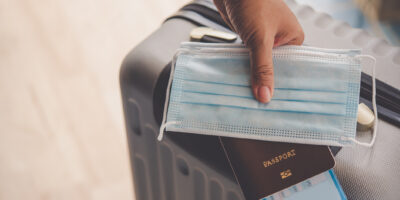
- Documents and admin: passports with adequate validity, visas in order, secure copies of key records, and clear guidance for families on handling issues at home while the student is away
Emergency Response That Works Under Pressure
Hope is not a plan. Programs need:
- A 24/7 in-country contact and a 24/7 U.S. contact
- Written evacuation and contingency procedures are shared with students and families.
- Embassy registration through STEP* or the host-country equivalent.
- Comprehensive group health, liability, and evacuation coverage is built into the program.
*A non-negotiable layer of security involves government integration. Reputable programs mandate enrollment with STEP, a free service from the Bureau of Consular Affairs. This registration ensures that the local U.S. Embassy can contact you and the program staff immediately in the event of a natural disaster, civil unrest, or family emergency.
If a provider cannot show this in writing, move on.
Pillar Two: Clinical and Occupational Safety
Infection Prevention and Control Is Non-Negotiable
Hospitals carry real hazards. Infection prevention and control (IPC) must be taught before anyone sets foot on a ward. Students need practical training on hand hygiene, standard precautions, transmission-based precautions, and local workflows. IPC is universal; it protects patients and trainees in every setting.
Bloodborne Pathogens and Sharps Risk
Needlestick and sharps injuries drive transmission of HBV, HCV, and HIV in clinical environments. Key facts:
- A large share of injuries happens during disposal.
- Injury rates rise with inexperience and fall with training.
- Risk drops sharply when safer devices and proper containers are used.
Programs must teach exposure protocols step by step and ensure that students can recite the protocol within seconds of an incident.
Controls That Actually Reduce Harm
A credible framework includes:
- Engineering controls: safer sharps devices and puncture-resistant labeled containers at point of use
- PPE: gloves, masks, and gowns available in the right sizes, with training on correct donning and doffing
- Vaccination: Hepatitis B series completed or documented immunity before clinical access
- Mandatory training: pre-departure modules plus on-site refreshers tied to the actual hospital’s procedures
If any of these pieces are missing, clinical exposure should not proceed.
Pillar Three: Ethical and Professional Safety
Scope of Practice Protects Patients and Your Future
Unlicensed students do not perform procedures. That rule keeps patients safe and keeps you from making a career-ending mistake. Violations may break local law, put patients at risk, and signal poor judgment to admissions committees. Listing injections, suturing, or deliveries as a pre-med is not impressive; it is a red flag.
Medical schools are becoming increasingly vigilant about the ethics of their applicants. Adhering to the AAMC guidelines for clinical experiences abroad ensures that your participation remains within professional boundaries. Programs that align with these standards protect you from engaging in unlicensed medical practice, which is viewed as a significant lapse in judgment during the admissions review process.
The Observational Model Is the Only Acceptable Model
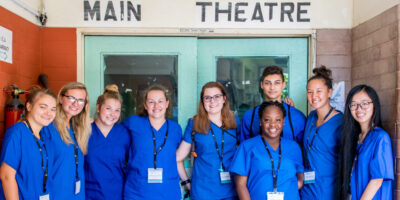
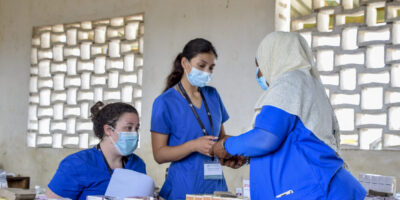
Safe programs are clear: students observe, assist with non-clinical tasks, and learn from licensed teams. They shadow rounds, watch procedures from approved areas, help with education and logistics, and participate in structured discussions that address ethics and systems. Mentorship and supervision are constant and documented.
Spotting Ethical Red Flags
Walk away if you see:
- Marketing that promises you will “practice medicine” as a pre-med.
- Pop-up clinics that divert patients from established facilities.
- No named supervisors, no written scope, no code of ethics.
- Vague impact claims and no evidence of long-term partnerships.
When evaluating potential programs, it is vital to distinguish between genuine educational opportunities and exploitative voluntourism. Understanding the principles of ethical engagement in global health helps you identify programs that prioritize long-term community partnerships over temporary, ‘hero-centric’ interventions that often compromise patient dignity and safety.
Interprofessional Exposure Is a Strength
Shadowing across various roles, such as those of MDs, PAs, nurses, and therapists, demonstrates respect for team-based care and supports core competencies like teamwork and communication. It is not a liability when framed with clarity about why you are pursuing the physician role.
What Strong Programs Provide
- Managed housing in secure areas with 24/7 support.
- Vetted transport for all program activities.
- Comprehensive insurance and a written emergency plan.
- Pre-departure and on-site training in IPC, PPE, and exposure protocols.
- Explicit observational scope with signed policies and real supervision.
- Structured teaching (lectures, case reviews) and guided reflection.
- Ethical community engagement that continues after students leave.
How to Compare Providers in One Sitting
Parents: Five Questions
- Is the housing program managed in secure, staffed locations?
- Is daily transport to clinical sites vetted and provided?
- Are there 24/7 contacts both in-country and in the U.S.?
- Is group health plus evacuation insurance included?
- Can I review the emergency plan before we proceed with payment?
Students: Four Requirements
- Mandatory pre-departure IPC and bloodborne pathogen training.
- PPE availability and instruction at the hospital.
- A written exposure protocol you can describe from memory.
- Vaccine verification and medication planning were completed ahead of schedule.
Advisors: Six Program Standards
- Explicit alignment with AAMC expectations for pre-health abroad.
- Assigned clinical mentors with names and roles listed.
- Signed no-procedures policy and clear observational scope.
- Interprofessional shadowing is baked into the schedule.
- Documented long-term partnerships with host hospitals.
- Post-program support to help students apply the experience to their future endeavors.
Building Value Without Crossing Lines
Observation becomes substance when it is structured and organized. Shadow rounds teach triage and resource allocation. Debriefs help sort ethics without defensiveness. Admissions committees do not just look for hours; they look for the development of specific traits.
A safe, supervised program provides the ideal environment to demonstrate core competencies such as reliability, ethical responsibility, and adaptability. These are best cultivated in a structured setting where you can reflect on systemic challenges without being responsible for clinical outcomes.
Community sessions show how literacy, distance, schedules, and cost shape adherence. Keep a disciplined journal and process with mentors. You will return with specific cases and lessons you can explain in essays and interviews without exaggeration.
How Admissions Committees Read These Files
- Only domestic, well-documented experience: solid and lower risk
- Domestic plus unethical “hands-on” abroad: risk due to judgment concerns
- Domestic plus supervised, observational global work with clear reflection: standout for maturity, humility, and systems awareness
A Practical Plan You Can Follow
- Build a domestic base. EMT, CNA, scribe, or steady hospital volunteering. Show up weekly, log accurately, and seek feedback.
- Earn more responsibility. After reliability is proven, take on harder tasks within scope and under supervision.
- Add an ethical global experience only when you are ready. Pick a program with named supervisors, a written scope, training, and reflection. Know your daily schedule before you fly.
- Translate into application materials. In entries, state setting, supervision, duties, and one outcome. Use a Most Meaningful story with Situation, Task, Action, and Result.
- Prepare for interviews. Have two domestic examples and one global example that show judgment, communication, and respect for scope.
Final Thoughts
Safe programs protect patients first. They protect you by keeping you inside an observational scope, training you properly, and supporting you with housing, transport, and emergency plans that work. Choose providers that can prove these standards in writing, put real mentors at your side, and help you turn experience into clear, honest reflection. That combination strengthens your education now and your application later.
Frequently Asked Questions
Why Do Safety Standards Matter In International Clinical Programs?
Because structure and oversight determine whether time abroad helps or harms. Admissions readers look for proof of supervision, scope control, and patient safety. Programs that push untrained students into clinical tasks create risk for patients and applicants.
What Housing Standards Should A Program Meet?
Housing should be program-managed in secure, staffed locations. Expect solid buildings with working smoke detection and marked exits, lockable doors and windows, well-lit surroundings, and on-site or readily available support at all hours.
How Should Transportation Be Handled?
Traffic incidents are the leading cause of American deaths abroad. Safe programs provide vetted daily transport to clinical sites and use trusted operators for all excursions. This should be policy, not advice.
What Belongs In Pre-Departure Preparation?
Three buckets: mental readiness plans, travel medicine clearance with destination-specific vaccines and medication logistics, and admin basics like valid passports, visas, and secure copies of key documents.
What Does A Real Emergency Plan Include?
A 24/7 in-country contact and a 24/7 U.S. contact, written evacuation and contingency procedures shared with families, embassy registration through STEP, and comprehensive group health plus evacuation coverage built into the program.
What Is Infection Prevention And Control Training?
Practical instruction on hand hygiene, standard and transmission-based precautions, and local clinical workflows. It must be completed before anyone enters a ward and reinforced on site.
How Big Is The Risk From Bloodborne Pathogens And Sharps?
Significant. Many injuries occur during disposal, rates rise with inexperience, and training lowers risk. Safer devices and puncture-resistant containers at point of use reduce harm sharply.
What Clinical Safety Controls Should I See?
Engineering controls like safer sharps and labeled containers, PPE available in correct sizes with donning and doffing training, verified Hepatitis B vaccination, and mandatory pre-departure plus on-site refreshers tied to hospital procedures.
What Is The Scope Of Practice For Pre-Health Students Abroad?
Unlicensed students do not perform procedures. No injections, no suturing, no deliveries. Breaches endanger patients, can violate law, and read as poor judgment to admissions committees.
What Does An Observational Model Look Like?
Shadow rounds, observe procedures from approved areas, assist with non-clinical tasks, and join structured teaching and ethics discussions. Mentorship and supervision are constant and documented.
What Are Ethical Red Flags In Program Marketing?
Promises that you will “practice medicine” as a pre-med, pop-up clinics that pull patients from established facilities, no named supervisors, no written scope or code of ethics, and vague impact claims without evidence of long-term partnerships.
Is Interprofessional Shadowing a Liability?
No. Shadowing MDs, PAs, nurses, and therapists shows respect for team-based care and supports core competencies like teamwork and communication when you are clear about pursuing the physician role.
What Should Strong Programs Provide as Baseline?
Managed housing, vetted transport, comprehensive insurance with a written emergency plan, IPC and PPE training with exposure protocols, a signed observational scope with real supervision, structured teaching and guided reflection, and ethical community work that continues after students leave.
How Do Parents Compare Providers Quickly?
Confirm secure, staffed housing, vetted daily transport, 24/7 contacts in country and in the U.S., included health and evacuation insurance, and the ability to review the emergency plan before payment.
What Must Students Verify Before Travel?
Completion of IPC and bloodborne pathogen training, PPE availability and instruction at the hospital, a written exposure protocol you can recite from memory, and vaccine and medication planning finished ahead of schedule.
What Do Advisors Need To See In Writing?
Alignment with AAMC expectations, named clinical mentors, a signed no-procedures policy with clear observational scope, interprofessional shadowing in the schedule, documented long-term hospital partnerships, and post-program support for applications.
How Do I Build Value Without Crossing Lines?
Treat observation as active learning. Capture cases in a disciplined journal, debrief with mentors, and focus on concrete lessons about triage, resources, communication, and adherence. Use those specifics in essays and interviews.
How Will Admissions Committees Read My File?
Domestic, well-documented experience is solid. Adding unethical hands-on abroad introduces judgment risk. Domestic experience plus supervised, observational global work with clear reflection signals maturity, humility, and systems awareness.
What Practical Plan Should I Follow?
Build a domestic base with EMT, CNA, scribing, or steady volunteering. Earn added responsibility within scope. Add ethical global experience only when ready and only with named supervisors, a written scope, training, and reflection. Translate specific details into your application and prepare interview examples that demonstrate judgment and effective communication.