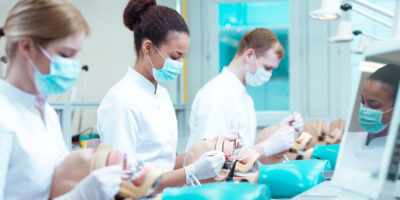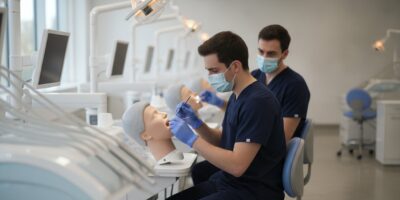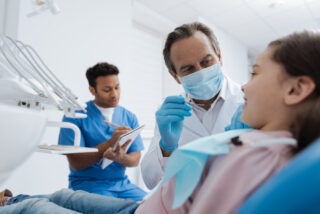
A dental internship for pre-dental students is mostly observation. You watch licensed dentists examine, treat and teach patients, learn how the whole dental team works, and help teach oral hygiene in the community. IMA’s programs run six to eight hours a weekday, with stays from two weeks in Mombasa, Kenya or Cusco, Peru.
Knowing that in advance changes how you prepare. You will learn the most if you arrive with questions, understand the limits of your role and plan how you will record what you see. If you are still deciding whether dentistry fits you, our guide on how to become a dentist explains the full training path.
Who Dental Internships Are For
The word “internship” covers very different experiences in dentistry, so start by placing yourself in the right group.
- Pre-dental undergraduates observe patient care and learn about the profession. They do not examine, clean or treat teeth.
- Enrolled dental students may work within the limits of their training, supervised by a licensed dentist and under the host site’s rules.
- Recent dental graduates often look for exposure to different health systems and patient needs before or between next steps.
Many students searching for a dental internship are undergraduates who want to see dentistry before applying. If you are wondering how internships fit into dental school itself, our article on whether dental students do internships explains the difference between pre-dental experiences and the clinical training that happens inside a dental program.
What You Will Observe in the Dental Unit
Most of your time is spent beside a licensed dentist. In IMA’s hospital dental units, interns watch oral exams, preventive care and common treatments such as fillings and extractions. Where the site offers them, you may also see general dentistry, oral surgery, orthodontics, periodontics and preventive care. What you see depends on the hospital, the day’s patients and your level of training.
Dental interns at IMA stay in the same unit for the whole program rather than rotating each week. In Mombasa that is the Dental Unit at Coast General Teaching and Referral Hospital. In Cusco it is the Dentistry Department at Hospital Nacional Adolfo Guevara Velasco. Staying put lets you get to know the team and follow patients who return.
Both hospitals work with limited resources, so you also see how dentists adapt care to the equipment and supplies available. That is useful context for anyone interested in community or public health dentistry.
What Does a Typical Week Look Like?
The table below is an illustrative week built from IMA’s published program description. Your actual schedule is set with your Program Mentor and depends on the site.
| Part of the week | What you do | What to focus on |
|---|---|---|
| Orientation (first days) | Program rules, standards of conduct, shadowing guidelines and a hospital tour | Who to ask when you are unsure |
| Weekday clinic time | Six to eight hours in the dental unit beside a licensed dentist | How the dentist explains findings and options |
| Weekly clinical debrief | Group session led by a physician mentor, sometimes with a simulation | Questions you saved from the week |
| Global Health Lecture Series | Talks on health policy and disparities in the host country | How access shapes the patients you see |
| Community sessions | Oral hygiene lessons for school children and community clinics | Explaining prevention in plain language |
| Cultural activity | A market tour, language lesson or similar outing | Understanding patients’ daily lives |
Your Role and Its Limits
The older version of this article said dentists may delegate light clinical duties once they trust an intern. For pre-dental students, that is not how a responsible program works.
The American Dental Education Association’s guidelines for predental students abroad say the primary purpose of a predental clinical experience is observation, not hands-on treatment. They list activities predental students should never do, including diagnosing disease, giving anesthesia, performing extractions or other surgery, restoring teeth, placing sealants, performing cleanings and making impressions. They also note that a local dentist’s permission does not make a procedure legal for you to perform.
IMA follows the ADEA guidelines and the AAMC’s guidelines for students in clinical settings abroad. Pre-dental students observe patient care, and your active role comes in community sessions, where you help teach oral hygiene. A patient can always decline to have a student present, and you never diagnose, prescribe or stand in for local staff.
Can Pre-Dental Interns Help With Procedures?
Not with treatment. ADEA considers it appropriate for predental students to give preventive oral health education and to support the team after adequate instruction, but anything that counts as the practice of dentistry is off limits. On IMA programs, pre-dental students do not examine, clean or treat anyone’s teeth. ADEA also warns that taking on tasks beyond your training can make you look irresponsible to admissions committees, so staying within your role protects patients and your application.
Learning to Communicate With Patients
Many patients arrive anxious, and a large part of good dentistry is how the dentist explains what will happen next. Watch how your supervisor greets patients, checks understanding and responds to fear or pain. Notice the words they choose and when they pause for questions.
Language matters here. Every IMA program includes clinical lessons in the local language: medical Swahili in Mombasa, and Spanish in Cusco, where the dental team works in Spanish and Spanish classes continue in the afternoons. Even a few phrases help you greet patients respectfully. Our guide to staying engaged during observation across a language barrier has practical techniques.
Watching Equipment Use and Infection Control
A dental unit is full of instruments you may only have seen in textbooks. As a pre-dental intern, you learn about them by watching how they are prepared, used, cleaned and stored, not by using them. Pay attention to sterilization routines, the order of steps before and after each patient and how the team protects everyone in the room.
Aside from equipment, you will also learn how much of dentistry is prevention. Hygiene is central to oral health, and the people who teach it are part of the team you should observe. Our Dental Hygiene Month guide for pre-dental students explains how to observe the prevention work hygienists lead.
Gaining Career Clarity
Seeing dentistry up close helps you test assumptions about the profession. The American Dental Association describes a dental team that includes dentists, dental hygienists, dental assistants, dental office managers and dental laboratory technicians. Watching how those roles share the work can show you which parts of dentistry interest you most.
Keep notes on the moments that surprise you: a difficult conversation, a long procedure, an unexpected referral. Those details are what make a reflection or interview answer specific. When you reach the application stage, our guide to applying with ADEA AADSAS explains how experiences are entered and described. To plan and log those hours, use our guide to dental shadowing hours.
Feedback, Professionalism and Team Dynamics
You will not get everything right, and you are not expected to. Expect feedback from mentors and dentists, take corrections calmly and ask how to improve. Students who respond well to feedback earn more explanations and better letters of recommendation.
Every workplace has its own dynamics. Stay courteous with everyone, avoid taking sides in disagreements and keep your attention on learning. You are a guest in a working unit, and the team’s time with patients comes first.
Quiet Moments Between Patients
Clinics have slow periods. Use them well. Save your questions for a quiet moment between patients, review your notes, look up an unfamiliar condition or ask a team member about their role. A short written log at the end of each day turns scattered observations into material you can use later.
Paid and Unpaid Dental Internships
Paid positions for undergraduates are uncommon in dentistry, and most pre-dental observation is unpaid. What matters more is what surrounds the placement. IMA’s dental placements include orientation, a gated residence, three meals a day, daily transport, travel medical insurance and staff on call 24/7, so your attention can stay on the clinic. Check session timing for your site on the program dates page.
Hours, Certificates and Credit
Your hours are logged by date and shift, and IMA’s U.S.-based Medical Director validates the record. Each dental school decides how to count those hours, and academic credit is your own school’s decision. Every intern who completes the program receives a certificate of completion. It shows you finished the program; it is not a dental license or clinical credential, and no program can guarantee admission to dental school.
Expectations Checklist
| Stage | What to do |
|---|---|
| Before you go | Read the ADEA guidelines, confirm your role in writing and learn basic greetings in the local language |
| First days | Learn the unit’s routine, infection control steps and who to ask when unsure |
| Each day | Observe one theme closely, such as how consent or pain is discussed |
| Each week | Bring saved questions to the clinical debrief and update your log |
| After you return | Turn your notes into a short reflection and request any letters promptly |
Choosing the Right Program
Look for a program that states the pre-dental role clearly, names its supervisors and explains how hours are recorded. If you want hospital-based observation with community oral health teaching, explore IMA’s dental internships abroad.
For a closer look at daily duties, read about the responsibilities of a pre-dental intern, and if timing matters, see why students choose a summer dental internship.
Frequently Asked Questions
What Do Pre-Dental Students Do During a Dental Internship?
Pre-dental students mainly observe licensed dentists as they examine, treat and teach patients. In IMA’s programs, their active role comes in community sessions, where they help teach oral hygiene to school children.
Can Pre-Dental Interns Perform Dental Procedures Abroad?
No. ADEA guidelines say predental students should never diagnose, give anesthesia, extract or restore teeth, place sealants, clean teeth or make impressions. A local dentist’s permission does not change that.
How Long Is a Dental Internship Abroad?
IMA’s dental programs start at two weeks. Kenya runs year-round for two to 12 weeks, and Cusco runs fixed sessions of two to four weeks.
Do Dental Internship Hours Count for Dental School?
IMA logs hours by date and shift, and its U.S.-based Medical Director validates the record. Each dental school decides how to count those hours, so check with the schools you plan to apply to.
Do I Need to Speak the Local Language?
Mombasa programs run in English with medical Swahili lessons. Cusco requires at least two years of Spanish study because the dental team works in Spanish.
Are Dental Internships Paid?
Paid dental internships for undergraduates are uncommon. Most pre-dental observation is unpaid, so judge a placement by its supervision, the range of care you will see and the support around you rather than by pay.